MindMap Gallery Neurology Chapter 8 Episodic Disorders 001
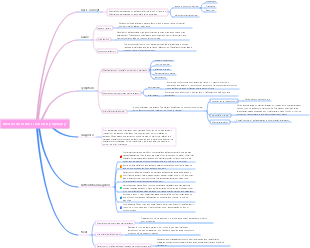
About Neurology Chapter 8 Episodic Diseases 001 Mind Map, Epilepsy (epilepsy): refers to a chronic brain clinical syndrome characterized by brain dysfunction caused by highly synchronized abnormal discharge of brain neurons due to various causes; it has Episodic, transient, repetitive and stereotyped characteristics.
Edited at 2024-03-25 23:36:23Avatar 3 centers on the Sully family, showcasing the internal rift caused by the sacrifice of their eldest son, and their alliance with other tribes on Pandora against the external conflict of the Ashbringers, who adhere to the philosophy of fire and are allied with humans. It explores the grand themes of family, faith, and survival.

This article discusses the Easter eggs and homages in Zootopia 2 that you may have discovered. The main content includes: character and archetype Easter eggs, cinematic universe crossover Easter eggs, animal ecology and behavior references, symbol and metaphor Easter eggs, social satire and brand allusions, and emotional storylines and sequel foreshadowing.
[Zootopia Character Relationship Chart] The idealistic rabbit police officer Judy and the cynical fox conman Nick form a charmingly contrasting duo, rising from street hustlers to become Zootopia police officers!
Avatar 3 centers on the Sully family, showcasing the internal rift caused by the sacrifice of their eldest son, and their alliance with other tribes on Pandora against the external conflict of the Ashbringers, who adhere to the philosophy of fire and are allied with humans. It explores the grand themes of family, faith, and survival.
This article discusses the Easter eggs and homages in Zootopia 2 that you may have discovered. The main content includes: character and archetype Easter eggs, cinematic universe crossover Easter eggs, animal ecology and behavior references, symbol and metaphor Easter eggs, social satire and brand allusions, and emotional storylines and sequel foreshadowing.
[Zootopia Character Relationship Chart] The idealistic rabbit police officer Judy and the cynical fox conman Nick form a charmingly contrasting duo, rising from street hustlers to become Zootopia police officers!
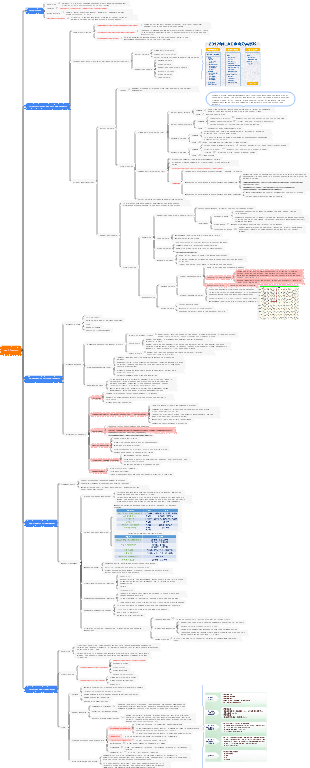
Neurology Chapter 8 Episodic Disorders 001
Section 1 Epilepsy
I. Overview
【definition】
1. Epilepsy: refers to a chronic brain clinical syndrome characterized by brain dysfunction caused by highly synchronized abnormal discharges of brain neurons caused by various causes; it is episodic, transient, repetitive and stereotyped. Features
2. Epileptic seizure (seizure): refers to each clinical epileptic seizure/the process of each seizure
3. Epilepsy syndrome: In epileptic seizures, a group of specific epileptic phenomena with similar symptoms and signs.
[Epidemiology] The first year after birth and old age are the two peak ages of onset; 25% are refractory epilepsy
【Cause and classification】
symptomatic epilepsy
Caused by various well-defined CNS structural damage/dysfunction; epileptic seizures are only a symptom of the disease
Idiopathic epilepsy (60%)
The cause is unknown, and no structural damage/functional abnormality in the brain that can cause epileptic seizures has been found. It may be closely related to genetic factors. It often starts at a certain age and has characteristic clinical/EEG manifestations.
[Factors affecting epileptic seizures]
【Pathogenesis】
start
Neurons in the epileptogenic zone exhibit paroxysmal depolarization shifts (PDS) after each action potential, and simultaneously produce high-frequency and high-amplitude spike-wave discharges.
termination
The epileptogenic focus generates a huge postsynaptic potential → activates the negative feedback mechanism → the cell membrane remains in a state of excessive depolarization for a long time
spread
Abnormal discharge: ① limited to a certain area of the cerebral cortex → focal seizure; ② long-term conduction in the local feedback loop → focal seizure status; ③ spread to other areas on the same side or even one hemisphere through electric field effects and conduction pathways →Jackson's seizure; ④ affects the ipsilateral hemisphere and spreads to the contralateral cerebral hemisphere → secondary generalized seizure; ⑤ starts in the thalamus/brainstem and only extends to the reticular formation ascending activating system → absence seizure; ⑥ widespread Projects to the cerebral cortex on both sides and inhibits the reticulospinal tract → generalized tonic-clonic seizures
【pathology】
1. Hippocampal sclerosis (HS)/Ammon horn sclerosis/central temporal sclerosis (MTS): It may be the result or the cause of recurrent epilepsy, and is closely related to the success or failure of epilepsy treatment. ; Grossly, the hippocampus is atrophic and hard, and microscopically, the typical manifestations are neuronal loss and gliosis.
2. Mossy-fiber sprouting (MFS): Granule cell axons (moss fibers) sprout and enter the inner molecular layer and CA1 area of the dentate gyrus to form local abnormal neural circuits.
3. Diffuse widening of granule cells: The width of granule cells in the dentate nucleus is significantly larger than normal, and the boundary between the granular layer and the molecular layer is blurred.
【Classification and performance】
International League Against Epilepsy 1981 Classification of Epileptic Seizures (requires mastery)
focal seizure
Simple focal seizure: the epileptic discharge is limited to a relatively limited area of one cerebral hemisphere, the onset time is short (<1min), there is no disturbance of consciousness, and the seizure process can be fully recalled. The specific performance depends on site of epileptic discharge
(focal) motor seizures: severe cases may leave temporary limb paralysis after the seizure (Todd's palsy → is a more reliable sign, usually suggesting discharge originating from the contralateral motor cortex)
Rotational seizure (adversive seizure): the eyes suddenly tilt to one side, followed by the head turning involuntarily in the same direction, accompanied by body twisting, but rarely exceeding 180°. Some patients may suffer from secondary systemic seizures.
Jackson's motor seizure: Abnormal movements start from one local area and move slowly along the distribution of cerebral cortex motor areas. The clinical manifestations of convulsions gradually develop from the fingers, wrist, forearm, elbow, shoulder, corner of the mouth, and face.
Posture seizure: abduct one upper limb, flex the elbow, twist the head to the same side, and stare at the same side
Articulatory seizure: involuntary repetition of the single sound/word before the seizure
Focal status epilepticus (epilepsia partialis continua): localized convulsions that occasionally last for hours, days or even weeks
(focal) sensory seizures
Somatosensory attacks: mostly acupuncture, numbness, and electric shock
Special sensory attacks: smell, vision, taste, hearing
Autonomic attacks: mostly precursors/complications of other attacks; such as headache, epigastric discomfort, rising sensation, pallor, flushing, piloerection, etc.
Psychotic seizures: mostly the precursor of complex focal seizures, and may also be secondary to GTCS; manifested as amnesia (hippocampus), affective disorder (cingulate gyrus), delusions and hallucinations (posterior hippocampus/temporo-occipital region)
Complex focal seizures (CPS)/psychomotor seizures/temporal lobe epilepsy: most common in adults; mostly originate from the temporal lobe; accompanied by impaired consciousness, unresponsive to external stimuli during the attack, and unable/partially unable to retell the details of the attack after the attack ;Includes three stages
"Aura": arising from a simple focal seizure lasting only a few seconds
"Absence": interruption of movement/speech
Automatisms: refers to unconscious and involuntary activities with certain coordination and adaptability that occur during/after epileptic seizures in a state of confusion; accompanied by amnesia; can manifest as oropharyngeal automatisms, Manual automatisms, ambulatory automatisms, and verbal automatisms
Focal seizure followed by generalized seizure: with disturbance of consciousness
generalized seizure
Generalized tonic-clonic seizure (GTCS): characterized by loss of consciousness and bilateral symmetrical convulsions
Tonic phase: The patient suddenly loses consciousness, often falls down with a cry, and the skeletal muscles of the whole body twitch continuously at the same time. The upper eyelids are raised, the eyeballs are moved upward, the larynx spasms, and the trunk and limbs are tonic contractions; lasts for about 20 seconds.
Clonic phase: repeated, short-term alternating contraction and relaxation (twitching) of muscles throughout the body, with the frequency gradually slowing down and the relaxation time gradually extending; the twitching stopped abruptly after the last strong clonus; it lasted for about 1 minute, accompanied by foaming at the mouth , urinary incontinence; in the tonic and clonic phases, accelerated heart rate, elevated blood pressure, increased bronchial secretions, mydriasis, loss of light reflex, apnea, skin cyanosis, and positive pathological reflexes can be seen.
∎ Late stage of convulsion: There may still be short-term spasms; breathing recovers first, and then heart rate, blood pressure, pupils, etc. return to normal, the muscles of the whole body relax, and consciousness gradually returns; in the process of gradually waking up, there may be automatisms, headaches, and fatigue, and all symptoms of convulsions are no memory
Absence seizure
Typical: onset in childhood, stopping before puberty; sudden cessation of ongoing activities during the attack, loss of consciousness but not falling, staring with both eyes for a few seconds and then recovery of consciousness; immediate awakening after the attack but inability to recall; excessive switching Gas can often induce attacks; typical EEG manifestations are bilaterally symmetrical 3Hz spike-slow complex waves; generally there are no other manifestations of brain damage, and the response to valproic acid drug treatment is good
Atypical: The disturbance of consciousness is often incomplete; the onset and recovery speed are slow; there are one/several components such as transient tonicity, clonus or autonomic nervous symptoms; EEG shows slower irregular spine-slow complex waves or sharp- Slow waves, abnormal background activity; more common in children with diffuse brain damage, with poor prognosis
Myoclonic seizure: sudden electric shock-like contraction of the whole body/part of the skeletal muscles, often manifested as sudden nodding, leaning forward, leaning back, and rapid raising of both arms; most likely to occur when waking up in the morning and just falling asleep; typical EEG manifests as spiny-slow waves
Tonic seizure: During the attack, there is strong tonic contraction of the whole body muscles accompanied by disturbance of consciousness (the child can be fixed in a certain posture), often accompanied by obvious autonomic symptoms (bruising of the face, apnea, dilated pupils); trunk Tonic seizures can cause opisthotonus; typical EEG manifestations are fulminant polyspike waves; a characteristic manifestation of Lennox-Gastaut syndrome
Clonic seizure: repetitive clonic twitching of muscles throughout the body accompanied by loss of consciousness, without a tonic period before; almost always occurs in infants and young children; EEG shows fast activity, slow waves and irregular spike-slow complex waves
Atonic seizure: a sudden temporary loss of muscle tone somewhere in the body/body, causing a change in posture, often manifested as head droop, shoulders/limbs suddenly drooping, hip and knee flexion, and falling; wake up and stand up immediately after the attack ; EEG shows polyspiny-slow complex or low-potential fast activity; more common in severe symptomatic epilepsy, suggesting diffuse brain damage and unclassified epileptic seizures
Classification of epilepsy/epileptic syndromes: complex, only a few common typical syndromes are introduced below
1. Benign central gyri-temporal spike epilepsy (BECT) in children: onset between 3 and 13 years old; characterized by side and tongue twitching, accompanied by tongue stiffness, difficulty speaking, difficulty swallowing, and increased salivation. It can also affect the same child. side limbs; often occurs during sleep; EEG shows alternating high-amplitude spikes in the central gyrus-temporal region on one side/both sides; prognosis is good, easy to control with medication, and often completely relieved before puberty
2. Benign occipital lobe epilepsy in children: onset on average at the age of 7; often presents with episodic visual symptoms, followed by hemiclonic convulsions, and post-ictal headache; EEG shows high-amplitude spikes/sharp waves in the occipital area/posterior temporal region , mostly appears when eyes are closed and disappears when eyes are opened; prognosis is good
3. West syndrome/infantile spasm: onset within 1 year after birth (peak incidence between 3 and 7 months), more common in boys; manifests as myoclonic seizures (nodding, abduction of both upper limbs, Flexion of lower limbs and trunk), each lasting 1 to 15 seconds, often several to dozens of times in succession, most frequently before going to bed and when waking up; EEG shows peak rhythm disorder; generally the prognosis is poor, often accompanied by mental retardation and neurological signs. More than half can develop Lennox-Gastaut syndrome
4. Lennox-Gastaut syndrome: usually occurs between 1 and 8 years old; characterized by the coexistence of multiple seizure types (tonic is the most common, but also includes atonia, myoclonus, atypical absences, and GTCS), mental retardation; EEG It shows spine-slow complex waves and 10Hz fast rhythm in sleep; it is difficult to control with drugs, status epilepticus is prone to occur, and most of them have poor prognosis.
【diagnosis】
program
Clarify whether it is an epileptic seizure → what type of epilepsy/epilepsy syndrome it is → clarify the cause of the seizure
Determine if epilepsy
History and physical examination: History is the main basis for diagnosis
Auxiliary inspection
EEG: an important method; during the first EEG examination during the onset period, the detection rate of epileptiform discharges is <50%; however, various stimulation methods can be used to promote the occurrence of epileptic discharges
Neuroimaging: CT, MRI, SPECT/PET; applicable to: ① Any age, medical history or EEG suggesting focal seizures; ② Unclassified seizures within 1 year of age/adults/obvious generalized seizures; ③ Nervous/neurophysiological evidence of localized damage; ④ first-line anti-epileptic drugs cannot control seizures; ⑤ anti-epileptic drugs cannot control seizures/changes in seizure type and possible progressive disease
Differential diagnosis
Pseudo-epileptic seizures/hysterical seizures/psychogenic seizures
Syncope: There are often obvious triggers; there are often symptoms such as nausea, dizziness, fatigue, tremor, and darkening of the eyes; the fall is slow, manifested by paleness, sweating, and may be accompanied by twitching and urinary incontinence; the loss of consciousness rarely exceeds 15 seconds. Rapid recovery and full consciousness without postictal confusion
Migraine: Especially when there is visual aura and occasional limb paresthesia, it should be distinguished from focal attack; the aura symptoms of migraine last for a long time, followed by a severe headache attack, accompanied by nausea and vomiting; often History of headache attacks and family history of migraines
TIA: more common in the elderly, often with related risk factors; irregular limb twitching, no head and neck rotation; duration 15 minutes to several hours; no obvious epileptic discharge in EEG
【treat】
medical treatement
Purpose: ① Control attacks and minimize the number of attacks; ② Long-term treatment without obvious adverse reactions; ③ Allow patients to maintain/restore their original physical, psychological and social functional status
The basic principle
When to start taking medication: ① For those who have had two or more seizures within half a year, the medication will be used once the diagnosis is clear; ② For those who have had the first seizure/one seizure for more than six months, they can be informed of the possible side effects of anti-epileptic drugs and the possible consequences of not treating them. Next, according to the wishes of the patient and his family, he or she can choose to use or not use anti-epileptic drugs as appropriate.
① Newly diagnosed patients: ① The diagnosis must be confirmed and "diagnostic treatment" is not allowed; ② Drug selection is based on the type of epileptic seizure and type of epilepsy/epileptic syndrome; ③ First-line monotherapy is preferred, starting with a low dose and slowly increasing to a lower maintenance dose , evaluate the efficacy; if the seizure cannot be controlled, gradually titrate to a higher maintenance dose (monitor blood drug concentration if necessary); if the seizure is still not controlled, the diagnosis and classification of epilepsy should be reconsidered, and necessary examinations should be performed to rule out potential progressive lesions. , and at the same time determine medication compliance and refer to an epilepsy specialist
Patients with chronic epilepsy: re-judge the diagnosis, etiology, and classification of epilepsy, review previous treatment drugs, and re-formulate individualized treatment plans
A single drug should be used at the beginning of treatment; if necessary, combined drug treatment can be reasonably carried out
Indications: ① Multiple types of attacks; ② Adverse drug reactions; ③ Special conditions of patients; ④ Some patients who are ineffective in single drug therapy
Note: ① It is not advisable to combine drugs with the same chemical structure and pharmacological effects; ② Try to avoid the combination of drugs with the same adverse reactions; ③ Pay attention to drug interactions when using drugs together; ④ In general, no more than 3 drugs should be used in combination
Principles for increasing or decreasing drugs, discontinuing drugs, and changing drugs
Increase or decrease drugs: increase or decrease drugs as quickly as possible, while decreasing drugs must be done slowly. They must be increased or decreased one by one.
After controlling the attack, you must continue to take it for a long time. Unless serious adverse reactions occur, you should not reduce/stop the drug at will.
Drapping change: If a first-line drug has reached the maximum tolerated dose but still cannot control the attack, another first-line/second-line drug can be added, and the original drug can be gradually reduced after the attack is controlled and the maximum tolerated dose is reached. If the drug is converted to a single drug, there should be a transition period of 5 to 7 days during the dressing change.
Drug discontinuation: The principle of slow and gradual reduction should be followed; 4 to 5 years after GTCS, tonic seizures, and clonic seizures are completely controlled, and half a year after absence seizures have stopped, drug discontinuation can be considered; the drug should be tapered slowly before discontinuation Generally, the drug can be discontinued only by patients who have had no seizures for no less than 1 to 1.5 years; when the original dosage of medication is large, combined with medication, or when focal seizures occur, the dosage should be reduced slowly, and the possibility of recurrence is greater; if the drug is stopped, If you relapse after taking medication, you will need to re-treat, and you may even need to take medication for life.
Closely observe adverse reactions: monitor blood and urine routine, liver and kidney function before and after medication; adverse reactions include specific, dose-related, chronic and teratogenic adverse reactions
The necessity of long-term use of drugs, possible adverse reactions and precautions should be explained to patients and their families
Commonly used anti-epileptic drugs (AEDs)
Traditional AEDs
Phenytoin (PHT): Effective in GTCS and focal seizures; but may worsen absence and myoclonic seizures
Carbamazepine (CBZ): the drug of choice for focal seizures, secondary generalized seizures, and tonic seizures; however, it can aggravate absence and myoclonic seizures
Valproic acid (VPA): broad spectrum; the first choice drug for generalized seizures (except tonic seizures), and also the first choice for children with benign central gyri-temporal spike and wave epilepsy and Lennox-Gastaut syndrome; regardless of the type, it is the first choice Consider it reasonable
Phenobarbital (PB): the drug of choice for pediatric epilepsy
Prolepticone (PMD): GTCS, simple and complex focal seizures
Ethosuximide (ESX): only used for simple absence seizures
Clonazepam (CNZ): auxiliary medication; adrenocorticotropic hormone and clonazepam are preferred for West syndrome
New AEDs: topiramate (TPM), lamotrigine (LTG), gabapentin (GBP), etc.
Drug-refractory epilepsy (20~30%)
Definition: Frequent epileptic seizures at least 4 times a month, regular treatment with appropriate AEDs and drug concentration within the effective range, observation for at least 2 years, still uncontrollable and affecting daily life, no progressive central nervous system disease or intracranial disease space occupying lesions
Features: There is a certain degree of resistance to AEDs with different mechanisms of action.
non-pharmacological treatment
Surgical treatment
Indications: ① long-term formal monotherapy is ineffective; ② consecutive use of two AEDs to the maximum tolerated dose is ineffective; ③ a formal and combined treatment is still ineffective
Conditions for resection of epileptic lesions: ① The epileptogenic focus is clearly located; ② The resected lesions should be relatively limited; ③ There is no risk of serious functional impairment after surgery
Cause treatment
education and social care
2. Status epilepticus (SE)
[Definition] Epilepsy occurs when consciousness is not fully recovered between consecutive seizures and reoccurs frequently, or a seizure lasts for more than 30 minutes and does not stop on its own; any type of epilepsy can cause SE, but GTCS is the most common and most harmful.
[Cause] Improper discontinuation/irregular anti-epileptic drug treatment is the most common cause
[Causes] Infection, excessive fatigue, pregnancy and childbirth, alcohol consumption, etc.
[Classification] Convulsive generalized SE, convulsive non-generalized SE, non-convulsive generalized SE, non-convulsive focal SE
【treat】
Symptomatic treatment
①Keep the respiratory tract open, inhale oxygen, and perform tracheotomy if necessary; ②Carry out ECG/blood pressure/respiration/EEG monitoring and blood gas analysis; ③Prevent and treat cerebral edema; ④Open intravenous drug access, and insert deep vein catheters if necessary; ⑤ Prevent and treat infections; ⑥ prevent complications, correct metabolic disorders, and maintain water/electrolyte acid-base balance; ⑦ nutritional support; ⑧ physical cooling
medical treatement
The characteristics of an ideal drug: ① can be administered intravenously; ② can quickly enter the brain to prevent epileptic seizures; ③ have no unacceptable adverse reactions and exist long enough in the brain (to prevent recurrence of seizures)
Drugs: ① Diazepam: first choice; common dosage 10~20 mg/time, slow intravenous push; ② Phenytoin; ③ 10% chloral hydrate; ④ Amobarbital; ⑤ Clonazepam; ⑥ Sodium valproate Injection: Especially suitable for elderly and critically ill patients (∵ does not affect breathing, consciousness and cardiac conduction function)
Refractory SE
Definition: refers to a sustained epileptic seizure that is ineffective for initial first-line drugs such as diazepam, clonazepam, phenobarbital, phenytoin, etc., and lasts for more than 1 hour.
Drug options: Amobarbital (standard therapy), midazolam, propofol, lidocaine