MindMap Gallery Medical cerebral infarction
Classification, pathogenesis, clinical manifestations, examination, diagnosis of cerebral infarction, as well as treatment and prognosis of cerebral edema, disturbance of consciousness and epilepsy caused by cerebral infarction.
Edited at 2023-11-27 01:36:43This is a mind map about bacteria, and its main contents include: overview, morphology, types, structure, reproduction, distribution, application, and expansion. The summary is comprehensive and meticulous, suitable as review materials.

This is a mind map about plant asexual reproduction, and its main contents include: concept, spore reproduction, vegetative reproduction, tissue culture, and buds. The summary is comprehensive and meticulous, suitable as review materials.
This is a mind map about the reproductive development of animals, and its main contents include: insects, frogs, birds, sexual reproduction, and asexual reproduction. The summary is comprehensive and meticulous, suitable as review materials.
This is a mind map about bacteria, and its main contents include: overview, morphology, types, structure, reproduction, distribution, application, and expansion. The summary is comprehensive and meticulous, suitable as review materials.
This is a mind map about plant asexual reproduction, and its main contents include: concept, spore reproduction, vegetative reproduction, tissue culture, and buds. The summary is comprehensive and meticulous, suitable as review materials.
This is a mind map about the reproductive development of animals, and its main contents include: insects, frogs, birds, sexual reproduction, and asexual reproduction. The summary is comprehensive and meticulous, suitable as review materials.
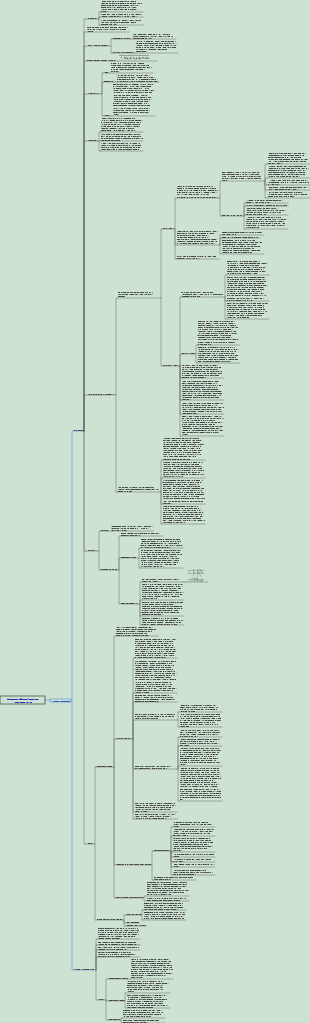
cerebral infarction
Cerebral infarction: also known as ischemic stroke, refers to a clinical syndrome in which brain blood supply disorders caused by various reasons lead to local brain tissue ischemia, hypoxic necrosis, and corresponding neurological deficits occur rapidly.
Pathogenesis
thrombosis
artery-to-artery embolism
Carrier artery disease occluding perforating arteries
low perfusion
TOAST classification
Large artery atherosclerosis
cardioembolic type
arteriolar occlusion type
Other etiologies
clinical manifestations
Aphasia
Type: complete aphasia
position
physical impairment
Muscle strength classification
Lesion localization
examine
Plain brain CT (the most important initial auxiliary examination)
Blood sugar; if there is a tendency for bleeding or it is uncertain whether anticoagulants have been used, routine blood tests and coagulation indicators are required.
Blood routine, blood biochemistry, coagulation index, myocardial enzyme spectrum and other tests, oxygen saturation, electrocardiogram, chest X-ray examination
Vascular lesion examination (carotid artery duplex ultrasound, TCD, CTA, MRA, DSA)
Holter electrocardiogram, echocardiography and transesophageal ultrasound, protein C, protein S, antithrombin III, glycosylated hemoglobin, homocysteine, antiphospholipid antibodies, etc.
DSA gold standard
Diagnosis and differential diagnosis
There is >50% stenosis or occlusion of the intracranial or extracranial large arteries corresponding to cerebral infarction, and the vascular lesions are consistent with atherosclerotic changes.
Have at least one atherosclerotic stroke risk factor
Exclude cerebral infarction caused by cardioembolism
Differential diagnosis
cerebral hemorrhage
subarachnoid hemorrhage
Intracranial space-occupying lesions
treat
Best route: stroke unit
General treatment
Thrombolytic therapy
anticoagulant therapy
fiber reduction treatment
neuroprotective treatment
surgical treatment
prognosis
Rehabilitation care
Chronic disease management
sequelae
limb movement disorder
sensory impairment
Cognitive impairment
Emotional and psychological problems
Brain edema
Classification
Cytotoxic cerebral edema
Osmotic cerebral edema
Vasogenic cerebral edema
interstitial cerebral edema
hydrostatic cerebral edema
Pathogenesis
energy metabolism theory
free radical theory
brain microcirculation theory
calcium ion theory
Examination: Brain water content measurement, brain CT, MRI
treat
Mannitol
Albumin and furosemide
epilepsy
disorder of consciousness
Performance
Types
examine
treat
Types
secondary epilepsy
self-termination mechanism
medical treatement
Levetiracetam
Softening lesions and skeletal muscle twitching