MindMap Gallery 21 The world of Buddhism from a psychological perspective
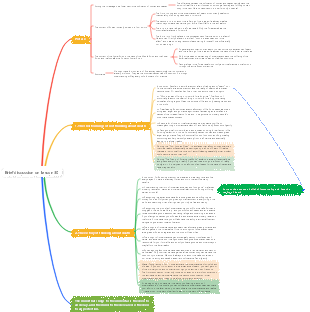
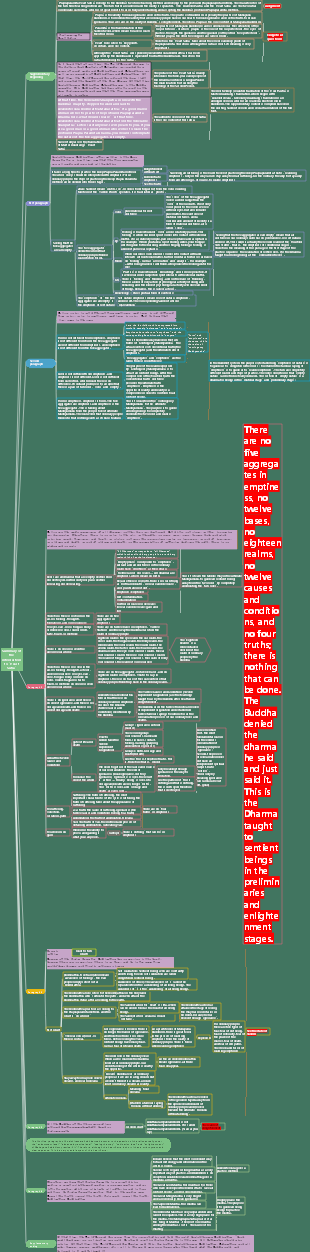
This is a mind map of the Buddhist world from 21 psychological perspectives. Understanding Buddhist thought not only helps us understand Eastern psychology, but also helps us better understand psychology.
Edited at 2024-03-20 22:50:47本テンプレートは、日本人に人気の海外リゾート地「ハワイ・オアフ島」を対象とした、5 日間の充実したモデル旅行プランを体系化したマインドマップです。初めてハワイを訪れる旅行者、リピーター、家族連れやカップルなど、多様なニーズに対応するため、旅行基本情報・持ち物チェックリスト・5 日間詳細スケジュール・オプションプラン・事前準備情報の 5 つの軸で構成されています。対象読者は日本からオアフ島へ旅行を計画中の 20〜50 代の旅行者であり、成果指標としては、情報の網羅性(渡航手続きから現地体験まで必要な項目が過不足なく含まれているか)、実用性(移動時間や費用、予約のタイミングなどの正確さ)、体験の充実度(自然・文化・アクティビティ・食事のバランス)を測定します。 ユーザーニーズ分析では、渡航準備・現地移動・体験プラン・安全情報の 4 領域を掘り下げます。渡航準備においては、ESTA 申請、飛行機の予約、為替、パスポートの有効期限、海外旅行保険など、事前に整えるべき情報が不足していると計画が難しくなります。求められる価値としては、渡航に必要な手続きの流れ、必要な持ち物リスト、季節別の服装アドバイス、現地で使えるアプリや連絡先などが考えられます。現地移動では、ワイキキ内の徒歩・バス移動、レンタカーの利用方法、空港からのアクセス、交通機関のルール(右側通行など)が主な関心事です。悩みとしては、バスの路線が分からない、レンタカーの予約手続きが不安、現地での移動時間の目安が分からないなどが挙げられます。体験プランでは、ビーチでのんびり、ダイヤモンドヘッドのハイキング、ノースショアでのサーフィン、ハレイワタウン散策、ポリネシアン・カルチャーセンターでの文化体験など、オアフ島の魅力を網羅したプランが求められます。悩みとしては、限られた日数で主要スポットを効率よく回れない、予算に合ったアクティビティの選び方が分からない、人気のレストランやショップの情報が不足しているなどが挙げられます。安全情報では、ハワイ特有の注意点(紫外線対策、海での安全ルール、治安情報)、緊急時の連絡先、現地でのトラブル対応方法など、旅行者が不安に感じる点を整理することが重要です。 5 日間のモデルコースでは、各日のテーマを明確に設定し、体験のバランスを考慮しています。1 日目は「到着日・ワイキキ慣らし」として、ホノルル国際空港に到着後、ワイキキのホテルにチェックインし、夕方からワイキキビーチでのんびりしたり、夜は地元料理を味わったりして、ハワイの雰囲気に慣れる行程です。2 日目は「自然体験&ショッピング」として、午前中にダイヤモンドヘッドのハイキングに挑戦し、午後はアラモアナセンターやワイキキでショッピングを楽しみ、夜はハワイアン・ルアウショーを鑑賞する行程です。3 日目は「歴史文化巡り」として、イオラニ宮殿やパールハーバー(真珠湾)を訪れてハワイの歴史に触れ、午後はダウンタウンホノルルで街歩きをし、夜はインターナショナルマーケットプレイスで食事や買い物を楽しむ行程です。4 日目は「北海岸&大自然体験」として、オプションでノースショアへ向かい、ハレイワタウンで散策したり、サーフィンを体験したり、美しいビーチでのんびり過ごす行程で、夜はワイキキに戻って食事を楽しみます。5 日目は「最終日・思い出作り」として、午前中にワイキキビーチでの最後の散策や、お土産を買いに街を巡り、午後は空港へ移動して帰国する行程です。各日には、おすすめの時間帯、混雑しにくいタイミング、予約が必要なアクティビティの情報などを付け加え、実際に旅行する際の参考になるよう工夫しています。 また、テンプレートには持ち物チェックリストも含まれており、パスポート・ESTA、海外旅行保険証書、現金・クレジットカード、日焼け止め・帽子・サングラス、歩きやすい靴、薬、充電器など、海外旅行に必要なアイテムをリストアップしています。さらに、事前準備情報として、ネット環境の確保、現地で使えるアプリ、緊急連絡先、季節別の服装アドバイスなども記載し、旅行者の不安を解消するようサポートします。 EdrawMind のマインドマップ機能を活用することで、ユーザーは自身の旅行スタイルに合わせて行程を追加・削除したり、好みのアクティビティをハイライトしたりすることができます。例えば、ゆっくりリゾートを楽しみたい方はショッピングやハイキングの時間を減らしてビーチでの時間を増やしたり、アクティブに過ごしたい方はノースショアでのサーフィンやダイビングを追加したりするなど、カスタマイズも自由自在です。このテンプレートは、オアフ島の旅行計画を立てる際の基盤として活用することを想定しており、主要な情報が一目で分かるよう整理されているため、初めてハワイを

本テンプレートは、古都・奈良の世界遺産、鹿とのふれあい、歴史的な雰囲気を存分に楽しむための 1 泊 2 日旅行プランを体系化したマインドマップです。修学旅行や短期文化旅行、週末の小旅行に人気の奈良を対象に、イメージ・種類・交通・宿泊の 4 つの基本軸を設け、2 日間の具体的な行程を時系列で整理しています。対象読者は大阪・京都在住の 20〜40 代の一人旅・カップル・家族連れ、初めて奈良を訪れる旅行者、世界遺産や日本文化に興味のある層であり、成果指標としては、行程の網羅性(主要スポットが過不足なく含まれているか)、実用性(移動時間や混雑情報の正確さ)、体験の充実度(鹿とのふれあい・文化体験の満足度)を測定します。 ユーザーニーズ分析では、行程・体験・交通・注意点の 4 領域を掘り下げます。行程においては、「東大寺」「春日大社」「奈良国立博物館」といった世界遺産の回り方、「奈良公園」での鹿とのふれあい、「奈良町」の古い町並み散策がユーザーの関心事となります。悩みとしては、限られた時間で主要スポットを効率よく回れない、鹿との接し方が分からない、徒歩移動の負担が心配などが挙げられます。求められる価値としては、時間帯別のおすすめルート、鹿と安全に接するためのマナー説明、無理のない徒歩移動のための休憩ポイント案内が考えられます。体験面では、鹿せんべいの購入場所や与え方、春日大社の灯篭や御朱印の魅力、奈良町のカフェや伝統工芸体験など、現地でしか味わえない体験情報が求められます。交通においては、奈良市内のバス路線や一日券の情報、主要スポット間の徒歩時間、雨天時の移動手段など、事前に知っておくべき情報が不足していると計画が難しくなります。注意点では、天候対策(夏の暑さや冬の寒さ)、スケジュールのゆとり作り、写真撮影のルールやマナー、ゴミの持ち帰りなど、旅行者が見落としがちな点を整理することが重要です。 行程の中でも、特に人気の高いスポットには詳細な情報を盛り込んでいます。「東大寺」は世界遺産に登録されており、奈良時代に建立された日本を代表する寺院で、世界最大級の木造建築物である大仏殿や、高さ約 15 メートルの盧舎那仏(奈良の大仏)が有名です。事前にコインロッカーに荷物を預けて身軽になってから訪れることで、ゆっくりと境内を散策できるほか、大仏殿の柱の穴をくぐると「厄除けになる」という言い伝えもあり、多くの観光客が体験しています。「奈良公園」は東大寺や春日大社を含む広大な公園で、約 1,300 頭の野生の鹿が自由に生息しており、鹿せんべいを使って鹿とふれあうことができます。ただし、鹿は野生動物であるため、エサの与え方や触れ方には注意が必要で、事前にルールを確認しておくことが推奨されます。「春日大社」は朱色の社殿と美しい灯篭が特徴的な世界遺産で、参道には 3,000 基を超える石灯篭が並び、神聖な雰囲気を醸し出しています。特に夜間にライトアップされた灯篭は幻想的で、写真撮影にも人気です。 1 泊 2 日のモデルコースでは、初日に東大寺・奈良公園・春日大社を巡り、夜は奈良町の古い町並みを散策して地元料理を味わう行程を提案しています。二日目には、若草山から奈良の街並みを一望した後、興福寺や奈良国立博物館を訪れ、奈良町で伝統工芸体験やカフェ巡りを楽しんでから帰路に就く流れとなっています。各スポットには、徒歩時間や混雑しにくい時間帯、おすすめの食事処などの情報を付け加え、実際に旅行する際の参考になるよう工夫しています。また、旅行の注意点として、スケジュールは体調に合わせて無理のないペースで調整すること、天候に合わせて水分補給や防寒・防暑対策を徹底すること、神社仏閣での写真撮影ルールを守ることなどを記載し、安全で快適な旅行をサポートします。 EdrawMind のマインドマップ機能を活用することで、ユーザーは自身の旅行スタイルに合わせて行程を追加・削除したり、好みのスポットをハイライトしたりすることができます。一人旅向けには静かなカフェ巡りを追加したり、家族連れ向けには鹿とのふれあい体験を充実させたりするなど、カスタマイズも自由自在です。このテンプレートは、奈良の旅行計画を立てる際の基盤として活用することを想定しており、主要な情報が一目で分かるよう整理されているため、初めて奈良を訪れる方でも安心して旅行を楽しむことができます。
本テンプレートは、東京から約90分でアクセス可能な温泉・富士山・美術館が融合したリゾート地「箱根」の週末旅行ガイドを体系化したマインドマップです。カップルや家族連れに人気の週末旅行先として、交通アクセス、観光スポット、名物料理の3軸で構成され、効率的な旅行計画と満足度の高い体験を実現することを目的としています。対象読者は東京在住の20〜40代のカップル・家族連れ、初めて箱根を訪れる旅行者、週末の小旅行を計画中の層であり、成果指標としては、情報の網羅性(必要な項目が過不足なく含まれているか)、実用性(実際の移動時間や料金の正確さ)、満足度(モデルプランの再現性)を測定します。 ユーザーニーズ分析では、交通アクセス、観光スポット、グルメの3領域を掘り下げます。交通アクセスにおいては、東京からの行き方(小田急ロマンスカー約85分・指定席、新宿→箱根湯本、普通電車約2時間・乗換2回)、箱根内の移動手段(登山電車・バス・ケーブルカー・ロープウェイ)、お得な周遊券(箱根フリーパス・2日券)の情報が不足していると計画が難しくなります。求められる価値としては、交通機関別の所要時間・料金・乗換回数を比較した表、周遊券の特典内容(主要観光施設の割引)と購入場所、移動手段ごとのメリット・デメリットが考えられます。観光スポットでは、「箱根ガラスの森美術館」「クモ箱根(早雲山駅)」「芦ノ湖の夕暮れ遊覧船」などが代表的です。悩みとしては、美術館や自然スポットが多すぎて選べない、夕暮れ時の遊覧船のベストタイミングが分からない、写真映えするスポットを知りたいなどが挙げられます。価値ある情報として、おすすめスポットの特徴と所要時間、夕暮れ時の撮影ポイント、カップル向け・家族向けの選別基準を提供します。名物料理では、「黒たまご(大涌谷)」「温泉豆腐」などが代表的です。悩みは、どこで何を食べれば良いか分からない、観光地価格に見合う価値があるか、アレルギーや食事制限への対応などです。求められる価値として、名物料理の特徴とおすすめ店舗、価格帯、食べるタイミング(例:黒たまごは大涌谷観光の合間に)を整理します。 カップルにおすすめスポットとして、「箱根ガラスの森美術館」はユネスコ世界遺産(※正確には箱根地域全体がジオパークに認定されていますが、イメージとして)の美しい庭園とガラス作品が魅力です。写真はイメージですが、実際の訪日客にも人気のスポットです。名物料理のセクションでは、「黒たまご」は大涌谷の火山活動を利用して茹でられた卵で、殻が黒くなるのが特徴です。伝統的な名物料理として、食べると寿命が延びると言われています。「温泉豆腐」も地元の温泉を利用した料理で、なめらかな食感が特徴です。これらの情報をマップ上で可視化し、移動ルートと組み合わせることで、無駄のない観光計画が立てられます。 成功するための具体施策としては、主要スポットを時系列で結んだ「1泊2日モデルコース」を提供する(例:1日目:新宿→箱根湯本→登山電車→強羅→大涌谷→芦ノ湖遊覧船→宿泊、2日目:箱根ガラスの森美術館→箱根湯本→帰京)、各スポットの「混雑予想時間帯」と「穴場時間帯」をデータで示す(例:芦ノ湖遊覧船は夕暮れ時が混雑するが、その分景色は絶景)、名物料理を食べられる店舗の「営業時間・定休日・予約可否」をリスト化する、の3点が有効です。よくある失敗とその回避策としては、移動手段の乗換えが複雑で迷ってしまうケースでは箱根フリーパスの活用と事前のルート確認を推奨すること、観光スポットの滞在時間を見誤って計画が詰まりすぎるケースでは余裕を持ったスケジューリングと優先順位付けをアドバイスすること、天候によって富士山が見えない場合の代替プラン(雨天でも楽しめる美術館や温泉施設)を用意しておくことが有効です。本テンプレートは、週末旅行ガイドのコンテンツを計画・評価する際の基盤として活用することを想定しています。
本テンプレートは、日本人に人気の海外リゾート地「ハワイ・オアフ島」を対象とした、5 日間の充実したモデル旅行プランを体系化したマインドマップです。初めてハワイを訪れる旅行者、リピーター、家族連れやカップルなど、多様なニーズに対応するため、旅行基本情報・持ち物チェックリスト・5 日間詳細スケジュール・オプションプラン・事前準備情報の 5 つの軸で構成されています。対象読者は日本からオアフ島へ旅行を計画中の 20〜50 代の旅行者であり、成果指標としては、情報の網羅性(渡航手続きから現地体験まで必要な項目が過不足なく含まれているか)、実用性(移動時間や費用、予約のタイミングなどの正確さ)、体験の充実度(自然・文化・アクティビティ・食事のバランス)を測定します。 ユーザーニーズ分析では、渡航準備・現地移動・体験プラン・安全情報の 4 領域を掘り下げます。渡航準備においては、ESTA 申請、飛行機の予約、為替、パスポートの有効期限、海外旅行保険など、事前に整えるべき情報が不足していると計画が難しくなります。求められる価値としては、渡航に必要な手続きの流れ、必要な持ち物リスト、季節別の服装アドバイス、現地で使えるアプリや連絡先などが考えられます。現地移動では、ワイキキ内の徒歩・バス移動、レンタカーの利用方法、空港からのアクセス、交通機関のルール(右側通行など)が主な関心事です。悩みとしては、バスの路線が分からない、レンタカーの予約手続きが不安、現地での移動時間の目安が分からないなどが挙げられます。体験プランでは、ビーチでのんびり、ダイヤモンドヘッドのハイキング、ノースショアでのサーフィン、ハレイワタウン散策、ポリネシアン・カルチャーセンターでの文化体験など、オアフ島の魅力を網羅したプランが求められます。悩みとしては、限られた日数で主要スポットを効率よく回れない、予算に合ったアクティビティの選び方が分からない、人気のレストランやショップの情報が不足しているなどが挙げられます。安全情報では、ハワイ特有の注意点(紫外線対策、海での安全ルール、治安情報)、緊急時の連絡先、現地でのトラブル対応方法など、旅行者が不安に感じる点を整理することが重要です。 5 日間のモデルコースでは、各日のテーマを明確に設定し、体験のバランスを考慮しています。1 日目は「到着日・ワイキキ慣らし」として、ホノルル国際空港に到着後、ワイキキのホテルにチェックインし、夕方からワイキキビーチでのんびりしたり、夜は地元料理を味わったりして、ハワイの雰囲気に慣れる行程です。2 日目は「自然体験&ショッピング」として、午前中にダイヤモンドヘッドのハイキングに挑戦し、午後はアラモアナセンターやワイキキでショッピングを楽しみ、夜はハワイアン・ルアウショーを鑑賞する行程です。3 日目は「歴史文化巡り」として、イオラニ宮殿やパールハーバー(真珠湾)を訪れてハワイの歴史に触れ、午後はダウンタウンホノルルで街歩きをし、夜はインターナショナルマーケットプレイスで食事や買い物を楽しむ行程です。4 日目は「北海岸&大自然体験」として、オプションでノースショアへ向かい、ハレイワタウンで散策したり、サーフィンを体験したり、美しいビーチでのんびり過ごす行程で、夜はワイキキに戻って食事を楽しみます。5 日目は「最終日・思い出作り」として、午前中にワイキキビーチでの最後の散策や、お土産を買いに街を巡り、午後は空港へ移動して帰国する行程です。各日には、おすすめの時間帯、混雑しにくいタイミング、予約が必要なアクティビティの情報などを付け加え、実際に旅行する際の参考になるよう工夫しています。 また、テンプレートには持ち物チェックリストも含まれており、パスポート・ESTA、海外旅行保険証書、現金・クレジットカード、日焼け止め・帽子・サングラス、歩きやすい靴、薬、充電器など、海外旅行に必要なアイテムをリストアップしています。さらに、事前準備情報として、ネット環境の確保、現地で使えるアプリ、緊急連絡先、季節別の服装アドバイスなども記載し、旅行者の不安を解消するようサポートします。 EdrawMind のマインドマップ機能を活用することで、ユーザーは自身の旅行スタイルに合わせて行程を追加・削除したり、好みのアクティビティをハイライトしたりすることができます。例えば、ゆっくりリゾートを楽しみたい方はショッピングやハイキングの時間を減らしてビーチでの時間を増やしたり、アクティブに過ごしたい方はノースショアでのサーフィンやダイビングを追加したりするなど、カスタマイズも自由自在です。このテンプレートは、オアフ島の旅行計画を立てる際の基盤として活用することを想定しており、主要な情報が一目で分かるよう整理されているため、初めてハワイを
本テンプレートは、古都・奈良の世界遺産、鹿とのふれあい、歴史的な雰囲気を存分に楽しむための 1 泊 2 日旅行プランを体系化したマインドマップです。修学旅行や短期文化旅行、週末の小旅行に人気の奈良を対象に、イメージ・種類・交通・宿泊の 4 つの基本軸を設け、2 日間の具体的な行程を時系列で整理しています。対象読者は大阪・京都在住の 20〜40 代の一人旅・カップル・家族連れ、初めて奈良を訪れる旅行者、世界遺産や日本文化に興味のある層であり、成果指標としては、行程の網羅性(主要スポットが過不足なく含まれているか)、実用性(移動時間や混雑情報の正確さ)、体験の充実度(鹿とのふれあい・文化体験の満足度)を測定します。 ユーザーニーズ分析では、行程・体験・交通・注意点の 4 領域を掘り下げます。行程においては、「東大寺」「春日大社」「奈良国立博物館」といった世界遺産の回り方、「奈良公園」での鹿とのふれあい、「奈良町」の古い町並み散策がユーザーの関心事となります。悩みとしては、限られた時間で主要スポットを効率よく回れない、鹿との接し方が分からない、徒歩移動の負担が心配などが挙げられます。求められる価値としては、時間帯別のおすすめルート、鹿と安全に接するためのマナー説明、無理のない徒歩移動のための休憩ポイント案内が考えられます。体験面では、鹿せんべいの購入場所や与え方、春日大社の灯篭や御朱印の魅力、奈良町のカフェや伝統工芸体験など、現地でしか味わえない体験情報が求められます。交通においては、奈良市内のバス路線や一日券の情報、主要スポット間の徒歩時間、雨天時の移動手段など、事前に知っておくべき情報が不足していると計画が難しくなります。注意点では、天候対策(夏の暑さや冬の寒さ)、スケジュールのゆとり作り、写真撮影のルールやマナー、ゴミの持ち帰りなど、旅行者が見落としがちな点を整理することが重要です。 行程の中でも、特に人気の高いスポットには詳細な情報を盛り込んでいます。「東大寺」は世界遺産に登録されており、奈良時代に建立された日本を代表する寺院で、世界最大級の木造建築物である大仏殿や、高さ約 15 メートルの盧舎那仏(奈良の大仏)が有名です。事前にコインロッカーに荷物を預けて身軽になってから訪れることで、ゆっくりと境内を散策できるほか、大仏殿の柱の穴をくぐると「厄除けになる」という言い伝えもあり、多くの観光客が体験しています。「奈良公園」は東大寺や春日大社を含む広大な公園で、約 1,300 頭の野生の鹿が自由に生息しており、鹿せんべいを使って鹿とふれあうことができます。ただし、鹿は野生動物であるため、エサの与え方や触れ方には注意が必要で、事前にルールを確認しておくことが推奨されます。「春日大社」は朱色の社殿と美しい灯篭が特徴的な世界遺産で、参道には 3,000 基を超える石灯篭が並び、神聖な雰囲気を醸し出しています。特に夜間にライトアップされた灯篭は幻想的で、写真撮影にも人気です。 1 泊 2 日のモデルコースでは、初日に東大寺・奈良公園・春日大社を巡り、夜は奈良町の古い町並みを散策して地元料理を味わう行程を提案しています。二日目には、若草山から奈良の街並みを一望した後、興福寺や奈良国立博物館を訪れ、奈良町で伝統工芸体験やカフェ巡りを楽しんでから帰路に就く流れとなっています。各スポットには、徒歩時間や混雑しにくい時間帯、おすすめの食事処などの情報を付け加え、実際に旅行する際の参考になるよう工夫しています。また、旅行の注意点として、スケジュールは体調に合わせて無理のないペースで調整すること、天候に合わせて水分補給や防寒・防暑対策を徹底すること、神社仏閣での写真撮影ルールを守ることなどを記載し、安全で快適な旅行をサポートします。 EdrawMind のマインドマップ機能を活用することで、ユーザーは自身の旅行スタイルに合わせて行程を追加・削除したり、好みのスポットをハイライトしたりすることができます。一人旅向けには静かなカフェ巡りを追加したり、家族連れ向けには鹿とのふれあい体験を充実させたりするなど、カスタマイズも自由自在です。このテンプレートは、奈良の旅行計画を立てる際の基盤として活用することを想定しており、主要な情報が一目で分かるよう整理されているため、初めて奈良を訪れる方でも安心して旅行を楽しむことができます。
本テンプレートは、東京から約90分でアクセス可能な温泉・富士山・美術館が融合したリゾート地「箱根」の週末旅行ガイドを体系化したマインドマップです。カップルや家族連れに人気の週末旅行先として、交通アクセス、観光スポット、名物料理の3軸で構成され、効率的な旅行計画と満足度の高い体験を実現することを目的としています。対象読者は東京在住の20〜40代のカップル・家族連れ、初めて箱根を訪れる旅行者、週末の小旅行を計画中の層であり、成果指標としては、情報の網羅性(必要な項目が過不足なく含まれているか)、実用性(実際の移動時間や料金の正確さ)、満足度(モデルプランの再現性)を測定します。 ユーザーニーズ分析では、交通アクセス、観光スポット、グルメの3領域を掘り下げます。交通アクセスにおいては、東京からの行き方(小田急ロマンスカー約85分・指定席、新宿→箱根湯本、普通電車約2時間・乗換2回)、箱根内の移動手段(登山電車・バス・ケーブルカー・ロープウェイ)、お得な周遊券(箱根フリーパス・2日券)の情報が不足していると計画が難しくなります。求められる価値としては、交通機関別の所要時間・料金・乗換回数を比較した表、周遊券の特典内容(主要観光施設の割引)と購入場所、移動手段ごとのメリット・デメリットが考えられます。観光スポットでは、「箱根ガラスの森美術館」「クモ箱根(早雲山駅)」「芦ノ湖の夕暮れ遊覧船」などが代表的です。悩みとしては、美術館や自然スポットが多すぎて選べない、夕暮れ時の遊覧船のベストタイミングが分からない、写真映えするスポットを知りたいなどが挙げられます。価値ある情報として、おすすめスポットの特徴と所要時間、夕暮れ時の撮影ポイント、カップル向け・家族向けの選別基準を提供します。名物料理では、「黒たまご(大涌谷)」「温泉豆腐」などが代表的です。悩みは、どこで何を食べれば良いか分からない、観光地価格に見合う価値があるか、アレルギーや食事制限への対応などです。求められる価値として、名物料理の特徴とおすすめ店舗、価格帯、食べるタイミング(例:黒たまごは大涌谷観光の合間に)を整理します。 カップルにおすすめスポットとして、「箱根ガラスの森美術館」はユネスコ世界遺産(※正確には箱根地域全体がジオパークに認定されていますが、イメージとして)の美しい庭園とガラス作品が魅力です。写真はイメージですが、実際の訪日客にも人気のスポットです。名物料理のセクションでは、「黒たまご」は大涌谷の火山活動を利用して茹でられた卵で、殻が黒くなるのが特徴です。伝統的な名物料理として、食べると寿命が延びると言われています。「温泉豆腐」も地元の温泉を利用した料理で、なめらかな食感が特徴です。これらの情報をマップ上で可視化し、移動ルートと組み合わせることで、無駄のない観光計画が立てられます。 成功するための具体施策としては、主要スポットを時系列で結んだ「1泊2日モデルコース」を提供する(例:1日目:新宿→箱根湯本→登山電車→強羅→大涌谷→芦ノ湖遊覧船→宿泊、2日目:箱根ガラスの森美術館→箱根湯本→帰京)、各スポットの「混雑予想時間帯」と「穴場時間帯」をデータで示す(例:芦ノ湖遊覧船は夕暮れ時が混雑するが、その分景色は絶景)、名物料理を食べられる店舗の「営業時間・定休日・予約可否」をリスト化する、の3点が有効です。よくある失敗とその回避策としては、移動手段の乗換えが複雑で迷ってしまうケースでは箱根フリーパスの活用と事前のルート確認を推奨すること、観光スポットの滞在時間を見誤って計画が詰まりすぎるケースでは余裕を持ったスケジューリングと優先順位付けをアドバイスすること、天候によって富士山が見えない場合の代替プラン(雨天でも楽しめる美術館や温泉施設)を用意しておくことが有効です。本テンプレートは、週末旅行ガイドのコンテンツを計画・評価する際の基盤として活用することを想定しています。
Psychology is the Buddhist world of perspective
Foreword.
Understanding Buddhist thought not only helps us understand Eastern psychology, but also helps us better understand psychology.
Principles of Buddhist psychotherapy.
disease definition
The definition of mental illness in Buddhism is greed, anger and ignorance.
Buddhism believes that as long as we are not free from the three poisons of greed, anger and ignorance, we are all patients in reincarnation.
Treatment method
Buddhism
Cause and effect.
The Buddhist principle of treating mental illness is cause and effect.
Asceticism and meditation are widely respected in traditional Indian religions. This kind of solution is all about putting stones over grass. There is no cutting off the roots, no simplification, just like the weeds in the library, once they are involved, they will grow again in the spring breeze.
The Buddha taught us to explore the real cause of suffering, so as to find the right treatment and prescribe the right medicine. This is an important Buddhist idea for solving psychological problems.
Treatment process
practice
The Dharma of the Four Noble Truths: The Cause of Suffering Destroys the Path
Basic principles of treatment
It starts with an honest diagnosis.
The second step is to find the root cause of the disease.
The third is to evaluate the results of treatment and know what the state of health will be like.
Finally, an effective treatment plan can be provided.
This is also the basic principle of Buddhist psychotherapy.
The Four Noble Truths method also contains two layers of cause and effect.
reincarnation cause and effect
Liberation from cause and effect
Reincarnation and liberation are the core issues that Indian culture is most concerned about. Buddhism as a whole is also solving this problem.
The first is to make a correct interpretation of reincarnation, that is, the suffering and the accumulation of suffering in the Four Noble Truths.
Suffering means the pain of life. The confusion of life is a perpetual motion machine that creates pain. Therefore, Buddhism believes that life based on nameless confusion is painful, and this is the cause and effect of reincarnation.
Collection is to explain the origin of pain
The second is to point out the path to liberation beyond reincarnation, that is, the path of cessation and harmony in the Four Noble Truths.
Cessation tells us the state after we have lifted our confusion and extinguished our worries. Buddhism calls it Nirvana. This is the silence after all restlessness has subsided. It is the deep, ultimate and omnipresent silence.
The Tao tells us this method. The many sects of Buddhism have different solutions, the core of which revolves around the Eightfold Path. They are right view, right thought, right speech, right action, right livelihood, right effort, right mindfulness, and right concentration, which also include three parts: precepts, concentration, and wisdom.
Right view. The content of wisdom is to understand the world truthfully and objectively. All troubles are caused by wrong understanding. Only by establishing right views through wisdom can we eradicate troubles.
Right Speech, Right Action, Right Livelihood The content of precepts, that is, correct language, legal behavior and proper occupation, help us establish a healthy lifestyle.
Righteousness, Right Concentration It belongs to the content of concentration meditation.
All Buddhist practices are inseparable from precepts, concentration, and wisdom, also known as the Three No-Omissions. This core is implemented through the Eightfold Path, thereby calming the inner troubles and doubts in life. In Buddhism, the complete cessation of troubles is called Nirvana, or Said to be the end of reincarnation.
In both cases of cause and effect, first talk about the effect and then look for the cause.
First, see the painful reality and know that a life based on confusion is full of pain.
Secondly, we understand that this kind of pain comes from the confusion and troubles of life itself.
Third, know that a healthy life state is one that awakens freedom and joy, that is Nirvana
Finally learn the way to Nirvana.
The Sravakayana and the Bodhisattva Vehicle.
sravakayana
The Shravakayana emits renunciation and achieves personal liberation.
In practice, we focus on the cessation of negative forces. For example, it talks about impermanence, emptiness, and suffering, focusing on negation.
It is believed that Nirvana is the end of spiritual practice.
The Sravakayana is also known as Hinayana Buddhism
A small car that can only hold one person
bodhisattva vehicle
Not only negating the negative, but also focusing on the positive development
He believes that life has two levels, one is a painful life unfolding from nameless confusion, and the other is a happy life that begins with inner awakening.
Not only do you want to escape reincarnation and move toward awakening, but you also want to help all sentient beings move toward awakening.
Bodhisattva Vehicle is also called Mahayana Buddhism.
A cart that can lead countless sentient beings from this shore of reincarnation to the other shore of awakening.
Important discoveries of the Buddha.
Every living being has the potential for enlightenment, the ability to save itself, and can complete self-healing of life.
On the one hand, a truly healthy person is completely free from confusion and troubles, and on the other hand, he fully develops and awakens his potential.
You are the best therapist.
Buddhist understanding of the mind.
Delusion
This is our current state of mind, which is confusing Various psychological phenomena developed on the basis of The thick clouds were turbulent and unpredictable. But in Behind the clouds is a clear sky, never polluted or shaken.
Conscious and subconscious.
The Agama and Consciousness-Only Sutras mainly discuss from the perspective of delusional mind. In particular, the Consciousness-Only Sect divides mental activities into eighty-five and eleven mental states.
Eight senses
six senses
Eyes, ears, nose, tongue, body and mind
categories of consciousness
seventh consciousness
Manas consciousness
eighth consciousness
alaya consciousness
subconscious
The seventh consciousness is mana consciousness. In psychological terms, it is the potential awareness of self-protection.
Why are people instinctively self-centered? How did this self-awareness come about? Buddhism believes that it is because the seventh mona consciousness clings to the eighth alaya consciousness as me.
The selflessness mentioned in Buddhism does not mean to deny your existence, but to deny our misunderstanding and attachment to the phenomena of life.
The eighth consciousness, Alaya consciousness, is the carrier of life, equivalent to a warehouse with infinite capacity.
In the process of endless life, all activities of body, speech and mind, every word said and every thing done will leave a record in the heart and become a psychological force, also called a seed. After a certain behavior is repeated continuously, the corresponding Psychological energy is also constantly strengthening. The Consciousness-Wei Sect calls it: the seeds give birth to the current state, and the current state smokes the seeds.
Alaya consciousness is the carrier of reincarnation. It runs through the entire process of life, endlessly, and never rests. The first six consciousnesses will be interrupted.
When consciousness does not work, the person does not die, it is the alaya consciousness that supports the body.
Alaya consciousness is different from the soul. The definition of soul is eternal, but the content of alaya consciousness will continue to change, and its color depth will also continue to change. This is also the value of spiritual practice
Although the alaya consciousness is similar and continuous and not constant, the seventh and final consciousness regards it as constant and unchanging, and then regards it as self, forming a potential innate self-consciousness in life. This It is also the root of all problems.
The psychology of worry and relief.
Buddhism can also be called the psychology of liberation. Buddhism divides psychology into three major parts.
Ordinary psychology, that is, the conventional psychology that is discussed in general psychology. The five aggregates of form, feeling, thought, action, and consciousness contain three common mentalities.
Feeling is an emotional dispute, and there are five types of pain, joy, worry, joy, and equanimity. Among them, pain and joy are mainly physiological, and worry and joy are mainly psychological. If it is not painful, neither joy, nor worry, nor joy, it is called equanimity.
Thinking is thinking and belongs to the category of rational cognition
Action is the will, and it is preparation for action after thinking about it. In addition, what consciousness-only refers to as doing, touching, feeling, thinking, and thinking are also called the five actions, which also belong to the general psychology that pervades all times, all places, and all activities. .
Unwholesome psychology is called trouble in Buddhism, which is the power that disturbs the heart. There are many types of worries. Consciousness-only sect believes that
There are six basic worries: greed, anger, ignorance, pride, suspicion, and evil. There are 20 kinds of incidental worries that arise along with the fundamental worries, which are: 1. The ten kinds of minor worries include anger, hatred, resentment, annoyance, jealousy, thrift, deceit, flattery, harm, and jealousy; 2. There are two types of worries: no shame and no shame; 3. The eight major troubles include restlessness, confusion, disbelief, laziness, carelessness, forgetfulness, distraction, and incorrect knowledge.
Among the fundamental worries, greed, anger, and ignorance are the most prominent, and are called the three poisons in Buddhism.
All mental illnesses are related to greed, anger, and ignorance. Their roots are in ignorance, and they originate directly from greed and anger.
The psychology of kindness corresponds to the psychology of liberation. For example, precepts, concentration, and wisdom, among which wisdom is the foundation, is the correct understanding of the world and life.
Mindfulness must be based on right view and healthy living. Mindfulness is the good and evil of thoughts.
Usually, the five desires and six objects belong to evil thoughts, while reciting Buddha, Dharma and Sangha belong to good thoughts.
According to Theravada Buddhism, mindfulness transcends good and evil, and refers to the inner ability to care and be aware of thoughts.
Zen, mindfulness is emptiness
The first is right view, and then the generation of mindfulness. After having mindfulness, it is concentration, that is, after choosing a certain mental state, settling in it, and constantly repeating it, let mindfulness become the regular state of the heart, and it is the most stable state.
Restless state. Modern people are generally more impetuous. Lack of peace and wandering thoughts are manifestations of loss.
Drowsy state. It means inner chaos and inability to concentrate.
In the practice of concentration, the two states of Ju and Drowsiness must be eliminated.
A state of peace and quiet. Full of all positive energy, it is empty and joyful.
An unbiased state of balance is the original state of life.
sincere.
During the Wei, Jin, Southern and Northern Dynasties, the Nirvana Sutra was translated into China. The core idea is that all living beings have Buddha nature and can become Buddhas.
It's like a rich kid who was kidnapped and trafficked from a foreign country since he was a child. Because he doesn't know his original identity and the billions of assets in his name, he can only wander around. Once he finds his own home, he has everything.
There are many descriptions of this inner awakening in Buddhist scriptures, the most common of which is the metaphor of space.
The void is infinite, and so is the awakening. The void is infinite, and so is the awakening. The void can contain everything, and the awakening can contain everything. But the difference between the heart and the void is that the void is heartless and has no consciousness, while the heart Friendship is conscious and has the function of knowing.
Buddhist solutions to psychological problems.
treatment goals
The first is to completely resolve the inner greed, anger and ignorance
The second is to fully develop the benign qualities of life, that is, great wisdom and great compassion.
Buddha possesses three virtues and two benefits
The three virtues are virtue, wisdom, compassion and virtue.
The virtue of breaking away is the merit of completely eliminating the troubles and attaining Nirvana
Intellectual virtue is the manifestation of great wisdom, achieving fundamental wisdom and subsequent wisdom.
Being unruly is the achievement of great compassion, which is the generation of infinite compassion for some sentient beings.
The two benefits are self-interest and altruism. Not only can you escape from life and death and get out of reincarnation, but you can also help some sentient beings achieve the same benefits.
How can this goal be achieved? The regular practice of Buddhism.
Take refuge.
Taking refuge means taking refuge in the Three Jewels of Buddha, Dharma, and Sangha, which includes the external Three Jewels of the abbot and the internal Three Jewels of one's own nature.
Take refuge in the Three External Jewels
The first is to use the Buddha as an example of a healthy personality.
Secondly, establish complete trust in the Dharma, because this is the psychological guidance program provided to us by the Buddha.
Third, there are virtuous and good people as teachers to complete the treatment through practicing according to the law.
The ultimate goal of taking refuge in the external Three Jewels is to help us understand the inner Three Jewels.
Be motivated.
Motivation is the development of psychology. This is the choice that represents the goal of life.
Regardless of whether we practice Buddhism or not, we all publish things every day, including greed, anger, jealousy, compassion, and altruism.
The main issues advocated by Buddhism are renunciation and bodhicitta
Renunciation is the determination to get rid of greed, anger and ignorance, and the five desires and six objects.
Bodhicitta is the extension and perfection of processing, that is, extending this mentality to all living beings, hoping that all living beings can get rid of troubles and move toward liberation.
Discipline and Confession.
The purpose of observing the precepts is to establish a preventive mechanism to control greed, anger, and delusion within a certain range and gradually reduce it, thereby ensuring the health of the personality.
Confession is the remedy for sin.
Buddhist confession consists of two parts: confession and repentance
Confession is to reveal one's faults in front of Buddhas, Bodhisattvas, good friends, or Taoist friends.
Regret is the realization of a mistake and the determination not to continue.
Generosity, Patience and Right View
The main practices of the Bodhisattva path include the six perfections of generosity, precepts, patience, diligence, meditation, and prajna. These are all effective means of psychological treatment
Giving means releasing attachments through giving.
Tolerance is to eliminate anger through acceptance. To endure humiliation does not mean to endure it forcefully and not to have an attack. Instead, we should take care of him with wisdom when encountering adversity, and then understand him and accept him, instead of instinctively becoming antagonistic.
Prajna is right view and the core of the six perfections. The first six degrees of giving, etc. are not unique to Buddhism, but are common to worldly laws. Only under the guidance of Prajna wisdom can they become the material of Buddhism.
conclusion
Buddhism and Psychology
The similarity lies in paying attention to the heart and solving people's psychological problems.
The difference is that psychology focuses on solving abnormal psychological problems, while Buddhism believes that as long as there is greed, anger, and ignorance, there is a hidden danger of mental illness, and it is a carrier of troubles.
Therefore, Buddhist practice must not only solve the problems caused by greed, anger, and ignorance, but also solve the problems of greed, anger, and ignorance themselves, and then develop the inherent benign qualities of life. Only in this way can we become a perfect and healthy person in the true sense.