MindMap Gallery Human Health Ninth Edition Epidemics Chapter 7 Experimental Epidemiological Research
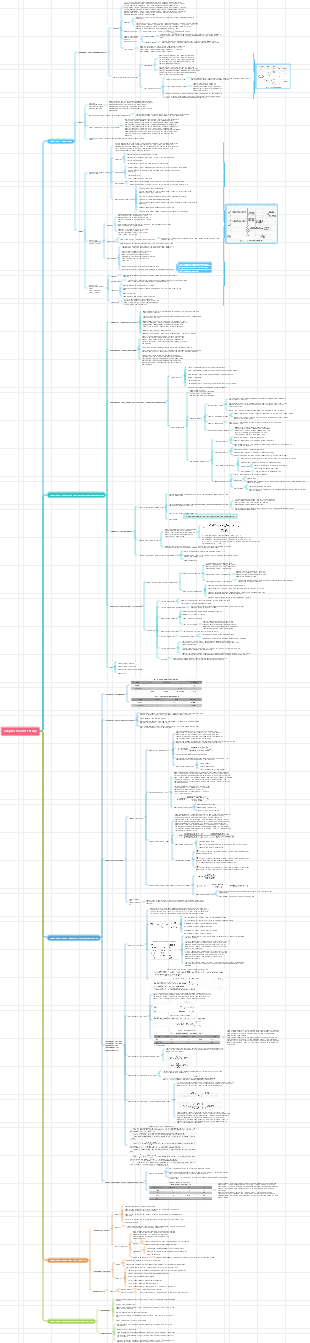
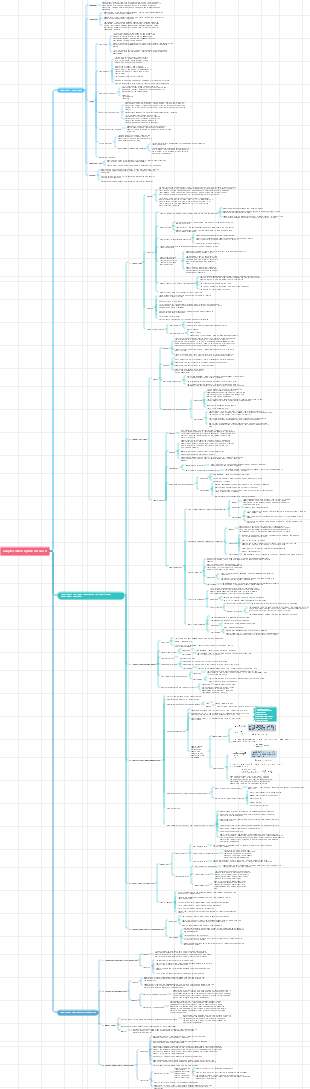
This is a mind map about experimental epidemiological research in Chapter 7 of Epidemics, Ninth Edition of the Human Health Bureau, including field trials and community intervention trials, advantages and limitations, clinical experiments, etc.
Edited at 2023-12-21 19:46:31Avatar 3 centers on the Sully family, showcasing the internal rift caused by the sacrifice of their eldest son, and their alliance with other tribes on Pandora against the external conflict of the Ashbringers, who adhere to the philosophy of fire and are allied with humans. It explores the grand themes of family, faith, and survival.

This article discusses the Easter eggs and homages in Zootopia 2 that you may have discovered. The main content includes: character and archetype Easter eggs, cinematic universe crossover Easter eggs, animal ecology and behavior references, symbol and metaphor Easter eggs, social satire and brand allusions, and emotional storylines and sequel foreshadowing.
[Zootopia Character Relationship Chart] The idealistic rabbit police officer Judy and the cynical fox conman Nick form a charmingly contrasting duo, rising from street hustlers to become Zootopia police officers!
Avatar 3 centers on the Sully family, showcasing the internal rift caused by the sacrifice of their eldest son, and their alliance with other tribes on Pandora against the external conflict of the Ashbringers, who adhere to the philosophy of fire and are allied with humans. It explores the grand themes of family, faith, and survival.
This article discusses the Easter eggs and homages in Zootopia 2 that you may have discovered. The main content includes: character and archetype Easter eggs, cinematic universe crossover Easter eggs, animal ecology and behavior references, symbol and metaphor Easter eggs, social satire and brand allusions, and emotional storylines and sequel foreshadowing.
[Zootopia Character Relationship Chart] The idealistic rabbit police officer Judy and the cynical fox conman Nick form a charmingly contrasting duo, rising from street hustlers to become Zootopia police officers!
Chapter 7 Experimental Epidemiological Research
Section 1 Overview
concept*
intervention trial
According to the purpose of the research, the researchers randomly assigned the research subjects to the experimental group and the control group according to the predetermined research plan, artificially imposed or reduced a certain factor on the experimental group, and then tracked and observed the effect of the factor, and compared and analyzed the two groups. or the outcomes of multiple groups of people to determine the effectiveness of intervention measures
Keywords: Randomization, intervention, follow-up, outcome, comparison
Fundamental
Basic Features
prospective study
Intervention first, effects later
Study subjects were randomly grouped
Controlling bias and confounding in studies
Have a balanced and comparable control group
The subjects are all from the same population sample population,
There are interventions
A fundamental difference from observational studies
Main types*
Therapeutic Trial: Clinical Trial
It is medical research that uses patients as research subjects to determine whether drugs or treatments are safe and effective.
Preventive testing: field testing
Experimental research using natural populations as research subjects is often used to evaluate the effectiveness of disease prevention measures, such as evaluating the effectiveness of vaccines in preventing infectious diseases.
The unit of intervention is usually the individual
community intervention trial
The community population as a whole is used as the intervention unit
Often used to evaluate the effects of certain interventions that are difficult to implement to individuals
Real experiment: randomized controlled trial, an experiment with four basic characteristics
Refers to a controlled trial in which subjects are randomly assigned to a treatment group or a control group
Quasi-experiments: experiments that lack any one or more of these characteristics
Random grouping or experiments without parallel controls cannot be performed
Section 2 Clinical Trials
concept
It takes patients who have been diagnosed with a certain disease as the research object, takes clinical treatment measures (drugs or treatment plans) as the research content, and observes and compares the clinical efficacy and safety of the experimental group and the control group, so as to evaluate various clinical treatments. scientific evaluation of the effectiveness of measures
The basic principle
Contrast principle
The purpose is to eliminate interference from non-research factors
It is required that the research subjects of the two groups must be comparable
randomization principle
random sampling and random grouping
Randomization in clinical trials is mainly random grouping
Blind principle
In order to avoid information bias, blinding can be used during design and implementation, so that researchers or research subjects do not know the allocation of intervention measures in advance, making the research results more reliable and true.
Repeat principle
Refers to the process of repeating tests under the same conditions
Repetition is an important means to eliminate the influence of non-processing factors
The reproducibility of clinical trials requires that the trial must have a certain sample content and meet statistical requirements.
installment
Phase I clinical trial
It refers to preliminary clinical pharmacology and human safety evaluation tests on 10 to 30 volunteers.
Observe the human body's tolerance and pharmacokinetics of new drugs to provide basis for formulating dosing regimens
Phase II clinical trial
It refers to using 100 to 300 patients as research subjects to conduct a preliminary evaluation of the therapeutic effect.
Purpose
Preliminary evaluation of the therapeutic effect and safety of drugs on patients with target indications
Provide a basis for the study design and dosage regimen determination of phase III clinical trials
Phase III clinical trial
In the confirmation stage of therapeutic effect, the research subjects usually range from 1,000 to 3,000 people.
Purpose
Further verify the therapeutic effect and safety of the drug on patients with target indications, evaluate the relationship between benefits and risks, and ultimately provide sufficient basis for the review of drug registration applications.
Phase IV clinical trial
Applied research stage after new drug launch
Purpose
Examine drug efficacy and adverse reactions under widespread use
Evaluate the benefits and risks of drug use in general or special populations, and improve dosage, etc.
Design and implementation*
Determine the research question and purpose
The purpose of the randomized controlled trial
Evaluate drugs of unknown or questionable effect
Study the dose-effect relationship of a drug
Compare the effects of different administration methods
Evaluate the effectiveness of new uses of old drugs
Compare the effects of different drugs
Study drug-drug interactions
Determine the effectiveness of a drug in a specific patient or setting
Repeat important research
Determination of research objects
Principles for selecting research objects
Try to choose subjects with obvious symptoms and signs
The people who are likely to benefit the most and suffer the least harm from this treatment are also the people in whom the effects are most likely to be detected.
Populations of particular interest to the researcher, such as children or the elderly
People for whom the treatment effect is unclear or doubtful
Try to choose research subjects with good compliance
Criteria for selecting research subjects
Diagnostic criteria
Inclusion criteria
Exclusion criteria
Scope of research objects
standard constrain
Defines the range of patients for whom the researcher hopes to use the intervention or the results of the study in the future
Exclusion criteria
severity of disease
Are there any complications and accompanying diseases?
Patient’s age and gender
Medical history and previous treatment
determining factors
Possible magnitude of adverse reactions
Are there any indications that should not be treated?
compliance with treatment
Possibility of dropout and loss to follow-up
The size of the effect that the study is likely to detect, i.e., its statistical power
Other factors that may affect study quality
Determination and measurement of outcomes
Outcomes specifically refer to events, indicators or variables that an intervention may affect or change, such as recovery and death. They are the data that must be collected in randomized controlled trials to estimate the effect.
A disease has many possible outcomes, and an intervention may affect one, many, or all relevant outcomes
Determine sample size*
Estimate of sample size
The size of the difference between the experimental group and the control group is the main factor that determines the sample size
The larger the difference between the two groups (i.e., the difference in rates or means), the smaller the sample size required; conversely, the smaller the difference between the two groups, the larger the sample size required.
If the observation indicator is count data, the lower the frequency of the outcome event in the population, the larger the sample size required.
If the observation indicator is measurement data, the greater the difference (i.e. variance or standard deviation) between individuals, the greater the sample size required.
The significance level α of the test (probability of type I error)
Test power 1-β (β is the probability of type II error)
The smaller α and β are specified, the larger the sample size required.
Factors affecting sample size
Sample size calculation formula
Calculation of sample size for count data
Counting data: effective rate, survival rate, mortality rate...
Calculation of measurement data sample size
Measurement data: height, weight, blood pressure...
In the formula, σ: the estimated standard deviation, d: the difference between the two sample means (generally the expected value), Zα, Zβ and N are the same as above
Precautions
Is the size of a group of people (experimental group or control group)
If the two groups have equal numbers of people, the sample size required for all experiments is 2N
In experiments, the α and β values are generally determined by the researcher according to needs. If you want the results to be more reliable, you can choose smaller α and β values, and the sample size will be larger.
Based on the calculated sample size, increase 10% to 15% to prevent loss to follow-up
Set up strict controls*
Why set up controls? *
Eliminate confounding and bias caused by non-experimental factors
Helps identify side effects of treatment or complications of the disease itself
unpredictable ending
The impact of individual differences in general demographic characteristics, immunity levels, mental status, genetics and other factors on the effectiveness of intervention
natural history of disease
Some diseases are seasonal, cyclical or have a tendency to heal themselves
regression to the mean
In actual work, some extreme clinical symptoms or signs tend to regress to the mean.
Hawthorne Effect*
Refers to a psychological or physiological effect that occurs when research subjects learn about the content of the ongoing research work, thereby changing their behavior. Usually refers to a positive effect.
placebo effect*
When research subjects take a placebo, although there is no real pharmacological effect, the body will produce some positive psychological and physiological responses due to psychological suggestion.
Commonly used control methods
Standard control or positive control
It uses the most effective or clinically commonly used drugs or treatments as a comparison to determine whether a new drug or treatment is better than the commonly used drugs or treatments.
placebo control or negative control
Placebos are commonly made from starch, lactose, physiological saline, etc. which have no pharmacological effects.
Notice
The dosage form and appearance of the placebo should be the same as the test drug as much as possible, and it should be harmless to the human body to facilitate blind trials.
It is necessary to understand the indications for the use of placebos. Since the patients are not treated, such controls should be limited to studies of diseases for which there is currently no effective drug treatment, or there should be basically no impact on the condition and prognosis during the use of placebos, otherwise it will not be possible. Placebo controls should be used
cross control
Group A will first use the experimental drug, and Group B will first use the control drug. After a course of treatment, there will be a period of time to eliminate the retention effect of the treatment drug. Then, Group A will use the control drug, and Group B will use the experimental drug. Finally, the efficacy will be analyzed and compared.
The time between treatments should vary depending on the symptoms of the disease or the length of time the drug has residual effects.
Study the impact of the sequence of drug application on treatment results, and study the best compatibility of drugs
Compare each other
When studying several drugs or treatments at the same time, there is no need to set up special controls. When analyzing the results, each group will be compared with each other to select the drug or treatment with the best efficacy.
self control
Methods of applying test and control to the same research subjects
random group
concept
Randomization means that all subjects are assigned to the experimental group or the control group according to a preset probability, regardless of the subjective wishes or objective reasons of the researcher or subject.
Purpose
Make groups comparable, balance known and unknown confounding factors, reduce selection bias caused by human factors, and improve the authenticity of research results.
in principle
Before grouping, subjects and researchers cannot predict or speculate on the grouping situation in advance.
Random ≠ random, each subject has an equal chance to be assigned to any group
Classification
simple randomization
A common method is to use a random number table or a random arrangement table, or draw lots or flip a coin.
Advantages: Simple and easy to use at any time
Disadvantages: easy to cause imbalance between groups, especially in studies with small sample sizes; heavy workload, not suitable for large sample studies
block randomization
The basic method is to classify a group of subjects with similar characteristics (such as age, gender, illness, etc.) as a block, and then randomly group the research subjects in each block.
During the grouping process, the number of cases in the experimental group and the control group can be kept consistent as much as possible, and different blocks can be designed according to experimental requirements.
The number of people in the treatment group and the control group in each block is equal, and the distribution is more balanced.
stratified randomization
Divide the research subjects into strata 1-3 according to the main clinical characteristics or prognostic factors, and then use randomization method to divide the research subjects in each stratum into the experimental group and the control group
advantage
The clinical characteristics of the two groups are relatively similar, which increases the comparability between groups and makes the conclusion more reliable.
Easy for the masses to accept, save manpower and material resources, and control contamination
shortcoming
Sampling error is large
Apply blinding
In order to eliminate the interference of subjective psychological factors of people (including research subjects, observers, and data organizers and analysts) on clinical trial research results.
The application of blinding can avoid information bias caused by subjective biases of subjects, researchers and related personnel.
Classification
single blind trial
The subjects did not know their grouping and the treatment they received, but the observers and data collectors and analysts did.
The method is simple and easy to carry out
It is beneficial to the health and safety of the subjects that the observer knows the grouping of subjects
Reduce bias from research subjects
Does not protect against observational bias from observers
double blind trial
Neither subjects nor observers were aware of group assignments or the treatments subjects received.
More complex and difficult to implement
can be damaged due to various reasons
The preparation of the experimental drug should prevent breach of confidentiality. The color, smell, size and shape of the two preparations of the experimental drug and the placebo should be the same, and even the container and outer packaging should be the same. Generally, capsule preparations are commonly used.
Ensure the safety of test subjects
Not suitable for use on critically ill patients
Drugs with special side effects are easy to break the secret
triple blind trial
The research subjects, observers and data organizers and analysts are not aware of the grouping and processing of the research subjects. Only the organizers of the study are aware of the situation.
Reduce bias during data analysis and make research results more consistent with objective conditions
It weakens the supervisory role of the entire scientific research work, so that the safety of scientific research cannot be guaranteed.
QC
ANALYSE information
gather information
Analyze data
Efficient
cure rate
case fatality rate
adverse event rate
survival rate
Relative risk reduction
absolute risk reduction
ARR = event rate in the control group - event rate in the experimental group
Number of people needing treatment
Bias and its control*
Common Bias*
lost to follow-up
Research subjects were lost to follow-up due to migration or death from other diseases, thus destroying the representativeness of the original sample.
interference
It means that the experimental group received additional treatment measures that are consistent with the experimental effect, thus creating the illusion of artificially exaggerating the therapeutic effect.
contaminate
It refers to the phenomenon that patients in the control group receive additional drugs from the experimental group, resulting in artificial exaggeration of the efficacy of the control group and thus underestimation of the effect.
Control of bias
exclude
Before randomly allocating research subjects, research subjects should be further screened. All subjects with contraindications to treatment or intervention, those who cannot be traced, those who may be lost to follow-up, those who refuse to participate, and those who do not meet the criteria should be excluded.
Improve clinical compliance of trial subjects
Clinical compliance refers to the extent to which patients implement medical instructions in clinical trials. Those who fully implement medical instructions are considered to have good compliance, and vice versa are considered to be non-compliance or poor compliance.
Patients in the experimental group who do not comply with the experimental protocols are equivalent to withdrawing from the experimental group; patients in the control group who do not comply with the control protocols and receive intervention measures in private are equivalent to joining the experimental group
Reduce the loss to follow-up rate of trial subjects
Minimize loss to follow-up, generally requiring the loss-to-follow-up rate not to exceed 10%
Section 3 Field Trials and Community Intervention Trials
Overview
Both are intervention studies that take community populations as the research object and are conducted in an on-site environment. However, in the former, the basic unit of receiving intervention measures is an individual, while in the latter, the basic unit of receiving intervention measures is the entire community, or various subpopulations of a certain population.
Purpose
Evaluate the effectiveness of vaccines, drugs, or other measures in preventing disease
Assess causes and risk factors
Evaluate the quality of health service measures
Evaluate public health strategies
Issues that should be paid attention to in design and implementation
Determination of outcome variables
The primary outcome variable is usually reduction in morbidity or mortality
Intermediate outcome variables, such as antibody responses to vaccines, changes in risky behaviors, etc.
data collection
Community registration systems need to be established to collect outcome data
Reduce loss to follow-up
Field trials are more likely to be lost to follow-up than clinical trials
When estimating the sample size, a certain number can be appropriately added
The selection of sites and groups should also take into account the convenience of follow-up.
Avoid "contamination" between groups (string groups)
The situation at the scene is very complex, and the behavior of the subjects is affected by many factors, which can easily lead to confusion.
Pay attention to controlling confounding factors
It is not a random grouping, and the characteristics between the two groups may be quite different.
Evaluation index
protection rate
effectiveness index
Antibody positive conversion rate
Section 4 Advantages and Limitations
advantage
Through random allocation, known and unknown confounding factors in the experimental group and control group can be balanced, improving the comparability of the two groups and reducing bias.
Prospective study, synchronously comparing the intervention group and the control group before and after the study, and the changes in outcomes from beginning to end
limitation
The design and implementation are complex, such as strict control and control, which are sometimes difficult to achieve in actual work.
Constrained by the scope of application of intervention measures, the selected research subjects are not representative enough, which will affect the inference of the experimental results to the overall population to varying degrees.
Sometimes follow-up is required for a longer period of time, so compliance is not easy to achieve, which affects the evaluation of experimental effects.
Due to long-term follow-up, loss to follow-up due to death, withdrawal, relocation, etc. is inevitable, thus affecting the authenticity of the study.
Sometimes the control group does not use drugs or other treatments, but only a placebo; or the test drug is not as effective as traditional drugs or has side effects, and there will be ethical issues.