MindMap Gallery Medical diagnostics mind map
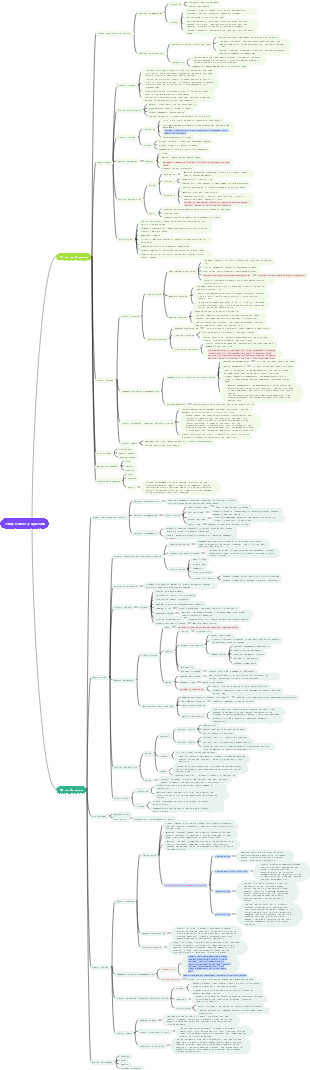
This is a mind map about medical diagnosis, including ovarian cysts, Menstruation, ascites, tuberculous peritonitis, etc. Hope this helps!
Edited at 2023-12-17 15:09:26This article discusses the Easter eggs and homages in Zootopia 2 that you may have discovered. The main content includes: character and archetype Easter eggs, cinematic universe crossover Easter eggs, animal ecology and behavior references, symbol and metaphor Easter eggs, social satire and brand allusions, and emotional storylines and sequel foreshadowing.

[Zootopia Character Relationship Chart] The idealistic rabbit police officer Judy and the cynical fox conman Nick form a charmingly contrasting duo, rising from street hustlers to become Zootopia police officers!
This is a mind map about Deep Analysis of Character Relationships in Zootopia 2, Main content: 1、 Multi-layer network of relationships: interweaving of main lines, branch lines, and hidden interactions, 2、 Motivation for Character Behavior: Active Promoter and Hidden Intendant, 3、 Key points of interaction: logic of conflict, collaboration, and covert support, 4、 Fun Easter eggs: metaphorical details hidden in interactions.
This article discusses the Easter eggs and homages in Zootopia 2 that you may have discovered. The main content includes: character and archetype Easter eggs, cinematic universe crossover Easter eggs, animal ecology and behavior references, symbol and metaphor Easter eggs, social satire and brand allusions, and emotional storylines and sequel foreshadowing.
[Zootopia Character Relationship Chart] The idealistic rabbit police officer Judy and the cynical fox conman Nick form a charmingly contrasting duo, rising from street hustlers to become Zootopia police officers!
This is a mind map about Deep Analysis of Character Relationships in Zootopia 2, Main content: 1、 Multi-layer network of relationships: interweaving of main lines, branch lines, and hidden interactions, 2、 Motivation for Character Behavior: Active Promoter and Hidden Intendant, 3、 Key points of interaction: logic of conflict, collaboration, and covert support, 4、 Fun Easter eggs: metaphorical details hidden in interactions.
Ms. Ma who is troubled by gaining weight
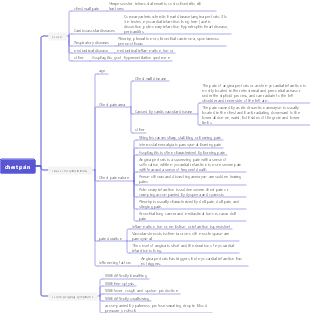
ovarian cyst
It is a cyst-like structure formed in the ovary or on its surface. The cyst can contain liquid or solid substances. It is common in gynecology.
Causes: Environment and diet - environmental pollution, environmental deterioration, smoking and ionizing radiation ——Imbalanced diet and excessive intake of cholesterol hormone Infections – recurring pelvic infections
Symptoms and complications Most patients with functional ovarian cysts will not have obvious uncomfortable symptoms Larger volume/longer duration - dull or severe pain in the lower abdomen Feeling of fullness or sinking in the abdomen Lumbosacral pain and pain during sexual intercourse There is pressure in the lower abdomen, cyst rupture, and pedicle torsion—acute symptoms Sudden severe pain in the lower abdomen, accompanied by nausea and vomiting In severe cases, shock symptoms such as clammy skin, shortness of breath, and dizziness may occur.
Diagnosis: 1. Symptoms and signs: Swelling and pain in the lower abdomen, abdominal mass, irregular vaginal bleeding, and difficulty in defecation and urination. Whether a spherical mass with a smooth surface can be palpated on one or both sides of the uterus without adhesion to the uterus. 2. Ultrasound examination: Display the location, size and presence of ascites of ovarian cysts to make a preliminary judgment on benign and malignant. 3.CT examination: CT examination can identify abnormalities in ovarian cysts 4. Laparoscopy: Laparoscopy can directly see the patient's ovarian cysts and intra-abdominal damage, and can also remove ovarian cyst tissue for biopsy. 5. Tumor marker examination: Ovarian cysts grow relatively quickly and have symptoms such as local compression. The content of tumor markers can be tested for diagnosis.
treat
① Premenopausal asymptomatic ovarian cysts Those with a diameter <10cm can be observed. After physiological cysts are ruled out, surgery can be performed as appropriate; Surgical treatment is recommended for ovarian cysts with a diameter ≥10cm ② Ovarian cysts before menarche should be taken seriously ③Asymptomatic postmenopausal ovarian cysts with low malignant potential after comprehensive evaluation can choose follow-up observation. ④The recommended follow-up interval for unilateral unicameral cysts with a diameter of <5cm is 8 to 12 weeks, with flexible adjustments based on clinical manifestations and signs.
Surgical treatment - laparoscopic surgery
Drug treatment: 1. Mifepristone 2. Gestrinone 3. Tamoxifen
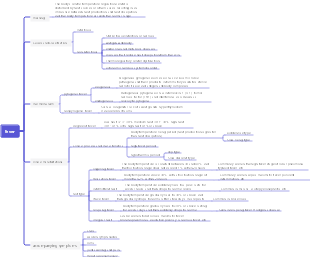
menstruation
normal physiology
menstrual cycle menstruation Menstrual volume - normal menstrual volume is 20~60ml. If it exceeds 80ml, it indicates menarche and menopause.
Element Blood (3/4 arterial blood, 1/4 venous blood), endometrial tissue fragments and various active enzymes and biological factors
Physiological changes
abnormal situation
Common gynecological diseases, manifested by abnormalities in the menstrual cycle or bleeding volume, or abdominal pain and systemic symptoms before and during menstruation.
Disturbances in menstrual cycles or bleeding
irregular uterine bleeding functional uterine bleeding Postmenopausal vaginal bleeding amenorrhea
other
Dysmenorrhea premenstrual syndrome Polycystic Ovary Syndrome menopausal syndrome
Cause
Catch a cold, irregular diet, excessive exercise, mood swings, long-term irregular work and rest taking birth control pills
other
Abdominal distension
When lying down, the anterior abdominal wall is significantly higher than the plane of the costal margin and pubic symphysis, and has a convex appearance.
Low-grade fever in the afternoon
Daily oral temperature fluctuates between 37.5°C and 38.3°C, and axillary temperature fluctuates between 37.4°C and 38.3°C, which persists for more than 3 weeks.
Cause: Chronic inflammation immune system diseases endocrine causes tumor
Six indicators of digestive tract tumors
AFP - alpha embryo protein ≥25µg/L, hepatitis, cirrhosis, liver cancer and other malignant tumors such as teratoma, etc. CEA - carcinoembryonic antigen Broad spectrum tumor markers CA199 - carbohydrate antigen 199 The normal value is <37.00u/ml, which is the most sensitive marker for pancreatic cancer. CA242 - carbohydrate antigen 242 0-20 U/ml, diagnosis of malignant tumors of the digestive tract, especially pancreatic cancer and colorectal cancer CA724 - carbohydrate antigen 724 More than three times, neoplastic lesions need to be considered CA125 - carbohydrate antigen 125 0~35 kU/L, as an observation index for the therapeutic efficacy of tuberculous peritonitis Tuberculous peritonitis → mesothelial cells → produce large amounts of CA125 → ascites → blood
albumin 35-50g/L(3.5-5.0g/dl) Elevated - slightly lower in infants and young children, higher in healthy adults ——Excessive intake of protein-rich foods, strenuous exercise, and hemolysis ——Hemoconcentration caused by various reasons (including diarrhea, vomiting, high fever, etc.) Reduce – Synthesis Obstacles ——Excessive loss of albumin ——Too little protein intake
Prothrombin time (PT) Prothrombin time (11~13 seconds), prothrombin time ratio (0.86~1.15s)
Causes of prolonged prothrombin time or increased prothrombin time ratio: genetic factors Congenital lack of coagulation factors II, V, VII, and X, or hypofibrinogenemia. (Extrinsic coagulation mechanism affected) secondary factors Commonly seen in diseases such as vitamin K deficiency, disseminated intravascular coagulation, and primary fibrinolysis drug factors Use anticoagulants such as warfarin Shortened prothrombin time or decreased prothrombin time ratio genetic factors Congenital coagulation factor V hyperplasia secondary factors Hypercoagulable states and thrombotic disorders drug factors The use of birth control pills, penicillin and other drugs can shorten the prothrombin time
cumulative effect
In patients who are bedridden for a long time, secretions and sputum from both lungs cannot be effectively discharged, and they fall to the lower, bottom, and outer sides of the lungs for a long time.
Subpleural fuzzy shadows in the lower lobes of both lungs
Past pneumonia or tuberculosis in the lungs (most common)
Gamma-interferon belongs to type Ⅱ interferon Produced by antigen-stimulated T lymphocytes Highly effective antiviral bioactive substances Lymphokine with broad immunomodulatory effects
Normal value——0-14pg/ml
PCNA
Positive anti-PCNA antibodies mostly indicate tumors and SLE, which may also be caused by inflammation.
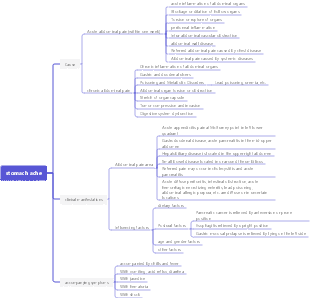
ascites
normal
There is a small amount of liquid (generally less than 200ml) in the human abdominal cavity, which lubricates intestinal peristalsis.
abnormal
Any pathological condition that results in an increase in intra-abdominal fluid volume exceeding 200ml
Grading: mild: depth of ascites under B-ultrasound less than 3cm, no obvious clinical manifestations Moderate: The depth is 3-10 cm, patients often have moderate abdominal distension and symmetrical abdominal bulge, and positive shifting dullness Severe: When the depth is >10 cm, the patient may experience significant abdominal distension, positive shifting dullness, solid tones, significant abdominal distension, and even umbilical hernia.
Clinical Manifestations: Abdominal distention and bloating stomach ache Difficulty breathing loss of appetite nausea and vomiting Tense abdominal muscles
Increased heart rate: decreased cardiac output: compression of diaphragm heart (possible) Increased cardiac preload: increased intra-abdominal pressure and obstruction of venous return Compression of the heart (extreme case)
complication
heart disease
Liver Disease
kidney disease
tuberculous peritonitis
malignant tumor
cause
systemic factors (1) Decreased plasma colloid osmotic pressure (2) Endocrine disorders (3) Sodium and water retention (factor of persistent ascites)
local factors (1) Increase in liquid hydrostatic pressure (2) Increased lymph flow and blocked return (3) Increased peritoneal vascular permeability (4) Abdominal visceral rupture
Cirrhotic ascites Noncirrhotic ascites malignant tumor cardiovascular system diseases kidney disease infections ovarian cancer Pelvic peritoneal tuberculosis endometriosis
treat
Treat the cause
Symptomatic treatment
Limit water and sodium intake Supplement albumin or accelerate albumin synthesis Application of diuretics – potassium-sparing and potassium-excreting diuretics Ascites drainage treatment - injecting 20mg of dopamine can enhance the diuretic effect Use vasodilators—angiotensin-converting enzyme inhibitors
tuberculous peritonitis
Clinical symptoms
Chronic diffuse peritoneal infection caused by Mycobacterium tuberculosis. It is more common in children and young adults. There are slightly more women than men. There are four common types: adhesion, exudation, cheese and mixed, with exudation being the most common type.
Symptoms of tuberculosis poisoning - low fever, night sweats, weight loss and fatigue Abdominal pain, diarrhea Classic sign - abdominal wall flexibility
diagnosis
Routine examination of ascites
Physical examination
color ①Yellow: light yellow, yellow, dark yellow. Generally, the leakage fluid is lighter in color and the exudate fluid is darker in color. ②Red: mostly bloody. Acute stage of tuberculosis, malignant tumors, etc. ③Yellow: jaundice ④ Milky white: purulent infection ⑤Green: Pseudomonas aeruginosa
transparency The leaked liquid is clear and transparent liquid. Exudate often appears turbid to varying degrees because it contains a large number of cells and bacteria.
Solidification Leakage fluid generally does not solidify easily. Exudate often solidifies on its own or clots appear
proportion The specific density of the leakage liquid is generally lower than 1.015 Exudate is generally higher than 1.018
PH - clinical significance: ① When peritoneal effusion is complicated by infection, acidic substances produced by bacterial metabolism increase and the pH decreases. ②pH<7.3, seen in spontaneous bacterial peritonitis Leakage pH 7.4~7.55; Exudate is generally low, and the pH of the fluid in purulent infection is <6.8
cell counts red blood cell count White blood cell count ——Lymphocyte count: When the proportion of lymphocytes is >50%, pleural effusion is mostly caused by malignant tumors and tuberculosis. ——Neutrophil count ——Eosinophil count
Protein characterization Mucin test (Rivalta test) Leakage is negative Exudate is positive
Quantitative
Ascites biochemistry
SAAG (serum-ascites albumin gradient) SAAG≥11 g/L has a 97% probability of portal hypertensive ascites. Ascites with SAAG <11 g/L is mostly non-portal hypertension. glucose Glucose oxidase method or hexokinase method. 3.6~5.5mmol/L The glucose content of exudate is similar to or slightly lower than that of serum; the glucose content of exudate is significantly lower than that of blood glucose. Glucose in serous cavity effusion is reduced or the ratio to serum content is less than 0.5 - tuberculous effusion Lipids Effusion cholesterol greater than 1.6 mmol/L is mostly malignant effusion When cholesterol is less than 1.6 mmol/L, it is usually due to cirrhotic effusion.
Lactate dehydrogenase (LD) Leakage fluid: LD < 200U/L, effusion LD/serum LD <0.6 Exudate: LD > 200U/L, effusion LD/serum LD > 0.6 LD testing is mainly used to identify the nature of effusion. LD activity: Purulent exudate > Cancerous effusion > Tuberculous effusion > Normal Adenosine deaminase (ADA) 0~45U/L Mainly used to distinguish tuberculous and malignant effusions ADA activity: Tuberculous > Cancerous > Non-inflammatory effusion Amylase (AMY) 0~300U/L Used to determine pancreatic peritoneal effusion to assist in the diagnosis of pancreatic diseases, etc. Lysozyme (LZM) 0~5mg/L Increased LZM in infectious effusion: The ratio of tuberculous effusion LZM to serum LZM > 1.0 The ratio of malignant effusion LZM to serum LZM <1.0 Alkaline phosphatase (ALP)40~150U/L In most patients with small intestinal volvulus and perforation, 2 to 3 hours after the onset of symptoms, ALP in peritoneal effusion increases and changes with the progression of the disease, which is approximately twice that of serum ALP. Cancer cells of serosal surface cancer can release ALP. Therefore, the ratio of pleural effusion ALP to serum ALP is >1.0. The ratio of other cancerous pleural effusions is <1.0
laparoscopic abdominal biopsy
Complications: abscess intestinal obstruction Intestinal perforation intestinal fistula
treat
medical treatement
First line: high efficacy, fewer adverse reactions, and easier for patients to tolerate, including isoniazid, rifampicin, ethambutol, streptomycin, pyrazinamide, etc. Second line: more toxic and less effective. New generation: better curative effect and relatively less toxic side effects, such as rifapentine, rifadine, levofloxacin, moxifloxacin and gatifloxacin, new macrolides, etc.
Treatment principles: 1. Early medication 2. Combined medication 3. Moderate amount 4. Adhere to regular medication throughout the process
Surgical treatment
patient education