MindMap Gallery Diagnostics consultation
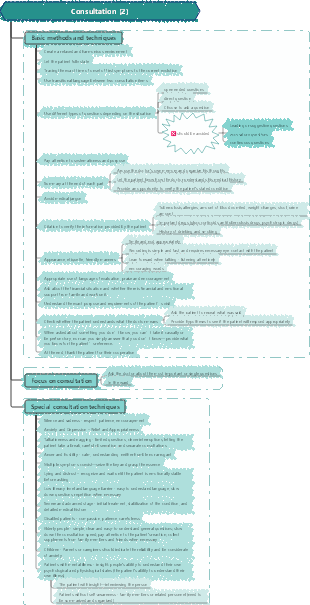
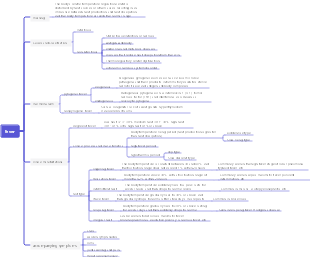
Questioning is an important means for doctors to initially communicate with patients and obtain medical history. It includes the importance of consultation, medical ethics requirements and its content.
Edited at 2024-03-02 22:11:47This is a mind map about bacteria, and its main contents include: overview, morphology, types, structure, reproduction, distribution, application, and expansion. The summary is comprehensive and meticulous, suitable as review materials.

This is a mind map about plant asexual reproduction, and its main contents include: concept, spore reproduction, vegetative reproduction, tissue culture, and buds. The summary is comprehensive and meticulous, suitable as review materials.
This is a mind map about the reproductive development of animals, and its main contents include: insects, frogs, birds, sexual reproduction, and asexual reproduction. The summary is comprehensive and meticulous, suitable as review materials.
This is a mind map about bacteria, and its main contents include: overview, morphology, types, structure, reproduction, distribution, application, and expansion. The summary is comprehensive and meticulous, suitable as review materials.
This is a mind map about plant asexual reproduction, and its main contents include: concept, spore reproduction, vegetative reproduction, tissue culture, and buds. The summary is comprehensive and meticulous, suitable as review materials.
This is a mind map about the reproductive development of animals, and its main contents include: insects, frogs, birds, sexual reproduction, and asexual reproduction. The summary is comprehensive and meticulous, suitable as review materials.
inquiry
importance
The main means of medical history collection
Provide a basis for diagnosis
In the early stage of the disease, the body still lacks organic changes, and there are no positive findings in various examinations.
Conducive to doctor-patient communication and establishing a good doctor-patient relationship
Educate patients, provide information, and even provide treatment
Medical ethics requirements
serious
Respect privacy
Treat all patients equally
Do not judge colleagues casually
Patient education and health coaching
content
General project
Name, gender, age, place of origin, place of birth, nationality, marriage, mailing address, telephone number, work unit, occupation, date of person, date of recording, person who stated the medical history, and degree of reliability
If the person stating the medical history is not the person himself, the relationship with the patient should be indicated.
Age: adult - one year old, infant - months, newborn - days
Address: Rural Area - Group, City - House Number
Admission time, recording time - minutes
Be flexible in your inquiries
Chief complaint
The patient feels the most significant pain or the most obvious physical signs, and the most important reason for the visit
Medical terminology, concise and chronological order
Do not use onset time (time period)
Do not use diagnostic terms (signs\symptoms)
Don't use dialect
History of present illness
The whole process of the patient's illness: development, evolution, diagnosis and treatment process
Onset and duration of illness
Sudden onset: cerebral embolism, angina pectoris, aneurysm rupture, acute gastrointestinal perforation
Some factors: Cerebral thrombosis often occurs during sleep; Cerebral hemorrhage and hypertensive crisis often occur in states of excitement or stress
Time of illness: the time from onset of illness to medical treatment\admission to hospital
Main symptoms and characteristics
location, nature, duration and extent, mitigating or exacerbating factors
Upper abdominal pain: gastroduodenal pancreas
Acute abdominal pain in the right lower quadrant: appendicitis, ovaries\fallopian tubes (women)
Nature of pain: burning, cramping, swelling, dull pain; persistent\paroxysmal
Causes and incentives
The development and evolution of the disease
Changes in main symptoms and emergence of new symptoms
accompanying symptoms
A series of other symptoms based on the main symptoms
If accompanying symptoms that should appear do not appear, they should be recorded in the medical history (negative symptoms)
Diagnosis and treatment process
However, past diagnoses cannot be used to replace your own diagnosis.
General conditions during the course of the disease
The patient’s mental and physical status, changes in appetite and food intake, sleep, and bowel and bladder conditions
Past history
The patient’s past health status and diseases he or she has suffered from in the past
Be careful not to confuse it with a history of current illness
Peptic ulcer can be recorded in the current history of episodes over the years
Describe in chronological order
Systematic review
A series of direct questions and a final history collection
Each system asks about 2 to 4 symptoms, positive - comprehensive and in-depth questioning, negative - transition to the next system
personal history
social experience
Occupations and working conditions
habits and hobbies
History of travel
Marital history
Menstrual and reproductive history
Reproductive history: pregnancy, number of births, number of artificial or natural abortions, presence of stillbirths, surgical deliveries, perinatal infections, family planning, and contraceptive measures
family history
The health and disease status of parents, siblings, and whether there are genetic diseases
The immediate family members of the deceased asked about the cause of death and age