MindMap Gallery Cost management mind map
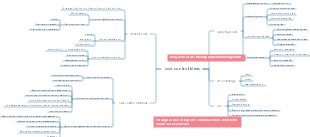
This is a mind map about cost management, including the definition and purpose of cost control, Main hotel costs, cost control methods, cost control misunderstandings, etc.
Edited at 2023-12-08 03:35:49This is a mind map about bacteria, and its main contents include: overview, morphology, types, structure, reproduction, distribution, application, and expansion. The summary is comprehensive and meticulous, suitable as review materials.

This is a mind map about plant asexual reproduction, and its main contents include: concept, spore reproduction, vegetative reproduction, tissue culture, and buds. The summary is comprehensive and meticulous, suitable as review materials.
This is a mind map about the reproductive development of animals, and its main contents include: insects, frogs, birds, sexual reproduction, and asexual reproduction. The summary is comprehensive and meticulous, suitable as review materials.
This is a mind map about bacteria, and its main contents include: overview, morphology, types, structure, reproduction, distribution, application, and expansion. The summary is comprehensive and meticulous, suitable as review materials.
This is a mind map about plant asexual reproduction, and its main contents include: concept, spore reproduction, vegetative reproduction, tissue culture, and buds. The summary is comprehensive and meticulous, suitable as review materials.
This is a mind map about the reproductive development of animals, and its main contents include: insects, frogs, birds, sexual reproduction, and asexual reproduction. The summary is comprehensive and meticulous, suitable as review materials.
cost management
The definition and purpose of cost control
Definition: Cost control is a cost management goal established in advance by an enterprise based on a certain period of time. There are cost control personnel within their scope of authority. Before production consumption occurs and during the cost control process, a series of precautions are taken against various factors that affect costs and price adjustments. and adjustment measures to ensure the management behavior of achieving cost management objectives.
Meaning: Reduce resource waste, increase hotel profits, and reduce management risks
Hotel main costs
Controllable costs:
Human resources cost: Human resource costs can be divided into direct costs and indirect costs. Direct costs refer to actual expenses, such as personnel wages, insurance, bonuses and benefits, recruitment fees, training fees, etc.; indirect costs refer to the form of time, reputation, etc. Reflected costs, such as poor decision-making, poor work performance, or improper quality control.
Energy consumption costs: major energy costs such as water, electricity, gas and oil generated by the hotel during its operation
Cost of consumables: Cost of low-value consumables (such as toothbrushes, slippers, shower caps, soap, etc.) and daily employee consumption of cleaning tools and supplies
Laundry costs: Costs related to hotel guest room linen cleaning and delivery
Catering costs: hotel breakfast, staff meal related expenses
Marketing costs: Hotel marketing-related expenses, including brand withdrawal fees, headquarters, intermediary booking commission fees, marketing fees, customer maintenance fees, other marketing expenses, etc.
Fire security fees: hotel outsourced security and technical service fees, etc.
Maintenance costs: Repairs and maintenance costs incurred by the hotel during operation
Other controllable costs: environmental protection and sanitation expenses, business entertainment expenses, travel expenses, office supplies expenses
Non-controllable costs:
Rent, taxes, management fees, other financial expenses
cost control methods
Labor cost control methods:
1. Recruitment: high job matching and high overall quality
2. Training: Strengthen employee skills optimization process, improve work efficiency, and career planning
3. Distribution: Reasonable and flexible distribution of workload
4. Assessment: Quantitative and clear assessment indicators can be quantified, and the good will be rewarded and the bad will be punished.
5. Care: care for employees, reduce employee turnover rate, enrich employee activities, and improve employee loyalty
6. Develop a reasonable staffing and training plan based on the actual situation of the store to improve employee work efficiency;
7. Strictly control employees’ performance pay;
8. Arrange shifts reasonably and eliminate unnecessary overtime, especially on holidays;
Energy consumption cost electricity control and gas control:
1. Air conditioning: maintenance, setting temperature according to regulations, room sealing, raising awareness of energy saving
2. Elevator: closed in turn, scheduled maintenance
3. Heat pump: maintenance work, setting temperature according to regulations, pipe insulation, two pump rotations, water level in water tank
4. Lighting: Develop energy-saving habits and use energy-saving lamps
5. Store promotion: timing, LED, one-time replacement
6. Boiler: Whether the oxygen supply is sufficient, descaling the inner tank, and decarbonizing the furnace head
7. Insulation: Set water temperature and water tank insulation appropriately.
Room cost control:
1. Disposable items: fill in the cleaning report truthfully; distribute according to consumption; if you renew your housing, you will only be compensated but not withdrawn.
2. Low-value consumables: first in first out, no accumulation of goods; tools are repaired in time and old ones are replaced with new ones.
3. Linen: prevent secondary pollution; assign a dedicated person to take responsibility and replace damaged items with new ones.
4. Waste products: centralized collection and sale; secondary use, timely cleaning of heavy pollution, and separation of dry and wet products
5. Staff dormitories: meet basic living needs, with long running water and air conditioning.
Cost control misunderstandings
1. Does not consider the guest’s stay experience: 2. Reduce the quality of equipment and facilities; 3. Compress normal operating expenses; 4. Reduce employee benefits and lower employee meal standards; 5. It runs counter to the strategic goals of the group and the region; 6. Welcome milk products that are cheap or are about to expire; 7. If the air conditioning is not turned on in the lobby and restaurant, I get up in the middle of the night and turn on the air conditioning switch; 8. The staff dormitories are extremely crude; 9. Small workshop of washing company; 10. Breakfast is not produced according to standards and the ingredients are not fresh; 11. The linen is in tatters and the work clothes are scrapped and thrown away;