MindMap Gallery Human resources cost control
Human resource cost control is an important means for enterprises to maximize economic benefits. Enterprises need to continuously improve their core competitiveness to cope with challenges.
Edited at 2024-04-24 17:55:27Avatar 3 centers on the Sully family, showcasing the internal rift caused by the sacrifice of their eldest son, and their alliance with other tribes on Pandora against the external conflict of the Ashbringers, who adhere to the philosophy of fire and are allied with humans. It explores the grand themes of family, faith, and survival.

This article discusses the Easter eggs and homages in Zootopia 2 that you may have discovered. The main content includes: character and archetype Easter eggs, cinematic universe crossover Easter eggs, animal ecology and behavior references, symbol and metaphor Easter eggs, social satire and brand allusions, and emotional storylines and sequel foreshadowing.
[Zootopia Character Relationship Chart] The idealistic rabbit police officer Judy and the cynical fox conman Nick form a charmingly contrasting duo, rising from street hustlers to become Zootopia police officers!
Avatar 3 centers on the Sully family, showcasing the internal rift caused by the sacrifice of their eldest son, and their alliance with other tribes on Pandora against the external conflict of the Ashbringers, who adhere to the philosophy of fire and are allied with humans. It explores the grand themes of family, faith, and survival.
This article discusses the Easter eggs and homages in Zootopia 2 that you may have discovered. The main content includes: character and archetype Easter eggs, cinematic universe crossover Easter eggs, animal ecology and behavior references, symbol and metaphor Easter eggs, social satire and brand allusions, and emotional storylines and sequel foreshadowing.
[Zootopia Character Relationship Chart] The idealistic rabbit police officer Judy and the cynical fox conman Nick form a charmingly contrasting duo, rising from street hustlers to become Zootopia police officers!
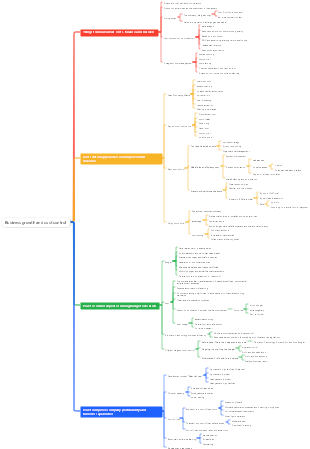
Human resources cost control
effect
It is an important means for enterprises to maximize economic benefits.
By managing and controlling costs such as the acquisition, development, and use of human resources, enterprises can use human resources more effectively and reduce unnecessary waste, thereby improving overall operating efficiency and economic benefits.
Enterprises need to continuously improve their core competitiveness to cope with challenges.
Human resources are one of the most important resources of an enterprise, and its cost control is directly related to the enterprise's operating costs and competitiveness. By reasonably controlling human resource costs, companies can optimize resource allocation, improve employee work efficiency, and gain advantages in market competition.
Imperfect corporate systems and unreasonable managerial decisions are also important reasons for high human resource costs.
Some companies lack scientific human resources planning and management systems, resulting in a lot of waste and unreasonable expenditures in recruitment, training, employment and other aspects. At the same time, some senior managers pursue short-term interests too much when making decisions and ignore the company's long-term development plan, which also exacerbates the rise in human resource costs.
Institutional issues are also an important factor affecting human resource cost control.
For example, there is a huge gap in the salary and benefits of some companies between employees who are on staff and those who are not on staff, which not only affects employees' enthusiasm for production, but also increases the company's employment costs. Therefore, solving institutional problems and achieving fair and reasonable salary distribution are effective ways to control human resource costs.
Lack of human resources cost control awareness and grassroots investigation is also one of the reasons leading to cost control problems.
Some companies have not yet realized the importance of human resource cost control to corporate development and have neglected detailed accounting and collection of human resource cost expenditures. At the same time, the lack of investigation and understanding of employees at the grassroots level leads to unscientific income distribution and employees feel unfair, which in turn affects work efficiency and the overall benefits of the company.
include content
Human resources acquisition cost
meaning
Refers to the costs incurred by enterprises in the process of recruiting and enrolling employees.
content
direct cost
recruitment cost
This is the cost a business incurs in the process of finding and attracting potential employees. Including advertising costs (such as posting job advertisements on recruitment websites, newspapers or social media), recruitment activity costs (such as attending job fairs, campus presentations, etc.), headhunting service costs (if the company chooses to find senior talents through headhunting companies) and recruitment Staff salaries and benefits, etc.
Selection cost
Selection costs are the expenses incurred by companies in selecting suitable candidates from many applicants. This includes interview costs (such as interviewer's time cost, interview venue rental costs, etc.), test costs (such as skill tests, personality tests, etc.), background check costs, and related administrative costs (such as printing, mailing resumes, etc.).
Recruitment cost
Recruitment costs involve various expenses incurred when a company formally hires employees. This includes employee entry procedures (such as entry procedures, signing of labor contracts, etc.), physical examination fees, new employee training costs (such as induction training materials, trainer fees, etc.) and other related expenses incurred due to employment (such as relocation costs) , settlement expenses, etc.).
placement costs
Placement costs are the expenses incurred by the company in placing new employees in suitable positions. This includes the costs of new employees adapting to the new environment (such as mentor fees under a mentorship system), the cost of new employees becoming familiar with work processes and equipment, and any other costs associated with new employee placement.
s
Such as the time cost in the recruitment process, potential losses caused by improper recruitment (such as the need to recruit again after recruiting unsuitable employees), etc. Although these indirect costs are difficult to quantify accurately, they also have an important impact on the overall operations and benefits of the enterprise.
Human resource development costs
direct cost
1. directional costs
Also known as pre-job training costs, it involves a series of training that employees receive before they officially take up the job, aiming to familiarize them with corporate culture, rules and regulations, business knowledge, and business skills. This includes training material fees, instructor fees, and other related expenses incurred by employees during training.
2. On-the-job training costs
It refers to the training that employees receive during their formal work process in order to improve work efficiency, upgrade skills, or adapt to new work needs. This can include internal training, external training, online learning and other forms. Related costs include training material fees, instructor fees, travel expenses, etc.
3. Off-the-job training costs
It refers to employees temporarily leaving their jobs to participate in longer or specific training. This kind of training is usually more systematic and in-depth, aiming to improve employees' specific skills or management capabilities. Off-the-job training costs include wages during the training period, training fees and related living expenses.
s
Human resource development costs may also include other indirect costs, such as employee productivity loss during training and potential losses from employee turnover after training.
Human resources usage cost
1. Basic salary and wages
This is the most direct and obvious part of the cost of using human resources. It covers employees’ monthly salary, hourly wages, overtime pay, and various allowances and bonuses. These fees are determined by the company based on employees' job responsibilities, performance and market salary levels, with the aim of ensuring employees' basic living needs and motivating them to better serve the company.
2. Social insurance and welfare expenses
Enterprises usually need to pay various social insurance premiums for their employees, such as pension insurance, medical insurance, unemployment insurance, work-related injury insurance and maternity insurance. In addition, companies may also provide a series of benefits, such as housing subsidies, transportation subsidies, catering subsidies, etc., to enhance employee job satisfaction and loyalty.
3. Training and development costs
Although this part of the cost is usually classified as human resource development cost, the company will still invest in continuous training and development during the use of employees. This includes regular vocational skills training, management ability improvement training and personal development planning guidance, etc., aiming to improve the overall quality and ability level of employees, thereby better creating value for the enterprise.
4. Performance management and reward costs
In order to motivate employees to improve work performance, companies usually need to establish certain performance management systems and reward mechanisms. This includes human investment in performance appraisals, the issuance of performance bonuses, and the implementation of various incentive measures. Although these costs increase the company's short-term expenses, they will help improve employee motivation and efficiency in the long run.
5. Administrative expenses
Administrative expenses related to employee usage are also part of the cost of human resource usage. This includes the costs incurred by daily administrative activities such as employee file management, attendance management, and personnel transfers.
Human resources support costs
meaning
Refers to the fees paid to protect the survival rights of human resources when they lose their use value temporarily or long-term.
include content
1. Labor accident insurance costs
It refers to various expenses incurred by employees during work-related production accidents during normal working hours, including hospitalization expenses, medical expenses, etc.
2. health insurance costs
This is the economic compensation cost that enterprises need to bear for employees who are unable to continue working due to poor health due to reasons other than work, including medical expenses, absence wages, maternity leave wages, etc., as well as regular physical examination expenses.
3. Retirement pension security costs
It refers to the pension security expenses borne by enterprises for employees, including basic pension insurance, basic medical insurance, enterprise annuities, etc., as well as death and funeral expenses and survivor compensation after employee retirement.
4. unemployment insurance cost
It mainly includes unemployment insurance and unemployment benefits paid by enterprises for employees, etc., which are used to protect the basic living needs of employees during their unemployment period.
HR turnover costs
meaning
Refers to the costs incurred due to employees leaving the company. These costs are not only direct economic expenses, but also include indirect losses such as reduced productivity and poor work connection due to employee resignations.
include
1. severance compensation costs
It refers to the expenses that the enterprise should compensate employees when the enterprise dismisses employees or employees voluntarily resign. This usually includes the wages payable to employees until the time of resignation, one-time severance pay paid to employees, necessary relocation expenses for resigning personnel, and other expenses.
2. Inefficiency costs of turnover
It refers to the cost of loss of work or production efficiency that may be caused by changes in work mentality, poor handover of work, etc. when employees are about to leave the company.
3. vacancy cost
Refers to the cost of loss of job vacancies after an employee leaves the company. The vacancy of a certain position may adversely affect the completion of a certain job or task, thus causing losses to the enterprise. This cost is a hidden cost that is not easy to calculate directly, but it has a profound impact on the long-term development and operation of the enterprise.
Human resources cost control methods
Optimize recruitment process
Reduce recruitment costs by improving the efficiency and accuracy of the recruitment process. For example, use online recruitment platforms, social media and other channels to conduct extensive publicity, while accurately screening resumes to reduce invalid interviews, thereby reducing recruitment costs.
Improve employee training effectiveness
Through effective employee training, we can improve employee work efficiency and quality and reduce cost losses caused by insufficient employee skills. Training can be carried out in various forms such as internal training, external training, and online learning, while focusing on the evaluation and feedback of training results.
Implement performance management
By establishing a scientific performance management system, employees' compensation is linked to their performance, stimulating employees' work enthusiasm and improving their work efficiency. At the same time, through performance appraisal, employees' problems can be discovered and solved in a timely manner, and the cost losses caused by employee problems can be reduced.
Properly plan employee benefits
On the basis of meeting the basic needs of employees, rationally plan employee benefits to avoid increased costs caused by excessive benefits. By providing diversified benefit options, employees can meet their individual needs while controlling benefit costs.
Strengthen working hours management
Avoid ineffective working hours and overtime expenses by reasonably arranging employees' working hours and shifts. Flexible work systems, shift systems, etc. can be implemented to improve employee work efficiency and satisfaction.
Outsourcing and partnerships
For some non-core functions or businesses, you can consider outsourcing or sharing them with partners to reduce your investment and costs in human resources.
Use technical means
By introducing advanced human resources management software, automation tools, etc., we can improve the efficiency and accuracy of human resources management and reduce management costs.
Strengthen corporate culture construction
By building a positive and healthy corporate culture, we can enhance employees' sense of belonging and loyalty, reduce employee turnover rates, and reduce recruitment and training costs caused by employee resignations.
Misunderstandings about Human Resources Cost Control
1. Equating labor costs with wages
: Many companies mistakenly believe that controlling labor costs means controlling wages, and thus pay too much attention to employees' salary levels. However, labor costs are not limited to wages, but also include recruitment, training, benefits and other aspects. Controlling solely from the perspective of wages may lead to low employee morale, brain drain, and increase long-term labor costs.
2. Blind layoffs to reduce labor costs
: Although layoffs can reduce labor costs in the short term, they may have a long-term negative impact on the company. On the one hand, layoffs may lead to low morale and reduced work enthusiasm among remaining employees; on the other hand, companies may need to re-recruit and train new employees, adding additional costs.
3. Neglect of employee training and development
: In order to reduce labor costs, some companies may cut training and development budgets. However, this approach may result in employees' skill levels lagging behind and being unable to adapt to changes in market and corporate needs, thereby affecting the overall competitiveness of the company.
4. Too much reliance on external recruitment
: Some companies may rely too much on external recruitment to supplement human resources, while neglecting the promotion and development of internal employees. This may not only increase recruitment and training costs, but may also demotivate internal employees and lead to brain drain.
5. Ignore employee benefits and incentives
: Benefits and incentive mechanisms are important means to attract and retain talents. If an enterprise cuts investment in these areas in order to reduce costs, it may lead to a decrease in employee satisfaction, which in turn affects work efficiency and the overall performance of the enterprise.
Human resources cost control