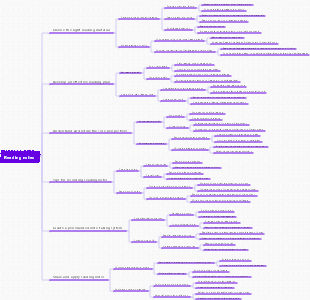
MindMap Gallery How to read a book (different reading methods)
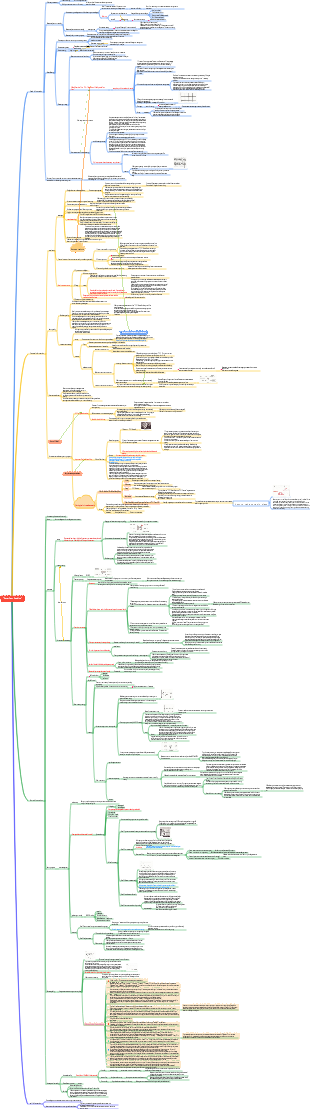
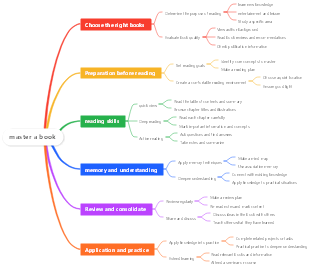
This is a mind map about. The main content includes: methods of reading different reading materials. Everyone's reading methods and habits may be different, so finding a reading method that suits you is the most important.
Edited at 2024-03-12 13:20:03This is a mind map about bacteria, and its main contents include: overview, morphology, types, structure, reproduction, distribution, application, and expansion. The summary is comprehensive and meticulous, suitable as review materials.

This is a mind map about plant asexual reproduction, and its main contents include: concept, spore reproduction, vegetative reproduction, tissue culture, and buds. The summary is comprehensive and meticulous, suitable as review materials.
This is a mind map about the reproductive development of animals, and its main contents include: insects, frogs, birds, sexual reproduction, and asexual reproduction. The summary is comprehensive and meticulous, suitable as review materials.
This is a mind map about bacteria, and its main contents include: overview, morphology, types, structure, reproduction, distribution, application, and expansion. The summary is comprehensive and meticulous, suitable as review materials.
This is a mind map about plant asexual reproduction, and its main contents include: concept, spore reproduction, vegetative reproduction, tissue culture, and buds. The summary is comprehensive and meticulous, suitable as review materials.
This is a mind map about the reproductive development of animals, and its main contents include: insects, frogs, birds, sexual reproduction, and asexual reproduction. The summary is comprehensive and meticulous, suitable as review materials.
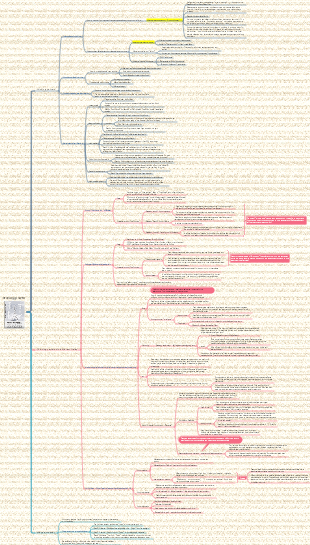
How to read different materials
Practical book
Classification
Description of rules
Explain the principle type
Method: four questions
what does this book talk about
What does the author want you to do and what is his purpose?
Is the content of this book true?
What does this book have to do with me?
imaginative literature
Three “don’ts” when reading imaginative literature
Don’t resist the influence of imaginative literature on you
Expository works convey knowledge, while imaginative literature expounds an experience itself.
Don’t look for consensus, thesis, or argument
That's logical, not poetic, they're completely different
Do not criticize novels by standards consistent with truth that apply to conveying knowledge
Rules for Reading Imaginary Literature
The structuring nature of imaginative literature
Classify works
novel
drama
poetry
Summarize the main idea in simple words
How are the various parts structured?
The interpretive nature of imaginative literature
Familiar with details of events and characters
The elements of a novel are episodes, events, characters and their thoughts, words, feelings and actions
Empathize with the world created by the author
Follow the plot and participate in events.
The combination of scene, background, and society is the static connection between various elements in the novel. The disclosure of the plot is a dynamic connection
The critical nature of imaginative literature
Don’t criticize until you understand the world created by the author
Comment on the story itself, not the themes, ideas, and premise
Clearly identify specific events and reasons for liking or disliking the book
stories, plays and poems
How to read a story
Immersive speed reading
Appropriately ignore the behavior of background characters
Read through the plot of the story
How to read a play
Most scripts are not worth reading, they are meant to be acted out
If you want to read it, read it in one go
Pretend to see the actual performance scene
Read the script aloud with emotion
how to read poetry
Read it in one breath, whether you understand it or not
Read it aloud the second time
Find conflicting keywords
Knowing more about the creation background and author information of the poem will help you understand the deeper meaning.
history
concept of history
History in terms of facts is different from history in terms of written records. Facts cannot be read, we read written history
History is a story, closer to fiction than science
Two Key Points to Reading History
If possible, read more than one history book about the event or period that interests you.
Read history to think about why humans behave the way they do in the past and present
Questions to ask when reading history books
The specific period and time frame of this history book
In what way does the author write history and what is the focus?
What does this history book have to do with me?
How to read current events
What does this author want to prove?
Who is he trying to convince?
What special knowledge does he have?
What is the special language he uses?
Does he really know what he's talking about?
Science and Mathematics
How to read science books
The objectivity of science does not consist in the absence of initial bias, but in the frank admission
Usually some unusual or technical terms find the main theme
Must understand the evidence that scientists base their theories on—the experiments that matter
How to read math books
Mathematics is a written symbolic language
Understanding the vocabulary, grammar, and syntax of mathematics is the basis for learning mathematical language
Take notes and draw pictures at any time while reading math readings
When reading science books including mathematics, skipping and skimming is a more appropriate method.
How to read popular science books
To confirm the topic
To discover the relationship between the whole and its parts
To reach a consensus with the author
Find out the purpose and argument
philosophy
How to answer philosophical questions
To answer philosophical questions, there is no other way but to think
Philosophical Species Discourse Style
philosophical dialogue
Philosophical paper or essay
face objections
systematization of philosophy
aphorism form
How to read philosophy
Discover questions and find answers that may be hidden
Summarize the central ideas of philosophical works
Clarify your thinking by reading the works of different philosophers on the same issue
social science
How to read social science
The related disciplines of social science focus more on the pursuit of systematic knowledge of human society.
Try to classify the social science works you read and analyze what elements this work consists of
List the outline of the book, try to reach a consensus with the author, and get rid of bias when reading
Social science works often contain multiple books of the same type, and it is better to read them by topic.