MindMap Gallery Super Fast Reading
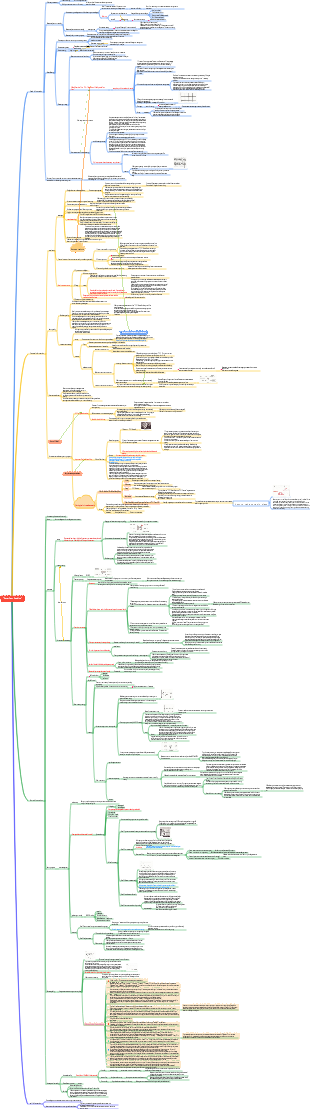
The "Super Speed Reading" mind map includes: reading information (preparation, active reading, active thinking, fast reading), processing information, storing information, calling information (the knowledge structure has been reconstructed through the above training, and the process of specific application issues that should be paid attention to), etc.
Edited at 2022-02-10 16:16:23本テンプレートは、日本人に人気の海外リゾート地「ハワイ・オアフ島」を対象とした、5 日間の充実したモデル旅行プランを体系化したマインドマップです。初めてハワイを訪れる旅行者、リピーター、家族連れやカップルなど、多様なニーズに対応するため、旅行基本情報・持ち物チェックリスト・5 日間詳細スケジュール・オプションプラン・事前準備情報の 5 つの軸で構成されています。対象読者は日本からオアフ島へ旅行を計画中の 20〜50 代の旅行者であり、成果指標としては、情報の網羅性(渡航手続きから現地体験まで必要な項目が過不足なく含まれているか)、実用性(移動時間や費用、予約のタイミングなどの正確さ)、体験の充実度(自然・文化・アクティビティ・食事のバランス)を測定します。 ユーザーニーズ分析では、渡航準備・現地移動・体験プラン・安全情報の 4 領域を掘り下げます。渡航準備においては、ESTA 申請、飛行機の予約、為替、パスポートの有効期限、海外旅行保険など、事前に整えるべき情報が不足していると計画が難しくなります。求められる価値としては、渡航に必要な手続きの流れ、必要な持ち物リスト、季節別の服装アドバイス、現地で使えるアプリや連絡先などが考えられます。現地移動では、ワイキキ内の徒歩・バス移動、レンタカーの利用方法、空港からのアクセス、交通機関のルール(右側通行など)が主な関心事です。悩みとしては、バスの路線が分からない、レンタカーの予約手続きが不安、現地での移動時間の目安が分からないなどが挙げられます。体験プランでは、ビーチでのんびり、ダイヤモンドヘッドのハイキング、ノースショアでのサーフィン、ハレイワタウン散策、ポリネシアン・カルチャーセンターでの文化体験など、オアフ島の魅力を網羅したプランが求められます。悩みとしては、限られた日数で主要スポットを効率よく回れない、予算に合ったアクティビティの選び方が分からない、人気のレストランやショップの情報が不足しているなどが挙げられます。安全情報では、ハワイ特有の注意点(紫外線対策、海での安全ルール、治安情報)、緊急時の連絡先、現地でのトラブル対応方法など、旅行者が不安に感じる点を整理することが重要です。 5 日間のモデルコースでは、各日のテーマを明確に設定し、体験のバランスを考慮しています。1 日目は「到着日・ワイキキ慣らし」として、ホノルル国際空港に到着後、ワイキキのホテルにチェックインし、夕方からワイキキビーチでのんびりしたり、夜は地元料理を味わったりして、ハワイの雰囲気に慣れる行程です。2 日目は「自然体験&ショッピング」として、午前中にダイヤモンドヘッドのハイキングに挑戦し、午後はアラモアナセンターやワイキキでショッピングを楽しみ、夜はハワイアン・ルアウショーを鑑賞する行程です。3 日目は「歴史文化巡り」として、イオラニ宮殿やパールハーバー(真珠湾)を訪れてハワイの歴史に触れ、午後はダウンタウンホノルルで街歩きをし、夜はインターナショナルマーケットプレイスで食事や買い物を楽しむ行程です。4 日目は「北海岸&大自然体験」として、オプションでノースショアへ向かい、ハレイワタウンで散策したり、サーフィンを体験したり、美しいビーチでのんびり過ごす行程で、夜はワイキキに戻って食事を楽しみます。5 日目は「最終日・思い出作り」として、午前中にワイキキビーチでの最後の散策や、お土産を買いに街を巡り、午後は空港へ移動して帰国する行程です。各日には、おすすめの時間帯、混雑しにくいタイミング、予約が必要なアクティビティの情報などを付け加え、実際に旅行する際の参考になるよう工夫しています。 また、テンプレートには持ち物チェックリストも含まれており、パスポート・ESTA、海外旅行保険証書、現金・クレジットカード、日焼け止め・帽子・サングラス、歩きやすい靴、薬、充電器など、海外旅行に必要なアイテムをリストアップしています。さらに、事前準備情報として、ネット環境の確保、現地で使えるアプリ、緊急連絡先、季節別の服装アドバイスなども記載し、旅行者の不安を解消するようサポートします。 EdrawMind のマインドマップ機能を活用することで、ユーザーは自身の旅行スタイルに合わせて行程を追加・削除したり、好みのアクティビティをハイライトしたりすることができます。例えば、ゆっくりリゾートを楽しみたい方はショッピングやハイキングの時間を減らしてビーチでの時間を増やしたり、アクティブに過ごしたい方はノースショアでのサーフィンやダイビングを追加したりするなど、カスタマイズも自由自在です。このテンプレートは、オアフ島の旅行計画を立てる際の基盤として活用することを想定しており、主要な情報が一目で分かるよう整理されているため、初めてハワイを
本テンプレートは、古都・奈良の世界遺産、鹿とのふれあい、歴史的な雰囲気を存分に楽しむための 1 泊 2 日旅行プランを体系化したマインドマップです。修学旅行や短期文化旅行、週末の小旅行に人気の奈良を対象に、イメージ・種類・交通・宿泊の 4 つの基本軸を設け、2 日間の具体的な行程を時系列で整理しています。対象読者は大阪・京都在住の 20〜40 代の一人旅・カップル・家族連れ、初めて奈良を訪れる旅行者、世界遺産や日本文化に興味のある層であり、成果指標としては、行程の網羅性(主要スポットが過不足なく含まれているか)、実用性(移動時間や混雑情報の正確さ)、体験の充実度(鹿とのふれあい・文化体験の満足度)を測定します。 ユーザーニーズ分析では、行程・体験・交通・注意点の 4 領域を掘り下げます。行程においては、「東大寺」「春日大社」「奈良国立博物館」といった世界遺産の回り方、「奈良公園」での鹿とのふれあい、「奈良町」の古い町並み散策がユーザーの関心事となります。悩みとしては、限られた時間で主要スポットを効率よく回れない、鹿との接し方が分からない、徒歩移動の負担が心配などが挙げられます。求められる価値としては、時間帯別のおすすめルート、鹿と安全に接するためのマナー説明、無理のない徒歩移動のための休憩ポイント案内が考えられます。体験面では、鹿せんべいの購入場所や与え方、春日大社の灯篭や御朱印の魅力、奈良町のカフェや伝統工芸体験など、現地でしか味わえない体験情報が求められます。交通においては、奈良市内のバス路線や一日券の情報、主要スポット間の徒歩時間、雨天時の移動手段など、事前に知っておくべき情報が不足していると計画が難しくなります。注意点では、天候対策(夏の暑さや冬の寒さ)、スケジュールのゆとり作り、写真撮影のルールやマナー、ゴミの持ち帰りなど、旅行者が見落としがちな点を整理することが重要です。 行程の中でも、特に人気の高いスポットには詳細な情報を盛り込んでいます。「東大寺」は世界遺産に登録されており、奈良時代に建立された日本を代表する寺院で、世界最大級の木造建築物である大仏殿や、高さ約 15 メートルの盧舎那仏(奈良の大仏)が有名です。事前にコインロッカーに荷物を預けて身軽になってから訪れることで、ゆっくりと境内を散策できるほか、大仏殿の柱の穴をくぐると「厄除けになる」という言い伝えもあり、多くの観光客が体験しています。「奈良公園」は東大寺や春日大社を含む広大な公園で、約 1,300 頭の野生の鹿が自由に生息しており、鹿せんべいを使って鹿とふれあうことができます。ただし、鹿は野生動物であるため、エサの与え方や触れ方には注意が必要で、事前にルールを確認しておくことが推奨されます。「春日大社」は朱色の社殿と美しい灯篭が特徴的な世界遺産で、参道には 3,000 基を超える石灯篭が並び、神聖な雰囲気を醸し出しています。特に夜間にライトアップされた灯篭は幻想的で、写真撮影にも人気です。 1 泊 2 日のモデルコースでは、初日に東大寺・奈良公園・春日大社を巡り、夜は奈良町の古い町並みを散策して地元料理を味わう行程を提案しています。二日目には、若草山から奈良の街並みを一望した後、興福寺や奈良国立博物館を訪れ、奈良町で伝統工芸体験やカフェ巡りを楽しんでから帰路に就く流れとなっています。各スポットには、徒歩時間や混雑しにくい時間帯、おすすめの食事処などの情報を付け加え、実際に旅行する際の参考になるよう工夫しています。また、旅行の注意点として、スケジュールは体調に合わせて無理のないペースで調整すること、天候に合わせて水分補給や防寒・防暑対策を徹底すること、神社仏閣での写真撮影ルールを守ることなどを記載し、安全で快適な旅行をサポートします。 EdrawMind のマインドマップ機能を活用することで、ユーザーは自身の旅行スタイルに合わせて行程を追加・削除したり、好みのスポットをハイライトしたりすることができます。一人旅向けには静かなカフェ巡りを追加したり、家族連れ向けには鹿とのふれあい体験を充実させたりするなど、カスタマイズも自由自在です。このテンプレートは、奈良の旅行計画を立てる際の基盤として活用することを想定しており、主要な情報が一目で分かるよう整理されているため、初めて奈良を訪れる方でも安心して旅行を楽しむことができます。
本テンプレートは、東京から約90分でアクセス可能な温泉・富士山・美術館が融合したリゾート地「箱根」の週末旅行ガイドを体系化したマインドマップです。カップルや家族連れに人気の週末旅行先として、交通アクセス、観光スポット、名物料理の3軸で構成され、効率的な旅行計画と満足度の高い体験を実現することを目的としています。対象読者は東京在住の20〜40代のカップル・家族連れ、初めて箱根を訪れる旅行者、週末の小旅行を計画中の層であり、成果指標としては、情報の網羅性(必要な項目が過不足なく含まれているか)、実用性(実際の移動時間や料金の正確さ)、満足度(モデルプランの再現性)を測定します。 ユーザーニーズ分析では、交通アクセス、観光スポット、グルメの3領域を掘り下げます。交通アクセスにおいては、東京からの行き方(小田急ロマンスカー約85分・指定席、新宿→箱根湯本、普通電車約2時間・乗換2回)、箱根内の移動手段(登山電車・バス・ケーブルカー・ロープウェイ)、お得な周遊券(箱根フリーパス・2日券)の情報が不足していると計画が難しくなります。求められる価値としては、交通機関別の所要時間・料金・乗換回数を比較した表、周遊券の特典内容(主要観光施設の割引)と購入場所、移動手段ごとのメリット・デメリットが考えられます。観光スポットでは、「箱根ガラスの森美術館」「クモ箱根(早雲山駅)」「芦ノ湖の夕暮れ遊覧船」などが代表的です。悩みとしては、美術館や自然スポットが多すぎて選べない、夕暮れ時の遊覧船のベストタイミングが分からない、写真映えするスポットを知りたいなどが挙げられます。価値ある情報として、おすすめスポットの特徴と所要時間、夕暮れ時の撮影ポイント、カップル向け・家族向けの選別基準を提供します。名物料理では、「黒たまご(大涌谷)」「温泉豆腐」などが代表的です。悩みは、どこで何を食べれば良いか分からない、観光地価格に見合う価値があるか、アレルギーや食事制限への対応などです。求められる価値として、名物料理の特徴とおすすめ店舗、価格帯、食べるタイミング(例:黒たまごは大涌谷観光の合間に)を整理します。 カップルにおすすめスポットとして、「箱根ガラスの森美術館」はユネスコ世界遺産(※正確には箱根地域全体がジオパークに認定されていますが、イメージとして)の美しい庭園とガラス作品が魅力です。写真はイメージですが、実際の訪日客にも人気のスポットです。名物料理のセクションでは、「黒たまご」は大涌谷の火山活動を利用して茹でられた卵で、殻が黒くなるのが特徴です。伝統的な名物料理として、食べると寿命が延びると言われています。「温泉豆腐」も地元の温泉を利用した料理で、なめらかな食感が特徴です。これらの情報をマップ上で可視化し、移動ルートと組み合わせることで、無駄のない観光計画が立てられます。 成功するための具体施策としては、主要スポットを時系列で結んだ「1泊2日モデルコース」を提供する(例:1日目:新宿→箱根湯本→登山電車→強羅→大涌谷→芦ノ湖遊覧船→宿泊、2日目:箱根ガラスの森美術館→箱根湯本→帰京)、各スポットの「混雑予想時間帯」と「穴場時間帯」をデータで示す(例:芦ノ湖遊覧船は夕暮れ時が混雑するが、その分景色は絶景)、名物料理を食べられる店舗の「営業時間・定休日・予約可否」をリスト化する、の3点が有効です。よくある失敗とその回避策としては、移動手段の乗換えが複雑で迷ってしまうケースでは箱根フリーパスの活用と事前のルート確認を推奨すること、観光スポットの滞在時間を見誤って計画が詰まりすぎるケースでは余裕を持ったスケジューリングと優先順位付けをアドバイスすること、天候によって富士山が見えない場合の代替プラン(雨天でも楽しめる美術館や温泉施設)を用意しておくことが有効です。本テンプレートは、週末旅行ガイドのコンテンツを計画・評価する際の基盤として活用することを想定しています。
本テンプレートは、日本人に人気の海外リゾート地「ハワイ・オアフ島」を対象とした、5 日間の充実したモデル旅行プランを体系化したマインドマップです。初めてハワイを訪れる旅行者、リピーター、家族連れやカップルなど、多様なニーズに対応するため、旅行基本情報・持ち物チェックリスト・5 日間詳細スケジュール・オプションプラン・事前準備情報の 5 つの軸で構成されています。対象読者は日本からオアフ島へ旅行を計画中の 20〜50 代の旅行者であり、成果指標としては、情報の網羅性(渡航手続きから現地体験まで必要な項目が過不足なく含まれているか)、実用性(移動時間や費用、予約のタイミングなどの正確さ)、体験の充実度(自然・文化・アクティビティ・食事のバランス)を測定します。 ユーザーニーズ分析では、渡航準備・現地移動・体験プラン・安全情報の 4 領域を掘り下げます。渡航準備においては、ESTA 申請、飛行機の予約、為替、パスポートの有効期限、海外旅行保険など、事前に整えるべき情報が不足していると計画が難しくなります。求められる価値としては、渡航に必要な手続きの流れ、必要な持ち物リスト、季節別の服装アドバイス、現地で使えるアプリや連絡先などが考えられます。現地移動では、ワイキキ内の徒歩・バス移動、レンタカーの利用方法、空港からのアクセス、交通機関のルール(右側通行など)が主な関心事です。悩みとしては、バスの路線が分からない、レンタカーの予約手続きが不安、現地での移動時間の目安が分からないなどが挙げられます。体験プランでは、ビーチでのんびり、ダイヤモンドヘッドのハイキング、ノースショアでのサーフィン、ハレイワタウン散策、ポリネシアン・カルチャーセンターでの文化体験など、オアフ島の魅力を網羅したプランが求められます。悩みとしては、限られた日数で主要スポットを効率よく回れない、予算に合ったアクティビティの選び方が分からない、人気のレストランやショップの情報が不足しているなどが挙げられます。安全情報では、ハワイ特有の注意点(紫外線対策、海での安全ルール、治安情報)、緊急時の連絡先、現地でのトラブル対応方法など、旅行者が不安に感じる点を整理することが重要です。 5 日間のモデルコースでは、各日のテーマを明確に設定し、体験のバランスを考慮しています。1 日目は「到着日・ワイキキ慣らし」として、ホノルル国際空港に到着後、ワイキキのホテルにチェックインし、夕方からワイキキビーチでのんびりしたり、夜は地元料理を味わったりして、ハワイの雰囲気に慣れる行程です。2 日目は「自然体験&ショッピング」として、午前中にダイヤモンドヘッドのハイキングに挑戦し、午後はアラモアナセンターやワイキキでショッピングを楽しみ、夜はハワイアン・ルアウショーを鑑賞する行程です。3 日目は「歴史文化巡り」として、イオラニ宮殿やパールハーバー(真珠湾)を訪れてハワイの歴史に触れ、午後はダウンタウンホノルルで街歩きをし、夜はインターナショナルマーケットプレイスで食事や買い物を楽しむ行程です。4 日目は「北海岸&大自然体験」として、オプションでノースショアへ向かい、ハレイワタウンで散策したり、サーフィンを体験したり、美しいビーチでのんびり過ごす行程で、夜はワイキキに戻って食事を楽しみます。5 日目は「最終日・思い出作り」として、午前中にワイキキビーチでの最後の散策や、お土産を買いに街を巡り、午後は空港へ移動して帰国する行程です。各日には、おすすめの時間帯、混雑しにくいタイミング、予約が必要なアクティビティの情報などを付け加え、実際に旅行する際の参考になるよう工夫しています。 また、テンプレートには持ち物チェックリストも含まれており、パスポート・ESTA、海外旅行保険証書、現金・クレジットカード、日焼け止め・帽子・サングラス、歩きやすい靴、薬、充電器など、海外旅行に必要なアイテムをリストアップしています。さらに、事前準備情報として、ネット環境の確保、現地で使えるアプリ、緊急連絡先、季節別の服装アドバイスなども記載し、旅行者の不安を解消するようサポートします。 EdrawMind のマインドマップ機能を活用することで、ユーザーは自身の旅行スタイルに合わせて行程を追加・削除したり、好みのアクティビティをハイライトしたりすることができます。例えば、ゆっくりリゾートを楽しみたい方はショッピングやハイキングの時間を減らしてビーチでの時間を増やしたり、アクティブに過ごしたい方はノースショアでのサーフィンやダイビングを追加したりするなど、カスタマイズも自由自在です。このテンプレートは、オアフ島の旅行計画を立てる際の基盤として活用することを想定しており、主要な情報が一目で分かるよう整理されているため、初めてハワイを
本テンプレートは、古都・奈良の世界遺産、鹿とのふれあい、歴史的な雰囲気を存分に楽しむための 1 泊 2 日旅行プランを体系化したマインドマップです。修学旅行や短期文化旅行、週末の小旅行に人気の奈良を対象に、イメージ・種類・交通・宿泊の 4 つの基本軸を設け、2 日間の具体的な行程を時系列で整理しています。対象読者は大阪・京都在住の 20〜40 代の一人旅・カップル・家族連れ、初めて奈良を訪れる旅行者、世界遺産や日本文化に興味のある層であり、成果指標としては、行程の網羅性(主要スポットが過不足なく含まれているか)、実用性(移動時間や混雑情報の正確さ)、体験の充実度(鹿とのふれあい・文化体験の満足度)を測定します。 ユーザーニーズ分析では、行程・体験・交通・注意点の 4 領域を掘り下げます。行程においては、「東大寺」「春日大社」「奈良国立博物館」といった世界遺産の回り方、「奈良公園」での鹿とのふれあい、「奈良町」の古い町並み散策がユーザーの関心事となります。悩みとしては、限られた時間で主要スポットを効率よく回れない、鹿との接し方が分からない、徒歩移動の負担が心配などが挙げられます。求められる価値としては、時間帯別のおすすめルート、鹿と安全に接するためのマナー説明、無理のない徒歩移動のための休憩ポイント案内が考えられます。体験面では、鹿せんべいの購入場所や与え方、春日大社の灯篭や御朱印の魅力、奈良町のカフェや伝統工芸体験など、現地でしか味わえない体験情報が求められます。交通においては、奈良市内のバス路線や一日券の情報、主要スポット間の徒歩時間、雨天時の移動手段など、事前に知っておくべき情報が不足していると計画が難しくなります。注意点では、天候対策(夏の暑さや冬の寒さ)、スケジュールのゆとり作り、写真撮影のルールやマナー、ゴミの持ち帰りなど、旅行者が見落としがちな点を整理することが重要です。 行程の中でも、特に人気の高いスポットには詳細な情報を盛り込んでいます。「東大寺」は世界遺産に登録されており、奈良時代に建立された日本を代表する寺院で、世界最大級の木造建築物である大仏殿や、高さ約 15 メートルの盧舎那仏(奈良の大仏)が有名です。事前にコインロッカーに荷物を預けて身軽になってから訪れることで、ゆっくりと境内を散策できるほか、大仏殿の柱の穴をくぐると「厄除けになる」という言い伝えもあり、多くの観光客が体験しています。「奈良公園」は東大寺や春日大社を含む広大な公園で、約 1,300 頭の野生の鹿が自由に生息しており、鹿せんべいを使って鹿とふれあうことができます。ただし、鹿は野生動物であるため、エサの与え方や触れ方には注意が必要で、事前にルールを確認しておくことが推奨されます。「春日大社」は朱色の社殿と美しい灯篭が特徴的な世界遺産で、参道には 3,000 基を超える石灯篭が並び、神聖な雰囲気を醸し出しています。特に夜間にライトアップされた灯篭は幻想的で、写真撮影にも人気です。 1 泊 2 日のモデルコースでは、初日に東大寺・奈良公園・春日大社を巡り、夜は奈良町の古い町並みを散策して地元料理を味わう行程を提案しています。二日目には、若草山から奈良の街並みを一望した後、興福寺や奈良国立博物館を訪れ、奈良町で伝統工芸体験やカフェ巡りを楽しんでから帰路に就く流れとなっています。各スポットには、徒歩時間や混雑しにくい時間帯、おすすめの食事処などの情報を付け加え、実際に旅行する際の参考になるよう工夫しています。また、旅行の注意点として、スケジュールは体調に合わせて無理のないペースで調整すること、天候に合わせて水分補給や防寒・防暑対策を徹底すること、神社仏閣での写真撮影ルールを守ることなどを記載し、安全で快適な旅行をサポートします。 EdrawMind のマインドマップ機能を活用することで、ユーザーは自身の旅行スタイルに合わせて行程を追加・削除したり、好みのスポットをハイライトしたりすることができます。一人旅向けには静かなカフェ巡りを追加したり、家族連れ向けには鹿とのふれあい体験を充実させたりするなど、カスタマイズも自由自在です。このテンプレートは、奈良の旅行計画を立てる際の基盤として活用することを想定しており、主要な情報が一目で分かるよう整理されているため、初めて奈良を訪れる方でも安心して旅行を楽しむことができます。
本テンプレートは、東京から約90分でアクセス可能な温泉・富士山・美術館が融合したリゾート地「箱根」の週末旅行ガイドを体系化したマインドマップです。カップルや家族連れに人気の週末旅行先として、交通アクセス、観光スポット、名物料理の3軸で構成され、効率的な旅行計画と満足度の高い体験を実現することを目的としています。対象読者は東京在住の20〜40代のカップル・家族連れ、初めて箱根を訪れる旅行者、週末の小旅行を計画中の層であり、成果指標としては、情報の網羅性(必要な項目が過不足なく含まれているか)、実用性(実際の移動時間や料金の正確さ)、満足度(モデルプランの再現性)を測定します。 ユーザーニーズ分析では、交通アクセス、観光スポット、グルメの3領域を掘り下げます。交通アクセスにおいては、東京からの行き方(小田急ロマンスカー約85分・指定席、新宿→箱根湯本、普通電車約2時間・乗換2回)、箱根内の移動手段(登山電車・バス・ケーブルカー・ロープウェイ)、お得な周遊券(箱根フリーパス・2日券)の情報が不足していると計画が難しくなります。求められる価値としては、交通機関別の所要時間・料金・乗換回数を比較した表、周遊券の特典内容(主要観光施設の割引)と購入場所、移動手段ごとのメリット・デメリットが考えられます。観光スポットでは、「箱根ガラスの森美術館」「クモ箱根(早雲山駅)」「芦ノ湖の夕暮れ遊覧船」などが代表的です。悩みとしては、美術館や自然スポットが多すぎて選べない、夕暮れ時の遊覧船のベストタイミングが分からない、写真映えするスポットを知りたいなどが挙げられます。価値ある情報として、おすすめスポットの特徴と所要時間、夕暮れ時の撮影ポイント、カップル向け・家族向けの選別基準を提供します。名物料理では、「黒たまご(大涌谷)」「温泉豆腐」などが代表的です。悩みは、どこで何を食べれば良いか分からない、観光地価格に見合う価値があるか、アレルギーや食事制限への対応などです。求められる価値として、名物料理の特徴とおすすめ店舗、価格帯、食べるタイミング(例:黒たまごは大涌谷観光の合間に)を整理します。 カップルにおすすめスポットとして、「箱根ガラスの森美術館」はユネスコ世界遺産(※正確には箱根地域全体がジオパークに認定されていますが、イメージとして)の美しい庭園とガラス作品が魅力です。写真はイメージですが、実際の訪日客にも人気のスポットです。名物料理のセクションでは、「黒たまご」は大涌谷の火山活動を利用して茹でられた卵で、殻が黒くなるのが特徴です。伝統的な名物料理として、食べると寿命が延びると言われています。「温泉豆腐」も地元の温泉を利用した料理で、なめらかな食感が特徴です。これらの情報をマップ上で可視化し、移動ルートと組み合わせることで、無駄のない観光計画が立てられます。 成功するための具体施策としては、主要スポットを時系列で結んだ「1泊2日モデルコース」を提供する(例:1日目:新宿→箱根湯本→登山電車→強羅→大涌谷→芦ノ湖遊覧船→宿泊、2日目:箱根ガラスの森美術館→箱根湯本→帰京)、各スポットの「混雑予想時間帯」と「穴場時間帯」をデータで示す(例:芦ノ湖遊覧船は夕暮れ時が混雑するが、その分景色は絶景)、名物料理を食べられる店舗の「営業時間・定休日・予約可否」をリスト化する、の3点が有効です。よくある失敗とその回避策としては、移動手段の乗換えが複雑で迷ってしまうケースでは箱根フリーパスの活用と事前のルート確認を推奨すること、観光スポットの滞在時間を見誤って計画が詰まりすぎるケースでは余裕を持ったスケジューリングと優先順位付けをアドバイスすること、天候によって富士山が見えない場合の代替プラン(雨天でも楽しめる美術館や温泉施設)を用意しておくことが有効です。本テンプレートは、週末旅行ガイドのコンテンツを計画・評価する際の基盤として活用することを想定しています。
"Super Fast Reading"
Read information
Preliminary preparation
Macro positioning
Sort out the logical context
Quickly browse the entire book in 5 minutes
on titles, subtitles, illustrations, tables, and keywords that are bold or italicized
Read actively and think actively
Activate existing knowledge network (before learning new knowledge)
Rule 1: To remember a piece of information, it must be combined with the existing knowledge network
encounter difficulties
Skip it first, read through it to master the basics, and then go back to understand it.
Rule two:
Pay attention to the plateau period
4 stages of learning new knowledge
I don't know I can't
A confidant cannot do it
Knowing oneself is already possible
Don't know what I can do
new skills
Keep practicing
Habit is second nature
subconscious behavioral patterns
Read actively and ask questions actively
reading process
Avoid passive reading
Ask yourself (meaningful, in-depth questions)
Why on earth should I read this book? What do I hope to find out and learn from it? What areas do I hope to continue exploring? If I were the author, would I use another method to explain this knowledge point? Is the author missing some information here?
Thinking must always be ahead of the author, compare the contact knowledge with the existing knowledge, and integrate the two to achieve memory
Reasonably plan your reading progress
Studies have proven that the human brain will automatically increase work efficiency when it knows in advance that time is limited in order to make better use of limited time.
Speed Reading
Three major problems with the word-by-word reading method
Slows down speed and affects understanding
unable to concentrate
Eyes wander subconsciously
The human eye is not designed to capture still images, so reading is an unnatural activity for the eyes.
Estimate reading speed
(Five-element characters➗5)✖The number of lines read in one minute=? words/minute
Assisted reading
finger or pen
Read information semantically
Broaden sight range
Read more words with one fixed focus
Start with the second or third word of each line, one hour in advance Two words, move your finger to the second line
As you practice longer and longer, you will eventually only need to slide your fingertips across the middle 1/3 of each line of text. position, you can read the entire line effortlessly
Most Effective: The “3–2–1 Exercise of One Eye and Ten Lines”
every day of the week and record
1. 3 minutes. First, existing speed. Take out the "exercise book", find a passage you have never read before, use a reading aid, and read continuously for 3 minutes while ensuring understanding. After 3 minutes, mark the reading progress.
2. 2 minutes. Go back to the beginning of the paragraph, move the reading aid faster, and start Read it a second time (if failed, repeat this step until successfully completed)
3. 1 minute.
4. In the next few days, consolidate the newly acquired reading speed
The focus of this exercise is on speed, so understanding is secondary. As long as everyone is practicing If you focus on comprehension when reading outside, you won’t have any problems
If you are worried that this sudden increase in speed will affect your understanding, you can try to complete the exercise once or twice first, and then read it again in a minute or so at a speed that does not affect your understanding. You will find that although I didn't pay attention to speed at all when reading this time, but my actual speed has improved a lot. My understanding level has not been affected, but has actually improved.
5. After you finish practicing every day, continue reading for one minute while focusing on understanding. Estimate your reading speed for the day and fill in the form
The magic:
depth of training
Unconsciously develop the habit of reading in semantic units
Promote deep understanding and memory of article content
Notice
time saved
Think deeply and mobilize your brain more proactively and actively to think about the new information you read.
When encountering a complicated and difficult passage, it is even more important to pause and mobilize your existing knowledge. Network to help understand and absorb new information
Assistive exercises to improve reading
whole line reading practice
Use the prepared cardboard to completely cover the first line of the newspaper article, then quickly move down one line, and then immediately cover it back up again, repeat this several times. The faster you can move the jammed paper back and forth, the better. After doing this a few times, please close your eyes and try to replay it in your mind for a few seconds. Recall the scene you saw before and recall an entire line of content. If you feel it is too difficult when you first start practicing, every time you close your eyes you only see If it is pitch black, please keep moving the jammed paper up and down until you can clearly see it again. up to the words in the newspaper
In the third stage of the learning process, slightly turn your eyes to the upper left direction. Moving around helps us better activate visual channels
The best place to start practicing is BILD. In this newspaper, you can find a large number of "tofu block" articles, with the length of three or four words per line just in line with the training requirements. The ultimate version of this exercise is an article with five or six words per line, which is the maximum range that the human eye can read each time it focuses. Your goal is to continuously expand your field of vision, strive to read the entire line of content with one fixed focus, and eventually be able to control your eyes to move vertically without using reading aids. Of course, the premise of all this is that it does not affect understanding!
Triple jump exercises (necessary supplement)
Purpose
Get used to skipping entire lines of text without using reading aids. The number of skips is 2 to 3 times.
method
When practicing reading, consciously let your eyes only stay on these three vertical lines.
If you feel that this skipping rhythm is no longer difficult, you can try the same method. To increase the difficulty of the exercise, draw only two vertical lines on each page.
Summary: From now on, a clear distinction must be made between reading exercises and normal reading outside training time
Once the daily training time is over, you have to leave all the demands of practice behind and focus on understanding. During this week, you must persist in completing the “3–2–1 Exercise”
Process information
visual cards
advantage
The logical context is clear at a glance
The correct way to paginate
First record the topic of the article and all sub-headings belonging to the next level on the first piece of paper.
If there is still free space, choose a simpler third-level title and complete it. The third level of logical information listing
When encountering more complex sub-titles, use another page of paper, use each sub-title as the central theme, expand it according to the logical level from primary to secondary, from coarse to fine, and complete the notes at each level one by one.
Finally, remember to mark the first page accordingly to remind yourself to pay attention to the subsequent content when reviewing.
Conversion between divergent thinking and linear writing
When reading, you must not be led by the author. Instead, you must actively reorganize linear information and use visual cards to help you analyze the logical context of the article, so as to achieve true understanding and absorption.
Promote memory and inspire associations
Learn to consciously search for keywords while reading linear text to extract useful information
Stimulate the synergistic effect of left and right brains
The more colors, symbols, and illustrations you add when making visual cards, the more stimulation your right brain gets when processing information. more efficient
Highlight the primary and secondary relationships between information points
most time saving
First of all, in regular linear notes, 90% of the words are redundant
Secondly, when we take out the previous visual cards to review, we do not need to re-read the irrelevant information. We can spend the limited time reactivating the memory of key words and overall thinking.
Finally, if we need to search for a certain piece of information purposefully at a critical moment, clear keywords are also an efficient search method.
Add new information anytime
If there is too much new content to be added and there is not enough blank space on the original card, you can use another piece of paper as mentioned above. As long as we mark the original information points that need to be supplemented and use them as the central theme of the new page, we can easily complete the expansion of the original cards. Moreover, this method of taking notes is very simple. Even if you need to make another visual card, it can be completed with very little time and energy. Using this method, you not only train your creativity invisibly, but also systematically and gradually broaden your knowledge.
Maximize the unique way of thinking of each person without restricting our freedom to organize and process information.
3 steps of production (the most important ability in the learning process)
1. Grasp the overall writing structure
Before making visual cards, the first task is to grasp the overall structure of the full text. This part of the content is often the first-level main information of the visual card.
After completing the upgraded version of "3-2-1 Exercise" and the training in this chapter, you can complete this step while reading, and you can emerge in your mind the first level you need without spending extra time thinking and meditating. macrostructure of
2. Extract keywords
improve through practice
Use arrows and logical words to connect two keywords (because, so, opposite, or)
It is recommended that you use A4 size white paper when making visual cards, leaving enough space for yourself, and focus all your attention on understanding the overall structure and sorting out the logical context.
3. Draw the logical relationship between key points
Use pens of different colors to draw connecting lines and arrows between related keywords and different branches.
Specific operation method
1. Try to use horizontal layout
2. Design
Color pen writing center word
branch
Write all the text on the line, and it is best to draw horizontal lines of corresponding length according to the length of the specific text information.
The best way is to write the text first and then draw horizontal lines that resemble branches.
There should be only one keyword on each branch. If you really can't summarize two related pieces of content into one keyword, please create a new branch in a parallel position.
At the beginning, our brains may rebel because we have been accustomed to taking linear notes instead of using keywords to process information in leaps and bounds. Maybe you also worry about gains and losses when summarizing, and you can't help but want to write more, for fear that you will miss some key information when condensing the content of the article. But you have to try it yourself a few times, and you will find that just a few words are actually enough. This shows that you have successfully convinced your mind, and you will not have such a strong sense of uncertainty when making other visual cards in the future. On the contrary, if you don’t do it boldly, the results will be worse.
The general principle is that the more conspicuous the better, and the more colors used, the better
Versatile symbols, illustrations and colors
3. The handwriting must be neat and tidy
learning ability
Test learning ability
Now, please find an article at random and make a visual card based on the content after reading a paragraph.
Even if you encounter obstacles when you first try, please don't be discouraged. In addition to focusing on the correct techniques, you should also try to observe and think about your current abilities in these three aspects.
When you read the upgraded version of the "3-2-1 Exercise" below, you will find that you are reading You can also practice grasping the overall writing structure, extracting keywords and drawing the connections between key points. The ability of logical relationships. At that time, everyone will not need to stop and make a paragraph after reading each paragraph. A visual card
At the intermediate stage of this training, breaking the entire article into too many pieces will hinder the improvement of ability. Under normal circumstances, we can imagine a complete visual card in our minds while reading
When you encounter a passage or key point in content that is difficult to understand, put down the book in your hand and spend a little more time making a visual card to help yourself understand these difficult points or key points. This method of systematically arranging learning steps can actually promote our progress.
motivation and pressure
As long as the individual's ability meets the level of objective challenges, anyone can be successful in any activity. Able to enter an ideal flow state
power
The true source of motivation is our love of the things themselves
If you say, I have never liked learning, based on the above reasoning, it is because your learning ability has not reached the level required for your current learning and you are not competent for the existing practice tasks.
The top priority is naturally to improve one's learning ability
pressure
From
Excessive objective requirements and psychological feelings of incompetence
Causes excessive secretion of adrenaline
Inversely proportional to people's thinking ability and ability to accept new information
release techniques
exercise stress reduction
Keep adrenaline at a stable lower level
Have a calmer mind and more stable emotions
Relaxation and stress reduction
breathing relaxation method
While inhaling through your nose, slowly count "1, 2, 3, 4" in your mind, then exhale through your nostrils, and then slowly count from 1 to 4.
The slower the rhythm of your inhales and exhales, the more relaxed you will be. Please practice continuously for 2 to 3 minutes. While practicing, you can also imagine yourself lying on a quiet beach, with the waves and nature His breathing is synchronized, and he is slowly lapping the beach.
Benefits: Allows you to unknowingly strengthen visual channels while relaxing
This technique is great for repeated practice. The more you practice, the more relaxed you become
It becomes the ability to operate subconsciously, and the relaxation effect will become more and more ideal.
Examination room and workplace: You can regain your peace of mind in a short period of time. Quiet, return to normal thinking state
Brain waves will also remain stable at the level of alpha waves.
When the brain wave vibration is in the alpha wave range, our brain can easily accept new knowledge
Almost all Adagio or Adagio music from the Baroque period has a speed and rhythm that is at least Guiding our brains into an alpha wave state over a period of time
interest stress reduction method
Don't just do it and be anxious when you encounter difficulties. You might as well put down the work at hand and do something that makes you happy.
All in all, just be kind to yourself every day. This is definitely the best way to reduce stress.
Check and supplement
Take out the visual card you made again, read each keyword in clockwise order, and then try to retell the full text in your own language.
Finally, make a comparison to see if you have found the corresponding answers to all the questions you asked before reading.
As the practice time increases, you can even skip the step of making visual cards and imagine a complete visual card in your mind while reading.
Comprehensive visual reading training program
3-2-1 upgraded version
After each 3-minute reading, pause and create a visual card based on your existing memory.
The entire process of making a visual card - from conception to completion, should not exceed two minutes. bell. Your goal is to tease out the layers of the entire paragraph and summarize the general main points
Before the second two-minute reading begins
Summarize the gaps in your own understanding and memory, and proactively ask yourself questions
Which keywords on the branches still need to be added? Which part of the content is not fully understood?
Then, start reading a second time with these clear goals in mind. In this way, you will gradually develop the habit of thinking while reading, and eventually complete the steps of self-examination while reading.
Read for the third time
The third reading is far from your current reading level, but you can also extract deeper information to complete your visual cards.
Important Tips for Phase One
S-Curve Quick View
Special training steps
1. Start with “3-2-1 Exercise”
2. Use your favorite reading aid to draw an S-shape on the page, and then read for 3 minutes under its guidance.
1. During the reading process, try to read the three lines of text taking into account the upper and lower lines. Such a wide vertical range requires us to jump back our eyes from time to time. After the timer ends, record the progress of this reading. Then read in the same way for two minutes
2. Just like the normal "3-2-1 exercise", if you fail to meet the requirements the first time, continue to repeat. This step continues until you can read the same length of text within two minutes.
3. Finally, take one minute to complete the last reading. Needless to say, everyone also knows that the S-shaped curve reading path in the last pass is three times looser than the first pass, so as to provide fast enough guidance for one's sight.
3. The most important thing is to make a simple visual card after each reading.
Purpose
Browse articles quickly and extract key information
Starting today, please add this exercise to your daily training plan. These two slightly different "3-2-1 exercises" can be completed alternately or added to everyone's training Something new
The techniques learned through this exercise will come in handy when you need to find something specific that you are looking for in a large tome. When you quickly browse through each chapter of the book, although you cannot read specific information, you can always know where you are and understand the main content involved in each part. During quick browsing, once you find keywords related to the information you want, you can slow down your upward gaze movement slightly and read more carefully. Wait until you are sure you have found a directly relevant paragraph, then switch back to normal line-by-line reading mode. After reading a key part, start from the largest S-curve and continue browsing from fast to slow in the same way. Try it yourself and I believe you will also find this reading method to be efficient
Training plan for immediate results
Train for at least 20 minutes every day
first day
Use reading aids to adapt yourself to this new way of reading
the next day
Start moving reading aids from the second word of each line and wrap one word in advance to broaden your field of vision.
5 days
3-2-1 Exercise
Practice it several times a day until you feel it is not too difficult and you get used to this practice rhythm.
Second week
Incorporate visual flashcards into training
Try to complete the "3-2-1 Exercise" and the "3-2-1 Exercise" upgraded version alternately, sometimes one at a time. Line reading, sometimes using the S-curve method to broaden one's horizons
If you feel it’s too monotonous during training, you can also take out a newspaper from time to time Let’s practice – 3-level jump
Week 3 (after easily completing the upgraded version of "3-2-1 Exercise")
Gradually integrate your own visual channels into this exercise
Try to visualize certain key statements each time you read them, that is, create a specific image in your mind
Notice
After completing the daily training plan, take one minute to measure your current reading speed and write it on the progress chart. Track your progress and witness every improvement
When you feel like you’re hitting a plateau, think back to “Ability—Practice Time Curve” and wait patiently for the next leap.
time saved
Actively read and think
The point is to understand
Store information
Understanding (prerequisite for memory)
Lenovo
New knowledge and old knowledge network connection
synesthesia
senses
The second learning principle: If you want to remember a piece of information, you must fully mobilize your five senses.
Engaging the five senses through storytelling
The more specific the details of your imagination, the better.
Eye movements help activate the five senses
In addition, if something involves certain sensations, people tend to look to the lower right because this force direction is related to touch. You can recall that whenever we encounter learning problems or feel depressed, we will habitually lower our heads and look down. But the more we put on such a depressed posture, the less energetic we become. In fact, as long as we raise our heads, move our eyes upward meaningfully, and recall some positive experiences, we can quickly get rid of the influence of negative emotions and jump out of the depressed atmosphere.
Test learning type
Visual people should read more and look at pictures. Auditory people should choose more lecture courses when choosing courses, or form a study group and take turns introducing their learning results to their classmates; tactile people should study outside school. Look for more practical opportunities, read thousands of books, and travel thousands of miles
Therefore, we now have to go back and exercise our weaker senses, and try our best to work towards the balanced development of the three senses or even the five senses.
Comprehensive development of the ability of all major sense organs to obtain information can not only improve learning results, but also be very beneficial to improving our teamwork ability.
memory training
Concentration improvement
Influencing factors
GEWAR
Treat the symptoms
Arrange a dedicated study spot
Develop a habit. As long as you sit in this position, you will never pay attention to other matters.
Over time, the brain will automatically associate this fixed environment with learning, and the number of mind wanderings will be reduced accordingly.
Treat the root cause
five senses
Learn how to control your sensory channels, block external and internal distracting factors, and fully focus on the content you want to learn.
Waterfall exercise to train the five senses (repeat for several days)
When you are tired from studying or your brain is not working well, spend 2 minutes training
1. Please imagine that you are on vacation on a tropical island. You are wearing a bright bikini. Ni, soak in the cool lake water. Now, please swim towards the small waterfall by the lake.
1. In the first two minutes, the focus is to activate your visual channels. Therefore, please concentrate on imagining what you see. What do you see when you stand under the waterfall? What color is the lake water? In imagining this detail, we can temporarily forget about our other senses
2. If after a period of time you feel that you have difficulty concentrating or have physical problems If you experience slight pressure, pause and take two minutes to complete the second waterfall exercise. This time, please focus on the auditory channel
What sounds can you hear when standing under a waterfall? Same as last time. Please also try your best to block other senses.
3. The next time you practice, focus on touch. Imagine what it would feel like standing under a waterfall.
In the beginning, the focus of the practice is to get used to this kind of imagination. As long as we can control our imagination to stay on the theme of waterfall or the same sensory channel, we will successfully achieve the purpose of this exercise. After practicing a few times, our memory and concentration should have improved initially, and we will easily start to imagine
2. From now on, we must pay attention to two different sensory channels at the same time within two minutes of each practice.
For example, we can train our vision and hearing at the same time. While imagining specific images, we can also pay attention to the sounds that our ears may hear. How loud is the sound of water? Can you hear the wind blowing through the trees? Additionally, you can combine sight and touch, or hearing and smell
3. After there is no difficulty in combining two or two, try to choose any three senses for practice.
4. Finally, you can also try to add the sense of smell and taste. This experience is also very interesting.
Train your senses anytime, anywhere
Scattered time (waiting for the bus, waiting for people)
Take a closer look at your surroundings. The large posters at the station and a building across the street are all good practice materials.
You can limit yourself to a minute or two of observation time, close your eyes after watching, and recall every detail of what you just saw as carefully as possible in your mind. Then open your eyes, compare a little, close your eyes again, add the details that were missed in the first recall, and repeat until a few minutes later the real image is completely consistent with your imagination.
Before going shopping in the supermarket, you can make a list and then spend a little time making up a short story.
Turn boring content into vivid stories
visual cards
Training the senses: making up stories (initial training → becoming a habit)
The weirder the more profound
A series of studies have proven that people have an almost unlimited memory for sexual orientation information. So, next time you make up your own stories, you might as well try to imagine in this direction
We don't have to create a story for every detail of the book. As long as we use the five senses to remember the particularly important parts of the book accurately and firmly, other relevant information will also become the content of your long-term memory along with the key information.
Get rid of the habit of silently reciting every word
Avoid silent recitation
Relax completely and focus on your reading speed. When you are short of time, you will naturally not have the opportunity to recite each word silently.
Make full use of your own auditory channels and only recite them silently when you see key words and key words. This is equivalent to activating another sensory channel and inputting information to the brain again, which can deepen the impression and assist memory.
Reasonably arrange the pace of study
The essential
Find out the upper limit of short-term memory ability and arrange your study time according to this rule
Super memory training
Self-discipline first
clear goal
Perseverance
self control
Key: Self-control
memory
Ultra-short-term memory (i.e. sensory memory), short-term memory and long-term memory
Only allow learning-related information to enter short-term memory
Highly concentrated attention + five senses
Limited memory and work-rest study plan
Real learning and understanding is not done simultaneously with reading, but is done while we are resting
Taking a short break after receiving a certain amount of information can give the brain enough time to process the information.
After studying continuously for 40-50 minutes
Take a 5 minute break in time
5 minutes → deal with some odds and ends and record things that come to mind at any time
If we need to solve a math problem, design a drawing, or draft a proposal, then there is no big problem in working continuously for more than 50 minutes. Because during this period, our thinking and understanding abilities can still be maintained at a high level. If you take a break every few minutes, it will be detrimental to concentration and continuity of thinking. But if you want to prepare for an exam and remember the content in the book exactly, then it is crucial to arrange your rest rhythm appropriately.
rest
Let your brain relax completely and don’t process any other text information
fresh air
When it's time to take a break, it's a good idea to stand up, get out of your seat, and take your mind off the study material entirely. Before leaving the desk, take less than a minute to review what you just read, quickly sort out the structure, and then you can rest safely. After 5 minutes, as long as you briefly recall the structure just sorted out, we You can skip the warm-up step and continue learning right away where you left off.
I suggest that when you encounter the above situation, you should not rush to pick up the phone. First, think back to where you are in the work at hand, and then start to deal with the things on the phone.
It is very important to arrange your schedule scientifically and appropriately embed your study plan into your daily work
Research points out that people without a plan can only complete 30% to 40% of the work at best.
Try to find a day to record your every move in detail, especially those things that interfere with your studies. Record them in detail. You will find that very little time is actually spent on studying. Without these detailed records, we would have no idea that we have been learning so inefficiently.
Do a comparative experiment, follow the study plan one day, and follow your feelings the other day. The difference between the two is absolutely huge
Other mnemonics
digital image mnemonics
trace memory method
Associating the content to be remembered with a specific track to simplify memory
For example, you can choose to take the route you take to work every day as your main route, and then select the best route among them. Important places as fulcrums of memory
If you need to give an unscripted speech, summarize the key words and then associate them with the places on the way to work. When standing on the stage to give a speech, you can recall the familiar route while following the clues and recalling them in order. The content of the speech. The order in which the U.S. presidents took office mentioned earlier can also be memorized using this method.
We can also choose a familiar scene as a "drawer" to store memories.
The most common ones are the furnishings of our own homes. We only have to imagine an order of appearance for each piece of furniture in advance, and we can use this as a fulcrum to associate the main line of the speech.
A very effective locus is our own body. This trajectory has a moderate range and does not require too much prior memory. As long as we observe our body from top to bottom in the mirror, we can quickly find the entire memory path
1 hair; 2 mouth; 3 neck; 4 shoulders; 5 elbows; 6 palms; 7 belly; 8 butt; 9 knees; 10 soles
The method of using body parts to assist memory is very suitable for running and exercising. It can help us remember all sudden inspirations or ideas.
Suitable for short-term memory
When organizing training classes or group discussions, group members often ask many questions at once
While listening to the question, quickly summarize the key words, and then associate each key word with these 10 body parts in order. When it comes to the Q&A stage, you can answer everyone’s questions without leaving anything out.
When answering the phone, every time we hear a piece of useful information, we associate it with an object on the desk. After putting down the phone, we use the object as a trace to recall it, and then we can record the relevant tasks on the schedule.
subtopic
learning progress
time management
real purpose
Plan your time for study and work so that you have more free time to spend with your family and enjoy life
Clear goals (record them word for word)
System planning
1. Life goals
career goals
personal goals
2. Long-term goals (the greatest impact on learning motivation)
3. Annual goals
4. This month’s goal
5. Goal for this week
6. Goal for the day
Use the time before going to bed the night before to plan
Step 1: Figure out what specific tasks you have to deal with during the day
Every time you list a task, ask yourself: Will this help me move closer to my goal? If the answer is no, try to delete it from your daily schedule. Tathagata really has to be buried, so the processing time must be shortened.
Step 2: Prioritize matters
As long as you complete the most difficult or important task of the day at the beginning of the day, you will feel relaxed and fast in the rest of the day, because the most difficult stage has passed, and all the remaining things are in line with it. Bidu is a piece of cake
in principle
What really matters are those things that play a vital role in achieving our personal goals, dreams and desires
Eisenhower Rule
Based on the two dimensions of urgency and importance, all tasks are divided into A, B, C tasks or "junk tasks" to achieve efficient time management.
A task - a task that is both important and urgent
Handle it promptly and carefully in person
B tasks - important but not urgent tasks
Be proactive and deal with it as soon as possible, and never use delaying tactics
C tasks - Urgent but unimportant tasks (take up most of the day)
Whenever possible, refuse to accept such tasks, or try to delegate them to others
Junk tasks - tasks that are neither important nor urgent
Throw them in the trash
Step 3: Allocate time reasonably
Generally speaking, people who are used to getting up early can shift the entire curve to the left by one to two hours, while people who are night owls can shift it to the right accordingly, especially for those who go to bed late and get up late. Working hours between 8pm and 11pm tend to be more productive than those in the afternoon
As long as you observe carefully for a period of time, you will find the most and least productive time periods of the day, and use the most productive time to learn the most difficult content.
Once you enter the period of least productivity, you can review a little or simply put the book aside and let your brain rest for a while.
When setting up your own schedule, I suggest that you arrange similar matters together to form independent business sections, and be sure to reserve enough time for yourself, just in case.
Step 4: Complete tasks efficiently
Step 5: Check the completion of your plan
You must implement the plan, develop a habit, and briefly review the day's plan after each day's work to see what you have accomplished. Watching yourself move towards your goals step by step is not only a good way to stimulate motivation, but also helps us always keep our long-term goals in mind, so as not to get lost in daily trivial matters and forget our annual goals or even life goals.
objective analysis
During each inspection, we must focus on the following issues: Do I have priorities installed to handle things? Have I grouped boring chores together? Have I been overwhelmed by urgent matters?
goal setting principles
SMART principle
specific
Measurable
Positive Anspornend
RealisticRealistisch, it really works
Terminierbar with time limit
time thief
Step 1: Record in detail how you spent several working days
Everything you’ve ever done (including resting and doing nothing) start time and end time
+Specific reasons for choosing a specific time to deal with something
You will find that when you have to explain to yourself why, you will suddenly change your attitude, Have different perspectives on priorities for many things
Step 2: Analyze the data
1. The problem of outlining and leading
Does my time allocation meet my short-term and long-term goals? If it doesn't match, how do I need to correct it?
2. Catch a thief
Unexpected guests, useless letters, countless emails, chaotic environment, unreality Plans, lengthy meetings, phone conversations... ← Get out
When you set aside the necessary time for these trivial matters, even if some of them must be dealt with, we can minimize the negative impact they have on important matters.
Admittedly, timekeeping can be another distraction in the beginning, but in the long run, the work is definitely worth it. Because as long as we catch our own "time thieves", we can focus mainly on study and work, thus saving a lot of time
Review regularly
Arrange review time according to memory rules
10 minutes, (that night), one day, one week, 1 month, 6 months
If you are willing to spend a little more time, you might as well review it before going to bed on the first night. The human sleep process is very strange. Even though our body has entered a resting state, the subconscious mind can still continue to store the information we received before sleeping and automatically process it, thereby deepening our understanding of the information without knowing it. and memory, greatly improving review efficiency
Set aside at least 1/4 of your study time for review
When there is no motivation
Think back to the vicious cycle and think that the knowledge you have worked so hard to learn will not only disappear quickly, but will further increase your future study burden.
"Memory Folder" Review Method
A folder with 10 or 12 compartments, where every two compartments correspond to a working day.
Label each compartment in order: "Monday 1," "Monday 2," "Tuesday 1," "Tuesday 2." If you still study during these two days on the weekend - "Weekend 1" and "Weekend 2". (All compartments marked "1" correspond to the review content of the previous day, and the other 6 compartments marked "2" correspond to the review content of the next week.)
Assume that today is Monday and prepare to start the day of study. After reading a certain length of professional book, you have made the macro structure and keywords of the book into a visual card. Take a 5-minute break to give your brain some time to process the information on its own. After that, sit down again and prepare to start the second period of study.
At this time, please refer to the content on the visual card you made and briefly recall what you just learned. This is your first review. (Of course, you can also wait until you have completed a few study sessions and then review everything you learned together.) And put the visual cards and other notes of this part into the "Tuesday 1" compartment of the "Memory Folder". By analogy, after reviewing the visual cards made on Tuesday, put them into the "Wednesday 1" compartment. If you are used to studying only for the five days from Monday to Friday and taking a complete break on the weekends, then put Friday’s notes directly into the “Monday 1” compartment.
If you didn't make visual cards for a certain topic, you just completed this step in your mind. Then write down the name of the topic on a piece of A4 paper, use other visual cards to represent it, and file them one by one in the "memory folder" in the same way.
In addition, in order to save review time, be sure to mark key words in the textbook with a highlighter. Be careful to avoid marking the entire sentence, because linear information will greatly affect the brain's memory. All in all, whether we are making visual cards or marking key points directly in the textbook, the information we need to pay special attention to is always the keyword.
On Tuesday, before starting the day's study, first pull out the materials in the "Tuesday 1" compartment and complete the second review. (If you have roughly mastered your own physiological laws and know which time of day you are least efficient at learning, you can also use this time when learning effect is relatively low to complete the review steps. In this way, you can ensure that you are at your best. You are at your best when learning new knowledge.)
The third review should be a week later, that is, next Tuesday
After completing the second review, move the corresponding visual cards and notes into the "Tuesday 2" compartment. A week later, you will take out these materials on Tuesday and complete the third review. Of course, this day's review tasks also include new content in the "Tuesday 1" compartment.
For what you studied on the first Monday, the first three most important review steps are completed. As for whether you need to review for the fourth time, based on your own learning results, there are no rigid requirements. You can choose according to your own learning goals. The time for the fourth review will be one month later.
We can integrate the entire week's learning content together, and then review it as a whole in about 4 weeks. This requires a folder with compartments. After completing the third review on Tuesday, please move all the materials out of "Tuesday 2" and put them in the first compartment of the second folder. They were originally placed in "Wednesday 2" and "Thursday 2". "The same goes for the material in "Friday 2". In this way, we have integrated what we have learned this week.
If you have also spared some time to study on weekends, please put the materials in "Weekend 2" into the same compartment. As for the materials in the next three weeks, use the same method to collect them in the same compartment. In the second, third and fourth compartments of the two folders.
You may ask, wouldn’t there be no place to put the information for week 5? Don’t forget that in the fifth week, you have already completed the fourth review of the first compartment of the second folder, so you can take out this part of the information and give it to the fifth week of information. Make room.
If you think you need a fourth review, please set aside one day in your study time each week. In addition, after completing the fourth review, do not throw away the materials taken out from the first compartment of the second folder. Since the visual cards cover 4-5 days of learning, they cover a wide range of subjects and topics. The best way is to set up a long-term archiving folder for each subject. During the rest of the weekly review day, you can organize the materials in your hand into the corresponding folders one by one. Do you still remember? We made a macro visual card for each subject before we started studying, and this is where they come in handy! You can use this visual card as the first-level directory of the subject folder, and use it as a starting point to continuously expand your knowledge network in this field. You can put this visual card on the first page of a folder to use as a table of contents, and the visual card on inheritance law can be placed on the second page.
With such a visual card folder from coarse to fine, from shallow to deep, the positioning of the content you learn in the entire subject will be clear at a glance. At the same time, you can also clearly grasp your unfinished learning tasks in each subject and check whether there are any loopholes in your knowledge structure. To this extent, this folder is your brain's written summary of the knowledge network in the field.
If you are interested, we can do another review every 6 months, which is the fifth review. When reviewing this time, we only need to use a short time to roughly browse all the existing information. The actual time required for this work is far less terrible than most people imagine. Especially after we learn to use visual cards, we don’t need to reread the article. We only need to glance at the central word and the overall structure of the visual card to quickly activate the memory and call up the corresponding information.
Live easy and live happily
Live a balanced life
Three pillars of life (80th birthday exercise)
first pillar
work and study
studies, career, promotion, success, money
The more people focus on work, the less efficient they are at work, and their overall mood will become negative.
second pillar
family and relationships
Harmony and happiness, social interaction
Research in various fields has confirmed that people who belong to a fixed social circle are often better able to protect themselves and stay away from the influence of high pressure.
Spending more time with family and friends will not only not affect your career, but will also create a strong backing for you and improve your stress resistance.
The third pillar
Physical health and realization of self-worth
Relaxing and restorative activities (including a healthy and balanced diet)
Time allocation pie chart
subtopic
life role
Delete meaningless roles
Pick out the 7 most important roles in life (up to 7 roles in life)
We must pay attention to maintaining a balance among the three major aspects, and try to ensure that each aspect corresponds to at least two characters. Only by fundamentally solving the problem of uneven distribution of time and energy can we truly observe long-term balance and achieve our life goals from three major aspects.
call information
The knowledge structure has been reconstructed through the above training
Issues that should be paid attention to during specific application
If you study to prepare for the exam, you also need to master the corresponding answering skills.
Give a speech in front of the whole class and take some time to read some works on rhetoric.
Supplementary exercises
Phase 2 Week 2
Phase one, week one
How to take notes in class
Each key point in the left column is equivalent to the first level of the mind map, and the specific content in the middle column is equivalent to the secondary level. What is more convenient is that we can supplement the content explained by the teacher and our own thinking at any time in the right column. As a result, there is no need to worry about disrupting the original structure and making the entire note messy.
Essentials: Condensation is the essence