MindMap Gallery Blood system-leukemia
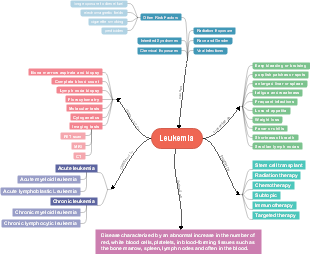
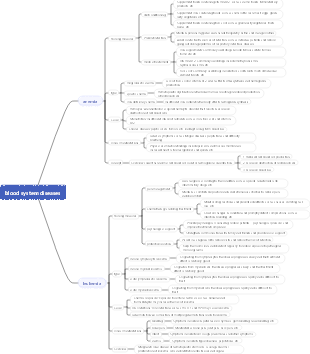
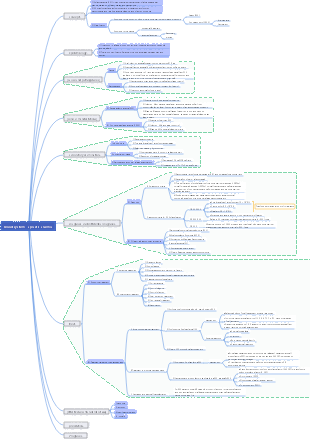
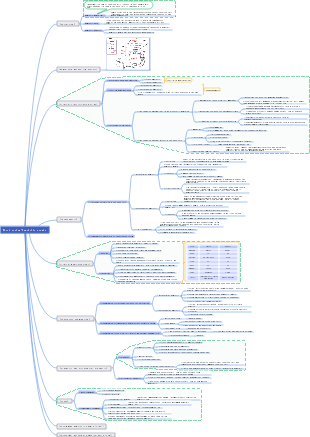
Blood system - a mind map of leukemia. This map summarizes the knowledge of acute leukemia and chronic myeloid leukemia. Partners in need can pick it up by themselves.
Edited at 2023-04-13 19:54:57This is a mind map about bacteria, and its main contents include: overview, morphology, types, structure, reproduction, distribution, application, and expansion. The summary is comprehensive and meticulous, suitable as review materials.

This is a mind map about plant asexual reproduction, and its main contents include: concept, spore reproduction, vegetative reproduction, tissue culture, and buds. The summary is comprehensive and meticulous, suitable as review materials.
This is a mind map about the reproductive development of animals, and its main contents include: insects, frogs, birds, sexual reproduction, and asexual reproduction. The summary is comprehensive and meticulous, suitable as review materials.
This is a mind map about bacteria, and its main contents include: overview, morphology, types, structure, reproduction, distribution, application, and expansion. The summary is comprehensive and meticulous, suitable as review materials.
This is a mind map about plant asexual reproduction, and its main contents include: concept, spore reproduction, vegetative reproduction, tissue culture, and buds. The summary is comprehensive and meticulous, suitable as review materials.
This is a mind map about the reproductive development of animals, and its main contents include: insects, frogs, birds, sexual reproduction, and asexual reproduction. The summary is comprehensive and meticulous, suitable as review materials.
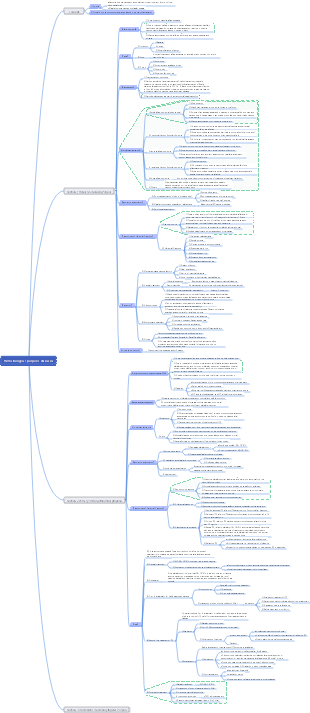
Blood system-leukemia
Section 1 Overview
Section 2 Acute Leukemia
【Acute leukemia (AL)】
1) Definition: It is a malignant clonal disease of hematopoietic stem and progenitor cells. During the onset, abnormal primitive cells and immature cells (leukemia cells) in the bone marrow proliferate in large numbers and inhibit normal hematopoiesis. They can widely infiltrate various organs such as liver, spleen, lymph nodes, etc.
2) Symptoms such as anemia, bleeding, infection and infiltration
3) Classification
a Acute lymphoblastic leukemia (ALL)
b Acute myeloid leukemia (AML)
【Classification】
(1) FAB typing of AL
FAB typing of I AML
1) M0 (acute myeloid leukemia, minimally differentiated type)
2) M1 (acute myeloid leukemia undifferentiated type)
3) M2 (partially differentiated acute myeloid leukemia)
4) M3 (acute promyelocytic leukemia, APL)
5) M4 (acute myeloid-monocytic leukemia)
6) M5 (acute monocytic leukemia)
7) M6 (erythroleukemia)
8) M7 (acute megakaryoblastic leukemia)
FAB typing of II ALL
1) L1: Primitive and prolymphocytes are mainly small cells (diameter ≦12 μm)
2) L2: Primitive and prolymphocytes are mainly large cells (diameter >12 μm)
3) L3 (Burkitt type): Primitive and prolymphocytes are mainly large cells, relatively consistent in size, with obvious vacuoles in the cells, basophilic cytoplasm, and deep staining.
(2) WHO classification of AL
I WHO classification of AML
1) AML with recurrent genetic abnormalities
2) AML with myelodysplasia-related changes
3) Treatment-related AML
4) Non-special type AML
5) Myeloid sarcoma
6) Myeloid proliferation associated with Down syndrome
WHO classification of II ALL
1) Primitive B lymphocytic leukemia
2) Primitive T lymphocyte leukemia
[Clinical manifestations]
(1) Inhibition of normal bone marrow hematopoietic function
I anemia
Pale skin and conjunctiva
II Fever
Increased body temperature, lung infection
III bleeding
Bleeding gums and skin bruising
Stasis and infiltration of a large number of leukemia cells in blood vessels, thrombocytopenia, abnormal coagulation, and infection are the main causes of bleeding.
(2) Performance of leukemia cell proliferation and infiltration
I Lymph nodes and hepatosplenomegaly
Lymph node enlargement is more common in ALL
II Bones and Joints
Often there is localized tenderness in the lower sternum
When bone marrow necrosis occurs, it can cause severe bone pain
III Eyes
Some AML may be accompanied by granulocytic sarcoma, or chloroma
IV Oral and Skin
Blue-gray maculopapular rashes may appear on the skin, with local skin swelling, hardening, and purple-blue nodules.
V central nervous system
It is the most common extramedullary infiltration site of leukemia.
Can cause central nervous system leukemia (CNSL)
VI testicles
It is usually painless swelling of one testicle. Although there is no swelling on the other side, leukemia cell infiltration is often found during biopsy.
It is the site of extramedullary leukemia recurrence second only to CNSL.
【Laboratory examination】
I blood picture
1) Most patients with an increase in white blood cells >10×10^9/L are called leukocytosis.
2) There are also cases where the white blood cell count is normal or reduced, and may be <1.0×10^9/L, which is called non-leucocytosis leukemia.
II bone marrow image
It is the main basis and necessary examination for diagnosing AL.
1) Most AL bone marrow cells have significant proliferation of nucleated cells, mainly blast cells; a small number of AL bone marrow cells have low proliferation, which is called hypoproliferative AL.
2) FAB classification defines blast cells ≧30% of bone marrow nucleated cells (ANC) as the diagnostic criteria for AL, while WHO classification reduces this proportion to ≧20%
III Cytochemistry
IV Immunology Test
1) Determine their origin based on the series of related antigens expressed by leukemia cells
2) APL cells usually express CD13, CD33 and CD117, but do not express HLA-DR and CD34
V Cytogenetic and Molecular Biology Examination
1) Leukemia is often accompanied by specific cytogenetic (karyotype) and molecular biological changes (such as fusion genes, gene mutations)
2) 99% of APL have t(15;17)(q22;q12), forming the PML-RARA fusion gene
VI blood biochemistry test
【Diagnosis and Differential Diagnosis】
I Diagnosis
1) Leukemia can be diagnosed based on clinical manifestations, blood and bone marrow characteristics
2) Try your best to obtain comprehensive MICM information
a MorphologyM
b Immunology I
c CytogeneticsC
dMolecular BiologyM
II Differential Diagnosis
1) Myelodysplastic Syndrome (MDS)
Less than 20% blast cells in bone marrow
2) Abnormal white blood cells caused by certain infections
Abnormal lymphocytes appear in the blood picture, but their shape is different from the original cells
3) Megaloblastic anemia
There is no increase in blast cells in the bone marrow, and the PAS reaction of young red blood cells is often negative. Treatment with folic acid and Vit B2 is effective.
4) Recovery period of acute agranulocytosis
Increased neutrophils and myelocytes in bone marrow
【treat】
(1) General treatment
1) Emergency treatment of hyperleukemia
a White blood cell count >100×10^9/L can cause leukostasis
b Manifested as dyspnea, hypoxemia, unresponsiveness, intracranial hemorrhage, etc.
c Use a blood cell separator urgently to remove excessive white blood cells by apheresis (not recommended by APL), and give hydrotherapy and chemotherapy at the same time
2) Prevent and treat infection
3) Component transfusion support
4) Prevent and treat hyperuricemia and renal failure
5) Maintain nutrition
(2) Anti-leukemia treatment
I induction of remission therapy
1) ALL chemotherapy: The VP regimen consisting of vincristine (VCR) and prednisone (P) is the basic regimen for ALL
2) AML (non-M3) chemotherapy: the most commonly used are the IA regimen (I stands for IDA, that is, daunorubicin) and the DA (D stands for DNR, that is, daunorubicin) regimen
3) M3 (APL) chemotherapy: trans retinoic acid (ATRA) and anthracyclines are mostly used
differentiation syndrome
People with higher white blood cell count at the initial diagnosis and rapid increase after treatment are more likely to develop the disease.
The mechanism may be related to the massive release of cytokines and increased expression of adhesion molecules.
Treatment should be glucocorticoids, oxygen inhalation, diuresis, and ATRA can be suspended.
II Post-remission treatment
Intensive consolidation: chemotherapy and HSCT
Maintenance treatment
III Acute Leukemia Complete Remission (CR) Criteria
1) Symptoms and signs of leukemia disappear
2) No blast cells in the periphery, no extramedullary leukemia
3) Bone marrow three-line hematopoiesis recovery, blast cells <5%
a Bone marrow granules (protolymphoma, protolymphoma, protolymphoma, protolymphoma) ≦5%
b M3 primary granule, promyeloid ≦5%, no Auer bodies, normal erythroid and megakaryotype
4) Peripheral blood neutrophils >1.0×10^9/L, platelets ≧100×10^9/L
5) Immunological, cytogenetic and molecular biology abnormal signs disappear at the time of initial diagnosis
(3) Prevention and treatment of extramedullary leukemia
1) Craniospinal irradiation
2) Intrathecal chemotherapy
3) High-dose systemic chemotherapy
(4) Hematopoietic stem cell transplantation (HSCT)
【Prognosis】
Section 3 Chronic myeloid leukemia
【Chronic myeloid leukemia (CML)】
1) Definition: Commonly known as chronic myeloid, it is a malignant myeloproliferative tumor that occurs in pluripotent hematopoietic stem cells (an acquired malignant clonal disease of hematopoietic stem cells), mainly involving the myeloid system.
2) There is a significant increase in peripheral blood granulocytes, and the Ph chromosome and/or BCR-ABL fusion gene can be found
3) The spleen is often enlarged
4) Natural history of CML
a Chronic phase (CP)
b Acceleration period (AP)
c Crisis phase (BP/BC)
[Clinical manifestations and laboratory tests]
(1) Chronic phase/CP
I Clinical manifestations
1) Symptoms of hypermetabolism such as fatigue, low fever, excessive sweating or night sweats, weight loss, etc.
2) Splenomegaly is often the most obvious sign
3) When white blood cells increase extremely (reaching 100×10^9/L), leukocyte stasis may occur: chest tightness, difficulty breathing, etc.
II blood picture
1) The number of white blood cells increases significantly
2) There is a significant increase in granulocytes in the blood film, mostly neutrophils, late juveniles and rod-shaped granulocytes
3) Increased eosinophils and basophils
4) Platelets may be at normal levels, but in nearly half of the patients, platelets will increase, and in the late stages, platelets will gradually decrease.
III Neutrophil alkaline phosphatase (NAP)
Reduced activity or negative reaction
IV bone marrow
1) Bone marrow hyperplasia is obvious to extremely active
2) Mainly granulocytes, of which neutrophils, late juveniles and rod-shaped granulocytes are significantly increased, and blast cells are <10%
3) Increased eosinophils and basophils
4) Megakaryocytes are normal or increased, and decreased in the late stage
V Cytogenetic and molecular biology examination
1) Ph chromosome (small chromosome 22)
2) The C-ABL proto-oncogene on the long arm of chromosome 9 is translocated to the breakpoint cluster region (BCR) on the long arm of chromosome 22 to form a BCR-ABL fusion gene
VI blood biochemistry test
(2) Acceleration period/AP
1) Frequent fever, weakness, progressive weight loss, bone pain, and gradual onset of anemia and bleeding
2) Persistent or progressive enlargement of the spleen
3) Drugs that are effective in the original treatment, including tyrosine kinase inhibitors (TKI), are ineffective
4) Peripheral blood or bone blast cells ≧10%; peripheral blood basophils >20%; unexplained progressive decrease or increase in platelets
5) There are other chromosomal abnormalities in Ph chromosome-positive cells, such as 8, double Ph chromosome, equal arms of the long arm of chromosome 17, etc.
(3) Acute change period/BP
1) It is the end stage of CML, clinically similar to AL
2) >20% blast cells in peripheral blood or bone marrow or extramedullary blast cell infiltration
【Diagnosis and Differential Diagnosis】
I Diagnosis
1) Typical blood picture: Unexplained persistent increase in white blood cell count
2) Changes in bone marrow image
3) Splenomegaly: giant spleen
4) Ph chromosome positive or BCR-ABL fusion gene positive, etc.
II Differential Diagnosis
1) Splenomegaly caused by other reasons
Schistosomiasis, chronic malaria, kala-azar, cirrhosis, etc.
2) Leukemia-like reaction
It is often complicated by basic diseases such as serious infections and malignant tumors, and has clinical manifestations corresponding to the primary disease.
3) Myelofibrosis
a Significant splenomegaly, increased white blood cells, and the presence of myelocytes in the blood picture
bPh chromosome and BCR-ABL fusion gene negative
c Multiple bone marrow punctures and dry aspiration at multiple locations
【treat】
(1) Emergency treatment of hyperleukemia
Requires combined use of hydroxyurea and allopurinol
(2) Molecular targeted therapy
Tyrosine kinase inhibitors (TKIs)
Inhibits the proliferation of BCR-ABL positive cells
Reducing or stopping drugs at will is likely to cause mutations in the BCR-ABL kinase region, leading to secondary drug resistance.
(3) Interferon
It was the drug of choice before the advent of molecularly targeted drugs.
Currently used for patients who are not suitable for TKI and allo-HSCT
Main side effects include fatigue, fever, headache, lack of appetite and other flu-like symptoms
(4) Other drug treatments
I Hydroxyurea (HU)
1) Cell cycle-specific chemotherapeutic drugs have a rapid onset of action. The white blood cell count will drop two or three days after taking the drug, and then rise quickly after stopping the drug.
2) Patients with advanced age, comorbidities, TKI and interferon intolerance, and leukocyte-lowering treatment for high leukocyte stasis
II Other drugs
Arsenic agent
(5) Allogeneic hematopoietic stem cell transplantation (allo-HSCT)
1) allo-HSCT is a radical treatment for CML
2) Only used for CML patients with very low transplant risk and who are resistant, intolerant and progressive to TKIs
【Prognosis】
The emergence of TKIs has significantly prolonged survival
Section 4 Chronic lymphocytic leukemia