MindMap Gallery General Psychology Chapter 3 Sensation and Perception
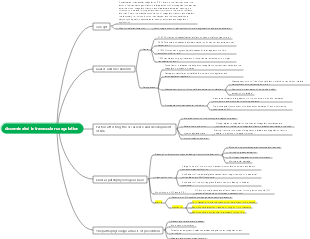
Chapter 3 of "General Psychology" Sensation and Perception is the reflection of the human brain on individual attributes or parts of objective things that directly act on the sensory organs.
Edited at 2023-11-22 22:57:37Chapter 3 Sense and Perception
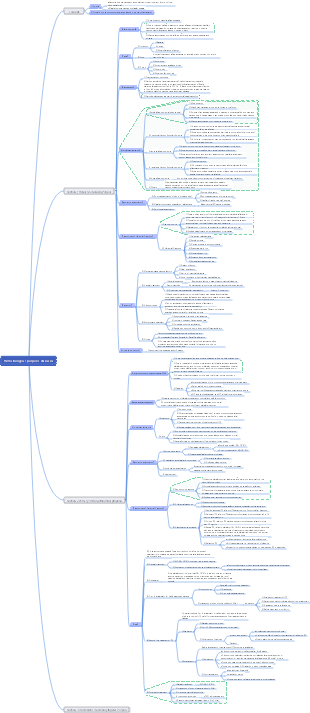
Section 1 Feeling
meaning
The human brain's reflection of individual attributes or parts of objective things that directly act on the sensory organs
Features
1 Feeling is a reflection of the individual attributes of objective things. For example, rectangular, yellow, and hard are the individual attributes of the table respectively.
2 Feelings only reflect objective things that directly act on sensory organs
3. Sensory reflections are caused by individual sensory organs. Once the sensory organs are damaged or even destroyed, corresponding feelings cannot be produced.
effect
Provides information about the internal and external environment. For example, only by feeling can people recognize the color, smell, and hardness of external objects.
Ensure the balance of information between the body and the environment. eg Living in isolation for a long time is unbearable.
Feeling is the basis of all higher and more complex psychological phenomena
several main feelings
external sensation
Vision
The appropriate stimulus is light. 80% to 90% of the information is provided by vision, so vision is the most important sense for humans.
Chroma, lightness, saturation
hearing
The stimulus is a sound between 20 and 20,000 Hz
pitch, intensity, timbre (pitch, loudness, sound quality)
Smell and taste
4 basic tastes: sweet, sour, bitter, salty
skin sensation
tactile pressure
temperature sense
When the stimulation temperature is higher than physiological zero, a temperature sensation is produced; when the stimulation temperature is lower than physiological zero, a cold sensation is produced.
pain
Protects the body from harm
The skin is the largest organ of the human body. The importance of skin sense is overshadowed by the general audio-visual sense. In fact, it plays a very important role.
internal feeling
Kinesthetic sense
sense of balance
eg Lifting and lowering when taking an elevator forward and backward turns when riding in a car
body sense
Features
Sensation is imprecise, resolution is poor, and many visceral receptors cannot elicit subjective feelings
Sensory phenomena and patterns
qualia
Susceptibility: A person’s ability to feel stimuli is called susceptibility
absolute susceptibility
differential susceptibility
eg chef, jewelry appraiser, lighting technician
sensory threshold
absolute threshold
difference threshold
Weber constant: K=△I/I, K is a constant, the smaller the constant, the sharper the feeling.
Inversely proportional: the larger the threshold value, the weaker the susceptibility
sensory adaptation
visual adaptation
Ming adaptable
Walking out of the cinema
dark adaptation
From a bright place into a dark interior
auditory adaptation
It was noisy at first, but I got used to it later
skin sensation
The water is cold when swimming, but not cold after getting used to it
sense of smell
You can enter the house of orchid for a long time without smelling its fragrance; you can enter the house of abalone for a long time without smelling its smell.
Pain is a defensive reflex that serves as an alarm
afterimage of feeling
positive afterimage
negative afterimage
visual afterimage
eg movie playback, flash fusion
contrast of feelings
Simultaneity contrast
Successive contrast
eg. Don’t eat apples first and then oranges. After putting your hands into cold water and hot water respectively, and then into warm water, you will have different feelings.
sensory interaction
The interaction of different senses
Weak stimulation can increase the susceptibility of another sense, while strong stimulation can reduce this susceptibility.
eg When eating, pay attention to the color, flavor and taste.
Compensation and collaboration of different senses
Compensation: eg deaf-mute people use eyes instead of ears to read lips
Synesthesia: eg color vision can cause temperature sensation
Section 2 Perception
meaning
The whole or comprehensive reflection of various parts and attributes of objective things that the brain directly acts on the sensory organs
Features
Produced under the direct influence of objective things
A comprehensive reflection of the various attributes of various parts of objective things
The generation of perception is based on multiple past sensory experiences of the object
Several main senses
object perception
spatial perception
shape perception
size perception
Orientation perception
depth perception
binocular cues
width convergence
Binocular Parallax: Principles of 3D Filmmaking
monocular cues
relative size of objects
Occlusion: The blocking object is close and the blocked object is far away
texture gradient
light and shadow
Line perspective: parallel lines, train tracks
aerial perspective
motion parallax
Eye adjustment
time perception
Recognize time and distinguish various activities according to chronological order
class schedule
Confirmation of time
what time is it now
Estimate of duration
How long have you been taking classes? What day does school start?
prediction of time
Countdown to College Entrance Examination
motion perception
kinesthetic perception
Induced movement and voluntary movement
Social Perception (not tested)
properties of perception
Perceptual selectivity
Perceptual object
perceptual context
They depend on each other and can be converted into each other
the wholeness of perception
proximity principle
similarity principle
Continuity principle eg Big Dipper
closed principle eg country, encirclement
principle of common destiny
symmetry principle
perceptual intelligibility
perceptual constancy
Experience plays a key role in constancy
illusion
Leyer's illusion
moon illusion
Oberson's illusion
Deborah Illusion
Herzen's illusion
codification illusion
The relationship between feeling and perception
the difference
Reflect different objects
The production process is different
The factors that depend on it are different
connect
Feeling is the premise and condition of perception. Both belong to perceptual knowledge and are inseparable.
one feeling causes another feeling
The smallest amount of difference between two similar stimuli that can just be felt
The sensory ability that can just detect the smallest difference between similar stimuli