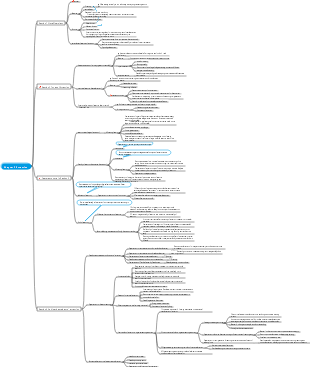
MindMap Gallery cognitive psychology
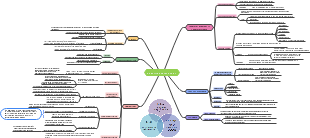
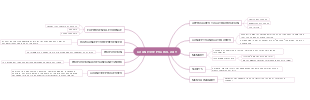
Introduces the principles of cognitive psychology, as well as the causes and solutions to some common psychological problems. This mind map helps you become familiar with the key points of knowledge and enhance your memory. Students in need can save it.
Edited at 2024-11-26 15:59:45Rumi: 10 dimensions of spiritual awakening. When you stop looking for yourself, you will find the entire universe because what you are looking for is also looking for you. Anything you do persevere every day can open a door to the depths of your spirit. In silence, I slipped into the secret realm, and I enjoyed everything to observe the magic around me, and didn't make any noise. Why do you like to crawl when you are born with wings? The soul has its own ears and can hear things that the mind cannot understand. Seek inward for the answer to everything, everything in the universe is in you. Lovers do not end up meeting somewhere, and there is no parting in this world. A wound is where light enters your heart.
Chronic heart failure is not just a problem of the speed of heart rate! It is caused by the decrease in myocardial contraction and diastolic function, which leads to insufficient cardiac output, which in turn causes congestion in the pulmonary circulation and congestion in the systemic circulation. From causes, inducement to compensation mechanisms, the pathophysiological processes of heart failure are complex and diverse. By controlling edema, reducing the heart's front and afterload, improving cardiac comfort function, and preventing and treating basic causes, we can effectively respond to this challenge. Only by understanding the mechanisms and clinical manifestations of heart failure and mastering prevention and treatment strategies can we better protect heart health.
Ischemia-reperfusion injury is a phenomenon that cellular function and metabolic disorders and structural damage will worsen after organs or tissues restore blood supply. Its main mechanisms include increased free radical generation, calcium overload, and the role of microvascular and leukocytes. The heart and brain are common damaged organs, manifested as changes in myocardial metabolism and ultrastructural changes, decreased cardiac function, etc. Prevention and control measures include removing free radicals, reducing calcium overload, improving metabolism and controlling reperfusion conditions, such as low sodium, low temperature, low pressure, etc. Understanding these mechanisms can help develop effective treatment options and alleviate ischemic injury.
Rumi: 10 dimensions of spiritual awakening. When you stop looking for yourself, you will find the entire universe because what you are looking for is also looking for you. Anything you do persevere every day can open a door to the depths of your spirit. In silence, I slipped into the secret realm, and I enjoyed everything to observe the magic around me, and didn't make any noise. Why do you like to crawl when you are born with wings? The soul has its own ears and can hear things that the mind cannot understand. Seek inward for the answer to everything, everything in the universe is in you. Lovers do not end up meeting somewhere, and there is no parting in this world. A wound is where light enters your heart.
Chronic heart failure is not just a problem of the speed of heart rate! It is caused by the decrease in myocardial contraction and diastolic function, which leads to insufficient cardiac output, which in turn causes congestion in the pulmonary circulation and congestion in the systemic circulation. From causes, inducement to compensation mechanisms, the pathophysiological processes of heart failure are complex and diverse. By controlling edema, reducing the heart's front and afterload, improving cardiac comfort function, and preventing and treating basic causes, we can effectively respond to this challenge. Only by understanding the mechanisms and clinical manifestations of heart failure and mastering prevention and treatment strategies can we better protect heart health.
Ischemia-reperfusion injury is a phenomenon that cellular function and metabolic disorders and structural damage will worsen after organs or tissues restore blood supply. Its main mechanisms include increased free radical generation, calcium overload, and the role of microvascular and leukocytes. The heart and brain are common damaged organs, manifested as changes in myocardial metabolism and ultrastructural changes, decreased cardiac function, etc. Prevention and control measures include removing free radicals, reducing calcium overload, improving metabolism and controlling reperfusion conditions, such as low sodium, low temperature, low pressure, etc. Understanding these mechanisms can help develop effective treatment options and alleviate ischemic injury.
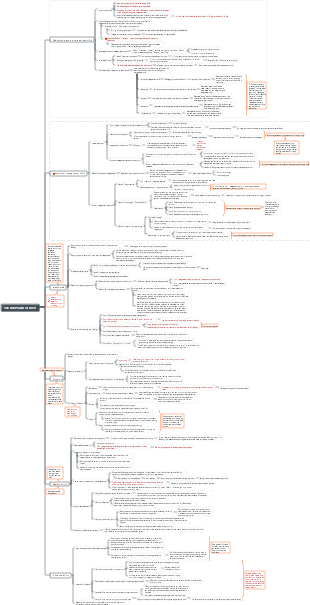
cognitive psychology
1. Breakthroughs in cognitive psychology
in principle
1. All your emotions come from your own cognition
2. When you are depressed, it will affect your perception and become negative.
3. An optimistic attitude is very important
self reflection
1. We cannot control emotions, but we can influence them through cognition
Because of our different perceptions of the same thing, our emotions will be different
2. Emotions affect cognition. When you are depressed, your thinking becomes negative.
3. Emotion, cognition, feeling, action, intersection and mutual influence
We can influence our emotions and feelings through our cognitions and actions
2. Diagnose emotions
3. Cracking emotions: thinking determines emotions
Top 10 Cognitive Distortions
1. Black and white
This thing is either a good thing or a bad thing, there is no middle ground
2. Overgeneralization
Amplify the time and scope of the impact of bad things
3. Psychological filtering
Only focus on the bad and not the good
4. Advantage discounts
All the achievements I have achieved are lucky
5. Jumping to conclusions
mind reading
Speculating on other people's motives and thinking negatively about them
negative forecast
You always think that everything will fail and you will definitely make mistakes
6.Zoom in and out
Seeing something as too important or too insignificant
7. Emotional Reasoning
Feelings come from emotions. I feel scared now. Something bad will definitely happen.
8. Should sentence pattern
Some of the expectations you have for yourself, others, and society are unreasonable
9. Indiscriminate labeling
10.Place blame
Blame yourself
Only focus on who made the mistake, not on solving the problem
The blame lies with him
self reflection
Most of our bad emotions are often caused by us paying too much attention to the negative side of things and ignoring the positive side of things. Nothing is absolutely bad, and nothing is absolutely good.
All antennas know that beauty is beauty, this is evil
All things bear yin and embrace yang
Lone Yin does not grow, Lone Yang does not grow
Contradiction
Opposite yet unified
Should sentence pattern
example
We were taking the bus and saw a person standing crookedly and about to fall over. We immediately stood up and offered our seats. Unexpectedly, this person didn't even say thank you and just sat down to play with his mobile phone. How do you feel at this moment, anger, disappointment, or complaining that this person is rude. The rule in your inner world is that if I offer you a seat, you have to thank me. This is the minimum. But in fact, we cannot control other people's behaviors and thoughts. When you choose to give up your seat, don't think about asking him to thank you. If you offer him your seat, he may say that he should have done so a long time ago. He probably didn't say anything and just sat down. He might say, thank you.
Conversations with yourself or imaginary rules
I have paid, and I should be rewarded
If I work hard, I will get good results.
When I go to college, I will definitely have a good job or a superior income.
We can't decide many outcomes. All we can do is to do the process well and everything will happen naturally.
Imaginary rules in relationships with others
When we give, others should be grateful
If we are kind to others, others will be kind to us.
If we believe in others, others will believe in us
If we love others, others will love us
Others are individuals with free will, with their own thoughts and actions. We cannot control other people’s cognitions, motivations and behaviors, let alone expect others to act according to our wishes. The only thing we can do is influence others, but we Thought-based rules or conventional rules may not necessarily come into effect. What we can do is to do what we should do and not be too obsessed with the results. Because the process of our efforts does not necessarily guarantee that we will achieve the results we want.
Causes
Most of our rules are ideas formed by the family and society. Most of these rules and ideas belong to "humanity", which are mature rules agreed upon by human society and are some basic human laws for everyone to enter the society. However, humanity has its own rules and regulations. What can fail, and will fail often. The way of heaven will basically never fail, such as birth, old age, illness and death, things will inevitably reverse themselves.
suggestion
All we can do is do what we want to do well, but don’t be obsessed with others or the results, because the results and others are not within your control. But do good deeds without worrying about the future
4. Start by building self-esteem
The bottom line is: only your own sense of self-worth is determined by how you feel
Special methods to boost self-esteem
1. Refute your self-criticism
three column method
a. Subconscious thinking b. Cognitive distortion c. Rational response
Must do it
Instructions for use
1. Describe your automation idea in a special scenario
2. Review the ten cognitive distortions and label your own thoughts
3. Replace your previous thoughts with other objective thoughts.
practice action
2. Psychological biofeedback
Self-thinking:
Don't set too many conditions for our happiness and happiness. You have to know that happiness or happiness does not require too many conditions. No matter when, where, or what the situation is, you have the right to choose to be happy and live happily.
It is important to be aware of your emotions and automatic thoughts. Awareness is the first step
Practice is important, you must take action to realize the effect of this method
Don’t imagine that it will be achieved overnight. The establishment of self-esteem, the elimination of personal negative thoughts or certain mindsets are not achieved overnight, and require lifelong efforts.
5. Defeat quietism
Actions can also change your mood
A mind-set that leads to laziness, procrastination, and quietism
13 mindsets
1.Despair
2. Helpless
3. Defeat yourself
4. Jump to conclusions
5. Label yourself randomly
6. Disregarding rewards
7.Perfectionism
8. Fear of failure
9. Fear of success
10. Fear of opposition and criticism
11. Obsession and Resentment
12. Low ability to handle setbacks
When the real world is inconsistent with your ideas, or there is a gap, you will choose to strike or procrastinate, and be lazy to resist the real world.
13. Guilt and self-blame
self-propelled approach
Daily activity schedule
anti procrastination chart
Symptoms: Some behaviors always lead to procrastination
Method: Record it and analyze the commonalities
negative thinking journal
happiness prediction table
Refute but
self-identity
TIC->TOC
Divide into zeros
Self-motivation and rejection of coercion
disarm
Visualize success
Symptoms: Difficulty breaking bad habits
Method: List the benefits of eliminating bad habits
Record the positives
Verify your fault
Symptoms: Feeling like you are not good enough
Method: Write down negative predictions and verify them
Can't lose method
Symptoms: Fear of failure and not taking risks
Method: Write down the consequences of failure and formulate countermeasures
6. Verbal Judo – Learn to counter self-criticism
in principle
When you are criticized by others, it is not others who hurt you but yourself. Others’ criticism has never hurt you in the slightest, no matter how vicious, ruthless, cruel and harsh the criticism is.
Three Steps to Being Attacked by Others
Step 1: Empathy
Don't be angry, ask for details
Most of what others say is a conclusion. We need to hear how the conclusion came about.
Once we get the details, it means we have the opportunity to listen and make corrections
Step Two: Eliminate Critics’ Hostility
Acknowledge the other person’s emotions
Find the facts the other person says that you can agree with
Step Three: Feedback and Negotiation
practise
Scenario 1: You are not good, your ability is very poor, and your character is not good either.
I know I didn’t do some things well. Can you tell me which ones I didn’t do well?
Scenario 2: You should do this, first send this file, and then say hello to people. It’s really interesting that you say hello without sending it.
self reflection
There is some misunderstanding. There is no need to defend it. It is not a waste of time. Whatever others say, just give a good reply.
Some things need to be explained clearly
Someone else does offer another good suggestion
others misunderstand you
Others should guide public opinion
7.Are you angry?
Who made you angry?
others
Reality: It’s your own thoughts
Angry misconceptions
1. Label
This person is so TM SX
2B
It will cause a psychological filter, focusing only on the person's shortcomings or bad things they have done.
2. Mind reading
We speculate on other people’s motives for committing crimes
3. Zoom in
magnify the impact of things
Is it necessary to be angry?
two principles
Is the harm others do to us intentional?
Does being angry help us achieve our goals?
Ways to control anger
stimulate desire
Analyze the advantages and disadvantages of anger
Cool down angry thoughts
Write down angry thoughts and replace them with calm ones
imaginary substitution method
Replace original thoughts with humorous thoughts
Rewrite rules
reduce should
Learn to be tolerant
smart controls
Negotiation strategy
Compliment first
Accurate empathy
Role play, where you pretend to be the person who angers you and talk to yourself
Organize your thoughts - Cognitive rehearsal
Make a list of situations that make you angry, and then rehearse them to become more proficient in your thoughts and perceptions.
10 Things to Know About Anger
8. Ways to overcome guilt
10. Root causes of depression
invisible hypothesis
The formula by which you define your personal worth. It is not only your value system and personal philosophy, but also the foundation on which you build your self-esteem.
Digging deep into hidden assumptions
vertical arrow method
If subconscious thoughts are true, then what, why am I bothered?
Dysfunctional Sexual Attitudes Questionnaire
identity addiction
love addiction
Achievement addiction
perfectionism
qualifications
Do you think that as long as you are how you are, you are eligible for it?
Almighty
autonomy
11. Identity addiction
invisible hypothesis
fear of disapproval from others
hope others will recognize
fear of criticism
Performance
No opinion of one's own
People-pleasing personality
source
When you were disobedient as a child, your parents would be angry with you. In order to gain their approval, you did not dare to raise your own needs or hear objections, so you could only obey. When I grow up, this becomes a kind of thinking and habit.
Solution
cost benefit analysis
Rewrite rules
Opposition or criticism from others cannot reduce our own value. It may give us another perspective to look at the problem.
self-esteem blueprint
write an article
Why there is no need to fear disapproval and criticism, this fear is absurd
12.Love is addictive
13. Work ≠ personal value
personal value
There is no concept of personal value. Personal value is a concept created by humans.
Personal value is a constant, a fixed value from birth to death
Only when your thinking is distorted will it reduce your personal value
Resolutely and solemnly guard your self-esteem
14. Dare to be ordinary - the surefire way to defeat perfectionism
Other emotions personal thoughts
fear
Innate fear
The emotion of fear is innate. After the baby is born, he will have the emotion of fear when he hears some loud sounds.
Fear helps us stay away from danger, unfamiliarity, and things we cannot control, and can protect us to a certain extent.
We can regard emotions as a function, but when this function is used or appears, it is learned.
The content of fear is learned in the background
The specific fear or content of fear is acquired, such as fear of social interaction, or fear of authority, etc. These are all caused by the acquired humanistic and social environment.