 Wondershare EdrawMind
MindMap Gallery Psychology - the courage to be hated
- 65
Psychology - the courage to be hated
This is a mind map about psychology - the courage to be hated. To maintain any type of relationship well, you cannot do without your own growth. The core of our relationship with everyone is the relationship with ourselves.
Edited at 2023-11-30 15:56:58
- Analisi controllo gestione portata progetto
Mappa mentale per l’analisi del controllo della gestione del portata di progetto. Tre sezioni principali: 1. WBS Scope Breakdown – scomposizione gerarchica del lavoro con dettaglio dello Scopo del progetto. 2. Scope Boundary / Exclusions – definizione chiara dei confini del progetto e di ciò che è escluso per evitare scope creep. Strumento ideale per project manager e team di controllo per mantenere allineamento e ridurre rischi.
- Miglioramento continuo del sistema di gestione della qualità
Questo template, ideato con EdrawMind, è un modello completo per il miglioramento continuo del sistema di gestione della qualità, con una descrizione di circa 500 parole. È strutturato come un diagramma a lisca di pesce, strumento efficace per analizzare le cause principali dei problemi di qualità e definire le leve di controllo necessarie per risolverli. Il processo è organizzato in quattro fasi chiave: la prima è lo standard e la pianificazione, dove si definiscono gli obiettivi di qualità, i criteri di accettazione, i requisiti di prova e le porte di qualità (Quality Gate). La seconda fase analizza i processi e le porte di controllo, per garantire che ogni passaggio del lavoro segua i standard stabiliti. La terza fase riguarda l’esecuzione QA/QC, con la definizione di metodi di prova e ispezione, nonché regole per la gestione dei difetti e delle non conformità. L’ultima fase è il miglioramento e le azioni correttive e preventive (CAPA), insieme a una catena di audit per monitorare l’efficacia delle misure adottate. In basso, una tabella "Quality Gate" permette di tracciare ogni punto di controllo, con criteri specifici, metodi di prova, proprietario e stato di avanzamento. Grazie alla visualizzazione chiara e intuitiva di EdrawMind, questo strumento aiuta il team a identificare le cause root dei problemi di qualità, implementare azioni efficaci e mantenere un ciclo di miglioramento continuo, garantendo la qualità finale del prodotto o servizio.
- Ottimizzazione del piano di gestione della comunicazione per progetti
Questo template, creato con EdrawMind, è un modello di piano di comunicazione ottimizzato, con una descrizione di circa 500 parole. È uno strumento chiave per evitare incomprensioni tra stakeholder, garantire la trasparenza e mantenere il team allineato agli obiettivi del progetto. Il modello è composto da tre elementi fondamentali e interconnessi: la matrice di comunicazione, la cadenza timeline e le regole di comunicazione/SLA. La matrice di comunicazione è una tabella dettagliata dove per ogni pubblico o stakeholder, si definisce il tipo di informazioni da condividere, lo scopo della comunicazione, il canale da utilizzare (email, riunioni, piattaforme di progetto), la frequenza, il proprietario responsabile, il formato e il percorso di escalazione in caso di problemi. La cadenza timeline è una linea temporale che definisce le scadenze delle comunicazioni chiave, garantendo che le informazioni siano condivise in momento opportuno e non si verifichino ritardi o omissioni. Le regole di comunicazione e gli accordi sul livello di servizio (SLA) definiscono le norme formali della comunicazione, come i tempi di risposta, il tono da adottare e le responsabilità di ciascun membro del team. Grazie alla struttura visuale di EdrawMind, questo template permette di pianificare la comunicazione in modo strategico, trasparente e efficiente, riducendo i rischi di cattiva informazione, migliorando la collaborazione e garantendo che tutti gli stakeholder siano informati e coinvolti nel progetto.
Psychology - the courage to be hated
- Analisi controllo gestione portata progetto
Mappa mentale per l’analisi del controllo della gestione del portata di progetto. Tre sezioni principali: 1. WBS Scope Breakdown – scomposizione gerarchica del lavoro con dettaglio dello Scopo del progetto. 2. Scope Boundary / Exclusions – definizione chiara dei confini del progetto e di ciò che è escluso per evitare scope creep. Strumento ideale per project manager e team di controllo per mantenere allineamento e ridurre rischi.
- Miglioramento continuo del sistema di gestione della qualità
Questo template, ideato con EdrawMind, è un modello completo per il miglioramento continuo del sistema di gestione della qualità, con una descrizione di circa 500 parole. È strutturato come un diagramma a lisca di pesce, strumento efficace per analizzare le cause principali dei problemi di qualità e definire le leve di controllo necessarie per risolverli. Il processo è organizzato in quattro fasi chiave: la prima è lo standard e la pianificazione, dove si definiscono gli obiettivi di qualità, i criteri di accettazione, i requisiti di prova e le porte di qualità (Quality Gate). La seconda fase analizza i processi e le porte di controllo, per garantire che ogni passaggio del lavoro segua i standard stabiliti. La terza fase riguarda l’esecuzione QA/QC, con la definizione di metodi di prova e ispezione, nonché regole per la gestione dei difetti e delle non conformità. L’ultima fase è il miglioramento e le azioni correttive e preventive (CAPA), insieme a una catena di audit per monitorare l’efficacia delle misure adottate. In basso, una tabella "Quality Gate" permette di tracciare ogni punto di controllo, con criteri specifici, metodi di prova, proprietario e stato di avanzamento. Grazie alla visualizzazione chiara e intuitiva di EdrawMind, questo strumento aiuta il team a identificare le cause root dei problemi di qualità, implementare azioni efficaci e mantenere un ciclo di miglioramento continuo, garantendo la qualità finale del prodotto o servizio.
- Ottimizzazione del piano di gestione della comunicazione per progetti
Questo template, creato con EdrawMind, è un modello di piano di comunicazione ottimizzato, con una descrizione di circa 500 parole. È uno strumento chiave per evitare incomprensioni tra stakeholder, garantire la trasparenza e mantenere il team allineato agli obiettivi del progetto. Il modello è composto da tre elementi fondamentali e interconnessi: la matrice di comunicazione, la cadenza timeline e le regole di comunicazione/SLA. La matrice di comunicazione è una tabella dettagliata dove per ogni pubblico o stakeholder, si definisce il tipo di informazioni da condividere, lo scopo della comunicazione, il canale da utilizzare (email, riunioni, piattaforme di progetto), la frequenza, il proprietario responsabile, il formato e il percorso di escalazione in caso di problemi. La cadenza timeline è una linea temporale che definisce le scadenze delle comunicazioni chiave, garantendo che le informazioni siano condivise in momento opportuno e non si verifichino ritardi o omissioni. Le regole di comunicazione e gli accordi sul livello di servizio (SLA) definiscono le norme formali della comunicazione, come i tempi di risposta, il tono da adottare e le responsabilità di ciascun membro del team. Grazie alla struttura visuale di EdrawMind, questo template permette di pianificare la comunicazione in modo strategico, trasparente e efficiente, riducendo i rischi di cattiva informazione, migliorando la collaborazione e garantendo che tutti gli stakeholder siano informati e coinvolti nel progetto.
- Recommended to you
- Outline



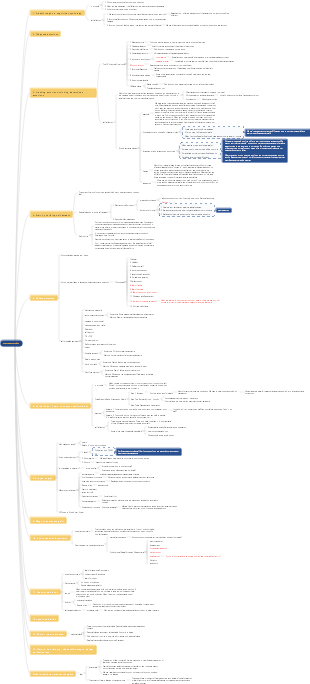


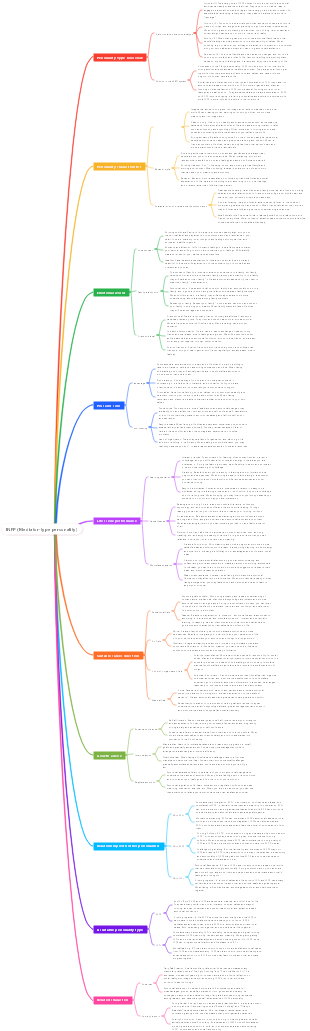

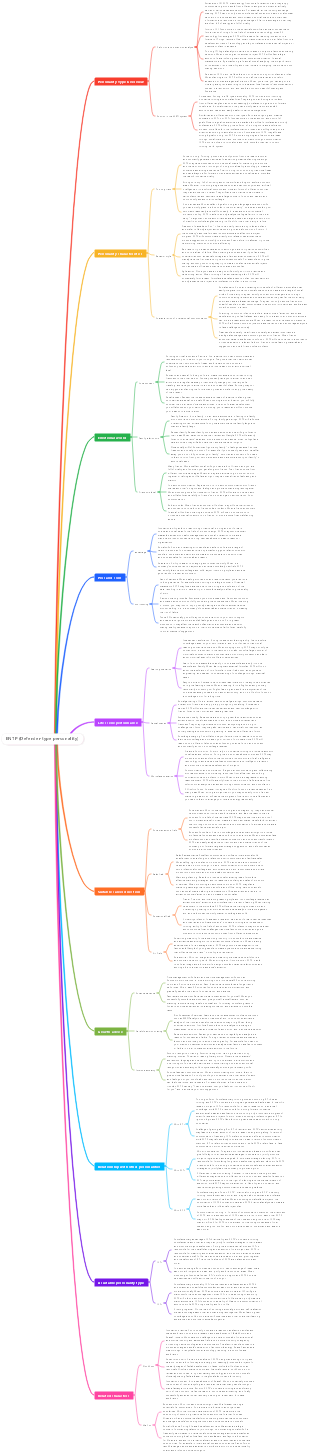
"The Five Powers of Love"
Maintaining good love requires ability
correct view of love
Love is important, but it is not everything in life
The ultimate goal of love is personal happiness
Good love is not that I can't live without you, but that I live better because of you, and you live better because of me.
Love problems are essentially cognitive problems, not technical problems. Only by recognizing the rules and changing cognition can you manage love well.
A strong heart, a complete personality, a heart full of love, and the ability to love
Love will always encounter problems. The most important thing is how people view and solve problems. We must learn to attribute them inwardly.
External attribution: “We’ve got the wrong person”
Thinking of changing someone
Another person falls into a similar scenario, and the loop continues endlessly.
Change the other person into your ideal lover
A source of emotional pain for many people
Inward attribution: “I just don’t know how to get along with the other person yet”
When encountering problems, enter the positive cycle of "get to know each other -> grow yourself -> learn to get along with each other"
Love needs to be both pleasant and correct
We don’t talk about “reason” at home, and we don’t talk about “reason” in love. Instead, we talk about “emotion” and “love.”
Do pleasant things within the right context
Do the right thing in a pleasant way
three levels of love
Level 1: Meet your own needs
Just the psychological need for others
It’s not about loving the other person, but needing the other person
The second level: giving "self-righteously"
It’s not from the perspective of the other party’s needs, and it’s hard for the other party to receive it.
Essentially, I fell in love with the act of giving.
The third level: meet the needs of the other party
Love each other on the premise of meeting their needs
The other party can deeply feel the presence of love
The five abilities of love and their relationships
Love is a collection of comprehensive abilities and the specific embodiment of emotional intelligence in marriage and love.
Emotional management skills
Manage your emotions well, don’t hurt yourself or the other person
Become a more stable, peaceful, lovable and easy-to-get-to person, attracting others to like you and be more willing to be with you
alexithymia
Express your needs, thoughts and feelings in a non-harmful way
Become an "easy to love" person, make it easy for the other person to understand you, and make loving you a very easy thing
Empathy
Understand and support each other and be considerate
Become a "loving" person, understand and support the other person when they need it, so that the other person often feels the love from you
allow ability
Accept each other as they are, respect differences, and allow growth
Become a person with "big love" who can accept each other's differences and give each other a chance to grow.
influence ability
Help each other grow in a subtle way
Become a person who knows how to "love wisely" and help the other person grow into a person with a more complete personality and a more ideal lover.
"Allow" the other party to have differences, use "empathy" to understand the other party, do a good job in "managing emotions", and finally use "narration" to slowly "influence" the other party to understand themselves, eliminate differences and conflicts, and improve the relationship.
Emotional management skills
what are emotions
It is normal and necessary for people to have emotions
inherited from ancestors
the result of evolution
Traumatic situations experienced while growing up can become an important cause of emotions later in life
subconscious automatic learning
Too many subconscious cues are an important cause of mental illness
basic functions of emotions
Subconscious prompts or drives through emotions
Tell us what happened and what to do next
Follow the guidance of your emotions and think about why you have this emotion
take appropriate action
Disable subconscious reminders
Eventually the emotion disappears
Follow the guidance of your heart and do the right thing
Follow the guidance of your heart without harming others or yourself, and do not suppress or wrong yourself. Living a free and easy life is a reflection of loving yourself
the generation of emotions
ABC theory
A (activating event) represents events; B (beliefs) represents individual beliefs, and C (consequences) represents the results produced by the previous two, that is, emotions.
Changing cognition can change emotions and behavior
Emotional management and emotional control
Emotional control: by suppressing emotions, the emotions will still be there in the end
Injure yourself, become physically ill, or suffer from psychological problems
It has accumulated to a certain level and cannot bear the explosion, which will cause greater harm to the relationship.
Emotion management: release emotions, and the emotions will eventually disappear
Make yourself less likely to be emotional or incapable of emotions, and be in a peaceful and calm state more of the time
People with strong hearts are not prone to so many unnecessary emotions.
Emotional management is the process of making yourself stronger inside
Basic skills of emotion management
Be aware of your own emotions first
The key to emotional management is to be aware of the emotion at the moment it occurs, to be aware of your own heart at all times, and to be aware of changes in emotions at the first time.
Requires deliberate practice
Emotion record sheet
mood swing curve
Emotion management methods
Method 1: Stay objective
Don’t fight with “imaginary enemies”
The more vulnerable a person is, the more likely they are to make assumptions and the more emotions they will cause.
Stay objective and don’t make up stories
Inaction: focus on other things and wait for the truth
Verification: Active verification
It’s not that you don’t make assumptions, it’s just that you have to remember that these are not facts until proven.
Method 2: Crossing the “Emotional Button”
The emotional button is an instinctive emotion that does not require value judgment or rational participation. Once it is touched, the corresponding emotion will be awakened immediately.
Mostly related to childhood memories
Happiness is in the hands of others and you cannot be your true self
Travel method
Step 1: Be aware that the emotional button is touched. First feel the inner emotion.
Step 2: Take a deep breath to adjust
Step 3: Feel the pain behind it through emotions
Step 4: Recall scenes that flash similar feelings in your mind
The essence is a process of memory being rewritten
Traveling through time means taking the initiative to challenge oneself, while enduring hardship means passively accepting it.
Method 3: Let go of right and wrong
Don't be too rational
When you see something done by others, your first reaction is to judge whether it is right or wrong.
Easily have emotions, usually anger, disgust, resentment
People who pay more attention to right and wrong tend to be sensitive and fragile inside.
There is some pain in my heart that I may not be aware of
Ways to let go of right and wrong
Find the source of the emotions in your heart, where the pain is caused
Use your heart to feel the other person's heart, and feel the other person's inner feelings when they do this.
At home, love always comes first and correctness comes last
alexithymia
Always remember: only talk about feelings, not right or wrong
Emotional issues are related to your own language expression. Expressing emotions makes it easy for the other party to understand you. You will be happy if you know how to do it, and you will be happy if you know how to do something you don't want to do. Become a person who is easy to get along with and love.
Everyone's growing environment determines their ability to express their feelings.
Need a good nurturing environment provided by parents
"Being in tune with each other" is the result of management
In a love relationship, instead of hiding our emotions and thoughts, we must learn to express them truly so that our lover can understand our true inner thoughts and feelings.
Both parties have expressed their feelings to each other for a long time and empathized with each other. After a long period of running-in, the two people can perceive each other's feelings as easily as their own, and a tacit understanding has emerged.
Three levels of alexithymia
Level 1: Not understanding feelings or unable to describe feelings
Unable to distinguish between psychological and physical feelings
Can distinguish between psychological and physical feelings, but cannot express them
Alexithymia
Level 2: Use actions to express feelings
Level 3: Use reasonable language to express feelings
Basic skills of expressing emotions
Basic skill one: distinguish whether it is fact or not
Be sure to describe it as objectively as possible
Don’t exaggerate the facts or treat your imagination as objective fact
Don’t overgeneralize and use less absolute words such as “never, all, always, always”
Basic Skill 2: Accurately express feelings
The more granular the words used to express feelings in an intimate relationship, the better.
Happy, proud, joyful, confident, grateful, joyful, joyful, warm, joyful, happy, happy, satisfied, gratified, comfortable, love, like, touched, excited, fulfilled, calm, relaxed, warm, solid, peaceful;
Sad, embarrassed, worried, anxious, scared, nervous, frustrated, confused, fearful, guilty, lost, helpless, helpless, disappointed, desperate, sad, chilled, depressed, tired, sad, angry, angry, disgusted, bored, surprised , confusion, loneliness, loneliness, depression, shame, regret, jealousy, regret, self-blame, powerlessness, frustration, heartache, grievance, disgust, upset, depression, frustration, shame, shyness, shame, humiliation, heartache, shock, emptiness
6 key points for expressing your feelings
Point 1: Tell the other person directly when you are in a bad mood
Point 2: When the other person makes you feel bad (or good), tell the other person how you feel.
Use the two basic skills of storytelling: facts and feelings.
Point 3: Tell the other person your needs, not the solution.
Strong people often express their own solutions
Gentle people often express their needs, and their needs are often our feelings.
From strong to gentle
Point 4: Say what you like, not what you don’t like.
Point 5: Use "can" instead of commands.
When you make a request rather than an order, the other person will be more willing to do it.
Point 6: From “you should” to “I hope”
"You should" is "reasonable" and sounds like an accusation. Everyone's standards of right and wrong will be different and it's easy to argue.
"I hope" does not say that it is wrong for the other person not to do this. It just tells the other person that I really hope you do this. It is speaking of "emotion" and "love"
Empathy
Become an empathetic person
Understanding is the prerequisite for love. Care, love, support and companionship without understanding are not necessarily what the other party really needs.
Empathy is essentially the understanding and acceptance of other people’s feelings
Basic skills of empathy
Accept the other person’s emotions
thing=thing
Solve "emotions" first and then "things" instead of just solving "things" without considering "emotions"
Pay attention to the other person's current mood at the first time, and be aware of and feel the other person's feelings.
Find a small notebook to observe and record your lover's emotions at all times, and ask her for confirmation
Accurately describe the other person’s inner feelings
If you can accurately tell the other person's inner feelings, her emotions will be reduced and she will feel that you understand her.
The more accurate the emotion words are, the better she will feel, the better the effect, and the faster her emotion will disappear.
Four Steps to Empathy
Pay attention to the order of steps: feelings first, things last
allow/accept
Accept that she has emotions and start paying attention to what she is going through
In the eyes of the other party, accepting her emotions means accepting her as herself.
Use a questioning tone: You seem unhappy?
understand/listen
Give the other person a feeling of release
Listen carefully and completely from beginning to end, and try not to interrupt the other person in the middle, so that the other person feels completely cared for and accepted.
Express
Express her inner process of emotions and tell her "You are qualified to have emotions."
The generation of rational emotions is a process from events to opinions and finally to emotions. Use your words to summarize what she said.
Don't talk about her or anyone else's rights or wrongs
It is best to end with a question mark and ask the other party to confirm
Inspire
Step one: Let the other person try to understand the other person or see the problem from a different perspective.
By asking "why", let the other person think about the starting point and needs of others, or see the basic laws of the development of things, instead of staying on one's own logic.
Step 2: Guide the other party to focus on the future and solutions
The whole process is asking questions without giving answers, prompting the other party to understand others, think and solve problems
Asking questions rather than giving answers, but prompting the other person to understand others or think about the problem, and then solve the problem
allow ability
Be a person who can live in peace with your lover, yourself, and the world
Become a mentally strong person
Without permission, there can be no happiness
A shortcut to solve many problems in love is also a kind of ability
Things that are not allowed will occupy your psychological resources and affect your mood. And allowing it will release these psychological resources and make you feel more relaxed.
What is allowed capability
tolerance and acceptance
Don’t judge whether these things are right or wrong, and don’t keep these things in your heart.
She is big, I am small, I allow her everything to exist
Permission is a symbol of inner strength
The stronger a person's heart is, the more capable he is of permission; the weaker a person is, the less capable he is of permission.
The more powerful a person is, the more he allows others to belittle and deny himself.
People with truly strong hearts allow others to dislike them and allow others to deny themselves
Use permission to break out of the damage cycle
Both people will have pain when they live together. In many cases, it is not the initial pain that amplifies the problem, but the subsequent behaviors people do in order not to bear the pain.
Feel the pain of not being allowed
counterattack
The other party should also feel pain and fight back
Falling into a cycle and deepening conflicts
To allow is to bear the pain, not to allow is to not bear the pain, and the ability to allow is the ability to bear the pain.
People with strong hearts suffer less and are more able to tolerate
All the things we don’t allow essentially have some pain behind them. Try to say “I allow” to these things, try to be with the pain, and improve your ability to bear it.
things that are allowed
Only by allowing the past can we face the future better
If a person wants to live in the present, he must allow everything that happened in the past. Only when his psychological resources are in the present can he truly live in the present and feel the beauty of the present.
Allow for differences
Difference itself is not a problem, the problem is how to view the difference and whether to allow the existence of the difference
We cannot allow these differences to exist because these differences evoke some kind of pain within us. When we say I allow these differences, we are also trying to be with this pain.
Allow your loved one to grow
Everyone has shortcomings, and people's shortcomings are basically formed by the influence of the environment in which they grow up.
The original environment did not require them to have these abilities or restricted their development of these abilities, so these abilities would not have the opportunity to grow.
A new family is a new environment. You need to give the other person a process of adaptation and growth. Allow her to have these characteristics for the time being, and then slowly influence her and let her grow.
Each of us can grow for the better, but someone needs to allow us to do so first
Permission is a lifelong training lesson
Allowing is essentially mobilizing your inner thoughts and inner pain to have a gentle contact to see if you can bear it, and use this process to improve your tolerance, rather than continuing to escape or defend.
influence ability
The difference between influence and change
The premise of influence is permission, allowing the other party to temporarily do something bad and allowing him to change slowly; change means not allowing the other party's current practices and hoping that the other party will change immediately.
A change gives the other person a negative feeling, while an influence gives the other person a positive feeling.
The impact on the other party cannot be noticed, and the change makes the other party very painful.
The influence is a subtle process, and the other party is almost imperceptible. Change requires denying the other party first, so the other party can feel it deeply and is very painful as a result.
The premise of influence is to allow the other party and accept the other party, not to deny the other party
methods of influence
Allow: Give the other person room to grow
Don't criticize, don't accuse, allow the other person to have a growth process
Many people cannot afford not to help because they will become anxious and their need for a sense of omnipotence or a good teacher cannot be satisfied.
They are meeting their own needs, not others
Not being able to control oneself means not allowing the other person to grow in his or her own way. This is a taboo of influence.
Reinforcement: timely reward the other party for what they have done well
When the other party occasionally does the behavior you want, strengthen and solidify it in time
Narrative: When the other person does what you want them to do
When you observe your lover doing something you want, you must promptly express that you have seen the other person's dedication and express your happiness, because she may have expectations in her heart.
The interaction between giving and gratitude, the flow of love
Gratitude: when the other party compromises and pays
Only by knowing how to be grateful and affirming can you get lasting love
You can use words to strengthen, or you can use physical objects to satisfy
Lovers are each other's environment. If each other knows how to influence the other, over time, some changes will occur and they will become more and more like the person the other person wants.
Regarding the improvement of intimate relationships, the only way to grow yourself and influence the other person is feasible.
"What kind of love is worth being brave once"
love script
The essence of love is curiosity about others and unconditional giving
purpose of love
The true purpose of love is to let you embark on a journey to find yourself, and then continue to shape yourself through collisions
why love is needed
Love is the process of self-discovery and self-worth
Love is the path to self-development
Collisions in intimate relationships are often the most fundamental and bring about the fastest growth.
Love connects us to others and inspires a zest for life
Become one with others while maintaining individuality, retaining self-awareness while forming connections with others
Love sublimates sexual desire
The essential difference between brotherhood and love is whether there is sexual relations in it
Love can make us feel our unique value, make us stand out from the mediocre life, and feel our preciousness in the gaze of our lover.
What does good love look like?
Not to maintain the initial freshness and passion, but to accept the changes in love with an open mind and appreciate the beauty of different stages.
hedonic love
Passion and happiness, but not necessarily growth
reciprocal love
Help and complement each other and grow with each other, but not necessarily passionate
consumptive love
Usually one party will have a strong desire to control
growth healing type
I learned a lot from each other and was very happy at the same time
Often developed from hedonic or reciprocal types
Love script for the new era
The essence of love is the joy of giving
Young people who grew up in the era of only children have been accustomed to enjoying the love given by others since birth. They rarely have the opportunity to learn how to love others. It is easy to mistakenly think that love means "getting"
Most love dies because they just want to be loved
30 minutes of quality time together
Spend 30 minutes every day communicating and getting along with each other in high quality, and the rest of the time can be arranged separately
The most important thing for people to maintain relationships is to communicate continuously, stably, and at a fixed time. This is called a sense of ritual.
It is very important to have a fixed family time or time dedicated to the couple. It will always remind us that there is a special connection between us. It is different from other relationships.
Talking nonsense (talking about gossip, talking about feelings) can promote relationships more than discussing the solution of specific problems; doing boring things (watching movies, reading jokes) can promote relationships more than completing specific family affairs; physical interaction is particularly important, 30 minutes of love each day keeps emotions flowing
Original family
The influence of the original family
Freud: The original family will bring psychological trauma and cause a series of growth problems
Adler: "Nothing that happened in the past has any absolute impact on the future. What matters is how you give different meanings to your experiences."
Individuals have the agency to re-give meaning to trauma. We can redefine the meaning and value given to you by your original family by changing your perception.
The necessity of leaving the family of origin
Citizens in modern society are independent individuals, which means that each individual needs to learn to get out of their original family and find a life script that suits them
Independence does not mean abandoning everything your family has given you, but seeing how you were formed in the past, finding the valuable side of it, giving positive meaning to those traumas or setbacks, adjusting the parts that do not adapt to today's social norms, and being positive. Actively respond to changes, constantly update yourself, and move towards maturity
Love is an opportunity to step out of your original family
Only by colliding with real people can you know where the boundaries are and what consequences your choices will bring. In the process of practicing love, you have the opportunity to truly change your perception
All relationships in love are first the relationship between you and yourself. Love gives us an opportunity to see ourselves.
In the human heart, there are certain super "emotional buttons" that are particularly sensitive, easily triggered, and extremely lethal in interpersonal relationships. They are continuously accumulated and established in the environment in which you grew up. The most influential among them is your family of origin.
Love itself is not good or bad. It does not mean that love that leads to marriage is successful, and love that leads to breakup is a failure. The key lies in whether you seize the opportunity of love to let yourself grow.
If you only complain every time you fall in love and use your family of origin as an excuse, then any relationship will be a waste because you will just keep repeating the dilemma. But if you can seize the opportunity and seriously understand what you can't stand and what is worth cherishing, then this is a valuable love.
Love is a game for the brave
Love is the most uncertain and certain existence in an uncertain world
Love is a game for the brave. It requires you to believe in the existence of love, embrace uncertainty, and be willing to invest yourself in a time stream with an uncertain ending.
Love is not a goal, but the result of continuous learning to love
Love is the result of step-by-step development, not a goal set at the beginning
Love is gradually felt and confirmed in the process of continuous contact and getting along with each other. Every step requires courage, trust and wisdom, so that two people can achieve a deeper connection.
Love allows one to grow up and give people the ability to be happy
Love is important, but love is not everything in life
It is not love that gives us happiness, but love that makes us grow up and gives us the ability to be happy.
The true purpose of intimacy: to allow us to face our own insignificance, grow and break through those boundaries
Managing long-term relationships
The business logic of initial relationships and long-term relationships is different.
In the early stages of a relationship, lovers are looking for resonance. The more we can find common ground, the closer we feel to each other, and the more we can feel love.
In a long-term relationship, whether roles can complement each other plays a greater role. Therefore, two people who are very different may work better together.
Because of the large differences, both parties often have different ideas on many things and are prone to conflicts. Therefore, handling differences and conflicts well has become the core ability to maintain long-term relationships.
How you handle conflict determines whether a relationship lasts
The difference between family affection and love
Family affection does not need to be proven repeatedly, but love still needs to repeatedly experience the feeling of "we love each other" after confirming the relationship, otherwise problems will arise
Love needs addition
Don’t use early relationship logic to deal with long-term relationships
Passionate love consumes a lot of energy, and expectations build up until they can no longer be met.
In long-term relationships, in addition to passion, security and certainty are also needed
Passion and stability are in conflict. If you want your love to be stable, your passion will continue to decline.
Look at love from a developmental perspective
Growth itself contains uncertainty, which can increase the sense of freshness
Don’t use family logic to deal with long-term love relationships
Love is a choice. When you choose a person, you also choose a way of life. As long as one party chooses to terminate it at any point in time, this connection is over.
Your lover is different from your parents. It takes time for her to accept your true self.
In the face of love, we still need a decent boundary to retain a certain distance and beauty
Create a sense of ritual
Seriously do some non-essential, non-functional things
imitate scenes from movies or TV series
Pay attention to accumulating romantic inspiration in your life
Make some designs that can be repeated based on the characteristics of the family, and time will bless the romance.
Three major misunderstandings
Keep giving, thinking that giving will bring love
What you give to others may not necessarily be what the other person wants.
The giver does not necessarily need material or equivalent labor in return, but every time the giver makes a contribution, he hopes to be seen and accepted by the other party, otherwise he will be angry.
People with strong "superego" awareness are less likely to accept contributions from others.
The sense of dedication is often the last and most powerful killer in long-term relationships.
Accept yourself and yourself, accept the good things others do to you, admit that many of your needs are legitimate, and let yourself live a happier life, which will also make it easier for those around you.
From giving to giving, we feel happy when giving. Doing this itself makes me happy.
Emphasize your true self, regardless of the other person’s acceptance
The true self is often as willful and lazy as a child
People with strong egos are actually very willful children
The relationship between id-ego-superego
Have the ability to talk to yourself
Learn to ask yourself: What is your true self? Is it good? Is it worthy of the other person’s love?
Learn to consider the situation of others
Occasionally, you can also do some performances to make the other person feel better and the relationship will be more harmonious.
Try to solve all problems through talking
Behavior is another form of communication
Conflict in long-term relationships
Differences have value and conflict has positive value
The ability to handle differences is the core ability to maintain love, and the ability to handle conflicts determines whether a love relationship can last for a long time.
Conflict type
Bottom line conflicts, major conflicts and trivial conflicts
How to resolve conflicts effectively
Let go of 80% of small problems and focus on solving 20% of important problems
express one's true thoughts
listen
The first step is to clearly express facts rather than making value judgments
The second step is to express your feelings after clarifying the facts.
The third step is to tell the other person why you feel the way you do, or ask the other person what the reason for their feelings is.
The fourth step is to put forward demands and hope that the other party can do better, or ask the other party what they want you to do.
Love is not a zero sum game
The love of parents of an only child is accomplished through giving, so the child’s understanding of love is “getting”
Whether you love me or not depends on how many things you give me
Giving turns into loss
The core of love is to help the other person
Giving means doing it in itself makes me happy, without any specific reward.
Efforts need to be rewarded
Three Principles of Giving
What you give must be what the other party needs.
Learn to make giving play a more positive role
In the process of giving, abide by the principles of rights, responsibilities and interests.
me and us
Modern love is an intimate connection between two independent individuals, both "I" and "we"
The development process of intimate relationship: hold me tight - put me down - leave me alone
Emotions will continue to change and take on new states, eventually becoming an alternating state of three states: "Hold me tight, put me down, and leave me alone."
Baxter's swing theory
By making some cuts in time, space, life, language, and behavior, sometimes tying them together and sometimes separating them, you can maintain your independence on the one hand, and on the other hand, you can enjoy the "hold me tight" state in an intimate relationship.
When encountering conflict in an intimate relationship, you must first distinguish whether it is your business, my business, or our business.
The principle of consistency of rights, responsibilities and interests
Adopting the principle of consultation when dealing with “our” matters
Use the principle of respect when dealing with “you” or “me” as an individual
Handle differences
What really needs to be resolved is never the differences, but the value judgments behind the differences.
Find the problem
When problems arise, ask yourself what your defaults are and what your default value judgments are.
A very simple way is to not say "How could he do this?" when encountering a conflict, but think "Why would he do this?"
In the process of adjusting emotions and actions, the most important thing is to change cognition, and the first step in changing cognition is to reflect on the value judgment behind the problem, which is presupposition.
Love arises when two very different individuals are attracted to each other, but it often dies due to too many value judgments on differences. Every behavior of the other party is linked to whether they love each other, which makes it difficult to fall in love.
Three ways to deal with differences
Step 1: Ask about the meaning behind the behavior
Clarify the value judgments behind differences and understand the meaning behind the actions of both parties
Step 2: See the other person’s characteristics
Features themselves are not good or bad, any feature is valuable
When you really want to change a shortcoming of the other person, you should first remind yourself that maybe when he changes, his advantages will be buried. Is this really what you want?
Step 3: Make fewer comments
Suspend your values
When a person feels that he will not be judged, he will be more willing to express his true thoughts.
In daily chats, the fewer value judgments, the more conducive to communication
Set some "sensitive words" in intimate relationships, words that should not be spoken under any circumstances
Love is the ability to deal with differences
In this diverse world, dealing with differences is a core ability. If you can't do it, you can only live in your own world.
Use differences to open new horizons, let differences become new solutions, balance the present and the future, real interests and strategic interests, your world will become bigger, the worlds of two people will also be integrated, and your overall resource system will also be richer
To maintain any type of relationship well, you cannot do without your own growth. The core of our relationship with everyone is the relationship with ourselves. And intimate relationships actually give us a way to grow. Through love, we see the mirror self, constantly adjust ourselves, and learn to form connections with others. This is the most important meaning of love.
One of the biggest executioners of love is to ask the other person to do what you think is the "right thing", because when you emphasize what you think is the "right" value judgment, you often only see things, but not the specific person, especially the person. Find out what the other person’s needs are behind doing the so-called not-so-right things. ,
intimacy
The composition of interpersonal relationships
what is intimacy
Intimate relationships and casual acquaintances differ in at least six areas: understanding, caring, interdependence, mutual consistency, trust, and commitment
Why is intimacy needed?
The sense of belonging formed by human evolution over a long period of time
People in close relationships are happier and healthier than those who live alone
The quality of intimate relationships also affects people’s physical and mental health
Our happiness appears to depend on the satisfaction of our need to belong
Human traits slowly evolve to care deeply about what others think of them and to seek approval and close contact from others
What is intimacy about?
cultural influence
Cultural standards are the cornerstone of people's interpersonal relationships. They affect people's expectations for interpersonal relationships and define normal interpersonal relationships.
The level of economic development
individualism
new technology
The impact of personal experience
attachment style
The impact of individual differences
gender differences
Some gender differences do exist, but they are very small
Differences in behavior and opinions within the sexes are often much greater than the average differences between the sexes
The behavior and opinions of the two sexes overlap on the normal distribution to such an extent that even a sex with a low mean score has many people who score higher than the mean score of the other sex
Gender differences in intimate relationships are not as important and influential as most people think
Personality
Personality traits will affect people's interpersonal behavior throughout their lives. Personality traits are relatively stable and will only change slowly in the long term.
Openness -> Openness -> Conscientiousness -> Agreeableness -> Neuroticism
self-esteem
People with high self-esteem generally live healthier and happier lives than people with low self-esteem
Self-esteem is a measure of people's social relationships
If others like us, we like ourselves; if others treat us positively and value their relationships with us, our self-esteem is high
The impact of interpersonal interactions
Relationships are made up of the experiences and talents of each participant, and these sums may be much greater than the simple sum of the individuals who make them up.
attraction
the basis of attraction
The presence of others is rewarding for us
direct reward
All the obvious pleasures others offer us
indirect benefits
Only indirectly related to people's outward friendliness, good looks, or pleasant personality
Attractiveness is related to the personal characteristics we perceive to be attractive in others, but it also depends on our own needs, preferences, desires, and situations.
approaching
Like people around me
Convenience: Distant relatives are not as good as close neighbors
If others are around us, we can easily receive the various rewards they provide
Familiarity: Repeated exposure
Repeated exposure to others increases our liking for them
physical attractiveness
like those cute people
Physical attractiveness has an important impact on the formation of people's first impressions
An "averaged" face is an attractive face
This preference is an evolved tendency rooted in human nature
Reciprocity
Like those who like us
Expectations for a future partner = physical attractiveness of the partner × likelihood that the partner will accept you
similarity
Like people who are like us
People with similar work styles and personality traits tend to get along well when they meet each other
"Opposites attract" is generally not normal
Matching is an extensive process and a combination of many characteristics
It takes time to notice the differences
obstacle
Like what you can’t get
Romeo and Juliet effect
social cognition
first impression
It only takes 1/25 second to make a judgment
This kind of judgment may not be accurate, but it will continue to affect subsequent judgments.
primacy effect
People are always deeply affected by the information they get first, and it affects the information they get later.
confirmatory bias
People often look for information that proves they are correct rather than evidence that proves they are wrong
cognitive bias
The opinions we hold are often adopted through choice, which in turn can promote or hinder the satisfaction of intimate relationships.
positive illusion
Differences between real and ideal partners need to be managed appropriately
Build awareness of your partner's kindness and generosity, highlighting their virtues and minimizing their flaws
As you get to know your partner better, adjust your expectations of your ideal partner.
attribution process
Determining the causes of an event, emphasizing the role of certain factors while ignoring the role of others
Three common phenomena
actor/observer effect
Analyze your own habit of external attribution and analyze that others like internal attribution
self-serving bias
Habitually make self-serving explanations, attribute success to themselves, and try their best to shirk responsibility for failures
The overall attribution pattern of both partners determines the degree of satisfaction in the intimate relationship
Happy intimate relationships view each other's positive behaviors as internal, stable, and universal, and each other's faults as accidental, special, and local
memory reconstruction
People will tamper with previous memories based on the quality of their current relationship. When their relationship is good, they will ignore previous disputes. When their relationship is bad, they will forget the good things in the past.
Faith in getting along
Many intimate relationship problems often stem from wrong beliefs
6 harmful beliefs
Arguments are destructive
Your partner should be able to read minds
Your partner never changes
Marriage is destined by God
Men and women are born different
Every sex life must be perfect
expect
Awareness creates expectations, and expectations induce the other party's behavior, thereby making false expectations come true.
Positive expectations are great for relationships
self-awareness
Everyone will look for a partner who likes and accepts them, but they prefer reactions that confirm their self-perception.
communicate
communication model
interpersonal estrangement
There is often a difference between what the sender wants to convey and what the receiver thinks he or she knows
nonverbal communication
Nonverbal messages conveyed by expressions, appearance, and behavior
facial expression
Indicates people's emotions and emotional states
gaze behavior
Not only can it show simple interest, but it can also convey feelings of care and concern.
body movements
More "revealing", it may reveal true feelings even if attempts are made to conceal them
Physical contact
It can convey intimacy and care, and also has health care effects.
interpersonal distance
Unhappy spouses maintain greater interpersonal distance than satisfied spouses
paralanguage
Voice, intonation, speaking speed, volume, etc.
verbal communication
meaningful self-disclosure
Give some description of your situation
Just want to talk more about myself
Both parties must have an interest in and empathy for each other's personal information
Each party must recognize that the other party is responsive
Be aware that you can get the other person’s understanding and care
communication barriers
Wrong expression: Counting all grievances together
Use behavioral descriptions, that is, refer specifically to a certain thing, and try to use the first person
State your observations. Feel needs and requests
Wrong listening: jumping to conclusions
Rarely have the patience to listen to what the other person has to say, and are eager to draw conclusions based on their own guessed intentions.
Wrong response: Complain in reverse
Be defensive, avoid the other person's concerns, and respond to the other person's complaints by complaining
Respond to your partner's complaints with sarcasm, belittle and despise your partner's personality
solution
precise expression
XYZ statements: “When you do X in situation Y” (standard behavioral description), “I feel Z” (first-person statement)
Tell your partner what's on your mind and focus the conversation on a manageable, individual behavior
Observe, feel, need, request
active listening
To accurately understand what the other party means
We need to convey our concern and understanding to the other party and let them know that we care
It can be solved by "retelling"
polite and calm
Control your emotions, stay polite and calm
Interpret anger as just another way of thinking about a problem
The power of respect and validation
Acknowledge the validity of their views and show respect for their position
interdependence
social exchange
We only stay in intimate relationships with partners who provide sufficient benefits
rewards and costs
Anything worth having and being welcomed in interpersonal relationships, which can bring pleasure and a sense of accomplishment to the recipient
Punishing, unpleasant experience
The most important cost of intimacy is the psychological burden: worry about the uncertainty of the relationship's development, frustration about the partner's shortcomings, and regret about having to give up something because of being in the relationship.
To maintain a satisfactory intimate relationship, we may need to maintain a reward-cost ratio of at least 5:1
Because there is no correlation between pleasure and pain, an intimate relationship that is safe and secure may not necessarily be satisfying, and a relationship that is satisfying may not be safe and secure.
Profit and loss in interpersonal exchange
Result = Reward - Cost
It doesn’t matter whether the results of interpersonal communication are positive or negative. What matters is the two criteria we use to evaluate the results.
The first criterion is our expectations
The second criterion is how we think we would be doing without our current partner.
expect
Comparison level: the value of outcomes we believe we should receive in our interactions with others
The degree of happiness depends on the degree to which the results you obtain exceed your expectations
Results - CL = Satisfaction
vicarious benefits of interpersonal relationships
If other intimate relationships promise better benefits than the current relationship, even if we are satisfied with the status quo, we may leave our current partner to pursue greater benefits.
Result - CLalt = dependency
If the current outcome is better than what could be obtained elsewhere, you are dependent on your current partner and unlikely to leave. Otherwise, they tend to be independent and are likely to leave their current partner.
How to maintain a satisfying intimate relationship
Increase rewards
The other party's perception of the reward is less than 25%, which means that even if it is done, there is a high probability that the other party will not perceive it or think that it is what it should do.
Communicate with each other to promote understanding and reach agreement on the meaning and value of rewards
Express your feelings more so that the other person can understand the bigger picture
Control expectations
Conservative and prudent expectations for the future of intimate relationships are far more sensible and rational than romantic idealism
A strong understanding of these issues can help avoid unnecessary disappointment and can also help prevent and avoid a decline in intimate relationship outcomes.
A reminder of our undying responsibility to treat our cherished partners as kindly and pleasantly as possible
relationship extension
Continuously allow both parties in the intimate relationship to experience growth and change
Do more fresh things and create more surprises
friendship
the nature of friendship
A spontaneous interpersonal relationship, usually characterized by intimacy and support, in which both parties appreciate each other and seek each other's company
The difference between friendship and love
Love contains more complex emotions than liking
Fascination with a partner, sexual desire, and a much stronger desire for exclusivity
Tougher standards of conduct
Friendship generally carries less responsibility, is less emotionally intense, and is less exclusive than love
Deep friendship, while less passionate than love, still has rewarding value and encompasses all the other components of an intimate relationship
friendship social support
Emotional support in the form of care, acceptance and comfort
The physical comfort of a hug or cuddle
Advice support in the form of information and guidance
Material support or tangible assistance in money or goods
The best support should be tailored to our needs and preferences
The best way to help a friend is to provide silent support without adding to his/her psychological burden
In the long run, what really matters is not the specific helping behavior of our friends, but our perception of our friends’ helping behavior.
responsiveness of friendship
Shows concern and support for friends' needs and interests on a cognitive level
The understanding, respect and care shown by friendship are of great value and provide us with effective interpersonal rewards
differences in friendship
gender differences
Female friendship is "face to face", while male friendship is "side by side"
Friendships between women tend to be closer and closer than those between men
Social norms make men less willing than women to express their anxieties and emotions to others
Individual Differences
Independence and dependence on close relationships
Barriers to Friendship Development
shy
Fear of negative comments from others
tend to doubt oneself
Will feel inadequate
Shy behavior can create a negative impression, often resulting in the unfavorable evaluation that the shy person fears. Leading to worse interactions, exacerbating the shy person's fear, and so on.
As long as you relax and no longer worry about other people's judgments, you can be open-minded and open-minded.
Lonely
Loneliness is not the same as loneliness. We can feel satisfied when we are completely alone, but we will feel lonely when we want to have more and closer contact but cannot.
Social Isolation: Loneliness caused by dissatisfaction with the lack of a social network of friends and acquaintances
Emotional Isolation: Loneliness caused by a lack of deep human connections
Human beings have a need to belong. If belonging is not satisfied, loneliness will occur.
Men are generally lonelier than women
One of the psychological factors that can promote people's meaningful and fulfilling interpersonal communication is expressiveness. Women tend to have higher expressiveness, while men can only maintain relatively superficial interpersonal interactions. Generally, they can only truly open up when interacting with women. open heart
Judge your loneliness as a temporary or changeable difficulty
Reasonably manage expectations for relationships
love
love triangle theory
close
Enthusiasm, understanding, communication, support and sharing, etc.
Passion
A strong emotional need to satisfy a partner
promise
The determination to devote oneself to love and work hard to maintain love
Love triangles may come in various sizes and shapes
No love, like, infatuation, empty love, romantic love, companionate love, ignorant love, perfect love, etc.
romantic love
A combination of liking and infatuation with strong feelings of intimacy and passion
wake
Romantic love occurs, or at least is enhanced, when emotional arousal is due to the presence of another attractive person
cognitive characteristics
Openness, communication and trust
Passionate desire for contact with partner
Care about the welfare and happiness of your partner and be willing to take good care of your partner and make them happy
The arousal and cognitive characteristics of romantic and passionate love include turbulent emotions, imagination, idealization, and sometimes obsession
companionate love
A union of intimacy and commitment that does not depend on passion, so it is more stable than romantic love
A comfortable, tender, and trusting love for a loving partner that is based on deep friendship and includes companionship, shared hobbies, mutual attention, and shared laughter.
Can love last?
Probably not, at least not to the extent that your partners expect
Basic Fact: Romantic Love Diminishes After Marriage
Fantasy fuels romance, but fantasy fades with time and experience
After the marriage relationship is established, the novelty disappears and the passion gradually fades.
Provides important inspiration for people to have successful long-term love
Passion fades, but intimacy and commitment increase, transforming romantic love into companionate love
Purposefully and creatively prevent any boredom that might undermine satisfaction
stress and tension
perceived relationship value
Driven by the need to belong, most people pay close attention to what their intimate partner thinks of them
The extent to which others view our close relationships as valuable, important, or close
feel distressed when it falls below our expectations
The emotional response to such experiences depends on the extent to which we expect others to accept us and what their acceptance or rejection means to us.
emotional trauma
Regardless of the degree of rejection, as long as it is rejected, people's self-esteem will be directly reduced to the lowest point.
This phenomenon of increasing levels of rejection is particularly distressing, provoking more negative reactions than even stable rejection.
relationship devaluation
A decrease in our perceived relationship value or a significant decrease in the respect others have for us
Feelings of hurt: sadness, anger and hurt
partner rejection
Deliberately neglecting or ignoring your partner
Rejectors often think of their behavior as an effective way to punish their partners, avoid confrontation, or calm down and deal with it in a low-key manner after a conflict. However, rejected people only know that they have been rejected, and the emotion they experience is more of anger. , frustration and hurt, rather than guilt and remorse
Exclusion is deeply and painfully harmful because it threatens the most basic human need to belong.
When others reject us, we feel grief, anger, and hurt. A core component of this emotional experience is the perception that others do not value their relationship with us as much as we would like them to.
envy
A complex painful experience caused by wanting to have the other person but not being sure of it, including emotions of hurt, anger and fear
Jealousy is a real, natural, and ugly and scary emotional experience for humans.
Two types of jealousy
reactive jealousy
Jealousy that arises when one perceives a real threat to a cherished intimate relationship
suspicious jealousy
There is no misconduct on the part of the partner, the individual is just jealousy caused by suspicion
cause
Feeling inadequate in intimate relationships
Worry about not meeting your partner’s expectations or that you are not the ideal person your lover expects
The gap between the adaptive values of both parties in an intimate relationship
Such as mismatch in appearance, social status, income, etc.
Deal with jealousy proactively and effectively
Try to avoid vague information that is potentially threatening
Work to reduce the association between relationship exclusivity and self-worth
Maintain independence and maintain self-esteem through self-reliance and self-improvement
cheating and lying
Some lies are told to avoid embarrassment or inconvenience in a given situation, or to protect their feelings, and some lies are meant to maintain polite and friendly interactions with others.
But be aware that lies can have serious consequences because intimate partners have private, unique knowledge of each other that allows them to sensitively judge each other's behavior
The most rewarding relationships are ones in which partners rarely lie, in part because lying violates shared expectations of honesty and trust.
betray
Any behavior that violates the principles of love, loyalty, respect and trust that sustain an intimate relationship can be considered betrayal
We are not always hurt by the ones we love, but the hurt caused by the people we love is incomparable to the hurt caused by anyone else.
forgive
A decision to give up your revenge against someone who has treated you unfairly
When both partners and relationships are worth maintaining, forgiveness benefits both parties and the relationship.
Conditions that may bring about forgiveness
A humble and sincere apology
Empathy on the part of the victim
Don’t dwell on the past and look at the future positively
conflict
conflict definition
Conflict arises from differences, which may manifest as temporary emotions or lasting beliefs and personalities.
Conflict stems from a desire to actively interfere with others
As long as someone hinders the actions of others or prevents others from realizing their wishes, whether the parties realize it or not, it is enough to cause conflict
Conflict is inevitable in intimate relationships
Any two people will have differences in moods and preferences from time to time
There is always a certain amount of tension woven into intimate relationships, and sooner or later they will cause some tension
Autonomy vs. Connectedness
Maintain a high degree of independence and close interdependence with your partner
open versus closed
Both a need for self-disclosure and a desire for privacy
stability versus change
People are attracted to both familiar and unfamiliar things
aggregation vs. separation
Accompanying love or friendship
causes of conflict
criticize
Because the other person’s verbal or non-verbal behavior expresses dissatisfaction with your own behavior or attitude
The content of the expression is not important. What is important is that the other party often understands the words they hear as their responsibility to them.
Unreasonable demands
Seems unfair to ask for
reject
The other party did not respond as expected
accumulated troubles
Relatively minor incidents become annoying over and over again
attributional conflict
The attribution styles of both partners often differ, which can lead to conflict in two different ways
Fighting over each other's interpretations of which is right and which is wrong
Benevolent attributions cast partners in a favorable light, making conflicts more likely to be resolved
conflict resolution methods
Accommodate and negotiate
Friendly direct approach
Show willingness to solve problems by accepting responsibility or making concessions or compromises
Show support for the other person’s point of view by restating
Self-disclosure using “first-person statements”
Provide praise and affection
indirect means
Relax with friendly, non-sarcastic humor
benefits of conflict
Conflict itself is essential to promoting intimacy
Requires self-discipline and true love for your partner
Conflict is a challenging opportunity: a chance to understand yourself and your partner, and to make your relationship more satisfying
power and violence
Social power: the ability to influence the behavior of others and resist their influence on oneself
The ideal interpersonal relationship is an equal partnership in which both partners share the power of major decision-making and influence each other.
source of power
power and interdependence
Power is based on control of valuable resources
If I control the use of the things you want to own, I have the power to make you willingly obey my instructions.
lesser interest principle
The partner in any partnership who has less interest in continuing and maintaining intimacy has more power in the relationship
In romantic relationships, the less invested partner usually has more power
The two sides of power
When individuals are able to influence others to behave according to their own ideas, they will inevitably become greedy and selfish
In an interdependent intimate relationship, both parties expect desired outcomes and power is not necessarily corrosive
If a communal approach is adopted in romantic relationships, people will use power for the sake of their partner and their relationship rather than for selfish ends
Committed, happy lovers often use their influence to benefit their partners, thereby enhancing rather than damaging their mutual intimacy
violence in intimate relationships
Types of partner violence
situational partner violence
Situational partner violence occurs when both partners become angry
motivators, facilitators and inhibitors
intimate intimidation
One party will view violence as a tool to control and oppress the other party
violent resistance
Partner responds forcefully to intimate intimidation
The disintegration and demise of intimate relationships
divorce
Divorce rate rises significantly
People have different and higher expectations for marriage than in the past
If marriage is measured by unrealistic expectations, a happy, warm, and rewarding partnership will not look satisfying.
Important factors affecting relationship breakdown
The costs of intimacy (such as conflict and the time and energy invested in the relationship) lead to diminished attraction
Individually Owned Alternatives
vulnerability-stress-adaptation model
Fragile
Unfortunate experiences in the family where the individual grew up, poor education, maladaptive personality traits, poor social skills, or attitudes that are counterproductive to marriage, etc.
Seriously affects the environment that partners encounter, and also affects people's adaptation process to cope with stress.
stress
Marriage is bound to face occasional stressful events
When stressful events arise, partners must cope and adapt, but depending on the partners' vulnerabilities, some handle it better than others
Failure to successfully cope with stressful events can make the stress more severe and lead to a decline in marital quality if the response is poor.
adapt
As long as stress doesn't break us, it will make us stronger
separate
Interdependence Theory: People generally don’t abandon their relationships simply because they are dissatisfied
The feelings you once had cannot disappear all at once, but the loyalty to each other will gradually fade away
Former lovers usually continue to be an important part of our lives
way to break up
point to others
Try to protect your partner's emotions
Point to yourself
More selfishly hurting your partner’s emotions
overcome negative emotions
The loss of a partnership characterized by high levels of mutual consistency and self-extension is particularly distressing.
Indulgence only perpetuates distress, while introspection (finding meaning in experiences and learning from them) is linked to positive adaptation and recovery
Maintenance and repair of intimate relationships?
Maintenance and improvement of intimate relationships
stay loyal
cognitive maintenance mechanism
See yourself no longer as an individual, but as part of a larger whole that includes yourself and your partner
will view each other with a positive illusion
Believes that one's partner's faults are relatively unimportant, relationship flaws are relatively unimportant, and one's misbehavior is dismissed as honest or impulsive.
disregard for alternatives
behavior maintenance mechanism
Willing to give and sacrifice
Relationships can become more intimate when our partners encourage us to be who we want to be
People are more committed to their relationships if their partners are attentive and responsive to their needs and desires, helping them become the people they want to be.
Compliance: One partner controls impulses, avoids provocative reactions, and responds constructively
Have fun
Taking time out for creative play benefits relationships
stay content
Understanding, caring, interdependence, mutual consistency, trust and loyalty
The Secret to Satisfied Intimate Relationships
1. Appreciate your partner
Don't take it for granted. If you get used to good luck, you will be unaware of your blessings.
2. Express your gratitude
Provide the other party with great value recognition and care
3. Repeat the above two steps
Intimacy repair
self practice
Our perception of our own behavior is often affected by self-serving bias, and it is often difficult for us to realize the role we play in contributing to current relationship difficulties.
Repair or improve your own intimate relationships through your own learning and research
preventive maintenance
Finely tune your partner's expectations and communication skills before problems occur
marital therapy
No matter where the maladaptive cognition comes from, couples will feel more satisfied if they know and evaluate each other fairly, kindly, and rationally.
Imbalances of power can cause a lot of problems, but there's nothing inherently nasty about power itself
"Enjoy passion, but don't use it as the basis for maintaining a love relationship. Cultivate friendship with your lover; strive to keep it fresh; seize every opportunity for novel exploration with your lover; gradually evolve your urgent desire for your lover into Peaceful and deep emotions may result in you being a lucky lover.”
Review letter
Ignorant of repentance and make mistakes again and again Make you have no confidence
List of crimes
Errors that have been prompted many times have not been corrected
Cause Analysis
Insufficient empathy
Inadequate understanding of love and falling into one’s own wrong way of thinking
After confirming the relationship, you are a little willful, and sometimes you don’t notice any changes in your emotions.
improvement measures
I will keep your words in mind, know what things must be done, and take good care of your emotions.
Realize that all mistakes are due to lack of ability, remain introspective, and accept criticism humbly
Continuously learn and practice, engrav the experiences and lessons in your mind, reflect on them every day, and remind yourself not to make the same mistakes again.
Strong, strong sense of goal, unwilling to compromise, machismo make you feel controlled
List of crimes
Don't pay attention to the way you speak, as if you are talking to you in a commanding tone
Think more about problems from your own perspective, feel that you are right, and try to convince you if you have differences.
Cause Analysis
Insufficient alexithymia
Used to giving solutions directly instead of expressing needs in a friendly and appropriate way first
Inadequate ability to influence
I want to change you, rather than influencing each other and accommodating each other.
improvement measures
I will pay more attention to the way I speak and do things, and respect you more thoroughly.
Think differently, respect the differences between us, admit mistakes in a timely manner and correct them
Too sensitive to your words and easy to misunderstand your meaning make you feel wronged
List of crimes
Taking some problems too seriously and making too many associations
Like to pick out words on some minutiae
Cause Analysis
In essence, it still lacks the ability to allow
Feel that they should be treated equally
Insufficient emotional management ability
Worried about gains and losses, prone to overthinking
Establishing inappropriate connections between some actions and the degree of love
improvement measures
Re-establish full trust and know that we will always love each other and keep going
You must also build up enough self-confidence to believe that you will eventually become a lover who is easy to love and loving.
Sentimentality, leaking emotions Make you sad and scared
List of crimes
Do not hide negative emotions, and directly show it on your face when you are unhappy or dissatisfied
Failure to communicate in a timely manner when encountering problems and emotions, getting angry, showing off, etc.
Cause Analysis
Allow insufficient capacity
There are too many presuppositions about behavior, and it is easy to get angry when some results do not meet your expectations.
Have a sense of dedication and expect to get positive feedback from you on everything you do.
Insufficient emotional management ability
Sometimes I don’t even realize I’m feeling emotional, but you sense it.
I feel that my emotions should be released immediately, even if I don’t say them, I should express them.
Insufficient alexithymia
Use actions to express your emotions instead of releasing them by expressing your feelings
improvement measures
Improve your ability to allow, reduce the number of times you get angry, and make yourself stronger inside
Do more things that you really want to do and that will make you happy, without feeling like you have to give.
When you are emotional, control it first and wait until you calm down before communicating and expressing it reasonably. Do not aim at accepting or not accepting it.
Make getting along more relaxed and happy, cherish every day together, nothing is more important than being together happily
Talk about truth and get into trouble Make you tired
List of crimes
When there is a conflict and it is necessary to communicate, speak the truth, and do not stop, and there must be a conclusion.
Cause Analysis
Insufficient alexithymia
Emphasizing right and wrong, being too sincere, only focusing on reasoning, and not taking into account your emotions.
Trying to solve all problems by talking
Insufficient empathy
As you talk about the big principles, you fall into your own logic and ignore your feelings.
improvement measures
Resolutely abandon the concept of right and wrong, only talk about feelings and focus on emotions
Create a relaxed communication atmosphere and make you feel happy. Happiness is the most important thing
Possessive, too close makes you feel uncomfortable
List of crimes
Asking that you also put me first in your life and relationships
Prefers close physical contact and ignores your feelings
Cause Analysis
A biased view of love
Treat love as everything in life, be emotionally dependent on you, and force you and me to become us
Allow insufficient capacity
Can't understand the difference in the way we love and relate to each other
improvement measures
Respect your habits, hobbies and expressions
Focus more energy on self-growth and mutual companionship and support to make progress together.
You can discuss together a mutually acceptable way of getting along: for example, half an hour of high-quality communication and companionship every day.
The courage to be hated
Explore how to liberate yourself, get rid of the shackles of the mind, and gain the courage to pursue happiness
Bondage from the past
The origin of bondage
Why are you bound?
People Believe in Freud’s “Theory of Causes”
Every effect has a cause before it
People are the product of past experiences, especially childhood; these experiences become subconscious and determine our lives
People's present is determined by the past
Disadvantages of "Cause Theory"
Deny people's free will and regard people as machines.
the result of being bound
Believe that our present and even future are all determined by the past and cannot be changed at all
Since it cannot be changed, it will always stand still and never be able to change the status quo.
Typical examples
The theory of psychological trauma (Freud)
Psychological trauma is the main culprit of current misfortune
People with sociophobia are afraid of interacting with others, which stems from childhood trauma, such as the lack of emotion in the family environment.
Break free from the past
From "cause theory" to "teleology"
Adler's "teleology"
Deny the "theory of causes"
It is not our past experiences that determine us, but the meaning we give to our experiences.
People's subjective feelings about objective events are variable
People have free will. Life is not given by others, but is chosen by oneself
People live for a certain "purpose"
Act on purpose
Example
Sociophobic people are afraid of going out
If you are not good at communicating with others, you will easily be ignored or even left out. To avoid this situation, create uneasiness and anxiety
The waiter spilled coffee on "me", and "me", who has always been a good-natured person, became furious
To frighten the erring waiter, get angry and create anger
Hate yourself, envy other people’s lives, wish to be someone else
We can't become someone else, so we can only settle for the status quo
Being content with the status quo is the goal, hoping to be someone else is the means
People can change
how to change
Accept yourself as you are
Appreciate your own strengths and accept your imperfections.
Distinguish between what can be changed and what cannot be changed, and work hard to change what can be changed
Don’t compare with others, don’t envy other people’s lives
We cannot become others, but we can renew ourselves
What matters is not what is given, but how you use what is given
Make up your mind to make yourself better
People can actively choose their own lifestyle
Misfortunes are all your own choices
Because you think misfortune is a "good" (meaning beneficial) to you
Lifestyle is the result of one's own choices and can be re-chosen by oneself
If you are unable to change, it is because you are determined not to change your lifestyle.
Change creates uneasiness, while stability brings dissatisfaction. People are more willing to choose the latter.
When faced with "should do it", people will always come up with various "reasons why they can't do it", putting themselves in a painful and entangled situation.
Have the determination to abandon your current lifestyle
It takes a lot of courage to change your lifestyle
Life is decided at this moment
No matter what happened in your previous life, it has no impact on how you spend your future life.
What determines your life is who you are living at this moment.
Bondage from interpersonal relationships
People's troubles all stem from interpersonal relationships
Feeling inferior and seeing myself as full of shortcomings
The goal is to avoid getting hurt in relationships with others
In any trouble, there will be other people’s factors
To eliminate worries, only one person can survive in the universe
Totally impossible】
reason
Relationships take away our freedom
People have a desire for recognition, and the pursuit of recognition stifles freedom.
Seek approval from others to realize your own worth
It’s easier to live according to other people’s expectations
If you walk on the track paved by your parents, you will not get lost despite all kinds of dissatisfaction; but if you follow the path you decide on, you may get lost and even face the problem of "how to survive"
Why do people seek approval from others?
Influenced by reward and punishment education
If you do something appropriate, you will be praised
Meeting other people's expectations and being unable to live according to your own ideas
Reward-and-punishment education promotes a wrong lifestyle: you can do good things only if you have praise, but you can also do bad things without punishment.
Don't want to be disliked by anyone
People's "tendencies"
instinctive desire, impulsive desire
Typical interpersonal problems
inferiority complex
self value judgment words
"value"
What society gives must be based on social meaning
Society is a collection of people, that is, values are formed in a society with interpersonal relationships.
diamonds, currency
Feeling like you have little or no value
A subjective interpretation of oneself
Subjective interpretations can change
Everyone hopes to get rid of a certain state of powerlessness, and then has a universal desire
"The pursuit of superiority"
Hope for progress and pursue the ideal state
achieve ideal state
Unable to achieve ideal state
If the mentality is not adjusted well, the more ambitious the ambition, the easier it is to feel inferior.
A Correct View of the Pursuit of Superiority
We are walking on the same plane, some are walking in front and some are walking behind
a horizontal plane without a vertical axis
We are different but equal
Differences have nothing to do with good or evil or superiority and inferiority. Value is not determined by these different factors. There is no distinction between high and low people.
Don’t compete with anyone, just keep moving forward
A healthy sense of inferiority does not come from comparison with others, but from comparison with the "ideal self"
The value of continuous advancement lies in self-transcendence
Competition can get in the way
There are winners and losers in competition, and comparison of winners and losers brings a sense of inferiority or superiority.
The result of excessive self-awareness is that others don’t pay much attention to “me”
Unknowingly seeing other people and even the entire world as the enemy
Unable to sincerely bless others who live a happy life
View relationships from a competitive perspective and regard other people's happiness as "my" failure
Get out of the cycle of competition
Everyone is "my" partner
Sincerely bless others and contribute to their happiness
The world is not a dangerous existence and we no longer live in unnecessary suspicion.
Inferiority complex is not the same as inferiority complex
"Inferiority Complex"
a complex and abnormal psychological state
A state of not having the courage to make changes and using the feeling of inferiority as an excuse
Adler's "Law of External Causality"
Starting from teleology, interpreting things that originally have no causal relationship as if they have a major causal relationship
Because I have low education, I can’t succeed; because I’m not pretty, I can’t get married.
Implying that if you are given something, you can succeed. In fact, you dare not admit your incompetence.
Inferiority Complex VS Superiority Complex VS Bragging
They are all special psychological states caused by improper handling of inferiority complex.
The "superiority complex" is developed on the basis of the "inferiority complex"
false sense of superiority
Suffering from a strong sense of inferiority but lacking the courage to make changes, choosing instead to indulge in a false sense of superiority by acting as if they are superior
Combining "I" with something that is given a value and appears to be excellent or special
Proud of one's own achievements, deliberately showing off one's own excellence, and expecting to be recognized by others
Obsessed with past glory
Live within the values and lives of others
"boast"
A model that intensifies the sense of inferiority to achieve an abnormal sense of superiority
boast about misfortune
Brag about all the misfortunes in his growth history
Use misfortune to show one's "specialness" and use one's misfortune as a weapon to dominate the other party
Weaknesses have privileges
excessive self-awareness
Self-awareness always ties oneself down and seriously restricts one's words and deeds
I dare not raise my hand to speak at all during meetings
Stop being obsessed with "me" and replace it with "care for others"
How to overcome an inferiority complex
Face your own shortcomings and deficiencies, muster the courage to make up for the deficiencies through hard work and growth, such as studying hard, practicing diligently, working hard, etc.
"Struggle for Power"
The violent escalation of the conflict between words and deeds during an argument, trying to overwhelm the other party through accusations, provocations, anger, personality attacks, etc., to make the other party surrender, and to prove one's strength by winning.
1. One side wins
2. The other party’s “revenge”
How to respond correctly
Never be fooled when provoked by a struggle for power
No reaction to the other person’s behavior
Different from "patience", "patience" indicates that one is still stuck in the struggle for power.
Learn how not to use the emotion of anger
Anger is ultimately meant to achieve a certain purpose
Remember
No matter how right you think you are, don't use this as a reason to blame the other person
Evolves into an “I must win” struggle, a struggle for power.
Whether the claim is right or wrong has nothing to do with victory or defeat.
Admitting your mistakes, apologizing, and withdrawing from the power struggle are not failures.
Only by getting rid of competition or the battle of victory and defeat can we change and improve ourselves.
Anger is a form of communication. Communicate and gain approval from others without using anger
Irritable people are not impatient, but they do not understand effective communication tools other than anger.
Avoiding interpersonal relationships means avoiding life issues
"Life Lessons"
When an individual wants to survive as a social being, he will encounter interpersonal relationships that he has to face.
Three major life issues
Relationships vary in distance and depth
The threshold for working relationships is the lowest, followed by friendships, and finally love relationships.
Work topic
Premise: Work requires cooperation between people. No matter what kind of work, no one person can complete it alone
Refusing to work or not wanting to work is not about hating the work itself, but rather to avoid interpersonal relationships at work.
Friendship topics
Friendships in a broader sense outside of work
Without the coercive force of a working relationship, it is more difficult to start and develop
The number of friends or acquaintances has no value
The subject of love
The most difficult subject
Don't tie each other down
A mutually binding relationship can quickly break down
Wanting to restrain and dominate the other person is actually based on distrust.
Only when people can feel that "you can be unrestrained with this person" can you experience love.
No sense of inferiority, no need to show off superiority, maintain a calm and natural state
If you want to live harmoniously together, you must treat each other as equals
Making excuses to avoid life issues
Shift the responsibility for your current situation to others and avoid life issues by blaming others or the environment
It's a matter of courage
Get rid of the constraints of interpersonal relationships
looking for freedom
Recognize that desire is human instinct and impulse, and freedom is the struggle against human instinct and impulse
If you blindly seek the approval of others and care about other people's evaluations, you will eventually live in other people's lives.
Living to meet the expectations of others is a way of life that lies to yourself and to those around you.
Learn to separate topics
Don’t interfere with other people’s issues, and don’t let others interfere with your own issues.
Separate your own life issues from those of others
How to identify whose project it is
Who is ultimately responsible for the consequences of a certain choice?
Don’t interfere in other people’s issues
Interfering in other people's issues is self-centered thinking
does not mean laissez-faire
Protect your children based on understanding what they do
Be ready to help when you want to learn; don’t point fingers when you don’t ask for help.
Establish a trusting relationship with children so that children can sincerely consult their parents and seek help when they are in trouble
Interfering or even taking on other people's issues will make your own life heavy and painful.
Put aside other people’s issues and lighten the burden of life
"You can take a horse to water, but you can't force it to drink."
The only one who can change yourself is yourself
Freedom to choose your own topics
Regarding your own life, choose the path you think is best
How others evaluate your choice is their business and cannot be controlled by you.
Keep a moderate distance, reach out and reach each other, but do not step into the other party's territory
Sometimes it's easier to interfere in other people's problems, but this can lead to serious consequences in the end
The essence of bondage is to repay thoughts
Unfettered by "reward thinking", neither seeking reward nor being bound by it
Freedom is being hated by others
Don’t care about other people’s evaluations, don’t be afraid of being disliked by others, don’t pursue being recognized by others
If you are free, you will inevitably be hated by others.
"Whether you hate me or not" is a question for others
Separation of subjects is the starting point of interpersonal relationships, and the end point is "feeling of community"
“a sense of community”
The state of seeing others as partners and being able to feel that "one has a place"
It's hard to do. It should start with "I", without having to consider whether others will cooperate.
The scope of the community is infinite
Don’t be constrained by the community in front of you
It is necessary to have a sense of community and freedom of choice
If a relationship can collapse because of your opposition, then there is no need to enter into such a relationship from the beginning, and it doesn’t matter if you abandon it on your own initiative.
should be aware of more and larger communities
When you encounter difficulties in interpersonal relationships or cannot see an exit, you should first consider "listening to the voice of the greater community"
How to get from starting point to end point
Transform self-interest into social interest
dedication to oneself
self-centered
"I" is not the center of the community, but only a part of the community
From flat map to globe
People who are obsessed with the desire for recognition are actually self-centered
The essence of desire for approval: To what extent do others’ attention and evaluation of oneself satisfy one’s own desires?
concern for others
Face life’s issues head-on, proactively integrate into the community, and make contributions
A sense of belonging is not something you are born with, you can only find your place if you pay.
"Horizontal relationships" that build interpersonal relationships
horizontal relationship
All relationships should be viewed as horizontal relationships
People are different but equal
neither criticize nor praise
Encouragement method
The most important thing is not to judge others, but to express feelings naturally based on horizontal relationships
When people hear words of thanks, they know that they can contribute something to others.
Only by having value can you have courage
aid rather than interfere
On the basis of subject separation and horizontal relationships, we strive to help him build self-confidence and improve his ability to deal with subjects independently.
standard of value
Don’t consider it based on the standard of “behavior”, but consider it based on the standard of “existence”
As long as it exists, it has value
vertical relationship
Both criticism and praise are based on vertical relationships
The only difference between praise and criticism is "candy or whip", and the purpose behind it is manipulation.
Manipulating others who are less capable than you, without gratitude or respect
Interfering in other people's issues is also the result of treating the other person as lower than yourself.
Believe that you are right and the other person is wrong, and use interference to guide the other person in the direction you want.
Establish a truly equal relationship
Conscious equality and insisting on one's own opinions
Have the courage to express your thoughts while maintaining an appropriate distance
Start from three o'clock
self-acceptance
non-self-affirming
If you can't do it, honestly accept "you can't do it", and then try your best to work in the direction of what you can do without lying to yourself.
Don’t focus on “what can’t be changed” but focus on “what can be changed”
trust in others
Unconditional trust in others is a prerequisite for deep interpersonal relationships
Dare to trust others is the first step to greater joy in relationships
Contributions from others
Influence and contribute to partners
does not mean self-sacrifice
Think about what I can do for others and actively do it
Through labor, I realize that "I" are useful to others, and then gain the value of my own existence.
For people, the greatest misfortune is not liking themselves
Unhappiness comes from not being able to gain a sense of contribution
While choosing freedom, you are also pursuing happiness
Saying that happiness is predicated on freedom
To truly have a sense of contribution, you no longer need recognition from others. Because even if you don’t specifically seek approval from others, you can still realize that “I am useful to others.”
The initiative in interpersonal relationships is in your own hands
How others view me is their business. I can take the initiative to make changes and seek effective progress in the relationship. Of course, whether others change in response to my changes is also their business and I have no right to interfere.
Bondage from the future
Why are you bound?
Obsessed with the destination and planning of life
Set a goal for the distant future and consider the present as a preparation stage for it
Keep thinking "what you really want to do is this, and do it when the time comes" is a procrastinating way of life
The courage to be ordinary
Being ordinary does not mean being incompetent. There is no need for us to show off our superiority.
The biggest lie in life is not living in the "now"
Obsessing with the past, focusing on the future, shining a weak and fuzzy light on life as a whole, thinking what you see
recognize the reality
There is no destination in life. A planned life is not unnecessary, but simply impossible.
Potential life and actual life
Life is not a line, but consists of consecutive points/moments
Our life only exists in a moment
Every moment of life is lived in this moment
Live in the present and work hard to enrich this moment
It's done when it's done now
heavy process
Focusing on the "here and now" means doing what you can do now carefully and carefully
The decisive factor is neither yesterday nor tomorrow, but this moment.
There is no universal meaning of life
The meaning of life is given by oneself
We need “guiding stars” in our lives: contributions from others
A sense of community is the most important indicator of happy relationships
All interpersonal conflicts arise from interference in other people's projects or interference in one's own projects.
Using the right sense of inferiority can turn it into a catalyst for effort and growth.