MindMap Gallery Artificial Intelligence Data Security Risks (Detailed Version)
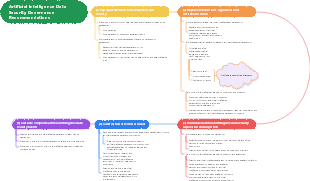
The data security risks faced by artificial intelligence itself, applications and data security governance challenges are sorted out.
Edited at 2021-03-23 13:42:35This is a mind map about bacteria, and its main contents include: overview, morphology, types, structure, reproduction, distribution, application, and expansion. The summary is comprehensive and meticulous, suitable as review materials.

This is a mind map about plant asexual reproduction, and its main contents include: concept, spore reproduction, vegetative reproduction, tissue culture, and buds. The summary is comprehensive and meticulous, suitable as review materials.
This is a mind map about the reproductive development of animals, and its main contents include: insects, frogs, birds, sexual reproduction, and asexual reproduction. The summary is comprehensive and meticulous, suitable as review materials.
This is a mind map about bacteria, and its main contents include: overview, morphology, types, structure, reproduction, distribution, application, and expansion. The summary is comprehensive and meticulous, suitable as review materials.
This is a mind map about plant asexual reproduction, and its main contents include: concept, spore reproduction, vegetative reproduction, tissue culture, and buds. The summary is comprehensive and meticulous, suitable as review materials.
This is a mind map about the reproductive development of animals, and its main contents include: insects, frogs, birds, sexual reproduction, and asexual reproduction. The summary is comprehensive and meticulous, suitable as review materials.
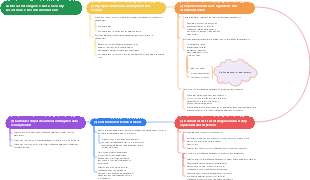
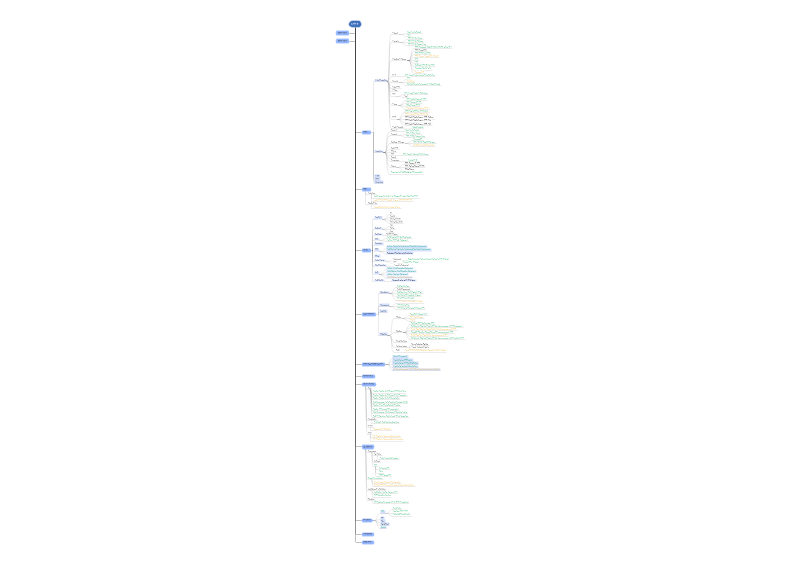
Artificial Intelligence Data Security Risks
Data security risks faced by artificial intelligence itself
Training data pollution
Attack results
Can lead to artificial intelligence decision-making errors
Attack method
Using model skew
attack target
training data samples
The purpose of changing the classification boundary of the classifier is to pollute the training data.
For example: model skew contaminating training data can trick a classifier into labeling a specific malicious binary as benign
Use feedback to mislead
attack target
learning model itself
Use the user feedback mechanism of the model to launch attacks and directly "inject" disguised data or information into the model to mislead artificial intelligence into making wrong judgments.
Launching network attacks from the training sample stage has become the most direct and effective method, with huge potential harm.
Operation data abnormality
Attack results
Can cause intelligent system operation errors
Attack method
Artificially constructed adversarial sample attacks
Leading intelligent systems to produce incorrect decision-making results
Artificial intelligence algorithm models mainly reflect data correlation and feature statistics, but do not truly capture data causality.
Adversarial sample attacks enable evasion of detection
Adversarial sample attacks can deceive identity authentication and liveness detection systems based on artificial intelligence technology.
Unconventional input for dynamic environments
Can cause intelligent system operation errors
Artificial intelligence decision-making relies heavily on the distribution and completeness of training data features. Insufficient coverage of manually labeled data, homogeneity of training data and test data, etc. often lead to poor generalization capabilities of artificial intelligence algorithms, making it impossible for intelligent systems to make decisions in actual use in dynamic environments. An error occurred
System operating errors can be different from serious accidents, such as self-driving cars, and can lead to fatal traffic accidents
Data reverse restoration
Open source framework risks
Data security risks caused by artificial intelligence applications
Excessive data collection
data bias discrimination
Data resource abuse
social consumption field
Can bring differentiated pricing
Malicious fraud or misleading propaganda
Resulting in the damage to consumers’ rights such as their right to know and their right to fair trade.
information dissemination field
Leading to a widening cognitive gap between different groups in society
Free choice of personal will is affected
Even threaten social stability and national security
Data analysis and abuse based on artificial intelligence technology brings severe security challenges to digital social governance and national security.
Data intelligence theft
Can be used to automatically lock on targets
Conduct a data ransomware attack
Automatically find system vulnerabilities and identify key targets through feature library learning to improve attack efficiency.
It automatically generates a large amount of false threat intelligence
Attack on analytics systems
Through machine learning, data mining, natural language processing and other technologies, false threat intelligence is automatically generated to confuse judgment.
Automatically recognize image verification codes
Artificial intelligence technology has achieved effective cracking of verification codes
Data deepfake
Reduce the credibility of biometric identification technology
Improve network attack capabilities
Causing a crisis of trust among people
Threaten ethics and social security
Influencing political opinion by producing fake news
threaten national security
Data governance challenges exacerbated by artificial intelligence applications
Data ownership issues
personal level
Data ownership is reflected in citizens’ data rights, and personal privacy protection faces challenges.
industry level
Data ownership is reflected in the data property rights of enterprises, and data monopoly harms the overall development of the industry.
Cross-border data breaches
The status of data as a basic national strategic resource has become more prominent
Technology companies obtain as much data as possible by providing consumers with free applications in specific fields, using government public data, and collaborating with upstream and downstream industry data.
Collect data on a global scale, strengthen data resource advantages, and promote its own artificial intelligence development, exacerbating the risk of cross-border flow of data violations.