MindMap Gallery Medical local anesthesia mind map
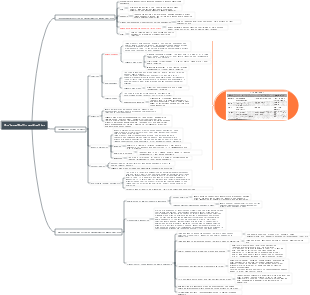
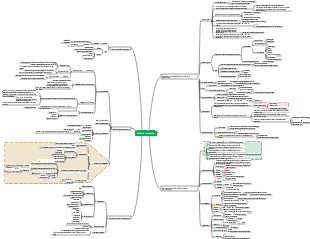
Surgery - Anesthesia: Local anesthesia, using local anesthetics to temporarily block the impulse conduction of certain peripheral nerves, causing anesthesia in the areas innervated by these nerves.
Edited at 2024-02-27 10:26:10This is a mind map about bacteria, and its main contents include: overview, morphology, types, structure, reproduction, distribution, application, and expansion. The summary is comprehensive and meticulous, suitable as review materials.

This is a mind map about plant asexual reproduction, and its main contents include: concept, spore reproduction, vegetative reproduction, tissue culture, and buds. The summary is comprehensive and meticulous, suitable as review materials.
This is a mind map about the reproductive development of animals, and its main contents include: insects, frogs, birds, sexual reproduction, and asexual reproduction. The summary is comprehensive and meticulous, suitable as review materials.
This is a mind map about bacteria, and its main contents include: overview, morphology, types, structure, reproduction, distribution, application, and expansion. The summary is comprehensive and meticulous, suitable as review materials.
This is a mind map about plant asexual reproduction, and its main contents include: concept, spore reproduction, vegetative reproduction, tissue culture, and buds. The summary is comprehensive and meticulous, suitable as review materials.
This is a mind map about the reproductive development of animals, and its main contents include: insects, frogs, birds, sexual reproduction, and asexual reproduction. The summary is comprehensive and meticulous, suitable as review materials.
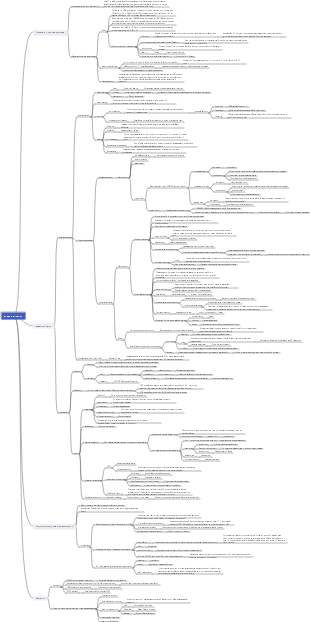
Local anesthesia
Use local anesthetics to temporarily block the impulse conduction of certain peripheral nerves, causing anesthesia to the areas innervated by these nerves.
include
local anesthesia
topical anesthesia
local infiltration anesthesia
regional anesthesia
nerve block anesthesia
neuraxial anesthesia
Subarachnoid space anesthesia
epidural anesthesia
Combined neuraxial epidural anesthesia
local anesthetic
Classification
Esters: Procaine Tetracaine
Amides: lidocaine Bupivacaine Ropivacaine
Physical and chemical properties
dissociation constant
Ka=[hydrogen ion]·[B]/[BH ]
The larger the pKa, the more ions there are, making it difficult to pass through the nerve sheath and membrane, and the longer the onset of action takes.
The larger the pKa, the worse the dispersion performance
fat soluble
The higher the value, the stronger the anesthetic effect.
Protein binding rate
The higher the value, the longer the action time
absorb
drug dosage
injection site
Local anesthetic properties
vasoconstrictor
It can constrict blood vessels, delay the absorption of medicinal solution, prolong the action time, and reduce the occurrence of toxic reactions.
Adverse reactions
toxic reactions
reason
Dosage exceeds tolerance at one time
Inject into blood vessel
The injection site has rich blood supply and faster absorption.
Reduced patient tolerance - hypersensitivity reaction
clinical manifestations
center
Excite first and then inhibit
Mild: Dizziness, hyperphagia, drowsiness, chills, panic, disorientation
serious: Loss of consciousness, tremors of facial muscles and limbs, convulsions or convulsions
cardiovascular
Reduced myocardial contractility, reduced cardiac output, slowed heart rate, dilation of peripheral blood vessels, and decreased blood pressure
prevention
Pre-anesthetic medications: diazepam, barbiturates
Do not use more than the tolerated amount at one time
Aspiration without blood return and injection again
Add vasoconstrictor to the solution
Dosing slowly
treat
Stop immediately and take oxygen
Mild: Injection of diazepam\midazolam Convulsions or convulsions: intravenous thiopental sodium Hypotension: ephedrine\metahydroxylamine Slow heart rate: Atropine
Respiratory and cardiac arrest: cardiopulmonary resuscitation, intravenous administration of fat emulsion
allergic reaction
Amides are rare
prevention
Skin test
treat
Stop medication, inhale oxygen
Stabilize circulation and replenish blood volume
Appropriate use of vascular medications
Common local anesthetics
Procaine
local infiltration anesthesia
The metabolite PABA can weaken the effect of sulfa drugs
Tetracaine
Strong mucosal penetration
Topical anesthesia, nerve block, spinal anesthesia, epidural anesthesia
lidocaine
Nerve block, epidural anesthesia
Repeated drug use - drug resistance
Bupivacaine
Nerve block, spinal anesthesia, epidural block
High plasma protein binding
Cardiotoxicity
Ropivacaine
motor sensory dissociation
Epidural pain, labor analgesia
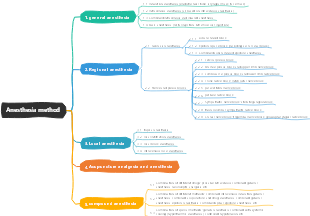
Local anesthesia method
topical anesthesia
mucosal surface
local infiltration anesthesia
Within the tissue of the surgical area
area block
Surrounding and bottom of the surgical site
lump removal
nerve block
Nerve trunks, plexuses, and perinodes
brachial nerve block
C5~8, T1
interscalene path
Bilateral interscalene nerve block cannot be performed - it inhibits the diaphragm and affects breathing
Incomplete ulnar nerve block
shoulder surgery
supraclavicular path
axillary path
Complete ulnar nerve block Incomplete musculocutaneous nerve block
Forearm and hand surgery
Indications
Upper limb surgery
complication
Phrenic nerve palsy, recurrent laryngeal nerve palsy
Horner syndrome (stellate ganglion block)
pneumothorax
high epidural block
total spinal anesthesia
cervical plexus block
C1~4
deep plexus block
Anterior cervical block
interscalene block
Bilateral deep cervical plexus block is not possible - phrenic nerve suppression
superficial plexus block
Indications
Neck surgery: thyroid surgery, tracheotomy
complication
Rare in superficial parts
Deep
local anesthetic toxic reactions
Accidental injection into the subarachnoid/epidural space
Phrenic nerve palsy
recurrent laryngeal nerve palsy
Horner syndrome
intercostal plexus block
T1~12
Rib angle/posterior axillary line
There is no blood and no air in the withdrawal
complication
pneumothorax
toxic reactions
digital nerve block
Each finger is innervated by 4 nerves
Do not add epinephrine - vasoconstriction, tissue necrosis
finger root block
intermetacarpal block