MindMap Gallery Nature and movement of sea water
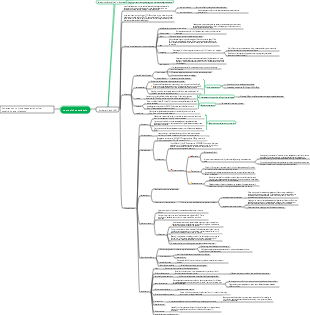
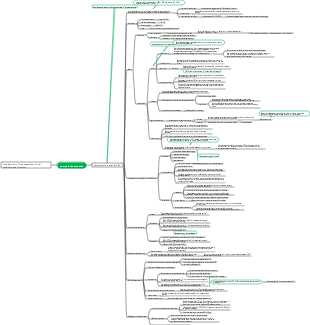
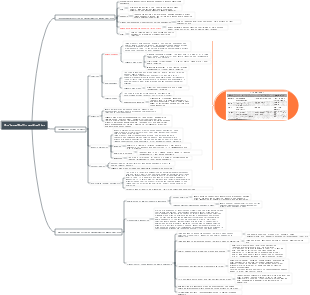
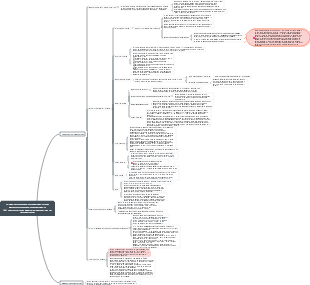
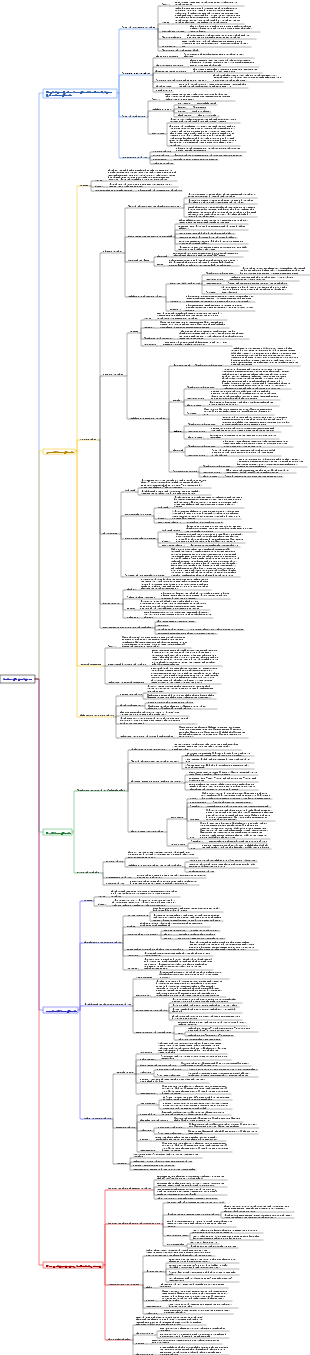
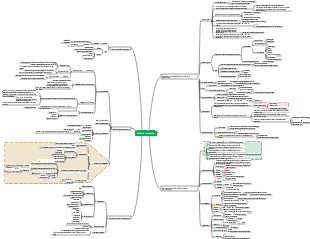
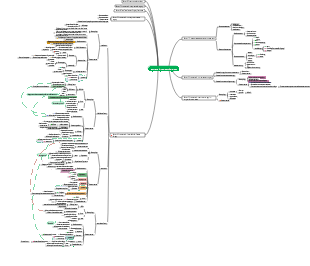
Geography Ocean, the temperature of sea water reflects the hot and cold degree of sea water. This picture introduces the temperature, density, salinity of sea water, as well as the knowledge of sea water movement including waves, tides and ocean currents. Welcome to learn.
Edited at 2023-10-13 23:17:07Nature and movement of sea water
properties of sea water
temperature
Concept: The temperature of sea water reflects the hotness and coldness of sea water
Source: Solar radiation
Influencing factors: dimension, warm and cold currents, season, temperature, sea area, ocean openness
Variety
horizontal direction
Time: The water temperature in the same sea area is higher in summer and lower in winter.
Spatially: The water temperature in different sea areas is higher at low latitudes and lower at high latitudes.
Warm and cold current: The water temperature of warm current is higher than the water temperature of the sea area it flows through, and the water temperature of cold current is lower than the water temperature of the sea area it flows through.
vertical direction
Surface area: water temperature basically tends to be evenly distributed
Thermocline zone: water temperature decreases significantly with increasing depth
Deep water area: water temperature changes slowly and is relatively low
Reason: The thermal conductivity of seawater is low
Influence
Regulate atmospheric temperature
Summer: Slows down warming in coastal areas
Winter: slows down cooling in coastal areas
positive influence
Atlantic hurricane frequency increases
Global seawater temperatures have increased significantly
Significant decline in plankton populations
Negative impact
salinity
Concept: refers to the ratio of salt substances dissolved in seawater to the mass of seawater
Average salinity of the world’s oceans: 35‰
Influencing factors: climate, ocean currents, runoff injection, sea area closure, ice formation, and ice melt amount
Variety
horizontal direction
Near the equator: precipitation is greater than evaporation and salinity is slightly lower
Subtropical sea area: evaporation is greater than precipitation and salinity is higher
High latitude sea areas: small evaporation, repeated freezing and melting, and low salinity
cold current
Sea areas where warm currents pass through have higher salinity
Sea areas where cold currents pass through have low salinity
vertical direction
Overall situation: The salinity in the shallow surface layer is relatively uniform, and the salinity changes significantly as the depth increases. When reaching a certain depth, the salinity is approximately uniformly distributed.
Differences in different sea areas
Mid- and low-latitude sea areas: The surface salinity is high, and the salinity decreases with depth.
High-latitude sea areas: The surface salinity is low, and the salinity increases with depth.
Influence
Use seawater to dry salt and create a salt field
Using seawater to make alkali
Have a significant impact on marine aquaculture
Desalinate seawater and alleviate water shortages
density
Concept: refers to the mass of seawater per unit volume
Influencing factors: temperature, salinity, pressure
Variety
horizontal direction
Overall trend: The density of ocean surface water gradually increases from the equator to the poles, with the density being the highest in the poles.
Equator: Nearby the temperature is higher and the salinity is slightly lower. The surface density is small
Subtropical sea area: The salinity is relatively high and the temperature drop is small, so the density increases
Polar sea areas: highest density
vertical direction
General trend: seawater density increases with depth
Mid- and low-latitude sea areas: The density of seawater is basically uniform within a certain depth. Going downwards, the density of seawater increases rapidly with increasing depth. Further down, the density of seawater changes very little with depth.
Mid- and high-latitude sea areas: seawater density changes less with depth
movement of sea water
wave
Cause: Wind action
type
Wind and waves: The wind blows on the sea surface causing fluctuations in the water.
Swell: A wave that continues to spread far away from its source.
Impact on human activities
The main driving forces shaping coastal landforms
Wave energy generation
It has an impact on maritime navigation, ocean engineering, fishery operations, etc.
tidal
Concept: The periodic rise and fall of sea water under the gravitational influence of the moon and the sun.
law
Spring tide and neap tide: two spring tides and neap tides in one lunar month
Highs and lows: Two highs and lows a day
Impact on human activities
Tidal zone farming and fishing
Tidal power generation
Shipping, salt production, military, etc.
ocean current
Concept: Also known as ocean currents, it refers to large-scale seawater movements with relatively stable flow speed and direction in the ocean.
type
According to nature
Cold current: flows from high latitudes to low latitudes
Warm current: flows from low latitudes to high latitudes
According to the causes: wind and sea currents, compensatory currents, density currents
Impact on human activities
Impact on marine biological resources
Warm currents increase temperature and humidity, cold currents cool and dehumidify
Affecting shipping, following ocean currents to save fuel and speed up sailing
Speed up purification and facilitate the diffusion of pollutants