 Wondershare EdrawMind
MindMap Gallery Neurology-19 Neuro-Muscle Junction and Muscle Diseases
- 41
- 1
Neurology-19 Neuro-Muscle Junction and Muscle Diseases
Mind map of university clinical medicine major - "Neurology" 19 Neuro-muscular junction and muscle diseases, produced according to the teaching PPT and corresponding textbook ("Neurology 8th Edition") during classroom learning, with detailed content. It can be used for students in related majors to study and take exams, or for friends who are interested in medicine to understand and refer to. Due to different teaching syllabuses, some content in the textbook has not been produced. Friends who need it can leave a message in the comment area, and updates will be added later. Maps of other courses in the major can be viewed on the homepage after following it. Comments and corrections are welcome. Like, collect and follow to get more information and not get lost. update record: 2023.11.29--Publish works, paid clones
Edited at 2023-11-29 20:20:18
- bacteria
This is a mind map about bacteria, and its main contents include: overview, morphology, types, structure, reproduction, distribution, application, and expansion. The summary is comprehensive and meticulous, suitable as review materials.
- Plant asexual reproduction
This is a mind map about plant asexual reproduction, and its main contents include: concept, spore reproduction, vegetative reproduction, tissue culture, and buds. The summary is comprehensive and meticulous, suitable as review materials.
- Reproductive development of animals
This is a mind map about the reproductive development of animals, and its main contents include: insects, frogs, birds, sexual reproduction, and asexual reproduction. The summary is comprehensive and meticulous, suitable as review materials.
Neurology-19 Neuro-Muscle Junction and Muscle Diseases
- bacteria
This is a mind map about bacteria, and its main contents include: overview, morphology, types, structure, reproduction, distribution, application, and expansion. The summary is comprehensive and meticulous, suitable as review materials.
- Plant asexual reproduction
This is a mind map about plant asexual reproduction, and its main contents include: concept, spore reproduction, vegetative reproduction, tissue culture, and buds. The summary is comprehensive and meticulous, suitable as review materials.
- Reproductive development of animals
This is a mind map about the reproductive development of animals, and its main contents include: insects, frogs, birds, sexual reproduction, and asexual reproduction. The summary is comprehensive and meticulous, suitable as review materials.
- Recommended to you
- Outline
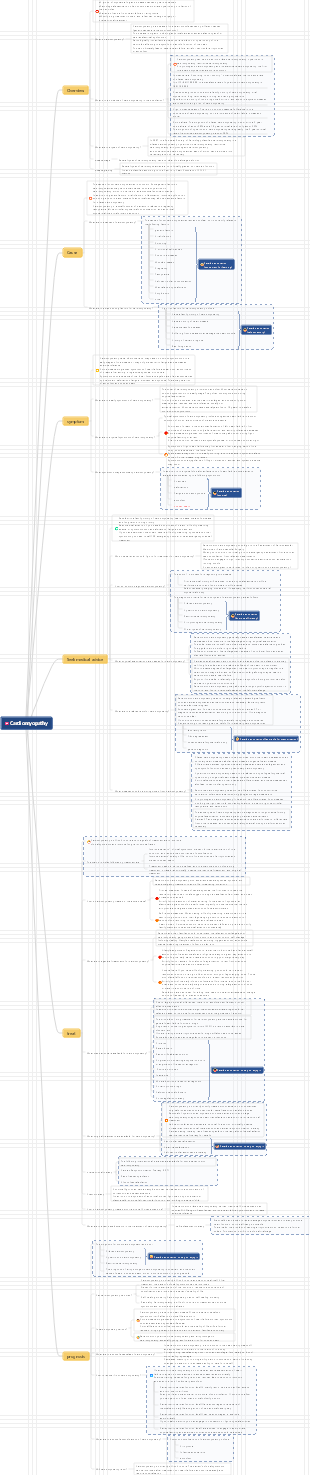
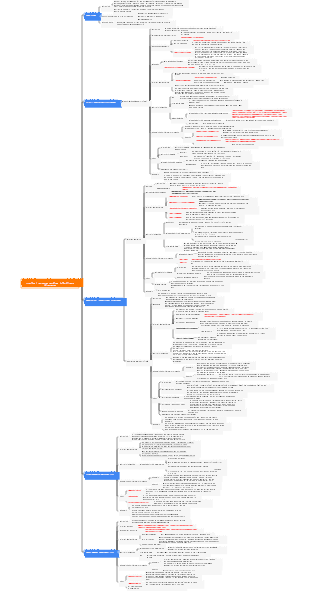
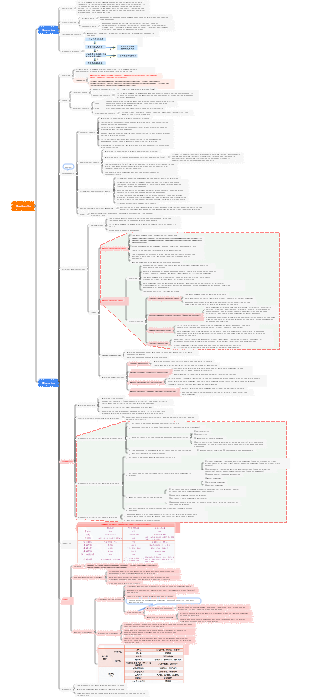
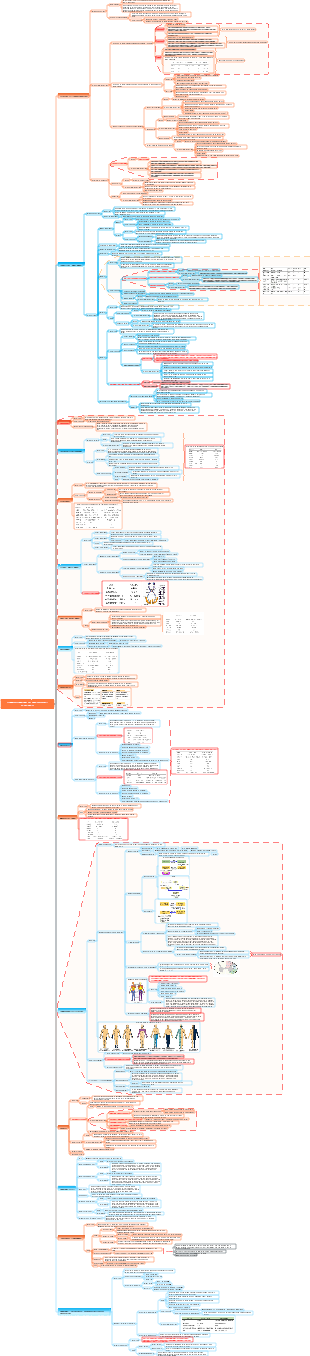
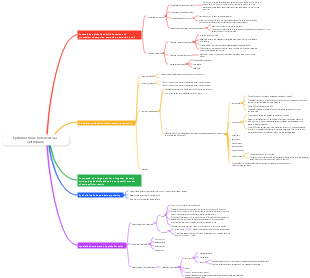

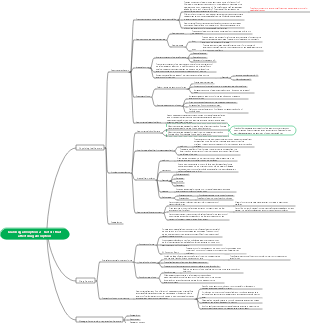

Neuromuscular junction and muscle diseases
Overview
definition
neuromuscular junction diseases
Refers to diseases caused by dysfunction of neuromuscular junction transmission, mainly including myasthenia gravis and Lambert-Eaton myasthenic syndrome, etc.
muscle disease
Refers to skeletal muscle diseases, mainly including periodic paralysis, polymyositis, progressive muscular dystrophy, myotonic dystrophy and mitochondrial myopathy.
Pathogenesis
Pathogenesis of neuromuscular junction lesions
Presynaptic membrane lesions cause impairment of ACh synthesis and release
Botulism and hypermagnesemia prevent calcium ions from entering nerve terminals and cause ACh release disorders
Aminoglycosides and cancer-like myasthenic syndrome may reduce ACh synthesis and release
Abnormal acetylcholinesterase activity and content in the synaptic cleft
In organophosphate poisoning, acetylcholinesterase activity is reduced and excessive depolarization of the postsynaptic membrane occurs.
Postsynaptic AChR lesions
Myasthenia gravis is caused by the production of AChR autoantibodies in the body, which destroys AChR
American curare binds to AChR and blocks the binding of ACh to the receptor.
Muscle disease pathogenesis
Abnormal muscle cell membrane potential
Periodic paralysis, myotonic dystrophy, and congenital myotonia, etc., block sarcolemmal depolarization due to decreased end plate potential.
energy metabolism disorder
Mitochondrial myopathies, lipid metabolic myopathies, and glycogen storage diseases are all caused by affecting muscle energy metabolism.
myocyte structural lesions
Various muscular dystrophies, congenital myopathies, endocrine myopathies, inflammatory myopathies and ischemic myopathies, etc.
Clinical symptoms
Muscle atrophy
A decrease in the volume of skeletal muscle due to a decrease in the number or size of muscle fibers
muscle weakness
Decreased skeletal muscle strength
exercise intolerance
Seen in myasthenia gravis, mitochondrial myopathy, lipid deposition myopathy, etc.
Muscle hypertrophy and pseudohypertrophy
functional hypertrophy
pathological hypertrophy
Myopathy
endocrine disorders
congenital hemihypertrophy
Muscle pain and tenderness
Most common in inflammatory myopathies
activity pain
Refers to muscle pain during activity, which can be seen in ischemic tibialis anterior syndrome, mitochondrial myopathy, lipid storage myopathy, etc. after long-distance marches.
cramps
Type V glycogen storage disease can cause cramping pain after exercise
Muscle rigidity
Seen in congenital myotonia and myotonic dystrophy
involuntary muscle movements
fasciculations
A brief involuntary contraction of a muscle bundle that can be identified with the naked eye but does not cause limb movement. It is seen in damage to the anterior horn or root of the spinal cord.
myofibrillation
Unable to be recognized by the naked eye and can only be displayed on the electromyogram
muscle twitching
A slow, continuous, irregular, fluctuating tremor of a group or a muscle in a resting state, visible to the naked eye. Seen in idiopathic myotonia
diagnosis
Complete and accurate clinical information and relevant auxiliary examinations
Based on the age of onset, progression rate, paroxysmal onset, distribution of atrophied muscles, genetic pattern, course and prognosis of myasthenia and atrophy, combined with laboratory biochemical testing, electromyography, muscle pathology and genetic analysis, each type can be diagnosed. Diagnosis and differential diagnosis of muscle disorders
treat
Cause treatment
Remove the cause or treat based on the pathogenesis
Thymoma removal to reduce antibody production in patients with myasthenia gravis
Glucocorticoids and immunosuppressants can reduce the damage of acetylcholine receptor antibodies to postsynaptic membrane acetylcholine receptors and achieve therapeutic effects.
Other treatments
pyridostigmine bromide
Inhibits the hydrolysis of acetylcholine in the synaptic cleft by cholinesterase, thereby reducing the symptoms of myasthenia gravis
Phenytoin
Stabilize muscle membrane potential and reduce muscle stiffness
10% potassium chloride
Improve muscle weakness in patients with hypokalemic periodic paralysis
Surgical treatment
Cataract vision recovery in myotonic muscular dystrophy
Myasthenia gravis [MG]
Overview
definition
An acquired autoimmune disease characterized by dysfunction of neuromuscular junction transmission
lesions
Mainly caused by damage to AChR on the postsynaptic membrane at the neuromuscular junction
main performance
Partial or general skeletal muscle weakness and easy fatigability, symptoms worsened after activity, relieved by rest and treatment with cholinesterase inhibitors (ChEI)
Epidemiology
The incidence rate is (8-20)/100,000, the prevalence rate is 50/100,000, and the incidence rate is higher in southern my country
Pathogenesis
Mainly mediated by AChR antibodies, with the participation of cellular immunity and complement, AChR in the postsynaptic membrane is massively destroyed and cannot generate sufficient end plate potential, leading to postsynaptic membrane transmission dysfunction and muscle weakness.
pathology
Thymus
80% of patients with myasthenia gravis have increased thymus weight, lymph follicle hyperplasia, and increased germinal centers.
10%-20% combined with thymoma
neuromuscular junction
The synaptic cleft is widened, the postsynaptic membrane wrinkles become shallower and the number is reduced. Immunoelectron microscopy shows the disintegration of the postsynaptic membrane, the AChR on it is significantly reduced, and the deposition of IgG-C3-AChR-bound immune complexes can be seen, etc.
muscle fiber
The muscle fibers themselves change little, and sometimes coagulation, necrosis, and swelling of the muscle fibers can be seen.
In a few patients, lymphocyte infiltration can be seen around muscle fibers and small blood vessels, which is called "lymphorrhea"
Muscle atrophy may be seen in chronic disease
clinical manifestations
Clinical features
Pathological manifestations of affected skeletal muscles
"The morning is light and the evening is heavy"
All skeletal muscles can be affected
Most of the muscles innervated by cranial nerves (extraocular muscles) are affected first
myasthenic crisis
When the respiratory muscles are involved, coughing, weakness or even dyspnea may occur, which is the main cause of death. People with oropharyngeal muscle weakness and respiratory muscle weakness are prone to crisis. Predisposing factors include respiratory infection, surgery (including thymectomy), mental stress, systemic diseases, etc. About 10% of patients with myasthenia gravis experience a crisis
Cholinesterase inhibitors are effective
Adhering to the characteristics
Slow or subacute onset, aggravated by cold or exertion
Clinical classification
Adult type (Osserman classification)
Type I eye muscle type
The lesions are limited to the extraocular muscles, and ptosis and diplopia occur
Type ⅡA mild systemic type
The muscles of the eyes, face, and limbs are affected, and the patient can mostly take care of himself without obvious involvement of the throat muscles.
Type ⅡB moderate systemic type
The muscles of the limbs are obviously affected, accompanied by weakness of the throat muscles, but the respiratory muscles are not obviously affected.
Type III acute severe type
Acute onset, often involving bulbar muscles, limb girdle muscles, trunk muscles and respiratory muscles within a few weeks, severe muscle weakness, myasthenic crisis, requiring tracheotomy, and high mortality
Type IV late-onset severe type
The disease lasts for more than 2 years and often develops from types I, IIA, and IIB. The symptoms are the same as type III, and is often combined with thymoma.
Type V amyotrophic type
A few patients have muscle weakness accompanied by muscle atrophy
Children's type
neonatal type
congenital myasthenic syndrome
Juvenile type
Auxiliary inspection
Repetitive electrical nerve stimulation [RNES]
Repeated stimulation of motor nerves with low frequency (3-5Hz) and high frequency (≥10Hz)
Typical changes are that the action potential amplitude of the fifth wave decreases by more than 10% compared with the first wave during low-frequency stimulation or by more than 30% during high-frequency stimulation. 90% of patients with myasthenia gravis are positive during low-frequency stimulation, which is related to the severity of the disease
Note: This should be done 17 hours after stopping neostigmine, otherwise false negatives may occur.
Single fiber electromyography [SFEMG]
A special single-fiber needle electrode is used to measure and determine whether the time for muscle fibers in the same motor unit to generate action potentials is prolonged to reflect the function of the neuromuscular junction. The disease is characterized by prolonged intervals.
Detection of AChR antibody titers
The diagnosis of myasthenia gravis is of characteristic significance. The concentration of AChR antibodies in the serum of more than 85% of patients with generalized myasthenia gravis is significantly increased; however, the increase in AChR antibodies in patients with ocular myasthenia gravis may not be obvious, and the level of antibody titers is not completely consistent with the severity of clinical symptoms.
Thymus CT and MRI examination
Thymic hyperplasia and hypertrophy may be found
Other tests
5% of patients with myasthenia gravis have hyperthyroidism, manifested by elevated T₃ and T₄
Some patients are positive for antinuclear antibodies and thyroid antibodies
diagnosis
Clinical features
The distribution of affected muscles in MG patients is not consistent with the range of muscle weakness that occurs after damage to a certain motor nerve.
Fatigue and weakness in the affected muscles after activity can be relieved by rest or treatment with cholinesterase inhibitors
Myasthenia manifests as a fluctuation phenomenon of “light in the morning and heavy in the evening”
Diagnosis can be made by combining typical findings from drug tests, electromyography, and immunological examinations
Perform thymic CT and MRI examinations to determine whether there is thymic hyperplasia or thymoma, and determine whether there are other autoimmune diseases based on medical history, symptoms, signs and other immunological examinations.
Fatigue test (Jolly test)
Instruct the patient to continue to look up and develop ptosis; or if the patient develops upper arm ptosis after continuing to raise both arms, it will be positive if recovery occurs after resting.
Anticholinesterase drug trials
neostigmine test
Neostigmine 0.5-1mg is injected intramuscularly and the symptoms of muscle weakness are significantly reduced after 20 minutes, which is considered positive.
Tengxilong test
Dilute Tengxilong 10 mg with water for injection to 1 ml, inject 2 mg intravenously, and observe for 20 seconds. If there are no adverse reactions such as sweating or increased saliva, give 8 mg more. The symptoms will improve to positive within 1 minute, and return to the original state after 10 minutes.
Differential diagnosis
Lambert-Eaton myasthenic syndrome
definition
A group of autoimmune diseases in which the target organs of autoantibodies are calcium ion channels and ACh vesicle release areas in the presynaptic membrane of peripheral nerve terminals.
Epidemiology
More common in men, about 2/3 of patients are accompanied by cancer, especially oat cell type bronchial lung cancer, and may also be accompanied by other autoimmune diseases.
clinical manifestations
The proximal muscles of the limbs are weak, and you feel tired after activity. However, the muscle strength is enhanced after a short period of forceful contraction, and the muscle strength becomes fatigued after continuous contraction. The muscles innervated by the cranial nerves are rarely affected.
Half of the patients were accompanied by autonomic symptoms, such as dry mouth, less sweating, constipation, and impotence.
Auxiliary inspection
The neostigmine test can be positive but is not as sensitive as myasthenia gravis
The amplitude changes little when the nerve is repeatedly stimulated at low frequency, but the amplitude can increase by more than 200% under repeated stimulation at high frequency.
Serum AChR antibody negative
Treatment with guanidine hydrochloride can increase ACh release and improve symptoms
Botulism
mechanism
Botulinum toxin acts on the presynaptic membrane and blocks the transmission function of the neuromuscular junction
Key points for identification
Most patients have an epidemiological history of botulism
Clinical manifestations include symmetrical cranial nerve damage and skeletal muscle paralysis
Negative neostigmine test or edronium chloride test
muscular dystrophy
Insidious onset, no fluctuation in symptoms, gradually worsening of the condition, obvious muscle atrophy, significantly elevated blood muscle enzymes, negative neostigmine test, and ineffective treatment with anticholinesterase drugs
bulbar palsy
Pharyngeal muscle weakness occurs due to damage to the posterior group of cranial nerves arising from the medulla oblongata, but there are often other signs of nerve localization. The condition progressively worsens without fluctuations. Fatigue test and neostigmine test are negative, and anticholinesterase drug treatment is ineffective.
polymyositis
It manifests as muscle weakness in the proximal limbs, often accompanied by muscle tenderness, without fluctuations in morning and evening. The condition gradually progresses, and serum muscle enzymes increase significantly. Neostigmine test is negative, anticholinesterase drug therapy is ineffective
treat
medical treatement
cholinesterase inhibitor
mechanism
By inhibiting cholinesterase, it reduces the hydrolysis of ACh and improves transmission between nerve-muscle junctions.
Commonly used medicines
Pyridostigmine bromide, neostigmine bromide
adrenal glucocorticoid
mechanism
It can inhibit autoimmune reactions, reduce the production of AChR antibodies, promote the regeneration and repair of motor end plates, and improve the transmission function of nerve-muscle junctions.
Method/Indications
shock therapy
Applicable to hospitalized critical cases and those who have been intubated or ventilated
Methylprednisolone, then prednisone
High-dose steroid hormone treatment can worsen the condition and even cause a crisis in the early stage.
small dose escalation method
It can avoid aggravation of the condition in the early stage of medication
immunosuppressant
Indications
Those who have poor efficacy or intolerance to adrenal glucocorticoids, or those who cannot take adrenal glucocorticoids due to hypertension, diabetes, or ulcer disease
Adverse reactions
Decreased peripheral blood leukocytes and platelets, hair loss, gastrointestinal reactions, hemorrhagic cystitis, impaired liver and kidney function, etc.
Commonly used drugs
cyclophosphamide
azathioprine
For patients who do not respond well to steroid treatment
Cyclosporin A
It has an inhibitory effect on both cellular immunity and humoral immunity, and reduces the production of AChR antibodies.
Adverse reactions include glomerular ischemia and necrosis, nausea, palpitations, etc.
Drugs that are prohibited and used with caution
Aminoglycoside antibiotics, neomycin, polymyxin, paromomycin, etc. can aggravate nerve-muscle junction transmission disorders
Quinine, quinidine and other drugs can reduce muscle membrane excitability
Morphine, diazepam, phenobarbital, phenytoin, propranolol and other drugs should also be banned or used with caution
Thymus treatment
Thymectomy
mechanism
It can remove the initiating antigens of the patient's autoimmune reaction and reduce the T cells, B cells and cytokines involved in the autoimmune reaction.
Indications
Patients with thymic hypertrophy and high AChR antibody titer
Patients with various types of myasthenia gravis with thymoma
Young female patients with systemic MG
Those who have an unsatisfactory response to anticholinesterase drug treatment
Thymic radiation therapy
For those who are not suitable for thymectomy, deep thymic radiation therapy can be performed
plasma exchange
principle
Replacing patient plasma with normal human plasma or plasma substitutes can remove AChR antibodies, complement and immune complexes from the plasma of MG patients.
method
Each exchange volume is about 2000ml, 1-3 times a week, 3-8 times in a row
Features
It has a rapid onset of action, but the duration of the effect is short, lasting only 1 week to 2 months. As the antibody level increases, symptoms will relapse and adverse reactions will be severe. It is only suitable for crises and refractory myasthenia gravis.
High-dose intravenous immune globulin
Exogenous IgG can interfere with the binding of AChR antibodies to AChR, thereby protecting AChR from being blocked by antibodies.
IgG 0.4g/(kg·d) intravenous drip, 5 days as a course of treatment, as auxiliary treatment to alleviate the condition
Crisis management
definition
Crisis refers to MG patients who suddenly develop severe breathing difficulties due to certain factors, which may even be life-threatening.
Rescue principle
Keep the respiratory tract open and remove crisis triggers
treatment method
Immediately perform tracheal intubation or tracheotomy, and use artificial respirator to assist breathing
Discontinue anticholinesterase medications to reduce intratracheal secretions
Actively control pulmonary infections by using antibiotics that are effective, sufficient, and have no blocking effect on neuromuscular junctions
Give intravenous medications such as corticosteroids or high-dose gamma globulin
Use plasma exchange if necessary
Types
myasthenic crisis
That is, neostigmine deficiency crisis, the most common crisis
Often caused by infection, trauma, weight loss
Diagnosis can be made if symptoms are relieved after injection of Tensilon or Neostigmine
cholinergic crisis
That is a new Ming overdose crisis, which is very rare.
The patient had worsening muscle weakness and developed significant adverse reactions to cholinesterase inhibitors such as fasciculations and muscarinic reactions.
Anticholinesterase drugs should be discontinued immediately and the dose can be readjusted after drug elimination
Counterattack crisis
Severe dyspnea due to insensitivity to anticholinesterase drugs, unresponsive to Tensilon test
Anticholinesterase drugs should be stopped. Patients with tracheal intubation or incision can be treated with high-dose steroids. The dose of anticholinesterase drugs should be readjusted after motor endplate function is restored.
periodic paralysis
hypokalemic periodic paralysis
Overview
Autosomal dominant or sporadic disease
The main clinical manifestations are episodic myasthenia and decreased serum potassium, which can be quickly relieved after potassium supplementation.
The most common type of periodic paralysis
clinical manifestations
Age of onset
It can occur at any age, but is more common in men aged 20-40 years old
inducement
Fatigue, heavy meals, cold, alcoholism, mental stimulation
flaccid paralysis of the limbs
The lower limbs are heavier than the upper limbs, and the proximal end is heavier than the distal end; it can also gradually involve the upper limbs from the lower limbs.
Unconsciousness and sensory impairment
Reach the peak within a few hours to one day
Some patients have hyperthyroidism
Auxiliary inspection
serum potassium
Serum potassium is <3.5mmol/L during the attack period and normal during the intermittent period.
electrocardiogram
Typical hypokalemic changes: U wave appearance, T wave flat or inverted, P-R interval and Q-T interval prolongation, ST segment decrease, QRS wave widening
EMG
Motor potential has short duration and low amplitude
Diagnosis and differential diagnosis
diagnosis
Based on autosomal dominant inheritance or sporadic, sudden flaccid paralysis of the limbs, mainly proximal, without cerebral nerve innervation muscle damage, unconsciousness disorder and sensory impairment, reaching a peak within a few hours to one day, combined with examination found that blood potassium decreased, electrocardiogram Hypokalemic changes can be diagnosed by rapid relief of muscle weakness after potassium supplementation.
identify
hyperkalemic periodic paralysis
Normokalemic periodic paralysis
myasthenia gravis
Guillain-Barré syndrome
secondary hypokalemia
treat
attack period
Take 40-50ml of 10% potassium chloride or 10% potassium citrate immediately, and then take it orally in divided doses within 24 hours. The total daily dose is 10g.
interictal period
Oral potassium salt 1g, 3 times/day; spironolactone 200mg, 2 times/day to prevent attacks
Avoid overexertion, cold exposure, mental stimulation, low-sodium diet, heavy meals, alcoholism and other triggers of the disease
hyperkalemic periodic paralysis
Overview
Forced periodic paralysis, an autosomal dominant inheritance
clinical manifestations
Age of onset
The disease usually starts before the age of 10, mostly in males. Most cases tend to get better around the age of 30 and gradually stop attacks.
inducement
Myasthenic attacks can be induced by hunger, cold, strenuous exercise, and potassium salt intake
Myasthenic symptoms
It starts from the proximal end of the lower limbs and then affects the upper limbs and even neck muscles. The muscles innervated by the cranial nerves and respiratory muscles can occasionally be involved. The degree of paralysis is generally mild, but is often accompanied by muscle spasms.
Each attack lasts for a short time, ranging from a few minutes to an hour. The frequency of attacks ranges from several times a day to several times a year
Auxiliary inspection
Electromyography shows tonic potentials
During an attack, serum potassium and urinary potassium levels increase, serum calcium decreases, and the T wave of the electrocardiogram is high and sharp.
Polymyositis [PM] and dermatomyositis [DM]
Overview
definition
A group of diffuse inflammatory inflammatory diseases of skeletal muscle caused by multiple etiologies
Main pathological features
Skeletal muscle degeneration, necrosis and lymphocyte infiltration
PM lesions are limited to skeletal muscles, while DM involves both skeletal muscles and skin.
Acute or subacute onset, symmetrical muscle weakness and tenderness mainly in the proximal limbs
Good treatment with glucocorticoids
Cause and pathogenesis
Cause
Viral infection
genetic factors
mechanism
Immunomodulatory
pathology
Inflammatory changes in skeletal muscle
Muscle fiber degeneration, necrosis, atrophy, regeneration
Inflammatory cell infiltration is focally distributed or scattered
Microvascular disease
clinical manifestations
Acute or subacute onset, female > male, peaking in a few weeks or days. There may be a history of low-grade fever or cold before illness
muscle weakness
The first symptom is proximal weakness of the limbs accompanied by muscle pain, often starting from the pelvic girdle muscles and gradually involving the shoulder girdle muscles, pharyngeal and cervical muscles, pharyngeal muscles, and respiratory muscles. Often accompanied by joint and muscle pain. Extraocular muscles are generally not affected
skin damage
Rashes often appear before or at the same time as muscle weakness
The typical rash is periorbital, edematous lavender spots on the upper and lower eyelids and Gottron's sign (edematous erythema on the joint extensor surface).
Other performance
Gastrointestinal involvement causes nausea, vomiting, and spasmodic abdominal pain
Heart involvement causes syncope, arrhythmia, and heart failure
Renal involvement with proteinuria and red blood cells
A few cases are combined with other autoimmune diseases or malignant tumors
Auxiliary inspection
Blood biochemistry test
In the acute phase, peripheral blood leukocytes increase, erythrocyte sedimentation rate increases, and serum CK increases significantly, up to more than 10 times the normal level.
Myositis-specific antibodies [MSAs] Jo-1, PL-7, etc. are elevated
1/3 of the patients were positive for rheumatoid factor and antinuclear antibodies, and had increased immunoglobulin and antimyosin antibodies.
Urine test
Increased 24-hour urinary creatine is an indicator of the active phase of myositis
EMG
Spontaneous fibrillation potentials, forward sharp waves, and an increase in polyphasic waves can be seen, showing signs of myogenic damage. Nerve conduction velocity is normal
muscle biopsy
For muscle biopsy, see the pathology described above.
electrocardiogram
52%-75% of patients have ECG abnormalities, QT prolongation, and ST segment depression
diagnosis
Typical clinical features
Acute or subacute weakness of proximal limbs and pelvic girdle muscles with tenderness, weakened or absent tendon reflexes
Serum CK was significantly increased
Electromyography showed myogenic damage
Biopsy showed typical pathological manifestations of myositis
With typical skin lesions
Those with the first 4 criteria are diagnosed as polymyositis; Those who have more than 3 of the first 4 criteria and also have the 5th criteria are polydermatomyositis
Immunosuppressive therapy effectively supports the diagnosis. Malignant tumors should be excluded in patients over 40 years old
Differential diagnosis
Inclusion body myositis
Due to muscle inflammatory damage and dysphagia, it needs to be differentiated from polymyositis
Myasthenia is asymmetrical, and distal muscle groups are commonly involved, such as weakness in wrist and finger flexion and foot drop. Myalgia and muscle tenderness are very rare.
Normal or slightly elevated serum CK, eosinophilic inclusions found in muscle pathology, and ineffective hormone therapy can be distinguished from polymyositis.
limb-girdle muscular dystrophy
It needs to be differentiated from polymyositis due to weakness and atrophy of the proximal limbs, pelvis, and shoulder girdle, and increased muscle enzymes.
Often family history, no myalgia, slower course
Muscle pathological manifestations are mainly muscle fiber degeneration, necrosis, atrophy and adipose tissue replacement without obvious inflammatory cell infiltration
myasthenia gravis
Polymyositis is bedridden in the late stage, and dysarthria and swallowing difficulties must be differentiated from this disease.
Myasthenia gravis was ruled out based on the absence of significant fluctuations in the condition of polymyositis, insensitivity to anticholinesterase drug treatment, and increased serum enzyme activity.
treat
adrenal glucocorticoid
Drug of choice for polymyositis
Commonly used small dose increasing method
In acute or severe cases, the dose may be increased: methylprednisolone 1000 mg intravenously, once a day, for 3-5 days, and then gradually reduce the dose
immunosuppressant
Added when hormone therapy is ineffective
Methotrexate is preferred, followed by azathioprine, cyclophosphamide, and cyclosporine A
Immunoglobulin
Used in combination with other treatments in the acute phase, the effect is better
Immunoglobulin 1g/(kg·d), intravenous infusion for 2 consecutive days; or 0.4g/(kg·d) intravenous infusion, 5 consecutive days per month
supportive care
High-protein and high-vitamin diet; appropriate physical exercise and physical therapy
Severe cases should prevent joint contracture and disuse muscle atrophy
progressive muscular dystrophy
Duchenne muscular dystrophy [DMD]
Overview
X-linked recessive inheritance
Pathogenic gene: DMD gene, located at Xp21
The incidence rate is about 30/100,000 male infants
clinical manifestations
Insidious onset at 3-5 years old, pelvic girdle muscle weakness, "duck walking"
Pseudohypertrophy of calf gastrocnemius muscle
Positive Gowers sign - characteristic manifestation
Due to the weakness of the abdominal muscles and iliopsoas muscles, when the child does sit-ups or stands up, he must first turn over to a prone position, bend the knees and hips in turn, support the trunk with his hands into a prone position, and then support the trunk with both hands and legs. Then press the knees with your hands to assist the strength of the quadriceps muscles. The body assumes a deep bow position. Finally, stand slowly with both hands on the lower limbs. The face will become red due to the exertion.
Around 12 years old, unable to walk and needs to use a wheelchair
Death due to respiratory infection and heart failure between the ages of 20 and 30
Auxiliary inspection
Serum enzymology test
Creatine kinase [CK] is abnormally and significantly increased (20-100 times the normal value)
EMG
Typical manifestations of myogenic damage
muscle biopsy
Muscle necrosis, regeneration, interstitial fat and fibrous connective tissue hyperplasia
Dystrophin antibodies detect DMD and BMD
DNA Testing
Other tests
X-rays, electrocardiograms, and echocardiograms can detect cardiac involvement early
CT can detect the extent of skeletal muscle damage
MRI shows that degenerated muscles show varying degrees of "cannibalization"
Diagnosis and differential diagnosis
diagnosis
Tuberculosis can be diagnosed based on clinical manifestations, genetic pattern, age of onset, family history, serum enzyme measurement, electromyography, muscle pathology examination and genetic analysis.
If the genetic test is negative, immunohistochemical testing of muscle tissue using specific antibodies can confirm the diagnosis.
identify
juvenile proximal spinal muscular atrophy
chronic polymyositis
amyotrophic lateral sclerosis
myasthenia gravis
treat
Symptomatic and supportive care
Increase nutrition and exercise appropriately
Physical therapy and orthopedic treatment
Prevent and improve spinal deformity and joint contracture
medical treatement
Glucocorticoids
It can delay the decline of muscle strength and muscle function, reduce the incidence of scoliosis, maintain heart and lung function, and improve the intelligence of children.
Angiotensin-converting enzyme inhibitors, angiotensin receptor II blockers
Treatment of heart disease
prevention
Carrier detection, prenatal diagnosis
myotonic myopathy
definition
It means that skeletal muscles are not easy to relax immediately after voluntary contraction or contraction under physical stimulation. Muscle excitability increases during electrical stimulation or mechanical stimulation. After repeated contraction or repeated electrical stimulation, skeletal muscles relax and symptoms disappear; rigidity worsens in cold environments; electromyography Examines a group of muscle disorders characterized by continuous high-frequency electrical discharges
Classification
Myotonic muscular dystrophy [MD]
congenital myotonia
congenital paramyotonia
Myotonic muscular dystrophy [MD]
Overview
autosomal dominant disease
Pathogenic gene: MD1 type, DMPK gene, located at 19q13.3
Incidence rate: 13.5/100,000
Clinical manifestations are characterized by muscle weakness, myotonia, and muscle atrophy, with multi-system involvement.
clinical manifestations
Insidious onset after the age of 30, males > females
Myotonia
Muscles cannot relax normally after being contracted with force. Use a percussion hammer to percuss the muscles of the limbs to reveal the muscle balls.
Muscle weakness and atrophy
It often affects the hand and forearm muscles first, and then the head and face muscles.
"Axe-shaped face" "Swan neck"
Can involve respiratory muscles and throat muscles
Extraskeletal muscle manifestations
Cataracts, arrhythmia, diabetes, alopecia, hyperhidrosis, sexual dysfunction and mental retardation, etc.
Auxiliary inspection
EMG
Typical myotonic discharge: continuous high-frequency tonic wave gradually decaying
The EMG speaker emits a sound that sounds like a bomber swooping down
muscle biopsy
Type Ⅱ muscle fiber hypertrophy, type Ⅰ muscle fiber atrophy, accompanied by large amounts of nuclear migration
Sarcoplasmic mass and circular muscle fibers can be seen, as well as muscle fiber necrosis and regeneration.
DNA Testing
Abnormal amplification of the CTG repeat sequence in the 3′-untranslated region exceeding 100 repeats can confirm the diagnosis.
other
Serum enzymes such as CK and LDH are normal or slightly elevated
Reduction in serum immunoglobulins IgA, IgG, and IgM
Electrocardiogram showing atrioventricular block
Head CT and MRI show reduced sella turcica and enlarged ventricles
Diagnosis and Differential Diagnosis
diagnosis
According to the history of autosomal dominant inheritance, the disease starts slowly in middle age, and the clinical manifestations are general skeletal muscle rigidity, weakness and atrophy, as well as multi-system involvement such as cataracts, baldness, endocrine and metabolic changes, etc.
The electromyogram showed typical myotonic discharges, the CTG repeat sequence in the 3′-untranslated region of the DMPK gene was abnormally expanded more than 100 times, the muscle biopsy showed myogenic damage, and the serum CK level was normal or slightly elevated.
identify
congenital myotonia
congenital paramyotonia
Hyperkalemic periodic paralysis
neuromyotonia
treat
supportive care
Nutritional support
Physiotherapy
Maintain muscle function
medical treatement
For myotonia
Phenytoin, procaine
other
cataract surgery treatment
Endocrine abnormalities should be treated accordingly
Pay attention to the detection and treatment of heart disease
Mitochondrial myopathy and mitochondrial encephalomyopathy
Overview
definition
Diseases caused by mitochondrial structural and functional disorders caused by defects in mitochondrial DNA (mtDNA) or nuclear DNA (nDNA)
Mainly affects skeletal muscles, called mitochondrial myopathy
Lesions that also involve the central nervous system are called mitochondrial encephalomyopathy
maternal inheritance
Muscle biopsy shows broken red fibers [RRF]
The common characteristic is feeling extremely tired and weak after light activity, which gets better after rest.
Etiology and pathogenesis
Cause
mtDNA (a few nDNA) mutates
mechanism
Enzymes or carriers encoding the enzymes or carriers necessary for mitochondrial oxidative metabolism are blocked. Raw materials such as glycogen and fatty acids cannot enter the mitochondria or cannot be fully utilized, so sufficient ATP cannot be produced. Eventually, due to insufficient energy, the cells cannot maintain normal physiological functions, inducing cell apoptosis and leading to mitochondrial disease.
Characteristic pathological changes: Broken red fiber-GT staining, caused by the accumulation of a large number of degenerated mitochondria
clinical manifestations
Mitochondrial myopathies
It usually starts around the age of 20, with muscle weakness and intolerance to fatigue, and gets better after rest.
It is often accompanied by muscle soreness and tenderness, without the phenomenon of "light in the morning and heavy in the evening", and muscle atrophy is rare.
mitochondrial encephalomyopathy
Chronic progressive extraocular muscle paralysis [CPEO]
Ptosis and ophthalmoplegia, slowly progressing to total extraocular muscle paralysis
Kearns-Sayre syndrome [KSS] / Kearns-Sayre syndrome
If the disease starts before the age of 20, most people will die from heart disease before the age of 20.
Triad: CPEO retinitis pigmentosa, heart block
Mitochondrial encephalomyopathy with hyperlactatemia and stroke-like episodes [MELAS]
Onset before the age of 40, more common in childhood
Stroke-like episodes with hemiparesis, hemianopia or cortical blindness, migraine, nausea and vomiting, and recurrent seizures
Mental retardation, short stature, neurological deafness
The scope of the lesions was inconsistent with the distribution of major cerebral blood vessels. Increased blood and cerebrospinal fluid lactate
Myoclonic epilepsy with muscle ragged red fibers [MERRF]
It usually develops in childhood and has an obvious family history.
Myoclonic seizures, cerebellar ataxia, often accompanied by mental retardation, hearing impairment, and proximal limb weakness
Some families are associated with multiple symmetrical lipomas
Auxiliary inspection
Blood biochemistry test
Lactic acid and pyruvate minimum exercise test
Decreased activity of mitochondrial respiratory chain complex enzymes
About 30% of patients have elevated serum CK and LDH levels
Film degree exam
Head CT and MRI showed leukoencephalopathy, calcification of the basal ganglia, encephalomalacia, brain atrophy and ventriculomegaly.
EMG
60% of patients have myogenic damage, and a few have neurogenic damage or both.
muscle biopsy
Characteristic changes - broken red fibers
Mitochondrial DNA Analysis
decisive for diagnosis
diagnosis
The diagnosis can be made based on family history, typical clinical manifestations, a positive minimum exercise test for blood lactate and pyruvate, a large number of abnormal mitochondria found in muscle tissue pathological examination, abnormal mitochondrial biochemical testing, and mtDNA pathogenic mutations found in genetic testing.
treat
diet therapy
Reduce the production of endogenous toxic metabolites, high protein, high carbohydrate, low fat diet
medical treatement
Intravenous infusion of ATP 80-120mg and Coenzyme A 100-200U, once a day for 10-20 days, then oral administration
Idebenone, coenzyme Q10, and large amounts of B vitamins can reduce blood lactate and pyruvate levels
L-carnitine can promote lipid metabolism and improve energy metabolism
Symptomatic and supportive treatment
High-protein and high-vitamin diet; appropriate physical exercise and physical therapy
Severe cases should prevent joint contracture and disuse muscle atrophy
central theme
theme
theme
theme
theme
theme
Chapter 19 Neuro-Muscle Junction and muscle diseases Overview Neuromuscular junction diseases refer to diseases caused by dysfunction of transmission between neuromuscular junctions, mainly including myasthenia gravis and Lambert-Eaton myasthenic syndrome, etc. Muscle diseases refer to skeletal muscle diseases, mainly including periodic paralysis, polymyositis, progressive muscular dystrophy, myotonic dystrophy and mitochondrial myopathy. [Anatomy and Physiology of Skeletal Muscles] Skeletal muscle is the main organ that performs human movement functions and is also the main part of human energy metabolism. Human skeletal muscle weight It accounts for 30% to 40% of the body weight, the blood supply accounts for 12% of the total cardiac output, and the oxygen consumption accounts for 18% of the total body oxygen consumption. Each muscle consists of many Each muscle bundle is composed of hundreds to thousands of muscle fibers arranged longitudinally. Muscle fibers (muscle cells) are multinucleated cells that are cylindrical Shape, 10 to 15 cm long, 7 to 100 cm in diameter, covered by sarcolemma outside and containing sarcoplasm. The cell nucleus is located under the sarcolemma, oval in shape, and can number in the hundreds. indivual. The sarcolemma is a homogeneous thin film with high density. In addition to the functions of ordinary cell membranes, it also has the function of excitatory transmission. god The function of transmuscular excitatory transmission is achieved through the formation of neuro-muscle synaptic connections between a specific part of the muscle membrane, the end plate, and the nerve endings. The sarcolemma is indented inward at certain intervals to form transverse tubes, which travel between the myofibrils. Muscle surrounded by transverse tubes and myofibrils The mass network together constitutes the membrane tube system. The transverse tube conveys the impulse of depolarization of the sarcolemma to the interior of the muscle fiber, causing a release of calcium ions in the sarcoplasmic reticulum. Released, causing muscle fibers to contract. The sarcoplasm contains many myofibrils with a diameter of about 1 um. Each myofibril is composed of many longitudinally arranged It is composed of thick and thin myofilaments. The thick filaments contain myosin and the thin filaments contain actin. The former is fixed to the dark band of the sarcomere (A belt), one end of the latter is fixed to the Z line, and the other end is free and extends toward the dark belt. The bright zone (I zone) is the part containing only thin myofilaments on both sides of the Z line. Sarcomere (sar come re) is the segment between the two Z lines (that is, two half-segments of bright bands and one dark band), which is the smallest unit of muscle contraction. hundreds Each sarcomere is composed of myofibrils, which contain hundreds of alternating light and dark striations, so they are called striated muscle. Under an electron microscope, it can be seen on the section of the dark band area Each thick myofilament is surrounded by 6 thin myofilaments, and the thick and thin myofilaments are arranged in a hexagonal shape. In the resting state, the thin muscle filaments on both sides of the dark band are spaced apart Farther away: When the muscle contracts, the thin myofilament slides closer to the M line in the center of the dark band, shortening the sarcomere. Skeletal muscle is composed of two types of muscle fibers: Type I is red muscle fiber, also known as slow twitch fibers, which has relatively low oxidase activity. High, glycogen hydrolase activity is low, lipid content is high, energy is obtained mainly through aerobic metabolism, and a higher proportion is maintained in muscles related to body posture. High, dry muscles such as erector spinae. Type II muscle fibers are white muscle fibers, also known as fast twitch fibers. Contrary to type I muscle fibers, oxygen The activity of glycogen hydrolase is low, and the activity of glycogen hydrolase is high. Energy is obtained through anaerobic metabolism of glycogen, and the proportion is high in muscles directly related to exercise. Skeletal muscles are innervated by motor nerves. A motor unit refers to the range controlled by a motor neuron, including the spinal cord and brainstem motor nerves. The cell body, peripheral motor nerves, nerve-muscle junctions and innervated muscle fibers are the smallest units of the motor system. different muscles The number of motor units included varies. The nerve-muscle junction consists of the presynaptic membrane (the nerve endings that protrude into the muscle fiber), the postsynaptic membrane (the sarcolemma of the end plate) and the synaptic cleft. The nerve endings are not surrounded by myelin sheaths and are divided into thin branches. The terminals are enlarged in the shape of rods and absorb cells through "cytosaccharification". Choline in the extracellular fluid is then synthesized into acetylcholine (ACh) and stored in synaptic vesicles (vesicles). The diameter of the vesicles is approximately 45 nm, each vesicle contains approximately 10,000 ACh molecules. The postsynaptic membrane, the end plate of the sarcolemma, contains many receptors, acetylcholine receptors (ace- tyl choline receptors (A ChR) are distributed on the ridges of these wrinkles with a density of 10*/um. The synaptic cleft is very narrow, about 50 nm, filled with extracellular fluid, containing acetylcholinesterase that can degrade ACh The transmission process at the nerve-muscle junction is a complex process that combines electrical and chemical transmission. When the electrical impulse is transmitted from the nerve axon to the nerve 414
415 Chapter 19 Neuromuscular Junction and Muscle Diseases At the terminal, the voltage-gated calcium channel opens, the influx of calcium ions fuses the synaptic vesicles with the presynaptic membrane, and the ACh in the vesicles is released in a quantum form Enter the synaptic cleft. This release of ACh follows the all-or-none law, with approximately 10 ACh molecules entering the synaptic cleft each time. in 1/3 ACh molecules diffuse into the postsynaptic membrane, and through combination with A ChR, promote the opening of cation channels, causing the flow of potassium and sodium ions across the cell membrane. Permeability changes, Na influx, and K overflow cause depolarization of the sarcolemma to generate end plate potential, which spreads through the transverse canal system to the entire length of the muscle fiber. and inside the muscle fiber, ultimately causing muscle fiber contraction. Another 1/3 of the ACh molecules are absorbed by cholinesterase in the synaptic cleft before reaching the A ChR. It is hydrolytically inactivated to generate acetic acid and choline, which can be taken up by the presynaptic membrane to resynthesize ACh. The remaining 1/3 of the ACh molecules are released and The presynaptic membrane reuptakes it in preparation for another release. After muscle fiber contraction, the calcium released from the sarcoplasmic reticulum into the sarcoplasm is quickly reabsorbed by the sarcoplasmic reticulum. Contraction, the Ca concentration in the sarcoplasm decreases, the thick and thin myofilaments reset, causing muscle relaxation. At the same time, the myocyte Na outflow and inflow, the resting membrane The potential is restored and a muscle contraction cycle is completed. 【Pathogenesis】 1. Mechanism of neuromuscular junction lesions (1) Presynaptic membrane lesions cause ACh synthesis and release disorders: such as botulism and hypermagnesemia, which prevent calcium ions from entering the nerves. Peripheral causes of ACh release disorders: aminoglycosides and cancer-like myasthenic syndrome (Lambert-Eaton my as the nic syn- d rome) can reduce the synthesis and release of ACh. (2) Abnormal activity and content of acetylcholinesterase in the synaptic cleft: for example, when organophosphorus poisoning occurs, the activity of acetylcholinesterase is reduced. Excessive depolarization of the postsynaptic membrane (3) Postsynaptic membrane A ChR lesions: For example, myasthenia gravis is caused by the production of A ChR autoantibodies in the body, which destroys A ChR; America Curare binds to A ChR and prevents ACh from binding to the receptor. 2. Pathogenesis of muscle diseases (1) Abnormal muscle cell membrane potential: such as periodic paralysis, myotonic dystrophy, congenital myotonia, etc., due to end plate potential decreases and causes depolarization of the sarcolemma. (2) Energy metabolism disorders: such as mitochondrial myopathy, lipid metabolic myopathy, and glycogen storage disease, all of which affect muscle energy metabolism. onset. (3) Muscle cell structural diseases: such as various muscular dystrophies, congenital myopathies, endocrine myopathies, inflammatory myopathies and ischemic myopathies Disease etc. 【Clinical symptoms】 1. Muscle atrophy Refers to the decrease in the volume of skeletal muscle due to a decrease in the number or volume of muscle fibers. 2. Muscle weakness Refers to decreased skeletal muscle strength. Different types of neuromuscular diseases have different distributions of muscle weakness. Muscle Disease and God Myasthenia caused by meridian-muscle junction diseases is generally bilaterally symmetrical, and the extent of involvement often cannot be explained by damage to a certain group or nerve. 3. Exercise intolerance refers to a decrease in exercise load that reaches fatigue. Walking a short distance will cause fatigue, which can be relieved after resting. See For myasthenia gravis, mitochondrial myopathy, lipid deposition myopathy, etc. 4. Muscle hypertrophy and pseudohypertrophy. Muscle hypertrophy is divided into two types: functional hypertrophy and pathological hypertrophy. Physical strength of weightlifters and special types of workers Certain muscle groups of workers are particularly developed, with muscle volume and muscle hypertrophy. This is physiological (functional) hypertrophy. The relevant occupational history can be Provide a basis for diagnosis. Pathological muscle hypertrophy can be seen in: (1) Myopathy: Patients with congenital myotonia may be accompanied by muscle hypertrophy but weakened muscle strength. Duchenne muscular dystrophy may have intestinal muscles Muscle hypertrophy is caused by the destruction of muscle fibers leading to the reactive proliferation of fat and connective tissue, so it is called pseudohypertrophy. true muscular hypertrophy Hyper troph iam us cul or um vera is a rare disease that occurs in children. The muscle hypertrophy of the limbs develops progressively and stops on its own to a certain extent. (2) Endocrine disorders: Hypothyroidism can cause myxedema and lead to an increase in limb appearance. Acromegaly Early Muscle Fatty Large, advanced muscular atrophy. (3) Congenital hemihypertrophy: Mainly manifested as facial hypertrophy on one side, or hypertrophy of one side of the face and the same side of the body 5. Muscle pain and tenderness are most common in inflammatory myopathies. Mobility pain refers to muscle pain during activity, which may occur after a long march. ischemic anterior myopathy syndrome, mitochondrial myopathy and lipid deposition myopathy, etc. Type V glycogen storage disease can cause seat pain after exercise Pain, called painful disease
416 Chapter 19 Neuromuscular Junction and Muscle Diseases 6. Muscle rigidity (myo toni a), Refers to involuntary muscle contraction or mechanical stimulation due to changes in muscle membrane excitability. 7. Involuntary muscle movement refers to the involuntary contraction and twitching of muscles in a resting state. (1) Muscle fascicle movement (fa sci culation): a brief involuntary contraction of muscle fascicles, which can be recognized by the naked eye but does not cause limb movement Seen in damage to the anterior horn or root of the spinal cord (2) Muscle fiber fibrillation: cannot be identified with the naked eye and can only be displayed on the electromyogram 3) Myo kym i a; the slow, continuous, irregular and fluctuating facial movements of a group or a group of muscles in a resting state Visible to the naked eye. Seen in idiopathic skin inflammation. 【diagnosis】 The correct diagnosis of muscle diseases and neuromuscular junction diseases must be based on complete and accurate clinical data and relevant auxiliary examinations. On the basis of machine combination. According to the age of onset of muscle weakness and muscle atrophy, the speed of progression, whether it is episodic, the distribution of atrophic muscles, and genetics The pattern, course and prognosis, combined with laboratory biochemical testing, electromyography, muscle pathology and genetic analysis, can be used to diagnose various muscle diseases. diagnosis and differential diagnosis. 【treat】 1. Cause treatment: remove the cause or treat according to the pathogenesis. For example, in patients with myasthenia gravis, thymoma resection is performed to reduce Less antibody production: Glucocorticoids and immunosuppressive drugs can reduce the impact of acetylcholine receptor antibodies on postsynaptic membrane acetylcholine receptors destruction to achieve therapeutic effects. 2. Other treatments: Orostigmine can alleviate myasthenia gravis by inhibiting the hydrolysis of acetylcholine in the synaptic cleft by cholinesterase. Symptoms of weakness; phenytoin reduces muscle rigidity by stabilizing muscle membrane potential: patients with hypokalemic periodic paralysis take 10% potassium chloride orally to Myasthenia, cataracts in myotonic dystrophy can be treated surgically to restore vision, etc. Section 1 myasthenia gravis Myasthenia gravis (MG) is an acquired autoimmune disease caused by neuromuscular junction transmission dysfunction. sick. Mainly caused by damage to A ChR on the postsynaptic membrane at the neuromuscular junction. The main clinical manifestation is partial or systemic skeletal muscle weakness and are easily fatigued. Symptoms worsen after activity. Symptoms are reduced after rest and treatment with cholinesterase inhibitors (ChE I). light. The incidence rate is (8-20)/100,000, and the prevalence rate is 50/100,000. The incidence rate is higher in southern my country. 【Cause and pathogenesis Myasthenia gravis is an acquired autoimmune disease mainly related to autoantibody-mediated damage to postsynaptic membrane A ChR. Its basis According to reports: ① A ChR antibodies can be detected in the serum of 80% to 90% of patients with myasthenia gravis, and 10% to 20% of patients with myasthenia gravis Muscle-specific tyrosine kina se (MuSK) antibodies can be detected in the serum, causing myasthenia symptoms Temporary improvement can be achieved through plasma exchange therapy. ② Neonates born to mothers suffering from this disease may also suffer from myasthenia gravis. There is A ChR antibody in the serum, and the titer of this antibody decreases as the symptoms of the child improve. ③ Infusing serum from myasthenia gravis patients into mice May produce myasthenia gravis-like symptoms and electrophysiological changes. ④ Injecting A ChR purified from electric fish discharge organs into rabbits can make heavy In the experimental autoimmune animal model of myasthenia, the A ChR antibodies detected in the serum can bind to the A ChR on the postsynaptic membrane. Immunofluorescence showed that the number of A ChR on the postsynaptic membrane of experimental animals was greatly reduced. 80% of patients with myasthenia gravis have thymus hypertrophy and lymphadenitis. Basal follicular hyperplasia, 10% to 20% of patients have thymoma. The clinical symptoms of 70% of patients can be improved or cured after thymectomy. Other In addition, patients with myasthenia gravis often suffer from other complications such as hyperthyroidism, thyroiditis, systemic lupus erythematosus, rheumatoid arthritis, and acne scars. His autoimmune disease. The pathogenesis of myasthenia gravis: It is mainly mediated by A ChR antibodies. With the participation of cellular immunity and complement, A ChR in the postsynaptic membrane is blocked. A large amount of damage cannot produce sufficient end plate potential, leading to postsynaptic membrane transmission dysfunction and muscle weakness. skeletal muscle nicotinic The molecular weight of A ChR is 250 k D. It consists of four homologous subunits α, β, y, and 8. It constitutes a pentameric (,, y, 8) transmembrane glycoprotein. The α subunit There is a specific site that binds to ACh, which is also the binding site for A ChR antibodies. A ChR antibody is a polyclonal antibody, mainly composed of
417 Chapter 19 Neuromuscular Junction and Muscle Diseases Divided into IgG, 10% is IgM. Direct blocking antibodies can competitively inhibit the binding of ACh to A ChR: indirect blocking antibodies can interfere with ACh binds to A ChR. Cellular immunity also plays a certain role in the pathogenesis of MG. There is an increase in helper T cells in the peripheral blood of MG patients. Many, suppressive T cells decrease, resulting in increased B cell activity and excessive production of antibodies. The binding of A ChR antibodies to A ChR can also be achieved through Overactivation of complement causes A ChR degradation and structural changes, resulting in a reduction in the number of A ChR on the postsynaptic membrane. Ultimately, the neuromuscular junction The transmission function is impaired. When continuous nerve impulses arrive, the action potential that causes muscle fiber contraction cannot be generated, thus clinically Fatigue-prone muscle weakness However, the initiation of the immune response to myasthenia gravis remains unclear. One possibility is that AChR immunity at the neuromuscular junction Another possibility is the "molecular simulation" hypothesis: since almost all patients with myasthenia gravis have thymus abnormalities and increased B cells in the raw thymus can produce A ChR antibodies, and T cells can react with A ChR, so it is inferred that the thymus may induce immune responses. starting position. The normal thymus is a mature immune organ that can mediate immune tolerance to avoid autoimmune reactions. The thymus contains muscles Myoid cells are similar to striated muscle cells and have A ChR on the postsynaptic membrane. It is speculated that in some specific genetic predispositions In individuals, infection with viruses or other non-specific factors causes certain changes in the A ChR configuration of "myoid cells" and becomes a new Antigens and stimulate the immune system to produce A ChR antibodies, which can interact with A ChR on "myoid cells" and synapse with skeletal muscles A ChR (cross-reactive) phase on the rear membrane. A ChR antibodies are produced by thymic lymphoid hyperplasia B cells and flow out with the lymphatic system circulation The thymus reaches the neuromuscular junction through the systemic circulation and reacts with A ChR on the postsynaptic membrane to produce an antigen-antibody reaction. A ChR antibody IgG is also available Produced by peripheral lymphoid organs and bone marrow. In addition, the discovery of familial myasthenia gravis and its association with human leukocyte antigen (human leu- ko cyte antigen, HL A), suggesting that the pathogenesis of myasthenia gravis is related to genetic factors. 【pathology】 1. Thymus: 80% of patients with myasthenia gravis have increased thymus weight, hyperplasia of lymph follicles, and increased germinal centers; 10% to 20% have combined Thymoma. 2. The neuromuscular junction and synaptic cleft are widened, the postsynaptic membrane wrinkles become shallower and the number is reduced, and postsynaptic membrane collapse can be seen under immunoelectron microscopy. Solution, A ChR is significantly reduced and IgG-C 3-A ChR-bound immune complex deposition can be seen. 3. Muscle fiber The muscle fiber itself does not change significantly, and sometimes muscle fiber coagulation, necrosis, and swelling can be seen. A few patients have muscle fibers and small blood Lymphocyte infiltration can be seen around the tube, which is called "lymphorrhea". Muscle atrophy may be seen in chronic disease [Clinical manifestations] The disease can occur at any age, from as young as a few months to as old as 70 to 80 years old. There are two peaks in the age of onset: more women are affected between the ages of 20 and 40. In men, the ratio is about 3:2: It is more common in men aged between 40 and 60 years old, and is often associated with thymoma. A few patients have a family history. Common triggers Infection, surgery, mental trauma, systemic disease, excessive fatigue, pregnancy, separation, etc. can sometimes even induce myasthenic gravis crisis. (1) Clinical characteristics 1. The affected skeletal muscles are sick and fatigued. Severe weakness or even paralysis occurs after continuous muscle contraction. The symptoms are relieved after rest. muscle weakness in It gets worse in the afternoon or evening due to exertion, and gets lighter in the morning or after resting. This fluctuation phenomenon is called "morning lightness and evening heaviness". 2. Distribution and performance of affected muscles. All skeletal muscles of the whole body can be affected, and muscles innervated by cranial nerves are mostly affected first. Muscle weakness often occurs Start with one muscle group and gradually expand in scope. The first symptom is often weakness of the extraocular muscles on one or both sides, such as drooping of the upper face, strabismus, and diplopia. Eye movement is significantly limited, and even the eyeballs are fixed. However, the pupillary sphincter is not affected. A dull expression occurs when facial muscles and oropharyngeal muscles are involved Wry smile: continuous weakness in chewing, coughing when drinking water, difficulty swallowing: nasal sound in speech, dysphonia. When the sternocleidomastoid and trapezius muscles are involved The symptoms include soft neck, difficulty in raising the head, turning the neck, and weakness in the shoulders. The muscles involved in the limbs are mainly weak at the proximal end, which is manifested by lifting the arms, combing hair, and going up stairs. Difficulty, tendon reflexes are usually unaffected and feel normal 3. Myasthenic gravis crisis refers to coughing weakness or even difficulty breathing when the respiratory muscles are involved, requiring the use of a ventilator for assisted ventilation, and is fatal. main reason. People with oropharyngeal muscle weakness and respiratory muscle weakness are prone to crisis. Predisposing factors include respiratory infection, surgery (including thymectomy) surgery), mental stress, systemic diseases, etc. The myocardium may occasionally be involved, causing sudden death. About 10% of patients with myasthenia gravis experience a crisis 4. Cholinesterase inhibitor treatment is effective. This is an important clinical feature of myasthenia gravis. 5. The course of the disease is characterized by slow onset or subacute onset, and the condition may also suddenly worsen after catching a cold or being tired. There are fluctuations throughout the course of the disease, with relief and Relapses alternate. Patients with advanced disease cannot fully recover after rest. Most cases last from years to decades and are maintained by medication. A few cases can
418 Chapter 19 Neuromuscular Junction and Muscle Diseases Natural relief. (2) Clinical classification 1. Adult type (Os ser man type) Ocular muscle type I (15% to 20%): The lesions are limited to the extraocular muscles, causing upper face droop and diplopia. ⅡA mild systemic type (30%): can involve the eyes, face, and limb muscles, and can mostly take care of themselves, without obvious throat muscle involvement ⅡB moderate systemic type (25%): The muscles of the limbs are obviously affected, and in addition to external ophthalmoplegia, there is also obvious pharyngeal muscle weakness symptoms, such as slurred speech, difficulty swallowing, choking on drinking water, and weakness in chewing, but respiratory muscle involvement is not obvious. III Acute severe type (15%): Acute onset, often involving bulbar muscles, limb girdle muscles, drive trunk muscles and respiratory muscles within a few weeks, with severe muscle weakness. Severe cases may involve myasthenic crisis, requiring tracheotomy, and the mortality rate is high. IV late-onset severe type (10%): the disease course lasts for more than 2 years, often develops from types IIIA and IIB, the symptoms are the same as type III, often combined with thymus tumors, the prognosis is poor. V amyotrophic type: A small number of patients have muscle weakness accompanied by muscle atrophy. 2. Childhood type_accounts for about 10% of myasthenia gravis patients in my country. Most cases are limited to extraocular muscle paralysis, with drooping of both eyes and face. The replacement appears in a see-saw shape. About 1/4 of the cases can be relieved naturally, and only a few cases involve the skeletal muscles of the whole body. (1) Neonatal type: About 10% of pregnant women with MG can pass A ChR antibody IgG to their fetuses through the placenta, and the children will cry low after birth. Weakness in sucking, low muscle tone, and reduced movement. Remission usually occurs within 1 week to 3 months after treatment. (2) Congenital myasthenic syndrome: persistent external ophthalmoplegia occurs shortly after birth, often with a positive family history, but the mother has not Suffering from MG 3. Juvenile type, usually onset after 10 years of age, usually with simple external ophthalmoplegia, some with difficulty swallowing and limb weakness 【Auxiliary inspection】 1. Blood, urine, and cerebrospinal fluid examinations are normal, routine electromyography examinations are basically normal, and nerve conduction velocity is normal. 2. Repeating nerve electric stimulation (RNE S) is commonly used and has diagnostic value. inspection method. It should be performed 17 hours after stopping neostigmine, otherwise false negatives may occur. The method is to use low frequency (3~5 Hz) and high Frequency (above 10 Hz) repeatedly stimulates motor nerves such as the ulnar nerve, median nerve, and accessory nerve. The typical change of MG is the 5th in action potential amplitude. The wave ratio of the first wave decreases by more than 10% during low-frequency stimulation or by more than 30% during high-frequency stimulation. 90% of patients with myasthenia gravis have low frequency It is positive when stimulated and is related to the severity of the disease. 3. Single fiber electromyography (S FEM G) is measured using a special single fiber needle electrode. Measure and determine whether the time for muscle fibers in the same motor unit to generate action potentials is prolonged to reflect the function of the nerve-muscle junction. The disease manifests as prolonged intervals between 4.A Detection of ChR antibody titers The diagnosis of myasthenia gravis is of characteristic significance. More than 85% of patients with systemic myogravis have no The concentration of A ChR antibodies in the serum of patients with myocardial infarction is significantly increased, but the increase in A ChR antibodies in patients with eye muscle type may not be obvious, and the antibody titer is High and low are not entirely consistent with the severity of clinical symptoms 5. Thymus CT and MRI examination can detect thymus hyperplasia and hypertrophy. 6. Other examinations show that 5% of patients with myasthenia gravis have hyperthyroidism, which is manifested by elevated TT. Some patients have antinuclear antibodies and Thyroid antibodies are positive. 【diagnosis】 The distribution of affected muscles in MG patients is not consistent with the range of muscle weakness that occurs after damage to a certain motor nerve. The clinical characteristics are: Muscle fatigue and weakness occur after activity, which can be relieved by rest or cholinesterase inhibitor treatment. Muscle weakness manifests as "light in the morning and heavy in the evening" Fluctuation phenomenon. Diagnosis can be made by combining typical findings from drug tests, electromyography, and immunological examinations. In addition, thymus should also be performed CT and MRI examinations are performed to determine whether there is thymic hyperplasia or thymoma, and whether they are combined based on medical history, symptoms, signs and other immunological examinations Other autoimmune diseases. The following tests are helpful in diagnosing MG: Instruct the patient to take a rest if the patient's upper face droops if he continues to look up, or if his upper arms droop if he continues to raise his arms horizontally. 1. Fatigue test (Jolly test) Recovery after rest is positive.
419 Chapter 19 Neuromuscular Junction and Muscle Diseases 2. Anticholinesterase drug trials (1) Neostigmine (neo stig mine) test: Neostigmine 0.5 to 1 mg intramuscularly injected, and the symptoms of muscle weakness were significantly reduced after 20 minutes. The one is positive. Atropine 0.5 mg can be injected at the same time to counteract the physalis-like reaction of neostigmine (miosis, bradycardia, leakage, polyuria). Sweating, abdominal pain, diarrhea and vomiting, etc.). (2) Ten sil on test: Dilute 10 mg of ten sil on with water for injection to 1 ml, inject 2 mg intravenously, observe for 20 seconds, if there is no For adverse reactions such as sweating and increased salivation, if 8 mg was given again, the symptoms improved to positive within 1 minute, and then returned to the original state after 10 minutes. 【Differential Diagnosis】 1.Lambert-Eaton myasthenic syndrome is a group of autoimmune diseases in which the autoantibodies are caused by peripheral nerve endings. Slightly presynaptic membrane calcium channel and ACh vesicle release zone. More common in men, about 2/3 of patients are accompanied by cancer, especially oat cell type Bronchial lung cancer can also be accompanied by other autoimmune diseases. The clinical manifestation is proximal muscle weakness of the limbs, which needs to be differentiated from myasthenia gravis. this Although the patient feels tired after exercising, his muscle strength increases after a short period of forceful contraction, and he becomes fatigued after a sustained contraction, and his brain nerves become tired. The innervated muscles are rarely affected. In addition, about half of the patients are accompanied by autonomic nervous system symptoms, such as dry mouth, less sweating, constipation, and impotence. neostigmine The test can be positive, but it is not as sensitive as myasthenia gravis: the amplitude does not change much when the nerve is repeatedly stimulated at low frequency, but the amplitude increases after repeated stimulation at high frequency. Up to more than 200%: serum A ChR antibody is negative; treatment with hydrochloric acid can increase ACh release and improve symptoms. These characteristics can Differentiated from myasthenia gravis. 2. Botulinum poisoning. Botulinum toxin acts on the presynaptic membrane and hinders the transmission function of the neuromuscular junction. The clinical manifestations are: Symmetrical cranial nerve damage and skeletal muscle paralysis. However, many patients have an epidemiological history of botulism, and neostigmine test or edprotonium chloride test test negative 3. Muscular dystrophy, onset in the hidden circle, no fluctuation in symptoms, gradually worsening of the condition, obvious muscle atrophy, significant increase in blood muscle enzymes, neostigmatism If the test is negative, anticholinesterase drug treatment is ineffective. 4. Bulbar palsy results in weakness of the throat muscles due to damage to the posterior cranial nerves from the medulla, but there are often other signs of nerve localization. The condition progressively worsened without fluctuation, the fatigue test and neostigmine test were negative, and anticholinesterase drug treatment was ineffective. 5. Polymyositis is characterized by muscle weakness in the proximal limbs, often accompanied by muscle tenderness, without fluctuations in morning and evening, and the condition gradually progresses. development, serum muscle enzymes were significantly increased. Neostigmine test is negative, anticholinesterase drug therapy is ineffective 【treat】 1.Drug treatment (1) Cholinesterase inhibitors: By inhibiting cholinesterase, reducing the hydrolysis of ACh and reducing myasthenia symptoms. Adults take orally each time Stigmine (pyr ido stig mine bromide) 60~120 mg, 3~4 times/day. It should be taken 30 to 40 minutes before meals and taken orally for 2 hours. The peak action time is 6 to 8 hours, the effect is mild and stable, and the adverse reactions are small. Auxiliary drugs such as potassium chloride and ephedrine can enhance cholinesterase The role of inhibitors. (2) Adrenal glucocorticoids: can inhibit autoimmune reactions and reduce the production of A ChR antibodies, and is suitable for various types of MG 1) Shock therapy: suitable for hospitalized critical cases and those who have been intubated or ventilated. Methylprednisolone (methyl predni sol one, MPL) 1000 mg intravenously, once a day, for 3 to 5 days, then reduce the daily dose by half, that is, 500 mg, 250 mg, 125 mg, and then change to oral Take prednisone (pre dinos in e) 50 mg, and then gradually reduce the dose when the condition stabilizes. Dexamethasone 10 to 20 mg can be administered intravenously, once a day. Use continuously for 7 to 10 days. After the clinical symptoms stabilized and improved, dexamethasone was discontinued and prednisone 60 to 100 mg was taken every other day. When symptoms are basic After it disappears, gradually reduce the dose to 5-15 mg for long-term maintenance, at least for more than 1 year. If the condition fluctuates, the dose needs to be adjusted at any time. You can also open it once Initially, oral prednisone was taken at 60 to 80 mg per day, and the dosage was gradually reduced when the symptoms were relieved. High-dose steroid therapy may worsen the condition in the early stages Serious, or even crisis, should be paid attention to 2) Small-dose increasing method: Take 20 mg of prednisone with every morning meal every other day, and increase by 10 mg every week until you take 60-80 mg with every morning meal every other day. After symptoms stabilize and improve, gradually reduce the dosage to 5 to 15 mg every other day for several years. This method can avoid aggravation of the condition in the early stages of medication Those who use hormones for a long time should pay attention to the adverse reactions of hormones such as: gastric ulcer bleeding, elevated blood sugar, Cushing's syndrome, femoral head necrosis, bone Loose quality, etc. (3) Immunosuppressants: suitable for those who have poor efficacy or intolerance to adrenal glucocorticoids, or who have hypertension, diabetes, or ulcers
420 Chapter 19 Neuromuscular Junction and Muscle Diseases Those who are too sick to take adrenal corticosteroids. Attention should be paid to adverse drug reactions such as: peripheral blood leukopenia, thrombocytopenia, alopecia, gastrointestinal tract reaction, hemorrhagic cystitis, impaired liver and kidney function, etc. 1) Cyclophosphamide: Adults take 50 mg orally 2 to 3 times a day, or 200 mg intravenously 2 to 3 times a week. Orally administered to children 3, 5 mg/(kg·d). 2) Lizuipiaoyin: Take 50 to 100 mg orally each time, 1 to 2 times a day, for patients who are not well treated with steroid hormones. 3) Cyclosporin A (cy clos por in eA); has an inhibitory effect on both cellular immunity and humoral immunity, reducing the production of A ChR antibodies. oral 6 mg/(kg·d), treatment course is 12 months. Adverse reactions include glomerular ischemia and necrosis, nausea, etc. (4) Drugs that are prohibited and used with caution: aminoglycoside antibiotics, neomycin, polymyxin, paromomycin, etc. can aggravate neuromuscular junction Transmission disorders; drugs such as quinine and quinidine can reduce muscle membrane excitability; in addition, morphine, diazepam, phenobarbital, phenytoin, and puchalor These drugs should also be banned or used with caution. 2. Thymus treatment (1) Thymectomy: It can remove the initiating antigens of the patient's autoimmune reaction and reduce the number of T cells and B cells involved in the autoimmune reaction. and cytokines. Suitable for patients with thymic hypertrophy and high A ChR antibody titer: patients with various types of myasthenia gravis with thymoma: young women Patients with systemic MG; those with unsatisfactory response to anticholinesterase drug treatment. About 70% of patients have symptoms relieved or cured after surgery. (2) Thymic radiotherapy: Deep thymic Co radiotherapy can be used for those who are not suitable for thymectomy. 3. Plasma exchange, which uses normal human plasma or plasma substitutes to replace patient plasma, can remove A ChR antibodies and supplement the plasma of MG patients. body and immune complexes. Each exchange volume is about 2000 ml, 1 to 3 times a week, and used 3 to 8 times in a row. Quick onset of effect, but short duration of effect It only lasts for 1 week to 2 months. As the antibody level increases, symptoms will relapse and adverse reactions will be severe. It is only suitable for crisis and refractory myasthenia gravis. 4. Large-dose intravenous injection of immune globulin. Exogenous IgG can interfere with the binding of A ChR antibodies to A ChR to protect A ChR is not blocked by antibodies. IgG 0.4 g/(kg·d) intravenous infusion, 5 days as a course of treatment, as auxiliary treatment to alleviate the condition 5. Treatment of crisis. Crisis refers to MG patients who suddenly develop severe breathing difficulties under certain factors, which may even be life-threatening. Must Emergency rescue. There are three types of crises: (1) Myasthenic crisis (my as the nic crisis): It is the most common crisis, caused by the development of the disease itself, mostly due to anticholinesterase drugs Insufficient quantity. Diagnosis can be made if symptoms are relieved after injection of Tensilon or neostigmine. (2) Cholinergic crisis (choline r gic crisis): very rare. Patient's muscle weakness worsened due to overdose of anticholinesterase medication And there are obvious adverse reactions of cholinesterase inhibitors such as muscle fascicles and physalis-like reactions. Tengxilong 2 mg can be injected intravenously, such as If symptoms worsen, anticholinesterase drugs should be discontinued immediately, and the dose can be readjusted after the drug is eliminated. (3) Brittle crisis: severe dyspnea due to insensitivity to anticholinesterase drugs, Tengxilong test If there is no response, anticholinesterase drugs should be stopped at this time. Patients with tracheal intubation or incision can be treated with high-dose steroid hormones until exercise. Re-adjust anticholinesterase drug dosage after recovery of endplate function Crisis is the most critical state for patients with myasthenia gravis, with a mortality rate of 15.4% to 50%. As treatment progresses, the mortality rate has dropped significantly. No matter what kind of crisis, attention should be paid to ensuring that the respiratory tract is unobstructed. If the condition does not improve after early treatment, tracheal intubation or tracheotomy should be performed immediately. Open, use artificial respirator to assist breathing; stop taking anticholinesterase drugs to reduce secretions in the trachea; choose effective, sufficient and neurotoxic drugs Actively control pulmonary infection with antibiotics that do not block the transmuscular junction; give intravenous medications such as corticosteroids or high-dose Gamma globulin; plasma exchange if necessary. 【Prognosis】 Patients with myasthenia gravis generally have a good prognosis, but crisis mortality is high periodic paralysis section 2 Periodic paralysis is a group of myopathies characterized by recurrent flaccid paralysis of skeletal muscles and is related to potassium metabolism. Exceptionally related. Myasthenia can last for hours or weeks, and the intervals between attacks are completely normal. According to the concentration of serum potassium during the attack, it can be divided into low and low. There are three categories: potassium type, hyperkalemia type and normal potassium type. Clinically, hypokalemia type is more common. Caused by hyperthyroidism, hyperaldosteronism, renal failure, and
Chapter 19 421 Neuromuscular junction and muscle diseases Paralysis caused by hypokalemia due to metabolic diseases is called secondary periodic paralysis. 1. Hypokalemic periodic paralysis Hypokalemic periodic paralysis (hypo kale mic periodic paralysis) is an autosomal dominant genetic disease, which is more common in my country. Pro The clinical manifestations include episodic muscle weakness and decreased serum potassium, which can be quickly relieved after potassium supplementation. It is the most common type of periodic paralysis and phlegm. [Cause and pathogenesis] Hypokalemic periodic paralysis is an autosomal dominant disease, and its causative gene is mainly located on the long arm of chromosome 1 (1 q 31. 32), this gene encodes a dihydropyridine-sensitive L-type calcium channel protein in muscle cells and is a dihydropyridine complex Part of the binding receptor, located in the transverse tube system, which affects muscle excitation-contraction coupling by regulating the release of calcium ions from the sarcoplasmic reticulum. Muscles Stress is most likely to occur during rest after a heavy meal or strenuous activity. Factors that can promote the transfer of potassium ions into cells, such as injection of insulin, adrenaline, etc. Glucose or large amounts of glucose can also induce The pathogenesis is still unclear, but it may be related to the fluctuation of potassium ion concentration inside and outside the skeletal muscle cell membrane. Under normal circumstances, potassium ions The concentration is high inside the sarcolemma and low outside the sarcolemma. When both sides maintain a normal ratio, the sarcolemma can maintain a normal resting potential and provide ACh. Depolarization produces a normal response. The muscle cell membrane of patients with this disease is often in a mild depolarization state and is relatively unstable, with slight changes in potential. The path that produces sodium ions across the membrane is blocked, resulting in a barrier to the propagation of electrical activity. During a disease attack, the affected muscles are resistant to all electrical stimulation. Unresponsive, paralyzed 【pathology】 The main pathological change is vacuolation of the muscle sarcoplasmic reticulum. The vacuoles contain clear liquid and a few glycogen particles, single or multiple, located in the muscle. The center of the fiber even occupies the entire muscle fiber, and the accumulation of myotubules can be seen. Under the electron microscope, vacuoles can be seen composed of the terminal cistern of the sarcoplasmic reticulum and the transverse canal system. due to expansion. Recovery can occur between attacks, but not completely, so a varying number of small vacuoles can still be seen between muscle fibers. [Clinical manifestations] 1. It can occur at any age, but it is more common in men aged 20 to 40. The number of attacks decreases with age. Common triggers include fatigue, Full meals, cold, wine, mental stimulation, etc. 2. Before the onset, there may be limb pain, abnormal sensation, thirst, excessive sweating, oliguria, flushing, drowsiness, nausea, etc. Always sleep at night after a heavy meal Or when you wake up in the morning, you may find varying degrees of symmetrical weakness or complete paralysis of the limb muscles, with the lower limbs being heavier than the upper limbs, and the proximal end being heavier than the distal end; or It gradually affects the upper limbs from the lower limbs. The muscle tone of the paralyzed limbs is low, and the tendon reflexes are weakened or disappeared. May be accompanied by soreness and pins and needles sensation in the limbs. cranial nerve branch The supporting muscles are generally not affected, and the function of the vesicorectal sphincter is rarely affected. In a few severe cases, respiratory muscle paralysis, retention of urine and feces, Conditions such as tachycardia or bradycardia, arrhythmia, and drop in blood pressure may even be life-threatening. 3. Attacks usually recover gradually over several hours or days, and the frequency of attacks varies. They usually occur once every few weeks or months, and in individual cases, they occur once every few weeks or months. Attacks occur on average every day, and some occur once every few years or even only once in a lifetime. Everything was normal between attacks. Patients with hyperthyroidism The frequency of operation is high, and the duration of each operation is short, usually within a few hours to a day. After hyperthyroidism is controlled, the frequency of attacks decreases. 【Auxiliary inspection】 1. Serum potassium is often lower than 3.5 mmol/L during the attack period and normal during the intermittent period. 2. The electrocardiogram shows typical hypokalemic changes, U wave appears, T wave is flat or inverted, P-R interval and Q-T interval are prolonged, ST segment is lowered Falling, QRS complex widening. 3. Electromyography shows that the motor potential has a short duration and low amplitude. In complete paralysis, the motor unit potential disappears and there is no response to electrical stimulation. membrane resting electricity bit lower than normal. 【diagnosis Based on autosomal dominant inheritance or sporadic, sudden flaccid paralysis of the limbs, mainly proximal, without cerebral nerve innervation, muscle damage, and unconsciousness Disorders and sensory disturbances, peaking within a few hours to one day. Combined with the examination, it was found that the blood potassium decreased and the electrocardiogram showed hypokalemic changes. The muscles were treated with potassium supplementation. It is not difficult to diagnose such as the inability to relieve quickly. 【Differential Diagnosis】 1. Hyperkalemic periodic paralysis and phlegm. This disease usually occurs before the age of 10, and the frequency of attacks is higher after exercising during the day. Myasthenic symptoms persist
422 Chapter 19 Neuromuscular Junction and Muscle Diseases The duration is short, the blood potassium increases during the attack, and the electrocardiogram shows hyperkalemic changes. It can be relieved by itself, or can be improved with treatment to lower blood potassium. 2. Normokalemic periodic paralysis and phlegm is rare. It occurs before the age of 10 and often occurs at night. Myasthenia lasts for a long time and there is no muscle strength. Straight performance. Serum potassium is normal. Symptoms are aggravated after potassium supplementation and relieved after taking sodium. 3. Myasthenia gravis has a subacute onset that can involve the limbs and muscles innervated by brain nerves. The symptoms are fluctuating, light in the morning and heavy in the evening, and morbid fatigue. labor. Fatigue test and neostigmine test were positive. Serum potassium was normal, repetitive nerve electrical stimulation amplitude decreased, and anti-acetylcholine receptor antibodies were positive. Sex can be identified. 4. Guillain-Barré syndrome is a flaccid paralysis of the limbs, with the distal end being more severe than the proximal end, and peripheral sensory impairment and cranial nerve damage may occur. damage, cerebrospinal fluid protein-cell dissociation phenomenon, electromyographic neurogenic damage, which can be distinguished from hypokalemic periodic paralysis 5. Secondary hypokalemia Sporadic cases should be distinguished from diseases that can repeatedly cause hypokalemia, such as hyperthyroidism and primary aldosteronism. Renal tubular acidosis, potassium-losing nephritis, diarrhea, drug-induced hypokalemic paralysis (thiazide diuretics, corticosteroids, etc.), etc. But the above diseases There are other special symptoms of the primary disease that can be used to identify them. 【treat】 During an attack, take 40 to 50 ml of 10% potassium chloride or 10% potassium citrate as a single dose, and then take it orally in divided doses within 24 hours, with a total daily dose of 10 g. also Potassium chloride solution can be administered intravenously to correct hypokalemia. For those with frequent attacks, 1 g of potassium salt can be taken orally 3 times/day between attacks: spironolactone 200 mg twice daily to prevent attacks. At the same time, avoid various triggers such as overwork, cold and mental stimulation, eat a low-sodium diet, and avoid ingestion of Too many people, high carbs, etc. Severe patients should be assisted in breathing when respiratory muscle paralysis occurs, and patients with severe arrhythmia should be actively corrected. 【Prognosis】 The prognosis is good, and the number of attacks tends to decrease with age. 2. Hyperkalemic periodic paralysis Hyperkalemic periodic paralysis (hyper kale mic periodic paralysis), also known as tonic periodic paralysis, is rare. 1951 by Tyler first reported that inheritance was autosomal dominant [Cause and pathogenesis] The causative gene for hyperkalemic periodic paralysis is located on the long arm of chromosome 17 (17 g 13), which encodes a skeletal muscle-gated sodium channel protein. A point mutation in the α subunit gene of white leads to changes in amino acids, causing abnormal function of the sodium ion channel in the muscle cell membrane and the permeability of the membrane to sodium. Increased potassium or sodium conversion capacity in muscle cells, increased sodium influx, potassium ions transferred from intracellular to extracellular, and membrane failure to repolarize normally With continuous depolarization, the normal excitability of the muscle cell membrane disappears, resulting in muscle weakness. 【pathology】 Muscle biopsy shows the same changes as the hypokalemic type [Clinical manifestations] It usually starts before the age of 10 years old and is mostly male. Myasthenic attacks can be induced by muscle hunger, cold, strenuous exercise and potassium salt intake. Muscle weakness from lower limbs It starts from the end and then affects the upper limbs and even neck muscles. The muscles innervated by the brain nerves and respiratory muscles can occasionally be involved. The degree of paralysis is generally mild, but it is often accompanied by There is myalgia syndrome. Some patients are accompanied by episodes of tonicity of the hand muscles and tongue muscles. When the limbs are placed in cold water, the muscles are likely to become hard, which can be seen on the electromyogram. Tonic potential. During the attack, serum potassium and urinary potassium levels increase, serum calcium decreases, and the T wave of the electrocardiogram is high and sharp. The duration of each attack is short and approximately minutes to 1 hour. The frequency of attacks ranges from several times a day to several times a year. Most cases tend to get better around the age of 30 and gradually stop having attacks 【Auxiliary inspection】 Serum potassium levels during attacks were significantly higher than the normal range. Serum creatine kinase (cr eat in ek in as e, CK) may also be elevated. Electrocardiogram showed Hyperkalemic changes. Electromyography showed fiber potential and tonic discharge. At the peak of myasthenic attack, EMG was electrically quiet and no electrical stimulation occurred. Action potential appears. Nerve conduction velocity is normal. 【diagnosis】 Based on the family history of autosomal dominant inheritance, childhood paroxysmal weakness with myotonia, no sensory impairment and abnormal higher-order neurological activity, and blood Elevated potassium can make the diagnosis. When the clinical manifestations are not typical, induction tests can be performed: ①Potassium load test: Take 3~8 g of potassium chloride orally. Muscle weakness occurs within 30 to 90 minutes, reaches a peak within a few minutes to an hour, and lasts from 20 minutes to a day, which is helpful for diagnosis: ② Cold water induction
423 Chapter 19 Neuromuscular Junction and Muscle Diseases Test: Immerse the forearm in water at 11 to 13 degrees Celsius. If muscle weakness is induced in 20 to 30 minutes, stop immersing in cold water for 10 minutes and recover after 10 minutes. This will help. diagnosis. 【Differential Diagnosis】 Attention should be paid to distinguishing it from hypokalemic periodic paralysis, normokalaemic periodic paralysis and congenital paramyotonia, as well as from secondary hyperemia. Identification of potassium paralysis diseases, such as renal insufficiency, decreased adrenal cortex function, aldosterone deficiency, and drug-induced hyperkalemia. 【treat】 Patients with short onset and mild symptoms generally do not need special treatment. When symptoms are severe, 10% calcium gluconate 10-20 ml can be injected intravenously. Or intravenous infusion of 500 ml of 10% glucose plus 10 to 20 U of insulin to lower blood potassium. To prevent attacks, a high-carbohydrate diet can be given, Avoid overexertion and cold stimulation, and take diuretics such as hydrochlorothiazide to help eliminate potassium. 3. Normal potassium type periodic paralysis of phlegm Normal kale mic periodic paralysis, also known as sodium-responsive norkalemic periodic paralysis, is Autosomal dominant inheritance, relatively rare. The pathological changes are similar to those of hypokalemic periodic paralysis. The onset usually occurs before the age of 10, often at night or at night When I wake up in the morning, I find that my limbs or part of my muscles are paralyzed with phlegm, or even unclear pronunciation, difficulty breathing, etc. Attacks often last for more than 10 days. after exercise Rest, cold, limiting sodium intake or supplementing potassium salt can all induce it, and it will get better after sodium supplementation. Serum potassium levels were normal. Mainly with Guillain-Barré Identification of syndromic, hyperkalemic and hypokalemic periodic paralysis. Treatment can be given: ① Intravenous infusion of a large amount of normal saline; ② 10% gluconic acid Calcium 10 ml, intravenous injection twice a day, or calcium tablets 0.6-1.2 g per day, taken orally in 1-2 times: ③ Take 10-15 g of salt a day, if necessary Intravenous infusion of sodium chloride; ④ Acetazolamide 0.25 g, 2 times/day. To prevent attacks, fludrocortisone and acetazolamide can be given during the intermittent period to avoid Avoid eating foods rich in potassium, such as meat, bananas, spinach, and potatoes, to prevent overwork or excessive muscle activity, and pay attention to the effects of cold or heat. Section 3, Polymyositis and Dermatomyositis Polymyositis (poly my os it is, PM) and dermatomyositis (der mato my os it is, DM) are a group of diffuse skeletal diseases caused by various causes. Myoinflammatory diseases are related to cellular and humoral immune abnormalities. The main pathological characteristics are skeletal muscle degeneration, necrosis and lymphocyte infiltration. Run, clinically manifests as acute or subacute onset, symmetrical muscle weakness mainly in the proximal limbs with tenderness, increased serum muscle enzymes, and increased erythrocyte sedimentation rate. It is fast, electromyogram shows myogenic damage, and treatment with glucocorticoids is effective. PM lesions are limited to skeletal muscles, while DM involves both skeletal muscle and skin [Cause and pathogenesis] The occurrence of PM and DM may be related to viral infection. Most patients have influenza virus A and B HIV ECHO and Coxsackie disease before the disease. History of viral infection. Genetic factors may also increase the susceptibility to PM and DM. About half of PM patients are associated with HL A-DR 3, while HL A DR 52 is found in almost all PM patients, and polymyositis families have also been reported, indicating that genetic factors are involved in the pathogenesis. The pathogenesis is related to immune dysregulation. Jo-1 antibodies, SRP antibodies, and Mi-2 can be detected in the serum of some PM and DM patients. Antibodies, antinuclear antibodies and other antibodies, muscle pathology found activated lymphocyte infiltration in muscle tissue, peripheral blood lymphocytes have a negative impact on muscles It is sensitive to antigens and has obvious cytotoxic effects on cultured muscle cells, which all indicate that this disease is an autoimmune disease. PM's message The disease is mainly related to the immune response mediated by cytotoxicity. T lymphocytes can directly cause the destruction of muscle fibers, while intercellular adhesion molecules, Interleukin-1α is closely related to the infiltration of inflammatory cells. The onset of DM is mainly related to abnormal humoral immunity, and microblood circulation in muscle tissue The tubes are directly affected, and the formation of IgM, IgG, and C 3, C 5 b-9 membrane attack complexes can be seen on them. It is speculated that DM may be a complement-mediated microorganism Vascular disease, damage to muscle fibers is a secondary change. It is currently unclear the autoimmune abnormal factors that can directly induce PM and DM. It is speculated that Infection with a certain pathogen changes the antigenicity of muscle fibers or endothelial cells, thereby triggering an immune response, or the body's response to viral infection is initiated. Immune responses to certain viral peptides that are structurally similar to certain protein peptides in muscle cells are initiated through cross-immunity An autoimmune reaction that attacks your own muscle cells 【pathology】 Mainly inflammatory changes of skeletal muscle, muscle fiber degeneration, necrosis, atrophy, regeneration and inflammatory cell infiltration. Infiltrated inflammatory cells can
424 Chapter 19 Neuromuscular Junction and Muscle Diseases Distributed in a focal manner or scattered (Figure 19-1). Inflammatory cells in PM are mainly It is CD 8*T lymphocytes, monocytes and a small amount of B lymphocytes cells, mostly distributed in the endomysium, but also in the perimysium and perivascular around, activated inflammatory cells can be seen invading non-necrotic muscle fibers In older patients, perimysial and endomysial connective tissue hyperplasia may be seen. DM-specific muscle pathological changes are perifascicular muscle fiber atrophy, microscopic Vascular lesions and inflammatory cell infiltration. Infiltrated inflammatory cells mainly If CD 4*T lymphocytes and B cells mainly accumulate in muscles Around the perimysium and blood vessels, wall thickening and thickening of the blood vessels in the perimysium can be seen. Luminal stenosis and thrombosis. IgG, IgM, and C 3 can be seen in the blood vessel wall etc. deposition. Lymphocytes infiltrate into the sarcolemma of human muscle fibers under electron microscope Below, myofilaments are broken, vacuole-like degeneration occurs, Z-line disappears, and muscle cells regenerate. Figure 19-1 Muscle pathology of polymyositis (HE, ×400) Infiltration of inflammatory cells in the endomysium, showing invasion of inflammatory cells but not necrosis The endothelial cells and basement membrane of capillaries are thickened and appear muscle fiber Microtubule inclusions, lumen narrowing or even occlusion. [Clinical manifestations] Acute or subacute onset, the age of onset is not limited, but it is more common in children and adults, more in women than men, and the condition gradually worsens over several weeks or several days. The month reaches its peak. There may be a history of low-grade fever or cold before illness. The incidence rate is about (2~5)/100,000 1. The first symptom of muscle weakness is usually proximal weakness of the limbs, often starting from the pelvic girdle muscles and gradually involving the shoulder girdle muscles, manifested by walking up stairs, Difficulty in standing up and squatting, inability to raise arms high, difficulty in combing hair, etc.; weakness of cervical muscles causes difficulty in erecting the neck: weakness of throat muscles manifests as difficulty in articulation and swallowing: exhalation Involvement of the suction muscles will cause chest tightness and shortness of breath. Often accompanied by joint and muscle pain. Extraocular muscles are generally not affected. Myasthenia can last for years. Physical examination is available Weakness and tenderness of the proximal muscles of the limbs are seen, and muscle atrophy and joint contraction occur in the later stages. 2. Skin damage. Skin damage can be seen in patients with DM. The rash usually appears before or at the same time as muscle weakness. In a few patients, the rash occurs on the muscle weakness. occurs after the force. Typical rashes include edematous lavender spots around the periorbital area and upper and lower eyelids and Gottron's sign, which refers to edema on the joints of the limbs. Swelling erythema, other skin lesions include photosensitive rash, butterfly erythema on the face, etc. 3. Other manifestations of gastrointestinal involvement include nausea, vomiting, and cancerous abdominal pain. Heart involvement causes dizziness, arrhythmia, and heart failure Renal involvement results in proteinuria and red blood cells. A few cases are combined with other autoimmune diseases, such as rheumatoid arthritis and systemic lupus erythematosus Sores, progressive systemic sclerosis, etc. There are also a few cases that may be accompanied by malignant tumors, such as breast tumors, lung cancer, ovarian cancer, and gastric cancer. 【Auxiliary inspection】 1. Blood biochemical testing In the acute phase, peripheral blood leukocytes increase, erythrocyte sedimentation rate increases, and C-reactive protein increases. Serum CK is significantly increased, which may More than 10 times the normal level. Myositis-specific antibodies (my os it is specific antibodies, MSAs) Jo-1, PL-7, etc. are increased. 1/3 patients Rheumatoid factor and antinuclear antibodies were positive, and immunoglobulin and antimyosin antibodies were elevated. 2. Urine testing shows an increase in 24-hour urinary creatine, which is an indicator of the active phase of myositis. Some patients may have myoglobinuria It can be seen that spontaneous fiber potentials, forward sharp waves and polyphasic waves increase, showing signs of myogenic damage. Nerve conduction velocity is normal. 3. Electromyography 4. Muscle biopsy For muscle biopsy, see the pathology described above. 5. Electrocardiogram 52% to 75% of patients have ECG abnormalities, QT prolongation, and segmental decline. 【diagnosis】 According to the clinical characteristics, the symptoms are: ① Acute or subacute proximal limb and pelvic girdle muscle weakness with tenderness, tendon reflexes weakened or disappeared; ② Serum CK was significantly increased: ③ Electromyography showed myogenic damage; ④ Biopsy showed typical pathological manifestations of myositis; accompanied by typical skin lesions. Those with the first 4 criteria are diagnosed as PM, and those with 3 or more of the first 4 criteria and the 5th criteria are diagnosed as DM. Immunosuppressive therapy Effective support for diagnosis. Malignant tumors should be excluded in patients over 40 years old. [differential diagnosis Because of muscle inflammatory damage and dysphagia, it needs to be differentiated from polymyositis. However, myasthenia in inclusion body myositis presents 1. Inclusion body myositis Asymmetrical, distal muscle group involvement is common, such as weakness in wrist flexion and finger flexion and foot drop, and myalgia and muscle tenderness are very rare. Serum CK is normal
425 Chapter 19 Or mildly elevated muscle pathology reveals eosinophilic inclusion bodies and hormone therapy is ineffective, which can be differentiated from polymyositis. 2. Limb-girdle muscular dystrophy, due to swelling and shrinkage of the proximal limbs, pelvis, and shoulders, as well as increased muscle enzymes, requires treatment with multiple muscular dystrophy. inflammation identification. However, limb-girdle muscular dystrophy often has a family history, no myalgia, and a slower course. The muscle pathology manifests as muscle fiber degeneration and deterioration. Mainly dead, shrunken and adipose tissue replacement without obvious inflammatory cell infiltration, which can be used for identification 3. Myasthenia gravis, bedridden in the late stage of polymyositis, and difficulty in articulation and swallowing must be distinguished from this disease. According to the condition of the former, there is no Obvious fluctuations, insensitivity to anticholinesterase drug treatment, and increased serum enzyme activity rule out myasthenia gravis. 【treat】 Patients in the acute stage should rest in bed and receive appropriate physical therapy to maintain muscle function and avoid contractions. Pay attention to preventing complications such as pneumonia. 1. Adrenal glucocorticoid is the drug of choice for polymyositis. Commonly used methods are: prednisone 1~1.5 mg/(kg·d), maximum Dosage 100 mg/d. Generally, clinical symptoms improve after 4 to 6 weeks, and CK drops close to normal. Reduce the dose gradually, usually by 5 mg every 2 weeks. When it reaches 30 mg/d, it is reduced by 2.5 to 5 mg every 4 to 8 weeks, and finally reaches the maintenance dose of 10 to 20 mg/d, which is maintained for 1 to 2 years. Special attention should be paid to the amount of hormones Myositis symptoms are difficult to control when the dose is insufficient, and symptoms are likely to fluctuate if the dose is reduced too quickly. High-dose methylprednisolone 1000 mg intravenously is the first choice for acute or severe patients. Drop, once a day, use for 3 to 5 days, and then gradually reduce the dosage. Long-term adrenal glucocorticoid therapy should prevent its adverse reactions and provide low-sugar, low-glucocorticoid Eat a salty and high-protein diet, use antacids to protect the gastric mucosa, pay attention to supplementing potassium and vitamin D, and treat tuberculosis patients accordingly. 2. Immunosuppressants are added when hormone treatment is not satisfactory. Methotrexate is the first choice, followed by sulfate, cyclophosphamide, and cyclosporin A. During medication, pay attention to leukopenia and conduct regular liver and kidney function tests. 3. Immune globulin, used in combination with other treatments in the acute phase, has better results. Immunoglobulin 1 g/(kg·d), intravenous infusion for 2 consecutive days; Or intravenous infusion of 0.4 g/(kg·d) for 5 consecutive days every month, with a 4-month course of treatment. Adverse reactions include nausea, vomiting, and dizziness, but they can be relieved by themselves. 4. Supportive treatment: Provide high-protein and high-vitamin diet, appropriate physical exercise and physical therapy. Severe cases should prevent joint shrinkage. and disuse muscle atrophy. 【Prognosis】 The prognosis for children is better. Half of patients with polymyositis can basically recover. Elderly patients with tumors, especially those with obvious lung, Patients with heart and gastrointestinal involvement have poor prognosis Section 4 Progressive Muscular Dystrophy Progressive muscular dystrophy (PMD) is a group of hereditary muscle degeneration diseases with clinical characteristics The main symptoms are slowly progressive symmetrical muscle weakness and contraction without sensory impairment. The inheritance mode is mainly autosomal dominant and recessive. Sex and X-linked recessive inheritance. Electrophysiological manifestations are mainly myogenic damage and normal nerve conduction velocity. Histological features are mainly progressive There is permanent muscle fiber necrosis, regeneration and fat and fibrous connective tissue hyperplasia, and there is no accumulation of abnormal metabolic products in the muscles. Treatment is mainly symptomatic Treatment, there is currently no effective cure Depending on the mode of inheritance, age of onset, distribution of atrophied muscles, rate of progression, and prognosis, progressive muscular dystrophy can be at least Divided into 9 types: pseudohypertrophy muscular dystrophy, including Duchenne muscular dystrophy Duchenne muscular dystrophy (D MD) and Becker muscular dystrophy (Becker muscular dystrophy, B MD), facioscapulohumeral muscular dystrophy (fac ios cap u lo hume ral muscular dystrophy, FSH D), limb-girdle muscular dystrophy (limb-girdle muscular dystrophy LG MD) Emery-Drei fuss muscular dystrophy (Emery-Drei fuss muscular dystrophy tro- ph y, EDM D) congenital muscular dystrophy (CM D), oculopharyngeal muscular dystrophy (o cul o Pharyngeal muscular dystrophy (OP MD) and distal muscular dystrophy Dystrophy (distal muscular dystrophy). Among these types, D MD is the most common, followed by B MD, FSH D, and LG MD. [Cause and pathogenesis] The various types of progressive muscular dystrophy have different gene locations, mutation types, and inheritance patterns, and their pathogenic mechanisms are also different. Sample. In fact, each type is an independent genetic disease. For example, the genes for Duchenne muscular dystrophy (D MD and B MD) are located in Chromosome Xp 21, belongs to ×-linked recessive inheritance. The total length of this gene is about 2300 kb, which is the largest human gene discovered so far. The length of cDNA is
426 Chapter 19 Neuromuscular Junction and Muscle Diseases 14 kb, contains 79 exons, encodes 3685 amino acids, and constitutes a 427 kD cytoskeletal protein-dystrophin (dys trophin). This protein is mainly located on the plasma membrane surface of skeletal muscle and cardiac muscle cell membranes. It has cell scaffolding, anti-traction, and prevents the muscle cell membrane from contracting during contraction activities. Tear function. As the main component of the cytoskeleton, dystrophin binds to a variety of glycoproteins on the muscle fiber membrane to form anti-dystrophin. Dys troph in-associated protein complex (DAP C), these complexes can interact with basement membrane laminin (lam in in) connection to maintain the stability of muscle fibers. D MD patients lack dystrophin in muscle cells due to a genetic defect, resulting in Myoblast membrane instability leads to myocyte necrosis and functional loss. The synaptic area of cerebral cortical neurons in patients with D MD is antimyotine Deficiency of depsilin may be responsible for mental retardation The FSH D gene is located at the end of the long arm of chromosome 4 (4 q 35). In this region, there is a 3.3 kb complex related to the Kp nI enzyme cleavage site. complex fragment. In normal people, the 3.3 kb/Kp nI fragment is repeated 10 to 150 times, while in FSH D patients it is usually less than 8 times, so by measuring the 3.3 kb/Kp nI fragment The number of times the Kp nI fragment is repeated can make a genetic diagnosis. The reduction in the number of repeats of the 3.3 kb/Kp nI fragment in FSH D patients does not directly cause Not only does it cause structural damage to the gene, but it also causes the transcriptional repression of the 4g35 gene to be weakened or eliminated, causing its expression to be upregulated and causing disease. Limb-girdle muscular dystrophy is an autosomal myopathy with high genetic and phenotypic heterogeneity. According to the mode of inheritance, the one with autosomal dominant inheritance is called LG MD 1, and the one with autosomal recessive inheritance is called LG MD 2. Press each button individually The same disease-causing gene is divided into different subtypes. For example, LG MD 1 is divided into LG MD 1 A, 1 B, 1 C, etc.; LG MD 2 is divided into LG MD 2 A, 2 B, 2 C, etc. More than 90% of limb-girdle muscular dystrophies are inherited in an autosomal recessive manner, with LG MD 2 A being the most common. Limb-girdle muscular dystrophy The disease is related to abnormalities of sarcolemma protein and juxtamembrane protein, which directly affects the structure of the dystrophin-glycoprotein complex on the muscle cell membrane. and function. Each protein in the complex is tightly bound and related to each other, and serves to connect the intramembrane skeleton proteins and the extramembrane matrix to maintain muscle cells. membrane stability. The loss of any protein will affect the stability of the entire membrane structure and lead to muscle cell necrosis. ny late-binding protein 2, PA BP 2), so it is also called polyadenylate-binding protein 2 gene. PA BP 2 protein is found in the nucleus, It increases poly(A) on messenger RNA. The pathogenesis is related to the increase in GC G repeat mutations in exon 1 of the PA BP 2 gene. Guan: Normal people only repeat it 6 times, while patients with oculopharyngeal muscular dystrophy have GC G repeated 8 to 13 times, encoding an abnormal polyalanine chain. The more times it is repeated, the more severe the symptoms. The Emery-Drei fuss muscular dystrophy gene is located on chromosomes X q 28 and 1 g 21-23, encoding emerin and lamin respectively. A/C (la minA/C) is mainly located in the nuclear membrane of skeletal muscle, cardiac muscle, and smooth muscle. Abnormalities in this gene lead to impaired nuclear membrane stability, resulting in skeletal muscle and myocardial damage. 【pathology】 The muscle pathological changes in various types of progressive muscular dystrophy are mainly the degeneration, necrosis, atrophy and regeneration of muscle fibers. Increased intranuclear translocation. As the disease progresses, muscle cells become larger under light microscopy The small differences are increasing, some are shrinking, some are compensatory, Mosaic distribution: There are a large number of fat cells between the contracted muscle fibers. Cell and fibrous connective tissue proliferation. Both type I and type II muscle fibers Involvement is a non-specific change (Figure 19-2). Myogen under electron microscope The fiber arrangement is disordered or broken, the Z line is destroyed or disappears, and the muscle cells The membrane has jagged changes. Various types of specific protein changes Corresponding antibodies need to be used for detection, such as D MD and EDM D patients Muscle biopsy specimens from patients were tested with anti-dystrophin antibodies and Immunohistochemical staining with emer in antibody revealed anti-dystrophin The absence of white and emerin proteins is decisive for diagnosis. [Clinical manifestations] Figure 19-2 D MD muscle tissue pathology (HE, ×400) False hypertrophy of muscles is due to intramuscular 1. Fake hypertrophy Muscle fibers vary in size, including muscle fiber hypertrophy (A), shrinkage (B), and degeneration. Sex (C) and necrosis (D), perimysium (E) and endomysium (F) connective group Caused by the accumulation of large amounts of fat and fibrous connective tissue. According to resistance obvious tissue hyperplasia Whether the hydrophobic peptide segment of myostatin exists and the protein space
427 Chapter 19 Neuromuscular Junction and Muscle Diseases Depending on the degree of structural changes and functional loss, this type can be divided into two types: D MD and B MD. (1) Duchenne muscular dystrophy (D MD) 1) DMD is the most common X-linked recessive myopathy in my country, with an incidence rate of approximately 30/100,000 male infants. 1/3 of children with DMD Caused by new mutations in genes. Women are carriers of the disease-causing gene, and the boys they give birth to have a 50% chance of developing the disease. There are no obvious geographical or racial differences. 2) Pelvic girdle muscle weakness occurs in the hidden circle between 3 and 5 years old, manifested by slow walking, toes touching the ground, and easy falling. Due to the iliopsoas and quadriceps muscles He is weak and has difficulty going up stairs and standing in a squatting position. Weakness of the back extensor muscles causes excessive lordosis of the lumbar spine when standing, and weakness of the vigilante muscles causes the pelvis to tilt when walking. The sides swing up and down in a typical duck walk. Due to weakness of the abdominal muscles and psoas muscles, the child must first turn over to prone position when standing up from the supine position. position, bend the knee joint and marrow joint in sequence, and support it in the prone position with your hands, then support the trunk with both hands and legs, and then press with your hands The knees are used to assist the strength of the quadriceps, and the body is in a deep and tender position. Finally, the hands are attached to the lower limbs and stand slowly. The face appears due to the exertion. Partial redness. The above action is called Gower's sign (Figure 19-3), which is a characteristic manifestation of D MD. D MD child sitting on the floor with hands Children cannot stand up if they cross their shoulders, but normal children can stand up easily. 3) The shoulder and foot girdle muscles and upper arm muscles are often affected at the same time, but to a lesser extent. A free shoulder is formed due to loose shoulder straps. Serratus anterior and oblique Figure 19-3 Gower's levy
428 Chapter 19 Neuromuscular Junction and Muscle Diseases The quadratus muscle is weak and weak. When the arm is raised, the inner side of the shoulder and foot bones are away from the chest wall. The shoulder bones stand up on the back in a wing-like shape. This is called winging shoulder swelling and pushes the arms forward. most obvious when 4) 90% of children have muscle pseudohypertrophy, which is tough to touch and is one of the first symptoms (Figure 19-4). The excretory muscle is the most obvious, and the triangle Muscles, gluteal muscles, quadriceps, infraspinatus and peptide triceps can also occur. Because atrophic muscle fibers are replaced by fat and connective tissue, the body The volume increases and the muscle strength weakens. 5) Serum creatine kinase in children with D MD is significantly increased and can reach positive levels. 30 to 100 times the normal value; serum creatinine dropped significantly. Most patients With myocardial damage, such as arrhythmia, high R wave and high R wave in the right precordial leads Deep Q waves appear in the left anterior chest leads; the heart is enlarged and the heart valves cannot close. Complete. Electromyography showed myogenic damage. About 30% of children have varying degrees of of intellectual disability. Smooth muscle damage may cause gastrointestinal dysfunction, such as vomiting Vomiting, abdominal pain, diarrhea, malabsorption, megacolon, etc. Facial muscles, eye muscles, swallowing The pharyngeal muscles, sternocleidomastoid muscles, and sphincter muscles are spared. 6) As the symptoms worsen, significant Achilles tendon traction occurs and the feet droop. Difficulty walking on level ground. The child around 12 years old cannot walk and needs to sit on a wheel chair, which helps to identify D MD and B MD (B MD can be done at 12 years old Walk). In advanced patients, the lower limbs, trunk, upper limbs, spinal cord and shoulder muscles all Obvious atrophy, disappearance of tendon reflexes, and joints in the knees, elbows, and spinal cord due to muscle contraction. The joints are flexed and cannot be straightened, the spine is curvature, and the feet are equinus. most Figure 19-4 Pseudohypertrophy of the excretory muscle in D MD Later, due to respiratory muscle atrophy, shallow breathing, weak cough, and decreased lung capacity There is a significant decrease in heart rate, arrhythmia and cardiac insufficiency, and most patients die from respiratory infection and heart failure between the ages of 20 and 30. (2) Becker muscular dystrophy (B MD): the incidence rate is 1/10 of D MD patients. The clinical manifestations are similar to D MD: presenting X Linked recessive inheritance: first affects the pelvic girdle muscles and proximal muscles of the lower limbs, and gradually affects the shoulder girdle muscles, with pseudohypertrophy of the gastrointestinal muscles; serum CK Levels increased significantly, urinary creatine increased, and creatinine decreased; electromyography and muscle biopsy showed myogenic damage; muscle MRI examination showed degenerated muscle The meat is "worm-eaten". The main differences between B MD and D MD are the later age of onset (onset between 5 and 15 years old), slow progression, and Mild, able to walk after the age of 12, rarely affected by the heart (once affected, it is more serious), normal intelligence, survival period close to normal life span, The dystrophin gene is mostly caused by whole-code deletion mutations, and the expression of dystrophin in the skeletal muscle membrane is reduced. 2. Facioscapulohumeral muscular dystrophy (FSH D) (1) Autosomal dominant inheritance. Mostly onset in adolescence (2) The facial and shoulder and leg muscles are the first to be affected. The patient has few facial expressions, weak eye and face closure or exposed sclera, and is sleepy when whistling or drumming his legs. It is difficult and gradually extends to the shoulder belt (winging shoulder swelling is obvious), deltoid muscle, peptide biceps, peptide triceps and the upper half of the pectoralis major. Shoulder swollen belt and upper Arm muscle atrophy is very obvious and often asymmetrical. Due to pseudohypertrophy of the oricularis muscle, the lips are thickened and slightly curled, which is called "myopathic face". Visible three Pseudohypertrophy of angular muscles. (3) The disease progresses slowly, gradually involving the trunk and pelvic girdle muscles, and may include pseudohypertrophy of the intestinal muscles, retinopathy and hearing impairment. (Nervous deafness). About 20% need to use a wheelchair, and their life span is close to normal (4) The electromyogram shows myogenic damage, and serum enzymes are normal or slightly elevated. Blot hybridization DNA analysis determines the long arm of chromosome 4 The number of terminal 3.3 kb/K pI repeat fragments is used to confirm the diagnosis. 3. Limb-girdle muscular dystrophy is inherited with autosomal recessive or dominant inheritance, and sporadic cases are also common. Compared with dominant inheritance, recessive inheritance Patients with hereditary disease are more common, have more severe symptoms, and have earlier onset. Onset between the ages of 10 and 20. The first symptoms are mostly pelvic girdle muscle atrophy and lumbar lordosis. Duck gait, weakness of the proximal lower limbs, difficulty in going upstairs, and pseudohypertrophy of the excretory muscle. The muscles in the swollen shoulder gradually atrophy, making it difficult to lift arms and comb hair. Difficult, winged shoulder swelling. Facial muscles are generally not affected. The knee reflex disappears earlier than the stepping reflex. Serum enzymes were significantly elevated, electromyography myogenic damage, cardiac The electrogram is normal. The disease progresses slowly, and the average person loses the ability to work about 20 years after onset. 4. Oculopharyngeal muscular dystrophy has autosomal dominant inheritance. Onset around the age of 40, with the first symptoms being symmetrical upper face drooping and eye
429 Chapter 19 Neuromuscular Junction and Muscle Diseases Ball movement disorder. Mild facial and eye muscle weakness and constriction, dysphagia, unclear pronunciation, and proximal limb weakness gradually occurred. Serum CK positive Often or slightly elevated 5. Emery-Drei fuss muscular dystrophy (EDM D) is an X-linked recessive inheritance with a slow onset between the ages of 5 and 15 years. Clinical specialties Symptoms include elbow flexion and contraction in the early stage of the disease, shortening of the Achilles tendon, limited forward flexion of the neck, spinal stiffness, and difficulty in bending and turning. Affected muscle group The main causes are the peptide biceps, peptide triceps, pelvic muscles and anterior cavity muscles, followed by weakness and atrophy of the pelvic girdle muscles and proximal muscles of the lower limbs. Intestinal muscles are not false Sexual hypertrophy. Normal intelligence. Cardiac conduction dysfunction manifests as bradycardia, dizziness, atrial fibrillation, etc., heart enlargement, and obvious myocardial damage. show. Serum CK was slightly elevated. The disease progresses slowly, and patients often die from heart disease. 6.Other types (1) Eye muscle type: also known as Kilo h-Nevin type, which is relatively rare. Autosomal dominant inheritance, onset slowly between 20 and 30 years of age, initial manifestations It is bilateral eye and face ptosis accompanied by head tilt and frontalis muscle contraction, followed by involvement of extraocular muscles, and diplopia, which can easily be misdiagnosed as myasthenia gravis. This type has no limbs Body muscle atrophy and tendon reflex loss. 2) Distal type: less common, autosomal dominant inheritance. Onset between the ages of 10 and 50, with muscle weakness and atrophy beginning in the distal limbs and wrist and ankle joints Atrophy of small muscles in the periphery and hands and feet, such as the greater and lesser thenar muscles. The extensor muscles are obviously affected and can also develop proximally. No sensory impairment and autonomous spirit been damaged. Common subtypes include Welander type, Finnish type, Nonaka type, and Miyoshi type. (3) Congenital muscular dystrophy: onset at birth or in infancy, manifested by severe muscle weakness, low muscle tone, and bone and joint problems throughout the body Li shrinks. The facial muscles may be slightly affected, the throat muscles may be weak, the cry may be small, and the sucking force may be weak. There may be extraocular muscle paralysis and tendon reflexes weakened or disappeared. 【Auxiliary inspection】 1. Serum enzymatic testing. Conventional serum enzyme testing mainly includes creatine kinase (cr eat in ek in as e, CK) and lactate dehydrogenase. (lactate dehydrogenase, LD H) and creatine kinase isoenzyme (cr eat in ek in as e-MB, CK-MB). Abnormally significantly elevated (normal value 20 to 100 times) is seen in D MD, B MD, Mi yoshi subtype of distal muscular dystrophy, and LG MD 2 C, 2 D, 2 E, and 2 F types. That His types of muscle enzymes are mildly to moderately elevated. In the late stages of D MD and LG MD 2, the serum CK value may drop significantly due to severe muscle atrophy. drop. Other serum enzymes such as glutamic acid oxaloacetate aminotransferase, glutamic acid pyruvate aminotransferase, etc. may be slightly to moderately elevated in the progression stage. 2. Electromyography, with typical manifestations of myogenic damage. Use needle electrodes to check the quadriceps or deltoid muscles. Fibers can be seen at rest. Waves and positive sharp waves: During light contraction, the duration of motor units is shortened, the amplitude is reduced, and polyphasic waves increase; during vigorous contraction, tonic discharge and Pathological interference phase. Nerve conduction velocity is normal 3. Gene testing_Using PCR, ML PA, blot hybridization, DNA sequencing and other methods, gene mutations can be found for genetic diagnosis. For example, multiplex PCR or ML PA method can be used to detect the deletion of D MD gene exon; blot hybridization method can be used for FSH D gene diagnosis; DNA Sequencing can identify the mutated bases of genes such as LG MD. 4. Muscle biopsy. Muscle biopsy in most types of patients with progressive muscular dystrophy shows muscle necrosis and regeneration. The commonality of interstitial fat and fibrous connective tissue hyperplasia cannot be distinguished by conventional staining methods, but immunohistochemistry can be used to distinguish between the various types. Specific antibodies can be used to detect the presence of specific proteins in muscle cells to identify various types of muscular dystrophy. If you use resistance Dystrophin antibodies were used to detect D MD and B MD, -s arcoglycan (-s arcoglycan) antibodies were used to detect LG MD 2 C, and α-sarcoglycan was used to detect Protein antibody detection LG MD 2 D, B-sarcoglycan protein antibody detection LG MD 2 E and Emer in protein antibody detection EDM D, etc. 5. Other examinations such as Spend. CT can detect the extent of skeletal muscle damage, and MRI can show varying degrees of "cannibalization" in degenerated muscles. D MD and B MD patients An intelligence test should be done. 【diagnosis】 Based on clinical manifestations, genetic pattern, age of onset, family history, plus serum enzyme measurement and electromyography, muscle pathology examination and genetic analysis Analysis, diagnosis is not difficult. If the gene test is negative or it is difficult to detect all gene mutation points, use specific antibodies to perform immunohistochemistry on the muscle tissue. Chemical testing can confirm the diagnosis. 【Differential Diagnosis】 1. Juvenile proximal spinal muscular atrophy, which starts in teenagers and has symmetrically distributed proximal muscle atrophy of the limbs, requires incompatible limb-girdle muscular dystrophy. Identification of benign diseases. However, this disease is often accompanied by muscle fascicles: the electromyogram shows neurogenic damage, with huge potentials: the pathology is neurogenic muscle atrophy, which can
430 Chapter 19 Neuromuscular Junction and Muscle Diseases Identification of resources. 2. Chronic polymyositis needs to be differentiated from limb-girdle muscular dystrophy due to symmetric proximal limb weakness. But there is no hereditary history of this disease The disease progresses rapidly, often with myalgia, increased serum muscle enzymes, and muscle pathology consistent with changes in myositis. Treatment with adrenal glucocorticoids is effective. Difficult to identify. 3. Amyotrophic lateral sclerosis needs to be differentiated from distal muscular dystrophy due to weakness and atrophy of small muscles in the hands. However, this disease removes muscle In addition to rhombic contractions, there are also high muscle tension, hyperactive tendon reflexes and positive pathological reflexes, which are easy to identify. 4. Myasthenia gravis is mainly different from oculopharyngeal type and eye muscle type. Myasthenia gravis is characterized by fatigability and volatility. If the test is positive, the low-frequency repetitive electrical stimulation test of electromyography can also be used for identification. 【treat】 There is no specific treatment for progressive muscular dystrophy so far, only symptomatic treatment and supportive treatment, such as increasing nutrition and appropriate exercise. thing Physiotherapy and orthopedic treatment can prevent and improve spinal deformity and joint shrinkage, especially early correction of joint shrinkage, which is very important for maintaining mobility. Functionality is important. Patients should be encouraged to engage in daily activities as much as possible and avoid prolonged bed rest. Medications include ATP, muscle shake, vitamin E, Jisheng injection and Tongsaimai tablets for replenishing vitality and replenishing vital energy. Gene therapy (exon skipping, minigene replacement) and stem cell transplantation treatments include It is hoped to become an effective treatment method. Since there is currently no effective treatment, it is particularly important to detect carriers, conduct prenatal diagnosis, and induce abortion of affected fetuses. important. First, the genotype of the predisposed person (affected child) should be determined, and then whether the mother is a carrier. When a carrier becomes pregnant Determine whether the fetus is a boy or a girl, conduct prenatal genetic diagnosis of the male fetus, and terminate the pregnancy if it is a sick fetus to prevent the birth of a sick child. 【Prognosis】 D MD patients die of respiratory failure or heart failure in their 20s; LG MD 2 C, 2 D, 2 E, and 2 F patients also have a poor prognosis. FSH D. B Patients with MD, ocular, oculopharyngeal, and distal muscular dystrophy have a good prognosis, and some patients live close to normal life spans. Section 5 Myotonic Myopathy Myotonia refers to the inability of skeletal muscles to relax immediately after voluntary contraction or contraction under physical stimulation; muscle excitement during electrical stimulation or mechanical stimulation Increased sex; skeletal muscles relax after repeated contraction or repeated electrical stimulation, and symptoms disappear; rigidity worsens in cold environments; electromyography examination shows continuous high frequency discharge phenomenon The cause of myotonia is unclear, but it may be related to abnormal permeability of the muscle membrane to certain ions. For example, in myotonic dystrophy In myotonia congenita, the permeability of the sarcolemma to sodium ions increases; in myotonia congenita, the permeability to chloride ions decreases. Regardless of the type of myotonia, It can be treated symptomatically. Commonly used drugs include procainamide, phenytoin, carbamazepine, diazepam, etc. 1. Myotonic dystrophy Myotonic dystrophy (MD) is a group of multisystem disorders characterized by muscle weakness, myotonia, and muscle atrophy. Involved autosomal dominant disorders. In addition to skeletal muscle involvement, it is often accompanied by cataracts, arrhythmia, diabetes, alopecia, hyperhidrosis, and sexual dysfunction. Disability and mental retardation. The severity of the condition varies greatly in different patients. For example, in the same family, it can be seen from asymptomatic adults to Human heterozygotes to severely ill infants and young children. The incidence rate is 13.5/100,000. [Cause and pathogenesis] The myotonic dystrophy gene (MD 1 gene) is located on the long arm of chromosome 19 (19 q 13.3), and the genome spans 14 kb, including 15 exons, encoding 582 amino acid residues, constitute dystroph i a myo tonic a protein kina se, DMP K). There is a three-nucleotide tandem repeat sequence in the 3-terminal untranslated region of the gene, namely p(CT G)n structure. Normal human p The number of n copies in the (CT G) n structure is between 5 and 40, while the n copy number in patients with myotonic dystrophy is 50 to 2000, which is called (CT G) n action. State mutation. The abnormal expansion of p(CT G)n affects gene expression, causing toxic damage to cells and causing disease. The penetrance of the disease is 100%. 【pathology】 Muscle biopsy pathology shows that muscle fibers are of different sizes, with selective atrophy of type I muscle fibers; hypertrophy of type II muscle fibers, with visible annular fibers and thin muscles.
431 Chapter 19 Neuromuscular Junction and Muscle Diseases The nuclei move inward more and are arranged in a chain on the longitudinal section. The myofibrils shrink to one side of the muscle fibers and form a sarcoplasmic mass around the muscle fibers. muscle Cell necrosis and regeneration were not obvious. Fibrosis of the cardiac conduction system, atrophy of myocardial cells, and fatty infiltration. Visible within the cytoplasm of the thalamus and substantia nigra Inclusion bodies. [Clinical manifestations] 1. Age of onset and form of onset, mostly onset in the late 30s after the age of 30, more men than women, progression is slow, myotonia and muscle atrophy Several years before or at the same time. The severity of the disease varies widely. Some patients may have no symptoms and are only found to have symptoms during physical examination. abnormal. 2. Myotonia, in which the muscles cannot relax normally after being contracted hard, and are aggravated by cold. Mainly affects hand movements, walking and eating, if used Unable to straighten the hand immediately after clenching the fist hard and needing to be repeated several times before relaxing, or unable to open the eyes after closing the eyes hard, or unable to open the mouth when starting to chew. The muscle balls can be seen by hitting the muscles of the limbs with an immediate hammer, which has important diagnostic value. 3. Muscle weakness and muscle atrophy often affect the hand and forearm muscles first, and then affect the head and face muscles, especially facial muscles and masseter muscles. Obviously, the patient's face is thin and elongated, the frontal bones are raised, and the face is like a "running face". The neck is thin and slightly bent forward, forming a "goose neck". Respiratory muscles are also often affected, causing Pulmonary ventilation decreases. Some patients have upper face droop, limited eye movement, dysarthria, dysphagia, foot drop and striding gait. 4. Extraskeletal muscle manifestations are more obvious in adult patients, and the degree of lesions is closely related to age. (1) Cataract: It is very common in adult patients. Slit-lamp examination of cataracts is a sensitive method for detecting mild cases of familial cataracts. patient Retinitis pigmentosa may also be present (2) Endocrine symptoms: ① Male ink pills are small and fertility is low; females have irregular menstruation, low ovarian function, premature menopause or even no menstruation. Pregnancy; ②Abnormal glucose tolerance accounts for 35%, and there are more patients with diabetes: ③Some patients have wide foreheads and slender tops (3) Heart: irregular heartbeat, confusion, and even fainting. Degree and II degree atrioventricular block are often present. (4) Gastrointestinal tract: Smooth muscle involvement may cause slow gastric emptying, poor gastrointestinal spiral motility, intestinal pseudo-obstruction, and constipation. Sometimes the anal sphincter is absent Force can cause fecal incontinence. (5) Others: Some patients suffer from weight loss, mental retardation, hearing impairment, excessive sweating, reduced vital capacity, hyperplasia of the inner plate of facial bones, enlarged ventricles, etc. 【Auxiliary inspection】 1. Electromyography, typical myotonic discharge is of great significance for diagnosis. Continuous high-frequency tonic waves appear in the affected muscles and gradually attenuate The EMG speaker emits a bomber-like sound. 2. Muscle biopsy, type II muscle fiber hypertrophy, type I muscle fiber atrophy, with a large amount of nuclear migration, sarcoplasmic mass and circular muscle fibers can be seen vitamins, and muscle fiber necrosis and regeneration 3. Genetic testing showed that the CT G repeat sequence in the 3-terminal untranslated region of the myotonic protein kinase gene on chromosome 19 g 13.3 of the patient was different. Diagnosis can be confirmed if the number of amplifications exceeds 100 times (normal is 5 to 40). Serum enzymes such as CK and LD H are normal or slightly elevated: serum immunoglobulins IgA, IgG, and IgM are reduced; electrocardiogram shows atrial abnormalities. 4.Others Ventricular block: CT and MRI of the head and face show reduced sella turcica and enlarged ventricles. 【diagnosis】 According to the history of autosomal dominant inheritance, the disease starts slowly in middle age, and the clinical manifestations are general skeletal muscle stiffness, weakness and atrophy, as well as leukocytosis. Multi-system manifestations such as cataracts, baldness, endocrine and metabolic changes, etc. The electromyogram showed typical myotonic discharge, and the 3-terminus of the DMP K gene The CT G repeat sequence in the untranslated region is abnormally expanded more than 100 times, the muscle biopsy shows myogenic damage, and the serum CK level is normal or slightly elevated. High, diagnosis is generally not difficult. [differential diagnosis] Clinically, it is mainly distinguished from other types of myotonia. 1. Myotonia congenita, the main difference from myotonic dystrophy is myotonia and muscle hypertrophy. It looks like an athlete but has poor muscle strength. Weakened, without muscle atrophy and endocrine changes. 2. paramyotonia congenital (param yo toni a congenital) The prominent feature is the persistence of facial, hand, and The distal muscles of the upper limbs become myotonia after being exposed to cold or develop myotonia and weakness after activity. For example, after washing the face with cold water, the eyes open slowly and slowly in a warm environment. The symptoms disappeared quickly and the percussion myotonia was obvious. Autosomal dominant inheritance, the causative gene is located at 17 g 23. The patient has a normal life span
432 Chapter 19 Neuromuscular Junction and Muscle Diseases Flaccid paralysis with myotonia that onset before 10 years of age, with elevated serum potassium level during the attack ECG T 3. Hyperkalemic periodic paralysis of phlegm The wave is increased, and the detection of point mutations in the a-subunit gene of chromosome 17 g 13 can confirm the diagnosis. 4. Neuromyotonia (neuro myotonia), also known as Isaacs syndrome, begins in children and adolescents and progresses slowly. The clinical features are persistent muscle twitching and sweating, and continuous or intermittent rash on the wrists and ankles. 【treat】 There is currently a lack of fundamental treatment. For myotonia, lamotrigine, phenytoin, and carbamazepine can be taken orally. Physical therapy to maintain muscle The meat function plays a role. Pay attention to the monitoring and treatment of heart disease. Cataracts can be treated with surgery. Endocrine abnormalities should be treated accordingly. 【Prognosis】 There is great variation among individuals. The earlier the onset, the worse the prognosis. Most people with symptoms die of heart disease between the ages of 45 and 50. Those with mild symptoms can be close to normal normal life span. 2. Congenital myotonia Myotonia congenita (myo toni a cong en it a) was first reported by Charles Bell (1832), a Danish physician in 1876 Thomsen described in detail the illness of himself and four generations of his family, so it is also called Thomsen's disease. Autosomal dominant inheritance, mainly clinical It is characterized by difficulty in relaxing skeletal muscles after forced contraction, with a prevalence rate of (0.3~0.6)/100,000 【Cause and pathogenesis) Thomsen's disease is caused by mutations in the chloride channel (CLC N 1) gene located on chromosome 7 g 35. the gene The encoded skeletal muscle voltage-gated chloride channel protein is a transmembrane protein that affects the skeletal muscle cell membrane. The transport of chloride ions inside and outside plays an important role. When a point mutation in the CLC N 1 gene causes the amino acid in the main hydrophobic region of the chloride channel protein to Replacement, reducing chloride ion permeability and inducing myotonia 【pathology】 The main lesions are in skeletal muscles, and muscle hypertrophy and paleness can be seen with the naked eye. Under light microscopy, muscle fiber hypertrophy, increased sarcoplasm, increased sarcolemmal core and nuclear Center shift, muscle fiber striations are unclear, mainly involving type II muscle fibers, a small number of muscle fibers may also be atrophied, and myotubules may be gathered. [Clinical manifestations] 1. Age of onset Most patients develop the disease in infancy or childhood, and some also develop the disease in adolescence. Myotonia and muscle hypertrophy gradually progress progressively worsens and stabilizes in adulthood 2. Myotonia. Patients with generalized skeletal muscle myotonia have stiff limbs and clumsy movements. The first movement after resting is heavy, such as after sitting for a long time. He cannot stand immediately, cannot start after standing still, and cannot put down after shaking hands, but the symptoms are relieved after repeated movements. face, jaw, tongue, pharynx and upper Limb myotonia is more obvious than that of the lower limbs, and the above symptoms are aggravated in a cold environment. However, the muscle balls can be seen when hitting the muscles. respiratory muscles and urethral sphincter Tiredness may cause breathing and urination difficulties, and extraocular muscle rigidity may cause strabismus or diplopia. The degree of myotonia varies greatly among patients in the family. 3. Muscle hypertrophy: Generalized muscle hypertrophy of skeletal muscles throughout the body, just like athletes. Muscle strength is basically normal, no muscle atrophy, normal feeling, tendon Reflection exists. 4. Some other patients may have mental symptoms, such as irritability, low mood, isolation, depression and obsessive-compulsive ideas. The heart is not affected by Tired, patients can generally maintain their ability to work and their life span is not limited. 【Auxiliary inspection】 Electromyography showed myotonic potential, extended insertion potential, and the loudspeaker made a sound like a bomber or a frog. muscle exercise set Tissue examination showed muscle fiber hypertrophy, nuclear center shift, and unclear transverse striations. Serum muscle enzymes were normal and electrocardiogram was normal. 【diagnosis】 According to the positive family history, the clinical manifestations are generalized myotonia and hypertrophy of the skeletal muscles of the whole body starting in infancy or childhood, combined with muscle Electrographic muscle biopsy and serum muscle enzyme testing can make the diagnosis. 【Differential Diagnosis】 Onset after the age of 30, with weakened muscle strength, obvious muscle atrophy, no generalized muscle hypertrophy, cataracts, anterior 1.Myotonic dystrophy Hair loss, shrinking hair, menstrual disorders, etc. are easy to identify.
433 Chapter 19 Neuromuscular Junction and Muscle Diseases 2. Other myopathies should be distinguished from congenital accessory myotonia, neuromyotonia, hyperkalemic periodic paralysis and other myopathies. 【treat】 There is currently no specific treatment, but drugs such as lamotrigine, phenytoin, carbamazepine, procainamide, and acetazolamide (dia mox) are available. etc. reduce myotonia, but cannot improve the course and prognosis of the disease. Keeping warm can also reduce muscle stiffness 【Prognosis】 The prognosis is good and life expectancy is not affected Section 6 Mitochondrial myopathy and mitochondrial encephalomyopathy Mitochondrial myopathy (mitochondrial my opa thy) and mitochondrial encephalomyopathy (mitochondrial e ncep halo my opa thy) are a group of Defects in mitochondrial DNA (mtDNA) or nuclear DNA (nDNA) lead to mitochondrial structure and function A multi-system disease caused by a disorder and insufficient ATP synthesis, the common feature of which is extreme fatigue and weakness after light activity, which gets better after rest; Muscle biopsy shows ragged red fibers (R RF). If the lesion mainly invades skeletal muscle, it is called mitochondrial myopathy; such as Lesions that also involve the central nervous system are called mitochondrial encephalomyopathy [Cause and pathogenesis] The cause of mitochondrial myopathy and mitochondrial encephalomyopathy is mainly mtDNA (a few nDNA) mutations, such as gene point mutations (point mutations). mutation), deletion, duplication and depletion, that is, a reduction in mtDNA copy number, etc., causing the coding mitochondria to The enzymes or carriers necessary for the body's oxidative metabolism process are blocked. Raw materials such as glycogen and fatty acids cannot enter the mitochondria or cannot be charged. It is not fully utilized, so it cannot produce enough ATP. Eventually, due to insufficient energy, normal physiological functions of cells cannot be maintained and cell apoptosis is induced. Mitochondrial disease 80% of mitochondrial encephalomyopathies are associated with hyperlactatemia and stroke-like episodes (mitochondrial e ncep halo my opa thy with lactic aci- dosis and stroke-like episodes, MEL AS) are caused by an A to G point mutation (A 3243 G) at position 3243 of mtDNA. This mutation changes the structure of the tRNA leucine gene and further affects mitochondrial protein synthesis and energy production. sick. Myocl onus epilepsy ragged-red fibers (MER RF) is mainly caused by mtDNA The point mutation from A to G at position 8344 (A 8344 G) changes the structure of the tRNA lysine gene, blocks protein synthesis and causes disease. 30% to 50% of chronic progressive external oph thal mop legia (CPE O) and Kearns All Sayre syndromes have mtDNA deletions, with the most common deletion located between mtDNA positions 8468 and 13446. 【pathology】 1. Muscles Muscle biopsy frozen sections stained with Go mori trich rome (GT) show R RF (Figure 19-5), which consists of a large number of denatured mitochondria. caused by aggregation. Mainly found in type I muscle fibers, oil red 0 staining and glycogen staining can also show the accumulation of fat and glycogen in muscle tissue. Positive SDH staining of the vessel wall is helpful in diagnosing MEL AS. electricity Under the microscope, a large number of abnormal mitochondria can be seen under the sarcolemma or between myofibrils. In the body, the mitochondrial arrangement is disordered, and sometimes crystal-like inclusions can be seen Body (para crystalline inclusions). 2. Cerebral lesions are complex and diverse, and are widely involved. host Spongiform changes, neuronal degeneration and loss, focal necrosis or Extensive layered necrosis, astrocytosis, demyelination, or mineralization deposition. Patients with MEL AS can also see multifocal parieto-occipital cortex. Malacia, cerebral cortical atrophy and basal ganglia calcification, multifocal in the face Necrosis with proliferation of small blood vessels and astrocytosis, foci or layers Sponge-like changes. Patients with MER RF may have dentate nuclei and red nuclei Figure 19-5 Mitochondrial myopathy muscle tissue pathology (GT, ×400) and degeneration of nuclei such as the globus pallidus. Muscle fibers vary in size, RR can be seen
434 Chapter 19 Neuromuscular Junction and Muscle Diseases [Clinical manifestations] This disease can occur at any age, often progresses chronically, can involve multiple systems, and has complex and diverse clinical manifestations. skeletal muscle and brain Because mitochondria are rich in content and have high energy requirements, they are most susceptible to involvement and symptoms. Clinically, it is mainly divided into: 1. Mitochondrial myopathy usually begins around the age of 20, but also occurs in children and middle-aged people. Both men and women can be affected. Clinically, myasthenia and intolerance to fatigue are the main characteristics. They often feel tired after light activities and get better after rest. They are often accompanied by muscle soreness and tenderness, and there is no "morning morning fatigue". Muscle atrophy is rare. It is easy to be misdiagnosed as polymyositis, myasthenia gravis, lipidosis and progressive muscular dystrophy. Disease, etc. 2. Mitochondrial encephalomyopathy mainly includes: (1) Chronic progressive external oph thal mot legia (CPE O): It can occur at any age. The disease occurs mostly in childhood. The first symptoms are eye-face ptosis and ophthalmoplegia, which slowly progress to total extraocular muscle paralysis and eye movement disorder. The extraocular muscles are symmetrically affected, diplopia is uncommon, and some patients may have weakness in the pharyngeal muscles and limbs. Not sensitive to neostigmine (2) Kearns-Sayre syndrome (KS S): It usually begins before the age of 20 and is characterized by the triad of symptoms: CPE O, retinitis pigmentosa, and heart disease. Conduction block. Other neurological abnormalities include cerebellar ataxia, increased cerebrospinal fluid protein, neurological deafness, and mental retardation. sick The disease progresses quickly, and most people die of heart disease before the age of 20. (3) MEL AS syndrome: onset before the age of 40, more common in childhood, with clinical manifestations of stroke-like attacks accompanied by hemiplegia, hemianopia or skin Blindness, migraine, nausea and vomiting, recurrent epileptic attacks, mental retardation, short stature, neurological deafness, etc. The condition gradually worsened, and head and face CT And MRI shows mainly occipital lobe encephalomalacia, the scope of the lesions is inconsistent with the distribution of major cerebral blood vessels, brain atrophy, ventricular enlargement and basal cerebrospinal fluid are also common. Nuclear calcification. Increased blood and cerebrospinal fluid lactate (4) MER RF syndrome: The main characteristics are myeloid epilepsy and cerebellar ataxia, often combined with mental retardation and hearing impairment. Disorders and proximal weakness of the limbs usually occur in childhood and have an obvious family history. Some families are accompanied by multiple symmetrical lipomas. 【Auxiliary inspection】 1. Blood biochemistry test (1) Minimum exercise test for lactic acid and pyruvate: About 80% of patients are positive, that is, blood lactate and pyruvate are still not sufficient 10 minutes after exercise. Back to normal. People with encephalomyopathy also have increased levels of CSF lactic acid. (2) Decreased activity of mitochondrial respiratory chain complex enzymes (3) About 30% of patients have elevated serum CK and LD H levels 2. Muscle biopsy is as described in the previous pathology. 3. Imaging examination, head frequency CT or MRI shows leukoencephalopathy, basal ganglia calcification, encephalomalacia, brain atrophy and ventricular enlargement. 4. 60% of patients with electromyography have myogenic damage, and a few have neurogenic damage or both. 5. Mitochondrial DNA analysis is decisive for diagnosis (1) CPE O and KS S syndrome are both deletions of mtDNA fragments, which may occur during egg or embryo formation. (2) 80% of patients with MEL AS syndrome are caused by a point mutation at 3243 of the mtDNA tRNA leucine gene locus (3) MER RF syndrome is mainly caused by a point mutation at 8344 of the mtDNA tRNA lysine gene locus. 【diagnosis】 Based on family history, typical clinical manifestations, combined with positive blood lactate and pyruvate minimum exercise tests and muscle tissue pathological examination findings, Diagnosis can be made by detecting abnormal amounts of mitochondria, abnormal mitochondrial biochemical testing, and finding mtDNA pathogenic mutations through genetic testing. 【Differential Diagnosis】 Mitochondrial myopathy is mainly differentiated from myasthenia gravis, lipid storage myopathy, polymyositis, and limb-girdle muscular dystrophy. mitochondria In addition to being differentiated from the above-mentioned diseases, somatic encephalomyopathy should also be distinguished from multiple sclerosis, acute disseminated encephalomyelitis, cerebrovascular disease, cardiomyopathy, and myelopathy. Identification of epilepsy and vascular dementia. However, the blood lactate and pyruvate levels in the above diseases are not high, muscle biopsy and mitochondrial biochemical function Measurement can provide identification 【treat】 There is currently no specific treatment, mainly symptomatic treatment. The main measures are:
435 Chapter 19 Neuromuscular Junction and Muscle Diseases 1. Diet therapy Dietary treatment can reduce the production of endogenous toxic metabolites. High protein, high carb, low fat diet Can compensate for impaired gluconeogenesis and reduce fat breakdown. 2. For drug treatment, intravenous infusion of ATP 80-120 mg and coenzyme A 100-200 U can be given once a day for 10-20 days. Later, I switched to taking ATP orally. Ideben aldehyde, coenzyme Q 10 and large amounts of B vitamins can reduce blood lactate and pyruvate levels. Zuokani Tingtin can promote lipid metabolism and improve energy metabolism. If the serum muscle enzyme spectrum is significantly elevated, corticosteroid treatment can be selected. For epileptic seizures, color Provide symptomatic treatment for hypertension, heart disease, diabetes, etc. In addition, traditional Chinese medicine such as astragalus, dangshen, wolfberry, etc. can nourish qi, activate blood circulation, and comprehensively regulate blood circulation. Treatment can also improve symptoms 3. Other physical therapy can relieve pain. Pacemakers can be used in KS patients with severe heart block. The most fundamental treatment Treatment awaits gene therapy that is being studied. 【Prognosis】 The prognosis is closely related to the age of onset and clinical manifestations. The earlier the age of onset, the more clinical symptoms, and the worse the prognosis. (Zhang Cheng) Thinking questions 1. What is the basis for the diagnosis of myasthenia gravis? 2. Briefly describe the Os ser man classification of myasthenia gravis. 3. What are the types of myasthenic gravis crises? What are the processing principles? 4. Briefly describe the classification, clinical manifestations and treatment of periodic paralysis and phlegm. 5. How to classify progressive muscular dystrophy? What are the clinical characteristics? 6. Briefly describe how polymyositis and dermatomyositis are diagnosed and treated. references [1] Wu Jiang, Jia Jianping. Neurology. 3rd edition. Beijing: People's Medical Publishing House, 2015 [2] Louis ED, Mayer S A, Rowland LP. Merritt's Neurology 13th ed. New York: Lippincott Williams & Wilkins, 2015.