MindMap Gallery Oral drug absorption 2—Factors that affect drug absorption
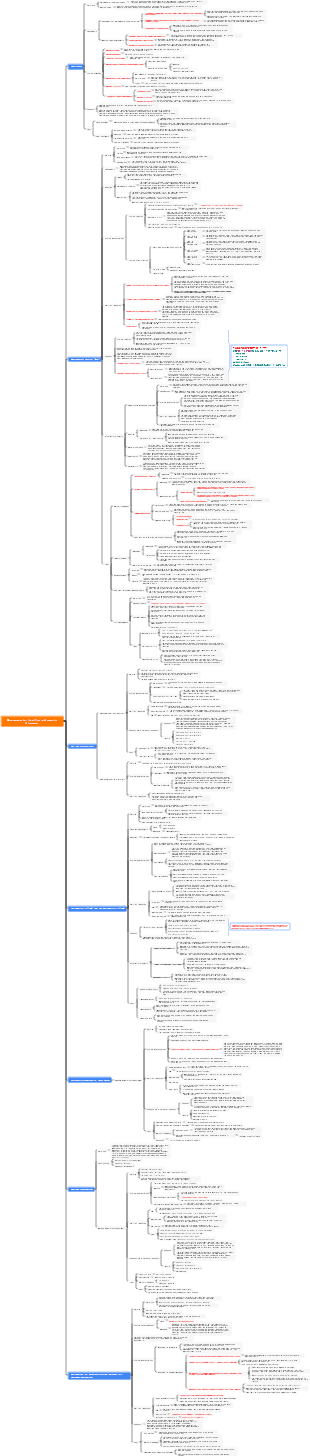
This is a mind map about the absorption of oral drugs 2 - factors that affect drug absorption, the main contents include: dosage form and preparation factors, drug factors, and physiological factors.
Edited at 2025-02-25 22:12:19This template shows the structure and function of the reproductive system in the form of a mind map. It introduces the various components of the internal and external genitals, and sorts out the knowledge clearly to help you become familiar with the key points of knowledge.
This is a mind map about the interpretation and summary of the relationship field e-book, Main content: Overview of the essence interpretation and overview of the relationship field e-book. "Relationship field" refers to the complex interpersonal network in which an individual influences others through specific behaviors and attitudes.
This is a mind map about accounting books and accounting records. The main contents include: the focus of this chapter, reflecting the business results process of the enterprise, the loan and credit accounting method, and the original book of the person.
This template shows the structure and function of the reproductive system in the form of a mind map. It introduces the various components of the internal and external genitals, and sorts out the knowledge clearly to help you become familiar with the key points of knowledge.
This is a mind map about the interpretation and summary of the relationship field e-book, Main content: Overview of the essence interpretation and overview of the relationship field e-book. "Relationship field" refers to the complex interpersonal network in which an individual influences others through specific behaviors and attitudes.
This is a mind map about accounting books and accounting records. The main contents include: the focus of this chapter, reflecting the business results process of the enterprise, the loan and credit accounting method, and the original book of the person.
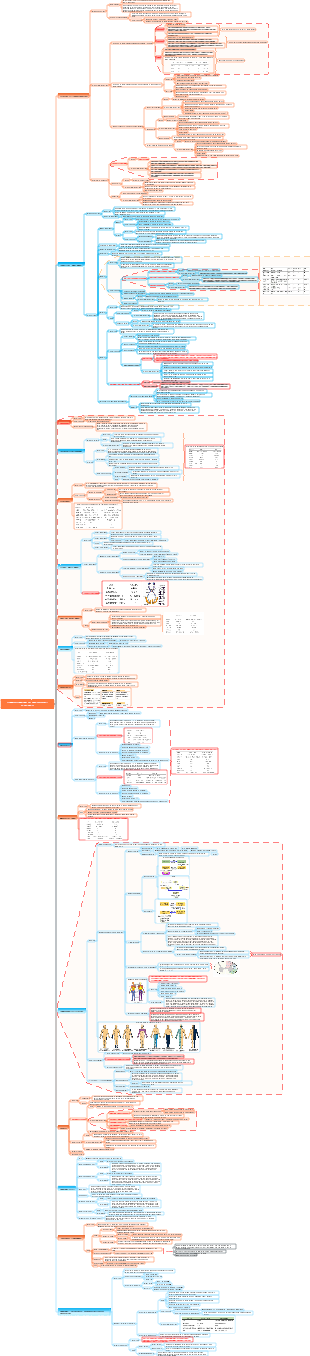
Oral drug absorption 2—Factors that affect drug absorption
Physiological factors
Digestive system factors
The components and properties of gastrointestinal fluid
The main component of gastric juice is gastric acid, with a pH of about 1 to 3. After gastric juice reaches the duodenum, it is neutralized by bicarbonate in the pancreatic juice, which increases the pH. The small intestine itself secretes weak alkaline liquid, with a pH of about 6 to 7. The intestinal fluid secreted by the mucus of large intestine makes the pH higher.
The pH environment with a higher small intestine is the best absorption site for weakly alkaline drugs.
Different pH environments in the digestive tract determine the dissociation state between weak acidic drugs and weak alkaline drugs. Molecular drugs are easier to absorb than ionic drugs.
Gastrointestinal fluid contains enzymes, bile salts, mucin and other substances, which have different effects on drug absorption. Mucus becomes a barrier to diffusion and absorption of drugs, especially high-fat drugs
Gastric emptying and gastric airway rate
Gastric emptying
The process of gastric contents being discharged from the stomach pylorus into the duodenum
Gastric airspeed
slow
The drug stays in the stomach for a long time, and the chance of contacting the gastric mucosa and area increase. The absorption of weak acidic drugs mainly absorbed in the stomach will increase.
quick
The time required to reach the small intestine is short. For drugs mainly absorbed by the small intestine, it promotes absorption and accelerates the time for producing drug effects.
Intestinal running
Inherent movement of the small intestine
Sectional exercise
Peristaltic motion
Movement of mucosa and villi
The inherent movement of the intestine can promote further disintegration of the solid preparation, allowing it to be fully mixed with the intestinal fluid to dissolve, increasing the contact between the drug and the surface of the absorbing mucosa, which is conducive to the absorption of the drug.
Some drugs can affect the speed of the intestines and interfere with the absorption of other drugs
Example
atropine, propylamine tylin (-)
Methoclopramide ( )
The impact of food
Delay or reduce the absorption of drugs
Change gastric airway rate
Consumption of intestinal moisture—disintegration and slow dissolution
Increase the viscosity of gastrointestinal contents - slow down the spread of drugs
Promote the absorption of drugs
Increases intragastric absorption of drugs and slows down intragastric absorption of drugs
Drugs with site-specific absorption can increase drug absorption
Increased blood flow to tissues and organs
Fat foods promote bile secretion - Cholelic acid increases the solubility of insoluble drugs
Gastrointestinal metabolic effects
Various digestive enzymes and enzymes produced by intestinal bacteria clusters exist in the digestive tract mucosa, which can cause metabolic reactions to become inactive before the drug is absorbed, and has a certain or even a great impact on the efficacy of the drug.
Circulatory system factors
Gastrointestinal blood flow rate
When the membrane permeability rate of a drug is less than the blood flow rate, membrane permeability is a rate-limiting step of absorption
When the membrane permeability rate of the drug is greater than the blood flow rate, blood flow is a speed limiting step for absorption
The blood flow decreases, and the ability of the absorption site to transport drugs is reduced. It cannot maintain a high concentration difference of drugs - that is, leakage state, and the absorption of drugs is extremely high.
Liver first pass effect (liver first pass metabolism)
definition
The phenomenon that the drug administered through the gastrointestinal tract is metabolized by the liver before it has been absorbed into the blood circulation, thereby reducing the amount of prototype drugs entering the blood circulation.
The greater the effect of liver first pass, the more the drug is metabolized, the lower the blood concentration of the prototype drug, and the significantly lower the efficacy of the drug.
Intestinal liver circulation
definition
Drugs that are discharged into the intestine through bile are reabsorbed in the intestine, and return to the liver through the portal vein.
mechanism
Among the drugs excreted through bile, after the bile metabolites of some drugs are discharged into the intestines through bile, the water will release a prototype drug with strong fat-soluble properties after the intestinal bacteria is ineffective. Reabsorbing to form
Example
Chloramphenicol
Digitoside
morphine
Diazepam
measure
Combined antibacterial drugs can inhibit intestinal bacteria and reduce the entero-hepatic circulation of certain drugs
Performance
Pharmacokinetics
Double peaks appear on the curve of medicine
Pharmacology
The effect of the drug is significantly prolonged
Gastrointestinal lymphatic system
Lymph system transport plays an important role in the absorption of macromolecular drugs
A layer of uninterrupted base membrane that is not easy to pass through capillaries
Drugs absorbed through the lymphatic system do not pass through the liver and have no liver first effect
Lymph fluid is directly injected from the intestinal lymphatic vessels and thoracic catheter into the left subclavian vein and into the whole body circulation
Lymph system transport has important clinical significance for the absorption of drugs that are susceptible to metabolism in the liver and the absorption and transport of some anti-cancer directed lymph system.
Disease factors
Drug Factors
Physical and chemical properties of drugs
Dissociation of drugs
For weak acid or weak alkaline drugs, due to the influence of gastrointestinal pH, the drug exists in two forms: undissociated and dissociated. The proportion of the two is determined by the dissociation constant PKa of the drug and the pH value of the absorption site.
Undissociated molecules with high lipid solubleness are prone to pass through the lipid-like membrane of epithelial cells, while the dissociated ionic type is not easy to pass and is difficult to absorb.
PH-Distribution Theory
The absorption of drugs depends on the proportion of undissociated drugs under the pH conditions of the absorption site and the oil/water partition coefficient.
Lipid solubility of drugs
Usually, the large oil/water partition coefficient of the drug indicates that the drug has good fat solubility and high absorption rate.
The oil/water partition coefficient is not simple in proportion to the absorption rate of drugs
The molecular weight of a drug is also related to absorption
The absorption of active transport drugs is not related to drug fat solubility
Dissolution rate of drug
Dissolution rate
Refers to the amount of drug dissolved per unit time under certain dissolution conditions
Oral preparations administered in solid state must be dissolved in gastrointestinal solutions before absorption. Insoluble drugs or drugs with very slow dissolution rates often become the rate limiting stage during the absorption process.
The stability of drugs in the intestine
Gastrointestinal secretion fluid, different pH, digestive enzymes, intestinal flora and intracellular metabolic enzymes, etc., can degrade or lose activity before absorption. Therefore, attention should be paid to the drug dosage form design and preparation prescription process design.
Penicillin is very easy to hydrolyze, so it is not suitable for oral use and is designed as a powder needle for injection.
Nitroglycerin is prone to hydrolysis and failure, so it should be designed as a sublingual drug administration preparation and a non-aqueous vehicle injection agent.
Omeprazole is unstable in water, so it should be designed as an enteric-coated preparation and a lyophilized agent for injection.
Insulin is easily inactive by gastrointestinal digestive enzymes to break the ring, and is not easily absorbed, so it is designed as an injection agent.
Dosage form and preparation factors
Dosage form
Prescriptions
Preparation process