 Wondershare EdrawMind
MindMap Gallery Neurology - Common Symptoms of Nervous System Disorders
- 157
Neurology - Common Symptoms of Nervous System Disorders
Mind map of university clinical medicine major - "Neurology" 03 Common symptoms of neurological diseases, produced according to the teaching PPT and corresponding textbook ("Neurology 8th Edition") during classroom study, with detailed content. It can be used for students in related majors to study and take exams, or for friends who are interested in medicine to understand and refer to. Due to different teaching syllabuses, some content in the textbook has not been produced. Friends who need it can leave a message in the comment area, and updates will be added later. Maps of other courses in the major can be viewed on the homepage after following it. Comments and corrections are welcome. Like, collect and follow to get more information and not get lost. update record: 2023.11.25-Publish works, paid clones
Edited at 2023-11-25 16:14:31
- bacteria
This is a mind map about bacteria, and its main contents include: overview, morphology, types, structure, reproduction, distribution, application, and expansion. The summary is comprehensive and meticulous, suitable as review materials.
- Plant asexual reproduction
This is a mind map about plant asexual reproduction, and its main contents include: concept, spore reproduction, vegetative reproduction, tissue culture, and buds. The summary is comprehensive and meticulous, suitable as review materials.
- Reproductive development of animals
This is a mind map about the reproductive development of animals, and its main contents include: insects, frogs, birds, sexual reproduction, and asexual reproduction. The summary is comprehensive and meticulous, suitable as review materials.
Neurology - Common Symptoms of Nervous System Disorders
- bacteria
This is a mind map about bacteria, and its main contents include: overview, morphology, types, structure, reproduction, distribution, application, and expansion. The summary is comprehensive and meticulous, suitable as review materials.
- Plant asexual reproduction
This is a mind map about plant asexual reproduction, and its main contents include: concept, spore reproduction, vegetative reproduction, tissue culture, and buds. The summary is comprehensive and meticulous, suitable as review materials.
- Reproductive development of animals
This is a mind map about the reproductive development of animals, and its main contents include: insects, frogs, birds, sexual reproduction, and asexual reproduction. The summary is comprehensive and meticulous, suitable as review materials.
- Recommended to you
- Outline
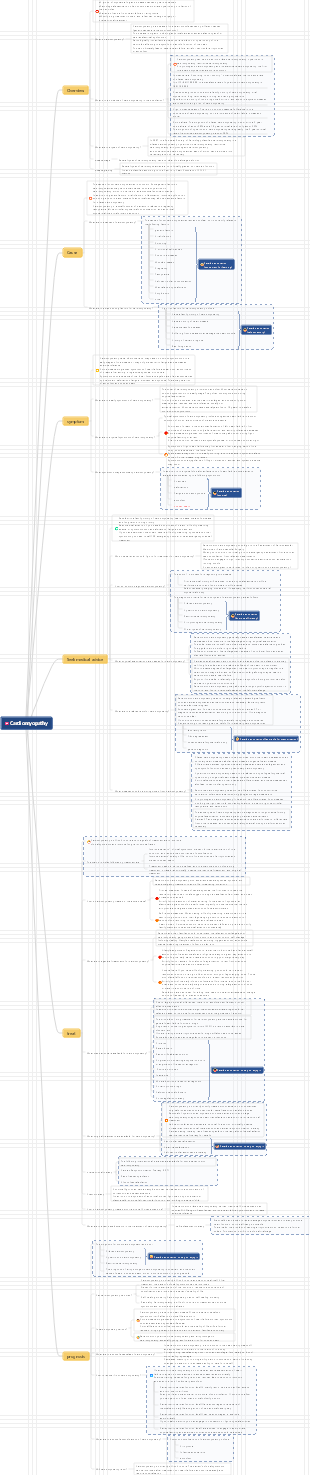
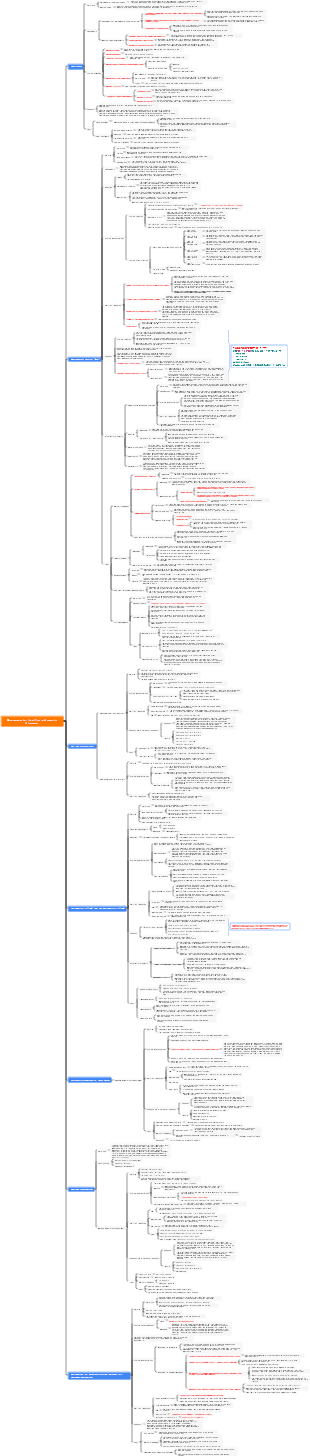
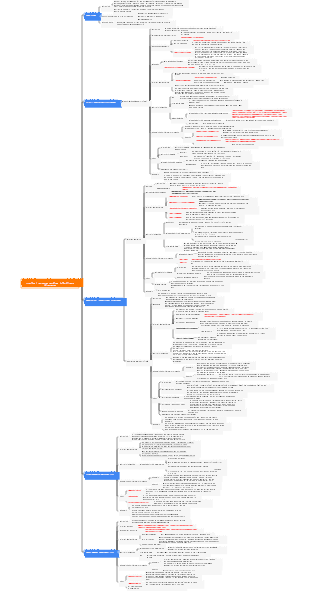
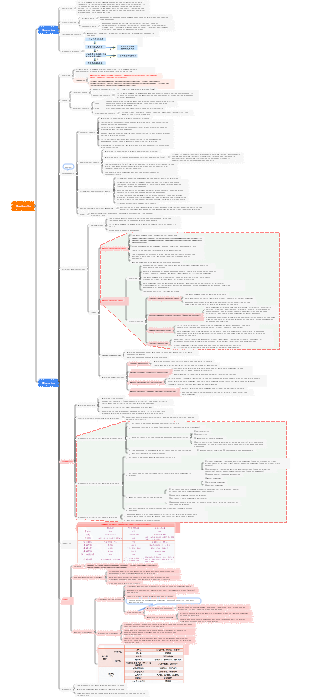
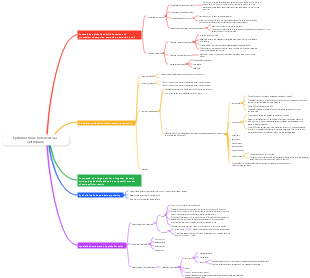

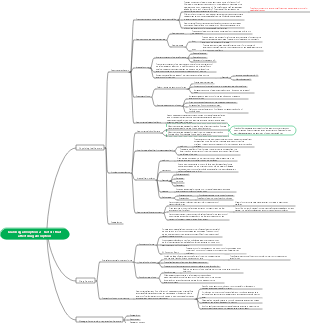

Common symptoms of neurological disorders
disorder of consciousness
Related definitions
consciousness
An individual’s ability to perceive the surrounding environment and one’s own status
The ascending reticular activating system of the brainstem receives collateral incomings of various sensory information, and releases excitement from the brainstem upward to the non-specific nuclei of the thalamus, and then diffusely projects to the cerebral cortex, keeping the entire cerebral cortex excited and maintaining Awakening state
disorder of consciousness
A serious brain dysfunction in which different parts of the arousal system are damaged and cannot correctly perceive the surrounding environment and one's own state.
Classification
Decreased arousal: drowsiness, lethargy, coma
Changes in the content of consciousness: confusion, delirium
clinical manifestations
Disorders of consciousness dominated by changes in arousal
Lethargy
Excessive sleep duration
Can be awakened by normal external stimulation. After awakening, he can reluctantly cooperate with inspections and answer simple questions.
The patient can continue to fall asleep after stopping stimulation
Early manifestations of disorder of consciousness
lethargy
The patient is in a deep sleep state
Cannot be awakened by normal external stimulation, and requires loud calling or other strong stimulation to awaken.
The ability to respond to language is retained after awakening, and the person can make vague, simple and incomplete responses, and falls asleep quickly after stopping stimulation.
A disorder of consciousness more severe than drowsiness
coma
Patient completely loses consciousness
Unable to awaken from various strong stimuli, unable to have purposeful autonomous activities, unable to open eyes spontaneously
Divided into three levels according to severity: light coma, moderate coma, deep coma
most severe disorder of consciousness
Disorders of consciousness characterized by changes in the content of consciousness
Confusion
Diminished concentration and indifferent emotional responses
Disorientation, decreased activity
Language lacks coherence
May respond to external stimuli <normal level
delirium
The patient's ability to understand and respond to the surrounding environment is reduced
Impaired cognitive function and slow thinking
Obvious delusions, hallucinations, nervousness, fear, excitement, and even impulsive and aggressive behavior
Obvious at night
Special types of disorders of consciousness
decortical syndrome
Lesion
Extensive damage to bilateral cerebral cortex
clinical manifestations
Loss of consciousness, but sleep and wake cycles persist
Opening and closing eyes or turning eyeballs unconsciously, eyeballs can move with objects
Brainstem reflexes and primitive reflexes exist
incontinence
High muscle tone in the limbs and bilateral Bartholin sign ( )
special posture
Flex and adduct both upper limbs, flex wrists and fingers, straighten both lower limbs, and flex feet.
Decerebrate
Lesion
midbrain level or upper pons
clinical manifestations
Loss of consciousness, but sleep and wake cycles persist
Opening and closing eyes or turning eyeballs unconsciously, but the eyeballs cannot move with objects
Fixed bilateral mydriasis
incontinence
High muscle tone in the limbs and positive Pap sign on both sides
special posture
Opisthotonus, both upper limbs straight and internally rotated, both lower limbs straight and flexed
Akinetic mutism (coma with eyes open)
Lesion
Reticular activating system of upper brainstem and thalamus
clinical manifestations
Loss of consciousness, but sleep and wake cycles persist
Able to pay attention to the surrounding environment and people, seemingly awake
No speech, no spontaneous activities
incontinence
Low muscle tone in the limbs and negative pathological signs
Differential diagnosis
locked-in syndrome
Lesion
ventral pons
clinical manifestations
Conscious (the ascending reticular activating system of the pontine tegmentum is not affected)
Inability to abduct the eyeballs, open the mouth, speak, swallow, and quadriplegia (bilateral corticospinal tracts and cortical brainstem tracts are involved)
Vertical movement of the eyeballs is normal (the midbrain is not affected)
The patient can only communicate with the surrounding environment through eyeball movements up and down and blinking.
lack of will
Lesion
Bilateral frontal lobes
clinical manifestations
Awake state, motor and sensory functions are present, memory function is acceptable
Lack of initiative, mute words and little movement, unresponsive to stimulation, no desire, severe apathy
Raw reflections may occur
Stupefied
Seen in patients with schizophrenia
clinical manifestations
Lack of response to external stimuli, silent or motionless, not eating or drinking
Accompanied by waxy buckling and defiance
Responds to emotions. When verbal stimulation touches the patient's painful area, tears and increased heart rate may be seen.
Cognitive impairment
Related definitions
cognition
The human brain receives external information, processes it, and transforms it into internal psychological activities, thereby acquiring knowledge or applying knowledge.
Including memory, calculation, understanding and judgment, visual space, execution, etc.
Cognitive impairment
Impairment of one or more of the above cognitive functions
clinical type
memory impairment
memory
definition
The process of storing and retrieving information in the brain
Classification
Instant memory: effective action time ≤ 2s
Short-term memory: effective action time ≤1min
Long-term memory: the effective effect can last for minutes, days, or even a lifetime
forget
definition
The materials and plots that have been recorded cannot be recognized and recalled, or the recognition and recall are wrong.
Classification
Anterograde amnesia
The events experienced within a period of time after the onset of the disease cannot be recalled. The memory of recent events is poor and new memories cannot be formed. Long-term memories are still preserved.
retrograde amnesia
Inability to recall events at a certain stage before the onset of the disease, loss of past information related to time gradients
visuospatial impairment
Functional impairment caused by the patient's inability to accurately judge the position of himself and objects
executive dysfunction
Inability to establish goals, formulate plans, revise plans, and implement plans to carry out purposeful activities
dyscalculia
Decreased numeracy ability and inability to make simple calculations correctly
Aphasia
definition
Speech communication dysfunction caused by lesions in the language functional area of the cerebral cortex when the consciousness is clear and there is no disorder in pronunciation and articulation.
It manifests as impairment or loss of the six basic aspects of spontaneous conversation, listening comprehension, retelling, naming, reading and writing.
Classification
perisylvian aphasia syndrome
Broca's aphasia (motor aphasia)
Lesion
Dominant side posterior inferior frontal gyrus
clinical manifestations
Expression disorder, can only speak one or two simple words
Wernicke's aphasia (sensory aphasia)
Lesion
Dominant posterior superior temporal gyrus
clinical manifestations
Severe listening and comprehension disorder, unable to understand other people's speech and one's own speech, the speech is confusing and fragmented, and difficult to be understood
conduction aphasia
Lesion
perisylvian arcuate fasciculus
clinical manifestations
There are a lot of wrong words in the speech. I can sense the mistakes myself, but I stutter when I want to correct them.
transcortical aphasia syndrome
Complete aphasia (mixed aphasia)
The patient has almost complete loss of all language functions
naming aphasia
Lesion
Dominant side posterior middle temporal gyrus
clinical manifestations
Unable to name, forget the name of an object but can describe its function
subcortical aphasia
apraxia
definition
When conscious, with normal language understanding and motor functions, the patient loses the ability to complete purposeful complex activities.
type
ideational apraxia
Lesion
Bilateral cerebral hemisphere involvement
clinical manifestations
The patient has lost the correct concept of complex and delicate movements, resulting in the patient being unable to decompose and combine a set of fine and complex movements in a logical order, making the order of each movement confusing and unable to complete the entire set of movements correctly.
ideomotor apraxia
Lesion
Dominant hemisphere parietal lobe (supramarginal gyrus)
clinical manifestations
In a natural state, the patient can complete relevant actions and verbally describe the process of the relevant actions, but cannot follow instructions to complete such actions.
agnosia
definition
The patient has no visual, auditory or somatosensory impairments and cannot recognize familiar things in the past when his consciousness is normal.
Classification
visual agnosia
Seen in occipital lobe lesions
Normal vision, but unable to correctly identify, describe and name previously familiar objects, but can recognize them through other sensory pathways
auditory agnosia
Found in the middle part of the bilateral superior temporal gyrus and its auditory connecting fibers
Hearing is normal but cannot distinguish previously familiar sounds
tactile agnosia
Seen in bilateral parietal angular and supramarginal gyrus lesions
No primary tactile and positional sense impairment, unable to identify previously familiar objects by touch after closing eyes
body image disorder
definition
The patient's basic perceptual function is normal, but he loses the ability to distinguish the existence, spatial position and relationship between parts of his own body.
Seen in non-dominant hemisphere parietal lobe lesions
clinical manifestations
Hemineglect: not caring about things on the opposite side of the lesion
Absence of consciousness: complete denial of contralateral hemiplegia
Finger agnosia: the inability to identify the fingers and names of one's own hands
Inability to recognize the self: denying the existence of the contralateral limb
Phantom limb phenomenon: Believing one’s own limbs do not exist or have multiple limbs
Gutzmann syndrome (Gerstmann syndrome)
Lesion
Caused by damage to the dominant angular gyrus
main performance
Inability to count (acalculia), finger agnosia, inability to distinguish between left and right (left-right agnosia), inability to write (agraphia), sometimes accompanied by alexia
mild cognitive impairment and dementia
Mild cognitive impairment (MCH)
An intermediate state between normal aging and dementia, a cognitive impairment syndrome
Can involve one or more of the cognitive domains (memory, calculation, understanding and judgment, visuospatial, language, execution)
The core symptom is cognitive decline
Daily life and social abilities are not significantly affected
dementia
Acquired and persistent cognitive impairment syndrome due to brain dysfunction
There must be impairment in two or more cognitive domains (memory, calculation, understanding and judgment, visuospatial, language, execution), and may also be accompanied by mental and behavioral abnormalities, resulting in a significant decline in the patient's daily or social abilities.
Headache
definition
Pain above the line connecting the lateral canthus, external auditory canal and external occipital tuberosity
Classification
Primary pain and secondary pain
Key points for consultation
Speed, location, scope, occurrence and duration of headache, nature of pain, degree of pain, accompanying symptoms, aggravating and alleviating factors, presence or absence of radiating pain, psychosocial status, family history, diagnosis and treatment history, etc.
Seizures and syncope
epileptic seizure
definition
Transient brain dysfunction due to abnormal discharge of cerebral cortical neurons
Cause
Brain trauma, encephalitis, meningitis, cerebrovascular disease, electrolyte imbalance, hepatic encephalopathy, hypertensive encephalopathy...
clinical manifestations
Disorders of consciousness, movement abnormalities, sensory abnormalities, mental abnormalities, autonomic nervous system dysfunction...
Fainting
definition
It is an episodic loss of consciousness accompanied by loss of postural tone due to reduced blood supply to the cerebral hemispheres and brainstem. Its essence is hypoperfusion of the brain and brainstem
Performance
Pre-syncope: fatigue, dizziness, profuse sweating, pale complexion, etc.
Syncope stage: loss of consciousness, drop in blood pressure, weakened pulse, etc.
Recovery period: symptoms such as fatigue and dizziness gradually ease and recover
Cause classification
reflex syncope
Vasovagal syncope, orthostatic hypotensive syncope, micturition syncope, carotid sinus syncope
cardiogenic syncope
Arrhythmia, myocardial infarction, cardiac tamponade, giant atrial myxoma
Cerebral syncope
Hypertensive encephalopathy, aortic arch syndrome, cerebral artery occlusion
other
Hyperventilation syndrome, severe anemia, hypoemia
Differentiation between epileptic seizures and syncope
dizziness
definition
It is a movement or positional illusion that causes the spatial relationship between a person and the surrounding environment to be distorted in the cerebral cortex, resulting in feelings of rotation, tilting, and ups and downs.
Classification
nature of dizziness
true vertigo
The illusion of oneself or the spatial location of the external environment
pseudovertigo
Only a general sense of motion sickness, no illusion of spatial position of oneself or the external environment.
anatomical parts
Systemic dizziness
Peripheral vertigo and central vertigo
nonsystemic dizziness
Also known as pseudovertigo, it is often caused by eye, cardiovascular and endocrine diseases
Identification of systemic vertigo (peripheral and central)
visual impairment
definition
visual impairment
Visual impairment or visual field defect caused by damage anywhere between the visual receptors and the occipital cortex center
visual impairment
Decreased vision or loss of the entire visual field in one or both eyes
Classification
Visual impairment in one eye, visual impairment in both eyes
vision
The entire space seen when the eyeballs look straight forward at a certain point
visual field defect
Visual impairment in one area of the field of vision but normal vision in other areas
visual impairment
Monocular visual impairment
sudden vision loss
Ocular or central retinal artery occlusion
Transient monocular visual impairment (maurosis fugax)
Progressive monocular visual impairment
Optic neuritis
Giant cell (temporal) arteritis
Optic nerve compression disease
Binocular vision impairment
Transient binocular vision impairment
Transient ischemic attack usually occurs in the bilateral occipital visual cortex
Acute onset, relief within minutes and hours
May be accompanied by visual field defects
progressive visual impairment
The onset is slow and the condition worsens progressively until vision is completely lost.
More common in primary optic atrophy, chronic papilledema caused by intracranial hypertension, poisoning or nutritional deficiency optic neuropathy
visual field defect
Hearing impairment
definition
Caused by damage to the auditory conduction pathway, manifested as deafness, tinnitus and hyperacusis
deaf
sensorineural deafness
Pathological changes in the organ of Corti, cochlear nerve and auditory pathway
Significant reduction or loss of hearing in high-pitched sounds. Air conduction is greater than bone conduction (positive Rinne test), but both are reduced, Weber test is biased towards the healthy side, accompanied by vestibular dysfunction
More common in labyrinthitis or acoustic neuroma
conductive hearing loss
Nystagmus
definition
The involuntary rhythmic reciprocating movement of the eyeballs that occurs when looking at a certain point
Classification
According to the direction of nystagmus
horizontality, verticality, rotation
Nystagmus motor rhythm
Pendulum-like, beating-like
According to the lesion site
Ophthalmogenic, vestibular (peripheral vestibular, central vestibular)
Differentiation of peripheral vestibular and central nystagmus
Dysarthria
definition
A general term for a type of speech disorder caused by central nervous, peripheral nerve or muscle diseases related to pronunciation.
Features
Difficulty forming spoken sounds
Performance
Difficulty in pronunciation, unclear pronunciation, or abnormal pronunciation, pitch, or speech speed. In severe cases, inability to pronounce words.
type
paralysis
definition
Reduction or loss of individual voluntary movement function
Classification
Neurogenic
upper motor neuron paralysis, lower motor neuron paralysis
neuromuscular junction
Myogenic
upper motor neuron paralysis
definition
Also known as spastic paralysis, it is caused by lesions of upper motor neurons, that is, neurons in the motor area of the precentral gyrus of the frontal lobe and their descending fibers (pyramidal tracts).
Distribution characteristics
Characteristics of paralysis
Weakened muscle strength
Increased muscle tone (jackknife-like)
Active or hyperactive tendon reflexes
Shallow reflexes decrease or disappear
Muscle atrophy (-)
pathological reflex ( )
Electromyography: normal nerve conduction velocity, no denervation
lower motor neuron paralysis
definition
Also known as flaccid paralysis, it is caused by damage to the motor neurons in the anterior horn of the spinal cord and their axons to the anterior roots, plexuses and peripheral nerves. Damage to the brainstem motor nuclei and the cranial nerve motor fibers composed of their axons can also cause flaccid paralysis.
Distribution characteristics
Characteristics of paralysis
Hypotension
decreased muscle tone
Tendon reflexes weaken or disappear
Shallow reflexes decrease or disappear
Muscle atrophy
Pathological reflex (-)
Electromyography: Abnormal nerve conduction velocity, denervation
Differentiation of upper and lower motor neuron paralysis
Muscle atrophy
definition
Reduced skeletal muscle size and thinning or even disappearance of muscle fibers due to muscular dystrophy
type
Neurogenic muscular atrophy: caused by lower motor neuron disease
Myogenic atrophy: caused by muscle disease
Disuse amyotrophy (disuse amyotrophy): caused by upper motor neuron disease
Differentiation of neurogenic and myogenic muscular atrophy
somatosensory disorder
Overview
somatic sensation
The reflection of various stimuli acting on somatic receptors in the human brain
anatomy and physiological functions
general feeling
shallow feeling
Pain, temperature, touch, etc.
skin, mucous membrane
Feel deeply
Movement sense, position sense, vibration sense
Muscles, tendons, periosteum, joints
compound sensation
Sense of entity, sense of figure, sense of two-point discrimination, sense of positioning, sense of weight
cortex
conduction pathway
shallow feeling
Pain and temperature sensation
touch
Feel deeply
Trigeminal nerve
trigeminal sensory innervation
Peripheral processes of the trigeminal nerve: ophthalmic nerve, maxillary nerve, mandibular nerve
central process of trigeminal nerve
Deep sensory → midbrain nucleus
touch → sensory core
Pain and temperature sensation → spinal tract nucleus
The trigeminal spinal tract nucleus is the longest cranial nerve nucleus. It runs from the pons to the posterior horn of the second cervical spinal cord. The pain and temperature sensing fibers from the central facial area (perioral area) end at the upper part of the spinal tract nucleus and come from the peripheral facial area (ear Peripheral) fibers end at the lower part of the nucleus of the spinal tract
Characteristics of trigeminal nerve damage
Peripheral branch damage: distributed according to ophthalmic branch, maxillary branch, and mandibular branch
Spinal tract nuclear damage
When the upper part is damaged, pain and temperature disturbance around the mouth and nose may occur.
When the lower part is damaged, there will be pain and temperature disturbance in the facial periphery and auricle area.
Onion-skin sensory disorder distribution
Intramedullary sensory tract arrangement
Spinothalamic tract from outside to inside: sacrum, waist, chest, neck (S, L, T, C)
Thin and cuneate bundles from outside to inside: neck, chest, waist, sacrum (C, T, L, S)
segmental sensory dominance
The afferent fibers to the posterior roots of each spinal nerve originate from a certain area of skin called a dermatome. There are 31 dermatomes in total
position
Sternal level: Thoracic 2
Nipple plane: Chest 4
Xiphoid process plane: chest 6
Lower edge of costal arch: chest 8
Navel plane: chest 10
Groin: Chest 12
Three Roots Law
The vast majority of dermatomes are overlappingly innervated by 2-3 posterior nerve roots. When a single posterior nerve root is damaged, the sensory impairment is not obvious. Only when two or more posterior roots are damaged will sensory impairment appear in the distribution area. Therefore, the upper limit of spinal cord injury is 1-2 segments higher than the level of sensory impairment on physical examination.
peripheral sensory dominance
Several adjacent anterior branches of spinal nerves form nerve plexuses in the neck and lumbosacral region, such as the cervical, lumbar, and sacral plexuses.
Through the reorganization and distribution of nerve fibers, multiple peripheral nerves are issued from the nerve plexus. Each peripheral nerve contains multiple stages of spinal nerve fibers. Therefore, the distribution of peripheral nerves on the body surface is different from the segmental distribution of the spinal cord.
Different types of sensory disorders
inhibitory symptoms
total sensory loss
Loss of various sensations in one area
dissociative sensory disorder
When conscious, a certain sensory disorder occurs in a certain part while other sensations in that part are preserved
Anatomical basis: The conduction pathways of deep sensation and fine touch in the spinal cord are transmitted through the posterior cord, while pain and temperature sensation are transmitted through the lateral cord.
cortical sensory loss
The patient's sense of depth and depth is normal, and he cannot distinguish the location of stimulation, shape, weight of objects, etc. without visual involvement.
Irritating or irritating symptoms
hyperesthesia
Mild irritation can cause very strong or even unbearable sensations
feeling excessive
Only after stimulation of a certain intensity continues for a period of time can the patient feel a strong, unclearly located unpleasant feeling. The unpleasant feeling tends to spread, and the unpleasant feeling will still exist for a certain period of time after the stimulation stops.
Features
Long latency, high excitement threshold, unpleasant feeling, diffusivity, delay
Feeling wrong
A false sense of stimulation
feeling abnormal
In the absence of external stimulation, the patient feels numbness, itching, etc., but there is no sensory impairment on objective examination
Ataxia
Overview
Freemasonry
The coordination and balance of movements are completed with the participation of the vestibule, spinal cord, cerebellum and extrapyramidal system.
Ataxia
Clumsiness and incoordination caused by cerebellar, proprioceptive, and vestibular dysfunction
cerebellar ataxia
Cause
Damage to the cerebellum and its connecting fibers
clinical manifestations
Abnormal posture and gait
Vermical lesions: head and trunk ataxia
Upper vermis lesions tend to tip forward
Lower vermis lesions tend to tip backwards
Lesions of the cerebellar hemisphere: ataxia of the ipsilateral limbs, leaning towards the affected side when walking
voluntary movement coordination disorder
Dysmetria, intention tremor, fine motor coordination disorder
language disability
Slow speech, unclear articulation, intermittent, frustrated, and explosive voice (muscle ataxia of vocal organs)
eye movement disorder
Coarse nystagmus of both eyes (extraocular muscle ataxia)
hypotonia
Tendon reflexes weaken or disappear, pendulum-like tendon reflexes
More common in cerebellar infarction, hemorrhage, tumors, etc.
sensory ataxia
Cause
Deep sensory transmission pathways: spinal nerve heel, posterior cord, thalamus, cerebral cortex and parietal lobe damage
clinical manifestations
Unsteady standing and unable to control the distance of steps
I don’t know the depth of my feet, and I feel like I’m stepping on cotton.
Symptoms are mild when the eyes are open and worsen when the eyes are closed
Common in subacute combined degeneration
cerebral ataxia
vestibular ataxia
Abnormal gait
gait
Movement forms and postures of walking and standing
spastic hemiplegic gait
Cause
Unilateral corticospinal tract damage
Performance
The upper limb of the affected side is flexed, adducted, and pronated without being able to swing naturally. The lower limb is straightened and externally rotated. When taking a step, the pelvis of the affected side is raised higher, or the leg is externally rotated to make a half-circle around the world movement, and the foot scrapes the ground.
spastic paraplegic gait
Cause
Bilateral corticospinal tract damage
Performance
When standing, the lower limbs are straight, the thighs are close together, the calves are slightly apart, and the feet are drooping with internal rotation. When walking, the two thighs are adducted, the knee joints are almost close to each other, the front half of the foot and the bottom of the metatarsal touch the ground, walk on tiptoes, cross forward, like scissors
panic gait
The body bends forward, the head reaches forward, and the elbow, wrist, and knee joints flex. It is difficult to start walking. The walking is slow at the beginning, and then gradually speeds up, moving forward in small steps, with little swing of the upper limbs, difficulty in stopping, and easy to fall.
rocking gait
A gait in which the trunk, especially the hips, alternately swings left and right while walking.
threshold crossing gait
Cause
Tibialis anterior muscle group disease or common peroneal nerve damage
Performance
Toe drop, the foot cannot dorsiflexion. When walking, in order to avoid the toe dragging phenomenon caused by the above factors, step forward and raise the leg too high, and the foot is suspended. When landing, the toe always touches the ground first, such as crossing a threshold. Sample
Sensory ataxic gait
Cause
Impaired joint position sense or muscle movement sense
Performance
The limbs are unstable and swaying, and the posture is buckled when walking. Carefully check the ground and legs to find footholds and peripheral support.
Cerebellar gait (drunkard's gait)
When walking, the legs are spread apart and the step base is wide. When standing, the patient leans to one side, and the gait is unstable and deviates to one side.
involuntary movement
definition
When the patient is conscious, he or she has purposeless and abnormal movements that are not subject to subjective control.
type
tremor
resting tremor
Tremor that occurs at rest and with relaxed muscles
Symptoms appear when you are quiet, decrease when you are active, and disappear when you sleep.
essential tremor
postural tremor
Occurs when the limbs and trunk are actively held in a certain posture
action tremor
It occurs during physical activity and is divided into two types. One kind moves at will, without a goal; the other kind has a goal.
intention tremor
A tremor that occurs during movement when a limb is purposefully approaching a target. The closer to the target, the more obvious the tremor will be
dance-like movements
Irregular, irregular and purposeless involuntary movements of the limbs
off body throwing motion
Violent throwing-like involuntary movement of one limb
relation
The performance of hemithrow is more violent and faster, and the proximal end is mainly affected; the dance is mainly distal involvement, and the speed is not as violent as hemithrow.
Only 8% to 10% of patients with hemithresia have simple hematoplasty, and 90% of patients are accompanied by dance.
Hemiplegia can turn into dance
athetosis
The distal migratory muscle tone of the upper limbs increases or decreases, and the wrists and fingers perform slow alternating extension and flexion movements.
reverse spasm
Involuntary twisting movements of the trunk and limbs
tics
A rapid contraction of a single or multiple muscles
Abnormal intracranial pressure and brain herniation
definition
Intracranial pressure: the pressure exerted by the contents of Luqiang on the inner wall of the cranial cavity
cranial cavity contents
Brain tissue 80%
Cerebrospinal fluid 10%
blood 10%
intracranial pressure
normal value
Adult: 80-180㎜H₂O
Children: 40-100㎜H₂O
Outliers
Increased intracranial pressure: >200㎜H₂O
Reduced intracranial pressure: <60㎜H₂O
abnormal intracranial pressure
intracranial hypertension
Cause
Increased brain tissue volume: vasogenic cerebral edema, cytotoxic cerebral edema caused by various causes
Intracranial space-occupying lesions: hematoma, tumor, abscess, granuloma, etc.
Increased intracranial blood volume: intracranial venous system thrombosis
Increased cerebrospinal fluid: hydrocephalus
Small cranial cavity: stenosis
Classification
diffuse intracranial hypertension
Meningoencephalitis, hydrocephalus, subarachnoid hemorrhage
localized intracranial hypertension
Large-area cerebral infarction, cerebral hemorrhage, space-occupying lesions
clinical manifestations
intracranial hypotension
The main clinical manifestation is postural change headache: headache is aggravated when standing and relieved when lying down.
Cerebral herniation
definition
Part of the brain tissue is displaced due to intracranial pressure difference. When the displacement exceeds a certain anatomical limit, it is called
type
hiatal hernia
sulcal hernia
The medial hippocampal gyrus and sulcal gyrus of the temporal lobe herniates into the tentorial hiatus
central hernia
Inferior displacement of supratentorial contents through the tentorial hiatus
foramen magnum hernia
The cerebellar tonsils and nearby cerebellar tissue are displaced downward and herniated into the upper end of the cervical spinal canal through the foramen magnum.
central theme
theme
theme
theme
theme
theme
Chapter 3 Common Symptoms of Nervous System Diseases Overview Common symptoms of neurological diseases include disorders of consciousness, cognitive impairment, movement disorders, sensory disorders, and balance disorders. In Chapter 2, the anatomy and physiology of the nervous system is introduced in detail, and the clinical symptoms caused by structural damage are also discussed. The description provides a theoretical basis for grasping the relationship between structural damage and clinical symptoms. Information provided by patients visiting a neurology practice It is often symptoms, which requires clinicians to locate and characterize symptoms based on symptoms, combined with medical history and physical examination, to guide diagnosis and treatment. treat. Therefore, medical students should be trained to have the ability to independently analyze the complex clinical symptoms of neurology, eliminate the false while retaining the true, and focus on the main points and omit the faults. Strengthen and establish good clinical scientific thinking. This chapter mainly starts from the common symptoms of neurology and follows the analysis line from symptoms to diseases. The description is in line with clinical practice and improves medical students’ diagnostic ability of neurological diseases. Section 1 Disorder of consciousness Consciousness refers to an individual's ability to perceive the surrounding environment and one's own state. Consciousness disorders can be divided into decreased arousal and changes in the content of consciousness Both aspects. The former manifests as drowsiness, sleepiness, and intoxication; the latter manifests as confusion and delirium. The maintenance of consciousness depends on the cerebral cortex excited. The ascending reticular activating system of the brainstem receives collateral afferents of various sensory information and sends them Release excitement is uploaded from the brainstem to the non-specific nuclei of the thalamus, and then diffusely projected to the cerebral cortex, keeping the entire cerebral cortex excited. Excite and maintain a state of awakening. Therefore, damage to the ascending reticular activating system or bilateral cerebral cortex can lead to disturbance of consciousness. 1. Consciousness disorders mainly caused by changes in arousal (1) Drowsiness Somnolence is an early manifestation of disturbance of consciousness. The patient's sleep time is excessively prolonged, but he can be woken up. After waking up, he can He barely cooperated with the examination and answered simple questions. After the stimulation was stopped, the patient continued to sleep. (2) Lethargy Somnolence (sop or) is a more serious disorder of consciousness than somnolence. The patient is in a deep sleep state and cannot be awakened by normal external stimulation. Wake up, need to be awakened by loud calling or other strong stimulation, the ability to respond to speech has not been completely lost, and can make vague, simple and unresponsive speech. Complete response, the person falls asleep quickly after stopping the stimulation. (3) Coma Coma is the most serious disorder of consciousness. The patient has completely lost consciousness and cannot awaken from various strong stimuli. Purpose of autonomous activities, can not spontaneously delay the eye. Coma can be divided into three levels according to severity: 1. Shallow coma, complete loss of consciousness, and still few unconscious spontaneous movements. No response to surrounding objects or stimuli such as sound and light. In response to strong stimuli such as painful stimuli, there may be avoidance movements and painful expressions, but they cannot awaken. Swallowing reflex, cough reflex, corneal reflex and The pupillary light reflex remains. No significant changes in vital signs 2. Moderate coma does not respond to normal external stimuli and has few spontaneous movements. Defense reflex to strong stimulation, corneal reflex and pupil The light reflection of the hole is weakened, and the urine and feces are retained or incontinent. Vital signs have changed at this time. 3. Deep coma, unresponsive to any external stimulation, muscles all over the body are relaxed, and there is no voluntary movement. Eyeballs fixed, pupils dilated Various reflexes disappear, and there is frequent incontinence of urine and feces. Vital signs have changed significantly, breathing is irregular, and blood pressure may have dropped. 62
63 Chapter 3 Common Symptoms of Nervous System Diseases When all functions of the brain and brainstem are lost, it is called brain death. The determination criteria are: the patient has no response to any external stimulation and no spontaneous Main movement, but spinal reflexes may exist: brainstem reflexes (including light reflex, corneal reflex, head-eye reflex, vestibulo-ocular reflex, cough reflex ejaculation) completely disappeared, mydriasis was fixed; spontaneous breathing stopped, requiring artificial ventilator to maintain ventilation: EEG showed that brain electrical activity disappeared, showing A straight line; transfacial Doppler ultrasound indicates no cerebral blood perfusion: somatosensory evoked potential indicates loss of brainstem function; when the above situation persists At least 12 hours, various rescue efforts are ineffective; acute drug poisoning, hypothermia, endocrine and metabolic diseases, etc. need to be excluded. 2. A disorder of consciousness that mainly involves changes in the content of consciousness? (1) Confusion Confusion manifests as decreased attention, indifference of emotional responses, disorientation, reduced activity, and lack of coherent language Sexually, it can respond to external stimulation, but it is lower than normal. (2) Spectral delusion Delirium is an acute high-level brain dysfunction in which the patient's awareness and ability to respond to the surrounding environment are reduced. Present symptoms include impaired cognition, attention, orientation, and memory functions, slow thinking and reasoning, language dysfunction, delusions, hallucinations, and disordered sleep-wake cycles. etc., which may manifest as nervousness, fear, excitement, and even impulsive and aggressive behavior. The condition often fluctuates, worsening at night and decreasing during the day. Mild, often lasting several hours or days. Common neurological diseases that cause spectrum delirium include encephalitis, cerebrovascular disease, brain trauma, and metabolic encephalopathy. Other systemic diseases can also cause spectrum disorders, such as acid-base balance, water and electrolyte imbalance, nutrient deficiency, high fever, poisoning, etc. Frequently See Table 3-1 for the causes. Table 3-1 Common causes of spectrum delirium Classification sick because Intrafacial lesions Meningitis, encephalitis, brain trauma, subarachnoid hemorrhage, epilepsy, etc. After overdose or withdrawal Antihypertensive drugs, cimetidine, insulin, anticholinergic drugs, antiepileptic drugs, antiparkinsonian drugs, opiates steroids, salicylates, steroids, etc. chemical poisoning Carbon oxide, heavy metals and other industrial poisons other Hepatic encephalopathy, pulmonary encephalopathy, hypoxemia, uremic encephalopathy, heart failure, arrhythmia, hypertensive encephalopathy, associated 3. Special types of consciousness disorders (1) Decortical syndrome Decortic syndrome (deco rtica ted syndrome, a pall ic syndrome) is mostly caused by extensive damage to the bilateral cerebral cortex. Cortical function is reduced or lost, but subcortical function is still preserved. The patient shows loss of consciousness, but sleep and wake cycles exist and can be unconscious The patient can open and close his eyes or move his eyes, but his eyes cannot move with light or objects. He appears to be awake but does not respond to external stimuli. light reflection, angle Membrane reflexes and even chewing movements, swallowing, and defensive reflexes are present. There may be primitive reflexes such as suction and strong grip, but no spontaneous movements. incontinence ban. The muscle tone of the limbs was increased, and the bilateral pyramidal tract signs were positive. The body posture is flexion and adduction of the upper limbs, flexion of the wrists and fingers, extension of both lower limbs, and feet. Buckling, sometimes called de corticate rigidity. This syndrome is common in hypoxic encephalopathy, encephalitis, poisoning and severe encephalitis. Trauma etc. (2) Decerebral ankylosis Decerebral rigidity (de cerebra te rigidity) is a condition associated with special posture that occurs when the lesion is located at the level of the midbrain or the upper pons. Disorders of consciousness. It manifests as opisthotonus, trismus, extension and internal rotation of both upper limbs, extension and talar flexion of both lower limbs, positive pathological signs, and often bilateral pupils. The holes are loose and fixed. As the degree of damage increases, the patient may experience a deepening of consciousness disorder, which is more characteristic than the decortical state. Risk, its special posture, breathing rhythm, and pupil changes have become the key to clinical identification of the two. (3) Akinetic mutism Akinetic muti sm, also known as coma vigil, is caused by the reticular activating system in the upper part of the brain and thalamus.
64 Chapter 3 Common Symptoms of Nervous System Diseases Caused by damage, there are no lesions in the cerebral hemispheres and their efferent pathways. The patient can look at the surrounding environment and people and appears to be awake, but cannot move or Speech becomes incontinent. Muscle tone was reduced and there were no pyramidal tract signs. Strong stimulation cannot change its state of consciousness, and there is a wake-sleep cycle. Book Symptoms commonly occur in brainstem infarction. (4) Plant status Vegetative state refers to a state in which the cerebral hemispheres are severely damaged but brain functions are relatively preserved. patients to themselves All cognitive functions related to the outside world are lost, and they are unable to respond to calls and cannot communicate with the outside world. They have spontaneous or reflexive delayed vision and may occasionally find visual tracking. There may be meaningless crying and laughing, there are primitive reflexes such as sucking, chewing and swallowing, there is a wake-sleep cycle, and there is incontinence of urine and feces. persistent vegetative state (persistent vegetative state) means the vegetative state lasts for more than 12 months after brain trauma, and lasts for more than 3 months due to other reasons 4. Differential diagnosis of disorders of consciousness The following syndromes are easily misdiagnosed as disorders of consciousness and should be differentiated clinically (1) Locked-in syndrome Locked-in syndrome, also known as deefferent state, has lesions located at the base of the pons, bilateral corticospinal tracts and cortex. All brainstem tracts are affected. The patient is conscious and in a state of amotility due to almost complete damage to the motor efferent pathway, and the eyes cannot turn to both sides. He cannot move, open his mouth, his limbs are paralyzed, and he cannot speak. He can only communicate with his surroundings by blinking his eyes and vertical eye movement. This syndrome may be caused by Caused by cerebrovascular disease, infection, tumor, demyelinating disease, etc. (2) Lack of will Patients with lack of will (abu lia) are in an awake state, their motor and sensory functions are present, and their memory functions are good, but they are unable to move due to lack of motivation. He speaks less and moves less, has no response to stimulation, has no desire, and is in a state of severe apathy. There may be frontal lobe release reflexes, such as palmofrontal reflex, late-inhalation reflex, etc. This disease Mostly caused by bilateral frontal lobe lesions (3) Stupor Stupor is characterized by silence, not eating or drinking, lack of response to external stimuli, and even retention of urine and urine, often accompanied by waxing. With similar flexion and paralysis syndrome, emotional reactions such as tears and increased heart rate may occur when the painful area is touched by verbal stimulation. After relief, many people can clearly recall the onset of the disease. Procedure. Catatonic stupor seen in schizophrenia, depressive stupor in severe depression, reactive stupor in reactive mental disorder, etc. 5. Etiological diagnosis of disorders of consciousness accompanied by different symptoms and signs Disorders of consciousness can be caused by different causes, and clinical issues should be analyzed in detail, especially when accompanied by different symptoms or signs. There are great hints for the diagnosis of the cause, see Table 3-2 for details. Table 3-2 Common causes of disorders of consciousness accompanied by different symptoms and signs Accompanying symptoms or signs possible causes Headache Encephalitis, meningitis, subarachnoid hemorrhage, brain trauma papilledema Hypertensive encephalopathy, intrafacial space-occupying lesions Cerebral herniation, brain trauma, alcohol intoxication, or anticholinergic and sympathomimetic drug intoxication dilated pupils Skin tone Alcohol or sedative overdose, sympathomimetic drug poisoning hemiplegia Cerebral infarction, cerebral hemorrhage, brain trauma meningeal irritation Meningitis, encephalitis, subarachnoid hemorrhage Myotonia Hypocalcemia, tetanus, diffuse encephalopathy disease attack Encephalitis, cerebral hemorrhage, brain trauma, intrafacial space-occupying lesions, hypoglycemia fever Encephalitis, meningitis, sepsis hypothermia Hypoglycemia, hepatic encephalopathy, hypothyroidism High blood pressure Cerebral infarction, cerebral hemorrhage, subarachnoid hemorrhage, hypertensive encephalopathy bradycardia Hypothyroidism, heart disease
65 Chapter 3 Common Symptoms of Nervous System Diseases Section 2 Cognitive Impairment Cognition refers to the human brain receiving external information, processing it, and converting it into internal psychological activities, thereby acquiring knowledge or applying knowledge the process of. It includes aspects such as memory, language, visuospatial, execution, calculation and comprehension judgment. Cognitive impairment refers to several cognitive functions mentioned above One or more of the above cognitive domains are impaired. When 2 or more of the above cognitive domains are affected and affect the individual's daily or social abilities, the test can be considered. Considered dementia. 1. Memory disorders Memory is the process of storing and retrieving information in the brain. It is generally divided into three categories: instant memory, short-term memory and long-term memory. instant memory It is the brain's instant image of things, and the effective time is no more than 2 seconds. The recorded information does not constitute a real memory. instant record Most of the recalled information fades quickly, and only a small part of the information that has been noticed and reviewed is transferred to short-term memory, and the short-term memory time is also very short. Short, no more than 1 minute, such as a phone number. Information in short-term memory is repeatedly learned, systematized, and stored in the brain for long-term development. Temporal memory can last for minutes, days, or even a lifetime. Clinically, types of memory disorders are mostly classified based on long-term memory, including legacy Forgetting, memory loss, memory errors and memory enhancement and other different manifestations. (1) Forgetting Forgetting (amnesia) is the inability to recognize and recall the materials and plots that have been remembered, or it is manifested as wrong recognition or recall. according to The specific manifestations of forgetting can be divided into anterograde amnesia, retrograde amnesia, progressive amnesia, systematic component amnesia, selective amnesia and temporary amnesia. There are many types of forgetting, among which the first two are the most important. 1. Anterograde amnesia refers to the inability to recall events experienced within a period of time after the onset of the disease. The memory of recent events is poor and cannot Retains recently acquired information while long-term memory is preserved. Commonly seen in the early stages of Alzheimer's disease, epilepsy, bilateral hippocampal infarction, and diencephalic syndrome Syndrome, severe facial and brain trauma, etc. 2. Retrograde amnesia refers to the inability to recall events at a certain stage before the onset of the disease, and the loss of past information related to time gradients. lose. Commonly seen in sequelae of concussion, hypoxia, poisoning, middle and late stages of Alzheimer's disease, and after epilepsy attacks, etc. (2) Memory loss Memory impairment refers to a general decrease in memory, retention, recognition, and recall. In the early stage, recall is often weakened, especially for dates, years, and specific items. Difficulty in recalling nouns, terminology, concepts, etc., which later manifests as a decrease in both recent and long-term memory. Clinically common in Alzheimer disease, vascular dementia, metabolic encephalopathy, etc. (3) Memory errors 1. Memory worries, including deja vu, old things appearing new, and recurring memory errors, are related to the process of memory loss. Commonly seen on title leaves Epilepsy, poisoning, neurosis, schizophrenia, etc. 2. Hamartia refers to errors in the temporal order of the patient's memory, such as the patient attributing events experienced in the past to another unrelated person. Period, but the patient is not aware of it and firmly believes that what he said is completely correct. Commonly seen in menopausal syndrome, mental retardation, ethanol Toxic psychosis and cerebral arteriosclerosis, etc. 3. Fiction refers to the patient's recall of events or experiences that never actually happened in the past as real, and the patient cannot correct the error by himself. It is common in Korsakoff syndrome, which can be caused by brain trauma, ethanol poisoning, infectious encephalopathy, etc. (4) Memory enhancement Memory enhancement refers to an abnormal increase in memory for remote events. The patient shows recollection of a time that happened long ago and seems to have been forgotten And experience, at this time can be recalled again, even some meaningless things or subtle plots can be recalled in detail. More common in Mania, delusions, or stimulant overdose 2. Visual spatial impairment Visuospatial disorder refers to the functional impairment caused by the patient's inability to accurately judge the position of himself and objects, which is manifested by the patient's inability to accurately judge the position of himself and objects.
Common symptoms of neurological disorders third chapter 66 I couldn't find a parking space, I got lost because I misjudged the direction when I went home, I couldn't use the tablecloth because I couldn't correctly judge the position of the tablecloth and table corners. The tablecloth was aligned with the table and the pot couldn't be placed accurately on the stove and dropped to the floor. The patient cannot accurately view the three-dimensional view of the tomb. In severe cases, Even a simple floor plan cannot be drawn. In life, you may have difficulty dressing, unable to judge the top, bottom, left and right of clothes, and difficulty in wearing clothes and pants. Wait instead. 3. Executive dysfunction Executive function refers to the ability to establish goals, formulate and revise plans, and implement plans to carry out purposeful activities. It is a comprehensive operation The ability to use knowledge and information. Executive dysfunction is associated with impairment of frontal-subcortical circuits. When executive dysfunction occurs, patients are unable to make plans or carry out invasive activities. New work cannot adjust itself according to rules, and cannot make overall arrangements for multiple things. Inspection cannot be completed as required more complex tasks. Executive dysfunction is common in vascular dementia, Alzheimer's disease, Parkinson's disease dementia, progressive supranuclear palsy, Dementia with Lewy bodies and dementia with frontal lobe, etc. 4. Calculus Impairment Numeracy ability depends on the patient's own intelligence, innate sense of numbers and mathematical abilities, and education level. Computing power Impairment refers to a decrease in calculation ability, and simple calculations that were previously possible cannot be made correctly. For example, "Cucumbers cost 8 cents per catty. How many catties can you buy for 3 yuan and 2 cents?" Such questions are difficult for patients to answer, or they require long calculations and repeated corrections. In daily life, patients go shopping I don’t know how much I should pay and how much I should get back. As the disease progresses, the patient cannot even perform very simple tasks such as 2 3, 1 2, etc. Calculation, unable to calculate formulas correctly, and even do not recognize numbers and arithmetic symbols. Dyscalculia is damage to the parietal lobe of the dominant hemisphere, especially the angular gyrus. Performance. 5. Aphasia Aphasia refers to the loss of speech in the language functional area of the cerebral cortex when the mind is clear, the consciousness is normal, and there are no obstacles to pronunciation and articulation. Speech communication impairment caused by lesions is manifested in six basic aspects: spontaneous conversation, listening comprehension, repetition, naming, reading and writing. Incompleteness or loss, such as patients with normal articulation but impaired expression, normal motor function but impaired writing, normal vision but impaired reading, and hearing impairment. Normal but speech understanding disorder, etc. Damage to different language functional areas of the brain can have different clinical manifestations. There is no current classification of aphasia. There is no complete consensus, and the most common classification method at home and abroad is an anatomy-clinical basis. Due to the particularity of Chinese, our country Scholars have developed a classification of Chinese aphasia. The following is a brief introduction to the main types of aphasia: (1) Perisylvian aphasia syndrome Perisylvian aphasia syndrome includes Broca's aphasia, Wernicke's aphasia and conduction aphasia. The lesions are located around the Sylvian fissure. Characterized by retelling disorder 1. Broca's aphasia, also known as expressive aphasia or motor aphasia, is caused by lesions in the posterior inferior frontal gyrus (Broca's area) on the dominant side. Pro The most prominent symptom in bed is oral expression disorder. Conversation is non-fluent and telegraphic. Speech is laborious and word-finding is difficult. He can only speak one or two simple words. Single words, inappropriate words, or only individual sounds can be produced. Spoken language understanding is relatively preserved, and the understanding of words and simple statements is normal. Difficulties arise when the sentence structure is complex. Retelling, naming, reading and writing all have varying degrees of impairment. Common in cerebral infarction and cerebral hemorrhage Neurological diseases that can cause damage to Broca's area 2. Wernicke's aphasia, also known as auditory aphasia or sensory aphasia, is caused by lesions in the posterior part of the superior gyrus (Wernicke's area) on the dominant side. rise. The clinical characteristics are severe hearing and comprehension impairment, which is characterized by normal hearing but the inability to understand other people's speech and their own speech. The spoken expression is Fluent type, the volume of speech increases, the pronunciation and intonation are normal, but the speech is confusing and fragmented, lacks substantive words or meaningful words and sentences, is difficult to understand, and answers are incorrect asked. Dyslexia is consistent with listening comprehension impairment, with varying degrees of impairment in naming, reading, and writing. Common in cerebral infarction and cerebral hemorrhage and other neurological diseases that can cause damage to Wernicke's area. 3. Conductive aphasia. Most patients with conductive aphasia have lesions involving the dominant supramarginal gyrus, Wernicke’s area, etc. It is generally believed that this disease
67 Chapter 3 Common Symptoms of Nervous System Diseases The syndrome is caused by damage to the arcuate fasciculus around the Sylvian fissure, resulting in disruption of the connection between Wernicke's area and Broca's area. Clinical manifestations are fluent In sexual spoken language, the patient has a large number of wrong words in his speech, but he can sense the errors himself and appears to stutter when trying to correct them. It sounds like he has non-fluency loss. idiom, but express a complete phrase or sentence. The difficulty in listening and understanding is mild and obvious when executing complex instructions. Rehearsal disorder is more complicated than spontaneous talking and listening The biggest feature of this disease is that the obstacles to solution are heavy and the damage between them is disproportionate. Naming, reading and writing are also impaired to varying degrees (2) Transcortical aphasia syndrome Transcortical aphasia syndrome is also called watershed area aphasia syndrome. The lesions are located in the watershed area. The common feature is that repetition is relatively slow. reserve. 1. Transcortical motor aphasia lesions are mostly located near Broca’s area on the dominant side, but Broca’s area may not be affected or may be located on the dominant side. On the side of the frontal lobe, it is mainly due to damage to the fiber connections between the speech and motor areas, leading to language impairment, which is manifested in the patient's ability to understand other people's speech. But he can only speak two simple words or phrases, showing non-fluent aphasia, similar to Broca's aphasia, but less severe than Broca's aphasia. The patient's retelling function is intact. This disease is more common in cerebral infarction in the watershed area of the dominant side of the frontal lobe. 2. Transcortical sensory aphasia lesions are located near Wernicke's area on the dominant side, manifesting as auditory comprehension impairment, simple vocabulary and There are obvious obstacles in the understanding of complex sentences. Speech is fluent. The language is empty, confusing and fragmented. It is difficult to find words. Often the answers are incorrect, similar to Wernicke has aphasia, but the degree of impairment is less severe than Wernicke's aphasia. The retelling function is relatively complete, but the meaning of the retelling is often not understood. sometimes The examiner's deliberately mistaken words can be recited completely, which is similar to the fact that patients with transcortical motor aphasia can correct the examiner's deliberately mistaken words when retelling. Significantly different. This disease is more common in cerebral infarction in the dominant side and the watershed area of the parietal lobe. 3. Transcortical mixed aphasia, also known as language area isolation, is the coexistence of transcortical motor aphasia and transcortical sensory aphasia. Characterized by relatively good retelling, other language functions are severely impaired or completely lost. This disease is more common in the watershed area of the dominant cerebral hemisphere. Large lesions involving the frontal, parietal, and granular lobes. (3) Complete aphasia Complete aphasia, also called mixed aphasia, is the most severe type of aphasia. Clinically severe impairment in all language functions or Characterized by almost complete loss. The patient is limited to stereotyped speech, has severe deficits in listening comprehension, and is unable to name, repeat, read, and write. (4) Naming aphasia Naming aphasia, also known as amnestic aphasia, is caused by lesions in the posterior part of the dominant middle gyrus. The main characteristic is the inability to name, which is manifested in patients The word "forget" is mostly the name of an object, especially the name of something that is rarely used. If the patient is asked to name a specified object When weighing, only the nature and use of the object can be described. When someone tells the name of the object, the patient can tell whether the other person's name is correct or incorrect. since Conversations are fluent, lacking in substantive words and full of empty words. Mild impairments in listening comprehension, retelling, reading and writing. Commonly seen in cerebral infarction and brain embolism Blood and other neurological diseases that can cause damage to the posterior part of the dominant gyrus (5) Subcortical aphasia Subcortical aphasia refers to aphasia caused by damage to the thalamus, basal ganglia, internal capsule, and deep subcortical white matter. This disease is often caused by cerebral blood vessels disease, encephalitis. 1. Thalamus aphasia, caused by damage to the thalamus and its connection pathways. It manifests as varying degrees of silence and silence in the acute phase, and later on Obstacles in language communication and reading comprehension occur, speech fluency is impaired, volume decreases, and may be accompanied by repeated language, imitated language, misspellings, and orders. The name cannot wait. The repeat function can be retained 2. Aphasia caused by damage to the internal capsule and basal ganglia. When the internal capsule and putamen are damaged, the symptoms include reduced language fluency, slow speech speed, and difficulty in understanding basic functions. Originally accessible, often misnomers. Can understand written text, but cannot read or mispronounce it, and retelling is slightly impaired, similar to Broca's disorder language. When the posterior part of the putamen is damaged, the symptoms are auditory comprehension impairment and fluent speech, but the language is empty, confusing and fragmented, and it is difficult to find words, similar to Wernicke was speechless. 6. Loss of use Apraxia refers to the patient's loss of ability to complete purposeful repetitions under conditions of clear consciousness, normal language understanding and motor functions. Ability to perform complex activities. Clinically, apraxia can be broadly divided into the following categories:
Chapter 3 Common Symptoms of Nervous System Diseases 68 (1) Conceptual apraxia Idea t ional apraxia is often caused by involvement of both cerebral hemispheres. Ideational apraxia is the inability to perform complex and delicate movements. The patient has lost the correct concept, resulting in the patient being unable to decompose and combine a set of complex and precise movements in a logical order, causing the order of each movement to be confused. It is chaotic, the purpose is wrong, and the entire set of actions cannot be completed correctly. For example, when making sugar water, you should take the sugar → pour the water into the cup → stir, and the patient may directly pour the sugar into the cup. Pour water into sugar. Such patients generally have no difficulty imitating movements. This disease is often caused by poisoning, arteriosclerotic encephalopathy, and Parkinson's syndrome. Disease caused by diffuse lesions of the cerebral hemispheres. (2) Concept motor apraxia The lesions of ideo motor apraxia are mostly located in the parietal lobe of the dominant hemisphere. Ideomotor apraxia is in the natural state Under the condition, the patient can complete relevant actions and can verbally describe the process of relevant actions, but cannot complete such actions according to instructions. If issued to the patient The patient cannot complete the action when ordered to open his mouth, but if he is given an apple, he will naturally open his mouth and bite it. (3) Limb motor apraxia Limb motor apraxia (melo kinetic apr a xia) lesions are mostly located in bilateral or contralateral cortical motor areas. Mainly manifested as limbs, usually Often in the distal part of the upper limbs, the ability to perform fine and skilled movements is lost. Spontaneous movements, execution of commands and imitation are all affected. For example, the patient cannot play. Playing the piano, writing and knitting, etc. (4) Structural apraxia Structural apraxia (construction al apraxia) lesions are mostly located in the parietal lobe or parieto-occipital joint area of the non-dominant hemisphere. Structural apraxia is Impediments to spatial analysis and conceptualization of action. Symptoms include patients having difficulty drawing or making images or models containing spatial positional relationships. It is difficult to connect the various components of an object into a whole. (5) Apraxia of dressing Dressing apraxia (dressing apr a xia) lesions are located in the parietal lobe on the non-dominant side. Clothing apraxia refers to the loss of habitual and familiar clothing. Clothing operation ability. Symptoms include patients dressing upside down, upside down and front to back, buttoning the wrong buttons, and wearing the same pair of pants with both lower limbs. Legs etc. 7. agnosia Agnosia means that the patient has no visual, auditory and somatosensory impairment and cannot recognize familiar objects under normal conditions of consciousness. thing. Clinically, insomnia can include the following types: (1) Visual agnosia Visual agnosia lesions are mostly located in the occipital lobe. The patient's vision is sufficient to see surrounding objects clearly, but he cannot correctly see previously familiar objects. Accurate identification, description and naming, but can be recognized through other sensory channels. For example, the patient does not know what the mobile phone is, but through the touch and touch of the hand, When you hear an incoming call, you can immediately identify it as a cell phone. This kind of visual agnosia is not caused by vision problems. It is mostly caused by occipital problems. Related to damage to the visual center. Visual agnosia includes: object agnosia, the inability to recognize familiar objects; prosopagnosia, the inability to recognize previously familiar objects. Family and friends; color agnosia, inability to correctly distinguish red, yellow, blue, green and other colors (2) Auditory agnosia Auditory agnosia lesions are mostly located in the middle part of the bilateral superior gyrus and its auditory contact fibers. Auditory agnosia means that the patient has normal hearing but cannot distinguish Recognize previously familiar sounds, such as cell phone ringtones, animal sounds, car sounds, piano sounds, etc. that were previously recognized. (3) Tactile agnosia Tactile agnosia lesions are mostly located in the bilateral parietal angular gyrus and supramarginal gyrus. Tactile agnosia is the loss of physical sensation, the patient has no primary touch and position Sensory impairment. After closing the eyes, one cannot identify previously familiar items by touch, such as toothbrushes, keys, mobile phones, etc. You can identify objects by the sound they make. Patients with this disease generally have few chief complaints, and it is difficult for clinicians to detect them without careful examination. (4) Body image disorder Body image disorder lesions are mostly located in the parietal lobe of the non-dominant hemisphere. Body image disorder refers to a patient's basic perceptual function being normal, but the patient's perception of his/her body is Loss of ability to distinguish the existence, spatial position and relationship between parts. Clinical manifestations include: ① Hemi-neglect: neglect of the space on the contralateral side of the lesion
69 Chapter 3 Common Symptoms of Nervous System Diseases He does not pay attention to or care about the objects during the time, and seems to have nothing to do with him; ② Loss of consciousness: the patient completely denies the hemiplegia of the contralateral limb, and even treats it as if he is paralyzed. When the paralyzed limbs are shown to the patient, he still denies the existence of the paralysis; ③ Finger agnosia: refers to the inability to distinguish the fingers and names of one's own hands; Body recognition inability: the patient denies the existence of the contralateral limb, or believes that the contralateral limb is not his or her own; phantom limb phenomenon: the patient believes that the contralateral limb is not his or her own; Your limbs no longer exist, your hands and feet have been lost, or you feel that you have one or more extra limbs. For example, you think you have three limbs. Just wait. 8. Mild cognitive impairment and dementia (1) Mild cognitive impairment Mild cognitive impairment (MCI) is an intermediate state between normal aging and dementia. A cognitive impairment syndrome. Compared with normal elderly people matched by age and education level, the patient had mild cognitive decline, but could still perform daily tasks. The force was not significantly affected. The core symptom of mild cognitive impairment is a decline in cognitive function, which can affect memory depending on the cause or the location of brain damage. One or more of executive function, language, application, visuospatial structure skills, etc., lead to corresponding clinical symptoms and cognitive decline. The following two points must be met: 1. Decline in cognitive function, consistent with any of the following: ① Cognitive impairment reported by chief complaint or informed person, objective examination shows cognitive impairment Evidence: ② Objective examination confirms that cognitive function has declined compared with before 2. Basic daily abilities are normal, and complex instrumental daily abilities may be slightly impaired. According to the cognitive domain of damage, the symptoms of mild cognitive impairment can be divided into two categories: ① Amnestic mild cognitive impairment: patients have recorded symptoms Memory impairment. According to the number of cognitive domains affected, it can be divided into simple memory impairment type (only memory is affected) and multiple cognitive domain impairment type. (In addition to affecting memory, there are also impairments in one or more other cognitive domains). The former is often caused by the early stages of Alzheimer's disease, and the latter can be caused by Alzheimer's disease. Caused by Alzheimer's disease, cerebrovascular disease or other diseases (such as depression). ②Non-amnestic mild cognitive impairment: patients show memory Impairment in cognitive domains other than function, memory function preserved. It can also be further divided into non-memory single cognitive domain impairment type and non-memory multiple cognitive domain impairment type. The cognitive domain damage type is often caused by early lesions such as frontal lobe degeneration and Lewy body dementia. (2) Dementia Dementia is an acquired and persistent intellectual impairment syndrome caused by brain dysfunction, which can be caused by brain degeneration. (such as Alzheimer's disease, frontal lobe degeneration, etc.) or other causes (such as cerebrovascular disease, trauma, poisoning, etc.). with mild Compared with cognitive impairment, patients with dementia must have impairments in two or more cognitive domains, resulting in significant impairment of the patient's daily or social abilities. decrease. In addition to the above cognitive symptoms (such as memory, language, visuospatial skills, executive function, application, calculation, etc.), patients with dementia may also be accompanied by Abnormal mental behavior. Mental and emotional symptoms include hallucinations, delusions, apathy, loss of will, restlessness, depression, anxiety, etc.: abnormal behavior includes Including reflux, hyperactivity, aggression, violence, picking up garbage, hiding things in pens, overeating, pica, sleep disorders, etc. Some patients also have obvious personalities Change. Dementia is a syndrome, which can be classified as follows according to its different causes, see Table 3-3. Table 3-3 Classification of dementia Degenerative de menting disorders Alzheimer's disease Fronto temporal dementia Lewy body disease Parkinson's disease with dementia Guam Parkinson's disease-amyotrophic lateral sclerosis corticobasal degeneration Haller verde n-Spatz disease Huntington disease Progressive supra nuclear palsy
Section 3 Headache/Pain Headache refers to pain above the line connecting the outer crura, external auditory canal and external occipital protuberance, while facial pain refers to the above-mentioned line. Pain down to the jaw. The main clinical manifestations of headache are whole-head or local swelling or dull pain, pulsating pain, head-heavy feeling, hating feeling or tightening feeling, etc. At the same time, It may be accompanied by nausea, vomiting, dizziness and visual impairment. Clinically, a variety of diseases can cause different types of head pain. Depending on the occurrence, The speed, location of pain, occurrence and duration, degree of pain, nature of pain and accompanying symptoms can be used to identify head pain. Diagnosis (see Chapter 8 Headache for details). The location and speed of onset of headache have certain reference value for the diagnosis of lesions. See Table 3-4 and Table 3-5 for details.
Common symptoms of neurological disorders third chapter Table 3-4 Possible relationships between headache locations and diseases Cause Pain area whole head Brain tumors, intrafacial hemorrhage, intrafacial infection, tension headache, low facial pressure headache Hemilateral head Vascular migraine, sinusitis headache, otogenic headache, odontogenic headache anterior head Intrafacial tumors, sinusitis headache, cluster headache Eyes (unilateral or bilateral) High-frequency pressure headache, cluster headache, glaucoma, carbon monoxide poisoning headache Double topic department Pituitary tumors, tumors near sella turcica Occipital neck Subarachnoid hemorrhage, meningitis, posterior facial fossa tumor, high-frequency pressure headache, hypertensive headache, cervical headache, muscle contraction headache Table 3-5 The relationship between the onset of headache and diseases Headache patterns sick because acute headache Subarachnoid hemorrhage, cerebral infarction, cerebral hemorrhage, encephalitis, meningoencephalitis, epilepsy, hypertensive encephalopathy, low frequency caused by lumbar puncture pressure, glaucoma, acute iritis subacute headache Space-occupying lesions in the face, benign increased intrafrequency pressure, hypertensive headache chronic headache Section 4 Sick attacks and fainting Seizures and syncope are relatively common symptoms in clinical practice. Both can lead to temporary reversible loss of consciousness, but both have They have different pathological basis and clinical characteristics, which need to be distinguished clinically. 1. Sickness attack Seizure refers to a transient brain dysfunction caused by abnormal discharge of cerebral cortical neurons. Depending on the location of the brain lesion and the time of onset, the onset of illness can have a variety of clinical manifestations (see Chapter 15 for details) Epilepsy), here is just an overview: ① Disorder of consciousness: At the beginning of the attack, there may be a sudden loss of consciousness, and after the attack ends, there may be a brief blur of consciousness. Disorientation, etc.; ② Movement abnormalities: common limb drawings, stretch, etc., which may have different manifestations depending on the nature of the attack (such as localized or comprehensive) Such as involuntary movement of one hand, twitching of the corners of the mouth, eyes and face, rigidity of the limbs, etc.; ③ Abnormal sensation: Abnormal sensation during the attack can be manifested as numbness of the limbs Sensation and pinprick sensation, mostly occur in the corners of the mouth, tongue, fingers, toes and other parts: ④ Mental abnormality: Some types of attacks may have mental abnormality, manifested as memory Remembering you, such as deja vu and old things seem new, emotional abnormalities such as nameless fear and depression, as well as hallucinations and delusions: abnormal autonomic nervous function Frequent: Abnormal autonomic nervous function during an attack may manifest as pale face and body, flushing, excessive sweating, dilated pupils, and urinary incontinence. Clinically, the causes of disease attacks are diverse and can be caused by primary neurological diseases or other systemic diseases. 3-6 lists common causes of seizures Classification primary neurological disease Idiopathic epilepsy, brain trauma, stroke or cerebrovascular malformation, encephalitis or meningitis systemic disease Hypoglycemia, hyponatremia, hypocalcemia, hyperosmolar state, uremia, hepatic encephalopathy, hypertensive encephalopathy, drug poisoning, hyperthermia 2. Dizziness Syn cope is an episodic loss of consciousness accompanied by loss of postural tone due to reduced blood supply to the cerebral hemispheres and brainstem. lose. The pathological mechanism is hypoperfusion of the brain and brainstem, which is significantly different from disease attacks. The clinical manifestations of syncope are: ① Pre-syndrome: There are usually some aura symptoms a few minutes before the onset of syncope, manifesting as fatigue, dizziness, Nausea, pale face, profuse sweating, blurred vision, worry, tachycardia, etc.; ② Fainting period: During this period, the patient loses consciousness, accompanied by a drop in blood pressure,
Chapter 3 Common Symptoms of Nervous System Diseases Weak pulse and dilated pupils, tachycardia changes to bradycardia, sometimes accompanied by urinary incontinence; ③ Recovery period: fainting patients are treated promptly After rapid recovery, symptoms of dizziness, headache, nausea, paleness and fatigue may remain. Symptoms may disappear completely after rest Syncope is not a separate disease, but a syndrome caused by multiple causes. The common causes are shown in Table 3-7. Common causes of dizziness and numbness Table 3-7 Classification Cause reflective halo vasovagal dizziness Orthostatic hypotensive fainting carotid sinus syncope urinary dizziness Swallowing dizziness Cough dizziness glossopharyngeal neuralgia cardiogenic dizziness Arrhythmia valvular heart disease Coronary heart disease and myocardial infarction congenital heart disease primary cardiomyopathy Left atrial myxoma and giant thrombosis cardiac tamponade pulmonary hypertension severe cerebral artery occlusion Cerebral dizziness aortic arch syndrome Hypertensive encephalopathy basilar migraine other Crying dizziness hyperventilation syndrome Hypoglycemic faint Severe anemic fainting 3. Identification of disease attacks and fainting Syndrome and syncope have completely different etiologies and pathogenesis, but their clinical manifestations have certain similarities. Sometimes the two Easy to confuse. Because the treatment of syncope and syncope is very different, their identification is particularly important. Table 3-8 lists the diseases Key points in identifying attacks and fainting Table 3-8 Key points in identifying disease attacks and syncope halo factory disease attack Clinical features Aura symptoms Can be longer None or short (a few seconds) relationship with posture irrelevant Usually occurs while standing More during the day onset time It can occur during the day and night, and is more common during sleep. pale Blue or normal skin color None or rarely limb scan common None or rarely With urinary incontinence or tongue bite common Headache or confusion after the attack common None or rarely Nervous system localization signs may have none often Cardiovascular system abnormalities How normal abnormal interictal electroencephalogram
73 Chapter 3 Common Symptoms of Nervous System Diseases Section 5 Dizziness Vertigo is a movement or positional illusion that causes the spatial relationship between a person and the surrounding environment to be distorted in the cerebral cortex. Produces feelings of rotation, toppling, and heaving. Dizziness is different from dizziness, which is characterized by lightheadedness, unsteady gait, etc. Clinically, dizziness The nature of dazzle can be divided into true dazzle and false dazzle. The illusion of existence itself or the spatial location of the external environment is true dizziness, and there is only one A general sense of motion sickness without an illusion of the spatial position of oneself or the external environment is called pseudo-sickness. Halo can be divided into systems according to the anatomical location of the lesion Sexual dizziness and non-systemic dizziness, the former is caused by lesions of the vestibular nervous system, and the latter is caused by lesions outside the vestibular system (1) Systemic dizziness Systemic vertigo is the main cause of vertigo. It can be divided into peripheral vertigo and central vertigo according to the location of the disease and clinical manifestations. dizziness. The former refers to vertigo caused by lesions of the vestibular receptors and the outer segment of the vestibular nerve (not exiting the internal auditory canal). The vertigo is severe and persistent. Short, common in Meniere's disease, benign paroxysmal positional vertigo, vestibular neuronitis, labyrinth stroke and other diseases; the latter refers to the vestibular nerve Vertigo caused by lesions of the segment, vestibular nucleus, supranuclear fibers, medial longitudinal fasciculus, cerebellum and cerebral cortex, the dizziness may be mild but lasts Long, common in diseases such as vertebral-basilar artery insufficiency, brainstem infarction, cerebellar infarction or hemorrhage. See Table 3-9 for identification of the two. Differentiation between peripheral dizziness and central dizziness Table 3-9 Clinical features Peripheral dizziness central dizziness Lesion Vestibular receptors and the outer segment of the vestibular nerve (not out of the inner part of the face) Intra-frequency segment of vestibular nerve, vestibular nucleus, supranuclear fibers, Listen to the sermon) Medial longitudinal fasciculus, cerebellum, cerebral cortex Common disease Labyrinthitis, otitis media, vestibular neuronitis, Ménière Vertebro-basilar artery insufficiency, cervical spondylosis, cerebellar tumors Diseases: Mastoiditis, Eustachian tube obstruction, external auditory canal ear irritation, etc. Brainstem (pons and medulla oblongata) lesions, acoustic neuromas, fourth Ventricular tumors, lobar tumors, lobar epilepsy, etc. Degree and duration of dizziness Episodic, severe symptoms, short duration Symptoms are mild and last long Nystagmus Small amplitude, multiple levels or horizontal plus rotation, fast nystagmus Large amplitude, changeable form, inconsistent direction of nystagmus Towards the healthy side or slowly to the lesion side balance disorder The direction of tilting is consistent with nystagmus and related to head position The direction of dumping is uncertain and has no definite relationship with the head position. vestibular function test reaction normal No response or reduced response With tinnitus and hearing loss Not obvious hearing impairment autonomic symptoms Nausea, vomiting, sweating, pale complexion, etc. Rare or not obvious brain damage none Cranial nerve damage, paralysis and strokes, etc. (2) Non-systematic dizziness The clinical manifestations of non-systemic vertigo are dizziness, unsteadiness, and usually no sense of external environment or self-rotation or swaying, and rarely accompanied by There is nausea and vomiting, which is false dizziness. Often caused by eye diseases (extraocular muscle palsy, refractive error, congenital visual impairment), cardiovascular system diseases diseases (hypertension, hypotension, arrhythmia, heart failure), endocrine and metabolic diseases (hypoglycemia, diabetes, uremia), poisoning, infection and Caused by diseases such as anemia. Section 6 Visual Impairment Disturbance of vision can be caused by damage to any part between the visual receptors and the center of the occipital cortex, which can be divided into There are two categories: visual impairment and visual field defect. (1) Visual impairment Visual impairment refers to the decrease or loss of vision in one or both eyes, and can be divided into two types: unilateral visual impairment and binocular visual impairment. 1. Monocular visual impairment (1) Sudden loss of vision: can be seen in: ① occlusion of the ophthalmic artery or central retinal artery. ②Transient monocular visual impairment, also known as
74 Chapter 3 Common Symptoms of Nervous System Diseases For a temporary blackness. The clinical manifestations are that the patient suddenly develops transient vision loss or loss in one eye, and the condition progresses rapidly, reaching high levels within a few seconds. After the peak lasts for 1 to 5 minutes, it enters the remission period and returns to normal within 10 to 20 minutes. Transient cerebral infarction mainly seen in the internal carotid artery system Ischemic attack. (2) Progressive monocular visual impairment: It can continue to progress and reach a peak within a few hours or minutes. If not treated in time, it is usually Irreversible visual impairment. Common in: ① Optic neuritis: subacute onset, unilateral vision loss, may have a relapsing and remitting process: 2 giant cells Arteritis: The most common complication of this disease is occlusion of the blood supply artery in front of the optic nerve, which can lead to blindness in one eye: ③ Optic nerve compression Lesions: Seen in compressive lesions such as tumors, visual field defects may occur first, and visual impairment or even blindness may gradually occur. Foster-Kennedy Comprehensive Symptoms are a special optic nerve compression disease, which is caused by ipsilateral optic nerve atrophy and contralateral papilledema caused by tumors at the base of the frontal lobe. It may be accompanied by Ipsilateral sensory loss 2. Binocular visual impairment (1) Transient binocular visual impairment: This disease is more common in transient ischemic attacks in the visual cortex of the bilateral occipital lobes. It has an acute onset and lasts for several minutes. It can be relieved within a few hours, but may be accompanied by visual field loss. Visual impairment caused by visual center lesions in the bilateral occipital cortex is also called cortical blindness (cortical blindness). blindness), characterized by decreased or complete loss of vision in both eyes, normal fundus, and normal light reflex in both eyes. (2) Progressive visual impairment: The onset is slow, and the condition gradually worsens until complete loss of vision. More common in primary optic atrophy Chronic papilledema, poisoning or nutritional deficiency optic neuropathy caused by constriction and facial hypertension (ethanol, methanol and heavy metal poisoning, vitamin B lack, etc.). (2) Visual field defect The entire space seen when the eyeball looks straight forward at a certain point is called the visual field. Visual field loss refers to a certain area of the visual field that is Visual impairment but normal vision in other areas. Visual field defects may include hemianopia and quadrantanopia. 1. Monolateral hemianopia of both eyes, which is more common in the middle of the optic chiasm. At this time, the fibers emitted from the nasal retina of both eyes are damaged, and the patient’s symptoms He had visual impairment in the corneal half of both eyes and normal vision in the nasal half. Commonly seen in pituitary tumors and pharyngeal tumors. 2. Contralateral homonymous hemianopia of both eyes. Lesions in the optic tract, lateral geniculate body, optic radiation and visual cortex can all lead to homonymous hemianopia on the contralateral side of the lesion. blind. At this time, the fibers emitted from the retina on the ipsilateral side of the lesion in both eyes are damaged, and the patient exhibits visual impairment in both eyes in the hemifield on the contralateral side of the lesion and on the ipsilateral side. Half vision is normal. When the visual cortex of the occipital lobe is damaged, the center of the patient's visual field is often preserved, which is called macular avoidance (mac u lars paring), which may be due to This is because some visual fibers in the macular area have bilateral projections, and the visual cortex that receives the projections from the macular fibers has dual anterior-posterior circulation of the brain. Heavy blood supply. The upper quadrant of the contralateral side of both eyes mainly consists of the posterior part of the lobe 3. Binocular contralateral same upward quadrantopia and binocular contralateral same downward quadrantopia Caused by lesions, it manifests as visual impairment in the upper half of the visual field contralateral to the lesion. Contralateral and downward quadrantopia in both eyes is mainly caused by parietal lobe lesions It manifests as visual impairment in the lower half of the visual field contralateral to the lesion. Commonly seen in tumors of the title and parietal lobes and vascular diseases. Section 7 Hearing Impairment Hearing impairment can be caused by damage to the auditory conduction pathway, manifesting as deafness, tinnitus and hyperacusis. (1) Deafness Deafness is the reduction or loss of hearing. There are two basic clinical types: conductive deafness and sensorineural deafness. 1. Conductive deafness is hearing loss caused by systemic lesions of the outer ear and middle ear transmitting sound waves to the inner ear. Sound waves cannot or are difficult to transmit. Less of it enters the organ of Corti in the inner ear and causes nerve impulses. The clinical characteristics are: low-pitched hearing is significantly reduced or lost, while high-pitched hearing Strength is normal or slightly reduced: R in ne test is negative, that is, bone conduction is greater than air conduction: Weber test is biased toward the affected side: no vestibular dysfunction. Common Used for otitis media, tympanic membrane perforation, external auditory canal blockage, etc. 2. Sensorineural deafness is caused by pathological changes in the organ of Corti, cochlear nerve and auditory pathway. Clinical features are: high-pitched hearing The power is significantly reduced or lost, and low-pitched hearing is normal or slightly reduced. The R in ne test is positive, that is, the air conductance is greater than the bone conduction, but both are reduced; Weber test is biased towards the healthy side: it may be accompanied by vestibular dysfunction. It is more common in labyrinthitis or acoustic neuroma. Bilateral cochlear nerve nucleus and supranuclear auditory Damage to the sensory center pathway can lead to central deafness. For example, when pineal gland tumor involves the inferior colliculus of the midbrain, central hearing loss may occur, which is normal.
75 Chapter 3 Common Symptoms of Nervous System Diseases lighter. The differentiation between conductive hearing loss and sensorineural hearing loss is shown in Table 3-10. Differentiation between conductive hearing loss and sensorineural hearing loss Table 3-10 Inspection Method normal conductive hearing loss sensorineural deafness Rinne test Air conduction>Bone conduction air conduction < bone conduction Air conduction > Bone conduction (both shortened) Towards the healthy side Weber test center Towards the affected side (2) Tinnitus Tinnitus (tinnitus) refers to a ringing sensation heard by patients without any external sound source stimulation. It can be episodic or episodic. It can be persistent, and irritating lesions at any part of the auditory conduction pathway can cause tinnitus. Tinnitus is divided into subjective tinnitus and objective tinnitus Tinnitus, the former refers to the patient’s own feeling without objective examination findings, while the latter refers to the fact that both the patient and the examiner can hear it. Use a stethoscope to listen to the patient’s ears. Vascular murmurs can often be heard in the eyes, head, and neck. Tinnitus caused by neurological diseases is often characterized by high-pitched sounds (such as after auditory nerve damage, brain damage, etc.) Acoustic neuroma at the cerebellopontine peduncle or facial arachnoiditis), while lesions of the external and middle ears are mostly low-pitched. (3) Hyperacusis Hyperacusis refers to the patient's perception of normal sounds as being louder than the actual sound source. Early stage of otitis media Hyperacusis may occur when the irritative lesions of the tensor tympani muscle branches increase the tension of the tensor tympanic membrane and cause excessive tension on the tympanic membrane. In addition, noodles When the nerve is paralyzed, it causes paralysis of the orange bone muscle, causing the orange bone to press tightly against the vestibular window. Small vibrations can cause strong vibration of the endolymph, causing hearing loss. Sensory allergies. Chapter 8 Nystagmus Nystagmus refers to the involuntary rhythmic reciprocating movement of the eyeballs that occurs when fixating on a certain point, referred to as nystagmus. according to The direction of the rhythmic reciprocating motion of nystagmus can be divided into horizontal nystagmus, vertical nystagmus and rotational nystagmus. according to nystagmus movement Rhythm can be divided into pendulum nystagmus and beating nystagmus. Pendulum nystagmus refers to eye movements with uniform speed and amplitude in all directions. etc. Beat nystagmus means that the speed of eye movement in one direction is faster than that in the other direction. Therefore, it is divided into slow phase and fast phase. Fast phase is usually used. The phase indicates the direction of the nystagmus. Nystagmus that occurs in neurological diseases is mostly beating nystagmus. Nystagmus can be physiological or caused by certain diseases. The symptoms of nystagmus caused by lesions in different parts of the brain are different. The following describes Here are some common types of nystagmus. (1) Ophthalmogenic nystagmus Ophthalmogenic nystagmus refers to nystagmus caused by visual system diseases or extraocular muscle paralysis, which manifests as horizontal swing nystagmus with small amplitude. Lasts long and can be permanent. This disease is more common in visual impairment, congenital amblyopia, severe refractive errors, congenital cataracts, color blindness, high Myopia and albinism, etc. In addition, working in an environment with insufficient light for a long time can also cause ophthalmic nystagmus, such as miners working underground. (2) Vestibular nystagmus Vestibular nystagmus refers to dysfunction of the vestibular end apparatus, vestibular nerve or brainstem vestibular nerve nucleus and its conduction pathways, cerebellum, etc. The resulting nystagmus is divided into two categories: peripheral and central (Table 3-11) 1. Peripheral vestibular nystagmus, the peripheral part of the vestibular system includes the semicircular canals, vestibular ganglia, and the internal auditory canal of the vestibular nerve. this part Lesions can cause vestibular peripheral nystagmus, which manifests as horizontal or horizontal rotational nystagmus. Generally, there is no vertical nystagmus, which lasts for a short time and often occurs. It is paroxysmal, usually no more than 3 weeks, and the amplitude is smaller than that of central nystagmus. It may be accompanied by vestibular dysfunction such as dizziness, nausea, and vomiting. There may be hearing loss. Abnormal strength. If Romberg's sign is positive, the limbs and trunk deviate to the affected side, which is related to the head position. Gaze can suppress nystagmus and dizziness, There are no central nervous system symptoms or signs. Commonly seen in Meniere's syndrome, otitis media, labyrinth stroke, labyrinthitis, petrous bone trauma, streptomyces Poisoning by drugs such as steroids, etc. 2. Central vestibular nystagmus. The central part of the vestibular system includes the intrafacial part of the vestibular nerve and the vestibular nucleus. The lesions of this part can cause Central vestibular nystagmus. In addition, structures such as the brainstem and cerebellum are closely connected to the vestibular nucleus, and damage to these parts can also lead to
76 Chapter 3 Common Symptoms of Nervous System Diseases Central vestibular nystagmus. The nystagmus is characterized by diverse directions, which can be horizontal, vertical, rotational, etc., with long duration and large amplitude. before dividing Except for the lesions of the atibular nerve nucleus, the degree of dizziness is mild but lasts for a long time. Hearing and vestibular function were generally normal. Romberg's sign is positive, but prone to The direction of inversion is irregular and has no definite relationship with the head position. Nystagmus cannot be suppressed when looking at a point, and there are often signs of damage to the brainstem and cerebellum. common in Vertebro-basilar system vasculopathy, multiple sclerosis, arachnoiditis, cerebellopontine peduncle tumors, brainstem tumors, syphilis, etc. Differentiation of peripheral vestibular and central nystagmus Table 3-11 Features Peripheral vestibular nystagmus vestibular central nystagmus Lesion Partial lesions of the inner ear or vestibular nerve and auditory canal Most are the brainstem or cerebellum, and a few can be the midbrain Nystagmus forms Mostly horizontal nystagmus, slow to the affected side They are horizontal (mostly pontine lesions) and vertical (mostly midbrain lesions), rotation (mostly bulbar lesions) and variable forms (mostly cerebellar lesions) longer duration Short, mostly episodic Relationship with vertigo consistent inconsistent Tilting to the side of the slow phase of nystagmus, consistent with head position It’s hard to stand up with your eyes closed The direction of tipping is uncertain and has no definite relationship with the head position. certain relationship Not obvious hearing impairment often vestibular dysfunction obvious not obvious or normal Central nervous system symptoms and signs none Often there are signs of damage to the brainstem and cerebellum In the category of central vestibular nystagmus, nystagmus caused by brainstem and cerebellar lesions has its own characteristics, which are briefly described as follows: (1) Nystagmus in brainstem lesions: ① Bulbar lesions: mostly rotational spontaneous nystagmus, for example, when left medulla bulbar lesions occur, they appear clockwise Rotational nystagmus is a counterclockwise nystagmus when the right medulla is affected. Commonly seen in bulbar syrinx, vascular lesions, bulbar tumors, or infection disease. ②Pontine lesions: Most are horizontal, and a few may be horizontal rotational nystagmus, which is caused by damage to the medial longitudinal fasciculus. Common in pontine swelling tumors, vascular lesions, multiple sclerosis, etc. Midbrain lesions: mostly vertical nystagmus, often obvious when tilting backward, vertical nystagmus downward Nystagmus is more common than upward. Seen in midbrain pineal gland tumors or vascular disease, encephalitis, trauma, etc. There is also a type of vertical rotational nystagmus called Translaminar nystagmus is characterized by one eye turning upward with internal rotation, and the other eye turning downward with external rotation, rising and falling alternately. Mostly caused by parasellar tumors, also seen in Lesions of the diencephalon-midbrain transition zone. (2) Nystagmus due to cerebellar lesions: The cerebellar fastigial nucleus, flocculus and nodules are closely connected with the vestibular nerve nucleus, so the nystagmus is extremely severe when there are cerebellar lesions. It is common. Cerebellar nystagmus has two characteristics: first, nystagmus is obviously related to head position, that is, nystagmus occurs when the head is in a certain position; second, nystagmus occurs when the head is in a certain position; One characteristic is that the direction of nystagmus is uncertain and changeable, such as changing from horizontal to rotational. Cerebellar nystagmus is more pronounced when looking sideways to the lesion Display, slower speed, larger amplitude Lesions in the cerebellar whorls may cause upbeat nystagmus, which is a beating vertical nystagmus with a fast upward phase. Horizontal nystagmus often occurs in flocculent lesions With a downbeat nystagmus component, it is obvious when following movements. Nodular lesions may present fast-phase downward beat nystagmus. Cerebellar nystagmus is seen in Wer- nick e encephalopathy, bulbar syringomyelia, Chiari malformation, proglottosis, and disorders of the bulbar-cervical junction Section 9 Dysarthria Dysarthria is a general category of speech disorders caused by central nervous, peripheral nerve or muscle diseases related to pronunciation. say. The patient has the necessary language formation and receptive abilities for language communication, but only has difficulty in forming spoken sounds, mainly difficulty in pronunciation. Difficulty, unclear pronunciation, or abnormalities in pronunciation, pitch and speed, or in severe cases, complete inability to pronounce. Different lesions can produce different characteristics Dysarthria, as follows: (1) Upper motor neuron damage Unilateral corticospinal tract lesions result in contralateral central facial paralysis and tongue paralysis, mainly manifested by unclear consonants played by the lips and tongue. Clear, pronunciation and voice resonance are normal. It is most common in cerebral hemorrhage and cerebral infarction involving unilateral corticospinal tracts. Bilateral corticobulbar tract damage It causes paralysis of the throat muscles and vocal cords (pseudobulbar palsy), which is characterized by nasal speech, hoarseness, and slow speech. Because of the lips,
Common symptoms of neurological disorders third chapter The function of the tongue and teeth is affected, and the nasal cavity leaks during pronunciation, resulting in obviously unclear pronunciation of consonants, which is often accompanied by difficulty in swallowing, choking on drinking water, coughing, and swallowing. Hyperreflexia and forced crying and laughing, etc. Mainly seen in bilateral multiple cerebral infarction, subcortical vascular dementia, amyotrophic lateral sclerosis, multiple sclerosis , progressive supranuclear palsy, etc. (2) Basal ganglia lesions This type of dysarthria is caused by high muscle tone of the lips, tongue and other articulatory organs, vibration of the face, and the inability to open the vocal cords, resulting in slow and slow speech. Vagueness, deep voice, monotonous pronunciation, jittery syllables, fragmented speech and stuttering repetition, etc. Common in Parkinson's disease, hepatolenticular disease Transgender etc. (3) Cerebellar lesions Lesions of the cerebellum or the nerve pathways within the brain that are connected to the cerebellum, resulting in uncoordinated muscle movements of the pronunciation and articulation organs, also known as ataxia Asymmetrical dysarthria. It manifests as vague articulation, slow and prolonged syllables, varying strengths or even bursts of sound, incoherent speech, and a recitation of poetry. Sample or segmented sample. Mainly seen in infarction or hemorrhage of the cerebellar snail, cerebellar degenerative diseases and multiple sclerosis. (4) Lower motor neuron damage Spinal neuropathy of the cranial nerve nuclei and/or cranial nerves that control the pronunciation and articulation organs, and the respiratory muscles, resulting in excessive tension in the affected muscles Flaccid dysarthria occurs due to low or loss of tension. The common features are effortful pronunciation and varying strengths of sounds. Facial neuropathy affects labial sounds and labiodental pronunciation, which are more obvious in bilateral lesions; hypoglossal neuropathy causes tongue muscle movement disorders, manifesting as unclear tongue sounds and slurred speech Accompanied by tongue muscle atrophy and tongue muscle vibration; when the recurrent laryngeal branch of the vagus nerve is damaged unilaterally, the voice will be hoarse and polyphonic, and when bilateral lesions occur, it will be unclear. Significant dysphonia, but it can affect airway patency and cause inspiratory wheezing; damage to the pharyngeal branch of the vagus nerve and glossopharyngeal nerve can cause soft numbness Paralysis causes a nasal sound when speaking and affects the resonance of the voice; when the nerve is damaged, it causes paralysis of the diaphragm muscle, which weakens the intensity of the voice, makes pronunciation laborious, and shortens sentences. This type of dysarthria is mainly seen in progressive bulbar paralysis, acute myelitis, Guillain-Barré syndrome, brainstem tumors, bulbar syrinx, and accessory swelling. tumor syndrome and facial base damage caused by various reasons. (5) Muscle disease This type of dysarthria occurs when there are muscle lesions related to pronunciation and articulation. The performance is similar to lower motor neuron damage, but it is often accompanied by Other muscle pathologies, such as myasthenia gravis, progressive muscular dystrophy, and myotonic myopathy Chapter 10 Paralysis Paralysis refers to the reduction or loss of an individual's voluntary movement function, which can be divided into neurogenic, neuromuscular junction and myogenic. and other types (Table 3-12). This section mainly describes neurogenic paralysis. The characteristics of neuromuscular junction and myogenic paralysis are described in Chapter 19 Table 3-12 Classification of paralysis Causes of paralysis and phlegm Neurogenic neuromuscular junction Myogenic According to the degree of paralysis incompleteness completeness According to the muscle tone status of paralysis Epidemic nature flaccidity According to the distribution of paralysis Monoplegia hemiplegia cross paralysis Paraplegia quadriplegia According to different parts of the motor conduction pathway upper motor neuron palsy lower motor neuron paralysis
78 Chapter 3 Common Symptoms of Nervous System Diseases (1) Upper motor neuron paralysis Upper motor neuron paralysis, also known as spastic paralysis, is caused by the movement of upper motor neurons, the cerebral cortex. Caused by lesions of area neurons and their descending fibers. Its clinical manifestations include 1. Paralysis caused by weakened muscle strength and damage to motor neurons on one side can manifest as paralysis of the upper or lower limbs on one side, which is called monoplegia; also It can manifest as paralysis of the upper and lower limbs on one side of the limb, which is called hemiplegia. Damage to bilateral upper motor neurons manifests as paralysis of both lower limbs, called amputation. Paralysis; it may also manifest as quadriplegia (Figure 3-1). The above-mentioned paralysis caused by upper motor neuron damage generally only manifests itself in unilateral upper motor neuron damage. Limbs controlled by neurons, while some bilaterally controlled movements may not be affected, such as movements of the eyes, jaw, throat, neck, chest and abdomen. This type of paralysis also has some characteristics: in paralysis, the distal muscles of the limbs are more severely affected, especially the hands, fingers, and face, while the symptoms of the proximal limbs are more severe. Mild, this is because the muscles at the proximal end of the limb are mostly innervated by both sides and the distal end are mostly innervated by one side; the extensor muscles of the upper limbs are more paralyzed than the flexor muscles. The external rotator muscles are heavier than the adductor muscles, and the flexor muscles of the hand are heavier than the extensor muscles. The lower limbs are just the opposite of the upper limbs, with the flexor muscles being heavier than the extensor muscles. paralysis area Monoplegia Paraplegia cross crazy hemiplegia quadriplegia Figure 3-1 Several common forms of paralytic phlegm In upper motor neuron paralysis, the muscle tone of the affected limb increases, which may lead to a special hemiplegic posture, such as upper limb 2. Increased muscle tone It is flexed and pronated, while the lower limbs are straight and adducted. Due to the increase in muscle tension, when the affected limb is stretched by an external force, there will be resistance at first. When it continues to a certain extent, the resistance suddenly disappears and the affected limb is quickly stretched and stretched, which is called the "clasp-knife phenomenon" (clasp-knife phenomenon e- non) Tapping the periosteum can not only elicit peptide circumflex muscle contraction, but also elicit peptide biceps or digital flexor reflexes. In addition, when tendon reflexes are excessively hyperactive, There is Zhen Li, which is manifested in that when the stretching stimulus continues, rhythmic muscle contraction can be induced, such as waiting for Zhen Li, stepping on Zhen Li, etc. In some cases, injury can lead to the decrease and disappearance of superficial reflexes, including abdominal wall reflex, lifting reflex, and plantar reflex. 5. Pathological reflexes. Under normal circumstances, the pyramidal tract inhibits pathological reflexes. When upper motor neurons are paralyzed, the pyramidal tract is damaged. Pathological reflexes are released, including Bab in Ski sign, Oppenheim sign, Gordon sign, C haddock sign, etc. There is no obvious muscle atrophy. When paralysis occurs for a long time, due to lack of muscle movement, it can manifest as apraxia of muscle atrophy. (2) Lower motor neuron paralysis Lower motor neuron paralysis, also known as flaccid paralysis, refers to the motor neurons and their axes in the anterior horn of the spinal cord. Injury can also cause flaccid paralysis. The clinical manifestations of lower motor neuron paralysis are: ① loss of muscle strength innervated by damaged lower motor neurons; ② Muscle tone is reduced or disappeared, muscles are relaxed, and there is no resistance when external force is stretched, which is obviously different from the "folding knife" phenomenon caused by upper motor neuron paralysis. Same; ③ Tendon reflexes weaken or disappear; muscle atrophy is obvious. A comparison of upper motor neuron and lower motor neuron paralysis is shown in Table 3-13
79 Chapter 3 Common Symptoms of Nervous System Diseases Table 3-13 Comparison of upper motor neuron and lower motor neuron paralysis clinical examination upper motor neuron palsy lower motor neuron paralysis Distribution of paralysis The whole body mainly Mainly muscle groups Muscle tension Increased, painful paralysis Reduced, flaccid paralysis Shallow reflection disappear disappear tendon reflex Enhance weaken or disappear pathological reflex Positive Negative Muscle atrophy obvious No or mild apraxia atrophy skin dystrophy often Mostly accessible muscle fascicle movement or muscle fiber movement none may have EMG Nerve conduction velocity is normal, no denervation potential Abnormal nerve conduction velocity and loss of nerve potential Section 11 Muscular Atrophy Muscular atrophy refers to the reduction in skeletal muscle volume and thinning or even disappearance of muscle fibers due to muscular dystrophy. loss, usually as a result of lower motor neuron disease or muscle disease. Clinically, it can be divided into neurogenic muscle atrophy and myogenic muscle atrophy. ((1) Neurogenic muscular atrophy Neurogenic muscle atrophy refers to muscle atrophy caused by neurological structural lesions before the neuromuscular junction. This type of muscle atrophy often has an acute onset. Progression is rapid but varies with cause 1. When the injury site is in the anterior horn cells of the spinal cord, the muscle atrophy of the affected limbs is segmentally distributed, accompanied by reduced muscle strength, weakened tendon reflexes and Muscle fascicles usually have no sensory impairment; bulbar paralysis, tongue muscle atrophy and muscle fascicles may occur when the medulla bulbar motor nucleus is damaged. common in Acute poliomyelitis, progressive spinal muscular atrophy and amyotrophic lateral sclerosis, etc. 2. When the injury site is at the nerve root or nerve trunk, muscle atrophy often shows root or trunk distribution. Muscle atrophy caused by simple anterior root injury The damage to the constriction and the anterior horn of the spinal cord is similar, but when the posterior roots are involved at the same time, sensory impairment and pain will occur. Commonly seen in lumbar spinal cord trauma, cervical spondylosis, etc. 3. Damage to multiple nerve roots or nerve plexuses often results in proximal muscle atrophy, which is common in acute inflammatory demyelinating polyneuropathy. Menstrual illness. 4. In single neuropathy, muscle atrophy is distributed according to the scope of innervation of a single nerve. Electromyography of neurogenic muscle atrophy shows fibers in the lesion area Color potential or high motor unit potential, muscle biopsy shows a reduction and thinning of the number of muscle fibers, concentration of cell nuclei, and connective tissue hyperplasia. (2) Myogenic muscle atrophy Myogenic muscle atrophy refers to muscle contraction caused by lesions of the postsynaptic membrane of the neuromuscular junction, including the sarcolemma, mitochondria, myofilaments, etc. The distribution of muscle atrophy cannot be explained by segmental, dry, radicular or peripheral nerve innervation, and is usually not accompanied by skin dystrophy and sensory disorders. Sensory disturbance, no movement of muscle bundles. Laboratory tests show that serum enzymes such as creatine phosphokinase are elevated to varying degrees. Electromyography showed myogenic damage Muscle biopsy shows muscle fiber swelling, necrosis, connective tissue hyperplasia and inflammatory cell infiltration in the lesion area. Common in progressive muscular dystrophy Benign and myotonic muscular dystrophy and myositis, etc. In addition to the above two types of muscle atrophy, disabling muscle atrophy caused by upper motor neuron damage such as cerebrovascular disease can also be seen clinically. and ischemic muscle atrophy caused by muscle vasculopathy. Section 12, Somatosensory Disorders Somatic sensation refers to the reflection in the human brain of various stimuli acting on somatic receptors. General body sensation pack Including shallow sensation, deep sensation and compound sensation. Sensory disorders can be divided into two categories: inhibitory symptoms and irritant symptoms. (1) Inhibitory symptoms When the sensory pathways are damaged, functions are inhibited, and sensation (pain, temperature, touch, and deep sensation) is reduced or absent. a part
80 Chapter 3 Common Symptoms of Nervous System Diseases Loss of various senses is called complete sensory loss. In the case of conscious consciousness, some sensory impairment in a certain part of the body while other sensations are preserved is called Dissociative sensory disorder. The patient's depth perception is normal, but without visual participation, the patient cannot distinguish the stimulation location, object shape, weight, etc. Otherwise, it is called cortical sensory loss. When there is spontaneous pain in a nerve distribution area and hypoalgesia at the same time, it is called painful hypoalgesia or painful hypoalgesia. paralysis. (2) Irritating or irritating symptoms Irritant symptoms occur when the sensory conduction pathways are stimulated or the excitability is increased, which can be divided into the following types: 1. Hyperesthesia refers to a stimulus that causes no discomfort or only a slight sensation in normal people, but causes a very strong sensation in patients. A strong, even unbearable feeling. Common in superficial sensory disturbances. 2. Hyperesthesia generally occurs on the basis of sensory impairment and has the following characteristics: ①Long latency: cannot be stimulated immediately after stimulation begins Perception must occur after a period of time; ② Susceptibility decreases and excitement increases: the stimulation must reach a certain intensity to feel: ③Unpleasant feeling: The stimulation felt by the patient is explosive, presenting a severe, unclear location, and indescribable unpleasantness Sensation: ④Diffusion: Stimulation has a tendency to spread. Patients with single-point stimulation can feel multiple points of stimulation spreading to all directions; 5. Delay; when stimulating After the stimulation stops, the patient still feels the stimulation exists for a certain period of time, that is, "after-effect" occurs. It is usually a strong and uncomfortable feeling, which is common in 3. Paraesthesia refers to the wrong perception of stimulation, such as cold stimulation producing hot feeling, misrecognition of tactile stimulation or other stimulation. For pain, etc. Commonly seen in parietal lobe lesions or nevus. 4. Paraesthesia refers to the patient feeling ant-like sensation, numbness, itching, heavy pressure, or ant-like sensation in certain parts without any external stimulation. Acupuncture, heat and cold, swelling, but no sensory impairment on objective examination. Commonly seen in peripheral nerve or autonomic neuropathy. 5. Pain is a driving sensation when sensory fibers are stimulated and is the body's defense mechanism. Common clinical pain may include the following: Types: ① Local pain: it is localized pain caused by local lesions, such as local pain caused by trigeminal neuralgia: ② Radiating pain: central nervous system When nerve roots or nerve trunks are irritated, the pain not only occurs locally, but also spreads to the areas dominated by the affected nerves. If the nerve roots are swollen, Compression of tumors or intervertebral discs, painful paralysis in syringomyelia; ③ Diffusion pain; it is the spread of stimulation from one nerve branch to another. Pain caused by branches, such as toothache, the pain spreads to other branch areas of the trigeminal nerve; ④Referred pain: occurs when visceral lesions occur Now there is pain in the corresponding body surface area. For example, angina pectoris can cause left chest and left upper limb medial pain, and gallbladder disease can cause right shoulder pain; 5 Phantom limb pain: Yes After amputation, the severed limb is still felt and painful. This phenomenon is called phantom limb pain and is related to the loss of the descending inhibitory system; Burning neuralgia: Severe burning pain, most common after damage to the median nerve or sciatic nerve, may be caused by damage to the axon along the damaged axon. ectopic impulses generated at the site of injury, or interfiber contact between unmyelinated axons at the site of injury Section 13 Ataxia Cooperative movement refers to the coordination and balance of movement with the joint participation of the vestibule, spinal cord, cerebellum and extrapyramidal system. Ataxia (a taxi a) refers to the clumsy and uncoordinated movement caused by cerebellar, proprioceptive and vestibular dysfunction, which may involve the trunk, limbs and throat muscles. Causes impairment of body balance, posture, gait and speech. Clinically, ataxia can include the following: (1) Cerebellar ataxia Lesions in the cerebellum itself, the afferent or efferent connection fibers of the cerebellar peduncles, the red nucleus, the pons or the spinal cord can produce cerebellar ataxia. Cerebellar ataxia manifests as irregularities in the strength, speed, amplitude, and rhythm of voluntary movements, that is, dyscoordination, which may be accompanied by muscle tone Reduction, eye movement disorder and speech disorder 1. Abnormal posture and gait. Lesions in the cerebellar whorl can cause ataxia of the head and trunk, leading to balance disorders and changes in posture and gait. abnormal. The patient is unsteady when standing and has a full gait. When walking, his legs are spread apart in an ataxic gait. When sitting, the patient abducts his hands and legs. Separate positions to maintain body balance. When the upper part of the whorl is affected, the patient falls forward, and when the lower part is affected, the patient falls backward. Cerebellar hemisphere control Coordinated movement of the ipsilateral limbs and maintenance of normal muscle tone. One cerebellar hemisphere is damaged, and the patient leans toward the affected side when walking. 2. Disorders of voluntary movement coordination. Lesions in the cerebellar hemisphere can cause ataxia of the ipsilateral limbs, which is manifested in the tendency for movements to exceed the target (discrimination). Dysarthria), the vibration becomes more obvious when the movement is closer to the target (intentional vibration), coordination disorder of fine movements, such as handwriting becomes more and more blurred when writing.
Chapter 3 Common Symptoms of Nervous System Diseases 81 The bigger it is, the more uneven the strokes will be. 3. Speech disorder: Due to the ataxia of the muscles of the vocal organs such as lips, tongue, throat and other muscles, the patient manifests as slow speech and inarticulate pronunciation. Qinghe's voice is intermittent, frustrated or explosive, and the language is explosive or poetry-like. 4. Eye movement disorders Extraocular muscle ataxia can lead to eye movement disorders. The patient showed enlarged nystagmus in both eyes, and a few patients Downbeat nystagmus, rebound nystagmus, etc. can be seen. 5. Hypotonia Cerebellar lesions often cause muscle tension to decrease, and tendon reflexes to weaken or disappear. When the patient takes a sitting position, his legs automatically However, after the drooping tendon reflex, the calf keeps swinging like a pendulum (pendulum-like tendon reflex) (2) Cerebral ataxia Fibrous connections are formed between the frontal, occipital and occipital lobes of the brain and the cerebellar hemisphere through the frontopontine tract and the occipital tract. When damaged, it can cause brain damage. Sexual ataxia. Lesions in one side of the brain cause ataxia in the contralateral limb due to the crossing of fibers between the cerebral cortex and cerebellum. Brain sex Ataxia has milder symptoms than cerebral ataxia, and is more common in patients with cerebrovascular disease, multiple sclerosis and other diseases that damage the fiber connections between the frontopontine tract and the occipitopontine tract. disease. 1. Frontal lobe ataxia, caused by lesions of the frontal lobe or frontopontocerebellar tract. The patient's symptoms appear on the contralateral limb, with symptoms similar to those in the cerebellum Sexual ataxia, such as postural balance disorder, unsteady gait, leaning backward or to one side, but the symptoms are mild, Romberg sign, dysmetria and eye problems. Earthquakes are rare. It is often accompanied by frontal lobe damage manifestations such as increased muscle tone, positive pathological reflexes, mental symptoms, strong grip reflex, etc. Seen in tumors, cerebral blood Management of diseases, etc. 2. Lobar ataxia, caused by lesions of the granular lobe or the dance bridge bundle. The patient presented with ataxia of the contralateral limb, with mild symptoms. It is difficult to detect in the early stage and may be accompanied by other symptoms or signs of lobe damage, such as tropic quadrant blindness and aphasia. Seen in cerebrovascular disease and Gu Gao When pressing the leaves. 3. Parietal lobe ataxia, which shows varying degrees of ataxia in the contralateral limbs. Symptoms are obvious when eyes are closed, and deep sensory disturbances are mostly minor. Or it may be transient: damage to the posterior part of the paracentral lobules on both sides may cause sensory ataxia of both lower limbs and urinary and defecation disorders. 4. Occipital lobe ataxia, caused by lesions of the occipital lobe or occipitopontine tract. The patient presented with ataxia of the contralateral limb, with mild symptoms and often It is accompanied by deep sensory impairment, which is aggravated when the eyes are closed, and may be accompanied by other symptoms or signs of occipital lobe damage, such as visual impairment. Found in tumors, brain Vascular disease, etc. (3) Sensory ataxia Deep sensory impairment prevents patients from distinguishing the position and direction of movement of limbs, resulting in sensory ataxia. deep sensory pathways Deep sensory ataxia can occur with damage to any part of the spinal nerve roots, posterior spinal cord, thalamus to the parietal lobe of the cerebral cortex. Appears as a station Unable to stand firmly, unable to control the distance of steps, unsure of the depth of footing, feeling like stepping on cotton. There is visual aid when the eyes are open, the symptoms are mild, and the symptoms are mild in the dark or closed Symptoms worsened at present. Sensory ataxia has no cough, dizziness, nystagmus, or speech impairment. More commonly seen in posterior cord and peripheral neuropathy, it can also be seen For other lesions affecting deep sensory conduction pathways, etc. (4) Vestibular ataxia When vestibular damage occurs, vestibular ataxia occurs due to loss of body spatial orientation. The clinical manifestations include instability when standing and changing the head position. Symptoms aggravate and the patient may lean toward the affected side when walking. Accompanied by obvious coughing, nausea, vomiting, and nystagmus. Coordinated movement of limbs and speech function normal. It is more common in inner ear diseases, cerebrovascular disease, encephalitis and multiple sclerosis. Chapter 14 Abnormal gait Gait refers to the form and posture of walking and standing. Many parts of the body are involved in maintaining normal gait, so gait abnormalities are Clinical manifestations and pathogenic factors are diverse. Some neurological diseases may cause similar gait disorders although the lesions are different. Gait abnormalities can be divided into the following types: (1) Cancerous hemiplegic gait Epidemic hemiplegic gait is caused by damage to the unilateral corticospinal tract. The upper limb on the affected side usually flexes, adducts, and pronates, and cannot swing naturally. Move, straighten and externally rotate the lower limbs, lift the pelvis of the affected side higher when taking a step, or externally rotate the leg in a circular motion of half a circle, and scrape the ground with the foot (Figure 3-
82 Chapter 3 Common Symptoms of Nervous System Diseases 2A). It is common in the recovery period and sequelae of cerebrovascular disease or brain trauma. (2) Cancerous paraplegic gait Epidemic paraplegic gait, also known as "scissor gait", is a gait caused by damage to the bilateral corticospinal tracts. The patient's lower limbs are extended when standing. Upright position, thighs close together, calves slightly apart, feet drooping with internal rotation. When walking, the thighs are strongly adducted, the knee joints are almost close to each other, and the front half of the foot is The bottom of the toes is on the ground, walking on the toes, crossing forward, like a scissors (Figure 3-2 B). Common in patients with cerebral palsy. Chronic myelopathy also represents Typical scissor-like gait is present, such as multiple sclerosis, syringomyelia, spinal cord compression, spinal cord trauma or vascular disease and inflammation recovery period, inheritance Transmissible epidemic paraplegia, etc. (3) Panic gait The panic gait is characterized by bending the body forward, leaning the head forward, flexing the elbow, wrist, and knee joints, and slightly adducting the arms in front; difficulty in starting when walking. Difficult, the first step cannot be taken quickly. After starting to walk, the steps are slow, and then gradually speed up, moving forward in small steps, and the natural arm swing of both upper limbs is reduced. If there are few, it is difficult to stop and it is easy to fall: when turning, use one foot as the axis and turn around (Figure 3-2 C). A panicked gait is a classic symptom of Parkinson's disease one (4) Swinging gait The sway gait, also known as the "duck gait", refers to a gait in which the body, especially the hips, alternately swings left and right when walking. is due to the trunk and The muscle strength of the hip muscles is reduced, and the hips cannot be fixed when walking, resulting in the phenomenon of alerting (Figure 3-2 D). Commonly seen in progressive muscle camp Dysplasia, also seen in progressive spinal muscular atrophy, juvenile spinal muscular atrophy and other diseases (5) Cross-valve gait The valve-crossing gait, also known as the "chicken gait", is caused by pathological changes in the precavity muscles or damage to the common row nerve, resulting in toe droop and the inability to dorsiflex the foot. Figure 3-2 Various abnormal gaits A. Cancerous hemiplegic gait; B. Cancerous paraplegic gait; C. Panic gait; D. Rocking gait; E. Valve-crossing gait; F. Feeling ataxic gait; G. cerebellar ataxic gait
83 Chapter 3 Common Symptoms of Nervous System Diseases In order to avoid the phenomenon of toes dragging the ground caused by the above factors, when stepping forward and raising the legs too high, the feet are suspended. When landing, the toes always touch the ground first. Like crossing a threshold (Figure 3-2 E). Commonly seen in poliomyelitis due to damage to the common pelvic nerve or progressive pelvic muscle atrophy. (6) Sensory ataxia gait Sensory ataxia gait is caused by impaired joint position sense or muscle movement sense, and any level of the afferent nerve pathway is affected. Sensory ataxia gait can be caused by pathological changes such as peripheral neuropathy, radiculopathy, damage to the posterior cord of the spinal cord, damage to the medial lemniscus, etc. surface Now the limbs are unstable and shaking, and the posture is buckled when walking. Carefully check the ground and legs to find the foothold and peripheral support (Figure 3-2 F). The legs move too much and the feet touch the ground heavily. When visual cues are lost (such as eyes closed or dark), ataxia is significantly aggravated, and it is difficult to establish Zhengyang with eyes closed. Sex, unable to walk at night. Commonly seen in spinal cord fatigue, spinocerebellar degenerative diseases, chronic alcohol poisoning, paraneoplastic syndromes, and subacute spinal cord syndrome Synthetic degeneration, spinal cord compression, polyneuropathy and multiple sclerosis, etc. (7) Cerebellar gait Cerebellar gait is caused by damage to the cerebellum. Cerebellar gait is characterized by legs spread apart when walking, a wide step base, and leaning to one side when standing. Falling down, the gait is unsteady and deviated to one side (Figure 3-2 G). The direction of tilting is related to the lesion. Generally, when one cerebellar hemisphere is damaged, the patient will not walk He leans toward the affected side, drags his feet on the ground, and has poor stride length and frequency. Cerebellar gait is more common in hereditary cerebellar ataxia, cerebellar vascular disease and Inflammation etc. Section 15•Involuntary movements Involuntary movement refers to the purposeless movement that is not subject to subjective control when the patient is conscious. abnormal movement. Involuntary movements mainly include the following types (1) Zhenyan Tremor is a rhythmic oscillatory movement of a certain part of the human body caused by the alternating contraction of agonist muscles and technical resistor muscles. Rhythm is shock Different from other involuntary movements, the alternating contractions involving agonist muscles and technical resistance muscles can be compared with the formation of bursts (a group of muscles that perform brief, lightning-like movements). contraction) difference. Zhenyan can be physiological, functional and pathological, see Table 3-14 for details. This section mainly describes pathological facial shock Table 3-14 Classification of Zhen Yan Features Classification seen in Physiological shock Shocking and subtle elderly Functional beauty The shock amplitude is larger Strenuous exercise, fear, anxiety and anger Strong physiological shock Symptomatic tremor disease Varying in amplitude and changeable in form Other functional beauty Occurs with fine movements or fatigue Delicate jobs such as carpenters and surgeons Pathological shock Appears when stationary, with small amplitude static shock Parkinson's disease etc. action shock Occurs during specific postures or movements Cerebellar lesions, etc. Now, the amplitude is large 1. Static tremor It refers to the tremor that occurs when the muscles are quiet and relaxed, and is manifested as quiet It appears, decreases during activity, and disappears during sleep. The fingers shake rhythmically, about 4 to 6 times per second, like "rolling pills". In severe cases, it can occur in Head, mandible, lips and tongue, forearms, lower limbs and feet. Common in Parkinson's disease 2. Action tremor (1) Postural tremor (postural tremor): This kind of tremor does not appear during voluntary movement. When the movement is completed, the limbs are in harmony with the active body. It only appears when the patient maintains a certain posture, such as when the patient's upper limbs are straightened and the fingers are spread apart. When maintaining this posture, you can see the vibration of the arm. limbs The jitters disappear when you relax and become noticeable again when your muscles are tense. Postural shock is mainly seen in the upper limbs, but can also be seen in the head and lower limbs. common in Idiopathic tremor, chronic alcohol poisoning, hepatic encephalopathy, hepatolenticular degeneration, etc.
Chapter 3 Common Symptoms of Nervous System Diseases 84 (2) Movement tremor: Also known as intention tremor, it refers to the movement of the limbs when approaching a target purposefully. The facial features that appear during the process will become more obvious the closer to the target. The tremor sometimes persists when the target is reached and the position is maintained. many This kind of shock can also occur in cerebellar lesions, thalamus, and red nucleus lesions. (2) Dance-like movements Choreic movements are mostly caused by lesions of the caudate nucleus and putamen, and are irregular, arrhythmic, and purposeless limbs. Involuntary movements, such as turning the shoulder, turning the neck, extending the arm, raising the arm, waving the hand, stretching and flexing the fingers, etc. The upper limb is heavier than the lower limb, and the distal end is heavier than the proximal end. It aggravates during random movements or emotional excitement, decreases when quiet, and disappears after sleeping. Movements such as squeezing the eyebrows, making eyes, licking the mouth and sticking out the tongue may appear on the head and face. When the condition is severe, the limbs may make large and frequent movements. Seen in chorea minor or Huntington's disease, it can also be secondary to other diseases, such as encephalitis Space-occupying lesions in the brain, cerebrovascular disease, hepatolenticular degeneration, etc. (3) Athetosis Athetosis (a the to s is) is also known as finger swiping or mutable athetosis. Presented by increased migratory muscle tone in the distal upper limbs Or lowered, resulting in slow and alternating stretching and flexing movements of the wrist and fingers. For example, when the wrist is hyperflexed, the fingers are often hyperextended, the forearm is pronated, and the transition is slow. For finger flexion, the thumb is often bent under the other fingers, and then the other fingers are flexed one after another. Sometimes unclear pronunciation and grimacing may occur, or Involuntary movements of the feet are present. It is more common in encephalitis, disseminated encephalomyelitis, yellow pox and hepatolenticular degeneration. (4) Twisting seat Torsion spasm lesions are located in the basal ganglia, also known as deformational dystonia, which manifests as abnormal changes in the trunk and limbs. Autonomous twisting movement. Slow rotational involuntary movements around the long axis of the body or limbs caused by involvement of the paraspinal muscles are the cause of this disease Characteristic performance. The painful seasonal torticollis that occurs when the cervical muscles are involved is a special localized type of this disease. This disease may be a primary genetic disease Disease, also seen in hepatolenticular degeneration and certain drug reactions. (5) Side-to-side movement Hemi ball movement (hemi ball is mus) is an involuntary movement of one limb violently, with a large range of movement and strong strength. The proximal end of the limb is the most important. It is caused by damage to the contralateral subthalamic nucleus, and can also be seen in lesions in the conduction pathway from the striatum to the subthalamic nucleus. (6) Tics Tics are rapid contractions of one or more muscles, fixed in one place or wandering, manifested as squinting and facial muscle twitching. Move, flap your nose, and suck your mouth. If the respiratory and pronunciation muscles are involved, the tics will be accompanied by involuntary pronunciation or shifting of speech, so it is called "tic." "Shifting speech syndrome". This disease is common in children. The cause and pathogenesis are still unclear. Some cases are caused by lesions of the basal ganglia, and some are related to sperm. Related to divine factors. Chapter 16 Urinary and defecation disorders Urinary and defecation disorders include urination disorders and defecation disorders, which are mainly caused by disorders of autonomic nervous system function. The lesions are located in the cortex, hypothalamus, and brain. trunk and spinal cord. 1. Urination disorders Urination disorder is one of the common symptoms of autonomic nervous system lesions, mainly characterized by difficulty in urinating, frequent urination, urinary retention, urinary incontinence and spontaneous urination. Dynamic urination, etc., are caused by lesions in the micturition center or peripheral neuropathy, or can also be caused by lesions in the bladder or urinary tract. caused by neurological disease Urination disorders can be called neurogenic bladder, and they mainly include the following types: (1) Sensory dysesthesia bladder The lesion damages the posterior cord of the spinal cord or touches the posterior nerve root, causing a transmission disorder of the spinal micturition reflex arc, also known as sensory atonic bladder (Figure 3-3A). Early symptoms include difficulty urinating, the bladder cannot be completely emptied, and late symptoms include loss of bladder sensation, no intention to urinate, retention of urine or full urine. To a certain extent, it cannot be excreted and manifests as full urinary incontinence. Urodynamic examination showed that the pressure in the bladder was very low, 5 to 10 cm HO, capacity Significantly increased, reaching 500-600 ml, or even more than 600-1000 ml, and residual urine increased to 400-1000 ml. This disease is more common in many Multiple sclerosis, subacute combined degeneration and myelopathy damage the posterior cord or posterior roots of the spinal cord, which can also be seen in the period of incense and spinal shock.
85 Chapter 3 Common Symptoms of Nervous System Diseases (2) Dyskinetic bladder The lesion damages the anterior horn or root of the medullary cord, resulting in the efferent disorder of the spinal micturition reflex arc, also known as motor atonic bladder (Figure 3-3 B). The sense of hot and cold and distended bladder was normal, and the urge to urinate was present. Early manifestations include difficulty urinating, inability to completely empty the bladder, sensation of hot and cold bladder, and distention. There is a feeling of distension, the urge to urinate, and sometimes pain in severe cases. In the later stage, it manifests as urinary retention or filling incontinence. Urodynamic examination revealed intravesical pressure Low, 10-20 cm HO, increased capacity, 400-500 ml, residual urine increased, 150-600 ml. This disease is more common in acute poliomyelitis inflammation, Guillain-Barre syndrome, etc. efferent fibers heirloom fiber Large bladder Large bladder No tension No tension VI injury site Too much urine excessive residual urine Bladder capacity is not Reduced paracystic volume bladder capacity Tension exists variable size Figure 3-3. Mechanism of urination disorders A. Dysesthesia bladder; B. Dyskinesis bladder; C. Autonomous bladder; D. Reflex bladder; E. Uninhibited bladder (3) Autonomous bladder The lesion damages the spinal micturition reflex center (S 2-4) or the cauda equina or pelvic nerve, causing the bladder to be completely separated from the sensory and motor nerves and becomes a Autonomous organs (Figure 3-3 C). The clinical manifestations are that urine cannot be completely emptied, and stress urinary incontinence may occur when coughing and holding breath. The early manifestations are: Difficulty urinating, bladder distension, and later filling urinary incontinence. If not treated in time, the bladder will progressively atrophy. Once combined with bladder infection, shrink and accelerate development. Patients often complain of numbness in the sellar area, and physical examination reveals loss of sensation. Urodynamic examination revealed that the sensation of hot and cold and distended bladder had disappeared. When the bladder is lost, the intravesical pressure rises linearly with the increase in bladder capacity. The bladder capacity increases slightly, about 300 to 400 ml, and the residual urine increases to more than 100 ml. Book Symptoms are more common in urinary reflexes caused by damage to the Sn (spinal center of the bladder reflex), cauda equina or pelvic nerves caused by injuries to the lower waist, tumors or infections. arc interruption (4) Reflex bladder When transverse lesions above the lower spinal cord damage the pyramidal tracts on both sides, urination is completely controlled by the medullary center and causes hyperactive micturition reflexes. Also called an automatic bladder (Figure 3-3 D). Since the efferent fibers from the higher urinary center to the lower part are close to the pyramidal tract, not only are they lost The ability to control the external sphincter and cause hyperactivity of the stretch reflex required for urination, leading to urinary frequency, urgency, and intermittent urinary incontinence Except for acute hemiplegia, which may cause transient urination disorders, damage to the pyramidal tract on one side generally does not cause sphincter disorders. Urodynamic test, bladder The sensation of coldness, heat and distension of the bladder disappears; as the intravesical pressure increases with the capacity, uninhibited contraction waves continue to appear, and the contraction pressure gradually increases until - Urinate on your own when the pressure is constant. The bladder capacity is variable, usually less than or close to normal; there is residual urine, usually less than 100 ml. This disease It is caused by transverse damage to the spinal cord above the lower segments, and is more common in transverse myelitis, high complete damage to the spinal cord, or tumors.
86 third chapter Common symptoms of neurological disorders (5) Uninhibited bladder It is caused by lesions of the cortex and pyramidal tract that weaken the inhibition of the low-medullary micturition center (Figure 3-3 E). Clinical manifestations include frequent urination, urinary Urinary incontinence is often uncontrollable, the urine output is small each time, and the bladder feels distended after urination. Urodynamic examination revealed hot and cold sensations and distension of the bladder The feeling is normal, the intravesical pressure is higher than 10 cm HO, the bladder continues to have unsuppressed contraction waves, the intravesical pressure increases, and the bladder capacity is less than normal. Normal, no residual urine. The lesions of this disease are located in the paracentral lobule, internal capsule or are diffuse lesions. They are more common in brain tumors, especially in the paracentral lobule. Midline tumors near the lobe, cerebrovascular disease, multiple sclerosis, facial brain surgery and recovery period from high spinal cord injury. 2. Defecation disorders Defecation disorders are a group of symptoms mainly manifested by constipation, fecal incontinence, spontaneous defecation and urgency, which can be caused by neurological diseases. It can be caused by changes in the digestive system or systemic diseases. This section mainly describes defecation disorders caused by neurological lesions. (1) Constipation Constipation refers to defecation once every 2 to 3 days or several days, and the stool is hard. Symptoms include decreased stool volume, hardness, and difficulty in passing stool, which may be accompanied by abdominal distension, Symptoms such as lack of appetite, rectal and perineal distention, and irritability may cause other complications in severe cases, such as excessive straining during defecation, which may induce defecation. Sexual dizziness, stroke and myocardial infarction, etc. Constipation is mainly seen in: ① The inhibition of the defecation reflex by the cerebral cortex is enhanced, such as cerebrovascular disease, facial brain disease, Injury, brain tumor, etc.: ②S, = above spinal cord lesions, such as transverse myelitis, multiple sclerosis, multiple system atrophy, etc. (2) Fecal incontinence Fecal incontinence means that when feces is in the rectum and anus, the internal and external anal sphincter are in a relaxed state, the stool cannot be controlled automatically, and feces flows from time to time. out. Among neurological diseases, fecal incontinence is common in patients with obsessive-compulsive disorder or epileptic seizures. In addition, fecal incontinence is also caused by congenital low waist One of the main manifestations of patients with meningocele and spina bifida (3) Automatic defecation When the spinal cord is damaged, due to the interruption of the inhibition of the spinal defecation reflex by the higher center, the defecation reflex is enhanced and becomes uncontrollable. The patient has spontaneous bowel movements more than 4 to 5 times a day. Mainly seen in various spinal cord lesions, such as spinal cord trauma, transverse myelitis, etc. (4) Urgency to defecate Urgency to defecate caused by neurological disease is relatively rare. This disease is mostly caused by physical diseases. Sometimes it can be seen in nerve irritation in the lower back. Sexual lesions, often accompanied by sellar hyperalgesia Section 17 Abnormal intrafacial pressure and brain tumors Intra cranial pressure refers to the pressure exerted by the contents of the cavity on the inner wall of the cavity. When the cerebrospinal fluid circulation is smooth, it usually appears on the side The cerebrospinal fluid hydrostatic pressure measured by lumbar subarachnoid puncture in the supine position is representative. Normally, it is 80 to 180 mm H,0. It is slightly lower in women and children. 40~100 mm H,0 The content of the facial cavity must be compatible with the volume of the facial cavity to maintain normal intrafacial pressure. The contents of the facial cavity are mainly brain tissue, cerebrospinal fluid and Blood, the three volumes account for 80% to 90%, 10% and 2% to 11% of the frequency cavity volume respectively. Cerebrospinal fluid is the most common of the three contents in the face components that are easily changed and therefore play a greater role in the compensatory function of the facial space: the brain's autoregulatory function (pressure autoregulation and Metabolic autoregulation) mainly works by changing cerebral blood flow; brain tissue is relatively constant and does not change volume rapidly to adapt to changes in intra-frequency pressure. Changes in the volume of any one of the three contents will inevitably lead to compensatory changes in the other two contents, so that Ensure the stability of the pressure within the frequency. However, the compensatory capacity of this space is limited. When it exceeds a certain range, it will cause internal pressure. abnormal. 1. Abnormal intra-frequency pressure (1) Increased intrafacial pressure Increased intrafacial pressure (intra cranial hypertension) refers to intrafacial pressure exceeding 200 mm H 0 under pathological conditions. Often suffer from headache Vomiting and papilledema are the main manifestations, mostly due to an increase in the volume of the facial cavity contents beyond the range of intrafacial pressure regulation and compensation.
87 Common symptoms of neurological disorders third chapter clinical syndrome common to these diseases. The following describes the causes and clinical manifestations of increased intrafrequency pressure. 1. Common mechanisms and causes of increased intrafacial pressure (1) Increase in brain tissue volume: refers to the increase in volume caused by the increase in water content of brain tissue, that is, cerebral edema, which is the most common cause of increased intrafacial pressure. reason. According to the different mechanisms of brain tissue edema, it is divided into the following two types: 1) Vasogenic cerebral edema: It is the most common clinically and is caused by the destruction of the blood-brain barrier, mainly due to an increase in water in the brain tissue space. common in Brain injury, inflammation, stroke and brain tumors. 2) Cytotoxic brain edema: The cell membrane structure is damaged due to hypoxia, ischemia, poisoning and other reasons, and water accumulates in the cells. often Seen in asphyxia, carbon monoxide poisoning, uremia, hepatic encephalopathy, drug and food poisoning, etc. (2) Intra-frequency space-occupying lesions: additional facial contents added to the facial cavity. The lesion can be a mass that occupies a spatial position within the frequency spectrum, such as a swollen Tumor (primary or metastatic), hematoma, thickening, granuloma, etc. In addition, localized edema may also form around some lesions, or the lesions may block the brain. Spinal fluid passage further increases intrafrequency pressure. (3) Frequent increase in blood volume: seen in various diseases that cause expansion of the vascular bed and obstruction of cerebral venous return. due to various reasons Accumulation of carbon dioxide in the blood, dilation of cerebral blood vessels caused by severe brain trauma, sharp increase in superior vena cava pressure caused by severe chest and abdominal crush injuries, and Intrafacial venous system thrombosis, etc. (4) Increased cerebrospinal fluid (hydrocephalus): It can be caused by increased cerebrospinal fluid secretion, absorption disorder, or circulation obstruction. Increased secretion is seen in the pulse The collaterals are caused by papillomas and certain inflammations in the face; malabsorption is seen in red blood cells blocking arachnoid granules after subarachnoid hemorrhage; circulation is blocked. In addition to being caused by developmental malformations (stenosis or atresia of the aqueduct, malformations near the foramen magnum, etc.), it can also be caused by tumor compression or inflammation, or after hemorrhage. Caused by adhesions and obstruction of cerebrospinal fluid circulation pathways (5) Narrow facial cavity: It is seen in stenosis of the facial cavity caused by premature closure of facial sutures. 2. Type of increased internal pressure (1) Diffuse intrafacial pressure increase: mostly caused by diffuse increase in brain parenchymal volume, in which the pressure in the cavity increases evenly without obvious There is a significant pressure difference, so there is no obvious displacement of brain tissue. Even if the intrafacial pressure is very high, encephalopathy will not occur. After stress is relieved, neurological function recovers Recovery is also faster. Seen in diffuse meningoencephalitis, diffuse cerebral edema, communicating hydrocephalus, subarachnoid hemorrhage, etc. (2) Increased localized intrafrequency pressure: This is mostly caused by focal lesions within the face. The pressure at the lesion site increases first and forms with the adjacent brain tissue. Due to the pressure difference, the brain tissue transfers the pressure to adjacent parts through displacement, so encephalopathy is prone to occur. After the stress is relieved, neurological function recovers slowly. Seen in space-occupying lesions in the face, massive cerebral hemorrhage, large-scale cerebral infarction, etc. 3. Clinical manifestations of increased intra-frequency pressure. Clinically, increased intra-frequency pressure is divided into acute and chronic categories based on the speed of increase in intra-frequency pressure. Specific clinical characteristics are shown in Table 3-15 Differentiation of clinical manifestations of acute and chronic increased intrafrequent pressure Table 3-15 clinical manifestations acute increase in intrafacial pressure chronic intrafrequent elevated blood pressure Extremely violent Headache Continuous dull pain, exacerbating paroxysms, waking up with pain at night may not appear papilledema Typical and diagnostic Unilateral or bilateral abducens nerve palsy Nothing More common Appear early and obvious, even decerebrate ankylosing Disorders of consciousness and changes in vital signs It may not appear. If it does, it will progress slowly. Epilepsy Often, it can cause analgesic attacks Yes, mostly partial seizures Cerebral herniation Occurs quickly, sometimes within hours Occurs slowly or even not at all Common causes Subarachnoid hemorrhage, cerebral hemorrhage, meningitis, encephalitis, etc. Intrafacial tumors, inflammation and post-hemorrhagic adhesions 4. Benign intra cranial hypertension Refers to a group of comprehensive conditions characterized by increased intra-frequency pressure. The syndrome is called "pseudotumor cerebri". The clinical manifestations are increased intrafacial pressure, accompanied by headache, vomiting and visual impairment. The neurological examination except for the optic papilla Except for edema and abducens nerve palsy, there are no other neurological localization signs, and the lumbar puncture pressure is >200 mm H 0. No ventricular dilation is shown on head and face CT or MRI. Large or intra-frequency space-occupying lesions. It is necessary to exclude intrafacial space-occupying lesions, obstructive hydrocephalus, intrafacial infection, hypertensive encephalopathy and other intracerebral organs. Sexual lesions can be diagnosed. Most patients can resolve spontaneously and have a good prognosis.
88 Chapter 3 Common Symptoms of Nervous System Diseases The main causes include: ① Endocrine and metabolic disorders, such as obesity, irregular menstruation, pregnancy or postpartum (except venous sinus thrombosis), adrenal gland Hyperfunction, hypoparathyroidism, etc.: ② Intrafacial sinus thrombosis: ③ Drugs and poisons, such as vitamin A, tetracycline, etc.; ④ Blood fluid and connective tissue diseases; 5. Increased cerebrospinal fluid protein content, such as spinal cord tumors and polyneuritis; other diseases, such as pseudomeningitis, Empty sella syndrome and rapid growth in infancy, etc.; the cause is unknown, (2) Reduced intrafacial pressure Reduced intrafacial pressure, also known as intracranial hypotension, refers to a condition that occurs due to reduced cerebrospinal fluid pressure (<60 mm H 0). group syndrome. For details on the specific causes, pathogenesis, clinical manifestations, diagnosis and treatment, please refer to Chapter 8, Section 5 2. Cerebral herniation Brain hernia is a serious consequence of increased intrafacial pressure. It is the displacement of part of the brain tissue due to the difference in intrafacial pressure. When the position exceeds certain anatomical limits, it is called cerebral herniation. Cerebral herniation is one of the most serious symptoms of neurological diseases. If not discovered in time or Treatment can directly endanger life. The most common and important clinically are tentorial hiatal hernia and foramen magnum. (1) Tentorial hiatus, The displaced brain tissue due to increased internal pressure squeezes into the tentorial hiatus from top to bottom, collectively known as ten to rial hernia- tion). It can be divided into lateral type (uncinosis) and central type (central type). 1. Uncinate response. Structures such as the hippocampus and uncus in the medial lobe of the patient's cerebellar tentorium may cause uncinate gyrus. Manifested as increased intrafacial pressure Symptoms are significantly aggravated, and the disorder of consciousness progressively worsens. Oculomotor nerve palsy can be an early symptom (especially pupil changes), and bilateral cones appear. Signs of tract damage may occur, followed by decerebrate rigidity and changes in vital signs. Stroke most commonly occurs secondary to cerebral hemispheres. 2. Central cancer. Midline or deep brain tissue lesions damage the supratentorial contents of the cerebellum, especially the midline of the thalamus, third ventricle, and basal ganglia. The brain and its nearby structures are squeezed and displaced bilaterally, compressing the hypothalamus and the upper midbrain, causing the brain to undergo layer-by-layer stress through the tentorial hiatus. tired. It manifests as obvious disturbance of consciousness, progressive aggravation, obvious changes in breathing, and pupils may not change until the middle and late stages of the disease, making it easier to develop symptoms. Now decortical or decerebrate ankylosing. It is more common in midline or deep brain space-occupying lesions, and can also be seen in diffuse intrafacial pressure increase. (2) Foramen magnum cancer The downward displacement of the cerebellar tonsils and adjacent cerebellar tissue through the foramen magnum cancer at the upper end of the cervical spinal canal is called foramen magnum (hernia tion of foramen magnum). It can be divided into chronic and acute foramen magnum. Chronic foramen magnum has relatively mild symptoms, while acute foramen magnum has It often occurs suddenly or is caused by certain triggers on the basis of chronic brain tumors, such as straining to defecate, improper lumbar puncture, etc. Foramen magnum manifests as Occipital and neck pain, neck stiffness or forced head position, disturbance of consciousness, accompanied by posterior cranial nerve involvement. Acute foramen magnum disease may have obvious Changes in vital signs, such as sudden respiratory failure, circulatory dysfunction, etc. Mainly seen in posterior fossa space-occupying lesions, but also in severe hydrocephalus Swollen, diffuse lesions within the face. Supratentorial lesions first form hiatal herniation of the cerebellar tentorium, and as the disease progresses, they are combined with varying degrees of foramen magnum cancer. Chapter 18 Sleep Disorders Sleep is an integral part of life. The sleep-wake rhythm is regulated by three system factors: homeostatic system, circadian system Biorhythm system and subosseous nocturnal biorhythm system. Sleep disorder is a common disease that not only causes distress to patients but also affects their daily life. ability to carry out activities of daily living, and can also lead to serious complications. Sleep disorders can be divided into the following types: 1. Insomnia is a common sleep disorder, which refers to problems with the depth and duration of sleep or awakening. Difficulty falling asleep and maintaining sleep, waking up early, and being unable to regain mental and physical strength after waking up. Insomnia can be divided into two categories. One is primary insomnia. Insomnia; the other type is secondary insomnia, which is secondary to physical diseases or psychological disorders. 2. Circadian rhythm sleep disorder refers to a condition in which patients have disordered sleep routines and are prone to sleep disorders. People sleep during the day, but have difficulty falling asleep during the normal sleep period at night. 3. Sleep related breathing disorders is a group that occurs only during dry sleep Breathing disorders, including obstructive sleep apnea syndrome, central sleep apnea syndrome, upper airway resistance syndrome, and obesity Obese low airway syndrome. The most common of which is obstructive sleep apnea syndrome
89 Chapter 3 Common Symptoms of Nervous System Diseases 4. Parassomnia (paras omnias) is not a disease of the sleep and awakening process itself, but is manifested during the sleep process. Altered central nervous system, autonomic nervous system activity, and skeletal muscle activity interfere with normal sleep. Mainly occurs in partial arousal, complete Periods of awakening or transition from different stages of sleep, including night terrors and nightmares, sleepwalking, enuresis, and REM sleep behavior disorder 5. Sleep-related movement disorder refers to relatively simple moments that occur during sleep. A group of diseases that cause sleep disorders and daytime dysfunction. Including restless legs syndrome, periodic limb movement disorder, sleep deprivation Sleep-related leg pain, sleep-related teeth grinding, sleep-related rhythmic movement disorder (Jia Jianping) Thinking questions 1. Briefly describe the classification and clinical manifestations of disorders of consciousness. 2. Briefly describe the classification and main clinical characteristics of aphasia 3. How to differentiate between sick attacks and fainting? 4. How to differentiate between peripheral vertigo and central vertigo? 5. How to differentiate between peripheral vestibular nystagmus and central vestibular nystagmus? 6. How to differentiate between upper motor neuron paralysis and lower motor neuron paralysis 7. Briefly describe the main clinical manifestations of cerebellar ataxia 8. Briefly describe the classification and main clinical manifestations of pathological tremor. references [1] Jia Jianping. Neurology 6th Edition. Beijing: People's Medical Publishing House, 2009. [21 Jia Jianping. Neurology. Beijing: Peking University Medical Press. 2003 [3] Jia Jianping. Clinical Dementia. Beijing: Peking University Medical Press, 2008 [4] Wang Weizhi. Neurology. Beijing: People's Medical Publishing House, 2006 [5] Amin off MJ, Greenberg DA, Simon RP. Clinical Neurology. 5th ed. New York: McGraw-Hill, 2002 [6] Ropper AH, Samuel s MA. Adams and Victor's Principles of Neurology 9 th ed. New York: McGraw-Hill, 2009. [7] Rowland LP, Ped ley TA. Merritt's Neurology 12th ed. New York: Lippincott Williams & Wilkins, 2009