 Wondershare EdrawMind
MindMap Gallery Neurology-12 Infectious Diseases of the Central Nervous System
- 40
Neurology-12 Infectious Diseases of the Central Nervous System
Mind map of university clinical medicine major - "Neurology" 12 Central Nervous System Infectious Diseases, produced according to the teaching PPT and corresponding textbook ("Neurology 8th Edition") during classroom learning, with detailed content. It can be used for students in related majors to study and take exams, or for friends who are interested in medicine to understand and refer to. Due to different teaching syllabuses, some content in the textbook has not been produced. Friends who need it can leave a message in the comment area, and updates will be added later. Maps of other courses in the major can be viewed on the homepage after following it. Comments and corrections are welcome. Like, collect and follow to get more information and not get lost. update record: 2023.11.28-Publish works, paid clones
Edited at 2023-11-28 21:58:40
- bacteria
This is a mind map about bacteria, and its main contents include: overview, morphology, types, structure, reproduction, distribution, application, and expansion. The summary is comprehensive and meticulous, suitable as review materials.
- Plant asexual reproduction
This is a mind map about plant asexual reproduction, and its main contents include: concept, spore reproduction, vegetative reproduction, tissue culture, and buds. The summary is comprehensive and meticulous, suitable as review materials.
- Reproductive development of animals
This is a mind map about the reproductive development of animals, and its main contents include: insects, frogs, birds, sexual reproduction, and asexual reproduction. The summary is comprehensive and meticulous, suitable as review materials.
Neurology-12 Infectious Diseases of the Central Nervous System
- bacteria
This is a mind map about bacteria, and its main contents include: overview, morphology, types, structure, reproduction, distribution, application, and expansion. The summary is comprehensive and meticulous, suitable as review materials.
- Plant asexual reproduction
This is a mind map about plant asexual reproduction, and its main contents include: concept, spore reproduction, vegetative reproduction, tissue culture, and buds. The summary is comprehensive and meticulous, suitable as review materials.
- Reproductive development of animals
This is a mind map about the reproductive development of animals, and its main contents include: insects, frogs, birds, sexual reproduction, and asexual reproduction. The summary is comprehensive and meticulous, suitable as review materials.
- Recommended to you
- Outline
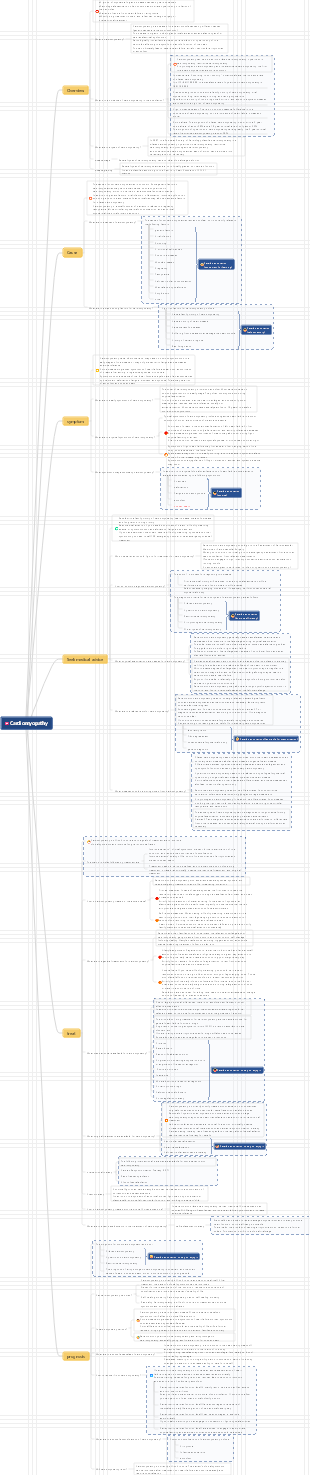
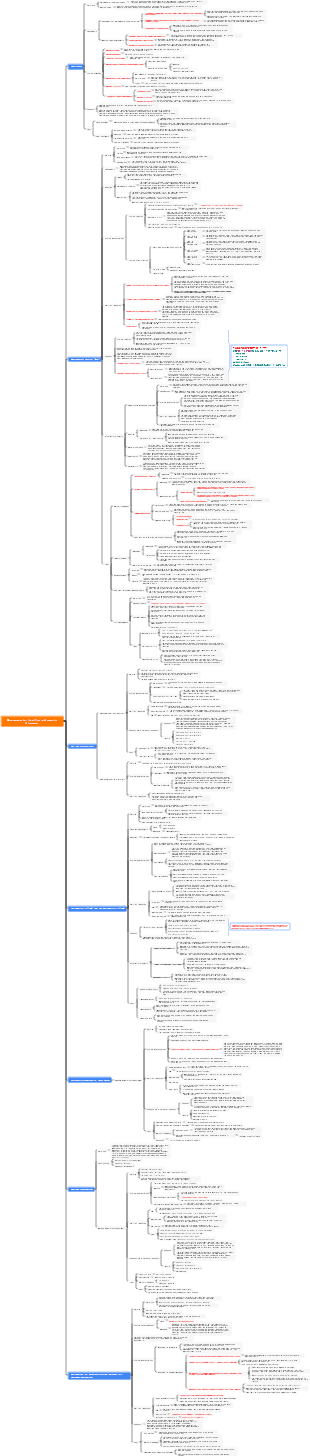
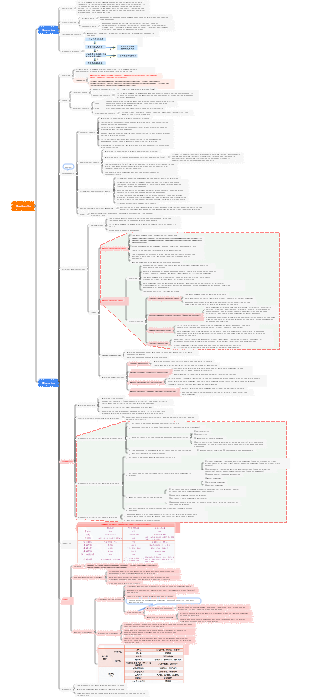
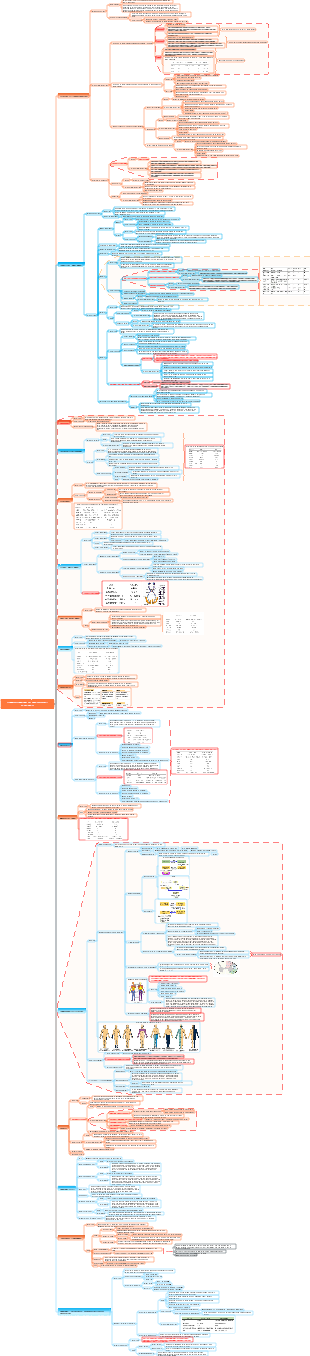
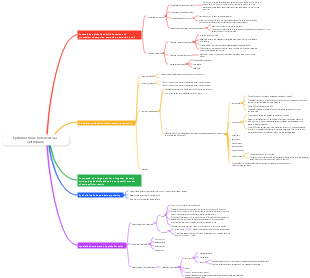

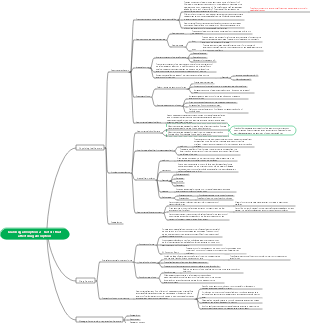

central nervous system infectious diseases
Overview
definition
Acute or chronic inflammatory (or non-inflammatory) diseases caused by pathogenic microorganisms (viruses, bacteria, fungi, spirochetes, parasites, rickettsiae, and Nguyen proteins) invading the parenchyma, capsule, and blood vessels of the central nervous system [CNS]. central nervous system infectious diseases
Qualitative diagnosis: infectious diseases; localization diagnosis: central nervous system
Classified according to site of infection
encephalitis,encephalomyelitis,myelitis
meningitis, meningitis, meningitis
Meningoencephalitis
Invasion route
Bloodstream infection; direct infection; retrograde infection of nerve trunks (herpes simplex encephalitis)
viral infectious diseases
Herpes simplex encephalitis [HSE]
definition
An acute infectious disease of the central nervous system caused by herpes simplex virus infection
Epidemiological characteristics
No regional/seasonal differences: global distribution, can occur in all seasons
No age/gender differences
Cause and pathogenesis
Source of infection
Patients and healthy carriers of the virus
way for spreading
It is mainly transmitted through close contact and sexual contact, but can also be transmitted through droplets
conditional disease
HSV-I first causes primary infection in the oral cavity, respiratory tract or genitals. The body quickly develops specific immunity and recovers, but the virus cannot be completely eliminated. The virus exists in the body in a latent state for a long time. When the human body is subjected to various non-specific stimuli, the body's immunity As the strength decreases, the latent virus reactivates and causes intracranial infection.
pathology
Main pathological changes
Brain tissue edema, softening, hemorrhage, and necrosis are most obvious in the medial temporal lobe, limbic system, and orbital surface of the frontal lobe, and can also involve the occipital lobe.
Characteristic pathological changes
Eosinophilic inclusion bodies can be seen in the nuclei of nerve cells and glial cells, and the inclusions contain herpes virus particles and antigens.
clinical manifestations
Multiple acute onset, about ¼ of patients have a history of oral herpes
The main symptoms
intracranial hypertension
headache, vomiting
higher cortical dysfunction
Mild changes in consciousness and personality, memory loss
Focal signs of the nervous system
Hemiparesis, hemianopia, aphasia
About 1/3 of patients experience generalized or partial seizures
The condition often progresses rapidly within a few days, and may lead to drowsiness, lethargy, coma or decortical state. Some patients develop coma immediately in the early stage of the disease. Severe patients may die from brain herniation
Auxiliary inspection
EEG
Diffuse high-amplitude slow waves often appear, with unilateral or bilateral temporal and frontal abnormalities being more obvious.
Film degree exam
CT: focal low-density area, scattered punctate high-density (common in temporal lobe)
Magnetic resonance: frontotemporal lobe lesions, T₁WI low signal, T₂WI high signal lesions
lumbar puncture
Cerebrospinal fluid routine/biochemical examination
The pressure is normal or increased; the number of nucleated cells increases to (50-100) × 10⁶/L, mainly lymphocytes, there may be an increase in the number of red blood cells, the protein is slightly or moderately increased, and the sugar and chloride levels are normal.
Cerebrospinal fluid pathogenic examination
Using PCR to detect viral DNA enables early and rapid diagnosis
brain biopsy
Gold standard for diagnosing herpes simplex encephalitis (rarely done)
Diagnosis and differential diagnosis
Diagnosis: medical history, physical signs, electroencephalogram, cerebrospinal fluid, head CT, head MRI and other examinations
identify
herpes zoster encephalitis
More common in the elderly, rash first and then symptoms of encephalitis, unilateral/not more than midline
enteroviral encephalitis
In summer and autumn, gastrointestinal symptoms may occur early in the course of the disease
cytomegalovirus encephalitis
Rare clinically, people with immune deficiency such as AIDS or long-term use of immunosuppressants
acute disseminated encephalomyelitis
Have a history of vaccination
treat
in principle
Antiviral treatment, supplemented by immunotherapy and symptomatic supportive care
antiviral treatment
Acyclovir
The usual dosage is 15-30 mg/(kg·d), intravenously infused in 3 times, and used continuously for 14-21 days.
ganciclovir
The dosage is 5~10mg/(kg·d), once every 12 hours, intravenous infusion, the course of treatment is 14~21 days
Adrenocorticotropic hormone
Can control HSE inflammatory response and reduce edema
Dexamethasone
10 to 15 mg, intravenous infusion, once a day, after 3 to 5 days of continuous use, switch to oral prednisone and gradually reduce the dose
Symptomatic and supportive treatment
prognosis
Depends on the severity of the disease and timely treatment
If there is no antiviral treatment, the treatment is not timely or adequate, and the disease is severe, the prognosis is poor, and the mortality rate can be as high as 60% to 80%.
bacterial infectious diseases
purulent meningitis
Overview
definition
Meningeal inflammation caused by purulent bacterial infection, usually acute in onset, mostly in infants and children
Common pathogenic bacteria
Pneumococci, Neisseria meningitidis and Haemophilus influenzae type B
Basic pathological changes
Leptomeningitis, meningeal vascular congestion, and inflammatory cell infiltration
clinical manifestations
symptoms of infection
Fever, chills, or symptoms of upper respiratory tract infection, etc.
meningeal irritation symptoms
Manifested as nuchal stiffness, positive Kernig sign and Brudzinski sign
Meningeal irritation signs are often not obvious in neonates, the elderly, or comatose patients.
increased intracranial pressure
Symptoms include severe headache, vomiting, disturbance of consciousness, etc.
focal symptoms
Some patients may experience symptoms of focal neurological damage, such as hemiplegia, aphasia, etc.
Other symptoms
Such as rash that occurs when meningococcal meningitis (also known as meningococcal meningitis) bacteremia
Auxiliary inspection
Blood test
Increased white blood cell count, usually (10 to 30) × 10⁹/L, mainly neutrophils
cerebrospinal fluid examination
The pressure is often elevated and the appearance is cloudy or purulent
The number of cells increased significantly, mainly neutrophils, usually (1000~10000)×10⁶/L
Increased protein, decreased sugar and chloride
The Gram stain positive rate of smear is above 60%, and the bacterial culture positive rate is above 80%
Film degree exam
MRI may be normal in the early stage, but as the disease progresses, T₁-weighted images show subarachnoid space hyperintensity, which may be irregularly enhanced, and T₂-weighted images show meningeal hyperintensity. Later stages may show diffuse meningeal enhancement, cerebral edema, etc.
Diagnosis and differential diagnosis
suspected diagnosis
Acute onset of fever, headache, vomiting, meningeal irritation signs on physical examination, elevated cerebrospinal fluid pressure, and significantly elevated white blood cells
Confirmed
There must be evidence of etiology
identify
Viral meningitis, tuberculous meningitis and cryptococcal meningitis, etc.
treat
antibacterial treatment
in principle
Use antibiotics early. Broad-spectrum antibiotics are usually used before the pathogenic bacteria are identified. If the pathogenic bacteria are identified, sensitive antibiotics should be used.
Unidentified pathogenic bacteria
The third-generation cephalosporin ceftriaxone or cefotaxime is often used as the first choice drug for purulent meningitis.
Identify pathogenic bacteria
Sensitive antibiotics should be selected based on the pathogenic bacteria
hormone therapy
It can be considered for patients with severe disease and no obvious contraindications to hormones.
Dexamethasone 10 mg is usually given intravenously infusion for 3 to 5 days.
prognosis
This disease has high mortality and disability rates
The prognosis is closely related to the pathogenic bacteria, body condition and whether early and effective antibiotic treatment is used
Tuberculous meningitis [TBM]
definition
Non-suppurative inflammatory disease of the meninges and meninges caused by Mycobacterium tuberculosis
mechanism
Mycobacterium tuberculosis spreads through blood and implants under the leptomeninges to form tuberculous nodules. After the nodules rupture, a large number of tuberculosis bacteria enter the subarachnoid space and cause tuberculous meningitis.
clinical manifestations
The onset of the disease is often insidious and has a chronic course. It can also have an acute or subacute onset.
Tuberculosis poisoning symptoms
Low-grade fever, night sweats, loss of appetite, general fatigue and listlessness
meningeal irritation symptoms
intracranial hypertension
Headache, vomiting and varying degrees of unconsciousness. In severe cases, decerebrate tonic seizures or decortical state may occur.
parenchymal brain damage
Listlessness, apathy, delirium, seizures, lethargy or confusion
limb paralysis
If it is caused by tuberculous arteritis, it may appear stroke-like, with hemiplegia, cross paralysis, etc.
If caused by tuberculoma or cerebrospinal arachnoiditis, it may manifest as chronic tumor-like paralysis.
cranial nerve damage
The oculomotor, abduction, facial and optic nerves are most susceptible to involvement
Auxiliary inspection
The pressure of cerebrospinal fluid increases, and the appearance of cerebrospinal fluid is colorless, transparent or slightly yellow; The number of lymphocytes increases significantly, usually (50-500)×10⁶/L; Protein increases, sugar and chloride decrease; Only a few acid-fast stains of cerebrospinal fluid are positive. The diagnosis of tuberculosis can be confirmed by culture of cerebrospinal fluid, but it takes several weeks.
Enhanced CT and MRI examinations can show multifocal enhancement and hydrocephalus in the basal cisterns, cortical meninges, and brain parenchyma.
Diagnosis and differential diagnosis
diagnosis
According to the history of tuberculosis or contact history, symptoms such as headache and vomiting, meningeal irritation, combined with characteristic changes such as increased lymphocyte count, increased protein, decreased sugar content in cerebrospinal fluid, acid-fast smear of cerebrospinal fluid, Mycobacterium tuberculosis culture and PCR examination Diagnosis can be made
identify
cryptococcal meningitis
The clinical course is very similar to the changes in cerebrospinal fluid, and laboratory evidence should be sought as much as possible.
Viral meningitis, meningeal cancer, etc.
treat
in principle
Early administration, rational drug selection, combined drug use, and systemic treatment
antituberculosis treatment
Isoniazid [INH], rifampicin [RFP], pyrazinamide [PZA] or ethambutol [EMB], and streptomycin [SM] are the most effective combination regimens for the treatment of TBM
Children should try not to use ethambutol because of its toxic effects on the optic nerve, and pregnant women should avoid using streptomycin because of its effects on the auditory nerve.
corticosteroid hormones
It can reduce poisoning symptoms, inhibit inflammatory response and reduce cerebral edema.
intrathecal injection of drugs
In the case of significantly increased protein quantification, early spinal canal obstruction, abnormal liver function leading to discontinuation of some anti-tuberculosis drugs, chronicity, recurrence or drug resistance, intrathecal injection can be supplemented with systemic drug treatment.
Reduce intracranial pressure
For those with increased intracranial pressure, 20% mannitol, glycerol fructose, etc.
Symptomatic and systemic supportive treatment
prognosis
The prognosis is related to the patient's age, condition, and timely treatment. Coma at the time of onset is an important indicator of poor prognosis.
The clinical symptoms and signs completely disappear, and the white blood cell count, protein, sugar and chloride in the cerebrospinal fluid return to normal, indicating a good prognosis.
Even with appropriate treatment, approximately 1/3 of TBM patients die
Cryptococcal meningitis
definition
It is the most common fungal infection of the central nervous system, caused by Cryptococcus neoformans infection. It is an opportunistic pathogen and is common in systemic immunodeficiency diseases and chronic debilitating diseases. Severe illness and high mortality rate
clinical manifestations
The onset is insidious and progresses slowly. There may be irregular low-grade fever or intermittent headache in the early stage
On neurological examination, most patients have obvious cervical rigidity and Kernig's sign.
Most patients present with symptoms and signs of increased intracranial pressure
Often involves the auditory nerve, facial nerve, and oculomotor nerve
Auxiliary inspection
cerebrospinal fluid examination
Stress often increases
Mild to moderate increase in lymphocyte count, generally (10-500)×10⁶/L
Increased protein content and decreased sugar content
After the cerebrospinal fluid is centrifuged and sedimented, the smear is stained with ink. The diagnosis can be confirmed by detecting cryptococcus.
Diagnosis and differential diagnosis
diagnosis
The diagnosis can be confirmed based on the history of chronic wasting disease or systemic immunodeficiency disease, chronic insidious disease course, clinical symptoms and signs of meningitis, and the detection of cryptococcus by ink staining of cerebrospinal fluid.
identify
Mainly differentiated from tuberculous meningitis. It should also be distinguished from partially treated purulent meningitis, other fungal meningitis, and bacterial brain abscess.
treat
Amphotericin B
It is currently the most effective antifungal drug, but due to its many and serious adverse reactions, it is recommended to combine treatment with 5-fluorocytosine to reduce its dosage.
fluconazole
It is a broad-spectrum antifungal drug with good tolerance, good oral absorption, and high concentration of traditional Chinese medicine in blood and cerebrospinal fluid.
5-fluorocytosine【5-FC】
It has poor efficacy when used alone and is prone to tolerance. Combining it with amphotericin B can enhance the efficacy.
prognosis
The disease often worsens progressively, has a poor prognosis, and has a high mortality rate.
Without treatment, people often die within a few months, with an average disease duration of 6 months.
Complications and neurological sequelae are also common among treaters, and the condition can relapse and worsen over several years.
autoimmune encephalitis
definition
A type of encephalitis caused by an immune response to central nervous system antigens mediated by autoimmune mechanisms
Clinical features
Mental and behavioral abnormalities, cognitive dysfunction and acute or subacute epilepsy, etc.
Pathological classification
Gray matter-predominant type, white matter-predominant type, and vasculitic type
clinical manifestations
prodromal symptoms
Anti-NMDAR encephalitis often presents with fever, headache, etc.
main performance
Mental and behavioral abnormalities, cognitive dysfunction, recent memory loss, acute or subacute epileptic seizures, language dysfunction, movement disorders, involuntary movements, autonomic nervous system dysfunction, varying degrees of consciousness disorders and even coma, etc.
Sleep disorders may occur
Auxiliary inspection
cerebrospinal fluid examination
Normal or increased nuclear cells, cerebrospinal fluid autoimmune encephalitis-related antibody detection
Film degree exam
Brain MRI T₂ or FLAIR shows abnormal signals in the limbic system
EEG
Epileptiform discharges, diffuse or multifocal slow-wave rhythms may be seen
Diagnosis and differential diagnosis
diagnosis
Clinical manifestations, combined with cerebrospinal fluid, imaging and electroencephalogram examinations
The diagnosis is mainly based on a positive test for autoimmune encephalitis-related antibodies in cerebrospinal fluid.
identify
Viral encephalitis, metabolic encephalopathy: including hepatic encephalopathy, uremic encephalopathy, etc.
treat
Glucocorticoids
Methylprednisolone pulse therapy can be used, starting with methylprednisolone 1000mg/d, followed by intravenous infusion for three days, then changed to methylprednisolone 500mg/d, and after three days of continuous infusion, it was changed to oral prednisone. taper
Immunoglobulin
The total dose is calculated based on the patient's weight of 2g/kg, and is administered intravenously over 3 to 5 days.
For severe patients, immune globulin and glucocorticoids can be used in combination
central theme
theme
theme
theme
theme
Chapter 12 Central Nervous System Infectious diseases Overview Acute or severe disease caused by pathogenic microorganisms invading the parenchyma, membrane and blood vessels of the central nervous system (CNS). Chronic inflammatory (or non-inflammatory) diseases are infectious diseases of the central nervous system. These pathogenic microorganisms include viruses, bacteria, fungi Bacteria, spirochetes, parasites, rickettsiae and myosin, etc. In clinical practice, it can be divided into: ① Brain Meningitis, myelitis or encephalomyelitis: mainly invades the brain and/or spinal cord parenchyma: ② Meningitis, meningitis or meningitis: mainly invades the brain and/or spinal cord (or) Spinal pia mater; ③ Meningoencephalitis: brain parenchyma and meninges are combined and involved. Pathogenic microorganisms mainly enter the CNS through three pathways: ① Blood Infection: The pathogen enters the blood through insect bites or animal bites that damage the skin and mucous membranes, or directly enters the blood through the use of unclean syringes, blood transfusions, etc. Pathogens can also travel retrograde through the veins in human bloodstream or facial infection, or the pathogens infected by pregnant women can be transmitted to the fetus through the placenta: ② Direct infection: The pathogen spreads into the human face after penetrating trauma or infection of adjacent tissues; ③ Retrograde infection of the nerve trunk: neurotropic virus Viruses such as herpes simplex virus, rabies virus, etc. first infect the skin, respiratory tract or gastrointestinal mucosa, and then enter the human nerve trunk through the nerve endings, and then Then it goes retrograde and enters the person's face. Section 1 Viral Infectious Diseases Nervous system viral infection refers to the inflammatory or non-inflammatory changes caused by the virus entering the nervous system and related tissues. According to the etiology Characteristics of viral nucleic acids, viruses can be divided into DNA viruses and RNA viruses. There are many viruses that can cause nervous system infections, and they have Viruses that cause superficial infections of the human nervous system include DNA viruses such as herpes simplex virus, varicella-zoster virus, and cytomegalovirus. Viruses, etc.: poliovirus, coxsackie virus, etc. among RNA viruses. Viruses entering the central nervous system can cause acute encephalitis and (or) Meningitis syndrome can also form a latent state and a persistent infection state, causing recurrent and chronic infection. 1. Herpes simplex virus encephalitis Herpes simplex virus encephalitis (HSE) is caused by herpes simplex vi- rus, HSV) infection, also known as acute necrotizing encephalitis, is the most common viral infection of the CNS disease. The disease is globally distributed and can occur throughout the year. There is no obvious gender difference and it can occur at any age. HSE incidence abroad The rate is (4~8)/100,000, and the prevalence rate is 10/100,000: There is still a lack of accurate epidemiological data in China. HSV in the central nervous system It most commonly invades the brain's granular lobes, frontal lobes and limbic system, causing hemorrhagic necrosis of brain tissue and/or allergic brain damage. untreated The HSE case fatality rate is as high as over 70%. [Cause and pathogenesis] HSV is a neurotropic DNA virus with two serotypes, HSV-1 and HSV-2. Patients and healthy carriers of the virus are the main The source of infection is mainly spread through close contact and sexual contact, but can also be spread through droplets. HSV causes first in the mouth and respiratory tract or genitals In primary infection, the body quickly develops specific immunity and recovers, but the virus cannot be completely eliminated. The virus remains in the body in a latent state for a long time, and Does not cause clinical symptoms. Nerve cells in ganglia are the main places where the virus lurks. HSV-1 mainly lurks in the trigeminal ganglion. HSV-2 Latent in lower ganglia. When the human body is subjected to various non-specific stimuli, the body's immunity is reduced, and the latent virus is reactivated and passes through the trigeminal nerve. 284
285 Chapter 12 Central Nervous System Infectious Diseases The axon enters the human brain, causing intracerebral infection. More than two-thirds of HSV-1 encephalitis in adults is caused by reactivated infection, with the remainder caused by primary infection. rise. HSV-2 is mostly caused by primary infection. Approximately 90% of HSE in humans is caused by HSV-1. Only 10% are caused by HSV-2, And HSE caused by HSV-2 mainly occurs in newborns, which is caused by HSV-2 infection when the newborn passes through the birth canal. 【pathology】 The main pathological changes are brain tissue edema, softening, hemorrhage, and necrosis. Both cerebral hemispheres can be diffusely affected, often with asymmetric distribution. It is most obvious in the medial part of the granular lobe, the limbic system and the frontal lobe, and can also involve the occipital lobe. Among them, hemorrhagic necrosis in the brain parenchyma is an important pathology. feature. Microscopically, there are a large number of lymphocytes infiltrating around blood vessels to form a cuff shape, microglial proliferation, and diffuse degeneration and necrosis of nerve cells. Eosinophilic inclusion bodies can be seen in the nuclei of nerve cells and glial cells. The inclusions contain particles and antigens of the scar virus, which is its most characteristic feature. pathological changes. [Clinical manifestations] 1. People can get sick at any age, and about 2/3 of the cases occur in adults over 40 years old. The incubation period of primary infection is 2 to 21 days. The prodromal period lasts for an average of 6 days, with symptoms such as fever, general malaise, headache, myalgia, drowsiness, abdominal pain and diarrhea. Multiple acute onset, about 1/4 sufferers The patient has a history of lip scars and rash, and the body temperature after illness can be as high as 38.4~40.0℃. The course of the disease ranges from several days to 1 to 2 months. 2. Common clinical symptoms include headache, vomiting, slight changes in consciousness and personality, memory loss, hemiparesis, partial childbirth, aphasia, and ataxia. Tune, hyperactivity (trembling face, dance-like movements, muscle formation), meningeal irritation, etc. About 1/3 of patients experience generalized or partial epileptic seizures Some patients may seek medical treatment in a psychiatric department due to abnormal mental behavior as the first or only symptom, manifested by scattered attention, slow reaction, poor speech, etc. Decreased, apathetic, sluggish expression, sitting or lying in bed, lazily moving, or even unable to take care of oneself; or showing stupor, silence; or increased movement Many, strange behaviors and impulsive behaviors. 3. The condition often progresses rapidly within a few days, and most patients have disturbances of consciousness, manifesting as confusion or delirium, which may occur as the condition worsens. Lethargy, sleepiness, coma or decortical state, some patients develop coma quickly in the early stage of the disease. Severe patients may suffer from extensive brain parenchymal necrosis and cerebral edema, causing increased intracerebral pressure and even death due to cerebral herniation. 【Auxiliary inspection】 1. Routine blood examination A slight increase in white blood cell count was seen. 2. Electroencephalogram examination Diffuse high-amplitude slow waves often appear, with unilateral or bilateral abnormalities more obvious in the frontal and frontal areas, and even granular areas may appear. sharp waves and spikes. 3. Head frequency CT examination: About 50% of HSE patients have focal abnormalities (low density in one or both frontal and frontal lobes) lesions), if there are punctate high-density lesions among low-density lesions, it indicates bleeding. Within the first 4 to 5 days after the onset of HSE symptoms, head and face CT Examination may be normal. 4. MRI examination of head and face Head frequency MRI for early diagnosis and display of lesions Areas of greater help are typically found on the medial side of the lobe, frontal lobe, and insular cortex. There was focal edema in the parenchyma and cingulate gyrus, with high signal intensity on MR IT-weighted images. It is more obvious on the FLAIR image (Figure 12-1). Although 90% of patients respond within 1 week The above symptoms can occur, but a normal MRI within a week does not rule out the diagnosis. 5. Routine examination of cerebrospinal fluid shows that the pressure is normal or slightly elevated. In severe cases, Significantly increased; the number of nucleated cells increases to (50~100)×10/L, which can be as high as 1000 x 10°/L, mainly lymphocytes, with an increase in the number of red blood cells, except for waist Vertebral puncture injury indicates hemorrhagic necrotizing encephalitis; protein is mildly or moderately increased. High, sugar and chloride are normal 6. Cerebrospinal fluid pathogenic examination, including: ① Detection of HSV specificity IgM, IgG antibodies: Western blotting, indirect immunofluorescence assay and ELISA method uses double serum and double samples for dynamic observation of HSV-1 antibodies. The double antibody has a tendency to increase, and the titer is above 1:80, 2 times and 2 times during the course of the disease. Figure 12-1 Herpes simplex encephalitis MRI FLAIR like Antibody titers increased more than 4 times, and the antibody ratio between blood and cerebrospinal fluid
286 Chapter 12 Central Nervous System Infectious Diseases <40, the diagnosis can be confirmed; ② Detect HSV-DNA in cerebrospinal fluid: Use PCR to detect viral DNA, which can be used for early and rapid diagnosis. The specimen is best before the onset of disease. Submit for inspection within 2 weeks. 7. Brain biopsy is the "gold standard" for diagnosing simplex viral encephalitis. Nonspecific inflammatory changes can be found, including nuclear exudation Eosinophilic inclusion bodies are present, and intracellular virus particles can be found under an electron microscope. 【Diagnosis and differential diagnosis 1. Clinical diagnosis: ① History of oral or genital herpes, or skin or mucous membrane scars; ② Acute onset, severe condition, and recurrence Prodromal symptoms of upper respiratory tract infection such as fever and cough; ③Obvious mental and behavioral abnormalities, seizures, disturbance of consciousness and early focal neurological symptoms Signs of system damage; ④ The number of red and white blood cells in the cerebrospinal fluid is increased, and the sugar and chloride levels are normal; 5. The electroencephalogram shows diffuse brain damage mainly in the talon and frontal areas. Abnormalities: Focal lobar hemorrhagic encephalomalacia found on head and face CT or MRI: effective support with specific antiviral drug treatment diagnosis. The following tests are required to confirm the diagnosis: ① Double serum and examination found that HSV-specific antibodies have a significant change trend; 2. Brain tissue biopsy Inclusion bodies in the nucleus of tissue cells are found by examination or pathology, or HSV viral nucleic acid is found by in situ hybridization: ③ The disease is found by PCR detection of cerebrospinal fluid Toxic DNA; ④Isolation, culture and identification of HSV from brain tissue or cerebrospinal fluid specimens 2. This disease needs to be differentiated from the following diseases (1) Herpes zoster virus encephalitis: Herpes zoster virus can lie dormant in the posterior roots of spinal nerves and the sensory nerves of the brain and spinal cord for a long time. When the body's immunity is low, the virus is activated, replicates, and proliferates, and is transmitted along the sensory nerves to the corresponding skin to cause rashes. Through upward transmission, it enters the central nervous system and causes encephalitis or meningitis. This disease is more common in middle-aged and elderly people. The onset of brain symptoms is related to the time of rash. They are not all the same, most of them occur days or weeks after the rash, or before the onset of the rash, or there may be no history of the rash. Clinical manifestations include fever, headache Signs of pain, vomiting, confusion, ataxia, mental abnormalities and focal neurological deficits. The degree of disease is relatively mild and the prognosis is good. Most of the patients had a history of thoracolumbar herpes zoster, and there was no hemorrhagic necrosis on head and face CT. Antibodies and disease resistance to the virus were detected in serum and cerebrospinal fluid. The virus nucleic acid is positive and can be identified (2) Enteroviral encephalitis: In addition to causing viral meningitis, this type of virus is also one of the common causes of viral encephalitis. Common In summer and autumn, the disease appears epidemic or sporadic. Symptoms include fever, disturbance of consciousness, balance disorder, epileptic seizure, and limb paralysis. Generally, recovery is faster, and symptoms will naturally resolve 2 to 3 weeks after the onset of symptoms. Gastrointestinal symptoms at the early stage of the disease, viral nuclei detected by PCR in cerebrospinal fluid Acid can aid in diagnosis. (3) Cytomegalovirus encephalitis: This disease is rare clinically and is common in patients with immune deficiencies such as AIDS or long-term use of immunosuppressants. By. The clinical course is subacute or chronic, with symptoms such as confusion, memory loss, affective disorders, headaches, and focal brain damage. physical signs. Diffuse or focal white matter abnormalities can be seen on MRI in approximately 25% of patients. The cerebrospinal fluid is normal or has mononuclear cells and increased protein. Because the patient had a history of AIDS or immunosuppressants, typical giant cells were found in body fluid examination, and the virus was detected in the cerebrospinal fluid by PCR. Nucleic acid can be used for identification (4) Acute disseminated encephalomyelitis: usually occurs acutely after infection or vaccination, manifesting as brain parenchyma, meninges, brainstem, cerebellum and Symptoms and signs of damage to the spinal cord and other parts of the body are diverse, and severe patients may also have impaired consciousness and mental symptoms. due to illness The changes are mainly in the white matter of the brain, and epileptic seizures are rare. Imaging shows multiple lesions in the subcortical white matter, most commonly around the ventricles, with uneven distribution and large Small differences, old and new coexist, immunosuppressive treatment is effective, virology and related antibody tests are negative. HSE is a parenchymal brain lesion, mental The symptoms are prominent and the mental retardation is obvious. A few patients may have a history of lip scars and rash, but generally there are no signs of spinal cord damage. 【treat】 Early diagnosis and treatment are the key to reducing mortality from this disease, mainly including antiviral treatment, supplemented by immunotherapy and symptomatic support treat. 1. Antiviral drug treatment (1) Acyclovir (a cyclo vi r): It is a bird's nest derivative that can inhibit the synthesis of viral DNA. Acyclovir first used in viruses In infected cells, it is converted into acyclovir monophosphate by viral thyrokinase, and then converted into triphosphate by kinase in host cells. Acyclovir competes with 2'-deoxyuridine, a substrate of DNA synthesis, blocking the synthesis of viral DNA chains. The usual dose is 15~ 30 mg/(kg·d), intravenously infused in 3 times for 14 to 21 days. If the condition is severe, the treatment time can be extended or one treatment can be repeated.
287 Chapter 12 Central Nervous System Infectious Diseases Procedure. Adverse reactions include delirium, facial tremors, rash, hematuria, temporary elevation of serum aminotransferases, etc. Unconditional etiological testing for clinical doubts Diagnostic treatment with acyclovir can be used in the investigated cases. In recent years, HSV strains that are resistant to acyclovir have been discovered, and these patients can try it Treatment with sodium formate and cidofovir. (2) Ganciclovir (ganci clo vi r): HSV mutant strains that are resistant to acyclovir and have DNA polymerase changes are also resistant to ganciclovir. sensitive. The dosage is 5 to 10 mg/(kg·d), intravenous infusion once every 12 hours, and the course of treatment is 14 to 21 days. The main adverse reaction is renal function Damage and myelosuppression (neutrophils, thrombocytopenia) can occur in a dose-related manner and may recover after discontinuation of the drug. 2. Adrenocortical hormones are still controversial in the treatment of this disease, but adrenocortical hormones can control HSE inflammation. It can react and reduce edema. It can be used in patients with critical condition, hemorrhagic necrosis foci and obvious increase of white blood cells and red blood cells on head and face CT. Dexamethasone 10 to 15 mg, intravenous infusion, once a day, for 10 to 14 days; or methylprednisolone 800 to 1000 mg, intravenous infusion, once a day, After 3 to 5 days of continuous use, prednisone was taken orally, 60 mg daily in the morning, and then gradually reduced. 3. Symptomatic and supportive treatment is crucial for severely ill and addicted patients. Pay attention to maintaining the balance of nutrition, water, and electrolytes, and maintaining breathing. The road is clear. If necessary, a small amount of blood transfusion or intravenous high nutrition can be given; those with high fever can be given physical cooling to prevent shock; those with increased intrafacial pressure can be given timely treatment Treat dehydration and reduce internal pressure. Care needs to be strengthened to prevent complications such as pressure sores and respiratory infections. Rehabilitation treatment can be performed during the recovery period. 【Prognosis】 Prognosis depends on the severity of the disease and prompt treatment. If this disease is not treated with antiviral treatment, or treatment is not timely or adequate, the disease will In severe cases, the prognosis is poor, and the mortality rate can be as high as 60% to 80%. If adequate antiviral drug treatment is given in a timely manner within a few days before the onset of illness or The disease is mild and most patients can be cured. However, about 10% of patients may have sequelae such as varying degrees of paralysis and mental decline. 2. Viral meningitis Viral meningitis is a group of acute inflammatory diseases of the meninges caused by various viral infections. Heat, headache and meningeal irritation are the main symptoms. The disease mostly has a benign course [Cause and pathogenesis] 85% to 95% of viral meningitis is caused by enteroviruses. The virus belongs to the picornaviridae family and has more than 60 different subtypes. Types include poliovirus, coxsackievirus A and B, echovirus, etc., followed by epidemic adenitis, herpes simplex virus and adenovirus. Virus. Enteroviruses are mainly transmitted through the fecal-oral route. A few are transmitted through respiratory secretions; most viruses initially occur in the lower gastrointestinal tract. Infection; there are special receptors on intestinal cells that bind to enteroviruses. The virus passes through the intestinal blood, produces viremia, and then invades through the choroid plexus. meninges, causing inflammatory changes in the meninges 【pathology】 The meninges are diffusely thickened, and inflammatory cell infiltration can be seen in the meninges under the microscope. Inflammatory cell infiltration can also be seen in the choroid plexus of the lateral ventricles and the fourth ventricle. Run, vessel wall fibrosis with focal destruction of the ependymal lining, and fibrotic basilar leptomeningitis [Clinical manifestations] 1. The disease is most prevalent in summer and autumn, and can occur all year round in tropical and subtropical areas. It is more common in children, but adults can also suffer from it. many It is an acute onset, with systemic poisoning symptoms of viral infection such as fever, headache, photophobia, myalgia, nausea, vomiting, loss of appetite, diarrhea and general symptoms. Fatigue, etc., and may have signs of meningeal irritation. The course of the disease often exceeds 1 week in children and can last 2 weeks or longer in adults. 2. Clinical manifestations may vary depending on the patient's age, immune status, and virus types and subtypes. For example, young children may have fever, vomiting, Symptoms such as vomiting and rash, while neck strength is slight or even absent: Hand-foot-mouth syndrome often occurs in enterovirus 71 meningitis, non-specific rash Common in echovirus type 9 meningitis. 【Auxiliary inspection】 The cerebrospinal fluid pressure is normal or increased, and the number of white blood cells is normal or increased, up to (10-1000) × 10°C/L. In the early stage, polymorphonuclear cells are the most common Mainly, lymphocytes dominate after 8 to 48 hours. Protein may be slightly elevated, and sugar and chloride levels are normal. 【diagnosis】 The diagnosis of this disease is mainly based on the acute onset of systemic infection and poisoning symptoms, meningeal irritation, and mild or moderate increase in the number of lymphocytes in the cerebrospinal fluid.
288 Chapter 12 Central Nervous System Infectious Diseases Excluding other diseases, the diagnosis requires cerebrospinal fluid pathogenic examination. 【treat】 This disease is a self-limiting disease, which mainly focuses on symptomatic treatment, supportive treatment and prevention and treatment of complications. Symptomatic treatment is available for severe headaches Painkillers, anti-epileptic drugs such as carbamazepine or phenytoin can be used for epileptic attacks. Cerebral edema is not common in viral meningitis, so appropriate Apply mannitol. Antiviral treatment can significantly shorten the course of the disease and relieve symptoms. It is currently used clinically or experimentally for enterovirus infections. The drugs used include immune serum globulin (IS G) and the anti-picornavirus drug Pleconarib (plea con a ril). 3. Other viral infectious encephalopathies or encephalitis In addition to exanthema simplex viral encephalitis, the following is a brief introduction to several encephalitis or encephalopathies caused by specific viruses, including progressive multifocal Leukoencephalopathy, subacute sclerosing panencephalitis, and progressive rubella panencephalitis (1) Progressive multifocal leukoencephalopathy Progressive multifocal leukoencephalopathy (PML) is a disease caused by human polyomavirus JC virus, also known as papilloma vacuolar virus, is a rare subacute fatal demyelinating disease. Often occurs in cellular immunity Patients with low functioning. The pathological changes are mainly extensive multifocal partially fused demyelinating lesions in the white matter of the central nervous system. Subacute or chronic onset, often characterized by personality changes and mental decline. Other neurological symptoms and signs include hemiplegia and paresthesia. Often, visual field defects, ataxia, etc. EEG shows non-specific diffuse or focal slow waves; CT can find multifocal low-density areas in the white matter without enhancement: MRI It can be seen that the lesion site has homogeneous T high signal, T low signal or isointense signal. There is no effective treatment for this disease. Interferon can be tried to treat this disease. The course of the disease usually lasts for several months, with 80% of patients recovering within 9 days Death within the month. (2) Subacute sclerosing panencephalitis Subacute sclerosing panencephalitis (SSPE) is caused by measles-deficient virus infection. The incidence rate is about (5-10)/1 million children. This disease is more common in children under 12 years old. Children often suffer from measles before they are 2 years old. After an asymptomatic period of 6 to 8 years, the disease starts latent and progresses slowly. Exhibition, no fever. Clinically, it can be divided into: ① Early stage: manifested by cognitive and behavioral changes, such as forgetfulness, decreased academic performance, apathy, and inattention. Moderate, personality changes, restlessness, etc.; ② Movement disorder stage: ataxia, muscle spasms (can be induced by noise), and dance a few weeks or months later Athetosis, dystonia, aphasia and apraxia, and epileptic seizures may also occur: ③ Ankylosis phase: limb muscle rigidity and hyperreflexia Bab in ski If the sign is positive, cortical or decerebrate ankylosis may occur, opisthotonus may occur, and eventually death from infection or circulatory failure. Auxiliary examination: cerebrospinal fluid cell number, protein, and sugar content are normal, immunoglobulins are increased, and Seclon bands may appear; serum and cerebrospinal fluid Measles virus antibodies are elevated. The electroencephalogram shows 2 to 3 synchronous bursts of slow waves per second, and the muscle phase occurs once every 5 to 8 seconds. CT scan of skin White matter atrophy and multiple or single focal white matter hypodensity lesions, ventricular enlargement At present, there is no effective treatment method. Supportive therapy and symptomatic treatment are mainly used to strengthen care and prevent complications. Most patients are between 1 and 3 Death within the year, and occasionally cases lasting more than 10 years (3) Progressive rubella panencephalitis Progressive rubella panencephalitis (PR P) is caused by rubella virus infection in children and adolescents. years of chronic encephalitis. Most are congenital rubella infections, which occur when the systemic immune function is low, and a few are acquired infections. Rubella Since the introduction of vaccines, the disease has become very rare. The disease begins around the age of 20. Behavioral changes, cognitive impairment, and dementia are often the first symptoms. Cerebellar ataxia is obvious, and epilepsy and muscle disease are common. The pain was not obvious, and there were no symptoms such as headache, fever, and neck stiffness. The course of the disease is similar to S S PE, progressing to coma, brainstem involvement, and death within a few years. The electroencephalogram showed diffuse slow waves without periodicity. CT shows ventricular enlargement. Cerebrospinal fluid lymphocytosis and elevated protein; serum and Increased cerebrospinal fluid anti-rubella virus antibody titers.
289 Chapter 12 central nervous system infectious diseases This disease should be distinguished from S S PE. There is currently no specific treatment Section 2 Bacterial Infectious Diseases Inflammatory diseases caused by various bacteria that invade the nervous system are called nervous system bacterial infections. Bacterial infections are common in the nervous system One of the common diseases, pathogenic bacteria are often highly invasive and can invade the leptomeninges of the central nervous system, brain and spinal cord parenchyma, or infect adjacent tissues such as Venous sinuses, peripheral nerves, etc. This section will discuss and describe common bacterial infectious diseases of the nervous system. 1. Suppurative meningitis Purulent meningitis is an inflammation of the meninges caused by chemical bacterial infection. It is a common disease of the central nervous system. Seen purulent infection. Usually acute onset, more common in infants and children [Cause and pathogenesis] The most common causative bacteria of chemical meningitis are pneumococci, Neisseria meningitidis and Haemophilus influenzae type B, followed by Staphylococcus aureus Staphylococcus, Streptococcus, Escherichia coli, Mutans bacteria, Anaerobic bacteria, Salmonella and Pseudomonas aeruginosa, etc. The source of infection can be caused by infection of the heart, lungs and other organs affecting the ventricle and subarachnoid system, or by the facial bones, vertebrae or brain parenchyma. Caused by the direct spread of infection lesions, some may also be caused by fractures of facial bones, sinuses or mastoids or invasion of the subarachnoid space by neurosurgery. Infection, rarely caused by lumbar puncture After pathogenic bacteria invade the subarachnoid space through the blood circulation, due to the lack of effective immune defense, the bacteria multiply in large numbers and the bacterial wall antigens become It reacts with certain cytokines that mediate inflammatory responses to stimulate vascular endothelial cells, prompting neutrophils to enter the central nervous system, inducing a series of Inflammatory pathological changes of leptomeninges 【pathology】 The basic pathological changes are leptomeningitis, meningeal vascular congestion and inflammatory cell infiltration. Manifestations include: ① Filling of the leptomeninges and superficial blood vessels of the brain Blood, the brain surface is covered by a large amount of exudate in the subarachnoid space, and dense secretions are deposited in the sulcus and basal cistern of the brain: ② The meninges are inflammatory Cell infiltration is mainly neutrophils in the early stage, lymphocytes and plasma cells in the later stage, and fibroblasts increase significantly; ③ Arachnoid membrane A large number of polymorphonuclear cells and fibrin exudate appeared in the lower space, arachnoid fibrosis occurred, and the exudate was partially wrapped: ④ Ependyma and choroid There are infiltration of inflammatory cells, vascular congestion, and in severe cases, venous thrombosis; 5. Focal thickening occasionally exists in the brain parenchyma. [Clinical manifestations] The clinical manifestations of purulent meningitis caused by various bacterial infections are similar, mainly as follows: 1. Symptoms of infection include fever, chills, or symptoms of upper respiratory tract infection. 2. Meningeal irritation signs include cervical rigidity, positive Kern ig sign and Bru dz in ski sign. But newborns, the elderly or comatose patients Meningeal irritation signs are often subtle. 3. Increased intrafacial pressure, manifested by severe headache, vomiting, disturbance of consciousness, etc. During lumbar puncture, intrafacial pressure is detected to be significantly elevated, and some cases are clinically even form brain tumors 4. Focal symptoms Some patients may experience symptoms of focal neurological damage, such as hemiplegia, aphasia, etc. 5. Other symptoms: Some patients have special clinical characteristics, such as meningococcal meningitis (also known as meningococcal meningitis). inflammatory) rash that occurs when bacteremia occurs. It starts as a diffuse red maculopapular rash and quickly turns into sputum spots on the skin. It is mainly seen on the trunk, lower limbs, and mucous membranes. and conjunctiva, occasionally found on the palms and soles of the feet 【Auxiliary inspection】 Increased white blood cell count, usually (10-30) × 10°/L, mainly neutrophils, occasionally normal or exceeding 1. Routine blood examination 40×10/L. 2. Cerebrospinal fluid examination The pressure is often elevated; the appearance is turbid or cystic; the number of cells is significantly increased, mainly neutrophils, usually (1000~10000)×10°/L; protein increases; sugar content decreases, usually less than 2.2 mmol/L; chloride decreases. Smear Gram stain The positive rate is more than 60%, and the positive rate of bacterial culture is more than 80%.
290 Chapter 12, Infectious Diseases of the Central Nervous System 3. Imaging examination The diagnostic value of MRI is higher than that of CT. It can be normal in the early stage. As the disease progresses, the arachnoid membrane will appear on the T-weighted image of MRI. The inferior cavity has high signal, which may be irregularly enhanced, and T-weighted images show meningeal high signal. Later stages may show diffuse meningeal enhancement, cerebral edema, etc. 4.Others Blood bacterial culture can often detect pathogenic bacteria; if there are skin cancer spots, a biopsy should be performed and bacterial staining should be performed. 【diagnosis】 Based on the acute onset of fever, headache, vomiting, signs of meningeal irritation, elevated facial pressure, and significantly elevated white blood cells, this disease should be considered. sick. The confirmed diagnosis must have etiological evidence, including bacterial smear detection of pathogenic bacteria and positive blood bacterial culture. [differential diagnosis] 1. Viral meningitis, cerebrospinal fluid white blood cell count is usually less than 1000×10/L, sugar and chloride are usually normal or slightly low, bacteria Negative smear or bacterial culture results 2. Tuberculous meningitis usually starts subacutely, and cranial nerve damage is common. The elevated white blood cell count in cerebrospinal fluid examination is often lower than that of blood cells. Expansive meningitis is obvious, and etiological examination can help further identification. 3. Cryptococcal meningitis usually starts in a hidden circle and has a protracted course. Cranial nerves, especially the optic nerve, are commonly affected. The cerebrospinal fluid white blood cell count is The number is usually less than 500 antigen. 【treat】 1. Antibacterial treatment The principle that should be mastered is to use antibiotics as early as possible, usually using broad-spectrum antibiotics before the pathogenic bacteria are identified. If the pathogenic bacteria are confirmed, sensitive antibiotics should be used (1) Unidentified pathogenic bacteria: ceftriaxone or cefotaxime, the third-generation cephalosporins, are often used as the first choice drugs for purulent meningitis. The efficacy of chemical meningitis caused by cocci, pneumococci, Haemophilus influenzae and group B streptococci is relatively certain (2) Determine the pathogenic bacteria: sensitive antibiotics should be selected based on the pathogenic bacteria 1) Pneumococcus: Those who are sensitive to penicillin can use high-dose penicillin, 20 to 24 million U per day for adults and 400,000 per day for children. U/kg, intravenous drip in divided doses. For patients who are resistant to penicillin, ceftriaxone may be considered, combined with vancomycin if necessary. 2 weeks as one treatment During the course of antibiotic treatment, the cerebrospinal fluid is usually reviewed within 24 to 36 hours after antibiotic treatment is started to evaluate the therapeutic effect. 2) Meningococci: Penicillin is the first choice, and for drug-resistant cases, cefotaxime or ceftriaxone can be used in combination with ampicillin or chloramphenicol. right Those allergic to penicillin or B-lactam antibiotics can use chloramphenicol 3) Gram-negative bacilli: Ceftazidime can be used for meningitis caused by Pseudomonas aeruginosa, and meningitis caused by other gram-negative bacilli can be used. With ceftriaxone, cefotaxime or ceftazidime, the course of treatment is usually 3 weeks 2. Hormone treatment: Hormones can inhibit the release of inflammatory cytokines and stabilize the blood-brain barrier. For patients with severe disease and no obvious hormones It may be considered for patients with contraindications. Dexamethasone 10 mg is usually given as an intravenous infusion for 3 to 5 days. 3. Symptomatic and supportive treatment can reduce intrafacial pressure through dehydration in patients with high intrafacial pressure. Those with high fever should use physical cooling or antipyretics. Epilepsy The author gives antiepileptic drugs to terminate the seizures 【Prognosis】 The mortality and disability rates are high. The prognosis is closely related to the pathogenic bacteria, body condition and whether early and effective antibiotic treatment is used. few Several patients may have sequelae such as intellectual disability, epilepsy, and hydrocephalus. 2. Tuberculous meningitis Tuberculous meningitis (TBM) is a non-concentrated inflammatory disease of the meninges and meninges caused by Mycobacterium tuberculosis. disease. Approximately 5% to 15% of patients with extrapulmonary tuberculosis involve the nervous system, among which tuberculous meningitis is the most common, accounting for approximately 70% of nervous system tuberculosis. In recent years, due to the genetic variation of Mycobacterium tuberculosis, the relative lag in the development of anti-tuberculosis drugs and the increase in AIDS patients, The incidence and mortality of tuberculosis are gradually increasing at home and abroad. [Cause and pathogenesis] TBM accounts for approximately 6% of systemic tuberculosis. Mycobacterium tuberculosis spreads through blood and implants under the leptomeninges, forming tuberculosis nodules, which then rupture. Later, a large number of tuberculosis bacteria enter the subarachnoid space and cause TBM.
291 Chapter 12 Central Nervous System Infectious Diseases 【pathology】 The tuberculous exudate surrounding the ruptured tuberculous tubercle at the base of the brain spreads in the subarachnoid space to the basal cistern and Sylvian fissure. Under light microscope The exudate consisted of polymorphonuclear cells, megablasts, lymphocytes, and erythrocytes with varying numbers of bacteria in a fibrin network. With the disease As the disease progresses, lymphocytes and connective tissue dominate. Small and medium arteries through which exudates pass, as well as some other blood vessels (capillaries tubes and veins) can become infected and form tuberculous vasculitis, leading to blood vessel blockage and cerebral infarction. In chronic infection, tuberculous exudate may Block the basal cistern and the outflow pathway of the fourth ventricle, causing hydrocephalus. [Clinical manifestations] The onset of the disease is often latent and has a chronic course. It can also start acutely or subacutely, and there may be a lack of contact history with tuberculosis. Symptoms often vary in severity and are naturally The progression of the disease generally manifests as: 1. Symptoms of tuberculosis poisoning include low fever, night sweats, loss of appetite, general fatigue and weakness, and listlessness. 2. Symptoms of meningeal irritation and increased intrafacial pressure. Early manifestations include fever, headache, vomiting and signs of meningeal irritation. Intrafacial pressure increases in the morning In the early stage, due to the inflammatory reaction of the meninges, choroid plexus and ependyma, the production of cerebrospinal fluid increases and the absorption of arachnoid granules decreases, forming communicating hydrocephalus. To. Intrafacial pressure is mostly mild to moderately increased, usually lasting 1 to 2 weeks. Advanced arachnoid and choroid plexus adhesion, showing complete or incomplete obstruction In hydrocephalus, the intrafacial pressure is significantly increased, and the symptoms include headache, vomiting and papilledema. In severe cases, decerebrate tonic seizures or decortication may occur. state. 3. Brain parenchymal damage, if not treated in time in the early stage, symptoms of brain parenchymal damage often appear 4 to 8 weeks after the onset, such as lethargy, fatigue, Apathy, delirium or delusion, partial or generalized epileptic seizure or status epilepticus, sleeping or confusion; limb paralysis and phlegm due to tuberculosis. Caused by arthritis, it may present a stroke-like onset, with hemiplegia, crossed paralysis, etc.; if caused by tuberculoma or cerebrospinal arachnoiditis, it may appear similar to swelling. Chronic paralysis of phlegm due to tumors. 4. Cranial nerve damage. The stimulation, adhesion, and compression of inflammatory exudates at the base of the face can cause damage to the cranial nerves, affecting eye movement, abduction, facial expression, and optic nerves. The meridians are most susceptible to involvement, with symptoms such as vision loss, diplopia, and facial nerve paralysis. 5. Characteristics of TBM in the elderly: headache and vomiting are mild, symptoms of increased intrafacial pressure are not obvious, and about half of the patients have atypical cerebrospinal fluid changes. Type, but tuberculous endarteritis occurs on the basis of arteriosclerosis and causes more cerebral infarction 【Auxiliary inspection】 Routine blood tests are mostly normal, but some patients may have elevated erythrocyte sedimentation rate, and patients with syndrome of abnormal antidiuretic hormone secretion may experience hyponatremia. and hypochloremia. About half of the patients have a positive skin tuberculin test or evidence of active or old tuberculosis infection on chest X-ray. The increase in cerebrospinal fluid pressure can reach 400 mm H 0 or above. The appearance is colorless, transparent or slightly yellow, and a thin film may form after standing: Lymphocyte count display Increased concentration, usually (50-500) × 10/L; protein increased, usually 1-2 g/L, sugar and chloride decreased, typical cerebrospinal fluid changes can be high Degree prompts diagnosis. Only a few acid-fast stains of cerebrospinal fluid are positive. The diagnosis of tuberculosis can be confirmed by culture of cerebrospinal fluid, but it requires a large amount of cerebrospinal fluid and several weeks. between. CT and MRI can show multifocal contrast enhancement and hydrocephalus in the basal cisterns, cortical meninges, and brain parenchyma. [Diagnosis and differential diagnosis] 1. Diagnosis is based on the history of tuberculosis or contact history, symptoms such as headache, vomiting, meningeal irritation, combined with cerebrospinal fluid lymphocytes Characteristic changes such as increased number, increased protein and decreased sugar content, cerebrospinal fluid acid-fast smear, Mycobacterium tuberculosis culture and PCR examination, etc. A diagnosis can be made. 2. Differential diagnosis and cryptococcal meningitis. The clinical processes and cerebrospinal fluid changes of the two are very similar. Tuberculosis should be looked for as much as possible. neoformans and laboratory evidence of Cryptococcus neoformans infection. It also needs to be differentiated from meningeal carcinomatosis, which is a malignant tumor of other organs in the body. Caused by metastasis to the meninges, extra-frequency cancerous lesions can be found through comprehensive examination. A very small number of patients are complicated with brain tuberculoma, which may last for several weeks or Headaches that gradually worsened over several months, accompanied by illness attacks and acute focal brain injuries. Enhanced CT and MRI showed single lesions in the cerebral hemispheres and other parts of the body. The lesions and cerebrospinal fluid examination are usually normal. At this time, it needs to be differentiated from brain swelling and brain tumors. 【treat】 The treatment principles of this disease are early administration, rational drug selection, combined drug use and systemic treatment. As long as the patient’s clinical symptoms, signs and laboratory The examination is highly suggestive of this disease, and antituberculosis treatment should be started immediately even if the acid-fast stain is negative. 1. Anti-tuberculosis treatment iso nico tiny l hydra zide, IN H rifampicin (rif am pic in, RFP), pyr a zi-
292 Chapter 12 Central Nervous System Infectious Diseases namide, P ZA) or etham butol (EM B), streptomycin (SM) is the most effective combination treatment for TBM The drug regimen (Table 12-1) should be avoided in children due to the toxic effects of ethambutol on the optic nerve and in pregnant women due to the effect of streptomycin on the auditory nerve. Table 12-1 Main first-line anti-tuberculosis drugs drug Children's daily dosage Adult daily dosage Route of administration Medication time Isonia cake 10~20 mg/kg 600 mg, once/day intravenous drip, oral 1~2 years 10~20 mg/kg rifampicin oral 6 to 12 months 450~600 mg, 1 time/day 20~30 mg/kg Toxonamide oral 2~3 months 1500 mg/d, 500 mg, 3 times/day ethambutol oral 2~3 months 15~20 mg/kg 750 mg, once/day (1) Isoniacin: Isoniazolin can inhibit the DNA synthesis of Mycobacterium tuberculosis, destroy the enzyme activity in the bacteria, and have effects on both intracellular and extracellular Mycobacterium tuberculosis. Killing effect. Regardless of whether the meninges are inflamed or not, they can quickly penetrate into the cerebrospinal fluid. Used alone, it is easy to develop drug resistance. Main adverse reactions There are peripheral neuritis, liver damage, etc. (2) Rifampicin: Rifampicin combines with bacterial RNA polymerase, interferes with the synthesis of mRNA, inhibits bacterial growth and reproduction, and causes Bacteria die. It has a killing effect on both intracellular and intracellular Mycobacterium tuberculosis. Rifampicin cannot penetrate normal meninges and only partially passes through inflammatory meninges. It is a commonly used drug for treating tuberculosis. Single application can also easily lead to drug resistance. The main adverse reactions include hepatotoxicity, allergic reactions, etc. (3) Pyrazinamide: It has strong bactericidal effect in acidic environment. The bactericidal effect is strongest at pH 5.5. It can kill slow-growing bacteria in acidic environment. Long phagocytic intracellular Mycobacterium tuberculosis has little effect on Mycobacterium tuberculosis in neutral and alkaline environments. Toxonamide penetrates into human phagocytes After entering the body of human Mycobacterium tuberculosis, the amidase in the bacteria removes the amide group and converts it into thiazinic acid to exert a bactericidal effect. This azine amide can Free enough to pass through normal and inflamed meninges, it is an important antituberculous drug in the treatment of tuberculous meningitis. The main adverse reactions include liver damage, joint Soreness, swelling, stiffness, limited activity, increased blood uric acid, etc. (4) Ethambutol: complexes with divalent zinc ions, interferes with the functions of polyamines and metal ions, and affects pentose metabolism and DNA The synthesis of nucleotides inhibits the growth of Mycobacterium tuberculosis. It has an effect on Mycobacterium tuberculosis in the growth and reproduction state, but has almost no effect on bacteria in the resting state. Influence. The main adverse reactions include optic nerve damage, peripheral neuritis, allergic reactions, etc. 5) Streptomycin: It is an aminoglycoside antibiotic that only kills extracellular tuberculosis bacteria and is a semi-effective bactericidal drug. main By interfering with the binding of aminoacyl-tRNA to the 30S subunit of the ribosome, it inhibits the formation of the 70S complex, inhibits peptide chain elongation and protein synthesis. , causing the bacteria to die. Streptomycin can penetrate part of the inflammatory blood-brain barrier and is one of the important drugs in the early treatment of tuberculous meningitis. host Adverse reactions include ototoxicity and nephrotoxicity WH 0 recommends that at least three drugs should be selected for combined treatment. Isoniazolin, rifampicin and amoxamide are commonly used. Mild patients should be treated with 3 drugs. After 1 month, the otoxinamide can be stopped, and then isoniazid and rifampicin can be continued for 7 months. For drug-resistant strains, a fourth drug such as streptomycin or ethylamine can be added Butanol. For strains that are not resistant to rifampicin, a total treatment course of 9 months is sufficient; for strains that are resistant to rifampicin, continuous treatment is required for 18 to 24 months. due to Chinese people are of the rapid metabolizing type of isoniapin, and the daily dose for adult patients can be increased to 900-1200 mg, but attention should be paid to hepatoprotective treatment to prevent liver damage. 2. Corticosteroids are used for severe cases of increased intrafacial pressure caused by cerebral edema, accompanied by focal neurological signs and subarachnoid obstruction. For patients with the disease, it can alleviate poisoning symptoms, inhibit inflammatory reactions and reduce cerebral edema. Adults often take 60 mg of prednisone orally, gradually after 3 to 4 weeks. Taper the dose and stop taking it within 3 weeks 3. Intrathecal drug injection_Protein quantification is significantly increased, there is early spinal canal obstruction, and abnormal liver function causes discontinuation of some anti-tuberculosis drugs. In the case of chronic, relapsed or drug-resistant cases, systemic drug treatment can be supplemented with intrathecal injection of 50 mg of isonia and 50 mg of dexamethasone. 10 mg, α-magasease 4000 U, hyaluronidase 1500 U, once every 2 to 3 days, the injection should be slow; after the symptoms disappear, take it twice a week. Once in 1 to 2 weeks after the symptoms disappear, until the cerebrospinal fluid examination is normal. Use this method with caution in patients with high cerebrospinal fluid pressure. 4. Reduce intrafacial pressure. Those with increased intrafacial pressure can use osmotic diuretics, such as 20% mannitol, glycerol fructose or glycerin saline, etc., and at the same time Lost fluids and electrolytes need to be replenished promptly 5. Symptomatic and systemic supportive treatment are crucial for severely ill and comatose patients. Pay attention to maintaining the balance of nutrition, water, and electrolytes to ensure Keep the respiratory tract open. If necessary, a small amount of blood transfusion or intravenous high nutrition can be given; those with high fever can be given physical cooling to prevent shock and shock; and need to strengthen nursing care. Prevent complications such as pressure ulcers
,293 Chapter 12 Central Nervous System Infectious Diseases 【Prognosis】 The prognosis is related to the patient's age, condition, and timely treatment. The onset of incense is an important indicator of poor prognosis; clinical symptoms and signs Complete disappearance and normalization of the white blood cell count, protein, sugar, and chloride in the cerebrospinal fluid indicate a good prognosis. Even with appropriate treatment, About 1/3 of TBM patients die. Section 3•Cryptococcus neoformans meningitis Cryptococcus neoformans meningitis (crypto co c cos is meningitis) is the most common fungal infection of the central nervous system, caused by Cryptococcus neoformans Caused by infection, the condition is severe and the mortality rate is high. Although the incidence of this disease is low, its clinical manifestations are similar to those of tuberculous meningitis, so it is often easy to Misdiagnosis. 【Pathogenesis Cryptococcus neoformans is widely distributed in nature, such as fruits, milk, soil, pigeons and other bird feces, and is an opportunistic pathogen. Disease occurs when the host's immunity is low. Pigeons and other birds can serve as intermediate hosts, and the incidence of Cryptococcus neoformans infection in pigeon breeders is higher than It is several times higher in the general population. CNS infection by Cryptococcus neoformans can occur alone, but is more common in systemic immunodeficiency diseases, chronic exhaustion diseases, such as acquired immunodeficiency syndrome, lymphosarcoma, etc. Initially, it often infects the skin and mucous membranes and invades the body through the upper respiratory tract. 【pathology】 Grossly, it can be seen that the meninges are extensively thickened and the blood vessels are congested, the brain tissue is edematous, and the brain gyri are flattened. Small granulomas, nodules, and There was thick swelling, colloid exudate in the subarachnoid space, and enlargement of the ventricles. Microscopically, early lesions can show infiltration of lymphocytes and mononuclear cells in the meninges. A large number of cryptococcal bacteria can be seen in the meninges, cisterns, ventricles and brain parenchyma, but there is little inflammatory reaction in the brain parenchyma. [Clinical manifestations] 1. The onset is hidden and the progress is slow. There may be irregular low-grade fever or intermittent headache in the early stage, which will continue and worsen later; the immune function is low. Patients may develop an acute illness, often with fever, headache, nausea and vomiting as the first symptoms. 2. On neurological examination, most patients have obvious cervical stiffness and Kern ig sign. A small number of people experience mental symptoms such as irritability and personality changes. Changes and memory loss. Larger granulomas in the cerebrum, cerebellum, or brainstem cause focal signs such as limb paralysis, phlegm, and ataxia. most patients Frequent symptoms and signs of increased intraocular pressure, such as papilledema and later optic atrophy, varying degrees of consciousness disorder, and ventricular system obstruction Hydrocephalus occurs. Due to obvious subarachnoid leakage at the base of the brain, arachnoid adhesion often occurs, causing symptoms of damage to most cranial nerves, often causing fatigue. And auditory nerve, facial nerve and oculomotor nerve, etc. 【Auxiliary inspection】 Pressure often increases, and the number of lymphocytes increases slightly to moderately, usually (10-500) × 10%/L, with lymphocytes 1. Cerebrospinal fluid examination Mainly, the protein content increases and the sugar content decreases. After the cerebrospinal fluid is centrifuged and sedimented, the smear is stained with ink, and the diagnosis can be confirmed by detecting cryptococcus. Cerebrospinal fluid fungal culture is also a commonly used examination method 2. Imaging examinations, CT and MRI can help diagnose hydrocephalus. Most patients may have abnormalities in their lung X-ray examination, which may be similar to Tuberculous lesions, pneumonia-like changes, or space-occupying lesions in the lungs 【Diagnosis and differential diagnosis 1. Diagnosis. The diagnosis is based on the history of chronic wasting disease or systemic immunodeficiency disease, the course of chronic latent disease, and clinical manifestations. Symptoms and signs of meningitis, confirmed by detection of Cryptococcus by ink staining of cerebrospinal fluid 2. Differential diagnosis. Since the clinical manifestations of this disease and tuberculous meningitis and the results of routine cerebrospinal fluid examination are very similar, the clinical It is often easily misdiagnosed and can be identified by examination of cerebrospinal fluid pathogens. Also note that partially treated purulent meningitis and other fungal infections Differentiate between meningitis and bacterial brain swelling. It is not difficult to identify based on clinical characteristics and etiological testing, combined with imaging testing methods 【treat】 1. Antifungal Treatment (1) Amphotericin B: It is currently the most effective antifungal drug. However, due to its many and serious adverse reactions, it is recommended to use it with 5-fluorocytomidine. Combined treatment to reduce its dosage: Adults use amphotericin B 1~2 mg/d for the first time, add 5% glucose solution for intravenous infusion of 500 ml, 6
294 Chapter 12 Central Nervous System Infectious Diseases Drip it every hour; then increase the dose by 2 to 5 mg daily, up to 1 mg/(kg·d), usually for 12 weeks; it can also be administered via the cerebellomedullary cistern, lateral brain Intraventricular or intraspinal administration to increase drug concentration locally in the brain or in the cerebrospinal fluid. This drug has serious side effects and can cause high fever, chills, and thrombosis. Phlebitis, headache, nausea, vomiting, lowered blood pressure, hypokalemia, azotemia, etc. Occasionally, arrhythmia, epileptic seizure, white blood cell or Thrombocytopenia, etc. (2) Fluconazole (flu co nazo le); it is a broad-spectrum antifungal drug with good tolerance and good oral absorption. The concentration of traditional Chinese medicine in blood and cerebrospinal fluid is high. Cryptococcal meningitis has special effects. 200-400 mg per day is taken orally once a day for 5-10 days to reach a steady state. The course of treatment is generally 6-12 days. months. Adverse reactions include nausea, abdominal pain, diarrhea, flatulence and rash, etc. (3) 5-fluorocytosine (flu cytosine.5-FC): It can interfere with the biosynthesis of sulfidine in fungal cells. Single use has poor efficacy and is prone to resistance It is receptive, and combined with amphotericin B can enhance the efficacy. The dose is 50-150 mg/(kg·d), divided into 3-4 times, and a course of treatment lasts from several weeks to several months. Adverse reactions include nausea, anorexia, leukopenia and thrombocytopenia, rash, and damage to liver and kidney function. 2. Symptomatic and systemic supportive treatment. For those with increased intrafacial pressure, dehydrating agents can be used, and attention should be paid to the prevention and treatment of encephalopathy; for those with hydrocephalus, lateral ventricular treatment can be used. Shunt decompression and attention to water and electrolyte balance. Because the disease has a long course, is severe, and causes chronic consumption of the body, attention should be paid to the patient's overall health Nutrition, comprehensive care, prevention and treatment of lung infections and urinary tract infections 【Prognosis】 The disease often worsens progressively, has a poor prognosis, and has a high mortality rate. Without treatment, people often die within a few months, with the average disease duration being 6 months. Complications and neurological sequelae are also common among treaters, and the condition can relapse and worsen over several years. Section 4, Autoimmune Encephalitis Autoimmune encephalitis is a type of autoimmune encephalitis that targets central nervous system antigens. Encephalitis caused by immune response, the main clinical manifestations are mental behavioral abnormalities, cognitive dysfunction and acute or subacute epilepsy. Pain etc. Autoimmune encephalitis accounts for approximately 10% to 20% of all encephalitis cases, among which anti-N-methyl-D-aspartate receptor (NMDA R) Encephalitis is the most common, accounting for approximately 80% of all autoimmune encephalitis cases, followed by anti-leucine-rich glioma-inactivated protein 1 (leucine-rich glioma in activated 1, LG I 1) Antibody-associated encephalitis, anti-aminobutyric acid B type receptor (GABA BR)-associated encephalitis These encephalitis primarily involve the limbic system. 【pathology】 Pathologically, the main manifestations are that inflammatory cells, mainly lymphocytes, infiltrate the brain parenchyma and form cuff-like changes around blood vessels. according to Depending on the main affected parts, it can be pathologically divided into three types: mainly gray matter involvement type, mainly white matter involvement type and vasculitis type. [Clinical manifestations] Anti-NMDA R encephalitis often has prodromal symptoms such as fever and headache. The main manifestations of autoimmune encephalitis include abnormal mental behavior, cognitive dysfunction, decreased memory of recent events, acute or subacute Epileptic seizures, language dysfunction, movement disorders, involuntary movements, autonomic nervous system dysfunction, and varying degrees of consciousness disorders. Coma etc. Autoimmune encephalitis can cause sleep disorders, mainly characterized by drowsiness, disrupted sleep-wake cycles, and excessive daytime sleepiness. 【Auxiliary inspection】 The nucleated cells in the cerebrospinal fluid can be normal or increased, and the cerebrospinal fluid autoimmune encephalitis-related antibody test is positive. Imaging examination: Head and face MRI IT, or FLAIR shows abnormal signals in the limbic system. Electroencephalogram: epileptic discharges, diffuse or multifocal slow-wave rhythms can be seen [Diagnosis and differential diagnosis] The diagnosis is mainly based on the patient's clinical manifestations, combined with cerebrospinal fluid, imaging and electroencephalogram examinations. The diagnosis is mainly based on the presence of cerebrospinal fluid. Positive test for autoimmune encephalitis-related antibodies It needs to be differentiated from the following diseases:
295 Chapter 12 Central Nervous System Infectious Diseases 1. Viral encephalitis. In the acute phase of viral encephalitis, the cerebrospinal fluid autoimmune encephalitis-related antibody test is negative, and related diseases can be detected. Toxic nucleic acids. A small number of patients with exanthema simplex virus encephalitis may reappear with symptoms of encephalitis during the recovery period. At this time, the cerebrospinal fluid contains exanthema simplex virus. The nucleic acid test has been negative, but the anti-NMDA R antibody is positive, which is post-infectious autoimmune encephalitis. 2. Metabolic encephalopathy, including hepatic encephalopathy, uremic encephalopathy, etc., the identification mainly relies on relevant medical history and cerebrospinal fluid autoimmunity Testing for encephalitis-related antibodies was negative. 【Treatment and Prognosis】 1.Immunotherapy (1) Glucocorticoids: Methylprednisolone pulse therapy can be used, starting with methylprednisolone 1000 mg/d, and changing to methylprednisolone after intravenous infusion for three consecutive days. Methylprednisolone 500 mg/d, continuous infusion for 3 days, then switched to oral prednisone and gradually tapered. (2) Immune globulin; the total dose is calculated based on the patient’s weight of 2 g/kg, and is intravenously dripped over 3 to 5 days. For severe patients, immune globulin and glucocorticoids can be used in combination. 2. Symptomatic and supportive treatment: Anti-epileptic treatment can be given to those with epilepsy attacks. Those with obvious mental symptoms can be given relevant antipsychotic symptoms treat. 3. Prognosis: Most patients have a good prognosis, but some patients may relapse after their condition improves or stabilizes. Section 5 carpal proteinopathy Prion disease is a type of central nervous system disease caused by infectious prion protein (PrP). Disease, because the characteristic pathological change of this type of disease is spongiform degeneration of the brain, it is also called spongiform encephalopathy. It is a human animal Since mad cow disease (MCD) was discovered in the UK in 1995, it has become epidemic in many countries. New human sponges The discovery of encephalopathy variants has once again attracted great attention from the international medical community. Prus in er research confirms that this type of disease is caused by an existing Chemical treatment must use special high-pressure disinfection procedures or sodium hypochlorite (bleaching powder) disinfection Human PrP is encoded by the PR NP gene located on the short arm of chromosome 20. There are two isoforms, which are present in normal cells. Pr Pc and P rPs c that cause myosinopathies in animals and humans. There is no difference in the sequence of the two isoforms, but the spatial configuration of the protein is different. Pr Pc is an intracellular membrane-binding protein that is indispensable for maintaining information transmission in the nervous system. If the Pr Pc gene mutates, Then the soluble Pr Pc can be converted into P rPsc. P rPs c is not only found in intracellular membranes, but also in extracellular amyloid filaments and plaques. It has been found that P rPsc can also promote the conversion of Pr Pc into P rPsc. The proliferation of P rPs c in the human body may be the result of one Pr Pc molecule and one P rPs c molecule Combine to form a hybrid dimer (or trimer), which will be converted into two P rPs c molecules, thereby multiplying exponentially There are two causes of human myosinopathy: on the one hand, infection by exogenous myosin, mainly animals and a small number of animals carrying myosin Hospital-borne infections mainly invade the human body through damaged skin and mucous membranes, and recent research results suggest that the digestive tract may also be through the muscles. One of the infection routes of protein; on the other hand, it is caused by inherited muscle protein gene mutation. The currently known human myominopathies mainly include Creutzfeldt-Jakob disease (CJD) and Gerstmann syndrome (Ger st- mann syndrome, GS S) fatal familial insomnia (FF I), Kuru disease. 1. Creutzfeldt-Jakob disease Creutzfeldt-Jakob disease (CJD) is the most common human myosinopathy, mainly affecting the cortex, basal ganglia and spinal cord, so it is also called cortical Corti cost ria to spinal degeneration. Clinically, it is characterized by progressive dementia, myometrium, pyramidal tract or extrapyramidal system damage. Injury symptoms are the main manifestations. The disease is globally distributed, with an incidence rate of 1/1 million. Most patients are middle-aged and elderly, with an average age of onset 60 years old [Cause and pathogenesis] The causes of CJD are exogenous myosin infection and endogenous myosin gene mutations. Exogenous muscle protein infection can occur through the cornea, hard
296 Chapter 12 Central Nervous System Infectious Diseases It is transmitted through meningeal transplantation, parenteral administration of human growth hormone preparations, and burial of insufficiently sterilized brain electrodes. Operating room and pathology lab Laboratory staff and those preparing brain-derived biological products should be more vigilant, and medical personnel should avoid contact with damaged parts of the body, conjunctiva, and skin of patients. of cerebrospinal fluid, blood or tissue. Animal infection experiments on brain tissue of patients with variant CJD confirmed that it is closely related to mad cow disease (MCD) With similar species-line specificity, variant CJD is believed to be caused by the transmission of bovine spongiform encephalopathy, or mad cow disease, to humans. endogenous pathogen Because patients with familial CJD have their own myosin gene mutations, it is an autosomal dominant inheritance. Normal in healthy people The wrist protein, that is, Pr Pc, when foreign pathogenic muscle proteins or genetic mutations cause Pr Pc to become P rPsc, P rPsc will promote the conversion of Pr Pc. As more and more P rPsc occurs, nerve cells gradually lose their function, leading to nerve cell death and causing central nervous system damage. lesions. 【pathology】 Grossly, the brain shows spongiform degeneration, and the cortex, basal ganglia, and spinal cord atrophy and degeneration; under the microscope, neuron loss and astrocytes can be seen. Hyperplasia, spongiform degeneration, that is, vacuole formation in the cell cytoplasm and abnormal Pr P amyloid plaques can be found in infected brain tissue without inflammatory reaction. The pathological changes of variant CJD are spongiform degeneration, most obvious in the thalamus, and PrP-positive amyloid plaques appear in the spongy area. Blocks are different from traditional types. [Clinical manifestations] CJD is divided into four types: sporadic type, iatrogenic type (acquired type), hereditary type and variant type. 80% to 90% of CJD is sporadic. hair The age of onset ranges from 25 to 78 years old, with an average age of 58. Both men and women can suffer from the disease. 1. The patient starts with multiple hidden circles and develops slowly and progressively. The clinical stage can be divided into the following three stages: (1) Early stage: manifested by fatigue, inattention, insomnia, depression, memory loss and other symptoms similar to neurasthenia and depression. Now, there may be headache, dizziness, ataxia, etc. (2) Middle stage: Symptoms of damage to the cerebral cortex, extrapyramidal system, pyramidal tract and cerebellum appear alternately or one after another. Cerebral cortex damage manifestations It is progressive dementia. Once memory impairment occurs, the condition will progress rapidly. The patient will not be able to find a home when going out. Personality changes, dementia, and may be accompanied by loss of consciousness. Cortical blindness: Damage to the extrapyramidal system is manifested by reduced facial expressions, shaking face, slow movements, athetosis, and increased muscle tone. cerebellum Damage occurs, ataxia and unsteady gait. Damage to spinal cord anterior horn cells or pyramidal tracts can cause muscle atrophy, increased muscle tone, hyperreflexia of tendons, Bab in ski sign is positive. During this period, about 2/3 of the patients developed myasthenia, which is the most characteristic. (3) Late stage: urinary incontinence, akinetic silencing, insomnia or cortical tonic state occurs, and death usually occurs due to pressure sores or pulmonary infection. 2. Variant CJD is characterized by early onset (average age is about 30 years old), long disease course (>1 year), and the cerebellum must be affected to cause ataxia. Tune, with prominent mental abnormalities and behavioral changes in the early stage, while dementia occurs later, usually without myometrium traction and characteristic electroencephalogram changes. 【Auxiliary inspection】 1. Immunofluorescence detection of 14-3-3 protein in cerebrospinal fluid can be positive. Massive neuronal damage in brain tissue can lead to the release of 14-3-3 protein Out of the cerebrospinal fluid, such as CJD, acute stage of cerebral infarction and the onset of meningoencephalitis. Excluding other diseases can be used as a clinical diagnosis of suspected CJD patients. Important indicators for patients: Serum S 100 protein can also be detected, because S 100 protein in CJD patients continues to increase as the disease progresses. 2. In the middle and late stages of the disease, diffuse slow waves may appear on the EEG, accompanied by typical periodic sharp waves or spike waves 1 to 2 times per second. 3. There may be no obvious abnormalities in brain CT and MRI in the early stage, but brain atrophy can be seen in the middle and late stages; MRI shows T-weighted images of bilateral caudate nucleus and putamen. It shows symmetrical homogeneous high signal, rarely affects the globus pallidus, has no enhancement effect, and T-weighted images can be completely normal. This sign is frequently used in the diagnosis of CJD. significance. [Diagnosis and differential diagnosis] 1. Diagnosis_The following criteria can be used: ① Progressive dementia occurring within 2 years; ② Myocardial infarction, visual impairment, cerebellar symptoms, and apathy There are two of the four items including sexual compilation: ③Characteristic changes in periodic synchronous discharges in the electroencephalogram. Having the above three items can be diagnosed as severe Possible (probable) CJ D; Only two items of ① and ② are met, but the diagnosis of item ③ is not possible (possible) CJ D; If the patient's brain biopsy finds sponge If the status and P rPs c are the same, it is confirmed CJ D. 2. The differential diagnosis of mental and intellectual decline in CJD needs to be related to Alzheimer's disease, progressive supranuclear palsy, and hereditary progressive chorea. Differentiation of disease phases: the former disease progresses rapidly and has other focal damage manifestations, while the latter diseases mostly progress slowly and have no typical EEG findings. periodic three-phase wave. Extrapyramidal damage needs to be differentiated from olivopontocerebellar atrophy, hepatolenticular degeneration, and Parkinson's disease.
297 Chapter 12, Infectious Diseases of the Central Nervous System Array Li, there is no typical periodic triphasic wave in the electroencephalogram examination. Combined with the clinical characteristics of CJD, combined with imaging, brain electrophysiology, immunology, etc. It is not difficult to distinguish it from other neurological diseases by examination 【Treatment and Prognosis】 There is no effective treatment for this disease. 90% of cases die within 1 year after the disease, and it is rare for the disease to linger for several years 2. Gerstmann syndrome Gerstmann syndrome (GS S) is a chronic progressive cerebellar ataxia, dysarthria and dementia. as the main disease. The cause is caused by the hereditary gene mutation of the human muscle protein gene-PR NP, which can cause the characteristic symptoms of GSS. Mutations in clinical and pathological syndromes include P 102 L, A 117 V, F 198 S and Q 217 R, of which the P 102 L subtype is the most common. The pathological characteristics are diffuse Pr P amyloid plaques in the brain with various shapes. In some cases, spongiform degeneration occurs in the cerebral cortex. sex, subtype 217 is the most obvious The most common age range is 15 to 79 years old, with cerebellar ataxia, pyramidal tract signs and dementia as the main manifestations. The course of the disease is long and can last about 5 years. Right, common symptoms include unsteady gait, blindness, deafness, myocardial atrophy, lower limb muscle weakness and atrophy, decreased distal sensation, decreased tendon reflexes, and decreased memory. and other symptoms. The most valuable auxiliary examination is electroencephalography, which has similar characteristic changes to CJD in the late stage of the disease, that is, 1 appears on the slow wave background. 2 Hz periodic spikes, sharp waves or triphasic waves There is no special treatment for this disease, and the survival time of patients is 1 to 11 years, which is the longest survival time among myosinopathies. 3. Fatal familial insomnia Fatal familial insomnia (FF I) is an autosomal dominant muscle protein disorder. It is also caused by the replacement of aspartic acid (Asp) with asparagine (As n) in codon 178 of the human muscle protein gene. The pathological locations are mainly in the anteroventral and dorsomedial nuclei of the thalamus. The cortex often shows mild to moderate astrogliosis, often involving deep layer. In some cases, the inferior crura of the hippocampus, inferior olive body, and cerebellar cortex may be involved. Clinical manifestations are: ① Stubborn insomnia, the patient has difficulty sleeping, is prone to waking up at night, has many dreams, sleepwalking, and progressively worsens, accompanied by panic attacks Terror, etc.: ② Voluntary movement disorders, mainly ataxia, dysarthria, dysphagia, dysphagia, etc.: ③ Autonomic nervous system dysfunction, which can There is excessive sweating, salivation, tearing, elevated blood pressure, fever and tachycardia, etc. In the late stage, shortness of breath, abnormal breathing, emotional disorders, cortical Dementia, stupor, decreased movement, facial tremors, inability to stand, and finally incense intoxication and sudden death. The electroencephalogram of this disease may have special manifestations, namely: spindle waves and abnormal rapid eye movement phase during sleep; and rapid eye movement abnormalities during awakening. There is flat background activity and sleep activity cannot be induced with drugs. There is no special treatment for this disease, the mortality rate is 100%, and the average survival time is 14 months. Section 6 Treponema Infectious Diseases Spirochetes are widely found in nature and animals. They are single-cell microorganisms between bacteria and protozoa. Among them, they are harmful to humans. The spirochetes that are pathogenic and can involve the central nervous system mainly include: ① Treponema: the main representative disease is syphilis, causing dermal and subcutaneous tissue Tissue and vascular endothelial inflammation and necrosis: ② Borrelia: The representative disease is Lyme disease, which can cause fever and autoimmune reactive damage: ③Leptospira: The representative disease is leptospirosis, which causes inflammation, fever and necrosis. This section will focus on these three diseases. 1. Neurosyphilis Neurosyphilis is a disease of the meninges and blood vessels that occurs after infection by Treponema pallidum. Or a group of clinical syndromes of parenchymal damage to the brain and spinal cord, which is an important manifestation of systemic damage from late (stage II) syphilis. 1950s Neurosyphilis has almost disappeared in my country since then, but the incidence rate has been on the rise again since the 1970s. The current epidemic of AIDS worldwide This has led to an increase in the number of patients suffering from neurosyphilis.
298 Chapter 12 Central Nervous System Infectious Diseases [Cause and pathogenesis] The cause of neurosyphilis is infection with Treponema pallidum. There are two ways of infection. The main mode of transmission of acquired infection is improper sexual intercourse. Behaviorally, gay men are at high risk for neurosyphilis. Congenital syphilis is transmitted from an infected mother to her fetus through the placenta. about 10% Patients with untreated early syphilis eventually develop neurosyphilis. Post-infectious meningitis changes can lead to arachnoid adhesions and cause cerebral palsy Obstructive hydrocephalus occurs when the blood is involved or the circulation is blocked. Proliferative endarteritis can lead to vascular lumen occlusion, ischemia and softening of brain tissue Degeneration and necrosis of nerve cells and demyelination of nerve fibers 【pathology】 The pathological changes of neurosyphilis can be divided into two types: interstitial type and main type. Interstitial pathology includes meningitis and proliferative endoarteritis. and syphiliform gumma. In meningitis, thickening of the meninges can be seen with the naked eye, and a large amount of lymph around the blood vessels of the leptomeningeal tissue and in the subarachnoid space can be seen under the microscope. Cellular and plasma cell infiltration. Proliferative endoarteritis mainly involves lesions of the cerebral arterial ring, lenticulostriate arteries, basilar arteries, and spinal arteries. Infiltration of inflammatory cells around arteries was seen, and focal ischemic necrosis of the brain and spinal cord caused by occlusion of small arteries. Syphilitic gumma is distributed in large Microscopically, the dura mater and pia mater of the brain show tissue proliferation around small blood vessels, necrosis in the central area, and surrounding mononuclear and epithelioid cells in the periphery. host The main manifestations of qualitative pathology are diffuse degeneration, necrosis and loss of nerve cells in brain tissue, accompanied by glial cell proliferation and nerve fiber plaques. Massive demyelination. In myelopathy, degeneration and atrophy of the posterior cord and posterior roots of the spinal cord can be seen, and obvious demyelination can be seen under the microscope, especially in the lower lumbar segment. Syphilis Optic nerve shrinkage may reveal optic nerve fiber degeneration, gliosis and fibrosis [Clinical manifestations] Common types of this disease include asymptomatic neurosyphilis, meningeal neurosyphilis, meningeal and meningeal vascular syphilis, myelopathy and paralytic neurosyphilis. Syphilis and congenital neurosyphilis. 1. Asymptomatic neurosyphilis, pupil abnormality is the only sign suggesting the disease. According to serological tests and white blood cell count exceeding 5 x 10/L is diagnostic, and MRI can detect enhanced signal in the meninges. 2. Meningeal neurosyphilis: usually occurs within 1 year after primary syphilis infection, mainly in young men, with symptoms such as fever, headache and neck stiffness. Symptoms resemble acute viral meningitis. Facial meningitis is more common in patients with subacute or chronic onset, and cranial nerves I, III, IV, V, VI, VII, MII It may be affected, and occasionally bilateral facial paralysis or hearing loss may occur; if it affects the cerebrospinal fluid pathway, it may cause high facial pressure, obstructive or communicating hydrocephalus. 3. Meningeal and meningeal vascular syphilis. Combined lesions of the meninges and blood vessels appear 5 to 30 years after the primary infection, and the neurological symptoms are mild. They can appear slowly or suddenly, and the signs depend on the occluded blood vessel. The Heubner artery, lenticulostriate artery, etc. in the basal ganglia area of the intracerebral capsule are most commonly affected. Hemiplegia, hemi-sensory impairment, partial infertility, and aphasia may occur. Symptoms and signs may appear similar to those of cerebral infarction. There may be headaches, personality disorder, etc. that last for several weeks before the onset. Changes and other prodromal symptoms. Meningeal vascular syphilis may present with transverse (meningo)myelitis and motor, sensory, and urinary abnormalities that need to be associated with myelopathy identification. 4. Spinal bladder It is seen 15 to 20 years after syphilis infection. The onset is hidden and manifests spinal symptoms, such as pinprick or lightning-like pain in the lower limbs. Progressive sensory ataxia, sphincter and sexual dysfunction, etc. Argyll-Robertson pupil is an important sign. Other signs include loss of knee reflexes and reflexes, loss of vibration and position sense in the lower legs, and positive Romberg sign. 10% to 15% of patients Visceral crisis may occur. Gastric crisis manifests as sudden stomach pain accompanied by vomiting, which lasts for several days. Pylorus pain can be seen on X-ray during meal locking, and the pain disappears quickly. loss; intestinal crisis manifests as colic, diarrhea, and tenesmus; laryngeal crisis manifests as difficulty swallowing and breathing; urinary crisis manifests as painful urination and difficulty urinating. The disease progresses slowly and may resolve spontaneously or after treatment. Pinprick pain and ataxia often persist. 5. Paralytic neurosyphilis, also known as paralytic dementia or syphilitic meningoencephalitis. It usually occurs 10 to 30 years after the initial infection. The age of the disease is usually between 40 and 50 years old. It is mainly characterized by progressive dementia combined with neurological damage. Memory loss, mental and behavioral changes are common, and later symptoms appear. Severe dementia, quadriplegia, and possible epileptic seizures 6. Congenital neurosyphilis, Treponema pallidum is transmitted from mother to fetus during 4 to 7 months of pregnancy, and can be other than spinal cord ulcers. All other clinical types, mostly hydrocephalus and Hutchinson's triad (interstitial keratitis, malformed teeth, hearing loss) 【Auxiliary inspection】 The number of lymphocytes in cerebrospinal fluid increased significantly (100-300)×10/L, the protein content increased to 0.4-2 g/L, and the sugar content decreased or normalized. often. Non-specific treponemal detection tests are commonly performed clinically, including venereal disease research laboratories, VD RL) rapid plasma antibody test (rapid plasma regain, RRR), Treponema pallidum agglutination test (treponema pallidum ag)
299 Chapter 12, Infectious Diseases of the Central Nervous System glut i nation as say, TPH A), if the test is positive, it may be neurosyphilis. Specific treponemal serology tests include treponemal Immobilization test (treponema pallidum immobilization, TPI) and fluorescent treponemal antibody adsorption test (fluorescent tre pone- mal antibody-absorption test, FT A-ABS), can be used as a diagnostic test for neurosyphilis, but it cannot be used for efficacy evaluation. Prenatally transmitted syphilis Prenatal diagnosis can be performed by amniocentesis to collect amniotic fluid and use monoclonal antibodies to detect Treponema pallidum. [Diagnosis and differential diagnosis] 1. Diagnosis of neurosyphilis is mainly based on sexual disorder, history of AIDS or congenital syphilis infection, damage to the nervous system Clinical manifestations, such as symptoms and signs of meningeal and cerebrovascular damage, especially A-Luo pupils, increased lymphocyte count in cerebrospinal fluid examination, serum and Positive cerebrospinal fluid syphilis test 2. Differential diagnosis: This disease needs to be compared with other causes of meningitis, encephalitis, cerebrovascular disease, dementia, myelopathy and peripheral neuropathy, etc. Identification, increased blood treponemal antibody titer and cerebrospinal fluid treponemal antibody positivity are of great value 【treat】 1. Treatment of the cause and treatment of this disease should be started early. ① Penicillin G: It is the drug of choice, safe and effective, and can prevent late syphilis occurs, the dose is 18 million to 24 million U/d, 3 million to 4 million U each time, once every 4 hours, intravenously infused every 10 to 14 days. Course of treatment: ② Ceftriaxone sodium 2 g/d intravenously infused for 14 days: ③ Those allergic to beta-lactam antibiotics can choose doxycycline 200 mg 2 times a day for 30 days. After treatment, clinical examinations and serum and cerebrospinal fluid syphilis tests must be conducted at 3, 6, 12 months and 2 and 3 years. If the cerebrospinal fluid white blood cell count is still elevated and the serum VD RL test is still increased 4-fold in the 6th month, high-dose penicillin can be administered intravenously. treat. 2. Carbamazepine can be used for the symptomatic treatment of lightning pain, and atropine and thiazides are effective for visceral crisis. 【Prognosis】 Most cases of neurosyphilis can achieve better outcomes with active treatment and monitoring. But the prognosis of neurosyphilis is related to the type of syphilis. 35% to 40% of patients with paralytic neurosyphilis cannot live independently and may die in 3 to 4 years without treatment; the prognosis of spinal syphilis is uncertain, and most patients with paralytic neurosyphilis cannot live independently. Progress can be stopped or improved in some patients, but in some cases the disease is still progressing after treatment is started. 2. NeuroLyme disease Lyme neuro borreliosis is an infection of the nervous system caused by Borrelia burgdorferi. my country reported for the first time in 1985 Currently, epidemiological surveys and etiology have confirmed that there are natural foci of Lyme disease in 23 provinces (municipalities and autonomous regions). [Cause and pathogenesis] The pathogen Borrelia burgdorferi is transmitted through snail bites and infects humans and animals, but infected snail bites You don’t necessarily get sick afterward. After the cicada bites the human body, Borrelia burgdorferi invades the skin and incubates locally (stage I), and most of the time it spreads on the local skin. Scatters, forming chronic erythema migrans (erythema migrans, ECM); within days to weeks (stage II), the spirochetes enter the body via lymphatic vessels. human lymph nodes, or spread to various organs through the blood. At this time, the body produces IgG and IgM antibodies against the flagellin of Borrelia burgdorferi. body, thereby inducing the body's specific immune response, causing vascular damage through the formation of circulating immune complexes, causing myocardium, retina, Lesions of muscles, bones, synovium, spleen, liver, meninges and brain: About 10% of patients transform into severe chronic lesions (stage II), and the treatment effect Not good. [Clinical manifestations] This disease mostly occurs in summer, and its course is divided into three stages. Stage I occurs 3 to 32 days after the cicada bite. In addition to ECM, there may be headache, myalgia, neck stiffness and rare facial nerve paralysis and phlegm. ECM is often present. Disappears after 3~4 weeks Stage II: Aseptic meningitis or meningoencephalitis occurs several weeks after the occurrence of ECM in the thigh, groin, or axilla, manifesting as meningeal irritation Symptoms include headache, stiff neck, bilateral facial nerve numbness, photophobia, pain during eye movement, fatigue, irritability, and moodiness that often occur simultaneously or one after another. Stability, memory and sleep disorders, joint or muscle pain, loss of appetite and sore throat, etc.; often involve peripheral nerves, multiple and single nerve roots, and Severe nerve root pain or limb weakness is present, and the number of lymphocytes in the cerebrospinal fluid increases. Cardiac conduction disorders, myocarditis, pericarditis, cardioectasia may occur Large or cardiac insufficiency, etc.
300 Chapter 12 Central Nervous System Infectious Diseases Stage III is common several months after the primary infection, is characterized by the development of chronic arthritis, and is common in HL A-DR 2-positive patients. few patients Chronic encephalomyelopathy can be seen, such as memory and cognitive impairment, optic nerve and sphincter dysfunction, etc. 【Auxiliary inspection】 The blood routine was normal, the erythrocyte sedimentation rate was fast, and the serum GOT GP T and LD H were increased. Cerebrospinal fluid examination shows an increase in the number of lymphocytes (100 to 200) x 10/L, protein slightly increased, sugar content normal. ELISA can be used to rapidly detect Borrelia burgdorferi in cerebrospinal fluid and serum. sexual antibodies. Borrelia burgdorferi can be isolated and cultured from the patient's blood, cerebrospinal fluid and skin, but it is not used as a routine examination. Electroencephalogram, head frequency CT and MRI examinations are mostly normal. In the chronic stage, CT and MRI can show multifocal lesions in the brain and periventricular areas. damage. 【diagnosis】 1. Diagnosis Mainly based on epidemiology, clinical manifestations such as meningitis, radiculitis, encephalopathy and myelopathy and specific serological diagnosis Tests, cicada bite history and ECM are highly suggestive of diagnosis. 2. Differential diagnosis: This disease should be distinguished from idiopathic facial nerve palsy, aseptic meningitis, cerebrovascular disease, brain tumors, multiple sclerosis, etc. Serological tests are helpful in differential diagnosis 【treat】 1. Borrelia burgdorferi is highly sensitive to tetracycline, ampicillin and ceftriaxone. Early treatment: ① Tetracycline: 250 mg orally, every 4 times a day, each course of treatment for 10 to 30 days: 2 doxycycline, 100 mg orally, 2 times a day, or amoxicillin 500 mg, 4 times a day, 3 to 4 weeks: ③Clarithromycin: 250 mg orally, twice a day, for 10 to 30 days. 2. For meningitis or central nervous system involvement, ceftriaxone (2 g/d), penicillin (20 million U/d, divided intravenous infusion) or cefotaxime can be used Fat (2 g, 3 times a day), treatment course is 3 to 4 weeks. 3. Nervous system leptospirosis Leptospirosis is a natural zoonotic acute infection caused by various types of pathogenic spirochetes. sick. Nervous system leptospirosis is a clinical syndrome caused by Leptospira and characterized by damage to the nervous system. 【Cause and pathogenesis) Human leptospirosis is caused by a separate category of Leptospira, L.inter rogan, and is divided into three subtypes: canine type (Ca nicola), Pomona type (Pomona) and yellow pox hemorrhagic type. Infected animal tissue, urine or contaminated groundwater, soil or vegetables Vegetables are the main source of infection. Leptospira can enter the human body through the skin, respiratory tract, digestive tract and reproductive system. Proliferation in the blood and organs causes direct damage. On the other hand, it triggers the body's non-specific immune response and causes indirect damage. [Clinical manifestations] Patients often develop symptoms suddenly 1 to 2 weeks after infection. The clinical process is divided into three stages 1. In the early stage (leptospirosis stage), there are fever, headache, general fatigue, conjunctival congestion, ileus muscle tenderness and superficial lymph node enlargement. Symptoms of infection and poisoning usually last 2 to 4 days. 2. In the middle stage (extreme and late stages of leptospiremia), 4 to 10 days after the illness, the symptoms and signs of meningitis include severe headaches, frequent Symptoms of vomiting, cervical rigidity and meningeal irritation; brain or brainstem damage may be seen in individual cases, and Leptospira can be isolated from cerebrospinal fluid 3. In the later period (post-complication period or recovery period), most patients fully recover, while some patients develop the following types of neurological damage: Symptoms and signs of harm are called neurological complications. Includes: ①Postmeningitis type: mostly post-acute allergic reaction, manifesting in the brain Membrane irritation sign, the number of lymphocytes in the cerebrospinal fluid increases, the protein content can exceed 1 g/L, and Leptospira IgM antibodies can be detected, but not Spirochetes can be isolated; ② Leptospira cerebral arteritis: It is a common serious complication of the nervous system. It takes half a month to 5 months after the acute phase to reduce fever. Incidence: The pathological change is polycerebral arteritis, intima thickening of blood vessels causes blood vessel obstruction, causing cerebral infarction; cranial and facial angiography shows brain Arterial occlusion or stenosis, head and face CT or MRI show multiple or bilateral infarcts in the cerebral hemisphere: due to occlusion and side branches of the main cerebral artery Weakness and urinary and defecation difficulties, physical examination may show signs of transverse spinal damage; ④ Peripheral neuropathy: multiple cranial nerve damage, brachial plexus damage may occur inflammation and sciatic neuritis.
301 Chapter 12, Infectious Diseases of the Central Nervous System 【Treatment and Prognosis】 Penicillin treatment should be given in the early stages of the disease, and the course of treatment should be at least 1 week. For those who are allergic to penicillin, tetracycline can be used, and the course of treatment should not be less than 1 week. Patients with meningitis and allergic brain damage can be treated with glucocorticoids, and patients with cerebral infarction can be treated with vasodilators. Young patients without complications usually have a good prognosis. Patients over 50 years old often suffer from severe liver disease and yellow pox after the disease, and the mortality rate reaches 50%. Section 7·Cerebral Parasitic Diseases Nervous system parasitic infection refers to the infection of the brain, spinal cord and peripheral nerves caused by parasites Damage can be divided into parasitic infections of the central nervous system and parasitic infections of the peripheral nervous system. This section focuses on brain damage common parasitic infections of the central nervous system. 1. Neurocysticercosis Cerebral cysticer cos is caused by the pig polypsid spider (cysticercus) parasitic brain tissue to form cysts. 50%~ 70% of patients may have central nervous system involvement, making it the most common CNS parasitic infection. This disease mainly occurs in Northeast, North China, and Northwest China and Shandong are currently showing a downward trend. [Cause and pathogenesis] Humans are the intermediate and final hosts of pig polyps (including Ancylostoma). There are two ways of infection, the most common is exogenous infection, that is, human body Ingestion of food contaminated with insect eggs, or ingestion of insect eggs into the body due to poor hygiene habits can lead to illness; a rare cause is endogenous infection, i.e. anal infection Auto-infection caused by portal-to-oral transfer, or the proglottids of terminal parasites traveling retrogradely into the human stomach, and the eggs enter the duodenum, hatch and overflow. Spiders are distributed throughout the body through blood circulation and develop into cystic tails, which parasitize in the brain parenchyma, spinal cord, ventricles and subarachnoid space to form cysts. 【pathology】 Typical cysts are 5 to 10 mm in size, with thin-walled capsules or multiple cyst cavities. A chestnut-like pattern consisting of hundreds of cystictail butterflies is common in children. Cysts. Cysticercus parasitizes in the brain, produces foreign body proteins and foreign body reactions, and causes inflammatory cell infiltration, edema, vascular proliferation and formation around the lesions. Fibrocytes proliferate, and then the larvae are wrapped by fibers, causing brain tissue swelling, necrosis, and nerve fiber demyelination. Cerebral atrophy in chronic phase shrinkage, optic atrophy, cysticercosis and calcification. Organizing and calcifying cysticercosis can perpetuate chronic inflammation and become a mechanical threat to surrounding brain tissue. and sources of chemical irritation. [Clinical manifestations] The time from infection to onset of symptoms of neurocysticercosis ranges from a few days to 30 years. The clinical manifestations are related to the number, size and infection site of cysticercosis. root Depending on the location of the cyst, clinical manifestations are divided into four basic types: 1. Cerebral parenchymal type, clinical manifestations are related to the location of the cyst. Cortical cysts cause systemic and partial venereal attacks, which can occur suddenly Or slowly develop hemiplegia, sensory loss, hemianopsia and aphasia; cerebellum cysts cause ataxia; damage to blood vessels can cause stroke and limb loss. Physical weakness, paralysis, and positive pathological reflexes. A very small number of patients have a large number of cysts and are distributed in the frontal lobe or granular lobes, which can cause mental illness. Symptoms and intellectual disability. Rarely, acute diffuse encephalitis occurs early in the infection, causing disturbance of consciousness and even coma. 2. Arachnoid type, meningeal cyst rupture or death can cause symptoms of meningeal irritation, communicating hydrocephalus and meningitis; including The cyst transforms into a grape shape in the basal cistern and continues to expand, causing obstructive hydrocephalus; spinal arachnoid involvement causes arachnoiditis and arachnoid inflammation The lower chamber is completely blocked. 3. Ventricular type Cysts in the third and fourth ventricles can block circulation, causing obstructive hydrocephalus. Cysts may migrate within the ventricular cavity moves, and produces a ball-valve effect, which can suddenly block the median foramen of the fourth ventricle, causing a sudden and sudden increase in intraventricular pressure, causing Causes dizziness, vomiting, disturbance of consciousness, falls, and even death, that is, Brun sign attack. A few patients can develop symptoms without any prodromes. Sudden death under such circumstances 4. Spinal type, very rare, can cause epidural damage in the cervicothoracic segment 【Auxiliary inspection】 1. Blood and cerebrospinal fluid examination Routine blood tests showed an increase in the number of eosinophils. Cerebrospinal fluid examination may be normal or the number of lymphocytes may be increased
302 Chapter 12 Central Nervous System Infectious Diseases Poly and pressure are elevated, protein content is normal or slightly elevated, and sugar and chloride are normal. ELISA detection of cysticercosis antibodies in serum and cerebrospinal fluid Positive. 2. Head and face CT examination can show the location, number, size and severity of cysticercosis No calcification as well as cerebral edema, hydrocephalus and ventricular morphology. Neurocysticercosis in CT institute See mainly concentrated or scattered round or quasi-round shapes with a diameter of 0.5 to 1.0 cm. Shadow, which can be low density, high density or mixed high and low density shadow; enhance the scanning head can be strengthened 3. MRI examination of the head and face depends on the time of cysticercosis infection. It can be divided into different periods with different performances. Characteristic manifestations include multiple cysts type, mostly scattered in the cortical areas distributed in the brain parenchyma, and can be seen on the inner side of the cyst wall. There is a little shadow on one side, which is the scolex. After enhancement, the cyst wall or scolex is not enhanced or is slightly enhanced. Enhancement (Figure 12-2) [Diagnosis and differential diagnosis] 1. Diagnosis: having lived in an endemic area and having epilepsy, meningitis or frequent Symptoms of increased internal pressure, such as subcutaneous soft tissue cysts or eggs found in feces, may indicate Figure 12-2 MRI manifestations of neurocysticercosis diagnosis. Serum cysticercosis antibody test, cysticercosis biopsy of subcutaneous nodules and head There is a little shadow on one side of the cyst wall, which is the scolex. CT and MRI examinations are helpful in diagnosis. After enhancement, the cyst wall or scoliosis is not enhanced or slightly enhanced. 2. Differential diagnosis of isolated cysticercosis requires giant single arachnoid sac Differentiation of swelling or brain swelling; multiple vesicular cysticercosis needs to be differentiated from multiple brain metastases and multiple lacunar cerebral infarctions. In addition, various Identification of epilepsy caused by meningitis and other causes 【treat】 Commonly used drugs include Tozodone and Albendazole. ①Pra zi quant el: It is a broad-spectrum antiparasitic drug. You should start with a small amount first. The daily dose is 200 mg, taken orally in 2 divided doses. The dose can be gradually increased according to drug response. The daily dose does not exceed 1 g. The total adult dose is 300 mg. kg, if the number of cysticerci is small and the condition is mild, the dosage can be increased quickly; if the number of cysticerci is large and the condition is severe, the dosage should be increased slowly; restart after 2 to 3 months The second course of treatment requires a total of 3 to 4 courses of treatment; ② Albendazole (alben daz ole): also known as albendazole, a broad-spectrum antiparasitic drug, from Start with a small amount and gradually increase the amount. The total adult dose is 300 mg/kg. The second course of treatment will be performed after 1 month, for a total of 3 to 4 courses of treatment. Medication Finally, dead cysticercids can cause severe acute inflammatory reactions and cerebral edema, which can lead to a sudden increase in intrafacial pressure and brain herniation. The process must be closely monitored and treatment with corticosteroids or dehydrating agents should be given. Single lesions (especially those in the ventricle) can be removed surgically. Those with hydrocephalus can undergo cerebrospinal fluid shunting to relieve symptoms. Those with epilepsy can Patients can use anti-epileptic drugs to control seizures 2. Cerebral schistosomiasis Cerebral schistosomiasis in my country is mostly caused by Schistosoma japonicum, and 3% to 5% of patients with Schistosoma japonicum The central nervous system is affected, mostly in young adults, more men than women, and is mainly prevalent in the middle and lower reaches of the Yangtze River Basin and 13 southern provinces. middle After the founding of the People's Republic of China, schistosomiasis was basically controlled in my country, but in recent years the incidence rate has been increasing. [Cause and pathogenesis] Schistosoma eggs are contaminated with feces in water sources, hatch into tail spiders in the intermediate host snails, and invade humans through the skin or mucous membranes after contact with contaminated water. The body develops into adult worms in the portal vein system. The adult worms invade the terminal small blood vessels or lymphatic vessels, travel retrograde to the superior and inferior mesenteric veins, and adhere to the intestinal wall. Eggs are laid under the membrane, and some of the eggs are located in small veins in the brain, which can cause brain damage or enter the brain through blood circulation. 【pathology】 Cerebral schistosomiasis eggs are deposited in the brain in the form of egg plugs, causing brain pathological changes. In addition, metabolites secreted by adult worms or eggs cause Central nervous system poisoning or allergic reaction. The main pathological changes are brain parenchymal cell necrosis and calcium deposition caused by parasite eggs, and inflammatory infiltration. The discharge contains eosinophils and giant cells, forming granulomas that often invade the cerebral cortex.
303 Chapter 12, Infectious Diseases of the Central Nervous System [Clinical manifestations] Clinically, it can be divided into two types: acute type and chronic type. ① Acute type: less common, often outbreaks, symptoms appear 4 to 6 weeks after infection, and Meningoencephalitis is the main manifestation, such as fever, headache, confusion, drowsiness, coma, hemiplegia, partial and systemic venereal disease attacks, etc.; it can also manifest as The current acute myelitis type has the same symptoms as common acute myelitis; ②Chronic type: usually occurs 3 to 6 months after infection, and the elderly may Up to 1 to 2 years, the main manifestations are chronic schistosomiasis encephalopathy and granuloma formation caused by worm eggs. The clinical manifestations may be tumor type, with frequent intrauterine pressure rises. High symptoms such as headache, vomiting, papilledema, and signs of focal neurological damage: it can be epileptic type, with partial and systemic symptoms Seizures are also common: spinal cord compression may occur, and granuloma formation may cause symptoms and symptoms of acute incomplete transverse spinal cord injury. physical signs. 【Auxiliary inspection】 Patients with acute cerebral schistosomiasis have increased numbers of eosinophils and lymphocytes in the peripheral blood. Stool examination can directly detect schistosomiasis of insect eggs. If the granuloma lesions in the brain are large or partial subarachnoid obstruction is caused by spinal cord damage, the cerebrospinal fluid pressure will increase and the cerebrospinal fluid will be damaged. The fluid may have mild to moderate lymphocyte count and increased protein. Immunological tests can detect specific antigens. Visible on CT and MRI Lesions of the brain and spinal cord. 【diagnosis】 The diagnosis can be based on the fact that the patient comes from a schistosomiasis-endemic area, has contact with infected water, has a history of gastrointestinal discomfort, and has clinical manifestations such as increased intrafacial pressure and epilepsy. Attacks, etc., eosinophils in the blood increased, and Schistosoma eggs were detected in the stool and urine. Serological tests and rectal biopsies may also be helpful diagnosis. 【treat】 The first choice for drug treatment is oroxone, which is effective against three types of schistosomiasis (Schistosoma japonicum, Schistosoma haematobium and Schistosoma mansoni) in humans. Commonly used for two days Therapy, each dose is 10 mg/kg, taken orally 3 times a day. Acute cases need to be taken for 4 days. Thiocyanamide nitrate is a newly synthesized antihypertensive agent in recent years. Fluke drugs can partially pass through the blood-brain barrier and enter human brain tissue. The total adult dose is 20-26 mg/kg, taken orally in 3 divided doses, once a day. Epilepsy can Give antiepileptic drugs. Giant granulomatous lesions can be surgically removed. If there is subarachnoid space obstruction, glucocorticoids and Treatment with decompressive laminectomy. The prognosis of this disease is better after treatment. 3. Cerebral spider disease Cerebral e chino co c cos is, also known as cerebral hydatid disease, is a disease caused by the larvae of Echinococcus granulosus (Echinococcus granulosus). Disease caused by the formation of hydatid cysts in the face. This disease is mainly found in livestock areas, such as northwest my country, Inner Mongolia, Tibet, western Sichuan, Shaanxi, Henan, etc. It is distributed in northern China and other places. It can occur at any age, but is more common in rural children. 【Pathogenesis and Pathology】 Echinococcus granulosus lives in the small intestine of canines, with humans, sheep, cattle, horses and pigs as intermediate hosts. Humans accidentally ingested and excreted by dogs Infection occurs when drinking water and vegetables are contaminated with worm eggs. The eggs hatch into six-hook butterflies in the human duodenum, pass through the portal vein, and travel with the blood to Hydatid cysts develop in the liver, lungs, brain, etc. after a few months. Intracerebral hydatid cysts are commonly found in the middle cerebral artery blood supply areas of both cerebral hemispheres, and are mostly single. They can also be found in the cerebellum, ventricles and base of the face. department. Most hydatid cysts will die after a few years and the cyst wall will calcify. A few hydatid cysts will continue to grow and form huge cysts. [Clinical manifestations] Common clinical symptoms include headache, vomiting, papilledema and other symptoms of increased intrafacial pressure, which may resemble brain tumors, as well as focal neurological signs, Epilepsy attacks, etc., the condition progresses slowly and gradually worsens as the cysts in the brain increase. 【Auxiliary inspection】 CT and MRI usually reveal a single, non-enhancing, round-like cyst with a density comparable to that of cerebrospinal fluid. When the cyst is not ruptured, eosinophilia The granulocyte count was normal. 60% to 90% of hydatid hydatid complement fixation tests are positive. Rupture of the cyst can cause an allergic reaction, usually without treatment needle biopsy [Diagnosis and differential diagnosis] The main basis for diagnosis is: ① A history of living in a livestock area; ② Symptoms of frequent increases in internal pressure or focal neurological symptoms and signs;
304 Chapter 12 Central Nervous System Infectious Diseases ③Hydatid complement fixation test was positive; the number of eosinophils in blood and cerebrospinal fluid increased; 5 pulmonary hydatid cysts were found on CT/MRI. this In addition, it also needs to be differentiated from brain tumors, neurocysticercosis, brain swelling, etc. 【treat】 Treatment requires complete removal of the cyst through surgery, but it is not advisable to puncture the cyst, otherwise it will cause anaphylactic shock and recurrence of scoliosis transplantation. albenda Azole can shrink cysts and prevent allergic reactions and secondary echinococcosis after surgery. The dose is 400 mg each time, twice a day, continuously. Use 30 days. 4. Cerebral paragonimiasis Cerebral paragonimiasis (cerebral paragonimi as is) is caused by Paragonimus guarderi and Paragonimus mexicana invading the human body and migrating to the human brain. Diseases caused by damage to the central nervous system. There are 22 provinces, municipalities and autonomous regions in North China, East China, Southwest China and South China. Popularity. 【Pathogenesis and pathology Usually infected after eating raw or undercooked aquatic shellfish such as freshwater crabs or spiny crabs (both of which are the second intermediate host of paragonimiasis). After infection, the larvae excyst in the small intestine, penetrate the intestinal wall and migrate into the abdominal cavity, then pass through the diaphragm muscle and reach the lungs to develop into adult worms. Adult insects can be manipulated The soft tissue around the internal carotid artery along the septum travels upward. When the parasite migrates in the brain, it can directly cause damage to the brain tissue, and the metabolism produced by the parasite Metabolites and large amounts of deposition can lead to tissue and foreign body reactions. The pathology is the occurrence of small multi-room cysts communicating with each other in the brain parenchyma, which appear as tunnel-like destruction, caused by the migration of parasites and destruction of brain tissue. Located in the granular, occipital and parietal lobes, the adjacent meninges show inflammatory adhesion and thickening; tissue necrosis and hemorrhage can be seen under the microscope, and many parasites are seen in the necrotic area. bodies or eggs. [Clinical manifestations] 10% to 15% of patients with paragonimiasis can involve the central nervous system. According to the clinical symptoms, they can be: acute meningitis type, chronic meningitis type Inflammatory type, acute suppurative meningoencephalitis type, cerebral infarction type, epilepsy type, subacute progressive encephalopathy type, chronic granulomatous type (tumor type) and late Inactive type (chronic cerebral syndrome). It can manifest as fever, headache, vomiting, partial and generalized epileptic seizures, hemiplegia, aphasia, colic Symptoms and signs of ataxia, visual impairment, papilledema, psychiatric symptoms and dementia 【Auxiliary inspection】 Cerebrospinal fluid examination shows an increase in polymorphonuclear cells in the acute phase, and an increase in lymphocytes in the chronic phase; increased protein and globulin, and increased glucose levels. reduce. There may be anemia, peripheral blood eosinophilia, increased erythrocyte sedimentation rate, and elevated blood globulin. CT shows ventricular enlargement and calcification lumps. Detection of eggs in sputum and stool, positive paragonimiasis complement fixation test and skin test are helpful for diagnosis. [Diagnosis and differential diagnosis] The main basis for diagnosis: ① A history of eating crabs or drinking raw water in the epidemic area; ② Symptoms and signs of increased intrafacial pressure; ③ Paragonimiasis complement The binding test or intradermal test is positive; eosinophils in the blood are increased, and eosinophils can be detected in the cerebrospinal fluid; 5 imaging findings Paragonimiasis or calcification lesions are present. In addition, it is necessary to treat subarachnoid hemorrhage, brain swelling, tuberculous meningitis, brain tumors, neurocysticercosis and Identification of primary epilepsy 【treat】 Patients with acute and subacute meningoencephalitis can be treated with temzodone or thioclofen. Take Tozodone 10 mg/kg orally each time, 3 times a day, total The dosage is 120-150 mg/kg; the dosage of thiochlorophenol for adults is 3 g/d and for children 50 mg/(kg·d), taken orally in 3 times, every 10-15 days. The course of treatment usually requires 2 to 3 repeated treatments, with an interval of 1 month. Chronic tumor types require surgical treatment. 【Prognosis】 In the early progression process, the mortality rate can reach 5% to 10%; in the late stage, chronic granuloma formation has a better prognosis. Section 8 Nervous System Disorders Caused by AIDS AIDS is acquired immunodeficiency syndrome (AIDS), which is caused by human immunodeficiency
305 Chapter 12 central nervous system infectious diseases Caused by HIV-1 infection. 10% to 27% of AIDS patients develop neurological damage syndrome. 【Epidemiology】 Since AIDS was first reported in the United States in 1981, it has been reported in more than 200 countries and regions around the world, and the current incidence rate is still increasing. It has become a global problem that seriously threatens human health and survival. At present, the AIDS epidemic in my country is at an overall low prevalence, particularly High epidemic situation in certain groups and local areas. The AIDS epidemic in my country has slowed down, and sexual transmission has gradually It has become the main transmission route, with large differences in the distribution of epidemic areas and the widespread presence of epidemic factors. 【Cause and pathogenesis) The pathogen is an enveloped, RNA retrovirus containing an RNA-dependent DNA polymerase (reverse transcriptase) There are two subtypes. HIV-1 can cause immunodeficiency and AIDS and is distributed worldwide; HIV-2 is only found in West Africa and African immigrants in Europe. It occurs in sexual partners and rarely causes immune deficiency and AIDS. High-risk groups include homosexuals and promiscuous sexual intercourse, heterosexual sexual contact, drug addiction, hemophilia, multiple blood transfusions and HIV-infected infants. Son. Deficiencies in the cellular immune system and direct infection of the central nervous system after HIV infection are the causes of neurological damage in AIDS. Virus After entering the blood, it binds to the CD 4 receptor on the cell surface, destroys CD 4 lymphocytes, and causes severe cellular immune deficiency in the body. Increased susceptibility to many opportunistic pathogens (fungi, viruses, parasites) and certain tumors (such as Kaposi sarcoma and lymphoma), making HIV-infected patients develop secondary central nervous system diseases such as cerebral toxoplasmosis, cryptococcal meningitis, and systemic lymphoma. HIV virus also It is a dangerous neurotropic virus that can directly enter the central nervous system through the blood-brain barrier. Pathways of viral damage include persistent Intracellular infection, immune-mediated collateral damage, cytokines released by infected monocytes and megablasts, excitotoxic amino acids Intracellular calcium overload, free radicals, lipid inflammatory mediators (arachidonic acid and platelet activating factor), HIV gene products such as envelope glycoprotein The indirect cytotoxicity of gp 120 causes inflammatory damage to tissues. [Clinical manifestations] Clinically, it can be divided into different categories depending on the speed of onset, duration of disease, the location of the virus invading the nervous system, and whether it is accompanied by other pathogenic infections. AIDS nervous system infections are divided into the following three categories: 1. HIV primary nervous system infection (1) HIV acute primary nervous system infection: There may be no symptoms in the early stage, but neurological manifestations may be the first symptom of HIV infection. Including: ① Acute reversible encephalopathy: manifested by confusion, memory loss and affective disorder: ② Acute purulent meningitis: manifested by headache, Neck stiffness, photophobia, and joint pain in the limbs. Occasionally, skin maculopapular rash may occur, and meningeal irritation may occur; single cerebral neuritis (such as Bell's palsy), acute Ascending or transverse myelitis, inflammatory neuropathies (such as Guill a in-Barre syndrome). (2) HIV chronic primary nervous system infection: including: ①AIDS dementia syndrome: It is a subcortical dementia with latent progression. Approximately 20% of AIDS patients. Early symptoms include apathy, social avoidance, decreased sexual desire, slowed thinking, inattention, and forgetfulness. Depression or mania, bradykinesia, lower limb weakness, ataxia, and Parkinson's disease may also occur. Late stage severe dementia, no Hypokinesis, akinesia, paraplegia and urinary incontinence, etc. CT or MRI shows cortical atrophy, ventricular enlargement, and white matter changes. ②Recurrent Or chronic meningitis: manifested as chronic headache and meningeal irritation, which may be accompanied by cranial nerve damage, with the trigeminal, facial and auditory nerves being most affected. CSF showed chronic inflammatory reaction and HIV culture was positive. Chronic progressive myelopathy: The lesions of the posterior and lateral cords of the thoracic cord are obvious, and the white cord of the spinal cord can be seen. Vacuolar myelopathy (vacuolar myelopathy), characterized by progressive paraplegia with deep sensory impairment, sensory ataxia, and dementia Most are completely dependent on wheelchairs within weeks to months, and a few progress painlessly within several years, often like subacute combined degeneration, in situ hybridization or HIV isolation and culture can be confirmed. ④Peripheral neuropathy: can manifest as distal symmetric polyneuropathy and progressive polyradiculoneuropathy and ganglioneuritis, among which polyneuropathy is the most common. Myopathy: Inflammatory myopathy is the most common and presents with subacute onset. Proximal limb muscle weakness, CPK or LDH increased. 2. Opportunistic central nervous system infections. Since the widespread use of antiretroviral drugs, AIDS patients have suffered from various opportunistic infections. Reduced incidence or less severe disease (1) Cerebral toxoplasmosis: It is a common opportunistic infection in AIDS. The disease progresses slowly, causing fever, confusion and focal symptoms. or symptoms and signs of multifocal encephalopathy, such as cranial nerve palsy or hemiparesis, epileptic seizures, headaches, and meningeal irritation. MRI discoverable base One or more large lesions in the basal nucleus with ring-shaped enhancement; Toxoplasma gondii DNA can be detected by PCR; the diagnosis depends on brain biopsy
306 Chapter 12 Central Nervous System Infectious Diseases (2) Fungal infection: Cryptococcus neoformans infection is the most common cause of meningitis (3) Viral infection: Herpes simplex virus, cytomegalovirus, herpes zoster virus, etc. cause meningitis, encephalitis and myelitis, and multiple nipples Progressive multifocal leukoencephalopathy caused by tumor vacuolating virus (4) Bacterial infection: Mycobacteria, Listeria, Staphylococcus aureus, etc. cause various types of meningitis, with tuberculous meningitis being the most common. Common. (5) Parasitic infection: Generally rare, but recently there have been reports of cerebral Pneumocystis carinii infection. 3. The cellular immune function of AIDS patients with secondary central nervous system tumors is destroyed, which increases the susceptibility to certain tumors. Lymphoma is the most common tumor in AIDS, with an incidence rate of 0.6% to 3%. Kapos i sarcoma is rare. 4. Secondary stroke granulomatous cerebral vasculitis can cause multiple cerebral vascular occlusions: secondary to non-bacterial thrombotic endocarditis Cerebral embolism; thrombocytopenia leading to cerebral hemorrhage or subarachnoid hemorrhage. 【Auxiliary inspection】 Depending on the condition, skin, lymph node, bone marrow and pleural biopsies, viral and fungal blood cultures and other examinations should be performed to rule out opportunistic infections and Tumor. Cerebrospinal fluid pathogenic examination can help diagnose CM V infection, toxoplasmosis or PML, but negative results cannot be excluded. Asymptomatic Cerebrospinal fluid abnormalities are common in HIV infection, and other diseases must be strictly excluded before diagnosis. Patients may develop focal abnormalities in the electroencephalogram. CT and MRI can identify diffuse brain damage. MRS and Snake-SPEC T can identify tumors and infections. [Diagnosis and differential diagnosis] 1. The diagnosis of AIDS neurological syndrome needs to be based on epidemiological data, patient clinical manifestations, immunological and virological examinations. To determine, CT showing progressive brain atrophy is helpful in the diagnosis of AIDS combined with dementia; the diagnosis mainly depends on brain biopsy, HIV antigen and antibody testing. It is possible to perform stereotaxic brain biopsy, and the ELISA method to determine p 24 core antigen has practical value. Myelopathy can cause random strengthening of the spinal cord MRI examination: cerebrospinal fluid examination can help diagnose myelopathy and peripheral neuropathy; electromyography and nerve conduction velocity examination can help diagnose peripheral neuropathy. Neuropathy and myopathy, with muscle and nerve tissue biopsy if necessary 2. Differential diagnosis of childhood AIDS patients must be distinguished from congenital immune deficiency. Adenitis and increased serum IgA are common in the former, and in the latter It is rare, and medical history and HIV antibodies can also help to identify: adults need corticosteroids, hematological or histological malignancies, etc. Identification of meningitis, encephalitis, etc. caused by acquired immune deficiency and other pathogenic microorganisms. 【treat】 The treatment principle of this disease is to actively anti-HIV treatment, enhance the patient's immune function and deal with opportunistic infections, tumors and other nervous system complications. Symptoms. Currently commonly used clinical anti-HIV drugs include: ① Nucleoside reverse transcriptase inhibitors: zidovudine, lamivudine 1. Anti-HIV treatment etc.; ② non-nucleoside reverse transcriptase inhibitors: nevirapine; ③ protease inhibitors: indinavir, etc. Advocate the use of highly effective antiretroviral drugs Therapy treatment starts when the patient’s CD 4 cell count is ≤350×10/L, and “cocktail therapy” is used. Various drugs are administered through different Combine for enhanced efficacy. Due to the antiviral ability, compliance, resistance and toxicity of anti-HIV drugs, and the fact that the drugs cannot completely kill the virus, It is completely eliminated from the body. Recently, some scholars advocate the use of intermittent therapy. 2. To increase immune function, you can use isopyrax, glycyrrhizic acid, lentinan, interleukin-2, thymus stimulating hormone, etc. or perform bone marrow transplantation. Immunoreconstruction such as transplantation, thymus transplantation, lymphocyte infusion, etc. 3. For the treatment of opportunistic infections, diethamidine and sulfamidine are used for cerebral toxoplasmosis, and acyclovir is used for exanthema simplex virus infection. Amphotericin B for fungal infections. Progressive pain in radiculopathy caused by cytomegalovirus can be treated with ganciclovir and tricyclic antidepressants Such as amitriptyline and other treatments. 4. Others such as traditional Chinese medicine and acupuncture. Studies have confirmed that some traditional Chinese medicine and acupuncture can improve the immune system function of AIDS patients and can Suppress HIV to a certain extent. 【Prognosis】 The disease progresses steadily or worsens sharply due to accompanying opportunistic infections. Half of AIDS patients die within 1 to 3 years. (Xie Peng)