 Wondershare EdrawMind
MindMap Gallery Respiratory diseases
- 80
Respiratory diseases
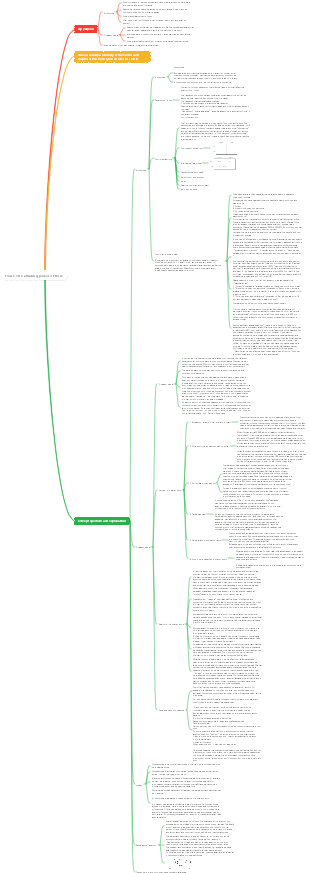
Internal medicine respiratory diseases include: chronic bronchitis, chronic obstructive pulmonary disease, bronchial asthma, pulmonary infectious diseases, pulmonary thromboembolism, pulmonary hypertension and pulmonary heart disease, acute respiratory distress syndrome, and respiratory failure. Some of the content may be borrowed from others (take the essence), but every part is retained after careful consideration. If it greatly overlaps with the textbook content, it can only be said that the key points are summarized on the basis of the textbook (after reviewing the questions) and understanding), of course textbooks are the best teachers. The red markings are important, and the black markings should also be looked at carefully. As for the unmarked content, keep it just for better understanding (this is also important).
Edited at 2023-11-17 17:09:04
- bacteria
This is a mind map about bacteria, and its main contents include: overview, morphology, types, structure, reproduction, distribution, application, and expansion. The summary is comprehensive and meticulous, suitable as review materials.
- Plant asexual reproduction
This is a mind map about plant asexual reproduction, and its main contents include: concept, spore reproduction, vegetative reproduction, tissue culture, and buds. The summary is comprehensive and meticulous, suitable as review materials.
- Reproductive development of animals
This is a mind map about the reproductive development of animals, and its main contents include: insects, frogs, birds, sexual reproduction, and asexual reproduction. The summary is comprehensive and meticulous, suitable as review materials.
Respiratory diseases
- bacteria
This is a mind map about bacteria, and its main contents include: overview, morphology, types, structure, reproduction, distribution, application, and expansion. The summary is comprehensive and meticulous, suitable as review materials.
- Plant asexual reproduction
This is a mind map about plant asexual reproduction, and its main contents include: concept, spore reproduction, vegetative reproduction, tissue culture, and buds. The summary is comprehensive and meticulous, suitable as review materials.
- Reproductive development of animals
This is a mind map about the reproductive development of animals, and its main contents include: insects, frogs, birds, sexual reproduction, and asexual reproduction. The summary is comprehensive and meticulous, suitable as review materials.
- Recommended to you
- Outline


Respiratory diseases
[Appendix] Chronic bronchitis (chronic non-specific inflammation of the trachea, bronchial mucosa and surrounding tissues)
[General case description] Past history of smoking, symptoms: cough and sputum for many years
Etiology and pathogenesis
external factors
Physical and chemical factors: occupational dust and chemicals, smoking (main reason)
① Damage airway epithelial cells and ciliary movement, reducing airway purification ability;
② Promote the proliferation and hypertrophy of bronchial mucus glands and goblet cells, and increase mucus secretion;
③ Stimulates parasympathetic nerves to cause bronchial smooth muscle contraction and increase airway resistance;
④ Increase the production of oxygen free radicals, induce neutrophils to release proteases, destroy pulmonary elastic fibers, and induce the formation of emphysema;
Infectious factors (common)
Allergic factors: immune dysfunction, airway hyperresponsiveness;
Internal factors: The elderly’s own immunity declines, which can easily cause repeated respiratory infections;
pathology:
1. Damage and repair of ciliary-mucus drainage system
(1) Damage (release of inflammatory mediators)
①Cilia: adhesion, lodging, shedding
②Mucosal epithelium: degeneration, necrosis, and shedding
(2) Repair
① Squamous metaplasia (ciliated columnar epithelium to squamous epithelium)
② Increased goblet cells (secreting a large amount of mucus, coughing and sputum)
2. Changes in bronchial glands
① Mucinous gland hyperplasia and hypertrophy
② Mucinization of serous glands
③In the late stage, the acinar shrinks and disappears
3. Bronchial wall congestion, edema, inflammatory cell infiltration
4. other
(1) Rupture and shrinkage of smooth muscle in the tube wall
(2) Cartilage atrophy, calcification, and ossification
clinical manifestations
(1) Symptoms: Slow onset, long course, and repeated acute attacks that worsen the condition. The main symptoms are cough (mainly morning cough), sputum production or wheezing;
Laboratory and other ancillary examinations
Respiratory function test: no abnormality in early stage. If there is small airway obstruction (the most important change in early respiratory function), the maximum expiratory flow rate-volume curve will significantly reduce the flow rate at 75% and 50% lung volume;
X-ray examination: no abnormality in the early stage. Those with repeated attacks show thickened and disordered lung markings;
Diagnosis: Cough, sputum or wheezing, lasting for 3 months every year for 2 or more consecutive years;
treat
(1) Treatment of acute exacerbation
⒈Control infection: antibiotics
⒉Antitussive and expectorant
⒊Antiasthma: Bronchodilators
(ii) Treatment during the remission period (quit smoking, enhance physical fitness, immune modulators)
Chronic obstructive pulmonary disease (COPD, chronic bronchitis, emphysema patients with persistent airflow limitation in pulmonary function tests)
[General case description] Symptoms: long-term cough and sputum production; auxiliary examinations: pulmonary function test, obstructive ventilatory dysfunction;
Pathogenesis (inflammation and antitrypsin imbalance mechanism-neutrophils are the main effector cells)
Eventually two important pathologies arise
①Small airway lesions: significantly increase small airway resistance;
② Emphysema lesions: The normal pulling force of the alveoli on the small airways is reduced, and the small airways are more likely to collapse; at the same time, emphysema significantly reduces the elastic recoil of the alveoli;
Pathology: Pathological changes of chronic bronchitis and emphysema
Emphysema refers to the abnormal and persistent expansion of the air spaces distal to the terminal bronchioles of the lungs, accompanied by the destruction of alveoli and bronchioles without obvious pulmonary fibrosis.
The pathological changes of emphysema include excessive lung expansion and loss of elasticity. The appearance is gray or pale, and multiple bullae of different sizes can be seen on the surface. Microscopic examination revealed thinning of the alveolar walls, enlargement, rupture, or bullae formation of the alveolar cavities, reduced blood supply, and destruction of the elastic fiber network.
Classification of obstructive emphysema
Centrilobular type (common): cystically dilated respiratory bronchioles are located in the central area of the secondary lobules;
Panlobular type: Respiratory bronchiolar stenosis causes the expansion of the terminal lung tissue, that is, the alveolar ducts, alveolar sacs, and alveoli. It is characterized by small emphysema cysts located throughout the pulmonary lobules;
Mixed type: mostly based on the centrilobular type, complicated by the expansion of lung tissue in the peripheral areas of the lobules;
Pathophysiology: Continuous airflow limitation → Pulmonary ventilation dysfunction (lowering of lung tissue elasticity, continuous alveolar expansion, retraction disorder) → Increase in residual air volume and the percentage of residual air volume in total lung volume, aggravation of emphysema → A large number of capillaries around the alveoli Blood vessels are degenerated due to the squeeze of the expanding alveoli, resulting in a large reduction in pulmonary capillaries and a reduction in inter-alveolar blood flow → an increase in physiological dead space volume; although there is blood perfusion in some lung areas, the alveoli are poorly ventilated and cannot participate in gas exchange, resulting in Increased functional shunt → imbalance in ventilation and blood flow → ventilation dysfunction → hypoxia and carbon dioxide retention → hypoxemia (ventilatory dysfunction) and hypercapnia (ventilatory dysfunction) → respiratory failure.
clinical manifestations
(i) Symptoms
Chronic cough: cough that is often noticeable in the morning
Sputum: usually white mucus or serous foamy sputum, occasionally with blood streaks, and more sputum in the morning;
Shortness of breath or difficulty breathing (signature symptom) - Gradual progression (distinguished from asthma): It appears early during more strenuous activities, and then gradually worsens to the point that it can also be felt during daily activities or even at rest.
Wheezing and chest tightness: wheezing occurs in severe patients or during acute exacerbation
Others: Late-stage patients have weight loss and loss of appetite
(ii) Physical signs
Inspection: The anteroposterior diameter of the thorax increases, the intercostal space widens, and the lower sternal angle under the xiphoid process widens, which is called barrel chest.
Palpation: Bilateral diminished tremor
Percussion: The lungs are too voiceless, the heart dullness boundary is narrowed, and the lower lung boundary and hepatic dullness boundary are decreased.
Auscultation: Breath sounds in both lungs are weakened and the expiratory period is prolonged.
Laboratory and other ancillary examinations
Pulmonary function test (VC-vitalcapacity; RV-residual volume; TLC-total lung capacity; FEV1-Forced Expiratory Volume; FVC-Forced Vital Capacity; FRC-Functional residual capacity Functional residual capacity)
(1) Forced expiratory volume in the first second as a percentage of forced vital capacity (F EV 1/FVC) is a sensitive indicator for evaluating airflow limitation;
(2) The forced expiratory volume in the first second accounts for the percentage of the predicted value (F EV 1% predicted value), which is a good indicator for evaluating the severity of COPD. It has small variability and is easy to operate;
(3) After inhaling bronchodilators, FEV 1/FVC <70% can be determined as airflow limitation that is not completely reversible;
Diagnosis: Persistent airflow limitation, FEV 1/FVC <70% after inhaled bronchodilator
Severity assessment
(1) Assessment of disease severity during stable period
①Pulmonary function assessment
② Symptom assessment (walk hard, walk quickly, walk on level ground, 100 meters, unable to walk)
③Acute exacerbation risk assessment
(Acute exacerbation ≧2 times: long-acting glucocorticoids)
(mMRC classification ≧2: long-acting drugs)
(II) Assessment of severity of illness during acute exacerbation
complication
①Chronic respiratory failure (common): Pulmonary infection is a common cause;
② Spontaneous pneumothorax: sudden dyspnea and chest pain;
③Chronic pulmonary heart disease
Treatment (bronchodilators of choice)
Long-term home oxygen therapy (LTOT): nasal cannula oxygen inhalation (1.0-2.0L/min), time >15h/d
Target: PaO2>60mmHg or SaO2>90%
testify
①PaO2 ≤55 mmHg or SaO2 ≤88%, with or without hypercapnia
②PaO2 55-60 mmHg or SaO2 <89%, and edema or polycythemia caused by pulmonary hypertension, heart failure
Bronchial asthma (immune-related chronic inflammation of the airways, reversible airway limitation) - a heterogeneous disease characterized by chronic airway inflammation and airway hyperresponsiveness
[General case description] Symptoms: recurrent and intermittent cough, chest tightness, and dyspnea; signs: wheezing can be heard in both lungs, no other substantial pathological changes, and can be relieved without medication;
Cause
Pathogenesis: airway immune-inflammatory mechanism (leading to airway smooth muscle contraction, increased mucus secretion and inflammatory cell infiltration, producing clinical symptoms of asthma), neuromodulatory mechanism (contraction of bronchial smooth muscle-substance P, neurokinin)
major immune inflammatory cells
①Immediate bronchial asthma-mast cells
② Delayed bronchial asthma - eosinophils - essence of asthma, chronic airway inflammation
③ Early-onset bronchial asthma - basophils - bind to antibodies and release histamine
Attack period: Quickly relieve airway spasm and anti-inflammation
Remission period: long-term anti-inflammatory treatment to control attacks
clinical manifestations
Symptoms and signs: paroxysmal expiratory dyspnea with wheezing (mainly small airways); widespread wheezing in both lungs, prolonged expiratory sounds; silent lung - very severe asthma attack, wheezing On the contrary, it weakens or even disappears completely, indicating that the condition is critical;
Characteristics of asthma
① Episodic: When encountering predisposing factors, it becomes episodic and worsens;
② Rhythmicity: often attacks or worsens at night and early in the morning;
③Seasonality: often occurs or worsens in autumn and winter;
④Reversibility: Symptoms can usually be relieved and there can be an obvious remission period;
Cough variant asthma, chest tightness variant asthma: atypical asthma, with paroxysmal cough or chest tightness as the main symptoms
Laboratory and other tests (VC vital capacity; RV residual volume; TLC total lung capacity; FEV1 forced expiratory volume in one second; FVC forced vital capacity; FRC functional residual volume; PEF maximum expiratory flow; MMFR maximum mid-flow velocity time)
Specific allergen detection: Increased allergen-specific IgE in peripheral blood combined with medical history is helpful for diagnosis;
Arterial blood gas analysis: In the early stage, due to hyperventilation, PaCO2 decreases and pH increases, manifesting as respiratory alkalosis; in the late stage, hypoxia and CO2 retention occur, manifesting as respiratory acidosis and metabolic acidosis;
diagnosis
(1) Diagnostic criteria (meeting the following symptoms and signs, and having any one of the objective examinations)
⒈Clinical symptoms and signs of typical asthma
① Recurrent wheezing, shortness of breath, chest tightness or cough often have triggers;
② During the attack, the wheeze is scattered or diffuse, mainly in the expiratory phase, and the expiratory phase is prolonged;
③Symptoms are relieved or relieved after treatment;
⒉Objective examination of variable airflow limitation
①Positive bronchial provocation test;
②Positive bronchodilation test;
③The average daily PEF diurnal variation rate is >10% or the PEF weekly variation rate is >20%;
(II) Asthma staging and control level grading
⒈Acute attack period (pulse rate is the most typical)
⒉Chronic duration
⒊Clinical remission period: refers to the patient having no symptoms such as wheezing, shortness of breath, chest tightness, cough, etc., and maintaining it for more than 1 year;
treat
Controller drugs
Choose inhaled corticosteroids ICS (main) - anti-inflammatory drugs: drugs that require long-term use and are mainly used to treat chronic inflammation of the airways; (beclomethasone);
Oral corticosteroids: prednisone, methylprednisolone, dexamethasone, hydrocortisone;
Leukotriene modulator: zafirlukast;
Relief drugs - antispasmodic and antiasthmatic drugs: drugs used as needed to relieve asthma symptoms by rapidly relieving bronchospasm;
bronchodilator
Epinephrine is used for bronchial asthma, not for cardiac asthma;
Morphine (three depressants and one depressant - sedative, antitussive, antiasthmatic, and respiratory depressant) is used for cardiac asthma, but not for bronchial asthma;
Use theophylline for acute asthma of unknown cause;
anti-inflammatory and antiasthmatic drugs
Ketotifen - restores receptor downregulation; formoterol - does not produce receptor downregulation; glucocorticoids - upregulates receptors and increases their affinity;
Treatment for acute attacks (can be inhaled but not taken orally, can be taken orally but not intravenously)
Mild: Inhale SABA (albuterol aerosol, terbutaline aerosol) first; if not possible, inhale SAMA (ipratropium bromide) or take theophylline orally;
Moderate: Inhale SABA by aerosol first; then inhale SAMA and hormone; or combine with intravenous theophylline; when the effect is not good, take oral hormone as soon as possible and inhale oxygen at the same time.
Severe and critical cases: continuous nebulized SABA, ➕ nebulized SAMA, hormones, and intravenous administration of theophylline. Get oxygen. Give intravenous corticosteroids as early as possible (note that these are severe and critical), and switch to oral administration after control. When the pH is less than 7.20 and acid is combined, alkali should be added appropriately. The above is invalid, mechanical ventilation (respiratory muscle fatigue, partial pressure of carbon dioxide greater than 45, change of mind)
Treatment of severe asthma (one supplement, two corrections, three alkali supplements, oxygen therapy, two supplements and two stimulants)
1.Oxygen therapy and assisted ventilation
2. Rehydration: Follow the instructions first fast and then slow, salt first and then sugar, and replenish potassium in urine.
3. Correct acidosis: Severe hypoxia can cause metabolic acidosis, which can reduce the patient's bronchial responsiveness to antiasthmatic drugs. pH < 7.2 can be supplemented with alkali.
4. Aminophylline: small dose intravenously (not more than 1g)
5. Glucocorticoids: intravenously administered as soon as possible
6. Antibiotics: Airway obstruction leading to lung infection
7.β2 receptor agonist
chronic ongoing treatment
Relief medications: Use SABA as needed regardless of level
Controller drugs
Level 1 No use or low dose use
Level 2 Low-dose ICS or leukotriene receptor antagonist single agent
Level 3 Low-dose ICS LABA or low-dose ICS leukotriene receptor antagonist
Level 4: Medium to high dose ICS LABA or high dose ICS leukotriene receptor antagonist
Level 5 (medium and high dose ICS LABA or high dose ICS leukotriene receptor antagonist) oral glucocorticoids
pulmonary infectious diseases
【Appendix】The use of antibiotics
⒈β-lactams (inhibit bacterial cell wall)
⒉Polypeptide antibiotics (acts on bacterial cell membranes)
⒊Quinolones (inhibit bacterial DNA) - easily affect the development of children's bones
Levofloxacin, moxifloxacin
⒋Macrolides (inhibit protein synthesis)
Erythromycin, clarithromycin, azithromycin
⒌Aminoglycosides (inhibit protein synthesis)
Gentamicin, amikacin, streptomycin
⒍Sulfonamides
Sulfamethoxazole (systemic), sulfasalazine (intestinal)
Pneumonia: inflammation of the terminal airways, alveoli, and interstitium of the lungs
Causes and pathogenesis: Pathogens and host factors (large number of pathogens, strong virulence, damage to local and systemic immune defense systems of host respiratory tract); Staphylococcus aureus, Pseudomonas aeruginosa, Klebsiella pneumoniae (brick red jelly) sputum), anaerobic bacteria, etc. can easily cause necrosis of lung tissue. The lung structure and function of other pneumonias can mostly be restored after treatment;
Classification
(1) Anatomical classification
Lobar (alveolar) pneumonia: causes alveolar inflammation and spreads to other alveoli through the inter-alveolar pores (Cohn's pores), usually without involving the bronchi. X-ray images show consolidation shadows in pulmonary lobes or lung segments;
Lobular (bronchial) pneumonia: causes inflammation of the bronchioles, terminal bronchioles, and alveoli. X-ray images show irregular patchy shadows distributed along the lung texture without signs of consolidation;
Interstitial pneumonia: Involves the bronchial wall and peribronchial tissue. X-ray images show irregular shadows in the lower part of one or both lungs;
(ii)Cause classification: infectious pneumonia, non-infectious pneumonia
(iii) Classification of disease environment
Community-acquired pneumonia (CAP): air inhalation, bloodstream dissemination, adjacent site infection, aspiration of colonized bacteria in the upper respiratory tract; mainly G-cocci, with pneumococci accounting for 40-50%; ❤ (Streptococcus pneumoniae - the most common, Mycoplasma, Chlamydia, Haemophilus influenzae - the most common gram-negative bacilli, respiratory viruses, etc.)
Hospital-acquired pneumonia (HAP): aspiration of gastrointestinal colonization bacteria/aspiration of gastroesophageal reflux material (common), inhalation through artificial airway; mainly G-bacilli, increased MDR❤ (MRSA, Pseudomonas aeruginosa bacteria, Acinetobacter baumannii)
Clinical manifestations: Patients with early mild symptoms may have no obvious signs. Fever, cough, and expectoration of purulent sputum; at least 1 opacity is seen on chest X-ray
diagnosis
bacterial pneumonia
(1) Streptococcus pneumoniae pneumonia: acute inflammatory consolidation of lung segments or lobes caused by Streptococcus pneumoniae
[General case description] A young adult with a history of cold, fatigue, and alcoholism; acute onset, high fever, persistent fever (39°C-40°C, fluctuation not exceeding 1°C in 24 hours), rust-colored sputum, perioral herpes simplex, dullness on percussion, and speech Increased tremor, bronchial breath sounds; large X-ray infiltration shadow/consolidation shadow, air bronchus sign, ❤No cavitation - does not cause lung tissue necrosis and cavity formation; penicillin is the first choice
Cause and pathogenesis (the main pathogenic factor is the bacterial capsule)
Streptococcus pneumoniae (SP): Gram-positive cocci, a normal flora that resides in the oral cavity or nasopharynx. It does not produce toxins, cause tissue necrosis or form cavities. Its pathogenicity is due to the invasive effect of the capsule of high molecular polysaccharides on tissues (many types, prone to mutation, prone to drug resistance, sensitive to bile salts, positive bile bacteriolysis test)
pathology
Symptoms and signs: Common in healthy young adults, who often have a history of cold, rain, fatigue, drunkenness, and viral infection. The clinical symptoms are characterized by high fever, chills, cough, rust-colored sputum and chest pain, with an acute onset; nasal flaring, hair loss, and herpes at the corners of the mouth;
Auxiliary inspection
Routine blood test: white blood cell count increased, neutrophils were more than 80%, and nuclei shifted to the left;
Sputum smear: G ( ), encapsulated diplococci or streptococci;
Chest X-ray (preferred): The lung segments or lobes show large inflammatory infiltration shadows or consolidation shadows;
CT: Air bronchus sign can be seen in consolidation;
treat
1. Penicillin G is preferred; enzyme-resistant → semi-synthetic penicillin;
2. For penicillin allergy or penicillin-resistant Streptococcus pneumoniae pneumonia, third-generation cephalosporins and fluoroquinolones (floxacin) should be used
3. For those with multidrug-resistant strains (MDR), vancomycin, teicoplanin, and linezolid can be used
4. Supportive treatment and symptomatic treatment of complications.
(ii) Staphylococcal pneumonia: acute lung purulent inflammation caused by Staphylococcus aureus. Commonly occurs in people with underlying medical conditions and children with influenza and measles
[General case description] Infants/elderly people (diabetes, liver disease, lung disease); chills and high fever, purulent sputum with blood streaks; single or multiple fluid-air cystic cavity pulmonary consolidation, X-ray image variability; semi-synthetic penicillin resistant to penicillinase or cephalosporins;G cocci;
Cause and pathogenesis
1. The pathogenic substances of Staphylococcus aureus are mainly toxins and enzymes, such as hemolytic toxins, leukocidins, enterotoxins, etc., which have the effects of hemolysis, necrosis, killing leukocytes and vasospasm;
2. The pathogenicity of Staphylococcus aureus can be measured by plasma coagulase. Those who are positive (such as Staphylococcus aureus) are highly pathogenic;
Note: Staphylococcus infection accounts for 11% to 25% of hospital-acquired pneumonia.
pathology
1. Staphylococcal pneumonia caused by respiratory inhalation often presents with lobar distribution or extensive, confluent bronchopneumonia. Air cysts form and rupture, leading to pneumothorax or pyopneumothorax and bronchopleural fistulas. Can be complicated by purulent pericarditis and meningitis;
2. Staphylococci spread from menstrual blood to the lungs, causing multiple lung consolidations, suppuration and tissue destruction, forming multiple or multiple lung abscesses;
Symptoms and signs
1. The onset of this disease is often sudden, with high fever, chills, and chest pain;
2. The sputum is purulent and pus-like (blood in the sputum);
3. Symptoms of toxemia are obvious, and severe cases may suffer early peripheral circulatory failure;
4. There may be no physical signs in the early stage, but later on, there may be signs of moist rales in the lungs, signs of lung consolidation, and corresponding signs of pneumothorax and pyopneumothorax;
Auxiliary inspection
Blood routine: peripheral blood white blood cell count increased significantly, the proportion of neutrophils increased, and the nucleus shifted to the left;
X-ray examination: Consolidation of lung segments or lobes, which may lead to early formation of cavities or lobular infiltration with single or multiple fluid-air cysts;
The variability of X-ray is manifested by the disappearance of inflammatory infiltrates in one place and the appearance of new lesions in another place. Or a small single lesion develops into a large shadow. The lesions are absorbed in 2-4 weeks.
treat
1. It is emphasized that the primary lesions of drainage should be removed early and sensitive antibiotics should be used;
2. The resistance rate of Staphylococcus aureus to penicillin G is over 90%;
3. For methicillin-sensitive staphylococci, choose enzyme-resistant semi-synthetic penicillins (oxacillin, cloxacillin) or cephalosporins, combined with aminoglycosides (gentamicin, streptomycin, amikacin);
4. Use amoxicillin/ampicillin enzyme inhibitors for enzyme-producing Staphylococcus aureus;
5. For methicillin-resistant Staphylococcus aureus (MRSA), choose vancomycin, teicoplanin, or linezolid;
(iii) Pulmonary infections caused by other pathogens
Mycoplasma pneumoniae pneumonia
[General case description] Children and adolescents with a history of travel, slow onset and self-limiting (can be cured without treatment); sore throat/headache/myalgia/pharyngitis/myringitis (extrapulmonary manifestations are more common), 38° low fever, no infection Toxic shock, persistent paroxysmal severe irritating dry cough, a small amount of mucopurulent sputum (interstitial pneumonia); X-ray patchy infiltrative shadow (flake-like shadow), tympanic membrane congestion, cervical lymph node enlargement; the first choice is within the large ring Esters-erythromycin;
(1) Features:
1. Mycoplasma pneumoniae is between bacteria and viruses;
2. There is no cell wall, so it is pleomorphic;
3. Accounting for more than 1/3 of non-bacterial pneumonia:
4. Does not invade the lung parenchyma → interstitial pneumonia;
(2) Clinical manifestations
1. The incubation period is 2-3 weeks, and the onset is slow;
2. Children and young adults are the main susceptible groups;
3. Fatigue, headache, sore throat, muscle aches, and obvious cough, mostly paroxysmal dry cough, which is more severe at night and can produce purulent sputum. Long-lasting paroxysmal cough is a typical manifestation of mycoplasma pneumonia;
4. Congestion and cervical lymphadenopathy can be seen in the pharynx and drum;
(3) Laboratory and other inspections
1. X-ray shows various forms of infiltration in the lungs (spot-like/patchy/reticular), which are segmentally distributed and most common in the lower lung fields. The lesions may disappear on their own in 3-4 weeks;
2. The total number of white blood cells is normal or slightly high, mainly neutrophils;
3. Positive cold agglutination test (silver standard) (2/3 patients after 2 weeks) agglutination of mycoplasma and red blood cells occurs at minus 4 degrees Celsius, which is non-specific (≥1:64, or a 4-fold increase in the titer during the recovery period), which provides a basis for diagnosis. )
4. Serum antibody measurement (gold standard): Mycoplasma pneumoniae IgM antibody—can be used as the basis for diagnosis;
(4) Diagnosis
1. Symptoms, signs and X-ray findings lack specificity;
2. For those with irritating cough who do not respond well to ordinary antibacterial treatment, this disease should be considered;
3. Serological examination is the main diagnostic method for this disease;
4. Cold agglutination test is positive, titer is greater than 1:32 (after 2 weeks):
5. Mycoplasma IgM antibody detection - good specificity;
6. Mycoplasma antigen detection-early diagnosis;
7. IgM indicates recent infection: IgG indicates past infection;
(5) Treatment
1. It is self-limiting and can heal itself;
2. The first choice is macrolide drugs represented by erythromycin.
3. The treatment course is usually 2-3 weeks;
4. Penicillins and cephalosporins are ineffective - Mycoplasma has no cell wall;
viral pneumonia
[General case description] The onset of illness was acute, and X-ray showed diffuse ground-glass opacity in both lungs.
(1) Definition: The virus invades the respiratory epithelium and alveolar epithelial cells, causing lung interstitial and parenchymal inflammation.
Caused by downward spread of upper respiratory tract viral infection. Individuals with normal or suppressed immune function can suffer from it. It is more common in spring and winter, and most of them can recover on their own;
(2) Causes and pathogenesis
1. Common viruses include influenza A and B viruses, adenovirus, parainfluenza virus, respiratory syncytial virus and coronavirus, etc.;
2. People with immunosuppression are susceptible to herpes virus and measles virus;
3. Transplant recipients are susceptible to herpes virus and cytomegalovirus pneumonia;
4. Patients can be infected with more than one virus at the same time, and may develop secondary bacterial, fungal and other infections;
5. Respiratory viruses are spread through droplets and direct contact;
(3) Pathology
1. Mostly interstitial pneumonia, with a large number of mononuclear cells infiltrating the alveolar septa. Alveolar edema, covered with a transparent membrane containing fibrin, increases the alveolar diffusion distance. Occasional consolidation;
2. The release of inflammatory mediators directly acts on bronchial smooth muscle and can cause bronchospasm;
3. Pulmonary fibrosis may remain after the lesions are absorbed;
(4) Clinical manifestations
1. It usually occurs during the epidemic season of viral diseases;
2. ❤The onset is rapid, with prominent systemic symptoms such as fever, headache, body aches, and fatigue. Respiratory symptoms such as coughing and white sticky phlegm often appear before the flu symptoms subside;
3. Children and the elderly are susceptible to severe pneumonia, dyspnea, cyanosis, drowsiness, shock, heart failure, respiratory failure or ARDS;
4. Pulmonary signs are often not obvious;
(5) Auxiliary inspection
1. The white blood cell count is normal, slightly high or low, the erythrocyte sedimentation rate is normal, and there are no pathogenic bacteria in sputum culture;
2. X-ray manifestations include increased lung markings, ground-glass shadows, small patchy infiltrates or extensive infiltrates, and consolidation. Lobar consolidation and pleural effusion are rare;
(6) Diagnosis
1. Clinical symptoms X-ray, excluding pneumonia caused by other pathogens;
2. Confirmation: etiology - virus isolation, serology (antibody), antigen detection;
(7) Treatment
1. Focus on symptomatic treatment
a. Rest, ventilate, isolate and disinfect;
b. Adequate amounts of vitamins and proteins, and drink plenty of water;
c. Infusion and oxygen inhalation as appropriate;
d. Keep the respiratory tract open;
2. Drugs:
Ribavirin (ribavirin)—broad-spectrum antiviral
Acyclovir-herpes virus, varicella virus
Ganciclovir-cytomegalovirus
Oseltamivir-influenza A and B viruses
Vidarabine-herpes and chickenpox virus infection in immunocompromised patients
Amantadine-Influenza Virus
Klebsiella pneumoniae
[General case description] Elderly people with chills, high fever, brick-red jelly sputum (yellow-green when blood vessels are not broken); pulmonary lobular consolidation, honeycomb-shaped lung abscess, falling interlobe space (inflammatory exudate in the lesion is thick and heavy); first choice Aminoglycosides (gentamicin, streptomycin, amikacin) third-generation cephalosporins;
Legionella pneumonia
[General case description] Middle-aged and elderly; myalgia/headache, chills and high fever, a small amount of mucopurulent sputum, chills and high fever, digestive tract symptoms, low sodium, diarrhea; patchy shadows but no cavities; macrolides are preferred;
lung abscess
[General case description] Inhalation is the most common, the elderly are bedridden, drunk, and comatose; anaerobic bacteria are common; acute high fever and large amounts of purulent sputum (smelly-anaerobic bacteria); large X-ray areas with dense and fuzzy inflammatory shadows and abscess cavities ( Round translucent area) Cavity with air-liquid level; most anaerobic bacteria are effective to penicillin, and the inflammation disappears in 6 to 8 weeks or on X-rays
Aspiration lung abscess/primary lung abscess (combined with anaerobic bacterial infection, penicillin is preferred, clindamycin, lincomycin, and metronidazole can be used): Pathogens are inhaled through the mouth, nose, and pharyngeal cavity to cause disease. The posterior segment of the upper lobe or the dorsal segment of the lower lobe in the supine position; the posterior basal segment of the lower lobe in the sitting position; because the right main bronchus is steeper and has a larger diameter, inhaled matter can easily enter the right lung
Hematogenous lung abscess (mostly Staphylococcus aureus, semi-synthetic penicillin-cloxacillin, ampicillin is preferred): multiple abscesses in the outer fields of both lungs, skin trauma infection, boils, carbuncles and other purulent lesions, persistent fever She has symptoms such as cough and sputum, and chest X-ray examination shows multiple small abscesses in both lungs;
Chronic lung abscess: Pulmonary inflammation and necrotic cavity migration and development for more than 3 months, with chronic cough, coughing up pus and bloody sputum, physical depletion, and clubbing of the fingers. X-ray findings mainly show cavitary lesions with fluid levels;
treat
① Antibiotic treatment
②Pus drainage
③Surgical treatment (indications)
① The duration of lung abscess is more than 3 months, and the abscess cavity does not shrink after medical treatment, or the abscess cavity is too large (more than 5cm) and is not likely to be closed easily;
② Massive hemoptysis is ineffective or life-threatening after medical treatment;
③Those with bronchopleural fistula or empyema for whom suction, drainage and flushing are not effective;
④ Bronchial obstruction restricts airway drainage, such as lung cancer;
Respiratory diseases
Pulmonary thromboembolism (PTE)
[General case description] Sudden dyspnea and chest pain, accompanied by signs of right heart failure and systemic congestion;
Causes (Virchow's three factors): venous blood stasis, venous system endothelial injury (fracture, surgery), blood hypercoagulability (oral contraceptives, malignant tumors);
Pathogenesis
Characteristics: more bilateral than unilateral, more right lung than left lung, lower lung more than upper lung;
① Decreased blood pressure → Reduced blood supply to the right coronary artery → Right heart failure/damage → Angina pectoris, systemic hypotension or even shock;
② Reduced pulmonary blood flow at the embolization site → enlarged alveolar dead space → imbalance of ventilation-blood flow ratio (type I respiratory failure); neurohumoral factors cause bronchospasm → ventilatory dysfunction (type II respiratory failure);
③Pulmonary infarction;
④Chronic pulmonary hypertension;
clinical manifestations
(1) Symptoms (lack of specific clinical symptoms and signs)
(1) Dyspnea and shortness of breath: often appear after activity, the most common
(2) Chest pain: including pleuritic chest pain or angina-like pain
(3) Syncope: can be the only or first symptom
(4) Hemoptysis: usually small amount, large hemoptysis is rare
(5) Restlessness, panic or even a sense of death
(6) Cough, palpitations, etc.
(7) Only 20% of patients experience dyspnea, chest pain and hemoptysis at the same time, which is called the triad of pulmonary infarction;
(ii) Physical signs
(1) Respiratory system signs: shortness of breath is the most common; cyanosis; wheezing and/or fine crackles can sometimes be heard in the lungs;
(2) Signs of the circulatory system: tachycardia; changes in blood pressure, which may lead to a drop in blood pressure or even shock in severe cases; jugular vein filling or abnormal pulsation; hyperactivity or splitting of the second heart sound in the pulmonary valve area, and systolic murmur in the tricuspid valve area.
(3) Others: May be accompanied by fever, mostly low-grade fever (cyanosis, hypotension and shock are more common in patients with massive embolism)
(iii) Symptoms and signs of DVT: swelling, pain, and skin pigmentation in the affected limbs, especially asymmetric swelling of the lower limbs. The measurement points for thigh and calf circumference are 15cm above the upper edge of the patella and 10cm below the lower edge of the patella. A bilateral difference of >1cm is clinically significant;
laboratory tests
Suspicious diagnosis
① Plasma D-dimer: D-dimer increases during acute PTE. If its content is normal, it has important diagnostic value for excluding PTE (the content is less than 500 μg/L);
②Electrocardiogram: The most common change is sinus tachycardia;
The more common ones are T wave inversion of V 1 to V 4 and ST segment abnormalities;
S IQ II IT III sign may occur in some cases (i.e. deepening of S wave in lead I, Qq wave and T wave inversion in lead III);
Complete right bundle branch block; pulmonary P wave; right axis deviation;
③ Chest X-ray
Signs of pulmonary artery obstruction can be seen: regional lung markings become thinner, sparse or disappear, and lung field translucency increases;
Pulmonary hypertension and right heart enlargement: right lower pulmonary trunk widening or truncation sign, pulmonary artery segment distension and right ventricular enlargement, but these are non-specific;
④Examination of deep veins of lower limbs: to determine whether there is DVT and the source of embolus;
Confirmed
①CT pulmonary angiography (CTPA)-suspected patient confirmed
Direct signs: semilunar or annular filling defect of pulmonary vessels, complete obstruction, orbit sign;
Indirect signs: lung blossoms, strip-shaped high-density areas, atelectasis;
② Radionuclide lung ventilation-perfusion scan;
Types
1. Low-risk PTE - normal blood pressure, no right ventricular dysfunction, direct anticoagulation, no need for thrombolysis;
2. Intermediate-risk PTE—one with normal blood pressure and right ventricular dysfunction, requiring anticoagulation and thrombolysis as appropriate;
3. High-risk PTE - right ventricular dysfunction, accompanied by hypotension or cardiogenic shock, first thrombolysis, then anticoagulation;
Treatment (thrombolysis for hypotension, anticoagulation for normal blood pressure)
1. General treatment:
(1) For patients with highly suspected or confirmed APTE, monitor vital signs. In order to prevent the emboli from falling off again, they are required to stay in bed absolutely, keep the stool unobstructed, and avoid exerting force;
(2) Patients with anxiety and panic should be comforted and sedatives can be used appropriately, and those with chest pain can be given analgesics;
(3) Dynamic monitoring of electrocardiogram and arterial blood gas analysis;
2. Anticoagulation therapy (first choice for low and medium risk)
①Warfarin (disabled for pregnant women)
Oral warfarin should be taken for at least 3 months; for first-time cases of unknown source of emboli, anticoagulation should be given for at least 6 months; for those with concurrent pulmonary heart disease or long-term risk factors, the anticoagulant treatment should be extended to Anticoagulation for 12 months or more, or even lifelong - warfarin bleeding can be antagonized with vitamin K;
Since warfarin takes several days to exert its full effect, it needs to be overlapped with heparin drugs for at least 5 days. When the international normalized ratio (INR) reaches 2.5 (2.0-3.0) and lasts for at least 24 hours, heparin can be stopped. For anticoagulant therapy with warfarin alone, adjust its dose according to the INR, and maintain the target INR value at generally 2.0 to 3.0;
② Low molecular weight heparin: Unfractionated heparin is injected intravenously at 2000~5000U or 80U/kg, APTT is measured, and the dose is adjusted according to APTT, so that APTT (activated partial thromboplastin time) reaches and maintains 1.5~2.5 times the normal value as soon as possible.
3. Thrombolytic therapy (acute high-risk pulmonary thromboembolism): Streptokinase (streptokinase is antigenic and should not be reused within six months to avoid allergic reactions), urokinase, recombinant tissue plasminogen activator (rt-PA)
(1) Indications:
① Mainly suitable for cases of large-scale pulmonary thromboembolism (obvious dyspnea, chest pain, hypoxemia, etc.);
Time window: within 14 days
②For sub-large areas, thrombolysis can be considered if there are no contraindications, but there is controversy;
③For cases with normal blood pressure and right ventricular motor function, thrombolysis → anticoagulation is not suitable;
(2) Absolute contraindications: active internal bleeding and recent spontaneous intracranial hemorrhage;
(3) Relative contraindications (for fatal massive pulmonary thromboembolism, the above absolute contraindications should also be regarded as relative contraindications);
cor pulmonale (ECG) → pulmonary hypertensive heart disease
[General case description] Elderly, with repeated cough and sputum production for many years, barrel chest (history of chronic lung disease), accompanied by pulmonary hypertension (P2>A2)/right heart hypertrophy (electrocardiogram - systolic pulse can be seen under the xiphoid process, three cusp valve and systolic murmur)/right heart failure - manifestations of systemic circulation congestion (jugular vein filling, positive hepatic jugular reflux sign, edema of both lower limbs, liver congestion - liver subcostal xcm);
Definition: A disease in which pulmonary vascular resistance increases due to lesions in the broncho-pulmonary tissue (common in COPD), thorax or pulmonary vessels, resulting in pulmonary hypertension and changes in right ventricular structure or (and) function. Clinically, chronic pulmonary heart disease is more common.
Acute cor pulmonale → pulmonary embolism: It is a disease caused by a sudden increase in pulmonary circulation resistance, resulting in a decrease in cardiac output, resulting in rapid expansion of the right ventricle and acute right heart failure.
Chronic cor pulmonale: Pulmonary hypertension caused by chronic broncho-pulmonary disease, thoracic or pulmonary artery system lesions, with or without right heart failure. It is more common than acute pulmonary heart disease. In addition to the various symptoms and signs of the original disease, signs of respiratory failure, heart failure and other organ damage gradually appear.
Pathogenesis
(1) The formation of pulmonary hypertension
⒈Functional factors that increase pulmonary vascular resistance (hypoxia - the most important factor, hypercapnia, respiratory acidosis)
⒉Anatomic factors that increase pulmonary vascular resistance
① Long-term recurrent COPD and peribronchial inflammation can involve adjacent pulmonary arterioles, causing vasculitis, wall thickening, lumen stenosis or fibrosis, or even complete occlusion, increasing pulmonary vascular resistance and producing pulmonary hypertension;
② Emphysema causes the intra-alveolar pressure to increase, compressing the alveolar capillaries, causing capillary lumen stenosis or occlusion. Alveolar wall rupture causes damage to the capillary network, and pulmonary circulation resistance increases when the alveolar capillary bed loss exceeds 70%;
③ Pulmonary vascular remodeling: Chronic hypoxia causes pulmonary vasoconstriction and increases tube wall tension. At the same time, a variety of growth factors (such as polypeptide growth factors) are produced in the lungs during hypoxia, which can directly stimulate tube wall smooth muscle cells, intimal elastic fibers and collagen fiber proliferation;
④ Thrombosis: Autopsy found that some patients with acute exacerbation of chronic pulmonary heart disease had multiple in situ thrombosis of pulmonary microarteries, which caused increased pulmonary vascular resistance and aggravated pulmonary hypertension;
⒊Increased blood viscosity and blood volume
[Appendix] Classification of pulmonary hypertension
①Arterial pulmonary hypertension
idiopathic pulmonary hypertension
②Pulmonary hypertension caused by left heart disease
③Pulmonary hypertension caused by lung disease and/or hypoxia
Chronic obstructive pulmonary disease (COPD)
④Chronic thromboembolic pulmonary hypertension and other pulmonary obstructive diseases
⑤Pulmonary hypertension caused by unknown and/or multiple factors
(ii) Heart disease and heart failure
clinical manifestations
1⃣️Blood gas changes during the compensation period are: respiratory acidosis ➕metabolic alkalosis (kidneys can compensate by producing more bicarbonate ions, so it manifests as metabolic alkalosis)
2⃣️Blood gas changes during the decompensation period are: respiratory acidosis ➕metabolic acidosis (the kidneys cannot compensate, manifesting as metabolic acidosis)
3⃣️After applying diuretics, the blood gas changes are: respiratory acidosis ➕ metabolic alkalosis (the effect of diuretics on expelling hydrogen and potassium ions)
Auxiliary inspection
Electrocardiogram: pulmonary P wave (high peak P wave), clockwise transposition, right axis deviation;
[Attachment] Average cardiac axis: the synthesis of all instantaneous vectors during ventricular degradation;
complication
1. Pulmonary encephalopathy (common cause of death)
2. Acid-base imbalance and electrolyte disorder (ph<7.2, alkali supplementation can be used)
3. Arrhythmia (premature atrial contractions and paroxysmal supraventricular tachycardia are common, characterized by disordered atrial tachycardia)
4. Shock
5. Gastrointestinal bleeding
6.DIC
7. Deep vein thrombosis
Diagnosis: Electrocardiogram, chest X-ray, and echocardiogram show signs of pulmonary artery widening and right heart enlargement and hypertrophy.
treat
Lung and cardiac compensation period: long-term home oxygen therapy, home non-invasive ventilator treatment → improve hypoxia
Decompensation period of lung and heart function
Treatment principles
(1) Actively control infection; (very important)
(2) Unblock the respiratory tract and improve respiratory function;
(3) Correct hypoxia and carbon dioxide retention in pigs;
(4) Control breathing and heart failure;
(5) Actively deal with complications;
Control heart failure
(1) Diuretics
①Function: Reduce blood volume, reduce heart load, and reduce swelling;
②Principle: Choose diuretics with light effects and use them in small doses;
③Side effects: low potassium and low chloride alkalosis, thick sputum that is difficult to cough up, and blood Concentration, etc.;
(2) Positive inotropic drugs
①Digitalis drugs: Because patients with hypoxia and infection have low tolerance to them, they have poor efficacy and are prone to arrhythmias. The dosage is 1/2 or 2/3 of the usual dosage, and drugs with fast action and fast diarrhea are selected;
②Indications:
a. Heart failure with infection (induced) under control, respiratory function improved, and repeated edema after taking diuretics;
b. Patients with right heart failure as the main manifestation but no obvious infection;
c. Combined with supraventricular tachycardia; (frontal and ventricular rate greater than 100 beats/min)
d. Combined with acute left heart failure;
(3) Vasodilator drugs
① Reduce cardiac pre- and post-load, reduce myocardial oxygen consumption, and increase myocardial contractility;
②Some refractory heart failures have certain curative effects;
③Hypovolemia and hypotension generally do not require vasodilator drugs;
(4) Control of arrhythmia: Generally, arrhythmia can disappear on its own after treatment of infection and hypoxia in chronic pulmonary heart disease. If it persists, drugs can be selected according to the type of arrhythmia.
(5) Anticoagulation treatment;
(6) Strengthen care: turn over and pat the back;
acute respiratory distress syndrome (ARDS)
[General case description] Occurred within 3 days after the onset of the primary disease, with cough, sputum production, progressive dyspnea, and could not be improved by usual oxygen therapy, PaO2 decreased, PaCO2 increased, Ph decreased, chest X-ray showed bilateral lungs exudative lesions;
1. Clinical characteristics: respiratory distress, refractory hypoxemia, respiratory failure;
2. Pathological characteristics: The permeability of pulmonary microvessels is increased due to inflammation, and protein-rich fluid leaks out of the alveolar cavity, which in turn leads to pulmonary edema and the formation of hyaline membranes, which thickens the respiratory membrane, affects gas exchange, leads to a decrease in diffusion function, and further disease progression. Development leads to pulmonary interstitial fibrosis, resulting in manifestations of restrictive ventilatory dysfunction such as reduced lung volume and reduced lung compliance.
3. Pathophysiological changes: reduced lung volume, reduced lung compliance, severe ventilation/blood flow imbalance;
4. Imaging findings: diffuse exudative changes in both lungs;
Causes and risk factors
(1) Intrapulmonary factors - factors that directly damage the lungs
①Chemical factors: such as inhalation of gastric contents, poisonous gas, etc.;
②Physical factors: such as lung contusion and drowning;
③Biological factors: such as severe pneumonia;
(2) Extrapulmonary factors: shock, sepsis, severe non-thoracic trauma, massive blood transfusion, acute severe pancreatitis, drug or narcotic poisoning, etc.;
Pathogenesis
The essence of ARDS: The pulmonary inflammatory response indirectly mediated by a variety of inflammatory cells and the inflammatory mediators and cytokines they release is the pulmonary manifestation of systemic inflammatory response syndrome (SIRS);
SIRS refers to the body's uncontrolled self-sustaining amplification and self-destructive inflammatory waterfall response;
Pathology and pathophysiology
Exudation period (1-2 weeks, hyaline membrane, "wet lung", "small lung") → Ventilation dysfunction: diffuse lung damage, increased pulmonary capillary permeability, and a large amount of accumulation in the alveoli and pulmonary interstitium Edema fluid, hyaline membrane formation;
Proliferative phase (2-3 weeks): Pathologically, pulmonary interstitial and alveolar fibrosis, type II alveolar epithelial cell proliferation, fibroblast proliferation and collagen deposition can be seen pathologically;
Fibrosis stage (3-4 weeks): Pathologically, it often manifests as hyaline membrane resorption (recovery of lung function) or severe pulmonary fibrosis (requiring long-term oxygen therapy and mechanical ventilation);
Clinical manifestations (usually occur within 72 hours after being attacked by pathogenic factors)
1. Primary disease manifestations: sepsis, aspiration, trauma;
2. The earliest symptoms include accelerated breathing, progressive dyspnea, cyanosis, etc.;
3. Physical signs
(1) Early stage: There may be no abnormality or a small amount of fine moist rales;
(2) Late stage: vesicular sounds and tubular breath sounds;
Auxiliary inspection
1. chest Characteristics of pulmonary edema, including pulmonary interstitial fibrosis changes in the later stages;
2. Arterial blood gas analysis (most important)
(1) Typical manifestations: low PaO2, low PaCO2, high pH;
identify
The main mechanism of hypoxemia in COPD-decreased alveolar ventilation
The main mechanism of hypoxemia in interstitial diseases-diffusion dysfunction
The main mechanism of hypoxemia in pulmonary thromboembolism - imbalance of ventilation/blood flow ratio
The main mechanism of hypoxemia in ARDS - intrapulmonary shunt
(2) When breathing air, PaO2<60 mmHg;
(3) Oxygenation index (PaO2/Fi O2) ≤300 is a necessary condition for diagnosing ARDS, and PCWP ≤18mmHg excludes left heart failure; (FiO2: oxygen concentration fraction of inhaled air)
diagnosis
1. Acute or progressive dyspnea that occurs within 1 week under clear triggers;
2. Chest X-ray or CT shows infiltration shadows in both lungs, which cannot be explained by other reasons (pleural effusion, lobar/whole lung atelectasis and nodular shadows);
3. Respiratory failure cannot be explained by heart failure and fluid overload;
4. Hypoxemia (mild non-invasive positive pressure ventilation; moderate to severe invasive positive pressure ventilation)
①Mild: 200 mmHg<Pa 02/Fi 02 ≦ 300 mmHg;
② Moderate: 100 mmHg<Pa 02/Fi 02 ≦200 mmHg;
③Severe: Pa 02/Fi 02≦100 mmHg;
5. Pulmonary artery pressure (PAWP) is an important hemodynamic monitoring indicator, which detects the pressure of the left atrium. PAWP≦18mmHg may clinically rule out cardiogenic pulmonary edema;
treat
1. Treat the primary disease (first principle and basis, infection is the most common);
2. Oxygen therapy (high-concentration oxygen inhalation);
3. Mechanical ventilation (appropriate PEEP-positive end-expiratory pressure 5cmH2O starting, 8-18 cmH2O, small tidal volume);
An appropriate level of PEEP can reopen the trapped small airways and alveoli, prevent the alveoli from opening and closing repeatedly with the respiratory cycle, increase the lung volume at the end of expiration, reduce lung damage and alveolar edema, thereby improving the alveolar diffusion function and ventilation/ blood flow ratio, reduce intrapulmonary shunt, and achieve the purpose of improving oxygenation and lung compliance.
respiratory failure
Definition: Severe impairment of pulmonary ventilation and/or ventilatory function caused by various reasons, which prevents adequate gas exchange from being maintained at rest, leading to hypoxemia with (or without) hypercapnia, which in turn causes a A syndrome with a series of pathophysiological changes and corresponding clinical manifestations.
Objective indicators: under sea level atmospheric pressure, resting state, and breathing air conditions, PaO2<60mmHg, or accompanied by PaCO2>50mmHg;
Cause
Ventilatory dysfunction (type II respiratory failure): airway obstructive diseases (COPD, bronchial asthma), thoracic pleural lesions (pneumothorax), neuromuscular diseases;
Ventilation dysfunction (type I respiratory failure): lung tissue lesions, pulmonary vascular lesions, and cardiac lesions;
Classification
(1) Classification according to arterial blood gas
(1) Type I (hypoxic respiratory failure): PaO2<60 mmHg, PaCO2 is normal;
(2) Type II (hypercapnic respiratory failure): PaO2<60 mmHg, PaCO2>50 mmHg;
(ii) Classification according to severity of onset
(1) Acute respiratory failure;
(2) Chronic respiratory failure;
(3) Acute exacerbation of chronic respiratory failure: combined with respiratory infection, airway spasm or pneumothorax;
(iii) Classification according to pathogenesis
Pump failure - ventilatory dysfunction - type II respiratory failure: dysfunction of the central nervous system, peripheral nervous system, neuromuscular tissue, and thoracic cage that drive respiratory movement;
Lung failure - ventilatory dysfunction - type I respiratory failure: diffusion dysfunction (interstitial lung disease), ventilation-blood flow imbalance (pulmonary thromboembolism), increased anatomical shunting (ARDS);
Pathogenesis and pathophysiology
(1) The mechanisms of hypoxemia and hypercapnia
①Insufficient lung ventilation
②Diffusion disorder
③Imbalance of ventilation/blood flow ratio: normal ratio is 0.8
④Increased intrapulmonary arteriovenous anatomical shunting (correction by oxygen therapy is ineffective)
⑤ Increased oxygen consumption
(II) Effects of hypoxemia and hypercapnia on the body
⒈Effects on the central nervous system
hypoxia
(1) The brain is sensitive to hypoxia, and hypoxia is most likely to cause brain dysfunction;
(2) Completely stop oxygen supply for 4~5 minutes → irreversible brain damage;
(3) Acute hypoxia → irritability, convulsions, and death within a short period of time;
(4) Mild hypoxia (PaO2<60mmHg) → inattention, mental retardation, and disorientation;
(5) PaO2 <50 mmHg → restlessness, confusion, and delirium;
(6) PaO2<30 mmHg→loss of consciousness and coma;
(7) PaO2<20 mmHg → irreversible brain cell damage;
CO2 retention
⑴ Mild increase in CO2 → Cerebral cortex excitement → Insomnia, mental excitement, irritability and other symptoms;
⑵PaCO2 continues to increase → the subcortical layer of the brain is suppressed → the central nervous system is under anesthesia → pulmonary encephalopathy (PaCO2>80mmHg);
Long-term repeated coughing and sputum production, acute exacerbation of symptoms, mental disorder/drowsiness/disorder of consciousness
⑶ CO2 retention → cerebral vasodilation, increased cerebral vascular permeability, Na-K pump dysfunction → brain cell and interstitial edema → increased intracranial pressure → compression of brain tissue and blood vessels → aggravated cerebral hypoxia;
Manifestation: Psychoneurological symptoms
(1) Hypoxia
Acute: confusion, mania, convulsions, coma;
Chronic: intellectual, disorientation;
(2) Carbon dioxide retention: excitement - insomnia, irritability → inhibition - apathy, lethargy, coma;
⒉Influence on the circulatory system
A certain degree of decrease in PaO2 and increase in PaCO2 → a reflex increase in heart rate, increase in myocardial contractility, and increase in cardiac output;
Hypoxia, CO2 retention → sympathetic nerve excitement → vasoconstriction of skin and abdominal organs, coronary vasodilation, and increased blood flow;
Severe hypoxia and CO2 retention → Directly inhibit the cardiovascular center → Inhibit cardiac activity and vasodilation, drop in blood pressure, and arrhythmia;
Manifestations: cardiovascular dysfunction—palpitations in severe cases, conjunctival congestion and edema (a manifestation of CO2 retention), arrhythmia, and cardiac arrest;
⒊Effects on the respiratory system
hypoxia
Low PaO2 (<60mmHg) → acts on the carotid body and aortic body chemoreceptors → excites the respiratory center and enhances respiratory movement;
Hypoxia (<30mmHg) → inhibit respiratory center;
CO2 retention (respiratory center stimulant)
PaCO2 rises suddenly → breathing deepens and accelerates;
Long-term severe CO2 retention (PaCO2>80mmHg) → respiratory center depression and anesthetic effect (mainly maintained by the stimulation of peripheral chemoreceptors by low PaO2);
Manifestation: Respiratory dysfunction
(1) Dyspnea and increased respiratory rate are the first to appear;
(2) Respiratory rhythm disorder, including tidal breathing and sighing breathing (the respiratory center is suppressed);
(3) Respiratory depression (in severe cases);
Manifestation: Cyanosis
(1) Reliable signs of hypoxemia, but not sensitive enough;
(2) Cyanosis can occur when the blood oxygen saturation is lower than 90%;
(3) Central cyanosis: caused by reduced arterial oxygen saturation;
(4) Peripheral cyanosis: peripheral circulation disorder;
⒋Effects on liver and kidney function: renal insufficiency, liver damage;
Manifestations: Digestive and urinary system-ulcer disease symptoms; upper gastrointestinal bleeding; abnormal liver function, renal insufficiency;
⒌Respiratory acidosis and electrolyte imbalance
Acute respiratory dysfunction → respiratory acidosis combined with metabolic acidosis, intracellular acidosis, hyperkalemia (energy deficiency, sodium pump dysfunction);
Chronic respiratory failure→compensated respiratory acidosis (hypercapnia) combined with metabolic alkalosis (CO2 increases for a long time, HCO3- remains at a high level, and renal HCO3- excretion decreases), hypochloremia (only a small amount of HCO3- in the blood) Anions HCO3- and Cl The sum of - is relatively constant, and when HCO3- continues to increase, blood Cl- decreases accordingly);
Diagnosis: Blood gas analysis (confirmed diagnosis)
treat
(1) Keep the respiratory tract open (the most basic and important)
① Remove oropharyngeal and nasal secretions or gastric reflux;
②Reducing phlegm, eliminating phlegm, expelling phlegm, and aspirating phlegm;
③Relieve bronchospasm: bronchial antispasmodics, glucocorticoids;
④For those in critical condition, use nasal or orotracheal intubation or tracheotomy to establish an artificial airway for sputum suction and mechanical assisted ventilation;
(2) Oxygen therapy
① Acute respiratory failure brings PaO2 close to the normal range;
②Chronic O2 deficiency makes PaO2 at 60 mmHg↑, or SaO2 at 90%↑;
③ Commonly used oxygen supply methods include nasal cannula, nasal plug, mask, and intratracheal mechanical oxygen supply;
④The relationship between inspired oxygen concentration (FiO2) and inspired oxygen flow rate FiO2=21 4X inspired oxygen flow rate (L/min);
⑤ O2 deficiency is not accompanied by CO2 retention, and high-concentration oxygen inhalation (>35%) is required. Long-term inhalation of high-concentration oxygen can cause oxygen poisoning, so the inhaled oxygen concentration should be controlled within 50%;
⑥The principle of oxygen therapy for O2 deficiency accompanied by CO2 retention is low flow 1-3 L/min, low concentration 25-33%, lasting 24 hours, and oxygen supply for at least 15 hours;
⑦The goal is to make PaO2>60 mmHg;
⑧Long-term low-flow oxygen inhalation for patients with respiratory failure caused by COPD can reduce pulmonary circulation resistance and pulmonary artery pressure, enhance myocardial contractility, improve patient activity tolerance, and prolong survival time;
(3) Respiratory stimulants: suitable for patients with low ventilation due to central depression, obvious drowsiness and no obvious airway obstruction. It should not be used for respiratory failure mainly due to ventilatory dysfunction;
(4) Mechanical ventilation (patients with pulmonary encephalopathy): For patients with severe respiratory failure, mechanical ventilation is an important life-saving measure;
(5) Anti-infective treatment
①Infection is the most common cause of respiratory failure;
② Secretion retention, artificial airway, low immune function, etc. all require anti-infective treatment;
③ Symptoms of infection may be atypical and may include shortness of breath, body temperature and high white blood cells;
(6) Correct acid-base imbalance and electrolyte imbalance
① Respiratory acidosis - improve ventilation;
② Respiratory acid combined with acid replacement - improve ventilation and supplement sodium bicarbonate; if pH is less than 7.2, add alkali;
③ Respiratory acid combined with alkali replacement - reducing carbon dioxide too quickly or supplementing too much alkali (iatrogenic);