MindMap Gallery Internal Medicine-Chronic Bronchitis and Chronic Obstructive Pulmonary Disease
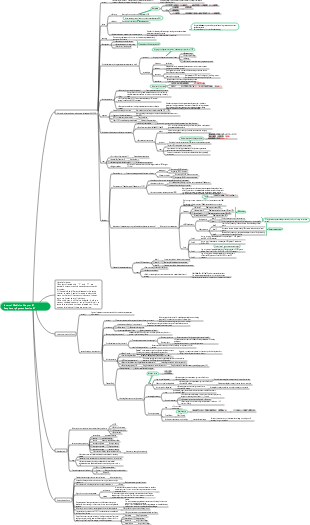
This article mainly introduces the causes, pathological changes, clinical manifestations, laboratory tests, diagnostic standards and differential diagnosis points of chronic bronchitis and chronic obstructive pulmonary disease, as well as treatment methods. As this article contains a lot of content on the respiratory system, I hope you can gain something from it. Can be used as a review reference for clinical majors.
Edited at 2024-04-02 16:20:09This article discusses the Easter eggs and homages in Zootopia 2 that you may have discovered. The main content includes: character and archetype Easter eggs, cinematic universe crossover Easter eggs, animal ecology and behavior references, symbol and metaphor Easter eggs, social satire and brand allusions, and emotional storylines and sequel foreshadowing.

[Zootopia Character Relationship Chart] The idealistic rabbit police officer Judy and the cynical fox conman Nick form a charmingly contrasting duo, rising from street hustlers to become Zootopia police officers!
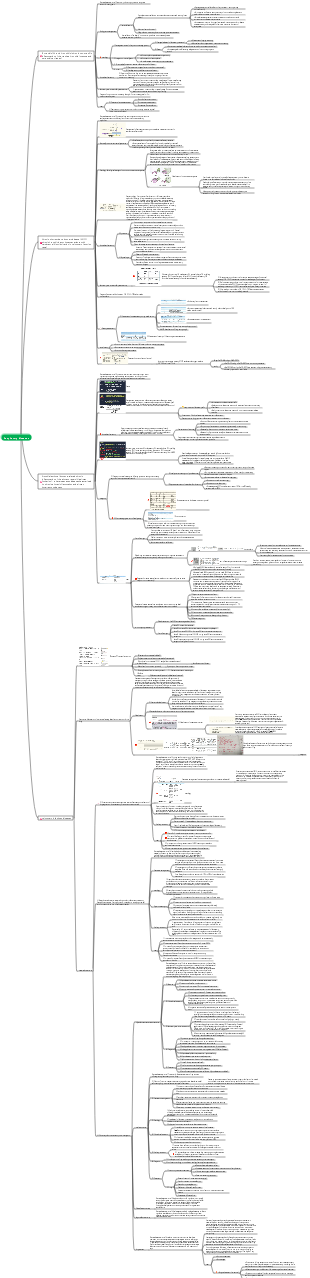
This is a mind map about Deep Analysis of Character Relationships in Zootopia 2, Main content: 1、 Multi-layer network of relationships: interweaving of main lines, branch lines, and hidden interactions, 2、 Motivation for Character Behavior: Active Promoter and Hidden Intendant, 3、 Key points of interaction: logic of conflict, collaboration, and covert support, 4、 Fun Easter eggs: metaphorical details hidden in interactions.
This article discusses the Easter eggs and homages in Zootopia 2 that you may have discovered. The main content includes: character and archetype Easter eggs, cinematic universe crossover Easter eggs, animal ecology and behavior references, symbol and metaphor Easter eggs, social satire and brand allusions, and emotional storylines and sequel foreshadowing.
[Zootopia Character Relationship Chart] The idealistic rabbit police officer Judy and the cynical fox conman Nick form a charmingly contrasting duo, rising from street hustlers to become Zootopia police officers!
This is a mind map about Deep Analysis of Character Relationships in Zootopia 2, Main content: 1、 Multi-layer network of relationships: interweaving of main lines, branch lines, and hidden interactions, 2、 Motivation for Character Behavior: Active Promoter and Hidden Intendant, 3、 Key points of interaction: logic of conflict, collaboration, and covert support, 4、 Fun Easter eggs: metaphorical details hidden in interactions.
Chronic bronchitis, chronic obstructive pulmonary disease
treat
Stable phase treatment
Education and Management
Bronchodilators
β1 adrenoceptor agonist
short-acting preparations
albuterol; terbutaline
Long acting preparation
salmeterol; formoterol
anticholinergic drugs
Short-acting preparations (ipratropium bromide); long-acting anticholinergics (ipratropium bromide)
Theophylline
Aminophylline
Glucocorticoids
Currently commonly used dosage forms include salmeterol plus fluticasone, formoterol plus budesonide
expectorant
Commonly used drugs include ambroxol hydrochloride; N-acetylcysteine; carbocysteine
Long-term home oxygen therapy (LTOT)
Indications for use
PaO2≤55mmHg or SaO2≤88%, with or without hypercapnia
PaO2 55~70mmHg, or SaO2<89%, and pulmonary hypertension, right heart failure or polycythemia (hematocrit>0.55)
The oxygen flow rate is 1.0~2.0L/min, and the oxygen inhalation time is >15h/d
recovery treatment
Specifically, it includes respiratory physiology treatment, muscle training, nutritional support, mental treatment and education, etc.
Treatment of acute exacerbations
First, the cause of the acute exacerbation of the condition should be determined, and outpatient or inpatient treatment should be decided based on the severity of the patient's condition.
controlled oxygen therapy
The general inhaled oxygen concentration is 28%~30%. When the inhaled oxygen concentration is too high, the risk of CO2 retention increases.
antibiotic
Acute exacerbation of COPD with purulent sputum is an indication for antibiotics
Drugs should be adjusted promptly based on sputum culture and antibiotic sensitivity test results
Bronchodilators
Drug users in the same stable period
Glucocorticoids
Prednisolone can be taken orally at 30 to 40 mg/d, and the dose will be gradually reduced after it is effective. The general course of treatment is 10 to 14 days; methylprednisolone can also be given intravenously, usually at 40 mg/d for 3 to 5 days. After it is effective, it can be changed to Take orally and gradually reduce the dose
surgical treatment
Surgical procedures include bullectomy and lung volume reduction surgery. Lung transplantation provides a new treatment option for patients with end-stage COPD.
Differential diagnosis and complications
Differential diagnosis
asthma
The airflow limitation in most patients with asthma is significantly reversible. Reasonable inhalation of glucocorticoids and other drugs can often effectively control the condition, which is an important feature in distinguishing it from COPD.
Other diseases causing chronic cough and sputum production
Bronchiectasis (can be distinguished by high-resolution CT and the presence or absence of hemoptysis), tuberculosis (calcifications can be seen on imaging, bacterial examination of sputum), lung cancer (men over 40 years old, blood in sputum, bronchoscopy, CT)
Other diseases causing exertional shortness of breath
Such as coronary heart disease, hypertensive heart disease, heart valve disease, etc.
Expansion of respiratory airspace caused by other reasons
Such as compensated emphysema, senile emphysema
complication
Chronic respiratory failure; spontaneous pneumothorax; chronic cor pulmonale
Diagnosis and Stable Disease Severity Assessment
diagnosis
Based on the history of high-risk factors such as smoking, clinical symptoms (chronic bronchitis, progressively worsening dyspnea) and physical signs (emphysema, airflow limitation), and abnormal lung function, COPD can be clinically suspected.
Assessment of disease severity during stable phase
Pulmonary function assessment
Symptom assessment
Acute exacerbation risk assessment
laboratory and its He assists in checking
Pulmonary function tests
It is the main objective indicator of sustained airflow limitation.
Chest X-ray
There are no abnormal changes in early chest X-rays. Later, non-specific changes such as thickened and disordered lung markings may occur, and emphysema may also occur.
chest CT scan
The manifestations of COPD small airway disease, emphysema and complications can be seen, but its main clinical significance is to exclude other respiratory diseases with similar symptoms.
blood gas test
It is of great value in determining the occurrence of hypoxemia, hypercapnia, acid-base balance imbalance and judging the type of respiratory failure.
other
When COPD is complicated by bacterial infection, the peripheral blood white blood cell count increases and the nucleus shifts to the left; pathogenic bacteria may be detected by sputum culture
Blood routine and sputum culture during COPD exacerbation period
clinical manifestations
symptom
Chronic cough; expectoration; shortness of breath or difficulty breathing; wheezing and chest tightness; others (late-stage patients have weight loss, loss of appetite, etc.)
physical signs
Inspection (barrel-shaped chest; some patients' breathing becomes shallow, the frequency increases, and severe cases may have pursed lip breathing, etc.); palpation (bilateral tremor weakens); percussion (the lungs are too voiceless); auscultation (breathing in both lungs) The sound is weakened and the expiratory period is prolonged)
Overview
Chronic obstructive pulmonary disease (COPD), referred to as COPD, is a common, preventable and treatable disease characterized by persistent respiratory symptoms and airflow limitation, often caused by significant exposure to harmful particles or gases Airway and/or alveolar abnormalities related to
COPD is closely related to chronic bronchitis and emphysema
About emphysema
Overview
Obstructive emphysema, referred to as emphysema, is caused by the stimulation of harmful factors such as smoking, infection, and air pollution, which causes the tissue elasticity of the distal end of the terminal bronchioles (respiratory bronchioles, alveolar ducts, alveolar sacs, and alveoli) to decrease and become excessive. Expansion, aeration, increased lung volume, accompanied by destruction of alveolar walls and bronchioles without obvious fibrotic lesions
Obstructive emphysema often coexists with chronic bronchitis, and generally has a long course and slow development; COPD is diagnosed when airway obstruction and airflow limitation that are not reversible occur; it can be complicated by chronic pulmonary heart disease.
Pathology (factors involved in obstructive emphysema)
The blood supply to the alveolar walls is reduced due to pressure, and the lung tissue is malnourished.
Bronchial cartilage is destroyed and the stent function is lost
Chronic airway inflammation and smoke stimulation increase the release of proteolytic enzymes
Other factors: such as alpha1 antitrypsin deficiency
clinical manifestations
The typical symptom is exertional shortness of breath, which often results in gradually worsening dyspnea on the basis of the original chronic bronchitis symptoms such as cough and sputum production.
Laboratory and ancillary examinations
X-ray examination
Posteroanterior chest X-ray showed expansion of the thorax, widening of the intercostal space, and horizontal posterior ribs; The heart shadow is long and narrow, and the translucency of both lung fields increases.
CT
Chest CT examination (especially high-resolution CT) can understand the uniformity of the distribution of emphysema lesions
Electrocardiogram
It can be seen that the limb leads generally have low voltage, which has no diagnostic significance.
Pulmonary function tests
Pulmonary function tests are of diagnostic significance for emphysema. The characteristic changes are an increase in functional residual capacity, residual capacity and total lung capacity, and an increase in the ratio of residual capacity to total lung capacity (>40%).
arterial blood gas analysis
There may be no changes in the early stage, but as the disease progresses to COPD, corresponding changes may be seen.
complication
Spontaneous pneumothorax; respiratory failure; chronic cor pulmonale
diagnosis
The diagnosis of obstructive emphysema should be based on a comprehensive analysis of medical history, clinical symptoms, signs, laboratory tests, etc.
When patients with chronic bronchitis or emphysema show persistent airflow limitation in pulmonary function tests, they can be diagnosed as COPD.
COPD is a common and frequently-occurring disease among respiratory diseases, with high prevalence and mortality rates.
Cause
Similar to chronic bronchitis
Pathogenesis
Inflammatory mechanism; protease-antiprotease imbalance mechanism; oxidative stress mechanism; other mechanisms (such as autonomic nervous system dysfunction, malnutrition, temperature changes, etc.)
Pathophysiology
The characteristic pathophysiological change of COPD is persistent airflow limitation leading to pulmonary ventilation dysfunction.
Chronic Obstructive Pulmonary Disease (COPD)
treat
In the acute attack phase and chronic delayed phase, infection control, expectoration, and cough relief should be the main focus; when accompanied by wheezing, antispasmodic and asthmatic treatment should be given; During the remission period, the main focus is to strengthen exercise, strengthen physical fitness, improve the body's resistance, and prevent recurrence.
Treatment of acute attacks
control infection
Choose antibiotics based on clinical experience, and actively conduct sputum pathogen culture and drug sensitivity testing.
Mild cases can be taken orally, while severe cases can be given intravenous antibiotics.
Commonly used antibiotics include penicillins, macrolides, fluoroquinolones, and cephalosporins.
Cough and expectorant
For patients in the acute attack stage, phlegm-reducing and expectorant drugs can be used as appropriate during anti-infective treatment.
Commonly used drugs include bromhexine, acetylcysteine, ambroxol hydrochloride, etc.
For the elderly who are frail and unable to cough up phlegm or have a large amount of phlegm, expectoration should be the main method.
Antispasmodic and asthmatic
For wheezing chronic bronchitis, bronchodilators are often used
aerosol treatment
Antibiotics, expectorants, antispasmodics and antiasthmatic drugs can be used for aerosol inhalation treatment to enhance local anti-inflammation and dilute sputum.
remission treatment
To quit smoking, avoid inhaling harmful gases and other harmful particles
Enhance physical fitness and prevent colds
People with repeated respiratory tract infections can try immunomodulators or traditional Chinese medicine, such as influenza vaccine, pneumonia vaccine, BCG polysaccharide nucleic acid, thymosin, etc. Some patients may be effective.
diagnosis break and Appreciate Don't diagnosis break
diagnosis
According to cough, sputum or wheezing, which lasts for 3 months every year and lasts for two or more years, other heart and lung diseases (such as tuberculosis, pneumoconiosis, bronchial asthma, bronchiectasis, lung cancer, lung abscess, heart disease) are excluded. Functional insufficiency, etc.), a diagnosis of chronic bronchitis can be made
If the annual onset lasts less than 3 months, but is supported by clear objective examination evidence (such as X-ray examination), the diagnosis can also be made
Commonly used tests: X-ray examination; respiratory function test; blood test; sputum test
Differential diagnosis
Bronchial Asthma
Ineffective to antibiotics, bronchial hair test positive
eosinophilic bronchitis
An increase in the proportion of eosinophils (≥3%) in induced sputum examination can be diagnostic
tuberculosis
Acid-fast bacilli can be identified by searching for acid-fast bacilli in sputum and by chest X-ray examination
Bronchial lung cancer
Most of them have a history of smoking for several years, and examinations such as sputum exfoliated cytology, chest CT and bronchoscopy can confirm the diagnosis.
idiopathic pulmonary fibrosis
Blood gas analysis shows that the partial pressure of arterial oxygen decreases, but the partial pressure of carbon dioxide does not increase.
bronchiectasis
Typical symptoms include repeated coughing up a large amount of purulent sputum or repeated hemoptysis.
clinical manifestations
symptom
cough
Long-term, recurring, and gradually worsening cough is a major feature of chronic bronchitis
expectoration
It is usually white mucus or serous foamy sputum. When combined with infection, the sputum turns to mucopurulent or yellow purulent sputum, and the cough worsens, and the amount of sputum increases significantly, sometimes with blood.
wheezing or shortness of breath
Some patients have bronchospasm, which can cause wheezing, often accompanied by wheezing, and can be induced by inhaling irritating gases.
physical signs
Early mild chronic bronchitis may not have any abnormal signs
During the acute attack period, there may be scattered dry and wet rales, which are usually located on the back and the bottom of the lungs. They may be reduced or disappear after coughing. The number and location of the rales are not fixed.
People complicated by emphysema may have signs of emphysema
Clinical classification and staging
Types
Can be divided into simple type and wheezing type
installment
It is divided into 3 stages according to the progression of the disease: Acute attack period (within 1 week); chronic relapse period (>1 month); clinical remission period (symptoms are relieved for more than 2 months)
Overview
Chronic bronchitis, referred to as chronic bronchitis, is a chronic non-specific inflammation of the trachea, bronchial mucosa and surrounding tissues.
Cough and sputum are the main symptoms in bed, or there is wheezing. The onset lasts for 3 months or more every year for 2 or more years. Other diseases with symptoms of cough, sputum and wheezing are excluded.
Etiology and pathogenesis
smoking
Smoking is closely related to the occurrence of chronic bronchitis
The earlier the age at which smoking starts, the longer the smoking duration, and the more cigarettes smoked per day, the higher the prevalence
Air Pollution
Infect
Viruses include rhinovirus, influenza virus, parainfluenza virus, adenovirus and respiratory syncytial virus
Common bacteria include Streptococcus pneumoniae, Haemophilus influenzae, Group A Streptococcus, and Neisseria
cold climate
Cold is often an important trigger for acute attacks of chronic bronchitis
intrinsic factors
Allergic factors; autonomic nervous system dysfunction (hyperparasympathetic N function); age factors; nutritional factors (vitamin A, vitamin C deficiency); genetic factors
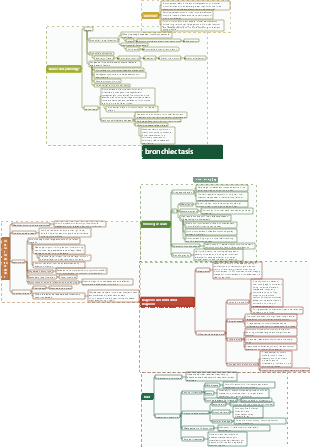
chronic bronchitis
airway inflammation
Increased alveolar gas volume
Decreased diffusing function
Changes in lung volume
Abnormal gas distribution
Decreased ventilation function (obstructive)
airflow restricted (not completely reversible)
Expansion test (/-)
Provocation test (/-)
Structural destruction of alveolar walls
increased secretions
Smooth muscle dysfunction
High airway responsiveness