MindMap Gallery cardiac insufficiency
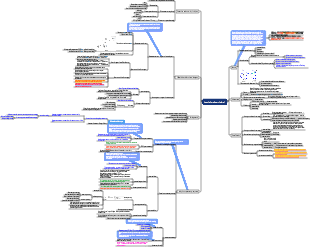
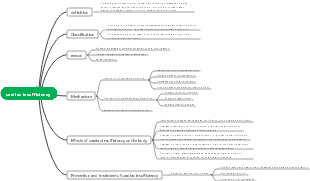
This is a mind map about cardiac insufficiency, including causes and incentives, classification, the body's compensatory response, and the pathogenesis of clinical manifestations of cardiac insufficiency, etc.
Edited at 2023-11-13 09:12:04This is a mind map about bacteria, and its main contents include: overview, morphology, types, structure, reproduction, distribution, application, and expansion. The summary is comprehensive and meticulous, suitable as review materials.

This is a mind map about plant asexual reproduction, and its main contents include: concept, spore reproduction, vegetative reproduction, tissue culture, and buds. The summary is comprehensive and meticulous, suitable as review materials.
This is a mind map about the reproductive development of animals, and its main contents include: insects, frogs, birds, sexual reproduction, and asexual reproduction. The summary is comprehensive and meticulous, suitable as review materials.
This is a mind map about bacteria, and its main contents include: overview, morphology, types, structure, reproduction, distribution, application, and expansion. The summary is comprehensive and meticulous, suitable as review materials.
This is a mind map about plant asexual reproduction, and its main contents include: concept, spore reproduction, vegetative reproduction, tissue culture, and buds. The summary is comprehensive and meticulous, suitable as review materials.
This is a mind map about the reproductive development of animals, and its main contents include: insects, frogs, birds, sexual reproduction, and asexual reproduction. The summary is comprehensive and meticulous, suitable as review materials.
cardiac insufficiency
Causes and incentives
Cause
Decreased myocardial contractility
ventricular overload
Too much front load
Afterload is too heavy
Restricted ventricular relaxation and filling
inducement
Increased metabolic needs
infections, especially respiratory infections
Increased preload
increased afterload
Impaired myocardial contractility
Classification
Classified according to the location of occurrence
left heart failure
Right heart failure
total heart failure
Classification according to left ventricular ejection fraction
heart failure with reduced ejection fraction
Heart failure with intermediate ejection fraction
heart failure with preserved ejection fraction
Classification according to cardiac output
low output heart failure
high output heart failure
Classification according to degree of disease
Ⅰ
Ⅱ
Ⅲ
Ⅳ
body's compensatory response
Activation of neurohumoral regulatory mechanisms
Sympatho-adrenergic medullary system activation
Activation of the renin-angiotensin-aldosterone system
Natriuretic peptide system activation
The heart itself compensates
increased heart rate
mechanism
Regulation of baroreceptors
Regulation of volume receptors
Regulation of chemoreceptors
cardiac tensogenic dilation
Increased myocardial contractility
ventricular remodeling
cardiomyocyte remodeling
cardiac hypertrophy
concentric hypertrophy
eccentric hypertrophy
Cardiomyocyte phenotypic changes
Changes in non-myocardial cells and extracellular matrix
extracardiac compensation
increase blood volume
mechanism
Sympathetic nervous excitement
Activation of the renin-angiotensin-aldosterone system
Increased release of antidiuretic hormone
Decreased hormones that inhibit sodium and water reabsorption
blood flow redistribution
The mechanism
Molecular basis of normal myocardial contraction
contractile protein
Thick muscle filaments: myosin
Thin myofilaments: actin
regulatory protein
myosin
Troponin
Myocardial excitation-contraction coupling
relaxation of myocardium
The mechanism
Decreased myocardial contractile function
Changes in myocardial contraction-related proteins
Decreased number of cardiomyocytes
cardiomyocyte necrosis
cardiomyocyte apoptosis
Structural changes in myocardium
molecular level
cellular level
organ level
Myocardial energy metabolism disorder
energy production disorder
reduced energy reserves
energy utilization disorder
Myocardial excitation-contraction coupling disorder
Sarcoplasmic reticulum calcium transport dysfunction
Cell calcium efflux disorder
Troponin and Ca binding disorder
myocardial diastolic dysfunction
Reduced active diastolic function
Reduced passive diastolic function
Uncoordinated diastolic and systolic activities of various parts of the heart
The pathogenesis of clinical manifestations in cardiac insufficiency
Decreased cardiac output
Reduced heart pumping ability
Decreased cardiac output and cardiac index
Decreased left ventricular ejection fraction
Left ventricular filling restriction
increased heart rate
Redistribution of blood flow to organs
changes in arterial pressure
Redistribution of blood flow to organs
Decreased renal blood flow
Reduced skeletal muscle blood flow
reduced cerebral blood flow
Reduced blood flow to the skin
venous stasis
Systemic blood stasis
Venous stasis and increased venous pressure
Hepatomegaly and liver function damage
Changes in gastrointestinal function
Edema
Pulmonary circulation congestion
The mechanism of dyspnea
manifestations of dyspnea
exertional dyspnea
Paroxysmal nocturnal dyspnea
orthopnea
acute pulmonary edema
The basis of disease prevention and treatment
Adjust neuro-humoral system imbalance and intervene in ventricular remodeling
Reduce the preload and afterload of the heart
Improve myocardial systolic and diastolic performance