MindMap Gallery Chapter 34 Primary glomerular diseases
Internal Medicine Chapter 4 Urological Diseases Nephrotic syndrome and chronic glomerulonephritis, such as chronic glomerulonephritis CGN, have proteinuria, hematuria, hypertension, and edema as the basic clinical manifestations. You can use it to prepare for exams and review.
Edited at 2023-10-29 23:31:55This is a mind map about bacteria, and its main contents include: overview, morphology, types, structure, reproduction, distribution, application, and expansion. The summary is comprehensive and meticulous, suitable as review materials.

This is a mind map about plant asexual reproduction, and its main contents include: concept, spore reproduction, vegetative reproduction, tissue culture, and buds. The summary is comprehensive and meticulous, suitable as review materials.
This is a mind map about the reproductive development of animals, and its main contents include: insects, frogs, birds, sexual reproduction, and asexual reproduction. The summary is comprehensive and meticulous, suitable as review materials.
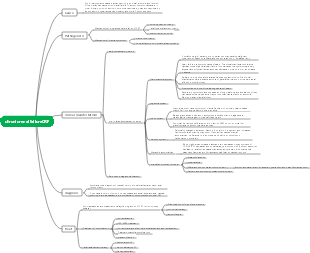
This is a mind map about bacteria, and its main contents include: overview, morphology, types, structure, reproduction, distribution, application, and expansion. The summary is comprehensive and meticulous, suitable as review materials.
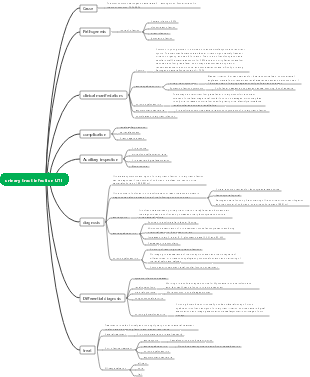
This is a mind map about plant asexual reproduction, and its main contents include: concept, spore reproduction, vegetative reproduction, tissue culture, and buds. The summary is comprehensive and meticulous, suitable as review materials.
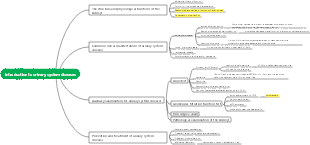
This is a mind map about the reproductive development of animals, and its main contents include: insects, frogs, birds, sexual reproduction, and asexual reproduction. The summary is comprehensive and meticulous, suitable as review materials.
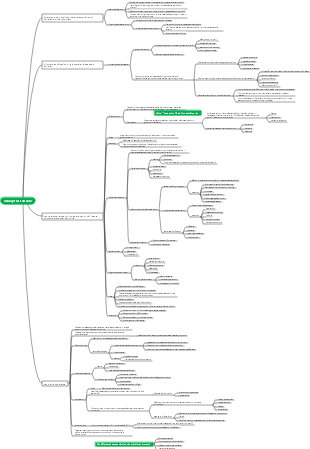
chronic glomerulonephritisCGN
Proteinuria, hematuria, hypertension, and edema are the basic clinical manifestations
Etiology and pathogenesis
immune response
Humoral immunity
cellular immunity
Inflammation
The role of non-immune mechanisms
pathology
Mesangial proliferative glomerulonephritis
focal segmental sclerosing glomerulosclerosis
Mesangial capillary glomerulitis
membranous nephropathy
clinical manifestations
It is more common in young and middle-aged men. The onset is usually slow and insidious. There are no specific symptoms in the early stage, and there may be fatigue, fatigue, waist pain, and loss of appetite.
proteinuria
hematuria
Edema
Hypertension - mechanism of occurrence
①Water and sodium retention
② Increased renin secretion
③Reduced secretion of antihypertensive substances in the kidneys
Abnormal kidney function
Auxiliary inspection
Routine urine examination
Urinary protein >150mg/d, qualitatively positive urine protein, is called proteinuria
Urinary protein >3.5g/d is massive proteinuria
tube type
Urine protein disc electrophoresis
Urine red blood cell phase contrast microscopy and urine red blood cell mean volume MCV determination
Urinary abnormal red blood cells>75%, urine red blood cells MCV<75fl, suggesting that red blood cells originate from glomerulus
Kidney function test
Renal puncture histological examination
Kidney Ultrasound
diagnosis
The possibility of chronic nephritis should be considered in patients with clinical manifestations such as hematuria, proteinuria, edema and hypertension.
Differential diagnosis
secondary glomerular disease
Renal damage secondary to essential hypertension
chronic pyelonephritis
Other primary glomerular diseases
postinfectious acute nephritis
Asymptomatic hematuria and/or proteinuria
treat
Diet therapy
low protein diet
Protein intake should be controlled at 0.8-1.0g/(kg·d)
Control phosphorus intake
Control daily sodium intake
<2g/d
Control high blood pressure and protect kidney function
Angiotensin-converting enzyme inhibiting ACEI/angiotensin II receptor blockers (ARBs)
calcium channel blockers
diuretics
Anticoagulant and platelet depolymerizing drugs
Glucocorticoids and cytotoxic drugs
Nephrotic syndrome NS
Cause
primary
Secondary
pathology
Minimal change kidney disease (MCD)
Mesangial proliferative glomerulonephritis MsPGN
Focal and/or segmental glomerulosclerosis FSGS
Membranous nephropathyMN
membranoproliferative glomerulonephritis MPGN
Pathophysiology
massive proteinuria
hypoalbuminemia
Edema
Hyperlipidemia
clinical manifestations
Massive proteinuria (urinary protein >3.5g/d), abnormal plasma protein (hypoalbuminemia is an essential feature of NS), hyperlipidemia and edema
minimal change nephropathy
Under the electron microscope, there was extensive foot process fusion of glomerular visceral epithelial cells. No electron dense matter. There are more men than women, and it is more common in children. It also has an upward trend in the elderly. The typical manifestations of NS are gross hematuria and rarely sustained hypertension and renal function decline. More than 90% of patients are sensitive to glucocorticoid treatment, but they are prone to relapse.
Mesangial proliferative glomerulonephritis
Under light microscopy, diffuse proliferation of glomerular mesangial cells and mesangial matrix was seen. IgA nephropathy is dominated by IgA deposition, accompanied by C3. Non-IgA nephropathy is dominated by IgM or IgG deposition, accompanied by C3, with granular deposition in the glomerular mesangial area and capillary walls. It affects more men than women and is more likely to occur in adolescents. Half of them develop acute symptoms after upper respiratory tract infection, and some develop insidiously. 15% of patients with IgA nephropathy develop nephrotic syndrome, and almost all have hematuria. 30% of patients with non-IgA nephropathy develop nephrotic syndrome, and 70% have hematuria. As kidney disease worsens, the incidence of renal insufficiency and hypertension increases.
Focal and/or segmental glomerulosclerosis
It mostly occurs in adolescent males and has an insidious onset. It mainly manifests as nephrotic syndrome. About 75% of patients are accompanied by hematuria. Hypertension and reduced renal function are often present when diagnosed. Most have proximal tubule dysfunction. Hormone and cytotoxic drugs have poor efficacy and gradually develop into renal failure
membranous nephropathy
In the early stage, neatly arranged small fusophile granules (Masson staining) can be seen on the epithelial side of the basement membrane; then spikes (argyrophilic staining) are formed, and the basement membrane gradually thickens. If a nail process forms, the foot process may fuse extensively. It affects more men than women and is more likely to occur in middle-aged and elderly people. The onset is insidious and often manifests as nephrotic syndrome, which may be accompanied by microscopic hematuria. Renal function damage occurs 5 to 10 years after the onset of disease, and thromboembolism is easily complicated. A small number of cases can spontaneously remit, but early treatment is slow, the disease progresses, and the curative effect is poor.
membranoproliferative glomerulonephritis
Under light microscopy, mesangial cells and mesangial matrix are severely proliferated and inserted between the glomerular basement membrane and endothelial cells, causing capillary loops to exhibit a "double track sign." Immunopathology shows granular deposition of IgG and C3 in the mesangium and capillary walls. It affects more men than women, is more common in young adults, often has prodromal infection, and has an acute onset, which can manifest as acute nephritic syndrome and nephrotic syndrome. Almost all patients have hematuria. Renal function damage, hypertension and anemia appear early, the condition continues to progress, and the disease progresses quickly. Hormone and cytotoxic drugs have poor efficacy. About half of the cases progress to chronic renal failure 10 years after onset.
complication
Infect
Thrombus, embolism
acute kidney injury
acute renal failure
Impairment of renal tubular function
other
Auxiliary inspection
24-hour urine protein quantification
Urine routine
Liver and kidney function and blood lipid testing
Fibrinolytic system function test
Immunoglobulin and complement testing
Urinary fibrin degradation products
Percutaneous renal puncture and histopathological examination
diagnosis
Proteinuria: Sustained large amounts of proteinuria >3.5g/d
Hypoalbuminemia: serum albumin <30g/L
Hyperlipidemia: hypercholesterolemia with or without hypertriglyceridemia, increased serum concentrations of LDL, VLDL and Lp(a)
Edema
The above-mentioned proteinuria and hypoalbuminemia are necessary conditions for the diagnosis of NS; hyperlipidemia and edema are not necessary conditions; detection of most oval fat bodies and birefringent fat bodies in urine sediment is diagnostic Reference basis for NS
Differential diagnosis
lupus nephritis
Systemic lupus erythematosus nephritis is more likely to occur in young and middle-aged women. It often presents with symptoms such as fever, butterfly erythema, photosensitivity, oral mucosal ulcers, and multiple serositis. It can be diagnosed based on the clinical manifestations of multi-system damage and immunological examination. A variety of autoantibodies are detected, and serum immunological tests are helpful for identification.
purpura nephritis
Henoch-Schonlein purpura nephritis usually occurs in teenagers and has a typical skin rash, which may be accompanied by joint pain, abdominal pain and melena. Hematuria and/or proteinuria usually appear about 1 to 4 weeks after the rash appears. The typical rash is helpful for identification. diagnosis.
diabetic nephropathy
Diabetic nephropathy tends to occur in middle-aged and elderly people, and nephrotic syndrome is common in diabetic patients with a disease duration of more than 10 years. Increased urinary microalbumin excretion may occur in the early stage, and later gradually develop into massive proteinuria and nephrotic syndrome. Diabetes history and characteristic fundus changes are helpful in differential diagnosis
Hepatitis B virus associated nephritis
malignant tumor
drug-induced membranous nephropathy
treat
General treatment
Suppress immune and inflammatory responses
Symptomatic treatment
Reduce urinary protein
Diuresis and swelling
Treatment of complications
Infect
Thromboembolism
acute kidney injury
Metabolic disorders
Other treatments
immune booster
Immunoglobulin