MindMap Gallery Chapter 35 Urinary Tract Infection
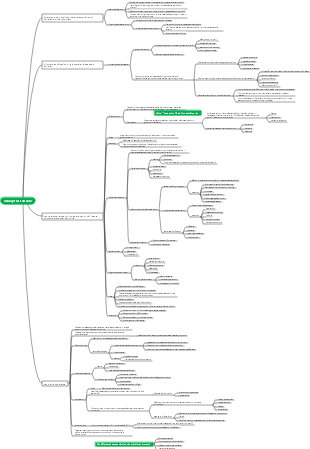
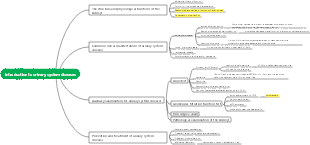
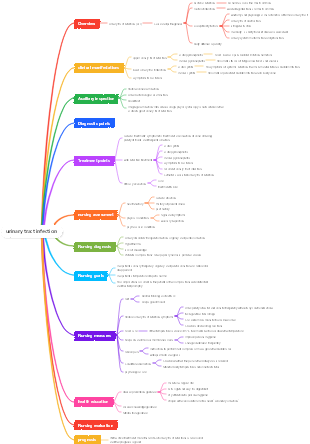
Internal Medicine Chapter 4 Urinary System Diseases Urinary tract infection UTI, the common pathogenic bacteria are G-, among which Escherichia coli is the most common 75%-90%.
Edited at 2023-10-29 23:32:48This is a mind map about bacteria, and its main contents include: overview, morphology, types, structure, reproduction, distribution, application, and expansion. The summary is comprehensive and meticulous, suitable as review materials.

This is a mind map about plant asexual reproduction, and its main contents include: concept, spore reproduction, vegetative reproduction, tissue culture, and buds. The summary is comprehensive and meticulous, suitable as review materials.
This is a mind map about the reproductive development of animals, and its main contents include: insects, frogs, birds, sexual reproduction, and asexual reproduction. The summary is comprehensive and meticulous, suitable as review materials.
This is a mind map about bacteria, and its main contents include: overview, morphology, types, structure, reproduction, distribution, application, and expansion. The summary is comprehensive and meticulous, suitable as review materials.
This is a mind map about plant asexual reproduction, and its main contents include: concept, spore reproduction, vegetative reproduction, tissue culture, and buds. The summary is comprehensive and meticulous, suitable as review materials.
This is a mind map about the reproductive development of animals, and its main contents include: insects, frogs, birds, sexual reproduction, and asexual reproduction. The summary is comprehensive and meticulous, suitable as review materials.
urinary tract infection UTI
Cause
The most common pathogenic bacteria are G-, among which Escherichia coli is the most common 75%-90%
Pathogenesis
route of infection
Upward infection 95%
bloodstream infection
direct infection
lymphatic infection
clinical manifestations
Cystitis
Common in young women, it is divided into acute simple cystitis and recurrent cystitis. The main manifestations are bladder irritation signs, namely frequent urination, urgency, and painful urination. The urine is often cloudy and has a peculiar smell. Hematuria accounts for 30%, and a minority Patients have low back pain and low-grade fever, which may be accompanied by pain or tenderness above the pubic bone, and some patients have difficulty urinating. Pathogenic bacteria Escherichia coli>75%
acute pyelonephritis
urinary tract symptoms
Bladder irritation, low back pain and/or lower abdominal pain, costovertebral angle and ureteral point tenderness, renal area tenderness and percussion pain ( ), low back pain of varying degrees, mostly dull pain and soreness
Systemic infection symptoms
Chills, fever, headache, body aches, nausea, vomiting, loss of appetite
chronic pyelonephritis
There may be intermittent low-grade fever, urinary discomfort, and waist soreness. In the later stage, renal tubular function is damaged, which may lead to polyuria, increased nocturia, low specific gravity urine, electrolyte imbalance, renal tubular acidosis, and renal failure.
asymptomatic bacteriuria
Urine culture shows true bacteriuria without symptoms of urinary tract infection
complicated urinary tract infection
complication
renal papillary necrosis
perirenal abscess
Gram-negative sepsis
Auxiliary inspection
Urine routine
white blood cell excretion rate
Urine bacteriological examination
Blood routine
diagnosis
If there are symptoms and signs of urinary tract infection, urinary tract infection can be diagnosed if the number of colonies in the clean mid-section urine bacterial culture is ≥100,000/ml.
If the number of colonies in urine culture cannot reach the above indicators, diagnosis can also be made if one of the following conditions is met:
Nitrate reduction test and/or leukocyte esterase positive
Leukocyturia (pyuria)
Pathogens were found by Gram staining of fresh urine without centrifugation, and the number of colonies in one urine culture was ≥1000/ml.
acute cystitis
It is often characterized by urinary tract irritation, rarely fever and low back pain; the diagnosis can be confirmed by increased urinary leukocytes and positive urine bacterial culture.
acute pyelonephritis
Positive urine culture after bladder flushing
Microscopic examination of urine sediment shows leukocyte casts, excluding interstitial nephritis, lupus nephritis, etc.
Increased urinary N-ether-β-D-glucosaminidase (NAG) and β2-MG
Decreased urine osmolarity
chronic pyelonephritis
A history of recurring urinary tract infections
On imaging, the appearance of the kidneys is uneven and the kidneys are of different sizes, or intravenous pyelography shows deformation and narrowing of the renal pelvis and calyces.
Combined with persistent renal tubular function impairment
Differential diagnosis
systemic infectious diseases
renal tuberculosis
Morning urine culture may be positive for Mycobacterium tuberculosis, and acid-fast bacilli can be found in the urine sediment.
urethral syndrome
More common in middle-aged women
nongonococcal urethritis
chronic glomerulonephritis
Chronic glomerulonephritis usually involves bilateral kidneys. Chronic pyelonephritis often has signs of urinary tract irritation, positive bacteriological examinations, and imaging examinations reveal asymmetric shrinkage of both kidneys.
treat
Treatment principles: Actively and thoroughly carry out antibacterial treatment to eliminate predisposing factors and prevent recurrence.
General treatment
Drink more water and urinate frequently
Anti-infective treatment
acute cystitis
Cephalosporins, quinolone antibiotics
acute pyelonephritis
Quinolones, semisynthetic penicillins or cephalosporins
chronic pyelonephritis
asymptomatic bacteriuria
Efficacy evaluation
efficient
cure
fail