 Wondershare EdrawMind
MindMap Gallery La homeopatía en el mundo y los principales retos
- 35
La homeopatía en el mundo y los principales retos
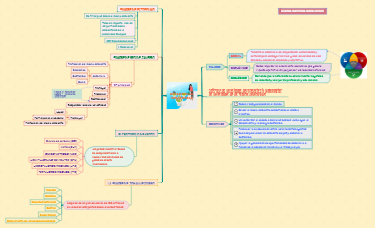
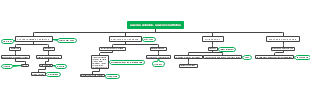
En el mapa mental de la homeopatía mundial y sus principales desafíos, países como india, alemania, Francia y brasil, como importantes lugares de nacimiento y práctica de la homeopatía, tienen sus propios sistemas y tradiciones homeopáticas únicas. Estos países han adoptado diferentes estrategias y métodos frente a los principales desafíos de la homeopatía, como la verificación científica, el estatus legal y la percepción social. Al fortalecer la investigación científica, mejorar las leyes y reglamentos y aumentar la conciencia pública, estos países están promoviendo activamente la legalización, estandarización e internacionalización de la homeopatía.
Edited at 2022-08-09 21:54:18
La homeopatía en el mundo y los principales retos
- Recommended to you
- Outline





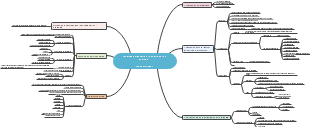

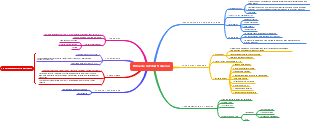

La homeopatía en el mundo y los principales retos
Actualmente existen diversas organizaciones mundiales entre ellas, la Liga Médica Homeopática Internacional(L.M.H.I.), organismo que nuclea a todas las asociaciones y escuelas homeopáticas reconocidas de todo el mundo, fomentando la comunicación e intercambio científico a través de encuentros y congresos anuales en distintos países.
India
Fundadores ➢ Dr. Mullens. ➢ Dr. rumano, Jhon Martin Honigberger (1795 - 1869) ➢ Dr. Sircar (1833-1904)
Aportes ➢ 1868 publicó el primer periódico homeopático de Asia “the Calcutta journal of medicine”. ➢ 1867 del Hospital homeopático Banaras ➢ 1932 “the all india medical Association ➢ 1956, The Dave Committee que buscaba varias cosas: Postular directores diferentes tanto para la homeopatía, como la ayurveda, como la unani , en el ministerio central de salud, regular y normalizar la enseñanza homeopática, tratándola de separar de la ayurveda y del sistema médico unani. ➢ Sus editoriales, como Jain Publisher, que se caracteriza por difundir y publicar, a gran escala, libros antiguos fundamentales o textos contemporáneos sobre ➢ homeopatía, que en otros países del mundo no realizan, no reeditan o no publican. ➢ Revistas homeopáticas como Indian Journal of Homoeopathic Medicine, Homoeopathic Heritage, Indian journal of Research in Homeopathy
Estado actual ➢ “país líder“ en homeopatía a nivel mundial, en todos los niveles: en investigación, en desarrollo, en publicación de libros homeopáticos, en número de dispensarios homeopáticos y en número de médicos y no médicos homeópatas, que están por el orden de 200,000 profesionales. ➢ Cuenta con el respaldo total del gobierno. ➢ Más de 300 hospitales y 10000 dispensarios públicos. ➢ Pertenece al sistema nacional de medicinas. ➢ Constan de un Centro de Consejo homeopático que reglamenta la educación y práctica de este sistema médico complejo en todo el país.
Alemania
Fundadores ➢ SAMUEL HAHNEMANN (1755-1835)
Aportes ➢ Asociación Central de Médicos Homeópatas Alemanes fundada en 1829 e integrada por 3 542 médicos homeópatas (información de la LigaM.H.I, 1999). ➢ Existen departamentos homeopáticos en varios hospitales, policlínicas y sanatorios. ➢ Unos 15 hospitales homeopáticos. ➢ La homeopatía está legalizada desde 1883 y es cubierta por los seguros sociales de salud público y privado. ➢ La homeopatía alemana es la más reconocida en el mundo, quitándole terreno a la medicina convencional. ➢ Los medicamentos o terapias homeopáticas no requieren necesariamente una prescripción médica
Estado actual ➢ Hay 7.000 médicos homeópataslegalmente autorizados. ➢ El proceso de homologación está estrictamente regularizado. ➢ Después de ser licenciado en medicina por la universidad, hay que realizar una formación oficial y aprobar el examen a médico especializado en homeopatía para trabajar como homeópata. ➢ Un 70 % de los Seguros Públicos de Salud en Alemania optan por la homeopatía. La visita con el médico homeópata entra en el seguro.
Francia
Fundadores ➢ Sebastien Des Guidi (1769-1863). ➢ Romani ➢ Horatiis ➢ Dr. Hahnemann. ➢ Pierre Dufresne ➢ Rapou
Aportes ➢ La homeopatía pluralista (utilizar varios medicamentos homeopáticos a la vez o alternantes). ➢ Realizar numerosas publicaciones, e investigaciones homeopáticas con diferentes potencias, contando con laboratorios homeopáticos reconocidos internacionalmente como Lehning, Dolisos y Boiron. ➢ Sociedad privada e independiente creada en 1984 como “Homéopathes sans frontiéres”, ➢ con el objetivo de poder ayudar a la organización mundial de la salud (OMS) para que ➢ “todas las personas del mundo pudieran acceder a la salud para el año 2000”. ➢ El Institute Homeopathique de France ➢ La Escuela Homeopática del Hospital Saint Jacques ➢ Le Centre Homeopathique de France. ➢ Existen otras organizaciones unicistas como La Ecole Hahnemanniane y la Asociación de la Alta Savoya.
Estado actual La homeopatía solo puede ser ejercida por médicos. Coexisten laboratorios que tienen escuelas que enseñan terapias semialopáticas con medicamentos dinamizados, con tendencias muy diversas impulsadas mas por ambiciones comerciales que por responder a los principios y concepción homeopáticos originales.
Inglaterra
Fundadores ➢ Dr. Frederick Hervey Foster Quin, (1799- 1878). ➢ Dudgeon (1820-1904). ➢ William Bayes (1823-1890). ➢ Hughes (1836-1902). ➢ Paul Curie (1799-1853). ➢ Mr. William Leaf (1790-1874).
Estado actual ➢ Forma parte de los países que permite que la homeopatía sea ejercida por médicos y no médicos. ➢ La práctica de la homeopatía está protegida por un acta del Parlamento y el gobierno la ha reconocido e incorporado al Sistema Nacional de Salud.
Aportes ➢ 1849 London Homeopathic Hospital (hospital antiguo a nivel mundial que sigue en Funcionamiento). ➢ 1844 Faculty of Homeopathy ➢ European Committee for Homeopathy, (comité que estableció unas reglas de conducta y estándares para la educación de los homeópatas en Europa). ➢ 1840 London school of homeopathy. ➢ 1863 Tunbridge Wells Homeopathic Hospital (atiende particularmente a los pacientes oncológicos). ➢ 1887 The Liverpool Homeopathic Hospital. ➢ 1921 Hospital homeopático de Glasgow (objetivo tratar solamente a la comunidad pediátrica con enfermedades no infecciosas, pero desde 1994 amplió su atención también a los adultos). ➢ 1921 Bristol Homeopathic Hospital.
México
Fundador Dr. Cornelio Andrade y Baz Dr. Ramón Comellas
Aportes 1871, Rafael Degollado fundó el primer hospital homeopático del país en San Miguel de Allende, Guanajuato (centro). 1895 se reconoce oficialmente la homeopatía. Se funda como la Escuela Libre de Homeopatía, y varias asociaciones a lo largo del país, así como un hospital homeopático y dispensarios.
Estado actual Esta impulsada por el Estado a través de la Secretaría de Salud y la Secretaría de Educación Pública. ➢la Dirección General de Planeación y Desarrollo en Salud cuenta con una estrategia para el impulso de los servicios homeopáticos y ha definido un cuadro básico de "fármacos" homeopáticos, avalado por la Comisión Federal para la Protección contra Riesgos Sanitarios (que pueden comercializarse y adquirirse por el propio Estado para sus instituciones); ➢Está integrada en la Secretaría de Educación Pública y hace válida su formación. ➢A nivel de especialidad hay tres grandes la Escuela Nacional de Medicina y Homeopatía del Instituto Politécnico Nacional (que gradúa unos 60 estudiantes al año), la Escuela Libre de Homeopatía A. C
Estados Unido
Fundadores ➢ Dr. Hans Burch Gram (1787-1840) ➢ Dr. Constantino Hering
Aportes ➢ Tratamiento homeopático frente al tratamiento alopático, contra los brotes de cólera, tosferina, difteria y tifoidea que se vieron a comienzos del siglo XIX y sobre todo la epidemia de cólera en 1832, convenció a muchos médicos alópatas de la eficacia de la homeopatía. ➢ 1844 el American Institute of Homeopathy ➢ 892, 110 hospitales homeopáticos ➢ The Nacional Center of Homeopathy (Whashington D.C.) ➢ The internacional Fundation for Homeopathy (Seattle, Whashington) ➢ Society of Ultramolecular Medicure(Las Vegas, Nevada) ➢ The American Holistic Medical Associattion. ➢ La Farmacopea Homeopática Americana está reconocida oficialmente por la Food and Drug Administration existiendo en Washinton un comité encargado de revisarla y actualizarla periódicamente.
Estado actual Existen: ➢ Mas de 28 hospitales mixtos. ➢ 80 sociedades homeopáticas. ➢ 8 escuelas y cursos de enseñanza homeopática ➢ Periódicos homeopáticos ➢ Una gran Fundación en California.
Colombia
Fundadores ➢ Doctor José Víctor San Miguel ➢ Dr. José Peregrino San Miguel ➢ Dr. Juan de Dios Pinzón
Aportes • Se ha ocupado por reglamentar y dar una educación de calidad: ➢ 1865 Instituto Homeopático de los Estados Unidos de Colombia. ➢ 1914 Instituto Homeopático Luis G Páez. ➢ 1980 Instituto Hahnemanniano, (agrupa la semiología clínica de los clásicos franceses con la teoría Hahnemanniana). ➢ 1989 Fundación Hahnemann de Colombia. ➢ 1997 Asociación de Médicos Investigadores en terapéuticas Alternativas. ➢ 2010 Asociación Colombiana de Homeopatía, ASCOHOM. (objetivo “promover la atención médica y la investigación en homeopatía, con el más alto nivel de calidad y ética)
Estado actual ➢ Siguen siendo insuficientes las reglamentaciones para ejercer la homeopatía. ➢ Son insuficientes los centros educativos avalados por el estado para que den una enseñanza homeopática con calidad y altos estándares
Brasil
Fundadores ➢ Dr. francés Benoît Jules Mure (1809-1858)
Aportes ➢ En 1842 primer instituto homeopático de Brasil (“Instituto homeopático de Sahy”) ➢ En 1926 se realizó el primer congreso brasilero de homeopatía en la cuidad de Rio de Janeiro. ➢ 1932 se creó la liga homeopática brasilera que duró poco tiempo. ➢ 1979 se crea la asociación medica homeopática Brasilera AMHB ➢ 1988, el consejo federal de medicina, incorpora la homeopatía al sistema nacional de salud.
Estado actual ➢ Desde hace más de 4 décadas ha logrado ir regulando la homeopatía, y mejorando la calidad de la enseñanza de la misma. ➢ Su desarrollo no solo se ha visto para los médicos sino también para los farmaceutas y médicos veterinarios homeópatas. ➢ Está en proceso para que también ya sea reconocida como especialidad para los odontólogos.
Cuba
Fundadores Dr. Joaquín Fabián Aenlle y Monqueoti. Dr. Juan Manuel Sánchez de Bustamante y García del Barrio. Dr. Juan Antiga y Escobar José Joaquín Navarro Villar.
Aportes. ➢Dr. Juan Antiga aporto: Su opúsculo Algunas reflexiones sobre la homeopatía. Apuntes de Materia Médica y Terapéutica Homeopática, México, 1907. Publicó el folleto El fracaso de los microbios, Imp. E. Rivera, México, 1903, publicó en La Habana Homeopatía.¿Es la homeopatía una verdad que los descubrimientos de la ciencia moderna confirman?. La estampa Historia de la Homeopatía en México, Ed. Arte, La Habana, 1918, que es su gran homenaje de agradecimiento a las ciencias médicas mexicanas. El biógrafo, el doctor José A. Fernández de Castro, publicó en tres tomos sus Escritos Políticos y Sociales, Talleres Espasa Calpe S.A, Madrid, 1927,1930 y 1931, con prólogos los dos primeros del propio Fernández de Castro y el tercero del gran ensayista y poeta cubano doctor Juan Marinello Vidaurreta (1898-1977). En ellos se recogen 128 de sus trabajos y 63 cartas de destacados intelectuales cubanos y latinoamericanos con opiniones sobre el doctor Antiga.
Estado actual. ➢1992 que el Ministerio de Salud Pública de Cuba decidió incorporar la homeopatía a las llamadas "terapéuticas alternativas". Y primer curso intensivo para médicos y farmacéuticos que fue impartido por prestigiosos homeópatas mejicanos. Las bases del actual Grupo Cubano de Homeopatía "Dr. Juan Antiga" adscrito a la Vicedirección Provincial de Medicina Alternativa de Ciudad de La Habana, ha recibido diferentes cursos, conferencias y conversatorios de homeópatas de varias nacionalidades, entre ellos: argentinos, belgas, brasileños, españoles, italianos, mejicanos y venezolanos. ➢1993 se autorizó por primera vez a 10 médicos la prescripción de medicamentos homeopáticos y a 10 farmacéuticos su dispensarización dentro de las reglamentaciones de este Grupo.
España
Fundadores: Prudencio Querol. Dr. Sebastián Coll. D. Juan Manuel Rubiales
Aportes ➢D. Juan Manuel Rubiales, que elaboró los primeros remedios homeopáticos. Dr. Pedro Rino y Hurtado primera publicación periódica —Archivos de la medicina homeopática. ➢Dr. José Núñez y Pernía que fue su primer presidente y "alma mater" de la Sociedad Matritense ➢Félix Janer y Beltrán Introductor de la homeopatía en Cataluña. Joaquín Hysern y Molleras. Introductor del trabajo experimental en el campo de la fisiología médica. ➢José Núñez y Pernia. Llevó la homeopatía al ámbito hospitalario, Creó el Hospital Homeopático de San José en Madrid. ➢Anastasio García López. Destacado hidrólogo (ámbito de la hidrología médica). el reto
Estado actual ➢1980 la legislación española referente a los medicamentos homeopáticos. ➢1990 los medicamentos homeopáticos se regulan por primera vez la Ley 25/1990. ➢1992 Unión Europea (Comunidad Económica Europea en la época), regulación de los medicamentos homeopáticos se armoniza por primera. para este tipo de medicamentos: • Real Decreto 2208/1994, que regula los medicamentos homeopáticos de uso humano de fabricación industrial. • Real Decreto 110/1995, que establece normas sobre medicamentos homeopáticos de uso veterinario.
El reto
➢Apoyar la investigación, diseñar protocolos de investigación con observaciones rigurosamente controladas en problemas clínicos previamente definidos, durante un tiempo perentorio o con un número específico de pacientes, o investigaciones de laboratorio y de todas las formas posibles que logren explicar de una mejor forma los procesos inherentes a la Homeopatía. ➢Desarrollar en las Asociaciones, los Colegios y los Consejos por la importancia en el seno de las instituciones de educación médica homeopática del país de, organizando y coordinando los esfuerzos por un Comité Técnico Nacional de Investigación que organice para encaminarnos hacia la inclusión de grandes esfuerzos personales, particulares e individuales de investigación que hacemos los médicos homeópatas en la Secretaría de Salubridad y Asistencia, en el Conacyt o en las instancias correspondientes en el mundo.