MindMap Gallery Marketing 4
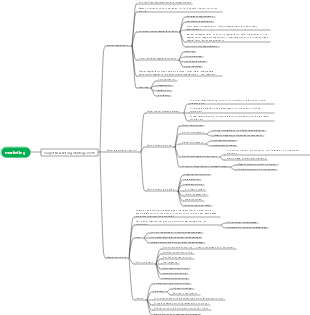
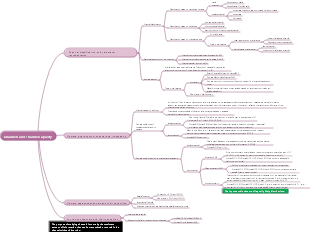
The mind map of Marketing 4 shows that correct market competition strategy is the key for enterprises to achieve their marketing goals. Products can provide the market with anything that can satisfy people's desires and needs.
Edited at 2023-10-12 14:39:25This is a mind map about bacteria, and its main contents include: overview, morphology, types, structure, reproduction, distribution, application, and expansion. The summary is comprehensive and meticulous, suitable as review materials.

This is a mind map about plant asexual reproduction, and its main contents include: concept, spore reproduction, vegetative reproduction, tissue culture, and buds. The summary is comprehensive and meticulous, suitable as review materials.
This is a mind map about the reproductive development of animals, and its main contents include: insects, frogs, birds, sexual reproduction, and asexual reproduction. The summary is comprehensive and meticulous, suitable as review materials.
This is a mind map about bacteria, and its main contents include: overview, morphology, types, structure, reproduction, distribution, application, and expansion. The summary is comprehensive and meticulous, suitable as review materials.
This is a mind map about plant asexual reproduction, and its main contents include: concept, spore reproduction, vegetative reproduction, tissue culture, and buds. The summary is comprehensive and meticulous, suitable as review materials.
This is a mind map about the reproductive development of animals, and its main contents include: insects, frogs, birds, sexual reproduction, and asexual reproduction. The summary is comprehensive and meticulous, suitable as review materials.
marketing
market competition strategy
Correct market competition strategy is the key for enterprises to achieve their marketing goals
Identify competitors
Industry: concept of industrial competition---similar products or substitutes
Market: the concept of market competition - similar needs or serving the same goals
basic form of market structure
perfect competition
Monopolistic Competition
Oligopoly
complete monopoly
basic competitive strategy
Cost leadership strategy---low cost
Differentiation strategy---unique
Target agglomeration strategy---concentrate efforts on specific groups
Strategic goals: survival; development; profit
Strategies for Different Competitive Positions
market leader
Expand total demand
maintain market share
Increase market share
market challenger
Attack market dominant players: study weaknesses and missteps; develop new products
Attack those with equal strength: attack those with losses and seize territory
Attack local small businesses: drive them out of the market and steal customers
market follower
follow closely
distance following
Choose to follow
market filler
The choice of filling base points: good prospects, good benefits, resource adaptation, the strong do not care
The choice of filling base points: multiple is better than single
Professional marketing
Task
Create a filling market
Expand the market for filling vacancies
Protect the gap market
Product and service strategy
Product: Anything that can be provided to the market to satisfy people's desires and needs
product mix strategy
Overall product concept
Core product [the most basic, most important]: the benefits that customers pursue when purchasing
Tangible products [carrier, image expression]
Additional products [all additional services and benefits]
product portfolio
The combination of all product categories and product items produced and sold by the enterprise
Width: the number of product lines (product categories) in the product portfolio
Implement diversified operations, increase product categories, and expand scope
Length: Total number of product items in the portfolio
Depth: How many colors, varieties and specifications are available for each product.
Optimize and adjust
Expanding Product Portfolio: Broadening Width and Depth
Reduce product portfolio: eliminate loss-making parts and focus on developing advantages
product extension
extend downward
extend upward
Two-way extension
Advantages and risks
Advantage
Meet the needs of more consumers
Catering to consumers’ desire for change
Reduce new product development risks
Adapt to the needs of different price levels
risk
Decreased brand loyalty
Over-segmented so that roles are indistinguishable
Product extension causes cost increase
Product Lifecycle
Meaning: The market life cycle process that a product goes through from entering the market to exiting the market
stage
Introduction period
growth period
mature stage
Recession
New products development
New products: products with new functions, new structures and new uses that can meet new needs in some aspects
Brand new product
Replacement products
Improve product
Success conditions: Maintain close contact with customers; cross-department communication; cross-department cooperation team
Reasons for failure: unclear points of differentiation; inaccurate market and product definition; too little market appeal; poor implementation of marketing mix; unreasonable time schedule; too high channel costs
Adoption process: awareness stage--persuasion stage--decision-making stage--implementation stage--confirmation stage
Service features
intangibility
Connectivity
variability
temporality