MindMap Gallery Marketing 1
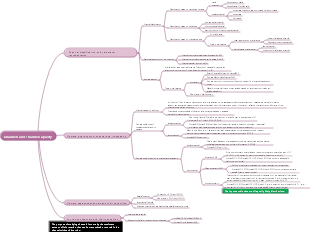
Mind map of Marketing 1. Marketing is different from promotion. Sales is a means, and marketing is a strategy. The market refers to the sum of the needs of actual buyers and potential buyers of a certain product. It is a place for commodity exchange and the sum of exchange relationships.
Edited at 2023-10-12 14:37:40This is a mind map about bacteria, and its main contents include: overview, morphology, types, structure, reproduction, distribution, application, and expansion. The summary is comprehensive and meticulous, suitable as review materials.

This is a mind map about plant asexual reproduction, and its main contents include: concept, spore reproduction, vegetative reproduction, tissue culture, and buds. The summary is comprehensive and meticulous, suitable as review materials.
This is a mind map about the reproductive development of animals, and its main contents include: insects, frogs, birds, sexual reproduction, and asexual reproduction. The summary is comprehensive and meticulous, suitable as review materials.
This is a mind map about bacteria, and its main contents include: overview, morphology, types, structure, reproduction, distribution, application, and expansion. The summary is comprehensive and meticulous, suitable as review materials.
This is a mind map about plant asexual reproduction, and its main contents include: concept, spore reproduction, vegetative reproduction, tissue culture, and buds. The summary is comprehensive and meticulous, suitable as review materials.
This is a mind map about the reproductive development of animals, and its main contents include: insects, frogs, birds, sexual reproduction, and asexual reproduction. The summary is comprehensive and meticulous, suitable as review materials.
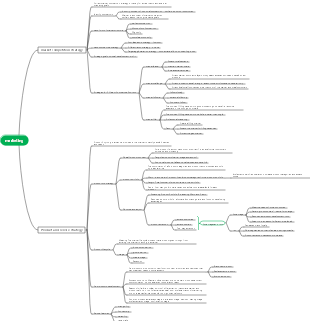
marketing
Marketing and Marketing
Marketing is different from promotion. Sales is a means, and marketing is a strategy.
Core: exchange, social management process to meet needs
Value proposition: The company promises to deliver benefits and value to customers that meet their needs.
Customer Equity: The lifetime value of all current and potential customers
Key elements: whether the product or value meets customer needs
The market refers to the sum of the needs of actual buyers and potential buyers of a certain product. It is a place for commodity exchange and the sum of exchange relationships.
Exchange should be regarded as a process rather than an event. Transaction is the basic unit of exchange activities.
Relationship Marketing
Core concept: long-term relationship between business and customers
Marketing activities that establish and maintain relationships between companies and organizations or individuals to ensure that each achieves their goals
Transformational marketing
In 2018, Kumar proposed
Core issues: innovation, purpose, process
Purpose: To improve competitive advantage and make human life better
Condition: Urgent state; consider the marketing environment; only exist for a period of time
The essence of marketing is demand management
The essence of demand is dissatisfaction with the status quo
Demand is the ability to pay and the desire to buy
Products are the carrier of services
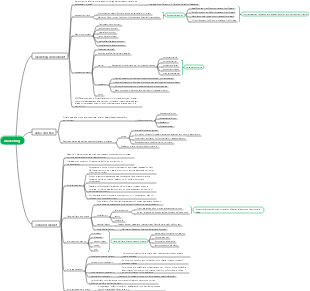
marketing philosophy
Core: Correctly handle the interest relationships between enterprises, customers and society
Essence: A philosophy oriented to customer needs and desires
Five concepts: production concept, product concept, sales concept, marketing concept, social marketing concept
customer transfer value
Concept: The difference between total customer value and total customer cost
Total customer value: product value, personnel value, service value, image value
Total customer cost: monetary cost, time cost, energy cost, physical cost
Customer Satisfaction: Actual versus Expected Feelings
customer loyalty
customer lifetime value
Customer needs and their satisfaction are increasingly becoming the key to successful marketing strategies
sales team
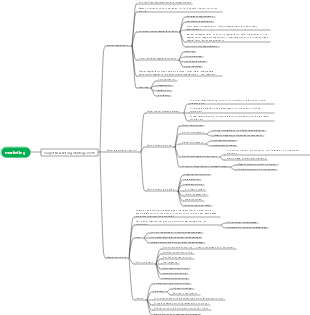
Neil Borden proposed the "marketing mix"
Include products, locations, promotions, prices
4P characteristics of marketing mix
1. Controllable factors
2. Composite structure
3. Dynamic combination
4. Constrained by the company’s market positioning
Big Marketing 6p Features
1. The purpose is to open the market
2. Covers a wide range of areas
3. The means are relatively complex
4. Use positive and negative induction methods
5. The investment cost is high
Strategic Planning and Marketing Management
strategy
The difference between tactics and tactics: strategy is overall consideration and overall arrangement, tactics are specific actions, and tactics are subordinate to strategy
Characteristics: overall, long-term, resistance, programmatic
Three levels: overall strategy
business strategy
functional strategy
Strategic planning process: stipulate corporate mission - determine corporate goals - arrange new business portfolios - develop new business plans
Mission characteristics: market-oriented; practical; inspiring and inspirational; specific and clear
Requirements for corporate goals: hierarchical; quantitative; realistic; consistent
Strategic Business Unit (SBU)
Boston matrix method
General Electrical Matrix Method
growth strategy
Intensive growth (within existing business scope)
Market Penetration: Expanding Sales in Existing Markets
Market Development: Expanding New Market Segments
Product development: offering new or improved products
Integrated growth (integration on the original basis)
Forward integration: merging downstream manufacturers
Backward integration: merging upstream manufacturers
Horizontal integration: mergers and acquisitions of similar companies
Diversified growth (unrelated to current business)
Concentric Diversification: Expand on the basis of original technical expertise
Horizontal diversification: improving technological expansion in original markets
Diversification of the group: expansion into other industries through mergers and investments
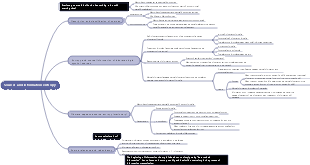
marketing management process
Analyze market opportunities
Choose your target market:
Market concentration (111): one market, one product category, single customer group
Choose Specialization (n11): Enter multiple markets selectively
Product specialization (n1n): selling the same product
Market specialization (nn1): meeting the needs of a specific customer group
Comprehensive market (nnn): Requirements for company strength
Design marketing mix
Manage marketing campaigns
marketing information system
Internal reporting system: an internal information base that reflects the current status of the enterprise
Marketing Intelligence System: Understand information about external development trends
Marketing research system: conduct observation experiments and surveys on the marketing environment and market needs
Marketing analysis system: starting from improving operations or increasing efficiency, use the system to conduct analysis