MindMap Gallery Marketing 3
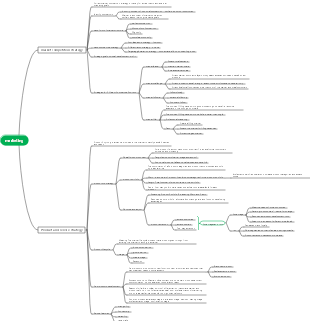
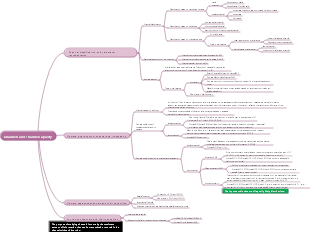
Marketing 3 Target Marketing Strategy (STP) mind map, in which the essence of market positioning is to gain a competitive advantage in the target market, determine the appropriate position of the product in the hearts of customers and leave a deep impression, so as to attract more customers.
Edited at 2023-10-12 14:38:54This is a mind map about bacteria, and its main contents include: overview, morphology, types, structure, reproduction, distribution, application, and expansion. The summary is comprehensive and meticulous, suitable as review materials.

This is a mind map about plant asexual reproduction, and its main contents include: concept, spore reproduction, vegetative reproduction, tissue culture, and buds. The summary is comprehensive and meticulous, suitable as review materials.
This is a mind map about the reproductive development of animals, and its main contents include: insects, frogs, birds, sexual reproduction, and asexual reproduction. The summary is comprehensive and meticulous, suitable as review materials.
This is a mind map about bacteria, and its main contents include: overview, morphology, types, structure, reproduction, distribution, application, and expansion. The summary is comprehensive and meticulous, suitable as review materials.
This is a mind map about plant asexual reproduction, and its main contents include: concept, spore reproduction, vegetative reproduction, tissue culture, and buds. The summary is comprehensive and meticulous, suitable as review materials.
This is a mind map about the reproductive development of animals, and its main contents include: insects, frogs, birds, sexual reproduction, and asexual reproduction. The summary is comprehensive and meticulous, suitable as review materials.
marketing
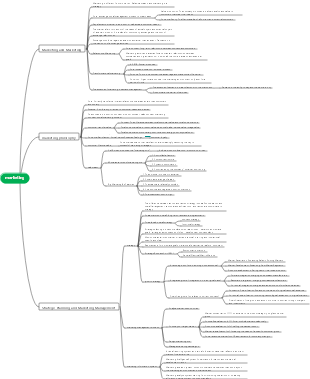
Target Marketing Strategy (STP)
market segmentation
Purpose: Effectively select and enter target markets
Based on certain subdivision variables, it will only be valid if certain conditions are met.
Consumer market segmentation basis
Geographic segmentation
population segmentation
Psychographic Segmentation: Lifestyle Segmentation and Personality Segmentation
Behavioral segmentation: opportunity segmentation; benefit segmentation; user segmentation; usage rate segmentation; loyalty segmentation; purchasing stage segmentation; attitude segmentation
Portfolio Utility Segmentation
Industrial market segmentation basis
end user
Customer scale
purchasing method
other variables
Market segmentation steps: determine scope - collect data - analyze data - verify market segments - implement market segmentation - track feedback
Valid flag
Distinguishability
measurability
accessibility
Profitability
Select target market (key link)
Target market coverage strategy
Undifferentiated marketing: pursuit of commonality, single product, single marketing mix
Differentiated Marketing: Partial changes to suit the needs of multiple submarkets
Concentrated marketing: Concentrate efforts to achieve higher share in fewer sub-markets
Factors affecting choice
Enterprise resources
product homogeneity
Strong homogeneity - undifferentiated marketing
Weak homogeneity-difference or concentration
market homogeneity
homogeneous market
heterogeneous market
The life cycle stage of the product
Introduction period or growth period: undifferentiated or concentrated marketing
Mature stage: differentiated marketing
Competitor Target Market Coverage Strategy
Weak competitors: similar or different
Strong Competitors: Do the opposite
Factors affecting the effect
organizational structure
internal policy
company culture
Information system
Enterprise capabilities
operating system
Decision-making process
Market positioning
Essence: Gain a competitive advantage in the target market, determine the appropriate position of the product in the minds of customers and leave a deep impression to attract more customers
Key: Identify features that give you a competitive advantage over your competitors
Price competitive advantage
preference for competitive advantage
step:
Confirm the company’s competitive advantages
Accurately select relative competitive advantages
Clearly demonstrate unique competitive advantages
Positioning basis
Product attribute positioning---in-depth understanding of consumers
customer benefit positioning
Product purpose positioning
User targeting
Use occasion positioning
competitor positioning
Quality price positioning
method
Initial positioning [first positioning]
re-locate
full cost of transfer
Earnings in new location
Confrontation positioning [competitive, confrontational positioning]
Strong avoidance positioning [excavation positioning]
Follower positioning [Comparison positioning]--Traffic
Shared Positioning [Advanced Club Strategy]