MindMap Gallery Marketing 2
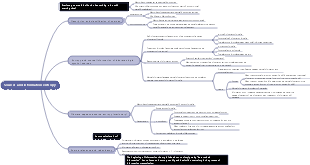
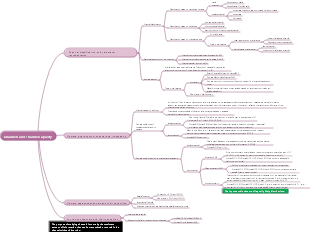
Marketing 2. The marketing environment affects various factors and trends that affect corporate marketing activities and the achievement of goals. It has the following characteristics: objectivity; difference; variability; and correlation.
Edited at 2023-10-12 14:38:17This is a mind map about bacteria, and its main contents include: overview, morphology, types, structure, reproduction, distribution, application, and expansion. The summary is comprehensive and meticulous, suitable as review materials.

This is a mind map about plant asexual reproduction, and its main contents include: concept, spore reproduction, vegetative reproduction, tissue culture, and buds. The summary is comprehensive and meticulous, suitable as review materials.
This is a mind map about the reproductive development of animals, and its main contents include: insects, frogs, birds, sexual reproduction, and asexual reproduction. The summary is comprehensive and meticulous, suitable as review materials.
This is a mind map about bacteria, and its main contents include: overview, morphology, types, structure, reproduction, distribution, application, and expansion. The summary is comprehensive and meticulous, suitable as review materials.
This is a mind map about plant asexual reproduction, and its main contents include: concept, spore reproduction, vegetative reproduction, tissue culture, and buds. The summary is comprehensive and meticulous, suitable as review materials.
This is a mind map about the reproductive development of animals, and its main contents include: insects, frogs, birds, sexual reproduction, and asexual reproduction. The summary is comprehensive and meticulous, suitable as review materials.
marketing
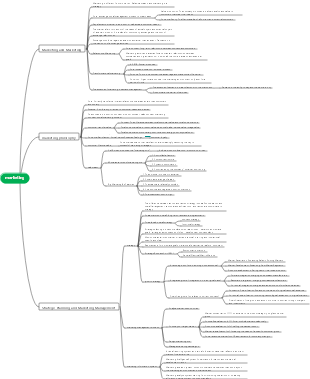
marketing environment
Various factors and trends that affect corporate marketing activities and the achievement of goals
Characteristics: Objectivity; Difference; Variability; Relevance
development trend
Environmental threats: likelihood and potential severity of threats
Marketing Opportunities: Likelihood of Success and Potential Attractiveness
Business Categories
Ideal Business: High Opportunities and Low Threats
Risky Business: High Opportunities and High Threats
Mature business: low opportunities and low threats
Difficult Business: Low Opportunities and High Threats
Countermeasures: resistance and reversal; reduction and improvement; transfer
Macro environment
Demographic environment
economic environment
natural environment
technical environment
political and legal environment
social and cultural environment
microenvironment
The enterprise itself
Suppliers and Marketing Intermediaries
market
Segmented by buyers and their purchasing purposes
consumer market
producer market
middleman market
government market
international market
organization market
competitor
Desire Competitors: Providers who satisfy consumers’ current desires
General Competitors: Providers of products that satisfy desires in various ways
Product form competitors: providers of various product models
Brand competitors: various brand providers of the same product
public
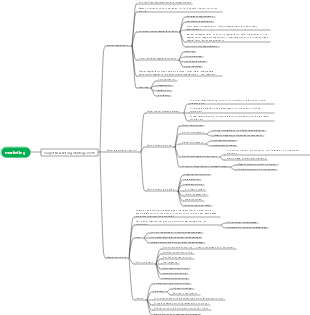
SWOT analysis method: Situation analysis is to list the various major internal strengths, weaknesses and external opportunities and threats that are closely related to the research object through investigation and arrange them in a matrix form.
data collection
Primary data, also known as primary data, refers to data collected personally by the company.
Collection method
observational study
Experimental Study
Research
Expert estimate
Secondary data, data that has been compiled and processed.
source
Internal information system
Information systems for dealers, advertising agencies, and industry associations
Government publications or commercial or trade publications
Businesses that provide marketing information
Evaluation criteria: fairness, reliability, validity
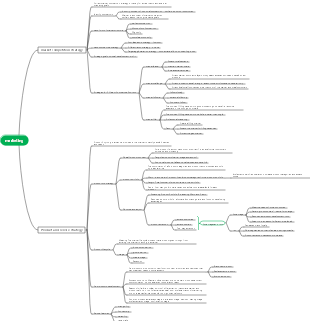
consumer market
Meaning: A market composed of all individuals and households who purchase products and services for personal consumption.
Characteristics: dispersion; difference; variability; substitutability; non-professionalism
Purchasing object
Convenience products: products that need to be purchased repeatedly in daily life - pay attention to the breadth of distribution and the reasonable distribution of distribution outlets
Shopping items: more expensive than convenience items, spend more time comparing before purchasing - sales points for similar products are concentrated,
Special products: special preferences, willing to spend time and energy to purchase - strive to create famous brand products and expand the visibility of the company's products
Non-desirable goods: consumer goods that you don’t understand or may not buy even if you know about them
Factors affecting purchase
Cultural factors: The most basic determinants of human desires and behaviors, which have the broadest and most profound impact on consumer behavior.
social factors
reference group
Direct reference groups: primary and secondary groups
Indirect reference groups: desirable groups and disliked groups
Impact performance: Obtain information; Maintain relationships; Demonstrate value
family
social role
personal reason
Age and gender; career and financial status; lifestyle; personality; self-concept
psychological factors
Motivation; Perception; Learning; Beliefs and Attitudes
role in decision-making
initiator
influencer
decision maker
buyers
user
Factors affecting family decision-making
gender decision-making impressions
spouse resources
consumption experience
family socioeconomic status
purchase behaviour
complex purchasing behavior
Products with widely different brands require extensive study and analysis before purchase.
conversion buying behavior
Products with obvious brand differences, do not waste time and constantly change purchases
coordinated buying behavior
For products with small brand differences and high risks, you will be dissatisfied after investing your energy in purchasing them. You will continue to collect product information to find a balance.
Habitual buying behavior
Frequently purchased products with low prices and small differences
Herd mentality: cultural pressure; commitment obligations; sanctioning outliers; following the herd; highlighting traits
purchasing decision process
Arouse needs - collect information - evaluate solutions - decide to purchase - post-purchase feelings and behaviors