MindMap Gallery Medical Psychology Chapter 1 Introduction
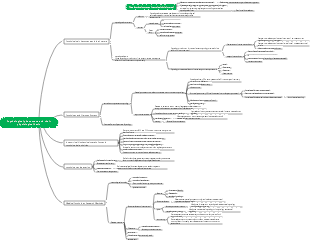
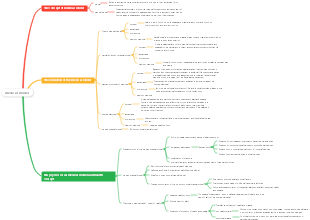
This is a mind map about the introduction to Chapter 1, including medical psychology, Medical model, health, specific methods of medical psychology research, etc.
Edited at 2024-03-03 15:26:20This is a mind map about bacteria, and its main contents include: overview, morphology, types, structure, reproduction, distribution, application, and expansion. The summary is comprehensive and meticulous, suitable as review materials.

This is a mind map about plant asexual reproduction, and its main contents include: concept, spore reproduction, vegetative reproduction, tissue culture, and buds. The summary is comprehensive and meticulous, suitable as review materials.
This is a mind map about the reproductive development of animals, and its main contents include: insects, frogs, birds, sexual reproduction, and asexual reproduction. The summary is comprehensive and meticulous, suitable as review materials.
This is a mind map about bacteria, and its main contents include: overview, morphology, types, structure, reproduction, distribution, application, and expansion. The summary is comprehensive and meticulous, suitable as review materials.
This is a mind map about plant asexual reproduction, and its main contents include: concept, spore reproduction, vegetative reproduction, tissue culture, and buds. The summary is comprehensive and meticulous, suitable as review materials.
This is a mind map about the reproductive development of animals, and its main contents include: insects, frogs, birds, sexual reproduction, and asexual reproduction. The summary is comprehensive and meticulous, suitable as review materials.
Chapter One Introduction
(note) psychology
The human brain’s subjective reflection of the objective material world
medical psychology
Concept: It is an interdisciplinary subject resulting from the combination of medicine and psychology. It is a science that studies the relationship between psychological phenomena and health and disease, and studies the role of psychological factors in the prevention, occurrence, diagnosis and treatment of diseases.
Belongs to the category of psychology
Nature of subject: interdisciplinary, basic, applied subjects
Research object: The law of the role of psychosocial factors in the mutual transformation process of human health and disease
Research tasks: Apply psychological theories and techniques to the medical field to achieve the purpose of preventing, treating and improving health. [When answering the questions, please note that the options must include both medicine and psychology]
Medical Model (Key Points)
Concept: It is a concentrated reflection of the mind-body, health and disease views of a certain era, and is the development of medical science. guiding ideology
Development history (4 types)
Theistic medical model
animism
natural philosophy medical model
Get rid of superstition and witchcraft, and use simple materialism, holistic view and heart body monism as a guide
Emphasize the unity of human body and mind, and pay attention to the relationship between natural environment and disease
"Huangdi Neijing" "Heaven and man are one, heaven and man are corresponding" "Heaven and man are corresponding" and "form and spirit are unified"
The "Humoral Theory of Disease" proposed by Hippocrates, personality is related to disease, emphasizing "treat the disease first and treat the person first"
drug language
biomedical model
Get rid of the shackles of religion
Disease is a measurable biological change that deviates from normal
This model has made a huge contribution to improving human health
Pay attention to the biological factors of diseases, and use biological theories to diagnose, treat, prevent diseases and formulate health care systems. It is believed that any disease (including mental illness) can be explained by a disorder of biological mechanisms, and specific changes in morphology, structure and biological indicators/physical and chemical changes can be found in organs, tissues and biological macromolecules.
Fundamental flaw: only studying people’s biological attributes while ignoring people’s social attributes, “seeing the disease but not the person”
change:
① The human “disease spectrum” and “death spectrum” have undergone significant changes;
② With the advancement of social civilization, people's requirements for the quality of their own lives are also constantly increasing. There is an urgent need for doctors to not only solve the direct pain caused by their physical diseases, but also help them alleviate their mental pain.
Bio-psycho-social medical model
Engel proposed
It is a modern medical model based on system theory and holistic view. It requires medicine to treat people as a multi-level, complete continuum. That is, when it comes to health and disease issues, biological and The combined effects of psychological, behavioral, and social factors
P7 Figure 1-1, combined with the text below
healthy
Health is not just the absence of disease and infirmity, but a state of complete physical, psychological, social and moral integrity.
Specific methods of medical psychology research
Observation
Through scientific observation and analysis of research objects, the psychological behavioral rules are studied.
Subjective vs objective observation method
Subjective: the observer and the observed are the same person
Objective: The researcher observes and analyzes the behavior of individuals or groups other than himself
Natural vs Controlled Observation
Natural: in natural situations, without interference
Control: carried out under a certain pre-set situation, such as one-way glass laboratory
Daily VS clinical observation method
Daily: for healthy people
Clinical: to the patient
Survey
Obtain information through telephone calls, interviews or questionnaires, and analyze and study it.
Telephone: saves time and effort, easy to be rejected
Interview: Comprehensive information, time-consuming and labor-intensive
Questionnaire
(psychological) testing method
Psychological tests are used as the main quantitative means of psychological or behavioral variables.
case approach
The case is very special. Multiple methods are used to continuously observe and investigate an individual for a long time.
Experimental Method
Strictly control independent variables purposefully to study the influence of manipulation of independent variables on dependent variables such as psychological, behavioral or physiological processes