 Wondershare EdrawMind
MindMap Gallery Elementary social work practice
- 71
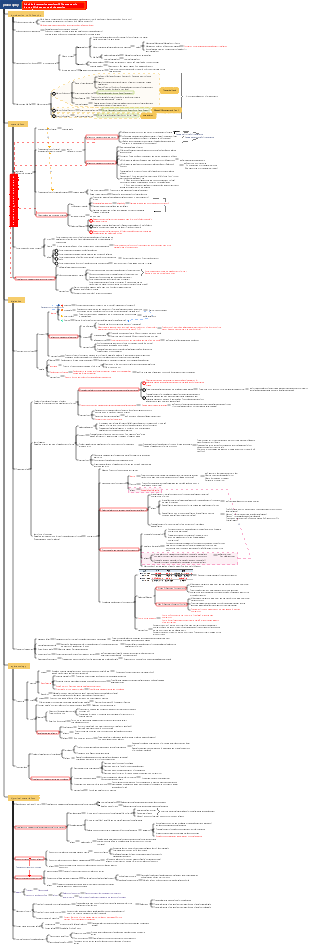
Elementary social work practice
This is an elementary mind map about social work practice, including accepting cases, estimate, plan, intervention, case closed, Assessment etc.
Edited at 2024-01-18 13:30:14
- bacteria
This is a mind map about bacteria, and its main contents include: overview, morphology, types, structure, reproduction, distribution, application, and expansion. The summary is comprehensive and meticulous, suitable as review materials.
- Plant asexual reproduction
This is a mind map about plant asexual reproduction, and its main contents include: concept, spore reproduction, vegetative reproduction, tissue culture, and buds. The summary is comprehensive and meticulous, suitable as review materials.
- Reproductive development of animals
This is a mind map about the reproductive development of animals, and its main contents include: insects, frogs, birds, sexual reproduction, and asexual reproduction. The summary is comprehensive and meticulous, suitable as review materials.
Elementary social work practice
- bacteria
This is a mind map about bacteria, and its main contents include: overview, morphology, types, structure, reproduction, distribution, application, and expansion. The summary is comprehensive and meticulous, suitable as review materials.
- Plant asexual reproduction
This is a mind map about plant asexual reproduction, and its main contents include: concept, spore reproduction, vegetative reproduction, tissue culture, and buds. The summary is comprehensive and meticulous, suitable as review materials.
- Reproductive development of animals
This is a mind map about the reproductive development of animals, and its main contents include: insects, frogs, birds, sexual reproduction, and asexual reproduction. The summary is comprehensive and meticulous, suitable as review materials.
- Recommended to you
- Outline





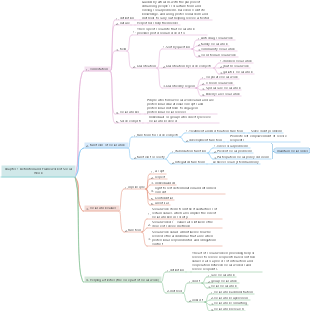
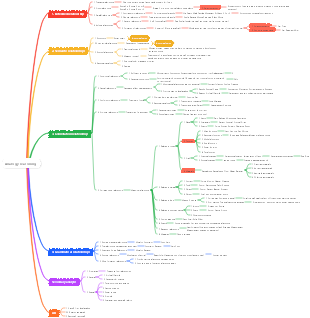
Common processes in social work practice
Take the case
Preparation before accepting a case
Object source
Ask for help proactively
Introduction by others/organization referral
social worker outreach
Object type
Voluntary service recipients
Involuntary service recipients
Make "potential service objects" become "existing service objects"
Help-seeking process
Work hard to solve it yourself
Turn to your own natural helping network
Seek help from social work service agencies
talks
Preparation before the meeting
Prepare object information
Have you received services?
Understand your body and health conditions
Visits to understand personal and social situations
Are there any special matters?
Develop an outline for the initial meeting (3 introductions and 2 solicitations)
Introduce yourself and your expertise
Introduce the purpose, content, and roles and responsibilities of both parties
Introduce the organization’s service content, policies and working procedures
Seek client input on interview arrangements and understand expectations
Ask if there are any matters that need urgent attention
Negotiation skills
Take the initiative to introduce yourself
communicate
General communication (factual content)
Therapeutic communication (providing support, reducing anxiety, helping to establish correct ideas, and promoting effective actions)
Listening (focus, putting yourself in others’ shoes, interactive response)
Talking tasks
Define target issues and needs
Clarify role expectations and obligations
Motivate and facilitate subjects into assisted roles
Promote and guide changes in subjects' attitudes and behaviors
reach preliminary agreement
Determine the work process
Main purpose: to help social workers establish professional cooperative relationships with clients
Collection of service object information
Content and scope
personal information
health condition
Characteristics and abilities of the client (intelligence, cognition, behavioral personality, self, emotions)
The social environment in which the service recipient lives
method
Ask (professionals – non-professionals ask questions)
Consultation (non-professionals - professionals ask questions, professionals ask questions to understand each other)
observe
Use existing data
Questionnaire
Things to note when accepting a case
Decide if urgent intervention is needed (Life, health and safety are priority)
Weigh whether you have the ability to handle the problem
Decide on the order in which to solve problems
Ensure that the services required by service recipients are consistent with the organization’s scope of work
Steps to take a case
The object’s reason for asking for help
Object help-seeking process
Initial assessment target issues
Decide whether to accept the case
Establish preliminary agreement
Estimate
Task
Identify objective factors of object problems
background
Important system data related to the environment and daily life
Problem occurrence and duration
problem-solving efforts
Identify subjective factors (personal thoughts and feelings) of object issues
Causes of the problem and factors that perpetuate the problem
Identify positive factors in clients and environments
Decide how and what services will be provided
Basic steps (make your own judgment based on common sense)
Estimated summary content
Estimates of the subject's own system
Advantage
problems that cause difficulties
Motivation to solve problems and function
Estimates of target home systems
Members, family situation Member roles and interactions communication method family relations family rules Decision-making and division of labor
Estimate of the social system in which the subject is located
support system physical environment environmental awareness social network environment social system organizational environment
plan
Plan content
purpose, goal
Issues of concern (target issues to be addressed and improved)
Object of concern (core and focus of intervention work) (individual, family, group, group, organization, community)
Intervention methods (individual counseling, group activities, community intervention, network construction, policy advocacy)
Intervention (crisis intervention, material support, psychological counseling)
planning principles
Participate in planning
Respect the object’s wishes
The plan should be as detailed and specific as possible
Consistent with the overall purpose and purpose of the work
method
Set goals and objectives
Purpose: The most abstract and macroscopic, uncalculable and unmeasurable Goal: Relatively specific, measurable and calculable, and must be expressed in positive language
Identify needs and problems
Explain the purpose of setting goals
Select appropriate goals together (screen goals, define goals)
The goal statement is clear and understandable Focus on promoting the growth of objects
Goals must be measurable, actionable and realistic
Discuss the feasibility, pros and cons of goals
Determine goals and decide on priorities
Build an action plan
Choose an interventional system
Choose an action to intervene
intervention
Classification
Direct intervention (for individual targets)
Indirect intervention (changing the environment, indirectly helping the client and others)
Comprehensive intervention (the focus of intervention from the perspective of human-environment interaction)
principles of action
People-oriented, self-determination of service recipients
individualized
Consider the object’s development stage and characteristics
interdependence with objects
Focus on service goals
Consider economic benefits
interventional system
personal
family
group
Community
macro social system
Close the case
Task
work summary
Consolidate changes that have already occurred
Review work process
Enhanced service targets have changed
express positive support
terminate working relationship
Write closing record
content
When does the client ask for help and why?
Services provided in the course of work
What changes have occurred in the service recipients?
Why the case was closed
Social worker assessment recommendations
type
Goal achieved
The subject does not want to continue receiving services
Objective and practical reasons for failure to achieve goals (referrals and transfers possible)
Change of identity (social worker or subject)
The subject’s reaction when the case is closed
positive reaction
negative reaction
deny
fall back
rely
complain
anger
bargain
melancholy
Listless, lost and helpless
How to deal with reactions
Review the intervention process to determine whether the time is ripe for closing the case
Notify the closing time in advance
Gradually reduce contact and provide psychological support
Analyze problems that may be encountered in the future, prevent problems from occurring, and provide resource system support
Arrange formal closing activities
Follow-up service after case closing
Follow up call
individual meeting
group meeting
Follow up with client’s social support network
Evaluate
Purpose
Examine the effectiveness of social work intervention, the progress of service recipients, and the degree of achievement of intervention goals
Summarize work experience, improve work skills, and improve service levels
Verify the effectiveness of work methods
Conduct social work research
type
process evaluation (Evaluation of the entire process after the service starts and before it ends)
1. Progress and process 2. Performance 3. Quantity, number of people 4. Fund usage
Outcome evaluation (Evaluation of the final results after the service is completed)
1. Achievement of service goals 2. Object change assessment 3. Assessment of object satisfaction 4. Evaluation of effects 5. Evaluation of total fund usage
method
Ways to collect assessment data
Object's file
Subjects’ opinions and views on the intervention process and results
Investigation method collects the results and factual information of interventional investigation
baseline measurement (Comparison of before and after measurements)
Create a program
Establish a baseline (select key words directly if they appear)
Determine intervention goals
Select measurement tool
Direct observation using standardized questionnaires or scales
Target behaviors measured and recorded
Perform interventional measurements
Analyze and compare
Impact assessment on service recipients
Measurement and evaluation of task completion
Measuring and evaluating the degree of goal achievement
Precautions
Pay attention to social workers’ self-evaluation and reflection
Motivate service recipients and allow them to actively participate in the assessment process
The evaluation method should be consistent with the value of social work and confidentiality should be paid attention to.
Meet actual needs
Features
maintain continuity Begin with rescue work and continue throughout the rescue process
children social work
child
Features
social attributes characteristics (Basic)
The basis of everyone’s life
The foundation of every family
The basis of social development and progress
Growth and development characteristics
Rapidity
stage
sequentiality (Infants - trusting personality cultivation, young children - independent personality cultivation, preschool stage - diligent personality training)
Imbalance
individual differences
differentiation and complementarity
the problem we are facing
survival problem
Health and Nutrition
Development issues
Poverty, dropout
conservation issues
abandoned
Corporal punishment and abuse
sexual assault
ignore
Trafficking
guardianship
Insufficient supervision: Neglected risks, single parent poverty
Inappropriate supervision: risk of abuse, excessive harshness, doting, domestic violence
Lack of supervision: neglect, risk of harm, parents serving sentences, migrant workers
need
survival needs
Life needs: basic life care, nurturing, medical treatment
Social existence needs: name, household registration, nationality
development needs (Care, education, guidance)
good family life
educational opportunities
Leisure, entertainment and safe places
protection needs
There is abuse, neglect, exploitation
socialization needs (The need to communicate with people around you)
Basic life skills (eating, dressing, language expression)
Concept of self-development (self and non-self)
good living habits
Social roles and good moral character
type
Supportive children's services
All children can participate Individualized consultation and counseling, leisure and entertainment services, assistance with newborn care registration
supplementary children's services
Both parents and the outside world must work together to make up for the parents’ lack of ability. Left-behind children from poor families Child care services, health information and skills training for newborn parents
alternative children's services
street children, orphans Family adoption, family foster care, institutional care or corrections Replace parents and allow children to grow up in a healthy family environment
child protective services
Harm: abuse, exploitation, neglect, violence Injury Prevention Services: Supportive or Supplemental Injury Response Services: Alternatives
Features
Clarify professional values Define the scope of theory and knowledge Focus on parenting capacity building and highlight family guardianship services Consider the balance between professional ideals and localized practical paths
in principle
priority principle
principle of best interests
principle of least harm
equal participation principle
ecosystem principles
The principle of legal protection
main content
Promote healthy growth of children
Spread ideas and knowledge
maternal and infant health care Early infant feeding concepts and practices early childhood education Scientific parenting (ideas, knowledge, skills)
Providing family support services (4 Counseling) (Generally, counseling is needed only when there are problems)
Parenting counseling (only includes parents, not children)
marriage counseling
family counseling
Parent-child relationship counseling
Develop child support services
Children's Issues Services
Children's entertainment and leisure
Debug and relax Exercise Gain recognition from peers Promote interpersonal communication Enhance family cohesion Enhance ability to identify and solve problems
Children's socialization guidance
self-identity
life skill
team spirit
social responsibility
Replenish and improve family status
Link to existing policy resources
Employment assistance for parents of children in need
Parenting education
after school services
Children's rescue and protection (Family placement is the highest pursuit of child placement services)
child adoption services
Family foster care service
Institutional collective parenting services
Institutional Family Care Services: Create a family-like child care approach in an institution
process
Welfare services, protection and prevention services
Violation detection, reporting and injury assessment
Alternative care services for the rehabilitation and return of victimized and dependent children
main method
family centered approach
elements
family unit
Focus on family functions
Family participation throughout the process
build good relationships
Link resource network
idea
Good family supervision is the basic guarantee for children’s growth
Try to grow up in your original family as much as possible
All families need support from the community, other people, and social resources
Provide services for different families
The government alone is not enough. It must strengthen community building, children’s safety and close family relationships.
Practical principles
Children's safety and health are top priority
Understand the needs of children and their families
Fair treatment
Foster care should be short
Avoid parent-child separation
Children in out-of-home care should be reunited with their parents as soon as possible
Those who cannot return to their original family should arrange permanent alternative care
Those who are cared for outside the family should maintain contact with relatives, and be placed in an environment that meets individualized growth needs, with the long-term development of the child as the starting point.
main content
Taking families as a unit, conduct family guardianship assessments in the community to screen at-risk families
Child growth monitoring and evaluation
Health, education, emotional and behavioral development, identity, acquisition of relationship building skills, public image, relationship presentation, self-care skills
Monitoring and evaluation of family guardianship capabilities
Basic life care skills
Security capabilities
emotional transmission ability
Ability to provide cognitive stimulation
Guiding and cultivating children’s social life abilities
Ability to maintain stable and lasting relationships
Integrated environmental monitoring and assessment
Family social history, housing conditions, family income, social integration, use of community resources
Assessment result analysis
Component Home Work Team
Carry out family team work
Child-friendly community building
logo
Can protect children’s basic needs
Have the conditions to meet and play with playmates
protect from harm
Have clean drinking water and sanitation
Provide needed education, medical, and emergency shelter services
Able to participate in family, community and social life
Playing children's role in development
content
Improve community infrastructure
Build safe and educational children’s play places and facilities
Improve community child and family service system
Innovative working mechanism for community children’s participation
method
Online media advocacy
Celebrity Effect Advocacy
poster propaganda
Lecture forum advocacy
Child and Family Research Advocacy
policy research advocacy
youth social work
teenager
main feature
Changeable, innovative, rebellious
physiological perspective
drastic changes in body shape sexual maturity The internal functions of the body are quickly improved The brain's nervous system is highly developed
psychological perspective
Intelligence, emotions, emotions, self-awareness, personality, sexual awareness, growth, developmental needs Showing the interaction between subject and object A combination of turbulence and stability The unity of mutation and gradient
Essential characteristics
developmental
question
need
Individuals develop appropriate interpersonal relationships with peers
Pursue independence and be less dependent on parents and others
Accept your body and appearance
seek financial independence
Prepare for your future career
Develop socially desirable cognitive skills and concepts
Responsible, ideal and ambitious
Prepare for future marriage and family
Establish an individual value system
level
Micro - individual, family level
Meso-family group level
Macro - organization, community, regulation or policy
type
developmental
corrective
preventive
Features
Value concept - respect and acceptance of diversity and subjectivity
Professional methods - Promote self-identity and exert a group demonstration effect
Policy Advocacy - Optimizing the Social Environment
in principle
principle of subjectivity
developmental principle
integrity principle
main content
Services that promote growth and development
Thought guidance
Habit formation
career guidance
Marriage service
social guidance
Services to protect legitimate rights and interests
Difficulty assistance
Protection
legal service
psychological counseling
Crime prevention services
General precautions
bad behavior intervention
Correction of serious bad behavior
re-offending prevention
work method
Overview
crisis intervention
peer tutoring
Adventure Supervisor
guide supervision
Outreach services
family therapy
Ways to promote individual development
self exploration
Target
Have a clear understanding of yourself and your future development possibilities
Help discover inner potential
Strengthen self-expression through interaction
Improve self-awareness and ability to be aware of others
Emphasis on feedback and reactions among teenagers
Assist self-acceptance, self-completion, and self-actualization
Rogers' "self-concept": objective self, ideal self, real self
Career Planning (Career Choice Coordination Theory)
Important content
self-knowledge
Understanding the world of work
Confirm your own work values
Assess environmental factors
Methods to improve family relationships (relying on accumulated knowledge, more to come later)
Build a harmonious parent-child relationship
Carry out parenting education and counseling services
Parent Effectiveness Training Model
Ways to promote interpersonal communication
Service goals
Theoretical basis
Personality structure analysis
parental ego state
adult ego state
childlike ego state
communication analysis
complementary
crossover
Ambiguous
Script analysis
game analysis
oppressor
saviour
victim
Ways to Promote Social Participation
Social connection theory (Hirsch)
Link all kinds of positive energy
Enhance youth participation
Ways to Promote Social Care
Integration
The diversity of adolescent needs determines the integration of social work methods
Comprehensiveness of social resources
Generalist Needs in the Social Work Profession
geriatric social work
elderly
Features
physiological aging
psychological aging
crystallized intelligence
liquid intelligence
Memory impairment: Impairment of the ability to process memory information
changes in social roles
need
financial security
health maintenance
social participation
Employment and leisure
married family
Home safety
hospice arrangements
Train services
Precautions
Value issues
Empathy and burnout
countertransference
main content
Service Content
rescue services
Care arrangement services
Aging-friendly services
family counseling
spiritual comfort
crisis intervention
Social support network building
Community Involvement
geriatric education
consultation service
Rights Protection
policy advocacy
Hospice care for the elderly
Special problem handling
Cognitive-emotional issues
depression
Dementia
Delirium
anxiety
suicide problem
suicide assessment
direct clue
indirect clues
Behavioral clues (proving that older adults are at highest risk for suicide)
Interventions
Clear immediate danger Mobilize external environmental resources
Hospice
Manage pain and symptoms
Solving medical cost issues
Provide bereavement follow-up services
bereavement issues
provide emotional support
Fight for reasonable rights and interests on behalf of the elderly and their families
Provide relevant consultation
Bereavement counseling
Abuse and neglect issues
Intervention strategy:
Safeguard legitimate rights and interests and protect against economic deprivation
Provide relief services
Build formal and informal social support networks
Provide policy advocacy and public opinion appeals
main method
The purpose and considerations of elderly assessment
Assessment purpose
assessment method
Precautions
physical environment
Balance the elderly’s need for independence and dependence on others
Follow the person who originally proposed the assessment
Pay attention to the heterogeneity of the elderly group
Respect the privacy rights of the elderly
casework approach
Precautions
group working methods
Precautions
respect the right to self-determination
Balance group and individual responsibilities
Respect the right to confidentiality
Intervene in group dynamics to protect group members from harm
community working methods
type
home services
community service center services
Community elderly care agency services
content
in principle
Community care for the elderly
Institutional care for the elderly
Social work work content
Women's Social Work
Overview
women's issues
marriage and family violence against women reproductive health issues Issues of left-behind women and migrant women Employment issues Women returning to poverty Political participation issues Promote gender mainstreaming
women's needs
reproductive health needs
Protect women’s legitimate rights and interests and the needs of social development
Implement the basic national policy of gender equality and establish gender-just policies, systems and social environments
Features
Focus on women's diversity
Focusing on women’s voices and experiences (the starting point of women’s social work)
Understand and accept the real situation of women (work principles that social workers must abide by)
Physiological differences between the sexes do not mean that women are inferior to men
Emphasis on the social causes of women's personal problems
Pay attention to the summary and refinement of local women’s work experience
Target
Direct target (micro)
Intermediate goals (meso)
Final goal (macro)
in principle
Recognize the diversity of women and the diversity of perspectives on women’s work
Respect women as independent individuals, not just family role players
Understand and accept women’s reality and their survival choices
Recognize that women themselves are resources and have the ability to deal with their own problems
Women are the subject of development, not the object
Increase the diversity of resources and choices for women
Place women in their social situations and facilitate the formation of support groups for women with similar experiences
main content
Women's Marriage and Family Services
Performance: husband-wife relationship, mother-in-law and daughter-in-law relationship, parent-child relationship, family education
Principles of family work from a gender perspective
Respect and accept the diversity of family and marriage forms in reality
Realign family rights to avoid domestic violence conflicts and uneven distribution of resources
Coordination and balance between work and family life
The responsibilities of a father are equally important as those of a mother, and both require training and family education.
Violence against women intervention
marital violence
feature
low self-esteem
cycle of violence
normalization of violence
Misunderstanding
as a result of
Trafficking in women
harm
intervention strategy
sexual violence
intervention principle
Pay attention to the personal safety of women victims
Accept the problems described by the victimized woman instead of blaming the victim
Build trusting, genuine professional relationships with victimized women
The perpetrator should take psychological responsibility and stop the violence
intervention strategies
Work on migrant women and left-behind women (follow common sense, no need to read books)
Work on women’s reproductive health (use common sense, no need to read a book)
Work on women’s employment issues (follow common sense, no need to read books)
Women's participation in rural revitalization
effect
Help rural revitalization
Improve rural ecological environment
Promote rural civilization construction
Participate in rural social governance
Guarantee mechanism
Improve the management mechanism (election system, supervision system)
Use modern media channels to create a good atmosphere
Strengthen education and training and improve quality
Establish an organized participation mechanism for women
empowerment perspective
gender perspective
support system
Link resources
Carry out comprehensive community development
Work to safeguard women’s rights
Advancing work on gender equality
main method
women empowerment approach
Women’s social work methods from a gender perspective
Education, advocacy and multi-sector collaboration
social work for people with disabilities
Overview
disabled people
demand (power)
right to rehabilitation
right to education
labor rights
right to cultural life
welfare rights
environmentally friendly right
Hardware (accessible transportation, roads)
culture society
question
substance
Spirit
Social interaction
Function
microscopic
material help
Capacity Building Support Services
meso (organization, community)
Promote the development of organizations for persons with disabilities and social organizations that serve persons with disabilities
Promote the development of social support systems for people with disabilities in the community
Macro (policy, culture)
Promote changes in social policies for people with disabilities
Increase social capital and form an “affinity” culture for people with disabilities
develop
Concept changes
Individual Model-Social Model
Pattern changes
theoretical level
Cause of disability Personal Responsibility Theory – Social Responsibility Theory
Disability Social Labeling Theory—Social Care Theory
method level
work method Support theory - return to society theory
direct intervention mode Single case model—comprehensive service model
main content
Developing social work services for persons with disabilities from a local perspective (omitted)
Establish a policy system to protect the legitimate rights and interests of persons with disabilities (omitted)
Provide rehabilitation services to people with disabilities
Educational Rehabilitation
For people with disabilities
For parents, guardians and relatives of persons with disabilities
For social organizations, disabled people’s organizations and caring people
Vocational Rehabilitation (the emphasis will be on this later, skip here for now)
community rehabilitation
Carry out disability prevention work
Carry out rehabilitation assessment and documentation work
Provide specific rehabilitation services
main method
case management
Features
multiple questions
Comprehensive packaged service
Coordinate services and link resources
Stimulate the potential of service recipients
Role
resource integrator
value advocate
service consultant
The main steps
Build relationships
evaluation stage
Develop service plan
Get integrated resources
Integrated implementation
end stage
social integration methods
social participation, social integration
social inclusion goals
Formal and informal support
main content
Social participation status assessment (4R) roles, relationships, responses, resources
Assessment of social participation ability: comprehensive physical, psychological, social and other indicators
Determining the social participation of disabled people based on the basic principles of social rehabilitation theory
Realization of the employment rights of persons with disabilities
Supportive resources
government departments Enterprises and institutions Social organizations for persons with disabilities and other social organizations Various community volunteer services
Vocational rehabilitation process management for disabled people (make comparisons and distinctions, and take the right seats) (Treatment-Rehabilitation-Development) Consultation-Assessment-Training-Employment Guidance
career counseling
career assessment
Vocational Training
Career Guidance
correctional social work
Function
Target criminals
supervisory function
corrective function
service function
for social environment
Create a family and community environment conducive to the rehabilitation of offenders
Promote the development of the criminal law system in a humane and scientific direction
Service objects
Features
Impulsive and aggressive – personality traits Inferiority and depression - psychological characteristics Severe disconnection from society - social characteristics Difficulties - Characteristics of Life
need
basic living conditions
Normal education and employment rights required
Family life
resocialization
main content
Services for adults involved in crimes
Before judicial decision
Target: Criminal suspect
Job content: Through contact with the recipients, their families and people in the community, write an investigation report on the background of the criminal suspect and submit it to the court for trial reference
Investigation report: record of criminal facts Criminal record my life history
Target: Relatives and friends of criminal suspects
Work content: 1. Provide psychological and emotional counseling services and family relationship debugging services to family members. 2. Find social resources for family members of criminal suspects who are in financial difficulties to make ends meet. 3. Provide daily care for family members who have lost their support.
in prison
Assistance in adjusting to life in a prison setting
Be familiar with the prison environment
Get rid of unhealthy lifestyle habits
solve life difficulties
Prevent cross-infection of criminal concepts and behaviors
Provide professional consulting services
civic education
Psychological and emotional counseling
Vocational skills training
Improvement of interpersonal communication awareness and ability
Help strengthen ties with society
Understand changes in society
Strengthen ties with family
Build a supportive social network
Under community correction (frequent test points, no reading)
After being released from prison (frequent test points, no reading)
Social work intervention for drug-related persons (frequent test points, no reading required)
main method
casework
Establish good professional relationships
Develop a corrective work plan in a focused and step-by-step manner
Tap the potential of the subject and let the subject solve the problem by himself. Don’t do everything for him.
Handle the relationship between the principle of confidentiality and the maintenance of social security
group work
Design group activity themes based on common issues and confusions
Select the group work implementation mode based on the characteristics of the object
The time arrangement of group activities should be combined with the requirements of the correction work system
Be good at discovering and cultivating leaders of group work from correctional objects
community work
Special care and resettlement social work
Classification
Military Retirement Social Work
content
Before receiving placement
Collect materials and pre-assess questions
Help understand relevant policies
Accepting placement
Carry out handover work and coordinate remaining issues
Review files
Carry out targeted case counseling
Policy answers, psychological counseling
Coordinate with relevant departments to handle procedures
After receiving placement
develop new relationships
The old age has something to support, the old age has fun, the old age has medical treatment, the old age has education, the old age has something to do, and the old age has something to learn.
Hospice
Coordinate and integrate community resources to promote community construction
Improve service quality of service personnel
method
cognitive restructuring
relaxation training
social skills training
problem solving skills
Systemic desensitization
Imitation and role play (watch videos, participate in groups or observe)
Martyrs praise social work
Strengthen red propaganda and carry out group psychological counseling
Plan publicity and commemorative activities
Assist in collecting historical materials of martyrs’ relics
Resolve conflicts and disputes between martyrs’ families and cemeteries
Assist in grief counseling and psychological counseling for bereaved families
Improve the commentary and highlight the key points of publicity and education
Promote and supervise volunteer service
See the improvement of relevant policies and assist in publicity and explanation
military social work
Mobilize social forces, integrate social resources, and implement military supply and security tasks
Social Work at Youfu Hospital
content
Assist in resolving problems of clients and their families
Enhance service recipients’ adaptation to the hospital environment
Assist in managing the relationship between service recipients and the medical system
Follow-up service after discharge
method
Key points of intervention—crisis intervention (protecting life comes first)
process
Carry out assessment
Build relationships
focus on issues
Stabilize mood
make plan
Implementation Plan
Enter hope
provide support
restore self-esteem
Cultivate autonomy
follow up
Guangrongyuan social work
content
Pre-move-in assessment and preparation
Adapt to the environment and develop good interpersonal relationships
Case psychological counseling, life review, constructing the meaning of current life
Plan activities to enhance communication and interaction
Improve self-management and self-service capabilities and unleash personal potential
Encourage participation in institutional activities
Integrate community and social resources
View death correctly
Improve service quality, promote and supervise volunteer services
The Guangrong Home, which absorbs the elderly from society, must integrate the preferential care recipients with the elderly from society.
method
life review
Establish a good relationship of trust
Review life experience
Making a life review manual (skill: active listening. SOLER principle)
grief counseling
Building a social support network before death
Emotional counseling after death using rational emotive therapy (ABC therapy)
Share the story of the deceased and the circumstances of the death
Share photos of the deceased and life review booklet
Express feelings about losing a companion
Learn ways to relax and exercise
express views on death and the afterlife
Social work for resettlement of retired military veterans
content
Assistance in adapting to new life and new work
Leverage and discover social support networks
Strengthen communication and promote the formation of resettlement pattern
Do a good job in reception of letters and visits and ideological and political work
Build an information consulting platform
Actively promote social policy improvements
social readjustment
method
Focus: Social readjustment
Specific process: Assist in stress prevention, assist service recipients in relieving stress, and build a social support network
Conduct working group
Early stage: mentality debugging
Mid-term: environmental exploration
Final Year: Career Preparation
Characteristics of service objects
Wide coverage
The military plot is deep
Many levels of needs
Physiological needs
security needs
Belonging and love needs
need for respect
cognitive needs
physiological needs
self-actualization needs
The problem is stressful
Service objects need
Social Work at Youfu Hospital
Treatment and recovery needs
basic survival needs
family life needs
social interaction needs
need for social respect
Guangrongyuan social work
Marriage and family needs
health maintenance needs
The need for social participation
need for social respect
Social work for resettlement of retired military veterans
Employment and entrepreneurial rights protection
Psychological adjustment of social adaptation
Military Retirement Social Work
Army plot needs
social esteem needs
health maintenance needs
Diverse elderly care needs
social participation needs
social assistance work
content
Minimum living security (service content)
Object identification (household surveys, neighborhood interviews, information verification)
Assistance in applying for minimum living allowance
Provide psychological support
regulate family relationships
Carry out capacity building (learning ability, professional skills, social ability)
Promote social inclusion (community participation)
Supporting the extremely poor
Provide basic living conditions
Provide daily care
Provide disease treatment
Arrange funeral arrangements
Relief for disaster victims (frequent exam)
Assist in the resettlement of disaster victims
Carry out timely crisis intervention
Repair social support systems
community redevelopment and development
Medical assistance (frequent exam)
Assistance in applying for assistance
Improve the treatment environment (understand the diagnosis and treatment procedures, become familiar with the treatment process, and understand the treatment effects)
Coordinate medical resources (government and hospitals)
Strengthen social support (volunteers, community and neighborhood help)
educational assistance
Provide educational opportunities
Provide education subsidies (reducing or exempting related fees, granting bursaries, providing living subsidies, and arranging work-study assistance)
mental capacity building
housing assistance
Assistance with applying for housing assistance
Publicity and explanation policy
Employment assistance (required)
Change the concept of employment
self-perception adjustment
Vocational skills training
Links to employment resources
Temporary assistance (required)
crisis intervention
Outreach services
institutional bailout
Working principles
The bottom line
Keep the basics
rescue in emergency
promote development
Object’s primary needs (Maslow)
Physiological needs
Safety requirements
social needs
Respect needs
self-actualization needs
Features
Diversity of aid recipients
Complexity of rescue types
continuity of work process
Integration of working methods
The policy nature of the work basis
The main function
Assist in applying for appropriate assistance projects
Help improve self-development capabilities
Promote social integration and social support
Ease and resolve the psychological distress of service clients
method
Assessment (required)
Features
maintain continuity
Participation of rescue recipients
Dynamic advancement and comprehensive understanding
Proper use of knowledge and experience
How to get
Ask directly
family visit
indirect understanding
Observe body language
Use scale
crisis intervention
crisis stage
Initial nervousness and fright
Severe personal or family tensions
Individuals or families adopt different response strategies and see if these strategies work
step
Define the problem in crisis
Ensure the life safety of service recipients
Provide ongoing support
Examine possible options
make plan
reach consensus
Comprehensive community-based rescue methods (frequent test, no reading)
Casework on individuals
Group work for disadvantaged groups
Community work that focuses on improving community capabilities
family social work
definition
Difference Between Family Social Work and Family Therapy
connect
Service areas influence each other service model staff member
the difference
Different origins
Different focus
Different work philosophies
Professional relationships are different
Basic assumptions
Provide family-based support
Adhere to the family-centered concept
Adopt crisis intervention strategies
Apply an ecological perspective (the relationship between family and social environment)
main content
family systems theory
Basic point
Family member “problems” are caused by poor communication throughout the family
The crisis facing families presents both opportunities and challenges
Family dysfunction caused by "problems" can be effectively resolved.
Core Concept—Family System (6 Elements)
The family as a whole is greater than the sum of its parts
Family systems strive to maintain a balance between change and stability
Changes in one member of the family system affect all other family members
The behavior of family members follows the principle of circular cause and effect of mutual influence
Each family system not only contains many sub-systems, but also belongs to the larger social system.
Home systems operate according to established rules
family life cycle theory
family development stages
family formation stage
Preschool children family stage
Family stage with school-age children
teenage family stage
Children's independent family stage
family adjustment stage
Middle-aged woman couple family stage
Elderly family stage
structured family therapy model
Core idea
family system
family structure
Pathological family structure
family life cycle
Satir family therapy model
Family members’ sense of self-esteem and self-worth is hurt
Fundamental contents
Improve parent-child relationship
intervention methods
family behavioral learning therapy
Family care skills training
Family mental health education
Improve the relationship between husband and wife (frequent exam)
Marriage counseling, communication and equal relationship between husband and wife, etc.
Domestic violence intervention, legal aid for women’s rights, and promotion of women’s equality awareness
main method
The basic principle
family contextualization principle
Principles of empowering family members
self-confidence, self-confidence
Explore potential and abilities
advantages, advantages
Find answers from past solutions
family individualization principle
Meeting the needs of family members
Implementation steps
contact stage
Initial stage
Comprehensively assess the problems of assisted family members and clarify service intervention goals and service requirements
Sign a service contract with the family
intervention stage
Develop service intervention plan Clarify professional roles Use professional skills List of affected family members Help family members solve problems they face
end stage
Negotiation end items Summarize and consolidate the results of service activities
The role of social workers
supporter
educator
Consultants
enabler
resource mobilizer
Common methods for family assessment
Draw a graph
Skill
observe
focus
Case use
Relabel
Common forms
Lecture
theme salon
community activity