MindMap Gallery Environmental Science Solid Waste
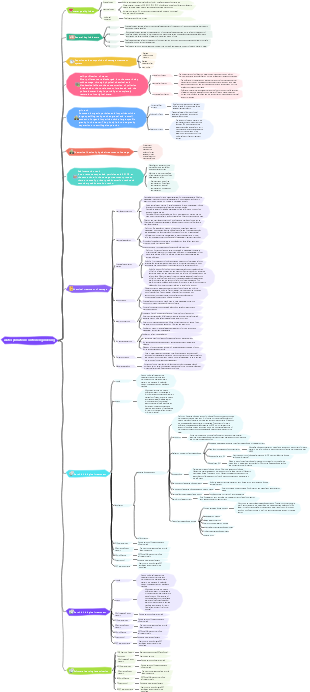
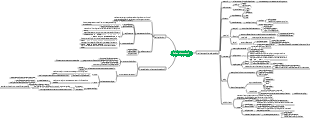
A mind map about solid waste in environmental science, including the sources and classification of solid waste, solid waste management, solid waste treatment and disposal, etc.
Edited at 2024-01-15 15:53:50This is a mind map about bacteria, and its main contents include: overview, morphology, types, structure, reproduction, distribution, application, and expansion. The summary is comprehensive and meticulous, suitable as review materials.

This is a mind map about plant asexual reproduction, and its main contents include: concept, spore reproduction, vegetative reproduction, tissue culture, and buds. The summary is comprehensive and meticulous, suitable as review materials.
This is a mind map about the reproductive development of animals, and its main contents include: insects, frogs, birds, sexual reproduction, and asexual reproduction. The summary is comprehensive and meticulous, suitable as review materials.
This is a mind map about bacteria, and its main contents include: overview, morphology, types, structure, reproduction, distribution, application, and expansion. The summary is comprehensive and meticulous, suitable as review materials.
This is a mind map about plant asexual reproduction, and its main contents include: concept, spore reproduction, vegetative reproduction, tissue culture, and buds. The summary is comprehensive and meticulous, suitable as review materials.
This is a mind map about the reproductive development of animals, and its main contents include: insects, frogs, birds, sexual reproduction, and asexual reproduction. The summary is comprehensive and meticulous, suitable as review materials.
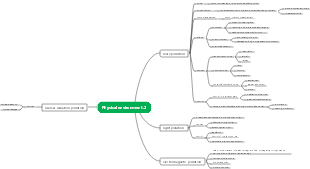
Solid waste and environment.2
sources and classifications of solid wastes
what is solid waste
any unwanted or discarded material present in solid or slurry form
which originates from human operations
how does the solid waste produce
produced during the production process in which supply people with goods and services
industrial manufacture
agricultural production
produced when the products are transported or after they are consumed by humans
classification of solid wastes
sources
municipal solid wastes
biomedical wastes
Harzadous solid wastes
which can cause serious illness and serious threat to the environment
non-municipal solid waste
properties
bio-degradable
non-biodegradable
effects of solid wastes
health hazard
increase of disease
radioactive substance causes disease
environmental impact
reduce aesthetic value of land
decomposition take place
pollutant run off with rain and mixes with the nearby water bodies causing water pollution
non-biodegradable solid wastes release toxic gas when burnt, which causes air pollution
solid waste management
process
waste collection into dust bins
on-site handling, storage and processing
transportation
processing
disposal
principle
systematic
economic
hygienic
fundametal objective
minimize the amount of wastes
dispose of waste in a way not to impair environment
3R rules
reduce
source reduction
designing products to reduce the amount of waste
focus on
the source of waste
where the waste is originally coming from
reuse
is conducted when the materials are used again
advantages
reduce disposal needs and costs
energy and raw materials savings
recycle
is the revcoverage of useful materials
composting -nature's way of recycling
is the natural biological decomposition of organic waste into a valuable humans-like material called compost
with the activities of microorganisms
controlled aerobic condition
is the end product of composting
humus
nutrition
necessary ingredients
water
oxygen
carbon
nitrogen
solid wastes treatment and disposal
methods for the treatment of solid wastes
sorting
breaking
compaction
solidfication
enclose the solid waste
to prevent the toxic substance releasing to the environment
thermal treatment
burning of solid waters in furnaces
pyrolysis
heating solid wastes at a very high temperature
with limited amount or absence of oxygen to convert materials into gas ,liquid and solid char
chemical treatment
application of chemical reagents to destroy the toxic composition
biological treatment
composting
methods for the disposal of solid waste
open dumps
refers to uncovered areas
are used to dump solid waste
the waste is untreated and not segregated
it's the bredding ground for flies...spread disease
the rainwater run-off from these dumps contaminates nearby land and water
incineration
comnustion of waste materials in the presence of oxygen at a temperature of 1000°C and convert wastes to ash, gas, and water vapor
it's commonly used as a means of recovering energy from electricity or heating
problems
yields air pollution
site selection is often controversial and expensive
require lots of MUW to be profitable
may reduce MSW to recycle
landfills
is a site for disposal of waste material by burial
Poorly designed or managed landfills can create adverse environmental impacts
sanitary landfills are designed to reduce the risks
may pose to public health and environment
sanitary landfill area can be comprised of clay soil
which is quite resistant to harzadous wastes and waste
preventing the risk of water pollution
the use of sanotary landfills presents less health and environment risk
but the cost of establishing such landfills is comparatively high
composting
encapsulation
refers to packing waste materials incontainers made of impervious and non-reactive material
disposal of some typical solid wastes
medical solid waste
incineration
sanitary landfill
non-degradable solid waste
recycling
sanitary landfill
incineration
harzadous waste
recycling
conversation to less hazardous materials
thermal treatment
sanitary landfill
encapsulation
non-hazadous &biodegradable solid waste
open dumps
landfill
composting
vermicomposting
electronic waste
encapsulation
incineration
sanitary landfill