MindMap Gallery Drug identification
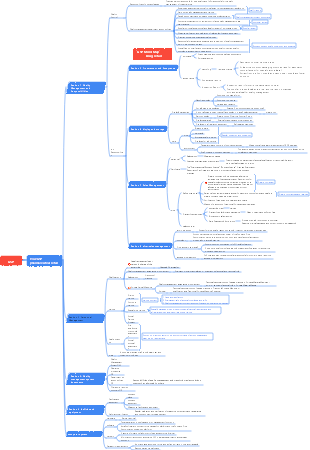
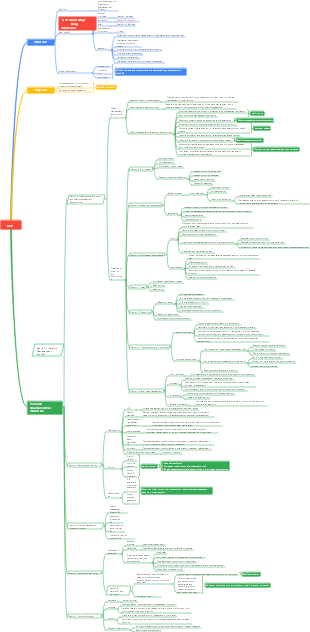
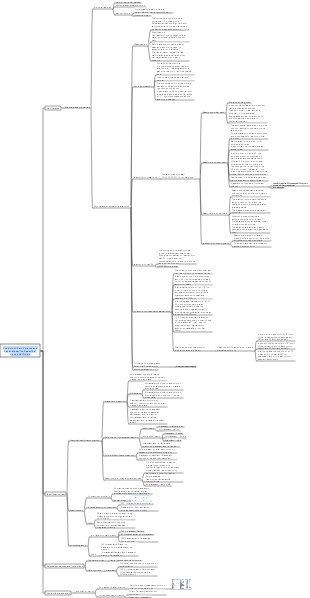
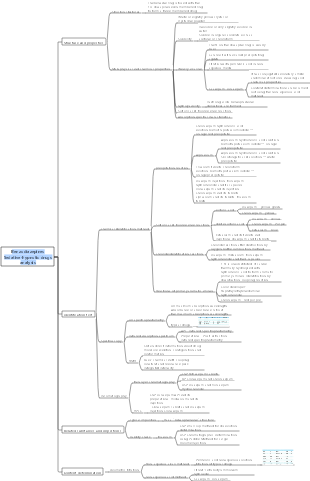
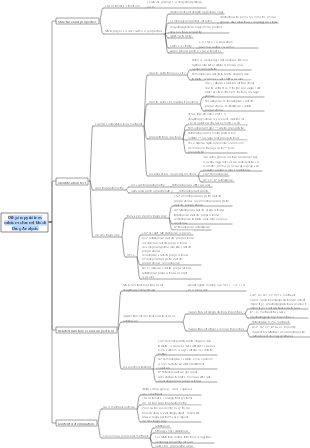
This is a mind map about drug identification. Drug identification experiments are based on the molecular structure and physical and chemical properties of the drug, using physical, chemical or biological methods to determine the authenticity of the drug.
Edited at 2024-01-14 21:35:15This is a mind map about bacteria, and its main contents include: overview, morphology, types, structure, reproduction, distribution, application, and expansion. The summary is comprehensive and meticulous, suitable as review materials.

This is a mind map about plant asexual reproduction, and its main contents include: concept, spore reproduction, vegetative reproduction, tissue culture, and buds. The summary is comprehensive and meticulous, suitable as review materials.
This is a mind map about the reproductive development of animals, and its main contents include: insects, frogs, birds, sexual reproduction, and asexual reproduction. The summary is comprehensive and meticulous, suitable as review materials.
This is a mind map about bacteria, and its main contents include: overview, morphology, types, structure, reproduction, distribution, application, and expansion. The summary is comprehensive and meticulous, suitable as review materials.
This is a mind map about plant asexual reproduction, and its main contents include: concept, spore reproduction, vegetative reproduction, tissue culture, and buds. The summary is comprehensive and meticulous, suitable as review materials.
This is a mind map about the reproductive development of animals, and its main contents include: insects, frogs, birds, sexual reproduction, and asexual reproduction. The summary is comprehensive and meticulous, suitable as review materials.
Drug identification
definition
Drug identification experiments are based on the molecular structure and physical and chemical properties of the drug, using physical, chemical or biological methods to determine the authenticity of the drug.
project
Traits
Exterior
solubility
physical constants
melting point
Specific rotation
absorption coefficient
General identification test
Organofluoride
Oxygen bottle combustion method destroys lye → alizarin fluorine blue cerium nitrate (pH 4.3) → blue-violet complex
organic acid salt
Salicylates
FeCl3→Coordination compound (medium red acid purple)
Dilute hydrochloric acid → white salicylic acid precipitates → ammonium acetate dissolves
tartrate
Neutral solution: a few drops of silver nitrate prepared from ammonia (heated in water bath) → silver mirror
Aromatic primary amines
Dissolve with dilute hydrochloric acid → sodium nitrite solution, urea solution → a few drops of β-naphthol test solution → pink or scarlet
tropane alkaloids
Evaporate to dryness with fuming nitric acid, moisten with ethanol, solid potassium hydroxide → deep purple (Vitali reaction of hyoscyamic acid structure)
Inorganic metal salt
Sodium Potassium Barium Calcium
Flame reaction (sodium yellow, potassium violet, calcium red)
Ammonium salt
Sodium hydroxide → ammonia smell, red pistil test paper → turn blue, mercury nitrate test paper turns black
Inorganic acid radical
chloride
Silver nitrate precipitates, dissolves it by adding ammonia test solution, and reconstitutes it by adding dilute nitric acid.
Manganese dioxide sulfuric acid moistening heating → chlorine
Sulfate
Barium chloride white precipitate is insoluble in hydrochloric acid and nitric acid
Lead acetate white precipitate is dissolved in ammonium acetate or sodium hydroxide
Hydrochloric acid does not produce white deposits
Nitrate
Mix sulfuric acid. After cooling, add ferrous sulfate → two liquid layers, the interface will appear brown.
Heating sulfuric acid and copper wire → reddish brown steam
Potassium permanganate test solution purple color does not fade (difference from nitrite)
Exclusive identification test
method
Chemical identification method
color reaction
precipitation formation reaction
Fluorescence reaction
gas generation reaction
fade reagents
Determine the melting point of the product
Spectral identification method
UV spectrumUV
Determine the maximum and minimum absorption wavelengths
Determine the absorbance at the maximum absorption wavelength at a specified concentration of the test solution
Specified absorption wavelength and absorption coefficient method
Specified absorption wavelength and absorbance ratio method (the most rigorous)
After chemical treatment, the absorption spectral characteristics of the reaction products are measured.
Infrared spectrum IR
Sample preparation method
tabletting method
fuzzy method
membrane method
solution method
API identification
Preparation identification
Direct organic solvent extraction, removal of interference from excipients and then infrared analysis
Add organic acid (alkali) alkali (acid) salt to acid (alkali) solution to precipitate, take the precipitate and dry it or extract it as above and then dry it for infrared analysis.
The main component is organic acid. Add alkali to dissolve it. Add excess acid to precipitate it. After drying, draw the graph.
No excipients added or preparations with less interference can be drawn directly.
other
Precautions
Tablet pressing method: If the hydrochloride does not react with potassium bromide, use potassium bromide, otherwise potassium chloride
Different instrument performance, resolution, operating conditions, and environment all have an impact on the spectrum, and should be corrected and improved in advance.
Not applicable to drugs that are polycrystalline and have no repeatable crystallization method.
Multiple components cannot be compared in full spectrum, and characteristic bands should be compared.
Chromatographic identification method
Thin layer chromatographyTLC
Separation efficiency: The chromatogram of the mixed control solution made from the reference substance and the reference substance of a drug with a similar structure should show two clearly separated spots.
High performance liquid chromatography and gas chromatography
microscopic identification
Traditional Chinese medicine and its preparations
biological method
Identification using techniques such as pharmacodynamics and molecular biology
biological effect identification method
genetic identification
Fingerprint and feature map identification method
Conditions and method verification
concentration
temperature
pH
Test time
Verification of identification methods
Exclusiveness
Durability