MindMap Gallery How to Study Effectively Scott Young
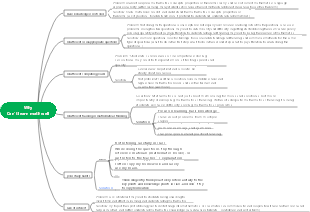
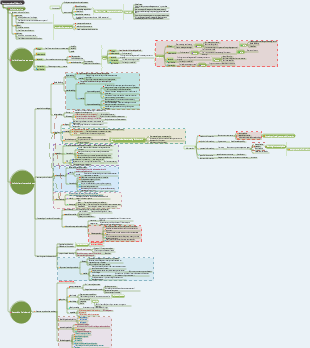
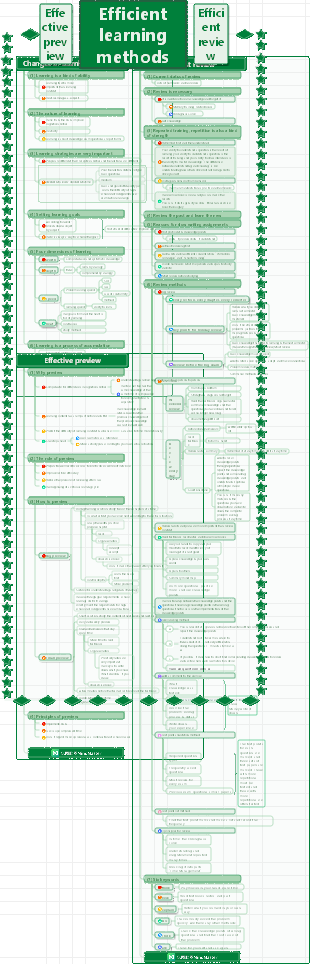
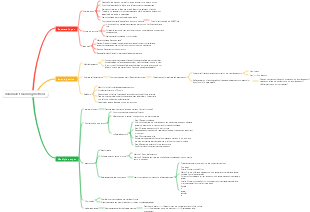
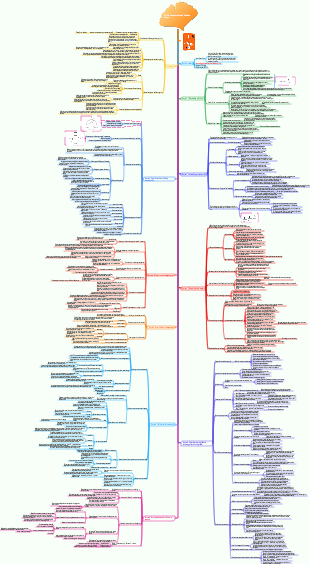
This is a mind map about "How to Learn Efficiently" by Scott Young. The book mainly tells the story of a magical boy who became famous for his rapid learning. He used the learning method he invented to complete linear algebra in 10 days. , the "impossible task" of studying a 4-year MIT course in 1 year.
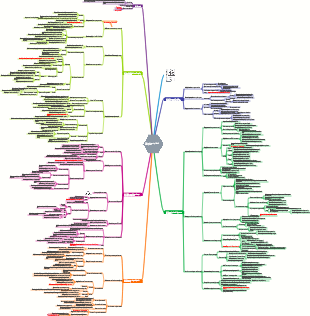
Edited at 2024-02-15 09:29:39This is a mind map about bacteria, and its main contents include: overview, morphology, types, structure, reproduction, distribution, application, and expansion. The summary is comprehensive and meticulous, suitable as review materials.

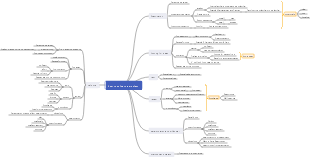
This is a mind map about plant asexual reproduction, and its main contents include: concept, spore reproduction, vegetative reproduction, tissue culture, and buds. The summary is comprehensive and meticulous, suitable as review materials.
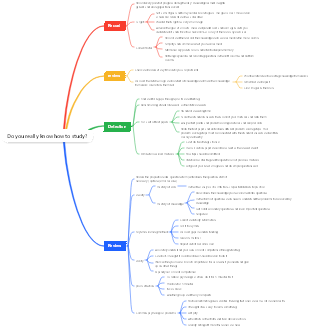
This is a mind map about the reproductive development of animals, and its main contents include: insects, frogs, birds, sexual reproduction, and asexual reproduction. The summary is comprehensive and meticulous, suitable as review materials.
This is a mind map about bacteria, and its main contents include: overview, morphology, types, structure, reproduction, distribution, application, and expansion. The summary is comprehensive and meticulous, suitable as review materials.
This is a mind map about plant asexual reproduction, and its main contents include: concept, spore reproduction, vegetative reproduction, tissue culture, and buds. The summary is comprehensive and meticulous, suitable as review materials.
This is a mind map about the reproductive development of animals, and its main contents include: insects, frogs, birds, sexual reproduction, and asexual reproduction. The summary is comprehensive and meticulous, suitable as review materials.
"How to Study Effectively" Scott Young
Preface
Smart: learns quickly, remembers well, and organizes information to achieve goals.
Goal 1: Strategy
Learning skills, different strategies will lead to different learning effects.
Goal 2: Technology
How to use this book
Learn one technology at a time
Part One: Holistic Learning Strategies
What is holistic learning
A learning method that describes how the brain works
Summary of practice, lack of scientific evidence
It is necessary to use multiple ways to comprehensively learn, rather than simply copying it into the brain
Weave a web to connect everything
It means that the learning of knowledge is not isolated
The more associations you create, the better your understanding will be and the stronger your memory will be.
Based on three main perspectives
structure
Model
highway
basic method
simile
Internalization
Process-based note-taking and diagramming methods
structure
closely related knowledge
Understand that the structure is highly developed
Make as many connections as possible between various kinds of knowledge
How to build a good knowledge structure
Master the method and become a habit
Model
snapshot of structure
The goal of the model: compress information
The seeds, foundation and framework of structure are the core concepts of knowledge, from which all knowledge will be derived.
Models can change as understanding grows
familiar structure
perceptual structure
Intertwined images, sounds, emotions
relationship structure
life experience
subjects learned well
basic mathematical structure
source of metaphor
Generate model
highway
The connection between structure and structure
inspire creativity
Create new structures at the intersection of expertise
Holistic learning sequence
acquisition phase
simplify
Get useful information
capacity
Get more information
speed
No understanding in the understanding stage
Divided into three different levels: understanding, expansion, and application.
Split the problem into smaller elements
Expansion stage
Connecting it with other information is the beginning of holistic learning
depth
Making connections within knowledge
where does knowledge come from
How the conclusion is drawn
who made it
The most time-consuming job
Horizontal
Make connections around knowledge
What other similar conclusions are there?
What places are similar
What other discoveries were made during the same period?
portrait
Create highways between structures
Metaphorical learning method of Falmask
Internalization
error correction stage
Read opposing views and more
The ultimate way to correct mistakes is practice
application stage
The ultimate goal of learning is to apply what you have learned so that you can better adapt to the real world.
testing phase
Acquisition Phase Test—Have I seen or heard this knowledge before?
Comprehension stage test─Do I understand the meaning of the knowledge? (At least literally.)
Test in the expansion stage─Do I know where the knowledge comes from and what knowledge it is related to?
Testing during the correction phase – did I delete the inappropriate connections? Did I delete those false conclusions?
Application Phase Test─Have I applied the knowledge in real life?
Find weak links
Not good to get
Develop good study, reading and note-taking habits
Not well understood
Find better reading material
Not good at expansion
subtopic
Insufficient error correction
Poor use
Identify weaknesses
Practice more and improve
information structure
Random information
fact, date, definition or rule
association method
hook method
compression method
opinion information
Disputed information
Chart method
process information
Information that teaches you how to act
specific information
abstract information
learning goals
The motivation will be stronger, the meaning will be more profound, the purpose will be greater, and the understanding will be more profound.
application
Part Two: Holistic Learning Techniques
A: Acquire knowledge
Speed Reading
finger reading
practice reading
active reading method
what is the main point
How to remember the main ideas
How to expand and apply
Note flow
Write down the main points
Draw relationships to other ideas
B: Contact point of view
simile
step
confirm information
Find similarities
Find inappropriate
Skill
have desire
Focus on the first thought
Optimization and testing: find a few more
Internalization
images, sounds, touch and emotions, etc.
Give knowledge an emotion
Chart method
C: Processing of random information
association method
hook method
information compression technology
D: Knowledge expansion
Practical application
Model error correction
Learning based on real projects
Part Three: Beyond Holistic Learning
efficient student
energy management
Increase energy reserves
Exercise 3 to 5 times a week
Seven or eight hours of sleep every night Chapter 6 How sleep helps learning
cycle schedule
One day off a week
No work at night
Set 90 minutes
Don’t study superficially
Get to the bottom of things and keep asking yourself why
"Learning" without clear goals is a waste of time
What you need to do to get good grades
(1) Reading materials
(2) Complete various assignments and take notes in class
(3) Apply holistic learning methods to deal with certain difficulties
(4) Before the exam, do a note-taking process on the study materials
Overcoming Procrastination: Weekly/Daily Goal System Chapter 3 Overcoming Procrastination
1. Weekend List: Activities to be completed next week
2. Daily list: Every night, review the weekly plan and make a list of daily goals
Batch processing
"Batch Processing: 20 Tips to Save Time and Reduce Stress".
Be organized and planned
(1) All items are placed in fixed locations.
(2) Carry a notepad with you.
(3) Stick to a calendar and to-do list.
self education
Establish good study habits
1. Daily reading
Read at least one book a week, and at least 50 to 70 books a year
2. Daily practice
3. Daily goals
Set learning goals and break them down into tasks to be completed each day
How to create daily habits
(1) Stick to a certain habit for 30 days
(2) Keep at it
(3) Enjoy this habit
(4) Find special time periods
overcoming setbacks
interest, important
Tips
(1) Write down any obstacles
(2) Use the Internet
(3) Find a reference book on “how to do it”
(4) Try another angle
Set learning goals
Bring strong learning motivation
Read a certain amount of books every year
When working on a project, the process of working is also the process of learning.
You must learn to do something before a certain deadline
Skill
(1) All goals must be written down
(2) Make the goal objective
(3) Set a deadline that is difficult but achievable with hard work
(4) Convert goal completion into daily and weekly specific actions
(5) Look at your goals often. Check the progress of your goals at least once a week
Self-education summary
Analyze your strengths and weaknesses
Start with an intellectual challenge
(1) At least 3 weeks
(2) Only do one at a time
(3) Metaphor, internalization and diagramming methods are preferred
(4) Use bonus materials
(5) Record the learning process