MindMap Gallery Chapter 19 Project Closing Management
Successful Entry in Software Exam/System Integration Project Management Engineer/Chapter 19 Project Closing Management, including project acceptance, Project summary, system maintenance, Post-project evaluation, etc.
Edited at 2024-02-24 02:28:16This is a mind map about bacteria, and its main contents include: overview, morphology, types, structure, reproduction, distribution, application, and expansion. The summary is comprehensive and meticulous, suitable as review materials.

This is a mind map about plant asexual reproduction, and its main contents include: concept, spore reproduction, vegetative reproduction, tissue culture, and buds. The summary is comprehensive and meticulous, suitable as review materials.
This is a mind map about the reproductive development of animals, and its main contents include: insects, frogs, birds, sexual reproduction, and asexual reproduction. The summary is comprehensive and meticulous, suitable as review materials.
This is a mind map about bacteria, and its main contents include: overview, morphology, types, structure, reproduction, distribution, application, and expansion. The summary is comprehensive and meticulous, suitable as review materials.
This is a mind map about plant asexual reproduction, and its main contents include: concept, spore reproduction, vegetative reproduction, tissue culture, and buds. The summary is comprehensive and meticulous, suitable as review materials.
This is a mind map about the reproductive development of animals, and its main contents include: insects, frogs, birds, sexual reproduction, and asexual reproduction. The summary is comprehensive and meticulous, suitable as review materials.
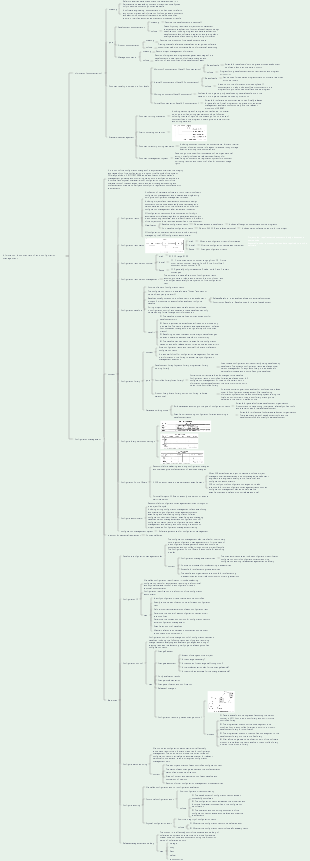
Project closing management
Project Acceptance
Project acceptance is the first step in project closing management. Only after completing the project acceptance can we enter the subsequent project summary, system maintenance and post-project evaluation stages. Formal acceptance of the project includes acceptance of project products, documents and completed deliverables The acceptance of the system integration project needs to be based on the content of the contract signed in the previous stage and the corresponding technical work content. If the contract changes during the execution of the project, the changed content should also be used as the basis for acceptance of the project. For software-based system integration projects, in addition to the contract content in the early stage of the project, a software requirements statement signed or approved by both parties A and B is usually required as the basis for acceptance. When performing acceptance testing of software projects, the acceptance test cases should cover all functional requirements and non-functional requirements in the software requirements specification. The project acceptance work requires the completion of a formal acceptance report, which mainly includes the main contents of the acceptance and the corresponding acceptance conclusions. All parties involved in the acceptance should sign and confirm the acceptance conclusions and bear corresponding responsibilities for the acceptance results.
Work content
Acceptance Test
meaning
It is a comprehensive test of the information system, based on the system environment agreed in the contract between the two parties, to ensure that the function and technical design of the system meet the functional and non-functional requirements of the builder and can operate normally.
include
Write acceptance test cases
Establish an acceptance test environment
Complete acceptance testing
Issue acceptance test report
Signing of acceptance test report
System trial run
Mainly includes data migration, daily maintenance, defect tracking and repair, etc.
System document acceptance
After the system has passed the acceptance test, the system documentation should be handed over to the customer gradually and comprehensively. Before the final delivery of the system, all documents of the system should be accepted and approved by both parties.
include
Introduction to system integration projects
System Integration Project Final Report
Information System Instructions Manual
Information System Maintenance Manual
Software and hardware product manuals, quality guarantee certificates
Project final inspection
At the agreed time after the system has been trial run, both parties can start the final acceptance of the project. Large-scale projects are divided into two steps: trial operation and final acceptance.
include
Recognition and acceptance of acceptance test documents by both parties,
Recognition and acceptance of the working conditions during the trial operation of the system by both parties,
Recognition and acceptance of system documents by both parties,
Recognition and acceptance of the completion of project work by both parties
Project summary
Project summary belongs to the management closing of project closing. Also known as administrative closing, it is to check whether project team members and relevant stakeholders have performed all their duties as required.
Includes activities such as collecting project records, analyzing project successes and failures, collecting lessons learned, and archiving project information for future use by the organization
significance
(1) Understand the working conditions of the entire project process and the performance of relevant teams or team members
(2) Understand the problems and summarize improvement measures
(3) Understand and summarize the experiences worth learning that emerged during the entire project process
(4) Discuss the summarized documents and store them in the company's knowledge base through post-processing, thereby incorporating them into the company's process assets.
Project summary meeting preparation work
Collect and organize project process documents and lessons learned
It needs to be carried out by all project staff, not by the project manager alone. The project manager can include this work in the closing work of the project as a necessary task for the people and teams involved in the project
Collection of lessons learned and preparation of discussion notes for the project summary meeting
In this initial discussion draft, it is necessary for the project manager to list some excellent points and some major shortcomings during the project execution process, so that they can be highlighted during the discussion.
Project summary meeting
All members involved in the project need to participate, and all discussions must be documented. The documents produced by the project summary meeting must be confirmed by everyone. Any documents that violate this principle cannot be used as the result of the project summary meeting.
Discussion content
project performance
Including the completion of the project, the specific project plan completion rate, the completion of the project goals, etc., as the common performance of all participating project members
technical performance
What is the comparison result between the final scope of work and the scope of work at the initial stage of the project? What changes have been made to the scope of work? Are the changes related to the project reasonable? Is the processing effective? Does the change have a significant impact on the quality, schedule and cost of the project? What is the scope of the project? Whether each work meets the expected quality standards and whether it meets customer satisfaction
cost performance
Whether there is a big gap between the final project cost and the original project budget, including the budget increase due to changes in the project scope, and what is the profitability of the project. This involves the performance of project team members and the distribution of bonuses
schedule performance
What is the comparison result between the final project schedule and the original project schedule? Why is the schedule advanced or delayed? What are the reasons for this situation?
Project communication
Whether a complete and effectively utilized communication system has been established, whether customers have been involved in the decision-making and execution of the project, whether customers are required to regularly check the status of the project, whether there are regular communications and stage summary meetings with customers, and whether timely notifications are given Potential problems of customers, and inviting customers to participate in solving problems, etc., how the project communication plan is completed, whether the internal meeting records of the project are complete, etc.
Identify problems and solve them
Whether the problems that occurred in the project have been solved, whether the causes of the problems can be avoided, how to improve the management and execution, etc.
Opinions and suggestions
Whether project members have reasonable opinions and suggestions on the project management itself and the project execution plan, whether these opinions and suggestions are recognized by the majority of participating members, and whether they can be improved in future projects.
system maintenance
After the system integration project completes the acceptance work, the information system will transform from the early construction stage to the corresponding operation and maintenance stage.
Follow-up work on software projects
Modification of software bugs
It is difficult for software to be bug-free, but most bugs have been discovered during the testing and acceptance stages. These bugs have been dealt with when the system is handed over. For the system after handover, if bugs occur, they will be dealt with in the way agreed by both parties.
software upgrade
During the software maintenance period, the customer and the service provider should make a comprehensive evaluation based on the specific characteristics of the customer's business needs, the difficulty of software upgrade, the cost and deadline of software upgrade, and the possible related impacts of software upgrade, and then proceed. Make a decision whether to upgrade
Follow-up technical support
Technical support work for software systems is the main content of software maintenance work. The content of technical support work should be stipulated in the software maintenance service contract.
Follow-up work on system integration projects
Information system daily maintenance work
System integrators should consider how to ensure continuity of third-party technical support during the project maintenance period.
Hardware product updates
If necessary updates are made to the hardware, the customer and the service provider can jointly formulate an upgrade plan for the hardware product and then implement it together.
Meet new needs for information systems
For information system service providers, one of their key tasks during the maintenance phase is to collect and identify customers’ new needs and suggestions for information systems.
Post-project evaluation
Information system post-evaluation is a comprehensive management discipline that involves information technology, market analysis, statistical research, statistical analysis, economic management, process management, project management and other disciplines.
Information system objective evaluation
It is the focus of the post-evaluation of the information system. An important basis for evaluating the success of the information system is whether the information system has achieved the various goals set at the beginning of the information system planning. It is necessary to analyze and evaluate the correctness, rationality and effectiveness of the project's preset goals. feasibility, and at the same time determine the degree to which the goals set when the information system project is established are met.
Information Systems Process Evaluation
It is from the perspective of process analysis and review to evaluate the compliance and rationality of the process. Focus on whether the entire process management of the information system is carried out according to the plan, and whether major deviations in process management are responded to and analyzed in a timely manner; make corresponding evaluations on the level of process management and process quality;
According to the life cycle characteristics of information systems, it mainly includes
Information system preliminary demonstration stage
Information system bidding stage
Information system development and construction stage
Information system operation and maintenance
Information system benefit evaluation
It is the main content of post-evaluation of information systems. It evaluates the operating effects of information systems and provides a basis for judgment on the sustainability evaluation of information systems.
Information Systems Technology Assessment
The main contents of the information system technology evaluation include whether the technical route selection of the information system is correct, whether it has good compatibility and scalability, the degree of realization of the information system functional goals, the use effect of the information system project resources, and technological innovation in the information system. or the application of new technologies, etc.
Information system economic benefit evaluation
The economic benefit evaluation of information systems mainly focuses on economic analysis. For those operating information systems, the economic benefits include project financial analysis and related economic analysis. For those non-operating information systems, it includes investment analysis, cost analysis and related economic analysis.
Information system management benefit evaluation
Information systems are supportive systems developed to support traditional businesses. They can be regarded as an expansion and extension of traditional manual businesses. Compared with traditional manual work methods, business management based on information systems has many advantages that traditional business models do not have.
Information system social benefit evaluation
It mainly focuses on evaluating the positive role of information systems in promoting social and economic development and improving people's lives. The evaluation content mainly includes the social benefits and social impact of information systems.
Information system environmental impact assessment
In general, the impact of information systems on the natural environment is almost negligible. Some types of information systems impact the environment through indirect means.
Information system sustainability assessment
The sustainability evaluation of information systems mainly evaluates the possibility of continued operation and development of the information system, analyzes whether the established goals of the information system can be continuously achieved, evaluates whether the information system can be continuously and stably upgraded in the future, and within the scope of the organization, in the future Whether similar information systems projects can be implemented in a similar manner.