MindMap Gallery Medical immunology mind map
The core content of the clinical medicine major and the necessary subjects for the clinical medicine postgraduate entrance examination. I hope this map can help everyone communicate smoothly with the final exam and postgraduate examination. Students in need can save it.
Edited at 2024-11-23 18:25:26Rumi: 10 dimensions of spiritual awakening. When you stop looking for yourself, you will find the entire universe because what you are looking for is also looking for you. Anything you do persevere every day can open a door to the depths of your spirit. In silence, I slipped into the secret realm, and I enjoyed everything to observe the magic around me, and didn't make any noise. Why do you like to crawl when you are born with wings? The soul has its own ears and can hear things that the mind cannot understand. Seek inward for the answer to everything, everything in the universe is in you. Lovers do not end up meeting somewhere, and there is no parting in this world. A wound is where light enters your heart.
Chronic heart failure is not just a problem of the speed of heart rate! It is caused by the decrease in myocardial contraction and diastolic function, which leads to insufficient cardiac output, which in turn causes congestion in the pulmonary circulation and congestion in the systemic circulation. From causes, inducement to compensation mechanisms, the pathophysiological processes of heart failure are complex and diverse. By controlling edema, reducing the heart's front and afterload, improving cardiac comfort function, and preventing and treating basic causes, we can effectively respond to this challenge. Only by understanding the mechanisms and clinical manifestations of heart failure and mastering prevention and treatment strategies can we better protect heart health.
Ischemia-reperfusion injury is a phenomenon that cellular function and metabolic disorders and structural damage will worsen after organs or tissues restore blood supply. Its main mechanisms include increased free radical generation, calcium overload, and the role of microvascular and leukocytes. The heart and brain are common damaged organs, manifested as changes in myocardial metabolism and ultrastructural changes, decreased cardiac function, etc. Prevention and control measures include removing free radicals, reducing calcium overload, improving metabolism and controlling reperfusion conditions, such as low sodium, low temperature, low pressure, etc. Understanding these mechanisms can help develop effective treatment options and alleviate ischemic injury.
Rumi: 10 dimensions of spiritual awakening. When you stop looking for yourself, you will find the entire universe because what you are looking for is also looking for you. Anything you do persevere every day can open a door to the depths of your spirit. In silence, I slipped into the secret realm, and I enjoyed everything to observe the magic around me, and didn't make any noise. Why do you like to crawl when you are born with wings? The soul has its own ears and can hear things that the mind cannot understand. Seek inward for the answer to everything, everything in the universe is in you. Lovers do not end up meeting somewhere, and there is no parting in this world. A wound is where light enters your heart.
Chronic heart failure is not just a problem of the speed of heart rate! It is caused by the decrease in myocardial contraction and diastolic function, which leads to insufficient cardiac output, which in turn causes congestion in the pulmonary circulation and congestion in the systemic circulation. From causes, inducement to compensation mechanisms, the pathophysiological processes of heart failure are complex and diverse. By controlling edema, reducing the heart's front and afterload, improving cardiac comfort function, and preventing and treating basic causes, we can effectively respond to this challenge. Only by understanding the mechanisms and clinical manifestations of heart failure and mastering prevention and treatment strategies can we better protect heart health.
Ischemia-reperfusion injury is a phenomenon that cellular function and metabolic disorders and structural damage will worsen after organs or tissues restore blood supply. Its main mechanisms include increased free radical generation, calcium overload, and the role of microvascular and leukocytes. The heart and brain are common damaged organs, manifested as changes in myocardial metabolism and ultrastructural changes, decreased cardiac function, etc. Prevention and control measures include removing free radicals, reducing calcium overload, improving metabolism and controlling reperfusion conditions, such as low sodium, low temperature, low pressure, etc. Understanding these mechanisms can help develop effective treatment options and alleviate ischemic injury.
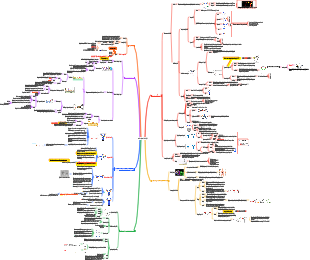
medical immunology
Introduction to Immunology
The composition and basic functions of immunology
composition
immune organ
central immune organ
thymus and bone marrow
peripheral immune organs
Spleen, lymph nodes, mucosa-associated lymphoid tissue, skin-associated lymphoid tissue
immune cells
T cells, B cells
NK cells, NKT cells
Immunoactive substances
model molecule
secreted molecules
immunoglobulins, complement, cytokines
Function
immune defense
immune monitoring
immune homeostasis
Types and characteristics of immune responses
innate immunity
Early and rapid, no immune memory, bacteriostatic and bactericidal substances, phagocytes, NK cells
adaptive immunity
In the later stage, acquired, memory cells, T cells, and B cells are produced.
immune diseases
Smallpox, plague (Black Death), tuberculosis (White Plague)
Immunology applications
A brief history of the development of immunology
Empirical immunology period
16th and 17th centuries, variola
17th century British cowpox
experimental immunology period
Germany, Robert
France, Louis Pasteur
Immunology Development Trends
immune organs and tissues
central immune organ
marrow
structure and cellularity
red bone marrow
With active hematopoietic function, hematopoietic stem cells (HSC) in the bone marrow are highly self-renewal and functionally differentiated. (2-3 months) HSC migrate from the soft sac to the spleen, and the spleen and liver become embryonic cells (3-7 months). ) the main hematopoietic organ
hematopoietic tissue
hematopoietic cells
stromal cells
Reticular cells, fibroblasts. The cell growth factors secreted by stromal cells communicate with the extracellular matrix to form a microenvironment for the growth, development and reproduction of hematopoietic cells, which is called the hematopoietic induced microenvironment (HIM).
Sinusoids
yellow bone marrow
No direct hematopoietic ability, produce hematopoietic stem cells in emergency situations
Function
The place where various types of blood cells and immune cells occur
The place where B cells and NK cells differentiate and mature.
Where the humoral immune response occurs
Thymus
The structure and cellular composition of the thymus
cell composition
Thymic stromal cells TSC
Thymic epithelial cells TEC, macrophages, dendritic cells DC
Thymocytes
cortex
light cortex, deep cortex
medulla
Thymic corpuscles (Hassol's corpuscles)
thymus microenvironment
thymus function
The place where T cells mature
Immunomodulatory effect
immune tolerance
peripheral immune organs
Also called secondary immune organ, it is the place where mature immune cells colonize
Lymph nodes
structure
cortex
shallow cortex
deep cortex
medulla
medullary cord
medullary sinus
Function
Where T cells and B cells colonize
site of immune response
filtering effect
Participate in lymphocyte circulation
spleen
The spleen is a hematopoietic organ during the embryonic stage. After hematopoiesis begins in the bone marrow, the spleen evolves into the largest peripheral immune organ.
structure
white marrow
Red pith
Function
Where T cells and B cells colonize
where the immune response occurs
Synthetic bioactive substances
filtering effect
mucosa-associated lymphoid tissue
Mucosal immune system, mainly refers to the gastrointestinal tract, respiratory tract, genitourinary system
antigen
Immunity is the sum total of the body distinguishing itself from non-self substances, recognizing and responding to non-self substances, and giving clear biological effects. Antigens refer to all substances that can activate and induce immune responses.
The nature and molecular structure of antigens
Basic specificity of antigens: immunogenicity and immunoreactivity
Immunogenicity
After the antigen is recognized by T and B cells, it induces the body to produce an immune response, which is the property of stimulating the body to produce an immune response.
immunoreactivity
The ability of an antigen to bind to a substance that induces an immune response
Substances that are also immunogenic and immunoreactive are called complete antigens
Antigen specificity of the adaptive immune response
The immune response induced by the antigen has antigen specificity, and the antigen stimulates the body to produce an adaptive immune response and combines with the response effector product to show specificity.
Molecular structural basis that determines antigen specificity: antigenic epitope
The concept of antigenic epitope
The specificity of antigen binding depends on the antigen epitope contained in the antigen molecule, also known as an antigenic determinant. An epitope is a chemical group in the antigen molecule that determines the specificity of the immune response.
Categories of antigenic epitopes
According to the characteristics of spatial structure
Sequential and conformational epitopes
Different antigen epitopes recognized by T and B cells
T cell epitopes and B cell epitopes
Hapten–carrier effect
Immunoreactive, non-immunogenic
Common epitopes and cross-reactivity
Factors affecting antigen immunogenicity
Theory and structural properties of antigen molecules
Foreign body property
chemical properties
molecular weight
molecular structure
Molecular conception
accessibility
Physical properties
Host characteristics
Genetic factors, gender, age, health status
The state in which the antigen enters the body
Type of antigen
Classification based on whether Th cells are required to participate in induced antibodies
thymus-dependent antigen
Thymus-independent antigen
Classification based on the relationship between the antigen and the body
heterophile antigen
Common antigens of different species of human and animal microorganisms
xenoantigen
Antigen derived from another substance
alloantigen
Different individuals of the same species
autoantigen
unique antigen
Classification according to the source of antigens in antigen-presenting cells
endogenous antigen
exogenous antigen
Other categories
non-specific immunogenic stimulant
superantigen
A strong immune response can be generated at low concentrations
Adjuvant
Injecting into the body in advance and at the same time as the antigen can enhance the body's immune response to the antigen.
mitogen
Also known as mitogen, it is a specific polyclonal activator of lymphocytes.
Antibody
An important effector molecule that mediates humoral immunity is an immunoglobulin. Globulins with antibody activity or similar chemical structures are collectively named immunoglobulins.
Antibody structure
Basic structure of antibodies
Two identical heavy chains and two identical light chains are connected by disulfide bonds and are called Y-shaped monomers.
light chain and heavy chain
Heavy chain (H), the molecular weight is about 50-75kD. The complete antibody molecules composed of different heavy chains and light chains are called IgM, IgG, IgD. and IgE respectively.
Light chain (L), molecular weight approximately 25KD
visual and constant regions
Variable region (V region), constant region (C region),
variable region
constant region
hinge area
Antibody auxiliary components
J chain
Connect monomeric Ab molecules into dimers or multimers
Secretory tablet
secretory component
hydrolyzed fragments of antibody molecules
Papain hydrolyzate fragment
penetrating
Pepsin hydrolyzed fragments
split in two
Immunoglobulin superfamily
Antibody Diversity and Immunogenicity
Antibody function
Function of antibody V region
Recognizes and binds antigens, neutralizes toxins, blocks pathogen invasion and other immune defenses
Function of antibody C region
activate complement
Binds to Fc receptors
Crosses the placenta and barrier
Characteristics and functions of various types of antibodies
'IgG
The main force, late synthesis, large number, long life (20-23), the only Ig that can pass the placental barrier
IgM
Pioneer, fast, early, divided into membrane-bound and secretory types, secretory IgM is a pentamer, the Ig with the largest molecular weight, called macroprotein
IgA
Border guard, mucosal type secreted by mucosal epithelial cells into exocrine fluid, tissue pathogens, adhere to the cell surface, and carry local infection
IgD
A small proportion, also known as naive B cells
IgE
Related to the body’s immunity against parasites
Artificial preparation of antibodies
polyclonal antibody
But cloning antibodies
genetically engineered antibodies
complement system
A protein response system with precise regulation mechanism
Complement composition and biological properties
The components of the complement system
Intrinsic components of complement, complement regulatory proteins, complement receptors
Physicochemical properties of complement
Each ingredient is glycoprotein with different peptide chain structures and cannot tolerate high temperatures.
complement metabolism
Source of complement
Mainly derived from liver cells and monocyte macrophages
Regulation of complement biosynthesis
complement metabolism
complement activation system
Classical approach
Activating nothing to bind to C1q,
Activator
IjG.IgM
activation process
Conformational changes can occur only by binding to two or more antibodies.
bypass pathway
Alternative pathway does not rely on antibodies
Activator
Polysaccharide ingredients
activation process
subtopic
Lectin pathway
Regulation of complement activation
The biological significance of complement
Biological functions of complement
Cytotoxicity
Eventually, MAC is formed on the cell surface, causing an imbalance in the osmotic pressure inside and outside the cell and causing cell rupture.
conditioning effect
An important mechanism to protect against systemic bacterial and fungal infections
role of inflammatory mediators
cause allergic reaction
clear immune complexes
immune adhesion
Pathophysiological significance of complement
Resist defense against infection
Participate in the adaptive immune response
The relationship between complement and disease
Diseases associated with hereditary complement deficiencies
Complement and infectious diseases
Complement and inflammatory diseases
Cytokines
A type of small molecule soluble protein
Common characteristics of cytokines
Basic characteristics
Glycoprotein, highly efficient, binds to cell surface receptors, has few limitations
Mode of action
autocrine mode
act on itself
paracrine mode
Acts on neighboring cells
Endocrine acts on distant target cells through the circulatory system
Features
Pleiotropy, overlap, synergy, antagonism, network,
Classification of Cytokines (by Structure and Function)
Interleukin (IL)
White blood cells act on each other
Colony stimulating factor (CSF)
Interferon (IFN)
Interfere with viral replication
tumor necrosis factor family
necrotic tumor
growth factors
Promote cell growth and differentiation
Chemokines
Cytokine receptor
Immunological functions of cytokines
Regulating the development, differentiation and function of immune cells
Regulate the body's immune response
Cytokines and clinical
Cytokines and the occurrence of disease
Cytokines and disease treatment
Leukocyte differentiation antigens and adhesion factors
human leukocyte differentiation antigen
concept
cell surface expressed marker molecules
differentiation group
The same differentiation antigen that the monoclonal antibody binds
Function
Divided into receptors and adhesion molecules according to the functions they perform) molecules that mediate the mutual binding and interaction of cellular and extracellular mechanisms
adhesion molecules
Immunoglobulin superfamily
integrin family
selectin family
cadherin family
Adhesion molecule function
Participate in cell-cell interactions and activation
Involved in the adhesion of leukocytes to vascular endothelial cells during inflammation
Clinical application of albumin differentiation antigen and monoclonal antibodies
major histocompatibility complex
As long as the histocompatibility complex (MHC) is a type of closely connected gene group related to the immune response that determines whether the tissue is compatible or not, the human MHC is called the leukocyte antigen (HLA) gene complex, and its encoding products are HLA molecules and HLA antigen
The structure of MHC and its genetic properties
Classic HLA class I and class II genes
Class I genes are far away from the centromere
Class II genes are located close to the centromere
Genes related to immune function
Genetic characteristics of MHC
MHC polypeptides
The phenomenon that there are more than two different alleles at a single genetic locus in a population
Haplotypes and linkage disequilibrium
HLA molecules
Distribution of HLA molecules
Class I distribution on all nucleated cell surfaces
Recognizes and presents endogenous antigenic peptides and binds to the co-receptor CD8
Type II distribution of some specific cell surfaces in lymphoid tissue
Recognizes and presents exogenous antigenic peptides and binds to the co-receptor CD4
The structure of HLA molecules and the interaction of antigenic peptides
structure
interaction
anchor position, anchor residue
Functions of HLA molecules
Participates in the adaptive immune response as an antigen-presenting molecule
Participates in innate immune response as a regulatory molecule
HLA and clinical medicine
HLA and organ transplantation
Aberrant expression of HLA molecules and clinical disease
HLA and disease associations
HLA and Paternity Testing and Forensic Science
B lymphocytes
B cell differentiation and development
In the immune central organs, it is mainly the expression of functional B cell receptors and the formation of B cell autoimmune tolerance.
Genetic consequences and rearrangements of BCR
BCR is an immunoglobulin expressed on the cell surface, that is, a membrane immunoglobulin. Gene rearrangement is the rearrangement and combination of BCR gene fragments.
Germline gene structure of BCR
Gene rearrangements and mechanisms of BCR
alleric exclusion
Mechanism of diversity of antigen recognition receptors
portfolio diversity
Connect Diversity
Receptor editing
Somatic hyperplasia mutation
Development and differentiation of B cells in central immune organs
Formation of central immune tolerance in B cells--negative selection during B cell development
negative existence
positive clearance
B cell surface molecules and their roles
B cell antigen receptor complex
membrane surface immunoglobulin
Lga/Lgb (CD79a/CD79b)
B cell coreceptor
costimulatory molecule
CD40, CD80, CD86, adhesion molecules
other surface molecules
Classification of B cells
Classification according to activation stage
naïve B cells
memory B cells
effector B cells
Classification based on reaction specificity
B1 cells
Has the ability of self-renewal, belongs to innate immunity, and produces IgM antibodies
B2 cells
Participate in humoral immune response, also known as follicular B cells, eventually differentiate into plasma cells
Classification according to type of BCR
B cell function
Generation of antibody-mediated immunity, antigen extraction, immunomodulation
T lymphocytes
Derived from bone marrow, matures in the thymus, and mediates adaptive cellular immune responses
T cell development and differentiation
Multifunctional hematopoietic stem cells differentiate into lymphoid progenitor cells in bone marrow
T cell development in the thymus
It first undergoes gene rearrangement of its antigen recognition receptor (TCR), expresses diverse TCRs, and then undergoes positive selection and negative selection.
DN➡️DP➡️SP
Positive selection during T cell development
Negative selection during T cell development
Proliferation and differentiation of T cells in peripheral organs
T cell surface molecules and their functions
TCR-CD3 complex
CD4 and CD8
costimulatory molecule
CD28
CTLA-4 (CD152)
icos
PD-1
Expressed on activated T cells, it can inhibit the proliferation of T cells. PD-1 is an anti-cancer cell proliferation drug.
CD2
CD40 ligand
subtopic
Tear apart receptors and other surface molecules
Classification and function of T cells
Classified according to activation stages everywhere
naive T cells
effector T cells
memory T cells
Classification according to type of TCR
αβT cells
Divide subgroups according to cD molecules
CD4
CD8
Divide into subgroups based on functional characteristics
Helper T cells (TH)
subtopic
cytotoxic t cells
Kill target cells, direct killing, induced killing
Regulatory T cells (Treg)
natural regulatory T cells
Inducing regulatory T cells
Other regulatory T cells
Antigen-presenting cells and antigen processing and presentation
Antigen-presenting cells (APCs) process antigens and present them to T cells in the form of antigen peptide-MHC molecule complexes. APCs that present antigen peptides to CD4 T cells through the MHC class II molecular pathway are divided into professional APCs. and part-time APCs
Biological properties of professional antigen-presenting cells
dendritic cells (DC)
Initial T cell activation is the first signal) and the only signal
Type of DC
Follicular dendritic cells (FDC), which do not have the ability to present antigens, can stimulate germinal center somatic hypermutation by loading antigen peptides.
The maturation process of classic DC
Immature DCs are mainly distributed in various organs and tissues, including Langerhans cells distributed in the skin and mucous membranes and interstitial DCs distributed in the interstitium of various non-immune organs and tissues.
Migration period DC
subtopic
Mature DC
DC functions
Recognize and take up antigens and participate in innate immune response
by endocytosis and phagocytosis
Processes and presents antigens to initiate the adaptive immune response
Immunomodulatory effect
Inducing and maintaining immune tolerance
Mononuclear/macrophages
Monocytes migrate from the blood to tissues and organs throughout the body and become macrophages
B cells
Endocytosis and pinocytosis
Antigen processing and presentation
Classification of antigens presented by APC
Pathways by which APC processes and presents antigens
MHC class I antigen presentation pathways
MHC class II antigen presentation pathway
Non-classical antigen presentation pathway (cross-presentation pathway of antigen by MHC molecules)
T lymphocyte-mediated adaptive immune response
Initial mature T cells in the thymus migrate out of the thymus into the blood circulation, home in peripheral lymphoid organs, and circulate in the body
Recognition of antigen by T cells
The concept of antigen recognition
Nonspecific binding of T cells to APC
Binding via adhesion molecules, transient and reversible
Specific binding of T cells to APC
form immune synapse
Activation, proliferation and differentiation of T cells
T cell activation signals
The first signal of T cell activation
T cell activation is a second signal
Positive costimulatory molecule
negative stimulatory molecule
Cytokines promote cell proliferation and differentiation
Decide the direction of activation
Signaling pathways for T cell activation
Antigen-specific T cell proliferation and biochemistry
Immune effects and outcomes of T cells
Immune effects of Th and Treg
Th1 effect
Th2 effect
Th17 effects
Effect of Tfh
Tregs effect
Immune effects of CTLs
The process of killing target cells
Mechanism of killing target cells
The biological significance of T cell-mediated immune responses
The fate of activated T cells
B lymphocyte-mediated specific immune response
B cell immune response to TD antigen
Recognition of TD antigen by B cells
Signals required for B cell activation
B cell proliferation and terminal differentiation
B cell immune response to Ti antigen
General rules for antibody production in humoral immune response