 Wondershare EdrawMind
MindMap Gallery Antibacterial drugs (antibiotics) 39-44
- 68
Antibacterial drugs (antibiotics) 39-44
Pharmacology Antibacterial Drugs (Antibiotics) 39-44 mind map summarizes and organizes the knowledge points, covering all core contents, which is very convenient for everyone to learn. Suitable for exam review and preview to improve learning efficiency. Hurry and collect it to learn together!
Edited at 2024-10-13 15:28:18
- Knowledge Map of Nezha 2 Analysis of Characters and Symbolic Elements
Dive into the world of the Chinese animated film Nezha 2: The Devil's Birth! This knowledge map, created with EdrawMind, provides a detailed analysis of main characters, symbolic elements, and their cultural significance, offering deep insights into the film's storytelling and design.
- Details of 《Nezha 2》
This is a mindmap about Nezha 2, exploring its political metaphors and cultural references. The diagram highlights the symbolism behind the Dragon Clan’s suppression, drawing parallels to modern geopolitical conflicts and propaganda manipulation. It also details Chinese historical and cultural elements embedded in the film, such as the Jade Void Palace, Ao Bing’s armor, Taiyi Zhenren’s magic weapon, and Nezha’s hairstyle.
- 《Nezha 2》Main character
This is a mindmap about the main characters of Nezha 2, detailing their backgrounds, conflicts, and symbolic meanings. It explores the personal struggles and transformations of Nezha, Ao Bing, Shen Gongbao, and Li Jing as they navigate themes of rebellion, duty, ambition, and sacrifice.
Antibacterial drugs (antibiotics) 39-44
- Knowledge Map of Nezha 2 Analysis of Characters and Symbolic Elements
Dive into the world of the Chinese animated film Nezha 2: The Devil's Birth! This knowledge map, created with EdrawMind, provides a detailed analysis of main characters, symbolic elements, and their cultural significance, offering deep insights into the film's storytelling and design.
- Details of 《Nezha 2》
This is a mindmap about Nezha 2, exploring its political metaphors and cultural references. The diagram highlights the symbolism behind the Dragon Clan’s suppression, drawing parallels to modern geopolitical conflicts and propaganda manipulation. It also details Chinese historical and cultural elements embedded in the film, such as the Jade Void Palace, Ao Bing’s armor, Taiyi Zhenren’s magic weapon, and Nezha’s hairstyle.
- 《Nezha 2》Main character
This is a mindmap about the main characters of Nezha 2, detailing their backgrounds, conflicts, and symbolic meanings. It explores the personal struggles and transformations of Nezha, Ao Bing, Shen Gongbao, and Li Jing as they navigate themes of rebellion, duty, ambition, and sacrifice.
- Recommended to you
- Outline

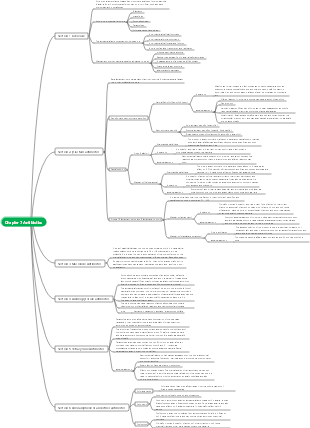
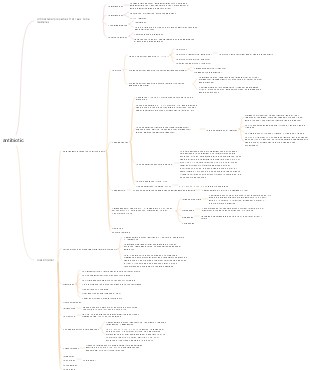

Antibacterial drugs (antibiotics)
Chapter 39 Introduction to Antimicrobial Drugs
Chemotherapy concept
Chemotherapy (chemotherapy): the application of drugs to prevent or treat diseases caused by pathogenic microorganisms, parasites and tumor cells. Chemotherapy drugs: drugs used during chemotherapy.
chemotherapy drugs
antimicrobial drugs
antibacterial drugs
antifungal drugs
antiviral drugs
antiparasitic drugs
antineoplastic drugs
The relationship between body-antibacterial drugs-bacteria
Commonly used terms for antibacterial drugs
antibacterial drugs
antibiotic
Synthetic antibacterial drugs
antibacterial drugs
It is a type of drug that inhibits or kills pathogenic bacteria and is used to prevent and treat bacterial infections. Some antibacterial drugs can also be used for parasitic infections.
antibiotic
It is a metabolite produced by microorganisms that inhibits or kills pathogenic microorganisms. Including: natural antibiotics and artificial semi-synthetic antibiotics.
Antibacterial spectrum
Refers to the range of antibiotics that inhibit or kill pathogenic microorganisms, which is called the antibacterial spectrum. Narrow-spectrum antibiotics are those that are effective against only one type of bacteria or a certain genus of bacteria. Drugs that are effective against most pathogens are called broad-spectrum antimicrobials.
bacteriostatic drugs
Refers to antibacterial drugs (such as erythromycin) that only inhibit the growth and reproduction of bacteria without killing them.
Bactericide
It refers to antibacterial drugs that not only inhibit bacterial growth and reproduction but also kill bacteria, such as penicillins, cephalosporins, aminoglycosides, etc.
Antibacterial activity
Refers to the ability of a drug to inhibit or kill bacteria. Both in vivo and in vitro assays are used. Judgment indicators include: minimum inhibitory concentration (MIC), minimum bactericidal concentration (MBC).
Minimum inhibitory concentration (MIC The lowest concentration of a drug that inhibits bacterial growth in culture medium. Minimum bactericidal concentration (MBC The lowest concentration of a drug capable of killing bacterial growth in culture media.
Post-antimicrobial effect (PIE)
Refers to the short-term contact between bacteria and antibiotics. When the concentration of the antibiotic drops, falls below the MIC or disappears, the growth of the bacteria is still inhibited.
drug resistance
After pathogens and tumor cells come into contact with chemotherapy drugs for many times, their sensitivity to the drugs decreases or even disappears, which is called drug resistance or drug resistance.
Antibacterial drug action mechanism
1. Inhibit bacterial cell wall synthesis: β-lactam drugs (penicillin, cephalosporin)
2 Affects cytoplasmic membrane permeability: antifungal drugs
3. Inhibit protein synthesis: aminoglycosides, macrolides, tetracyclines, chloramphenicol, etc.
4. Affects folic acid and nucleic acid metabolism: sulfonamides
Bacterial drug resistance
The development of bacterial resistance
Bacterial resistance (bacterial resistance) also known as drug resistance is Bacterial insensitivity to antibiotics
A special form of expression of bacteria in their own survival process
When microorganisms come into contact with antibacterial drugs, they will also resist the antibacterial drugs by changing metabolic pathways or producing corresponding inactivated substances, resulting in drug resistance.
Resistant species
intrinsic resistance
Features
Determined by bacterial chromosome genes, passed from generation to generation, will not change
acquire drug resistance
It is mediated by plasmids (natural material of chromosomes). After bacteria come into contact with antibiotics, they change their own metabolic pathways to prevent them from being killed by antibiotics.
Features:
Resistance genes are acquired and disappear when no longer exposed to antibiotics; resistance genes can also be transferred to chromosomes by plasmids and passed from generation to generation, becoming intrinsic resistance. The use of antibacterial drugs is one of the important reasons for the acquisition of drug resistance and is also a serious problem in the clinical application of antibacterial drugs.
Antibacterial drug combination
Chapter 40 β-Lactam Antibiotics
Overview
Features
The most commonly used antibacterial drugs in clinical practice
All contain β-lactam rings in their chemical structures
Classification
Typical beta-lactam antibiotics
Atypical beta-lactam antibiotics
Classification
1. Penicillins: Class 5 2. Cephalosporins: first, second, third and fourth generation 3. Other β-lactams: 4. Beta-lactamase inhibitors: clavulanic acid, sulbactam 5. Beta-lactam antibiotic compound preparations
Antibacterial action mechanism and resistance mechanism
Antibacterial action mechanism
cell wall function
maintain cell shape
Adapt to changing external environment
The main component of Gram-positive is mucopeptide
The main components of Gram-negative are lipopolysaccharides and phospholipids
Antibacterial action mechanism
It mainly acts on penicillin-binding proteins (PBPs), inhibiting bacterial cell wall synthesis, causing cell wall defects, bacterial cells losing their permeability barrier, water continuously seeping in, and bacterial cells swelling and deforming;
Under the influence of bacterial autolytic enzyme, bacteria rupture, dissolve and die.
Characteristics of β-lactam antibiotics
The number and molecular weight of PBPs on the cell membrane of various bacteria are different, so the sensitivity to this type of antibiotics is also different.
Mammalian cells have no cell walls, so β-lactam antibiotics are less toxic to humans and animals.
β-Lactam antibiotics only inhibit bacterial cell wall synthesis and have no destructive effect on the synthesized cell wall, so their effect on bacteria in the reproductive phase is greater than bacteria in the stationary phase.
This type of drug is a breeding season fungicide
Resistance mechanisms must be examined
(1) Produce hydrolase (β-lactamase)
(2) Enzymes and drugs are firmly combined-containment mechanism (always forget it)
(3) Changes in PBPs (penicillin binding proteins)
(4) Change bacterial membrane permeability
(5) Lack of autolytic enzyme
(6) Enhance drug efflux
penicillin antibiotics
β-lactam ring
The beta-lactam ring plays a key role in antibacterial activity
When the β-lactam ring is opened, the antibacterial activity is lost.
The side chain is related to its antibacterial spectrum, acid resistance, and enzyme resistance. The chemical structure of the side chain was modified to develop new artificial semi-synthetic varieties.
Classification
1. Narrow spectrum penicillins:
Penicillin G (benzylpenicillin) (injection) Penicillin V (oral)
Sources and Chemistry
Penicillin is extracted from the culture medium of Penicillium (natural penicillin). The culture medium of Penicillium contains 5 kinds of penicillins. Among them, green mesin G is more stable and effective. Strong, high yield, low toxicity, and low price, so it is commonly used
Chemical penicillin is an organic acid, and its sodium or potassium salt is commonly used. Features: Acid-intolerant, enzyme-intolerant, narrow spectrum
Storage: The crystalline white powder is stable at room temperature and still has antibacterial activity for several years. Aqueous solutions are unstable at room temperature: ① Most of them degrade and fail within 24 hours. ②Generate antigenic degradation products
It should be temporarily prepared before use and used promptly.
internal processes
1. Absorption (A): Not acid-resistant, not absorbed after oral administration, rapid and complete absorption by intramuscular injection; reaches peak value in 0.5-1h, intravenous drip is often used in clinical practice.
2. Distribution (D): Mainly distributed in extracellular fluid, widely distributed in various tissues, organs and joint cavities. It is not easy to penetrate the blood-brain barrier, but effective concentrations can be reached during meningeal inflammation.
3. Elimination (E): Not metabolized by the liver, almost all is excreted unchanged from the kidneys, 10% is filtered by the glomerulus, and 90% is secreted by the renal tubules; elimination is rapid and the half-life is short (t1/2 is 0.5- 1.0h)
Antibacterial effect
Penicillin has strong antibacterial effect and is a bactericide during the breeding period.
Antibacterial spectrum
G cocci: hemolytic streptococci, viridans streptococci and pneumococci, non-drug resistant Staphylococcus aureus, etc.
G bacilli: Corynebacterium diphtheriae, Bacillus anthracis, anaerobic bacilli Clostridium perfringens, tetanus tetanus, etc.
G-cocci: Neisseria meningitidis, non-resistant Neisseria gonorrhoeae
A few G-bacilli: such as influenzae, Bordetella pertussis, etc.
Spirochetes: such as Treponema pallidum, Leptospira, and Relapsing Fever Treponema
Actinobacteria: such as Actinobacterium bovis.
It has weak effect on most G-bacilli and has no effect on fungi, rickettsiae, viruses, etc.
clinical application
Penicillin is the drug of choice for infections caused by G cocci and bacilli, G-cocci and spirochetes:
1• Hemolytic streptococcus infection (pharyngitis, tonsillitis, erysipelas, etc.); Staphylococcus aureus infection (furuncle, carbuncle); Streptococcus pneumoniae infection (lobar pneumonia, empyema, etc.):
2. Prevention and treatment of endocarditis caused by viridans streptococci.
3. Meningococcal meningitis caused by Neisseria meningitidis; genital gonorrhea caused by Neisseria gonorrhoeae.
4. Anti-venom serum should be added when using penicillin for tetanus and diphtheria.
5. Leptospirosis, syphilis, relapsing fever, actinomycosis, etc.
adverse reactions
1. Allergic reaction is the most common adverse reaction of penicillins, with an incidence rate of 1% to 10%. Performance: ①Anaphylactic shock, the most serious adverse reaction. ② Serum sickness-like reaction. ③Skin allergies, such as urticaria, drug rash, etc.
Reason: Penicillin solution degradation products (penicillium thiazole protein, penicillin dilute acid, etc.) act as antigens to cause antigen-antibody reactions
Preventive measures (frequently tested)
①Avoid abuse and topical application.
② Carefully inquire about allergy history. Those with a history of penicillin allergy should not use it;
③ A skin allergy test must be done when using for the first time, if the medication interval is more than 72 hours, or when changing batch numbers; a positive skin test is contraindicated.
④ Avoid taking medicine when you are hungry.
⑤ Observe for 30 minutes after each injection.
⑥ Injections must be prepared immediately before use.
⑦ Do not use without rescue drugs (Adrenaline) or rescue equipment.
Rescue measures (frequently tested)
① Once anaphylactic shock occurs, immediately inject Adr 0.5 - 1.0 mg subcutaneously or intramuscularly. In severe cases, it should be diluted for intravenous injection or intravenous infusion.
② Use GCs and H1 receptor blocking drugs when necessary
③Give O2, artificial respiration, tracheotomy and other auxiliary rescue measures.
2. Herxheimer reaction When penicillin is used to treat syphilis, Juntospirosis, etc., the symptoms may be aggravated. It may be caused by substances released after killing a large number of pathogens
3. Others
①Local stimulation Intramuscular injection of potassium salt will cause local pain, redness, swelling or induration, and the symptoms will be mild if sodium salt is used instead.
② Excessive dosage or too fast intravenous infusion can directly stimulate the cerebral cortex, causing muscle spasms, convulsions, coma and other reactions (penicillin encephalopathy); intrathecal injection can cause nerve stimulation symptoms.
③ Intravenous injection of large doses of sodium or potassium salts can cause water and electrolyte disorders; cause hypernatremia or hyperkalemia (in those with low renal function), and even inhibit cardiac function. Intravenous injection of penicillin potassium salt is prohibited
Penicillin V
It is a semi-synthetic penicillin with the same antibacterial spectrum as penicillin G. It is characterized by resistance to gastric acid and good oral absorption. (oral penicillin) Mainly used for
①Mild sensitive bacterial infection
② Consolidation treatment during recovery period
③Prophylactic medication to prevent recurrence of infection.
2. Enzyme-resistant penicillins:
Cloxacillin (injection, oral)
Features
1. Enzyme-resistant and not easily hydrolyzed by penicillinase; 2. Acid-resistant can be taken orally: 3. The antibacterial effect is not as good as penicillin G
use
Mainly used for penicillin G-resistant Staphylococcus aureus infections
3. Broad-spectrum penicillins:
Common features
It is acid-resistant and can be taken orally. It has a killing effect on both G and G-bacteria, and its efficacy is equivalent to that of penicillin G.
Ampicillin (injection, oral)
Features
1. It has a strong antibacterial effect on G-bacilli, such as Salmonella typhi, Bordetella pertussis, Escherichia coli, etc.; it has a weaker effect on G-bacilli than penicillin.
2. Ineffective against Pseudomonas aeruginosa
3. It is not resistant to enzymes and is ineffective against drug-resistant Staphylococcus aureus infections.
use:
①The antibacterial spectrum and antibacterial activity are similar to ampicillin; ②Good oral absorption, high blood concentration (2.5 times that of ampicillin)
clinical application
Respiratory tract, urinary tract, and biliary tract infections caused by sensitive bacteria are also used to treat typhoid fever. Treatment of chronic active gastritis and peptic ulcer.
Amoxicillin (oral)
amoxicillin
Features
①The antibacterial spectrum and antibacterial activity are similar to ampicillin; ② It is well absorbed after oral administration and has high blood concentration (2.5 times that of ampicillin).
clinical application
Respiratory tract, urinary tract, and biliary tract infections caused by sensitive bacteria are also used to treat typhoid fever. Treatment of chronic active gastritis and peptic ulcer.
4. Broad-spectrum penicillins against Pseudomonas aeruginosa:
Carbenicillin, piperacillin (injection
Features
1. It has strong effect on G-bacilli, especially Pseudomonas aeruginosa, and is not affected by the pus in the lesion. The effect on bacteria is similar to that of ampicillin, but it is not resistant to enzymes. 2. Used for Pseudomonas aeruginosa infection, synergistic with gentamicin 3. Used to treat Pseudomonas aeruginosa infection secondary to burns.
adverse reactions
Cross-allergic reactions with penicillin, neurotoxicity in large doses
5. Penicillins against Gram-negative bacilli:
Mecillin, Temocillin (injection)
Cephalosporin antibiotics (focus on learning the first four generations and mastering the third generation)
Overview
A range of semi-synthetic antibiotics:
The core 7-aminocephalosporanic acid (7-ACA) is composed of different side chains
The structure contains the same β-lactam ring as penicillin, so its physical and chemical activities and mechanism of action are similar to penicillin.
Pharmacological effects and clinical applications
The antibacterial mechanism is the same as that of penicillin. By binding to PBPs on the bacterial cell membrane, it hinders the formation of mucin, inhibits cell wall synthesis, and exhibits a bactericidal effect. Cephalosporins are bactericidal drugs.
drug resistance
There are three types of bacteria that are resistant to cephalosporins and have some cross-resistance with penicillins. The resistance mechanisms are the same as those of penicillins.
Characteristics of the fourth generation of cephalosporins
Antibacterial spectrum
Stability to beta-lactamase
Differences in resistance to Gram-negative bacilli
Differences in renal toxicity and clinical application
Classification and main functional characteristics of commonly used cephalosporins
first generation
Commonly used drugs: cephalexin, cefadroxil (can be taken orally), cefazolin, cephalothin, cefazolin
Functional characteristics
① Strong effect on G bacteria, weak effect on G- bacteria
②Ineffective against Pseudomonas aeruginosa
③Can be destroyed by β-lactamase
④ Nephrotoxicity is present, with cephalexin being more severe and cefradine being less toxic.
⑤ Mainly used for the treatment of respiratory tract, urinary tract, skin and soft tissue infections caused by sensitive bacteria
second generation
Cefuroxime, cefaclor (can be taken orally), cefamandole
Functional characteristics
① Stronger effect on G bacteria (weaker than the first generation), stronger effect on G- bacteria
② Effective against anaerobic bacteria, but ineffective against Pseudomonas aeruginosa
③Relatively stable to β-lactamase
④Less nephrotoxicity
⑤ Used for pneumonia, biliary tract infection, bacteremia, etc. caused by sensitive bacteria
The third generation (the most widely used clinically) mainly tests
Commonly used drugs
Cefotaxime, ceftazidime, ceftriaxone, cefoperazone, (cefixime, can be taken orally)
Functional characteristics
① Weak against G-bacteria, stronger against G-bacteria
② Strong effect on anaerobic bacteria and Pseudomonas aeruginosa
③High stability to β-lactamase
④ Basically no nephrotoxicity
⑤Clinically used for life-threatening serious infections such as sepsis, meningitis, pneumonia, and osteomyelitis. Also used for severe Pseudomonas aeruginosa infections
fourth generation
Commonly used drugs
Cefpirome, cefepime
Functional characteristics
①Effective against both G-bacteria and G-bacteria ②Highly stable to β-lactamase ③No nephrotoxicity ④Clinically used to treat bacterial infections that are resistant to third-generation cephalosporins
fifth generation
Commonly used drugs
Ceftaroline, Ceftobiprole
Functional characteristics
①G bacteria are stronger than the first four generations, and the effects of G-bacteria are similar to those of the fourth generation. ②Clinically used for complex skin and soft tissue infections, diabetic foot infections caused by G-bacteria, community-acquired pneumonia, etc.
adverse reactions
1. Allergic reaction
Most of them are skin rashes, anaphylactic shock is rare, and there is cross-allergy to penicillin. 5 to 10% of people allergic to penicillin are allergic to cephalosporins. A skin test should be done if necessary.
2. Nephrotoxicity
The first generation of nephrotoxicity > the second generation, the third generation has basically no nephrotoxicity, and the fourth generation has almost no nephrotoxicity.
3. Gastrointestinal reaction, phlebitis
Gastrointestinal reactions may occur with oral administration and phlebitis may occur with intravenous administration.
4. Superinfection
Superinfection occasionally occurs in the third and fourth generations.
5. Central nervous system reactions
Using large doses can cause headaches, heavy head, toxic psychosis, etc.
drug interactions
1. The combined use of cephalosporins and other nephrotoxic drugs (aminoglycosides, powerful diuretics) can aggravate the damage to the kidneys.
disulfiram-like reaction
Also known as the drunken reaction, symptoms include: chest congestion, shortness of breath, laryngeal edema, cyanosis of the lips, difficulty breathing, increased heart rate, decreased blood pressure, weakness in the limbs, facial flushing, sweating, insomnia, headache, nausea, vomiting, dizziness, Drowsiness, hallucinations, trance, and even anaphylactic shock.
reason
When used in combination with ethanol, it can inhibit acetaldehyde dehydrogenase in the liver, so that after ethanol is oxidized to acetaldehyde in the body, it can no longer be decomposed and oxidized, leading to the accumulation of acetaldehyde in the body and acetaldehyde poisoning and a series of reactions.
2. Can be produced by simultaneous application with ethanol. "Disulfide warehouse"-like reaction, so alcohol should be avoided during treatment or within 3 days of drug withdrawal.
Other beta-lactam antibiotics
carbapenems
Imipenem
Features
Strong affinity to PBPs, broad antibacterial spectrum, strong antibacterial effect, enzyme resistance and stability, etc.
This product cannot be taken orally and is easily hydrolyzed and inactivated by renal dehydropeptidase in the body. It needs to be used in combination with cilastatin (bone dehydropeptidase inhibitor) to form a clinically used compound preparation - tienam. For injection. Taineng: Imipenem + Cilastatin
clinical application
(1) Used for diseases caused by G, G-aerobic bacteria and anaerobic bacteria Various serious infections. ②Various serious infections caused by MRSA.
MRSA: methicillin-resistant Staphylococcus aureus MRSE: methicillin-resistant Staphylococcus epidermidis
adverse reactions
1. Gastrointestinal reactions include nausea, vomiting, diarrhea, etc., and transient elevation of transaminases. 2. Central nervous system reactions: convulsions, disturbance of consciousness, etc. 3. Nephrotoxicity.
β-lactamase inhibitors and their compound preparations
1. Beta-lactamase inhibitors
Beta-lactamase inhibitors mainly target beta-lactamase produced by bacteria.
Features
① It has no or very weak antibacterial activity. It mainly protects the activity of β-lactam antibiotics by inhibiting β-lactamase. β-lactamase inhibitors + β-lactam antibiotics
② Has no enhancing effect on bacteria that do not produce enzymes.
clavulanic acid
Beta-lactamase inhibitor obtained from Streptomyces culture medium. Features:
1. Low toxicity, broad inhibitory spectrum, and widely varying inhibitory effects on various β-lactamases
2. It is well absorbed orally and is not affected by food, milk, aluminum hydroxide, etc.
3. Cannot penetrate the blood-brain barrier. Oral preparation: Augmentin combined with amoxicillin Injection: timentine combined with ticarcillin
sulbactam
Sulbactam is a semisynthetic β-lactamase inhibitor. 1. It has better stability than clavulanic acid. It has low toxicity, broad enzyme inhibitory spectrum, and different inhibitory effects on various β-lactamases. 2. The antibacterial effect is slightly stronger than that of clavulanic acid. 3. Combined with other β-lactam antibiotics, it has obvious antibacterial synergy.
Injections: Unasyn: ampicillin and sulbactam Sulperazone: cefoperazone sulbactam New treatment bacteria (newcefotoxin): cefotaxime sulbactam
drug interactions
Combined with penicillins and cephalosporin antibiotics, it can enhance their antibacterial activity
Combined use with macrolide antibiotics such as chloramphenicol and erythromycin can produce antagonistic effects
Compound preparations of β-lactam antibiotics
1. Broad-spectrum penicillin + β-lactamase inhibitor 2. Anti-Pseudomonas aeruginosa broad-spectrum penicillin + β-lactamase inhibitor 3. Third-generation cephalosporins + β-lactamase inhibitors 4. Carbapenems + renal dehydropeptidase inhibitors
41. Macrolides, lincomycins and peptide antibiotics G G-Three-body without standing
macrolide antibiotics
Macrolides are a class of antibiotics with antibacterial effects containing 14-, 15-, and 16-membered macrolide rings. The first generation representative drug: erythromycin Second generation representative drugs: azithromycin, roxithromycin and clarithromycin Third generation representative drugs: telithromycin, quinerythromycin
Classification
natural macrolide
Semi-synthetic macrolides
Antibacterial effect and mechanism of action
Macrolides are usually bacteriostatic and in high concentrations act as bactericides
Antibacterial spectrum
1.G bacteria (anaerobic cocci, Corynebacterium diphtheriae, etc.) have strong effects 2.G-bacteria (Neisseria, etc.) have strong effects 3. Legionella pneumophila, Campylobacter, Mycoplasma, Chlamydia, etc. Has antibacterial activity 4.MRSA has certain antibacterial activity
Mechanism of action
Macrolide antibiotics mainly inhibit bacterial protein synthesis.
Resistance mechanism
Bacteria become resistant to macrolides 1. Produce inactivating enzymes 2. Structural changes in the target site 3. Reduced intake 4. Increased efflux
Characteristics of commonly used macrolide drugs
(erythromycin)
Antibacterial effect and clinical application
Effect: Strong effect on G-bacteria, highly sensitive to some G-bacteria. It also has antibacterial effects on certain spirochetes, Mycoplasma pneumoniae, Rickettsia and Helicobacter.
application
1.G coccal infection: mainly used for patients allergic to penicillin and penicillin-resistant Staphylococcus aureus infection
2. Oral infections caused by anaerobic bacteria, respiratory tract, genitourinary tract infections caused by Mycoplasma pneumoniae, Chlamydia pneumoniae, etc.
3. Legionella, Pertussis, and Diphtheria infection
adverse reactions
1. Gastrointestinal reactions: Erythromycin can occur after oral administration or intravenous infusion, and the incidence rate is relatively high. 2. Liver damage: damage to liver parenchyma. 3. Allergic reactions: drug fever, drug eruption, urticaria, etc. 4. Local irritation: intramuscular injection is not suitable, intravenous drip can cause phlebitis 5. Ototoxicity: Some patients have tinnitus and temporary deafness.
Azithromycin
Features
1. It has a wider antibacterial spectrum than erythromycin, increases the antibacterial effect on G-bacteria, and shows rapid sterilization of certain bacteria.
2. Rapid oral absorption and wide tissue distribution. It has the longest half-life of this type of drug (35~48h) and is administered once daily.
3. Most of it is excreted in the feces in its original form. A small amount is excreted in urine
5. Application: Serious infections of respiratory tract, skin, soft tissue and genitourinary organs
6. Adverse reactions are mild. Can be used by patients with mild or moderate liver and kidney dysfunction
Lincomycin antibiotics
Lincomycin. Clindamycin (stronger effect, better absorption, low toxicity)
Antibacterial effects and mechanisms
Antibacterial spectrum
1. It has strong antibacterial effect on various types of anaerobic bacteria (characteristics); 2. Aerobic G-bacteria have significant activity and have almost no effect on G-bacilli. 3. Mycoplasma and Chlamydia trachomatis have inhibitory effects.
Mechanism of action (test points)
This class of drugs irreversibly binds to the 50S subunit of bacterial ribosomes and inhibits bacterial protein synthesis. It is easy to form a complex with G-bacteria ribosomes, difficult to combine with G-bacteria ribosomes, and has almost no effect on G-bacteria.
The binding points of lincomycin, clindamycin and chloramphenicol on the 50S subunit of bacterial ribosomes are the same or similar to those of macrolides. Antagonism may occur when used together and drug resistance may occur. Therefore, the two types of antibiotics should not be used together.
internal processes
It is widely distributed in body tissues and body fluids. The drug concentration in bone tissue is higher and it is difficult to penetrate the blood-brain barrier. Can cross the placental barrier.
clinical application
1. Mainly used for oral, abdominal and gynecological infections caused by anaerobic bacteria.
2. Infections of the respiratory tract, bone and soft tissue, biliary tract, etc. caused by aerobic G-cocci.
3. Osteomyelitis caused by Staphylococcus aureus is the first choice
adverse reactions
gastrointestinal reactions allergic reaction
Long-term medication can cause secondary infection
Peptide antibiotics
vancomycin
In vivo process: intravenous administration
Antibacterial spectrum: powerful bactericidal effect on G bacteria, especially MRSA and MRSE
Mechanism: Inhibition of cell wall mucin synthesis
clinical application
Severe G bacteria infections, especially MRSA, MRSE and Enterococcus species
People allergic to beta-lactams
Pseudomembranous colitis and gastrointestinal infections (oral)
Adverse reactions: highly toxic
Ototoxicity
nephrotoxicity
Anaphylaxis (Red Man Syndrome)
Chapter 42 Aminoglycoside antibiotics Pay attention to adverse reactions and take frequent quizzes Aerobic G-bacteria MRSA/E
Overview
Definition: Glycosides composed of aminocyclic alcohols and aminoglycosides linked through oxygen bridges
Commonly used drugs
natural
Streptomycin Gentamicin Kanamycin Tobramycin Sisomicin Minor Nomicin asmicin neomycin
Semi-synthetic
Amikacin Netilmicin Etimicin Isimicin
preparation
Sulfate
Common Characteristics of Aminoglycosides
Advantages: It has stronger activity against G-bacilli than penicillins and cephalosporins, and has obvious PAE. Disadvantages: Insensitivity to anaerobic bacteria, non-absorption by the digestive tract, nephrotoxicity and ototoxicity.
Antibacterial effects and mechanisms
This type of drug is a rapid bactericidal drug that has a strong effect on stationary phase bacteria (stationary phase bactericide).
Antibacterial spectrum
1. It has strong antibacterial effect on aerobic G-bacilli, but is ineffective against anaerobic bacteria. Antibacterial activity against aerobic G-bacteria is stronger than other drugs
Large intestine, Proteus, Enterobacter, Klebsiella, Pseudomonas aeruginosa, etc.
2. It has certain antibacterial effects on Serratia, Salmonella, Alcaligenes, Acinetobacter, etc.
3. It has good antibacterial activity against MRSA and MRSE.
4. Certain drugs (streptomycin) have anti-Mycobacterium tuberculosis effects
Mechanism of action
It mainly inhibits bacterial protein synthesis and can also destroy the integrity of bacterial cytoplasmic membrane.
Inhibits the three stages of protein synthesis
(1) Initial stage (2) Peptide chain elongation stage (3) Termination stage (4) Inhibit the dissociation of ribosome 70s subunit
Resistance mechanism
The mechanisms of bacterial resistance to this class of drugs include:
Produce inactivating enzymes that modify aminoglycosides to inactivate the drug Such as caproacylase, adenosylase, etc.
Modification of the target site Gene mutation changes the nucleoprotein target protein (S12 protein on the 30S subunit target protein), affecting the binding of drugs to the ribosome.
Changes in membrane permeability, changes in the structure of outer membrane porins, and ammonia Glycoside permeability L, drug concentration in bacteria
internal processes
absorb
It is difficult to be absorbed orally, intravenous administration is not recommended, and intramuscular injection is rapidly and completely absorbed.
distributed
The plasma protein binding rate is low, it is difficult to penetrate the cell membrane, and it is mainly distributed in the extracellular fluid. The drug concentration is very high in the renal cortex and inner ear perilymph, and the concentration in the inner ear perilymph decreases very slowly, making this type of drug significantly nephrotoxic and ototoxic. Can cross the placental barrier and accumulate in fetal plasma and amniotic fluid.
metabolism and excretion
It is not metabolized in the body and is excreted unchanged in the urine.
clinical application
1 Systemic infections caused by sensitive aerobic G-bacilli, such as respiratory tract, urinary tract and other infections. For severe systemic infections such as meningitis and sepsis, combined medications (semi-synthetic broad-spectrum penicillins, third-generation cephalosporins, and fluoroquinolones) are required. 2. Oral administration is used for digestive tract infections, intestinal preoperative preparation, and hepatic coma. 3. External use to treat local infection. 4. Treatment of tuberculosis, such as streptomycin and danamycin
adverse reactions
1. Ototoxicity: Major
vestibular nerve damage
Vestibular nerve damage manifests as dizziness, nausea, vomiting, nystagmus, reduced vision, and ataxia.
The order of incidence is: neomycin > kanamycin > streptomycin > sisomicin > amikacin > gentamicin > tobramycin > netilmicin
Cochlear auditory nerve damage
Damage to the cochlear auditory nerve manifests as tinnitus, hearing loss, or permanent deafness.
The order of incidence is: neomycin>kanamycin>amikacin>cisomicin-gentamicin>tobramycin-streptomycin>netilmicin-streptomycin. The toxicity can also affect the fetus in utero.
Mechanisms of ototoxicity
Because the drug has a high concentration of lymph fluid in the inner ear, it damages the energy production and utilization of hair cells in and out of the organ of Cordy in the inner ear, causing hair cell damage.
Prevention and control measures
In order to prevent and reduce the occurrence of ototoxicity of this class of drugs
During medication, patients should always be asked whether they have dizziness, tinnitus and other aura symptoms, so as to detect poisoning symptoms early.
Some patients have no obvious white sleep symptoms and should undergo regular and frequent hearing instrument examinations. Children and the elderly should use medication with caution.
3. Avoid combination with other ototoxic drugs (such as powerful diuretics, mannitol, vancomycin, antiemetics, etc.). Since sedative drugs can inhibit the patient's responsiveness, caution should be used when combined.
4. Not suitable for pregnant women.
2. Nephrotoxicity: major
Helium glycosides are the most common factor inducing drug-induced renal failure. The drug is mainly excreted by the kidneys. The drug concentration is high in urine and accumulates in the renal cortex, damaging the renal tubular epithelium, especially lysosome rupture and mitochondrial damage in proximal tubule epithelial cells. In mild cases, it may cause swelling of the renal tubules, and in severe cases, acute necrosis may occur. Manifestations include: proteinuria, tubular urine, hematuria, etc. In severe cases, it may lead to anuria, azotemia and renal failure.
The order of incidence is neomycin > kanamycin > gentamicin > tobramycin > amikacin > netilmicin > streptomycin.
Prevention and control (1) Check kidney function regularly. If urine output is less than 240ml/8 hours, stop taking the drug immediately. (2) Avoid large-dose application, use with caution in the elderly, and adjust medication according to specific circumstances. dose. (3) Avoid co-administration of nephrotoxic drugs. (Powerful diuretics, vancomycin, first-generation cephalosporins, etc.)
3. Neuromuscular paralysis
Caused by large-dose intraperitoneal or intrathoracic application or intravenous injection too quickly, symptoms include myocardial depression, decreased blood pressure, limb paralysis, respiratory failure, and respiratory arrest.
The order is: neomycin>streptomycin>kanamycin>netilmicin>amikacin>gentamicin>tobramycin
Mechanism: Aminoglycosides bind to the calcium-binding site of the presynaptic membrane, preventing the release of ACh and blocking transmission at the neuromuscular junction.
Rescue: Neostigmine and calcium (calcium gluconate) should be injected intravenously immediately. Other measures are the same as rescue shock.
It is contraindicated or used with caution in patients with hypocalcemia and myasthenia gravis.
4. Allergic reaction
Skin rash, drug fever, angioedema, and perioral numbness are common. The incidence of anaphylactic shock caused by streptomycin is lower than that of penicillin, but the mortality rate is higher. The prevention and treatment measures are the same as those of penicillin.
Always do a skin test when using streptomycin
Commonly used aminoglycoside antibiotics
Streptomycin
1 Plague and tularemia are the first choice drugs; 2. To treat tuberculosis, China is the only drug used to treat tuberculosis; 3. To treat brucellosis, it should be combined with tetracycline; 4. The prevention and treatment of infective endocarditis must be combined with penicillins.
Gentamicin
The main antibacterial drugs used to treat various G-bacteria infections are amino The drug of choice among glycosides. Oral absorption is minimal, and intramuscular injection is rapidly and completely absorbed.
1. Severe G-bacteria infection, such as sepsis, pneumonia, etc.
2. Pseudomonas aeruginosa infection should be treated with carbenicillin or the third generation Combined use of cephalosporins.
3. Preoperative prevention and postoperative infection. Can be used topically on skin, mucosal surfaces, and eye, ear, and nose infections.
Gentamicin is effective against Pseudomonas aeruginosa but not against Mycobacterium tuberculosis
Adverse reactions:
The drug accumulated in the renal cortex can be several times higher than the plasma concentration, and this product can still be detected in the urine 20 days after stopping the drug.
Ototoxicity, nephrotoxicity, neuromuscular paralysis, and occasional allergic reactions.
Chapter 43 Tetracyclines and chloramphenicol antibiotics G G-four-body
Test points
Adverse reactions, contraindications
Tetracyclines
Overview
All have the basic skeleton of phenanthrene in their chemical structure. They are acid and alkali amphoteric substances. They are relatively stable in acidic solutions and easily destroyed in alkaline solutions. Medicinal uses: hydrochloride.
The antibacterial spectrum, antibacterial action mechanism and clinical application of this class of drugs are similar, and they are rapid antibacterial drugs.
Classification
natural products
tetracycline
Oxytetracycline (oxytetracycline)
short acting
Chlortetracycline (chlortetracycline)
Demeclocycline (demeclocycline)
Semi-synthetics
Metacycline
doxycycline Commonly used medicines
minocycline
Long lasting
Antibacterial effect and mechanism of action
This type of drug is a rapid bacteriostatic drug, and its antibacterial activity is
Minocycline>doxycycline>metacycline>dimetocycline>tetracycline>oxytetracycline
Antibacterial spectrum:
1. It has an inhibitory effect on G bacteria and G-bacteria:
2. It has strong inhibitory effect on rickettsia, mycoplasma and chlamydia;
3. Tetracyclines have inhibitory effects on certain spirochetes and protozoa.
Mechanism of action
In the cytoplasm, the drug binds to the A-site of the 30s subunit of the ribosome, blocking aminoacyl-tRNA from entering the A-site - inhibiting the elongation of the peptide chain - and inhibiting protein synthesis.
It increases the permeability of bacterial cell membranes, leaks intracellular nucleotides and other important substances in bacteria, and inhibits bacterial DNA replication.
drug resistance
Bacterial drug resistance is serious, and drug resistance is progressive. Through the mediation of drug-resistant plasmids, other sensitive bacteria are induced to become drug-resistant bacteria, and drug-resistant strains are increasing day by day. There is cross-resistance among natural products, and bacteria that are resistant to natural products are still sensitive to semi-synthetic products.
Resistance mechanism:
Bacterial gene expression is enhanced, and ribosome protection protein genes (5 types) are produced in large quantities.
Bacterial chromosome mutations lead to a decrease in the cell wall outer membrane porin OmpF, making it difficult for drugs to enter the bacteria.
Bacteria produce tetracycline drug pumping genes (8 types), which reduce the drug concentration in the bacteria.
Bacteria produce inactivating enzymes that inactivate drugs
internal processes
1. Metal ions such as Fe2, Ca2, Mg2, and Al3 in food or other drugs complex with tetracycline and reduce its absorption.
2. Alkaline drugs, H2 receptor blockers, and antacids reduce the solubility of tetracycline and reduce its absorption.
3. The interval between use with iron supplements is 2 to 3 hours.
4. Acidic drugs such as vitamin C promote the absorption of tetracycline
5. It can enter fetal blood circulation and breast milk, and can be deposited in newly formed teeth and bones. The concentration of (tetracycline) in bile is 10 to 20 times that of the drug in blood, and there is obvious enterohepatic circulation.
6.20%~55% is excreted by the kidneys and can be used for urinary system infections. The elimination half-life is 6~9 hours.
clinical application
Tetracyclines can still be used as the first choice drug for the following diseases (tetrasomy)
1 Rickettsia infections (typhoid, Q fever, scrub typhus, etc.) 2 Mycoplasma infections (mycoplasma pneumonia and urogenital infections) 3 Chlamydia infection (psittaci, trachoma and lymphogranuloma venereum) 4 Certain spirochete infections (relapsing fever, etc.)
5. Peptic ulcer caused by Helicobacter pylori infection
6. Inguinal granuloma caused by C. granulomatosis infection
7 Plague, brucellosis, cholera, periodontitis
Antibacterial properties of tetracycline
1. The effect on G bacteria is stronger than that on G- bacteria, and the effect on G bacteria is < penicillin and cephalosporin.
2. Effect on G-bacteria <aminoglycosides and chloramphenicol.
3. Extremely high concentration has bactericidal effect.
4. For Mycoplasma pneumoniae, Rickettsia, and Chlamydia. Spirochetes have a strong inhibitory effect.
§.Ineffective against Pseudomonas aeruginosa, Mycobacterium tuberculosis, Salmonella typhi, fungi and viruses.
Due to the increase in drug-resistant strains and adverse drug reactions, tetracyclines are no longer the first choice for this class of drugs.
Adverse reactions and contraindications
Local irritation: Oral administration can cause nausea, vomiting, diarrhea and other symptoms.
Intramuscular injection is highly irritating and is contraindicated. Intravenous infusion can easily cause phlebitis
superinfection
When broad-spectrum antibacterial drugs are used for a long time orally or by injection, sensitive bacteria are suppressed, and insensitive bacteria take the opportunity to multiply in large numbers, causing new infections, which is called superinfection or flora alternation syndrome. Infants, the elderly, the frail, and patients taking concomitant glucocorticoids or anti-tumor drugs are prone to occur when using tetracycline.
type
fungal infection
Mostly caused by Candida albicans, treated with antifungal drugs instead
pseudomembranous colitis
Tetracycline-resistant Clostridium difficile infection
Severe diarrhea, fever, shock and necrosis, discontinue use immediately Oral: vancomycin or metronidazole
Effects on bones and teeth
It can cause enamel hypoplasia, inhibit the bone development of fetuses and infants, and cause yellowing of teeth (tetracycline teeth) that cannot be changed.
Contraindications: Tetracycline and other tetracycline drugs are prohibited for pregnant women, lactating women and children under eight years old.
other
Liver damage or worsening kidney damage
Occasionally allergic reactions
Photosensitivity and vestibular responses
Deteriorated and expired tetracycline drugs can produce a variety of products, which are more toxic
Commonly used drugs
Doxycycline (doxycycline)
Long-acting semi-synthetic tetracyclines are the preferred drug of tetracyclines. They are powerful, fast-acting, long-acting, and have a long half-life.
Good oral absorption and not easily affected by food
A small amount of the drug is excreted by the kidneys and can be used in cases of renal failure
Stay in an upright position for 30 minutes after taking the medicine to avoid causing esophagitis
Can be used for rosacea, acne, prostatitis, respiratory infections
minocycline
Similar to tetracyclines, can cause vestibular reactions
Chloramphenicol
In 1950, it was discovered that chloramphenicol induces fatal adverse reactions (aplastic anemia)
Antibacterial spectrum
1. It has a stronger effect on G-bacteria than G-bacteria and is less effective on G-bacteria than penicillins and tetracyclines.
2. It has strong effect on Salmonella typhi and other Salmonella, but it is prone to drug resistance. It has the strongest effect on Haemophilus influenzae, Neisseria meningitidis, and Streptococcus pneumoniae, and has a killing effect at low concentrations.
3. It has inhibitory effects on rickettsia, chlamydia, mycoplasma, etc.
4. Ineffective against Mycobacterium tuberculosis, fungi and protozoa.
Mechanism of action
Binds to the 50S subunit of bacterial ribosomes
The binding site is close to the action site of macrolide and clindamycin, and simultaneous use will produce antagonistic effects.
clinical application
Never use chloramphenicol
Serious infections caused by drug-resistant bacteria
For typhoid fever, fluoroquinolones or third-generation cephalosporins are often preferred.
Rickettsia infection
other:
Abdominal or pelvic anaerobic bacterial infection needs to be used in combination with other antibacterial drugs
Ophthalmic topical medications. Intraocular infection, trachoma, conjunctivitis (Runshu eye drops)
adverse reactions
Hematologic toxicity
reversible cytopenia
aplastic anemia
Abuse of this drug is strictly prohibited, indications should be strictly selected, and blood counts should be checked frequently during use.
gray baby syndrome
Performance:
Circulatory collapse, dyspnea, progressive decrease in blood pressure, pale and cyanotic skin
Neonatal premature infants are contraindicated
other
Gastrointestinal reactions, superinfections, allergic reactions
People with impaired liver and kidney function, G-6-PD deficiency, newborns, premature infants, and pregnant women should not use it.
Antibiotics include: (frequency of use)
Beta-lactam antibiotics:
Penicillins Cephalosporins Other beta-lactams
macrolides
Erythromycin, azithromycin
Lincomycin
Lincomycin, clindamycin
Aminoglycosides
Streptomycin, gentamicin
Tetracyclines and chloramphenicol:
Tetracycline, chloramphenicol