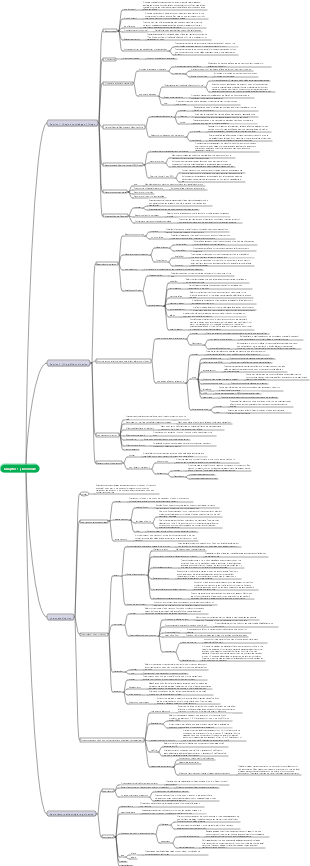
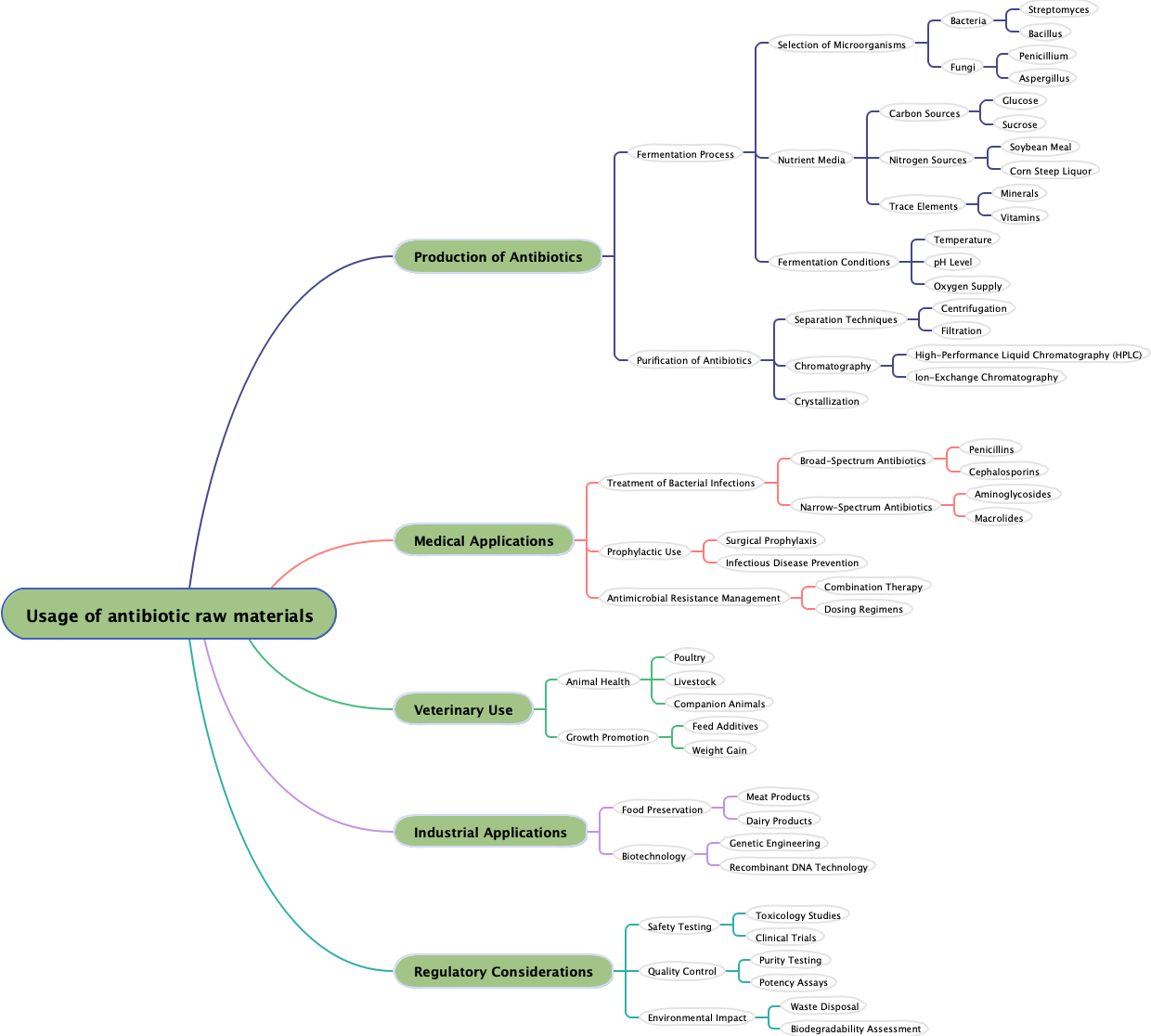
MindMap Gallery Chapter 7 Antibiotics
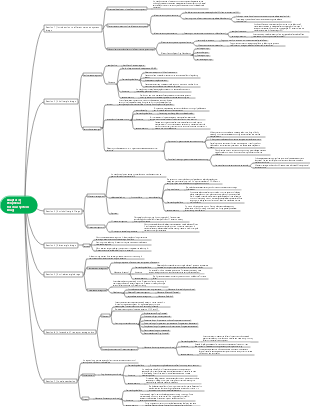
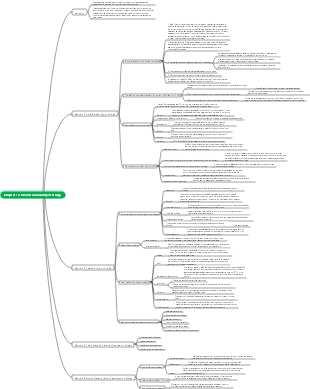
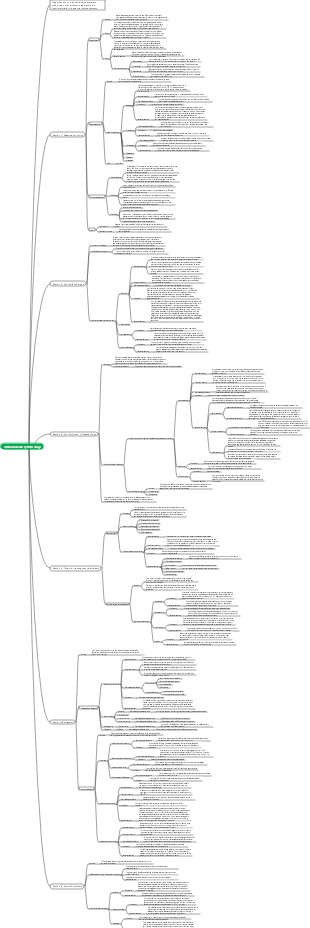
Pharmacy major, drug technology mind map, antibiotics are stimulating metabolites or synthetic analogs of microorganisms (bacteria, fungi, Actinomycetes), which can inhibit or kill various pathogenic microorganisms in small doses.
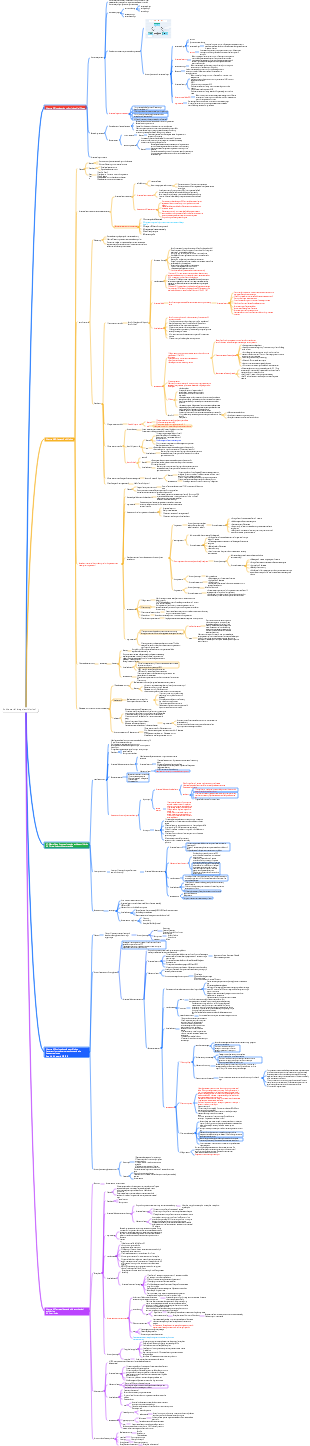
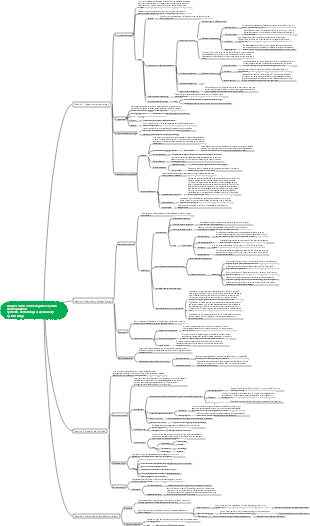
Edited at 2024-10-11 09:22:18Dive into the world of the Chinese animated film Nezha 2: The Devil's Birth! This knowledge map, created with EdrawMind, provides a detailed analysis of main characters, symbolic elements, and their cultural significance, offering deep insights into the film's storytelling and design.
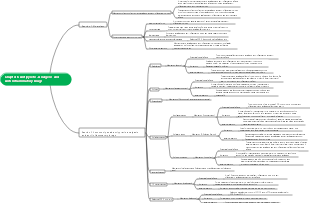
This is a mindmap about Nezha 2, exploring its political metaphors and cultural references. The diagram highlights the symbolism behind the Dragon Clan’s suppression, drawing parallels to modern geopolitical conflicts and propaganda manipulation. It also details Chinese historical and cultural elements embedded in the film, such as the Jade Void Palace, Ao Bing’s armor, Taiyi Zhenren’s magic weapon, and Nezha’s hairstyle.
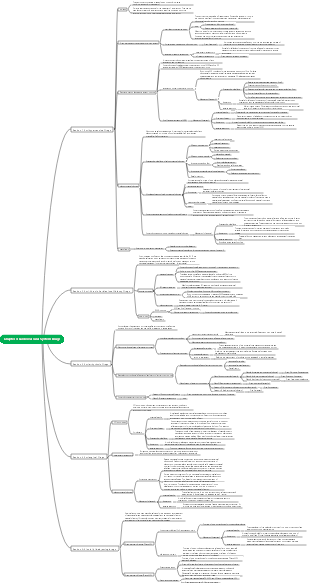
This is a mindmap about the main characters of Nezha 2, detailing their backgrounds, conflicts, and symbolic meanings. It explores the personal struggles and transformations of Nezha, Ao Bing, Shen Gongbao, and Li Jing as they navigate themes of rebellion, duty, ambition, and sacrifice.
Dive into the world of the Chinese animated film Nezha 2: The Devil's Birth! This knowledge map, created with EdrawMind, provides a detailed analysis of main characters, symbolic elements, and their cultural significance, offering deep insights into the film's storytelling and design.
This is a mindmap about Nezha 2, exploring its political metaphors and cultural references. The diagram highlights the symbolism behind the Dragon Clan’s suppression, drawing parallels to modern geopolitical conflicts and propaganda manipulation. It also details Chinese historical and cultural elements embedded in the film, such as the Jade Void Palace, Ao Bing’s armor, Taiyi Zhenren’s magic weapon, and Nezha’s hairstyle.
This is a mindmap about the main characters of Nezha 2, detailing their backgrounds, conflicts, and symbolic meanings. It explores the personal struggles and transformations of Nezha, Ao Bing, Shen Gongbao, and Li Jing as they navigate themes of rebellion, duty, ambition, and sacrifice.
Chapter 7 Antibiotics
Section 1 Overview
Antibiotics are stimulating metabolites or synthetic analogs of microorganisms (bacteria, fungi, Actinomycetes), which can inhibit or kill various pathogenic microorganisms in small doses.
According to chemical structure
β-lactams
macrolides
Aminoglycosides
Tetracyclines
Chloramphenicol and others
The antibacterial action mechanism is divided into
Inhibit bacterial cell wall synthesis
Inhibit bacterial protein synthesis
Inhibit bacterial cell membrane function
Inhibits nucleic acid transcription and replication
Mechanisms by which bacteria develop resistance to drugs
produce inactivating enzyme
Reduce the permeability of bacterial cell membranes
Increased activity of active drug efflux system
Change the target structure
alter metabolic pathways
Section 2 β-lactam antibiotics
Beta-lactam antibiotics are a class of antibiotics with a 4-membered beta-lactam ring in their molecular structure.
Penicillins and semi-synthetic penicillins
Natural Penicillin (Penicillin Sodium)
Indications
Mainly used for various acute infections caused by sensitive bacteria, such as pneumonia, meningococcal meningitis, endocarditis, sepsis, cellulitis, mastitis, gonorrhea, high-end spirocheteosis, relapsing fever, diphtheria and otitis media, etc.
adverse reactions
Allergic reaction: It is the most common adverse reaction of penicillins.
Neurotoxicity.
Hershey's reaction: When penicillin is used to treat diseases such as syphilis, treponemal disease or anthrax, symptoms may be aggravated.
Local irritation: local redness, swelling, pain and induration may occur at the intramuscular injection port, and may even cause peripheral neuritis, especially with potassium salts.
Semi-synthetic penicillin
Acid-resistant penicillin (phenicillin)
Enzyme-resistant penicillins (oxacillin, flucloxacillin)
Broad-spectrum penicillins (amoxicillin, ampicillin, vampicillin)
Cephalosporins
Drugs (Cefaclor)
Pharmacological effects
This product is a semi-synthetic, oral second-generation cephalosporin that has good antibacterial effects against Staphylococcus pyogenes, Streptococcus pneumoniae, Escherichia coli, etc.
Indications
It is used for respiratory tract, urinary tract, skin and soft tissue infections and otitis media caused by sensitive bacteria.
adverse reactions
Gastrointestinal reactions are common with this drug, and serum sickness-like reactions are more common than other antibiotics, and allergic reactions may occur.
Medication (Cefoperazone)
Pharmacological effects
This drug is a semi-synthetic third-generation cephalosporin. It has a weak effect on G. Only hemolytic Streptococcus and Streptococcus pneumoniae are sensitive to it. It has a strong effect on Pseudomonas aeruginosa.
Indications
It is used for infections of the respiratory tract, urinary tract, peritoneum and other parts caused by various sensitive bacteria. It can also be used as the first choice drug for serious infections and dangerous patients with unknown causes such as sepsis and meningitis.
adverse reactions
Symptoms of rash, urticaria, maculopapular rash, erythema, and drug fever are more common with this drug, and anaphylactic shock symptoms are rare.
Atypical β-lactam antibiotics and β-lactamase inhibitors
It is a drug obtained by carrying the S atom in the structure of penicillins and cephalosporins using bioisosteres -O-, -CH2-.
Medication (aztreonam)
Indications
Clinically, it is mainly used for respiratory tract, lung infections, urinary tract infections, abdominal infections, bone and joint infections, skin and soft tissue inflammation, standing upright, gynecological infections and gonorrhea caused by sensitive quality-checking bacteria.
adverse reactions
Common adverse reactions of this drug include gastrointestinal symptoms, such as diarrhea, nausea, vomiting, taste changes, elevated serum aminotransferase, and skin symptoms, such as rash, itching, purpura, etc.
Medication (clavulanate potassium)
Drug identification
The aqueous solution of this product shows the identification reaction of potassium salt, and when it encounters sodium tetraphenylborate solution and acetic acid, a white precipitate is formed.
adverse reactions
This medicine can cure allergic reactions, and a penicillin skin test should be done.
Section 3 Macrolide Antibiotics
A type of weakly alkaline antibiotic produced by tearing mold. It is named after the endoplasmic structure containing a 14- or 16-membered ring in the molecule. It is formed through the condensation of the hydroxyl group on the internal aliphatic ring and deoxyaminosugar or 6-deoxysugar. Basic glycosides.
Since erythromycin has low water solubility, it can only be taken orally, but it is easily destroyed, decomposed and inactivated by gastric acid, resulting in poor bioavailability.
Section 4 Aminoglycoside antibiotics
Aminoglycoside antibiotics are composed of an amino sugar molecule (monosaccharide or polysaccharide) and a non-sugar part of the aglycone (aminocyclohexanol). They mainly include natural aminoglycoside antibiotics (mainly produced by Streptomyces and Micromonospora produce).
The antibacterial mechanism of this class of drugs is to hinder multiple links of bacterial protein synthesis, inhibit protein synthesis or cause protein synthesis disorders, and can increase the permeability of bacterial cell membranes, causing the bacteria to leak out of the traditional Chinese medicine and die. It is forbidden to take sterilization. agent.
The most common adverse reactions of aminoglycoside antibiotics are nephrotoxicity, virulent allergic reactions, and neuromuscular blockade.
drug
Gentamicin, kanamycin, amikacin, streptomycin sulfate
Section 5 Tetracycline Antibiotics
Tetracycline antibiotics all have the basic combination of hydrogenated tetracene in their chemical structure and are a class of broad-spectrum antibiotics produced by actinomycetes.
The structure of tetracycline drugs contains acidic phenolic hydroxyl and enol hydroxyl groups and basic dimethylamino group. Therefore, these drugs are acid-base amphoteric compounds, and their hydrochloride salts are generally used clinically.
Tetracyclines are broad-spectrum antibiotics. By inhibiting bacterial protein synthesis, they have inhibitory effects on most G and G-, rickettsiae, mycoplasma, chlamydia, spirochetes, and some anaerobic bacteria. Pasta parasite also has an indirect inhibitory effect.
adverse reactions
Gastrointestinal reactions: Can cause nausea and vomiting, upper abdominal discomfort, abdominal distension, diarrhea and other symptoms, most common with oxytetracycline.
Superinfection: Candida infection is common.
Effects on bones and teeth: The internal energy of tetracycline combines with the air pressure of the profile and the material calcium in the bones, causing the teeth to become lipolytic, brown pigmentation, enamel hypoplasia, and also inhibits bone growth.
Section 6 Chloramphenicol and other antibiotics
Chloramphenicol
Chloramphenicol was originally extracted from the culture medium of Streptomyces venezuelae.
Lincomycin
Lincomycins include lincomycin and clindamycin.
Lincomycin antibiotics have high antibacterial activity against G bacteria, such as Staphylococcus aureus, Streptococcus genus, and Diphtheriae bacteria, and also have good effects on G-anaerobic bacteria. It is basically ineffective for G-aerobic.
Fosfomycin
Fosfomycin is an antibiotic isolated from actinomycete culture fluid in Spanish soil. It has a simple structure and can now be obtained through chemical synthesis.
Clinically, it is mainly used for infections of urinary tract skin, soft tissue, intestinal tract and other parts caused by sensitive bacteria.