MindMap Gallery Chapter 12 Chemical Stability of Drugs
Pharmacy major, drug technology mind map, the chemical stability of drugs includes the hydrolyzability of drugs, the redox properties of drugs, the impact of carbon dioxide on drugs, isomerization, shrinkage, hemorrhoids and other chemical changes, among which hydrolysis and oxidation deterioration are Common reactions that cause medications to go bad.
Edited at 2024-10-11 09:23:38Dive into the world of the Chinese animated film Nezha 2: The Devil's Birth! This knowledge map, created with EdrawMind, provides a detailed analysis of main characters, symbolic elements, and their cultural significance, offering deep insights into the film's storytelling and design.
This is a mindmap about Nezha 2, exploring its political metaphors and cultural references. The diagram highlights the symbolism behind the Dragon Clan’s suppression, drawing parallels to modern geopolitical conflicts and propaganda manipulation. It also details Chinese historical and cultural elements embedded in the film, such as the Jade Void Palace, Ao Bing’s armor, Taiyi Zhenren’s magic weapon, and Nezha’s hairstyle.
This is a mindmap about the main characters of Nezha 2, detailing their backgrounds, conflicts, and symbolic meanings. It explores the personal struggles and transformations of Nezha, Ao Bing, Shen Gongbao, and Li Jing as they navigate themes of rebellion, duty, ambition, and sacrifice.
Dive into the world of the Chinese animated film Nezha 2: The Devil's Birth! This knowledge map, created with EdrawMind, provides a detailed analysis of main characters, symbolic elements, and their cultural significance, offering deep insights into the film's storytelling and design.
This is a mindmap about Nezha 2, exploring its political metaphors and cultural references. The diagram highlights the symbolism behind the Dragon Clan’s suppression, drawing parallels to modern geopolitical conflicts and propaganda manipulation. It also details Chinese historical and cultural elements embedded in the film, such as the Jade Void Palace, Ao Bing’s armor, Taiyi Zhenren’s magic weapon, and Nezha’s hairstyle.
This is a mindmap about the main characters of Nezha 2, detailing their backgrounds, conflicts, and symbolic meanings. It explores the personal struggles and transformations of Nezha, Ao Bing, Shen Gongbao, and Li Jing as they navigate themes of rebellion, duty, ambition, and sacrifice.
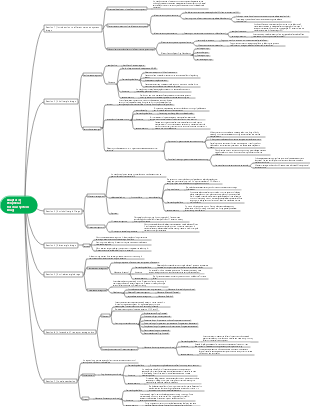
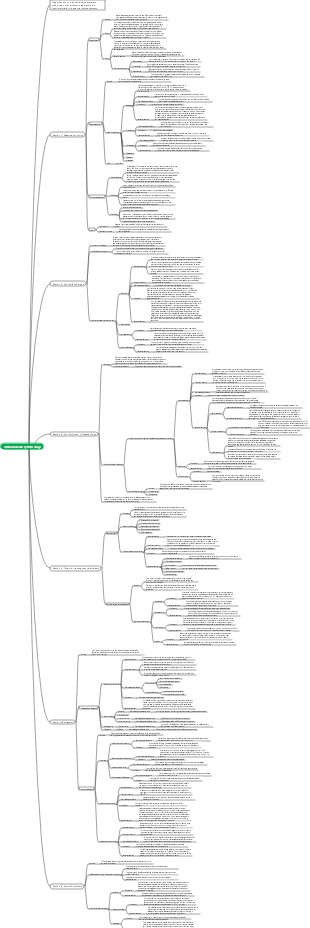
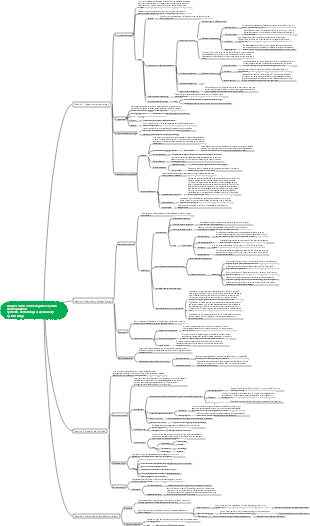
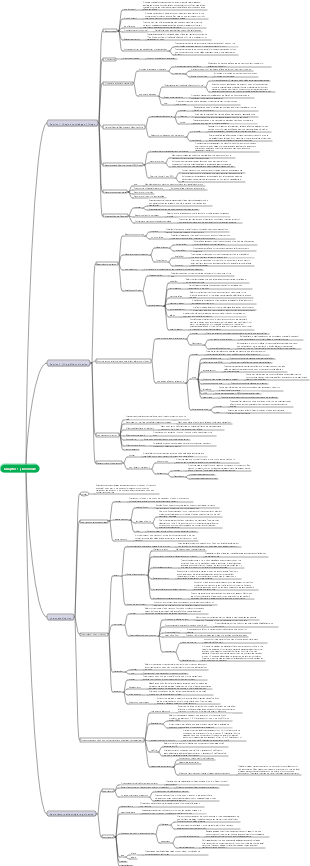
Chapter 12 Chemical Stability of Drugs
concept
Pharmaceutical chemical stability refers to the ability of raw materials and preparations to maintain their inherent chemical properties.
The chemical stability of the drug includes the hydrolyzability of the drug, the redox property of the drug, the impact of carbon dioxide on the drug, chemical changes such as isomerization, shrinkage, and hemorrhoids. Among them, hydrolysis and oxidative deterioration are common reactions that cause drug deterioration.
Section 1 Hydrolyzability of Drugs
Structural types of drugs that are hydrolyzable
1. Salts: The hydrolysis of salt refers to the reaction between salt and water to produce acid and alkali. Strong acid and strong alkali salt in water means that the current does not hydrolyze, strong alkali and weak acid salt, strong acid and weak acid salt, and weak acid and weak alkali salt in aqueous solution. Different degrees of hydrolysis reactions occurred. The hydrolysis reaction of salt is generally a reversible reaction, but if the generated acid or alkali is poorly soluble in water, it can be almost completely hydrolyzed.
2. Esters and lactones: These drugs are easily hydrolyzed under the catalysis of acids and alkalis. Inorganic acid esters, organic acid esters and lactone drugs are easily hydrolyzed to generate corresponding acids and alcohols or are hydrolytically unchained.
3. Amides and lactams, ureas and hydantoins, hydrazides
Amide ester amides: amide ester lactam drugs are hydrolyzed to generate the corresponding acids and amines or hydrolyzed to unlock the ring.
Urea and hydantoins: Urea drugs such as barbiturates, phenytoin, caffeine, tolbutamide and other ureides can also be hydrolyzed.
Hydrazides: For example, isoniazid generates isonicotinic acid and hydrazine after hydrolysis.
4. Glycosides and polysaccharides: generally easier to hydrolyze.
5. Oximes: These drugs can be hydrolyzed in acid or alkaline solutions.
6. Halogen hydrocarbons: When the chemical structure of the drug contains a relatively active halogen, the halogen is prone to hydrolysis.
The relationship between chemical structure and hydrolyzability of drugs
The relationship between different structural types and hydrolyzable functional groups
Phenolic ester>Alcohol ester>ureide>hydrazide>amide
Effect of electronic effects on the hydrolysis rate of esters and amides
The rate of hydrolysis depends on the electron cloud density of the carbon atoms in the carbon base.
Effect of steric effects on the hydrolysis rate of esters and amides
If there is a large space substitution on both sides of the carbon group of the ester or amide, the hydrolysis rate will be slowed down due to steric hindrance.
Factors affecting drug hydrolysis
The half-life is expressed as t1/2, which is the time required for half of the drug to be hydrolyzed. The shorter the half-life, the faster the hydrolysis rate.
Moisture
The presence of water is a necessary condition for hydrolysis reaction. Drugs that are easily hydrolyzable should be waterproof and moisture-proof during production, storage and use, especially when the temperature rises.
The acidity and alkalinity of the solution
The hydrolysis reaction of esters is reversible and generally slow.
temperature
The hydrolysis rate of drugs accelerates with the increase of heating temperature. The longer the time, the more decomposition occurs.
Solvent
The solvent added to the drug has a certain impact on the hydrolysis of the drug.
Thinner
Improper diluent in the drug can accelerate the hydrolysis of the drug, so it should be chosen carefully.
metal ions
EDTA-2Na (0.05%) is often added to drugs to slow down hydrolysis.
Main methods to prevent drug hydrolysis
Keep medicine dry
Introducing as little moisture into the drug as possible during production and avoiding the entry of external moisture during storage and use is one of the ways to prevent drug hydrolysis.
Adjust the pH of the solution to the pH where hydrolysis is the slowest
In order to prevent or delay the hydrolysis of drugs, the production process procedures of drugs prepared into aqueous solutions should strictly comply with the quality standards of the Pharmacopoeia, and the pH value range should be strictly adjusted and controlled.
Controlling temperatures during production and storage
In order to prevent or alleviate drug hydrolysis, temperature must be controlled in production and storage.
Change solvent
After the drug is ionized in water, when the charge is the same as the charge of the ion with catalytic hydrolysis activity, adding a solute with a mechanical electrical constant can increase the stability and delay hydrolysis.
Add electrolytes or stabilizers
For example, adding strong electrolyte sodium chloride to atropine sulfate injection can increase stability and delay hydrolysis.
Section 2 Reducibility of Drugs
Structural types of drugs with reducing properties
Aldehydes
Drugs with aldehyde groups have certain reducing properties and can be oxidized.
Alcohols
The hydroxyl group of alcohols generally has weak reducibility, but when a carbon group, hydroxyl group, amino group, etc. are connected to the carbon chain of an alcoholic hydroxyl group, its reducibility is enhanced and it is easier to be oxidized, even by air.
Phenols and Enols
Drugs with phenolic hydroxyl groups have strong reducing properties, especially drugs containing polyphenolic hydroxyl groups.
Thiols and sulfides
Fats and aromatic heterocycles with sulfur groups, disulfide bonds, sulfur heterocycles, etc. are all reducing.
Hydrazines and amines
Low-oxide nitrogen-containing drugs such as hydrazines and amines have certain reducing properties.
Drugs containing carbon-carbon double bonds and conjugated double bond systems
are easily oxidized.
Other categories
Drugs containing metal elements with low oxidation number have reducing properties and can be oxidized to high oxidation number metal ions or high oxidation number metal organic compounds.
Types of drug oxidation
auto-oxidation
It is basically caused by oxygen in the air. The auto-oxidation process of free radicals is mostly seen in the deterioration reaction during drug storage.
chemical oxidation
Most of them are ionic oxide layers caused by chemical oxidants, which are used for qualitative identification or content determination in drug analysis.
Factors affecting drug auto-oxidation
oxygen
The presence of oxygen is a necessary condition for the auto-oxidation of drugs. During the auto-oxidation process, oxygen and drugs form peroxides, causing the drugs to deteriorate.
Light
Light energy activates oxygen molecules into reactive oxygen species to catalyze the formation of free radicals, triggering oxidative chain reactions of drugs and also causing luminescent degradation.
temperature, heating time
The reaction speed is really fast when the temperature rises. This is a general rule of chemical reactions, and the oxidation reaction is no exception. The oxidation reaction accelerates several times when the temperature rises by 10°C. During the production and storage of drugs, attention should be paid to temperature control.
solution pH
Affects the redox potential of certain drugs.
Affects the subsequent reactions of certain drugs, causing them to become irreversibly oxidized.
metal ions
Metal ions come from raw materials, excipients, containers or solutes and often catalyze the auto-oxidation of certain drugs.
solute polarity
The polarity of the solvent has a certain impact on the auto-oxidation of some drugs.
Other additives
Adding a reducing substance that is stronger than the drug to the drug will cause the reducing substance to be oxidized first, thus preventing the drug from being oxidized by air. This is one of the principles of antioxidants.
Methods to prevent automatic oxidation of drugs
Keep medications dry
Avoid contact with oxygen
Maintain proper pH
Avoid introducing metal ions
Add appropriate antioxidants
Add appropriate coordination compounds
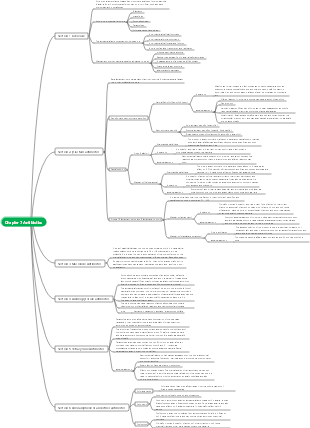
Section 3 The Effect of Carbon Dioxide on Drugs
Change the pH of a drug
cause precipitation
Cause drug decomposition
Causes solid drug deterioration
Section 4 Other Deterioration Reactions of Drugs
drug isomerization reaction
optical isomerization
Mainly after the absorption of semi-solid drugs in solution, optical isomerization can also occur due to the influence of other factors.
Racemization
For example, hyoscyamine is a left-handed form, which will be partially converted to a right-handed form when heated, that is, racemization.
epimer
Similar to racemization, the difference is that the group of only one asymmetric carbon atom among the multiple asymmetric carbon atoms in the structure undergoes stereosterization.
decarboxylation reaction of drugs
In drug molecules containing carboxyl groups, the reaction of removing the carboxyl group to release carbon dioxide is called denitrification reaction.
drug polymerization reaction
The reaction in which the same drug molecules combine with each other to form macromolecular substances is called a polymerization reaction.