MindMap Gallery Chapter 4 Cardiovascular System Drugs
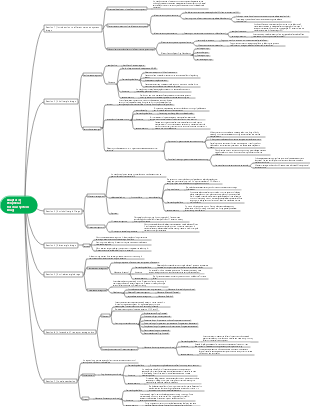
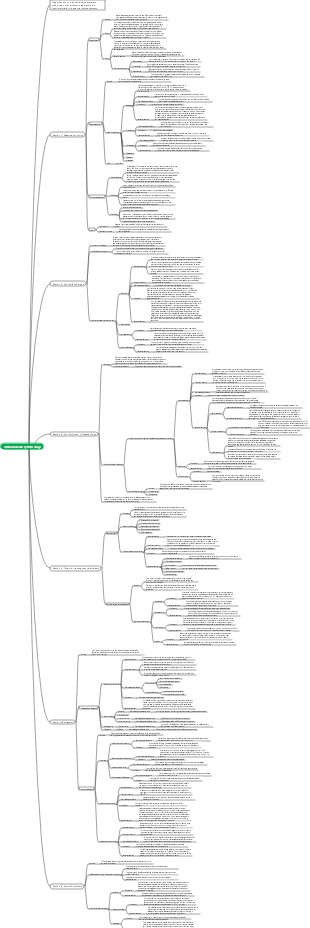
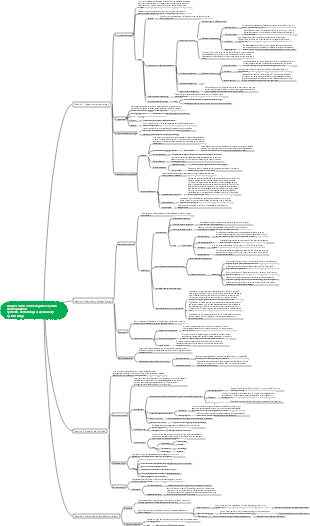
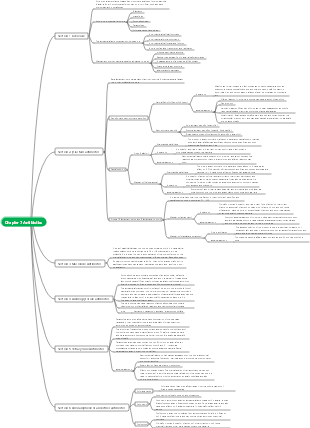
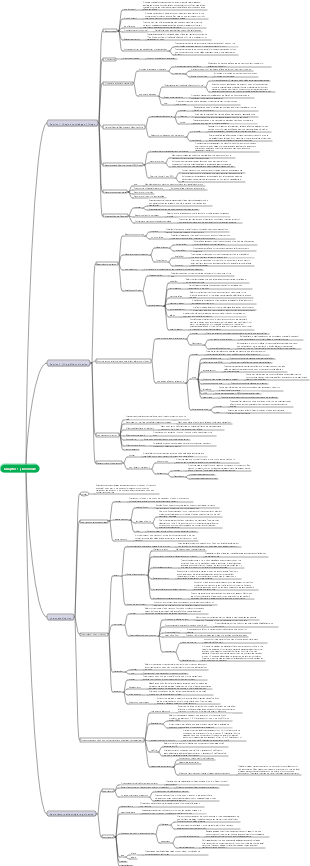
Pharmacy major, drug technology mind map, mainly includes several categories such as hypolipidemic drugs, antihypertensive drugs, diuretics, antiarrhythmic drugs, antiangina pectoris and blood lipid regulating drugs.
Edited at 2024-10-11 09:23:01Dive into the world of the Chinese animated film Nezha 2: The Devil's Birth! This knowledge map, created with EdrawMind, provides a detailed analysis of main characters, symbolic elements, and their cultural significance, offering deep insights into the film's storytelling and design.
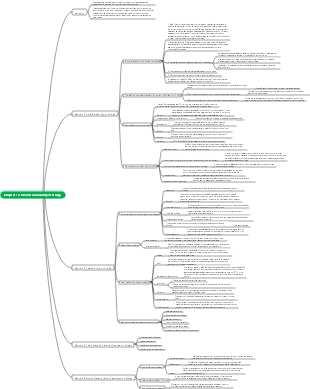
This is a mindmap about Nezha 2, exploring its political metaphors and cultural references. The diagram highlights the symbolism behind the Dragon Clan’s suppression, drawing parallels to modern geopolitical conflicts and propaganda manipulation. It also details Chinese historical and cultural elements embedded in the film, such as the Jade Void Palace, Ao Bing’s armor, Taiyi Zhenren’s magic weapon, and Nezha’s hairstyle.
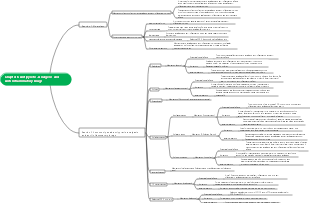
This is a mindmap about the main characters of Nezha 2, detailing their backgrounds, conflicts, and symbolic meanings. It explores the personal struggles and transformations of Nezha, Ao Bing, Shen Gongbao, and Li Jing as they navigate themes of rebellion, duty, ambition, and sacrifice.
Dive into the world of the Chinese animated film Nezha 2: The Devil's Birth! This knowledge map, created with EdrawMind, provides a detailed analysis of main characters, symbolic elements, and their cultural significance, offering deep insights into the film's storytelling and design.
This is a mindmap about Nezha 2, exploring its political metaphors and cultural references. The diagram highlights the symbolism behind the Dragon Clan’s suppression, drawing parallels to modern geopolitical conflicts and propaganda manipulation. It also details Chinese historical and cultural elements embedded in the film, such as the Jade Void Palace, Ao Bing’s armor, Taiyi Zhenren’s magic weapon, and Nezha’s hairstyle.
This is a mindmap about the main characters of Nezha 2, detailing their backgrounds, conflicts, and symbolic meanings. It explores the personal struggles and transformations of Nezha, Ao Bing, Shen Gongbao, and Li Jing as they navigate themes of rebellion, duty, ambition, and sacrifice.
Chapter 4 Cardiovascular System Drugs
Section 1 Antihypertensive Drugs
diuretics
The most common ones are thiazides (drugs: hydrochlorothiazide, trichlorothiazide, chlorothiazide, etc.)
Diuretics are the basic medicine for the treatment of hypertension. They can be used alone to treat mild hypertension and are often combined with other antihypertensive drugs to treat moderate and severe hypertension.
Drugs that depress the sympathetic nervous system
central antihypertensive drugs
Through the motorized saline α2 receptors and I1 oxazoline receptors, it inhibits the outgoing impulses from the sympathetic nerve center, dilates peripheral blood vessels and lowers blood pressure.
drug
First generation (clonidine, methyldopa)
Second generation (moxonidine, rimenidine)
When this type of drug is combined with beta-receptor antagonists, a strong rebound phenomenon may occur after initially lowering blood pressure. Combined use with other antihypertensive drugs can enhance the antihypertensive effect of this drug.
Noradrenergic nerve ending blocking drugs
Drugs (reserpine)
It produces antihypertensive effects by inhibiting the reuptake and storage of transmitters by noradrenergic nerves, leading to transmitter depletion.
adrenergic receptor antagonists
beta receptor antagonists
Suitable for all levels of hypertension. It is more effective for patients with high cardiac output and renin activity, and is also suitable for patients with angina and migraine.
α1 receptor antagonists
Drugs: prazosin, terazosin, doxazosin
Renin-angiotensin-aldosterone system inhibitors
It is an important blood pressure regulatory system composed of renin, angiotensin and its receptors.
Commonly used clinical vasoconverting enzyme inhibitors (ACEI) and Ang Ⅱ receptor antagonists (ARB) are vasoconverting enzyme inhibitors.
angiotensin-converting enzyme inhibitors
By inhibiting ACE, this class of drugs reduces the production of Ang II, dilates blood vessels, reduces peripheral resistance, decreases aldosterone secretion, increases water and sodium excretion, decreases NA release, and decreases blood pressure.
Medication (Captopril)
Pharmacological effects
Reverse target organ damage caused by Ang II
Enhance the body's sensitivity to insulin
Reduced renal vascular resistance and increased renal blood flow
No significant effect on lipid metabolism
No reflex response such as increased heart rate and other characteristics
Indications
Suitable for all types of hypertension. It is especially suitable for patients with hypertension such as diabetes and left ventricular hypertrophy.
adverse reactions
More irritating coughs. Other reactions include hypotension, rash, abnormal taste, etc. Pregnant women should not take the drug.
Ang II receptor antagonist (ARB)
Medication (Losartan)
chemical stability
The tetrazole ring has a certain acidity and can form a salt with a base
Drug identification
Precipitation reaction of alkaloids with potassium iodide-iodine test solution produces reddish-brown precipitate
Indications
It is mainly used clinically for hypertension and congestive heart failure.
adverse reactions
Except that this drug does not cause cough and angioedema, its other adverse reactions are similar to those of ACEI.
calcium channel blockers
Also known as calcium antagonists. It is a type of drug that selectively blocks calcium channels, inhibits the influx of extracellular Ca2, and reduces intracellular Ca2 concentration.
Pharmacological effects of calcium channel blockers
Effect on myocardium
negative muscle strength
negative frequency
negative conduction
Protect ischemic cardiomyocytes
Effect on smooth muscle
dilate blood vessels
Relax other smooth muscles
Improve tissue blood flow
Inhibit platelet activation
Stabilize red blood cell membranes
Improve cardiovascular pathological changes
Anti-atherosclerosis
Delay and reverse cardiac hypertrophy
Renal protection
Clinical applications of calcium channel blockers
Antihypertensive (this type of drug dilates blood vessels, reduces peripheral resistance and lowers blood pressure)
anti-angina pectoris
Arrhythmia
Verapamil is the drug of choice for the treatment of paroxysmal supraventricular arrhythmias
cerebrovascular disease
Nimodipine, nitrendipine and flunarizine have a significant dilation effect on cerebral blood vessels and can improve cerebral circulation. They can be used to treat cerebral vasospasm, insufficient cerebral blood supply, cerebral thrombosis, cerebral embolism and other diseases.
other
Common adverse reactions of calcium channel blockers
Common adverse reactions include flushing, headache, dizziness, nausea and constipation. Serious adverse reactions include hypotension, bradycardia, atrioventricular block, and depression of cardiac function.
Commonly used dihydropyridine calcium channel blockers
Medication (nifedipine)
Pharmacological effects
This drug has significant blood pressure lowering effect, rapid onset of action, short action time, large blood pressure fluctuations, reflex acceleration, and increased heart rate. The above activity can be counteracted by combining with β-receptor antagonists.
Indications
This medicine can be used for various degrees of hypertension, and is also suitable for patients with hypertension such as angina pectoris and kidney disease.
adverse reactions
There are flushing, headache, dizziness, palpitations, and edema of the naked part.
Should be stored away from light
vasodilators
According to drug action mechanism
Vascular smooth muscle relaxants
Potassium channel modulators (drugs: benzothiazines, minoxidil, pinacidil)
Section 2 Anti-Chronic Cardiac Insufficiency Drugs
Chronic cardiac insufficiency, also known as congestive heart failure (CHF), is a pathological state in which cardiac output cannot meet the needs of systemic tissues due to cardiac systolic and/or diastolic dysfunction caused by chronic myocardial damage or long-term cardiac overload. . (direct cause)
positive inotropes
cardiac glycosides
Commonly used clinically are digoxin, trichoside C, trichosanthes k, and digoxin
Ability to inhibit Na-K-ATPase on cardiomyocytes
The safety range is small, and the general quality is close to 60% of the poisoning quality. Moreover, the bioavailability and the patient's sensitivity to cardiac glycosides vary greatly among individuals, and toxic reactions of varying degrees are prone to occur.
β1 receptor agonists
Mainly stimulates cardiac β1 receptors, significantly enhances myocardial contractility and increases cardiac output.
phosphodiesterase inhibitor
Clinical drugs include Amrinone, Milrinone, Vesrinone, etc.
By inhibiting phosphodiesterase, it reduces cAMP degradation and increases cAMP content in cardiomyocytes and vascular smooth muscle cells.
calcium sensitizer
Pimobendan is the most commonly used calcium sensitizer in clinical practice. It has cardiotonic and cardiovascular effects. Among them, the activity of L-isomer is greater than that of D-isomer.
other drugs
RAAS inhibitors
ACEI and Ang II receptor inhibitors
Aldosterone receptor antagonists
Commonly used medicine is spironolactone
diuretics
vasodilators
Section 3 Antiarrhythmic Drugs
Abnormal heart frequency and rhythm are called arrhythmias, which affect the pumping function of the heart and can be life-threatening in severe cases.
Electrophysiological basis of cardiac arrhythmias
normal cardiac electrophysiology
cardiomyocyte membrane potential
Membrane potential refers to the potential difference on both sides of the cell membrane.
Action potential duration and effective refractory period
Membrane reactivity and conduction velocity
The mechanism of tachyarrhythmias
Increased self-discipline
The increased automaticity of the sinoatrial node causes sinus tachycardia, and the increased automaticity of the ectopic pacemaker produces ectopic rhythm.
post depolarization
It refers to the temperament that occurs after the 0 phase is eliminated, which can cause abnormal impulses.
return to excitement
Refers to the phenomenon of impulses running repeatedly in a circular pathway
Basic electrophysiological effects and classification of antiarrhythmic drugs
Basic electrophysiological effects of antiarrhythmic drugs
reduce self-discipline
reduced afterdepolarization
Cancel return
Classification of antiarrhythmic drugs
Class I (sodium channel blockers)
Class Ia (moderate sodium channel blocker)
Drugs: Quinidine, Procainamide
Class Ib (mild sodium channel blocker)
Drugs: Phenytoin, lidocaine
Class Ic (significantly blocks sodium channels)
Drugs: focainide, propafenone
Class II (β-adrenoceptor antagonists)
Drugs: propranolol, atenolol
Category III (drugs that prolong action potential duration)
Drug: Amiodarone
Category IV (calcium channel blockers)
Drug: Verapamil
Commonly used antiarrhythmic drugs
Category I: Sodium channel blockers
Drugs: procainamide, propyridine, lidocaine, phenytoin, focainide
Class II: β-receptor antagonists
drug:
Section 4 Antianginal Drugs
NO donor drugs
NO donor drugs include organic nitrates and nitrites such as nitroglycerin, isosorbide dinitrate, isosorbide mononitrate and nitrates, as well as doxamine and sodium nitroprusside.
Nitroglycerin
chemical stability
It is relatively stable under neutral and weakly acidic conditions, but hydrolyzes rapidly under alkaline conditions, and due to different hydrolysis mechanisms and pathways, the products are also different.
Drug identification
Add potassium hydroxide and sodium hydroxide test solutions to this product and heat it. It can be hydrolyzed to form glycerol. Add potassium hydrogen sulfate and heat it to form propylene alcohol gas with a foul odor. This reaction can be used for the qualitative identification of this product.
Pharmacological effects
The basic principle of angina pectoris is that the relaxation of vascular smooth muscle can reduce the amount of blood returned to the heart by dilating veins and reducing cardiac preload. When the blood volume is larger, the arteries can be dilated and the cardiac afterload can be reduced.
Indications
It is clinically used to relieve and prevent various types of angina pectoris and acute myocardial infarction. It can also be used for cardiac insufficiency.
adverse reactions
Throbbing headache, flushing, and orthostatic hypotension are common.
beta receptor antagonists
By reducing myocardial oxygen consumption, improving ischemic myocardium, supplying blood and improving energy metabolism, it plays an anti-angina role.
calcium channel blockers
Anti-angina mechanism
Reduce myocardial oxygen consumption and improve ischemic myocardial blood supply: Calcium channel blockers, by reducing the concentration of calcium ions in myocardial and vascular smooth muscle cells, weaken myocardial contractility, slow down heart rate, dilate peripheral arteries, and reduce cardiac afterload, thereby making Myocardial oxygen consumption is reduced, coronary artery spasm is relieved, and myocardial blood supply is improved.
Protect ischemic myocardium: During myocardial ischemia, abnormal calcium ion transport in the cell membrane leads to excessive intracellular calcium ions and promotes cell death. This class of drugs reduces the concentration of calcium ions in myocardial cells and can reduce cell damage and death.
Inhibit thrombosis: This class of drugs reduces the concentration of ions in platelets and inhibits their aggregation, thereby inhibiting thrombosis in coronary arteries and helping to prevent myocardial infarction.
Medication (diltiazem)
chemical stability
The molecular structure of this drug contains two chiral carbons and has 4 stereoisomers. In clinical cases, it is regarded as the D-isomer.
Indications
It is clinically used to treat supraventricular arrhythmia, angina pectoris, hypertension, hypertrophic cardiomyopathy, etc.
adverse reactions
Symptoms such as headache, dizziness, fatigue, bradycardia, etc. may occur. At this time, the dose should be reduced or the medication should be discontinued.
Section 5: Blood lipid-adjusting drugs
Atherosclerosis is the main pathological basis for the prevention and treatment of cardiovascular and cerebrovascular diseases (such as myocardial infarction, cerebral infarction). Atherosclerosis is an important measure for the prevention and treatment of cardiovascular and cerebrovascular diseases.
Drugs that mainly reduce TC and LDL.
Hydroxymethylglutaryl CoA reductase inhibitors
This type of drug is mainly used for hypercholesterolemia
Medication (Lovastatin)
chemical stability
The unstable part of the molecular structure of this drug is the hydroxyl and ester bonds on its six-membered ring.
Indications
It is mainly used clinically for primary hypercholesterolemia and is the drug of choice for type II and III hyperlipidemia associated with elevated cholesterol.
adverse reactions
Adverse reactions are mild, few, and short-lived, such as headache, gastrointestinal reactions (abdominal distension, constipation, diarrhea, abdominal pain, nausea, indigestion, etc.), rash, etc.
bile acid binding resin
This type of drugs includes cholestyramine, colestipol, etc., which are orally administered and inserted into the anorectal line to form a complex that is excreted in the feces, blocking the enterohepatic circulation of bile acids, thereby consuming a large amount of cholesterol.
Drugs that mainly lower TG and VLDL
Phenoxyacetic acids
This type of drug is mainly used for hyperlipoproteinemia where TG and VLDL are mainly elevated.
Drugs: clofibrate, fenofibrate, bifibrate, gemfibrozil, benzafibrate, ciprofibrate.
It is generally well tolerated and common adverse reactions include mild abdominal pain, diarrhea, nausea and other gastrointestinal reactions. Occasionally, there are skin rashes, hair loss pain, fatigue, headache, impotence, liver and kidney dysfunction, and hemorrhage.
Niacin and its derivatives
Niacin can reduce plasma TG, VLDL, and LDL, and increase plasma HDL.
Drugs: acipimox, niacin, 5-fluoronicotinic acid.