 Wondershare EdrawMind
MindMap Gallery Chapter 1 General Introduction to Pharmaceutical Technology
- 24
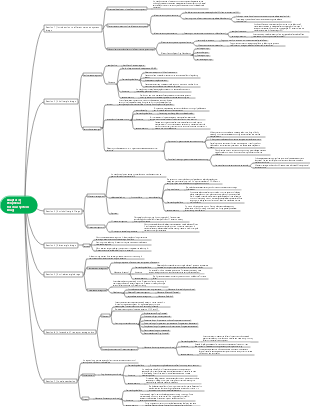
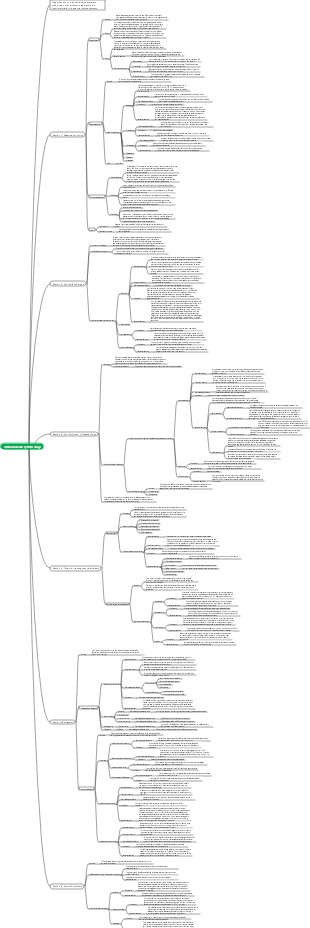
Chapter 1 General Introduction to Pharmaceutical Technology
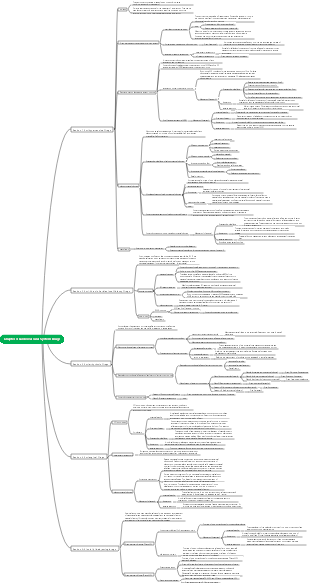
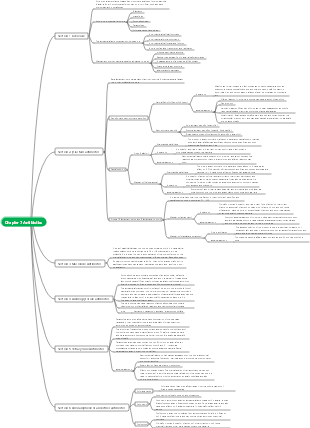
Pharmacy major, drug technology mind map, including basic knowledge of drugs, drug effect kinetics, pharmacometabolic kinetics, and basic factors affecting drug kinetics.
Edited at 2024-10-11 09:22:01
- Knowledge Map of Nezha 2 Analysis of Characters and Symbolic Elements
Dive into the world of the Chinese animated film Nezha 2: The Devil's Birth! This knowledge map, created with EdrawMind, provides a detailed analysis of main characters, symbolic elements, and their cultural significance, offering deep insights into the film's storytelling and design.
- Details of 《Nezha 2》
This is a mindmap about Nezha 2, exploring its political metaphors and cultural references. The diagram highlights the symbolism behind the Dragon Clan’s suppression, drawing parallels to modern geopolitical conflicts and propaganda manipulation. It also details Chinese historical and cultural elements embedded in the film, such as the Jade Void Palace, Ao Bing’s armor, Taiyi Zhenren’s magic weapon, and Nezha’s hairstyle.
- 《Nezha 2》Main character
This is a mindmap about the main characters of Nezha 2, detailing their backgrounds, conflicts, and symbolic meanings. It explores the personal struggles and transformations of Nezha, Ao Bing, Shen Gongbao, and Li Jing as they navigate themes of rebellion, duty, ambition, and sacrifice.
Chapter 1 General Introduction to Pharmaceutical Technology
- Knowledge Map of Nezha 2 Analysis of Characters and Symbolic Elements
Dive into the world of the Chinese animated film Nezha 2: The Devil's Birth! This knowledge map, created with EdrawMind, provides a detailed analysis of main characters, symbolic elements, and their cultural significance, offering deep insights into the film's storytelling and design.
- Details of 《Nezha 2》
This is a mindmap about Nezha 2, exploring its political metaphors and cultural references. The diagram highlights the symbolism behind the Dragon Clan’s suppression, drawing parallels to modern geopolitical conflicts and propaganda manipulation. It also details Chinese historical and cultural elements embedded in the film, such as the Jade Void Palace, Ao Bing’s armor, Taiyi Zhenren’s magic weapon, and Nezha’s hairstyle.
- 《Nezha 2》Main character
This is a mindmap about the main characters of Nezha 2, detailing their backgrounds, conflicts, and symbolic meanings. It explores the personal struggles and transformations of Nezha, Ao Bing, Shen Gongbao, and Li Jing as they navigate themes of rebellion, duty, ambition, and sacrifice.
- Recommended to you
- Outline
Chapter 5 Drugs Acting on the Digestive System, Respiratory System, Blood System and Urinary System
- 26
Chapter 1|Overview
Section 1|Basic Knowledge of Drugs
Basic concepts
drug (concept)
Drugs are chemical substances used to prevent, diagnose, treat diseases or regulate and improve physiological and biochemical functions. They have a fixed chemical structure and objective pharmacological effects, and thus exert precise effects and effects.
Drugs (Concept)
Drugs are processed into preparations with weight and specifications for the convenience of circulation and use. They have product attributes with strictly specified indications or functions, usage and dosage.
the difference
The most important difference between medicines and medicines is that the indications, usage and dosage are specified, and new preparations of certain specifications emphasize their commercial nature.
Drug classification (by source)
Natural medicines, chemical medicines, biological medicines
Relevant regulations
The state has specially formulated a series of laws and regulations such as the "Drug Supervision Law of the People's Republic of China" to implement strict management of drugs.
Conceptual content and development of pharmacology
The science that studies the action patterns and mechanisms of drugs on the body is called pharmacodynamics, or pharmacodynamics for short.
The science that studies the body's disposal of drugs and the changes in blood drug concentration over time is called pharmacokinetics, or pharmacokinetics for short.
Drug naming
three types of names
Common, chemical and trade names.
Drug quality and quality standards
Principles for assessing drug quality
Drug treatments and side effects
Efficacy and toxic and side effects are the most important indicators for evaluating drug quality.
drug purity
It refers to the purity of a drug and reflects the limits of impurities in the drug.
Source of impurities
Introduced or produced during the production process Introduced during storage.
drug quality standards
"Pharmacopoeia of the People's Republic of China"
It is republished every 5 years and is also called a pharmacopoeia standard.
Specific provisions are made on the quality of drugs, including chemical structure, chemical name, molecular formula, molecular weight, content standard properties, identification, inspection, content determination and preparation specifications, etc., to ensure the safe and effective use of drugs.
Bureau issued standards
Drug quality standards promulgated by the State Drug Administration as a supplement to pharmacopoeia standards.
other
Drugs must meet drug quality standards, otherwise they may not be produced, sold, or used.
National Essential Medicines and Medicines Policy
national essential medicines
concept
Representative drugs formulated and published after scientific evaluation by the State Drug Administration.
Features
It has definite curative effect, few side effects, stable quality, reasonable price and convenient use, and the state guarantees production and supply.
source
The varieties included in the national drug standards, new drugs on site are re-approved, and imported drugs after evaluation.
Selection principles and policy implications
in principle
Necessary for prevention and treatment, safe and effective, reasonably priced, certified by both Chinese and Western medicine, basic guarantee, clinical first choice, and capable of being deployed at the grassroots level.
significance
Ensure the safety and effectiveness of medicines used by the public, improve the availability and affordability of medicines, promote rational use of medicines, and promote the improvement of national drug policies.
Prescription and Over-the-Counter (OTC) Drugs
Drug classification management and significance
Drug classification management is to classify drugs into prescription drugs and over-the-counter drugs based on drug varieties and specifications, adapting to differences in quality and use of medication, and making corresponding management regulations.
prescription drugs
Medicines purchased and used must be prepared with a prescription from a licensed physician or assistant licensed physician.
Including drugs that have just been launched, drugs that require further observation of their pharmacological activity and adverse reactions, sedative drugs, highly toxic drugs, cardiovascular and cerebrovascular disease drugs, etc.
Over-the-Counter Drugs (OTC)
You can make your own judgment about the medicines you purchase and use without a prescription from a licensed physician or assistant licensed physician.
Including antipyretic analgesics, antitussive and anti-cold medicines, digestive system medicines, dermatological medicines, tonics, vitamins, trace elements, etc.
Prescription common sense
type
Medical prescriptions, statutory prescriptions and contractual prescriptions.
The structure of medical prescriptions
Including preface, main body and postscript.
Prescription writing rules
Prescription written in foreign language
Pharmacy Services Overview
concept
Pharmacy personnel use pharmaceutical professional knowledge and tools to provide various services related to drug use to patients, their families, and medical staff.
Pharmaceutical services are proactive patient-centered services.
Basic principles of drug therapy
Safety principle, effectiveness principle, economic principle and appropriateness principle.
Contents and methods of medication guidance
The content and requirements of medication consultation, the main content of programmatic guidance, and the requirements of programmatic guidance.
Section 2|Drug Effect Kinetics
Basic rules of drug action
Basic functions of drugs
hormesis
The effect of enhancing original functions; such as epinephrine increasing blood pressure, furosemide increasing urine output, etc.
inhibitory effect
The effect of weakening the original function; such as insulin lowering blood sugar, aspirin reducing fever, phenobarbital hypnosis, etc.
Mode and type of drug action
Mode of action
indirect effect
Other effects caused by one of the components of the drug are often caused by neural reflexes or humoral regulation.
direct effect
Drugs have direct effects on the tissues, organs and cells they come into contact with.
Type of action
local effect
The drugs are not absorbed into the blood and act at the site of application, such as disinfectants, antiseptics, antacids, etc.
Absorption
After the drug is absorbed into the blood, it is distributed to various parts to exert its effects, also known as systemic effects. For example, atropine relieves smooth muscle spasm.
drug selectivity
It is the basis for drug classification and the basis for clinical drug selection.
Dual Action of Drugs
Therapeutic effect
The effects produced by the drug that are consistent with the purpose of the drug
adverse reactions
side effect
Refers to effects caused by a drug at therapeutic doses that are not related to the therapeutic purpose.
toxic reactions
Harmful reactions caused by excessive drug quality or excessive drug accumulation in the body.
carryover effect
Refers to the fact that the blood drug concentration has dropped to the threshold concentration or the remaining pharmacological effect after stopping the drug.
secondary reaction
It is an adverse consequence of a drug having a therapeutic effect, also known as therapeutic contradiction.
withdrawal reaction
It refers to the aggravation of the original disease after sudden discontinuation of medication after long-term medication, also known as rebound phenomenon.
allergy
It is a pathological immune response that occurs after the body is stimulated by drugs, also known as allergic reaction.
specific reaction
A small number of patients with idiosyncratic constitutions are particularly sensitive to certain drugs, and the nature of the reaction may be different from that of ordinary people, but it is basically consistent with the inherent pharmacological effects of the drug. The severity of the reaction is proportional to the dose. It is not an immune reaction.
Structure-activity relationship and dose-effect relationship of drugs
drug structure-activity relationship
concept
That is, the relationship between the chemical structure of a drug and its effect.
Classification
non-specific structural drugs
Biological activity mainly depends on the physical and chemical properties of drug molecules and is not closely related to chemical structure.
structurally specific drugs
Biological activity is not only related to the physical and chemical properties of drug molecules, but more importantly, is closely related to the chemical structure of the drug. The chemical structure directly affects the drug effect.
drug energy efficiency relationship
concept
There is a certain relationship between the mass of a drug and the strength of its pharmacological effect, which is called the dose-effect relationship.
dose
minimum effective dose
The minimum dose that causes a pharmacological effect.
Half effective dose (ED50)
A dose that is half effective in experimental animals.
extreme amount
The dose that can cause the maximum effect without causing poisoning is also called the maximum therapeutic dose, which is the maximum dose allowed in the pharmacopoeia.
Commonly used dosage (therapeutic dosage)
A dose that is larger than the minimum effective dose, smaller than the minimum dose, has significant curative effect, and can ensure the reliability and safety of the drug's effect.
minimum poisoning dose
The minimum dose that causes a toxic reaction.
lethal dose
A dose that is larger than the poisonous dose and may cause death in addition to pathological phenomena.
LD50
A dose that causes death in 50% of experimental animals.
safety range
The dose range between the minimum effective dose and the lethal dose.
Dose-response curve
concept
The dose-effect relationship curve is obtained by plotting the pharmacological effect intensity as the ordinate and the drug mass or concentration as the abscissa.
other
Potency and potency reflect different properties of drugs, and they have different clinical significance.
drug mechanism of action
Change the physical and chemical properties of the environment surrounding cells
Participate in or interfere with cellular metabolic processes
Many drugs play a role by directly affecting nucleic acid metabolism.
Affects cell membrane ion channels
Many drugs act on cell membrane ion channels, affecting the transmembrane transport of Na, K, Ca, Cl-, etc. and exert their effects.
Effect on enzyme activity
Drugs can work by activating, inhibiting, inducing or reviving enzymes in the body.
Action carrier
Some drugs produce effects by inhibiting a certain carrier.
Affects immune function
For example, cyclosporine suppresses immune function and can be used to suppress post-implantation rejection.
act on receptors
Receptor theory of drug action
concept
It is a cellular component that can recognize biologically active substances and specifically bind to them, transmit information, and cause effects.
drug-receptor interactions
Agonist drugs
Drugs that have both strong affinity and strong intrinsic activity can bind to receptors and stimulate the receptors to produce effects.
Antagonist
concept
Drugs that have strong affinity with receptors but have no intrinsic activity. They can bind to receptors but do not agonize the receptors, and can antagonize the effects of agonists. They are also called complete antagonists.
Classification
competitive antagonist drugs
noncompetitive antagonist drugs
pharmacokinetics
concept
Pharmacokinetics, abbreviated as pharmacokinetics, is the study of the body's disposal of drugs, that is, the process of drug absorption, distribution, metabolism, and excretion in the body, as well as the changes in blood drug concentration over time.
drug transport across membranes
concept
The transport of drugs in the body is the movement of drugs through various biological membranes, also known as transmembrane transport.
passive transport
simple diffusion
Simple diffusion does not consume energy, does not require a carrier, has no saturation and no competitive inhibition between drugs.
facilitated diffusion
One is to diffuse molecules or ions in the direction of the concentration gradient or electrochemical gradient with the help of certain specific proteins in the cell membrane - permease.
One is that there are multiple ion channels on the membrane. The protein can selectively bind to Na, K, Ca and other ions to form a channel that allows the corresponding ions to quickly move along the concentration difference or potential chemical channel.
filter
Filtration is water-soluble diffusion, such as glomerular filtration.
active transport
It is the process of drug transport from the low concentration side to the high concentration side (also called reverse concentration gradient transport or uphill transport).
The process of drugs in the body
absorb
Physicochemical properties and dosage forms of drugs
It has a greater impact on drug absorption. Drugs with small molecular weight, high fat solubility, low polarity and non-dissociated drugs are easy to absorb.
Route of administration
Oral administration
Mainly absorbed in the small intestine
Administration by inhalation (fastest absorption method)
The alveolar surface is large and the capillaries are abundant, and volatile drugs are easily absorbed.
Sublingual administration
The sublingual mucosa is rich in blood vessels and does not pass through the portal vein. It has no first-pass effect, is easy to administer, is rapidly absorbed, and has a quick onset of action. However, the absorption area is small, and it is only used for drugs with high fat solubility and small dosage. .
Rectal administration
Suppositories or solutions are inserted through the anus or enema. The drug is quickly absorbed by the rectal mucosa and can avoid the first-pass effect. However, administration is inconvenient and is mainly used for patients who cannot take oral medications or are comatose.
Intramuscular and subcutaneous injections
Absorption is rapid and complete; the absorption rate depends on the blood circulation at the injection site and the fat solubility of the drug. Aqueous solutions are absorbed quickly, while oils and suspensions are absorbed slowly and have a long action time.
Subcutaneous mucosal administration
The skin has a stratum corneum and has poor absorption capacity. Most drugs are difficult to penetrate. A few drugs with high ester solubility can be slowly penetrated. New patch preparations can be absorbed through the skin.
Absorb the environment
Absorption environment factors such as absorption area, blood circulation pH, gastric emptying, intestinal motility, etc. can affect the absorption of drugs.
distributed
concept
Refers to the process of drug transport from blood circulation to tissues and organs (including target tissues, cells, and cells). Most drugs are passively transported, while a few drugs are actively transported.
Factors affecting drug distribution
Drugs bind to plasma proteins
Most drugs bind to plasma proteins in plasma to varying degrees and become new drugs. The degree of binding is expressed by the binding rate.
Physicochemical properties of drugs and body fluid pH
Drug molecular weight, lipid solubility, and polarity value pKa all affect drug distribution.
Drug-tissue affinity
Drugs have strong affinity to certain tissues or cells, making drug distribution selective.
organ blood flow
The blood flow of various tissues and organs of the human body varies greatly.
body barrier
blood brain barrier
It consists of three barriers: blood-brain, blood-cerebrospinal fluid and cerebrospinal fluid-brain.
placental barrier
It is the barrier between the placental villi and the uterine sinusoids. Due to the need for the exchange of nutrients and metabolic wastes between the mother and fetus, its permeability is significantly different from that of ordinary capillaries. Almost all drugs that can pass through the biomembrane can pass through it. Crosses the placental barrier and enters the embryonic circulation. Therefore, drugs that have an impact on fetal development should be taken as far as possible during pregnancy.
metabolism
concept
Refers to the change in the chemical structure of drugs in the body, also known as biotransformation, which is an important way for drugs to be eliminated from the body.
other
The main site of drug metabolism in the body is the liver.
excretion
concept
The process by which only the original form of a drug or other metabolites is excreted from the body through the excretory or secretory organs.
Renal excretion
Weakly acidic drugs (low polarity) are less dissociated in acidic urine and are more absorbed and less excreted. In alkaline urine, most of them are dissociated, less reabsorbed and more excreted; the opposite is true for alkaline drugs.
biliary excretion
After being converted by the liver, some drugs are excreted into the small intestine with bile and excreted with feces.
Excretion by other means
It may not be excreted in breast milk and may affect breastfed babies. The lungs are the primary excretion route for some volatile drugs. The drug is also excreted in saliva and sweat, but in small amounts.
Dynamic changes in blood drug concentration and pharmacokinetic parameters
time quantity relationship
Since the drug effect is directly proportional to the quality, the time-effect relationship is often expressed as the process of blood drug concentration changing with time, which is the real-time quantity relationship.
Bioavailability
Refers to the speed and degree of drug absorption into the human body's circulation, represented by F. F=A (total amount of drug in the body)/D (drug dose) × 100%
It is an indicator that reflects drug absorption and can be used to evaluate the quality and bioequivalence of pharmaceutical preparations.
apparent volume of distribution
It refers to the theoretical volume capacity (unit: L or L/kg) that should be occupied by the total amount of drug in the body (D) calculated from the measured blood drug concentration (C) when drug absorption reaches equilibrium or steady state, expressed as Vd. That is, Vd=D (total amount of drug in the body, mg)/C (plasma drug concentration, mg/L)
half life
Refers to the time required for plasma drug concentration to decrease by half, expressed as t1/2.
After administration once every other half-life, it takes about 5 half-lives to reach steady state; after a single administration, it takes about 5 half-lives before the drug is basically eliminated from the body.
steady state concentration
Concentration-time curves for multiple doses
steady state concentration
Influencing factors and significance of steady-state concentration
The level of steady-state concentration is proportional to the total amount of drug administered. When measuring drug administration per unit time, the level of steady-state concentration depends on the quality of continuous drug administration. The greater the mass, the higher the steady-state concentration.
Basic factors affecting drug kinetics
drug factors
Drug dosage form value Route of administration
The same drug can be available in different dosage forms for different routes of administration.
Route of administration, frequency and duration of treatment
Different drugs have different dosage time regulations.
Co-administration and interactions
It is a common clinical medication method.
The combined use of two or more drugs, in addition to achieving multiple therapeutic purposes, uses synergy between drugs to increase efficacy or uses antagonism to reduce adverse reactions.
body factors
genetic factors
Differences in genetic factors are the determinants of individual differences in drug response.
pathological state
Disease can change the body's sensitivity to drugs, and can also change the process of drugs in the body, thus affecting the effects of drugs.
Changes in the body’s response to drugs
Tolerance
After continuous medication, the body's response to the drug decreases and the drug's efficacy decreases. Increasing the dose can maintain the drug's efficacy. This phenomenon is called tolerance.
Also known as drug resistance, it is the inevitable result of long-term and repeated use of chemotherapy drugs.
dependency
physiological dependence
Because repeated use of the drug causes the body to adapt to the drug, discontinuation of the drug can produce a series of painful but unbearable withdrawal symptoms, also known as physical dependence.
mental dependence
Only repeated use of the drug gives people a pleasant and satisfying feeling. After taking the drug, subjective discomfort occurs, but there are no withdrawal symptoms. The person is eager to take the drug again to gain a sense of satisfaction or avoid discomfort.
age
Infants
The dosage is mostly calculated based on body weight, but can also be converted based on adult mass.
elderly
gender
mental factors