MindMap Gallery Chapter 5 Drugs Acting on the Digestive System, Respiratory System, Blood System and Urinary System
Pharmacy major, drug technology mind map, including digestive system drugs, respiratory system drugs, blood system drugs, Diuretics and dehydration drugs, etc.
Edited at 2024-10-11 09:22:46Dive into the world of the Chinese animated film Nezha 2: The Devil's Birth! This knowledge map, created with EdrawMind, provides a detailed analysis of main characters, symbolic elements, and their cultural significance, offering deep insights into the film's storytelling and design.
This is a mindmap about Nezha 2, exploring its political metaphors and cultural references. The diagram highlights the symbolism behind the Dragon Clan’s suppression, drawing parallels to modern geopolitical conflicts and propaganda manipulation. It also details Chinese historical and cultural elements embedded in the film, such as the Jade Void Palace, Ao Bing’s armor, Taiyi Zhenren’s magic weapon, and Nezha’s hairstyle.
This is a mindmap about the main characters of Nezha 2, detailing their backgrounds, conflicts, and symbolic meanings. It explores the personal struggles and transformations of Nezha, Ao Bing, Shen Gongbao, and Li Jing as they navigate themes of rebellion, duty, ambition, and sacrifice.
Dive into the world of the Chinese animated film Nezha 2: The Devil's Birth! This knowledge map, created with EdrawMind, provides a detailed analysis of main characters, symbolic elements, and their cultural significance, offering deep insights into the film's storytelling and design.
This is a mindmap about Nezha 2, exploring its political metaphors and cultural references. The diagram highlights the symbolism behind the Dragon Clan’s suppression, drawing parallels to modern geopolitical conflicts and propaganda manipulation. It also details Chinese historical and cultural elements embedded in the film, such as the Jade Void Palace, Ao Bing’s armor, Taiyi Zhenren’s magic weapon, and Nezha’s hairstyle.
This is a mindmap about the main characters of Nezha 2, detailing their backgrounds, conflicts, and symbolic meanings. It explores the personal struggles and transformations of Nezha, Ao Bing, Shen Gongbao, and Li Jing as they navigate themes of rebellion, duty, ambition, and sacrifice.
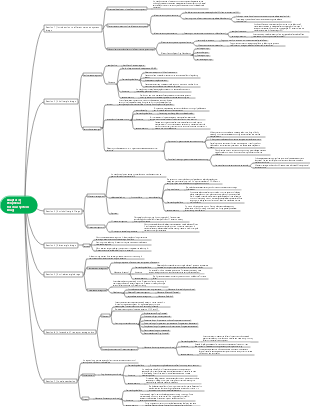
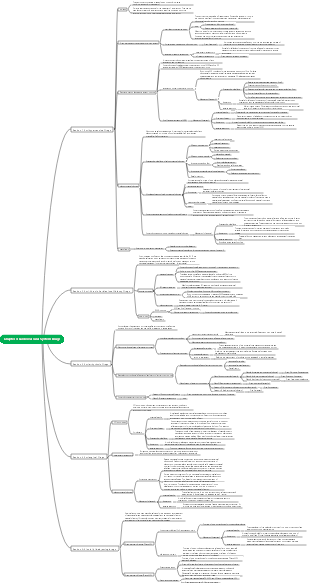
Chapter 5 Acts on the digestive system and respiration Systemic, hematological and urinary system drugs
Section 1 Digestive system drugs
Anti-peptic ulcer drugs
It is currently believed that the cause is mainly due to the imbalance of damage factors and protective factors in the gastric and duodenal mucosa. In addition, Helicobacter pylori infection is also one of the main causes of peptic ulcer formation.
Treatment drugs include antacids, drugs that inhibit gastric acid secretion, gastric mucosal protective drugs, and anti-Helicobacter pylori drugs.
drug
antacids
Aluminum hydroxide, magnesium trisilicate (combined with aluminum oxide), sodium bicarbonate.
Drugs that inhibit gastric acid secretion
proton pump inhibitors
Also known as H-K-ATPase inhibitors
Medication (Omeprazole)
chemical stability
This medicine is unstable and will change color easily when exposed to light, so it needs to be stored away from light.
Drug identification
The molecular structure of omeprazole contains a pyridine ring, so it has the characteristic reaction of threonine and forms a precipitate with the alkaloid precipitating agent.
Indications
It is clinically used for gastric ulcer and duodenal ulcer, reflux esophagitis, Zollinger-Allison syndrome, etc. It can heal the ulcer surface quickly and has a high cure rate.
adverse reactions
There are headache, dizziness, dry mouth, nausea, abdominal distension, etc., and occasionally rash, peripheral neuritis, elevated serum aminotransferase or elevated bilirubin, etc. Long-term use can cause bacterial growth in the stomach.
This type of drug is often combined with amoxicillin, clarithromycin, tetracycline, metronidazole and bismuth salts in triple or quadruple combination to cure ulcers caused by Helicobacter pylori infection and reduce the recurrence rate of ulcers.
H2 receptor antagonists
Medication (Cimetidine)
Drug identification
Add a little ammonia and copper sulfate test solution to the aqueous solution to form a blue-gray precipitate. Add excess ammonia precipitant to dissolve it, which can be distinguished from general guanidine compounds.
Indications
It is mainly used clinically for peptic tract ulcers and has excellent effects on duodenal ulcers.
adverse reactions
Digestive system reactions include nausea, vomiting, bloating, diarrhea and constipation. Central nervous system reactions include headache, dizziness, fatigue, drowsiness, anxiety, hallucinations, etc. Elderly people with poor renal function may develop mental disorders at higher doses.
M1 receptor antagonists
gastrin receptor antagonists
The chemical structure of proglutamine is similar to that of gastrin, and it can competitively block gastrin receptors, thereby reducing gastric acid secretion, protecting the gastric mucosa and promoting ulcer healing.
Gastric mucosa protective drug
Refers to drugs that can enhance the defense function of the gastric and duodenal mucosa.
Anti-Helicobacter pylori drugs
drug
Antibiotics and chemically synthesized antibacterial drugs
Preparations containing bismuth, proton pump inhibitors and sucralfate.
Digestive aid
Most digestive drugs are ingredients in digestive juices or drugs that promote the secretion of digestive juices and prevent excessive intestinal fermentation. They are mainly used for indigestion or lack of appetite.
dilute hydrochloric acid
Increase gastric juice acidity and gastric protein activity.
Pepsin
Break down proteins and peptides.
Trypsin
Contains pancreatic lipase, protease and amylase.
Lactase
Inhibit the reproduction of putrefactive bacteria and reduce fermentation and intestinal gas production.
Gastrointestinal motility drugs
Gastrointestinal motility is comprehensively regulated by neurohumoral and gastrointestinal nerve plexuses, and is highly rhythmic and coordinated.
Medications (metoclopramide, domperidone, cisapride)
Laxatives and Antidiarrheals
laxative
It is a type of drug that can promote the defecation reflex or make stool easier to pass. It is mainly used clinically for functional constipation, accelerating the elimination of intestinal toxins and intestinal worms, and cleaning the intestines before surgery.
Contact laxatives (stimulant laxatives)
Phenolphthalein
After oral administration, phenolphthalein forms soluble sodium salts in alkaline intestinal fluid that contact the colon mucosa, stimulating colon wall peristalsis, inhibiting intestinal water absorption, and producing a cathartic effect.
lubricating laxative
It has a purgative effect by lubricating the intestinal wall and softening stool.
Osmotic laxatives
Drugs that increase intestinal water and have a purgative effect by absorbing water from the body into the intestines or preventing the water in the feces from being absorbed.
volumetric laxatives
Magnesium sulfate
Oral administration has cathartic and choleretic effects.
sodium sulfate
The cathartic effect is the same as that of magnesium sulfate, but the effect is weak and has no central inhibitory effect.
antidiarrheal medicine
Abdominal bloating is a symptom associated with many diseases, and treatment is mainly based on the cause.
dioctahedral montmorillonite
Particles with a dioctahedral lamellar structure can prevent various factors from damaging the digestive tract mucosa, maintain the normal physiological functions of the digestive tract, and can also promote the damage-carrying repair of the digestive tract mucosal epithelium and the barrier function of the digestive tract mucosa. Whether digestion Into the gas, various attack factors are prevented from being damaged, balancing the flora of the digestive tract, improving the immune function of the digestive tract, and having a local hemostasis effect in the digestive tract, as well as the function of removing a variety of pathogens and toxins.
medicinal carbon
It can absorb intestinal bacteria and gases, prevent the absorption of poisons, reduce irritation to the intestinal mucosa and stop diarrhea. Used for diarrhea, bloating and food poisoning.
diphenoxylate
It is a synthetic opioid alkaloid compound. It has a weak opioid effect and no analgesic effect.
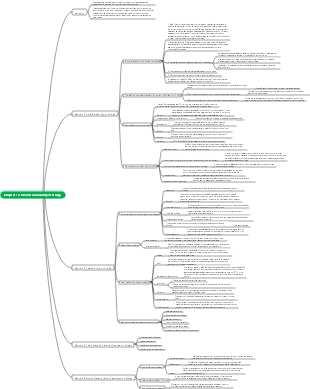
Section 2 Respiratory System Drugs
antiasthmatic medicine
Drugs that act on different aspects of an asthma attack to relieve or prevent asthma attacks.
Classification
bronchodilators
β2 adrenoceptor agonists
M choline receptor antagonists
The release of endogenous acetylcholine caused by various stimuli plays an important role in inducing asthma.
Phosphodiesterase inhibitors
Mainly by inhibiting phosphodiesterase, reducing cAMP in bronchial smooth muscle cells will increase cAMP content and relax the bronchi.
drug
Aminophylline
chemical stability
This medicine is unstable and can only be detected after absorbing carbon dioxide in the air and decomposing it. Theophylline has theophylline structure, and when heated with alkali, the ring is decoupled by water.
Pharmacological effects
It has antiasthmatic effect, cardiotonic and diuretic effect, and relaxes the smooth muscle of biliary tract.
Indications
For bronchial asthma, wheezing bronchitis and chronic obstructive pulmonary disease.
adverse reactions
This drug has a small safety range and low selectivity and is listed as a drug that requires blood concentration monitoring. Local irritation, cardiotoxicity, central nervous system excitement.
anti-inflammatory and antiasthmatic drugs
leukotriene receptor antagonists
inhaled corticosteroids
mechanism
Inhibits the activity and number of immune cells involved in the inflammatory response, including macrophages and eosinophils.
Interfering with arachidonic acid metabolism and reducing the synthesis of leukotrienes and prostaglandins.
Inhibit the production of inflammatory cytokines, interleukins, tumor necrosis factor and interferon.
Stabilize the lysosomal membrane and reduce the synthesis and release of inflammatory mediators such as cell membrane adhesion factors and defactors.
Enhance the body's response to the verification plan, reduce blood glucose permeability, and reduce vascular leakage.
anti-allergic and anti-asthmatic drugs
Rational medication for bronchial asthma
Drug selection for acute asthma or status asthmaticus. : The short-acting β2 receptor agonist albuterol is the first choice, and any type of aerosol can also be used. If necessary, aminophylline or glucocorticoids should be used routinely, but the quality of the indications and the duration of treatment should be strictly monitored and adverse reactions should be closely monitored.
Drug selection for severe asthma: Under the premise of reasonable rehydration and oxygen inhalation to correct acid-base water and electrolyte imbalance, an appropriate amount of glucocorticoid, aminophylline, intravenous injection or intravenous drip, β2 receptor agonist, and atomized inhalation treatment can be used.
Drug selection during the asthma remission period: Inhaled glucocorticoids and aerosol inhalation of sodium glycolate, or oral preventive treatment with ketotifen can be used.
expectorant
Sputum is caused by inflammation of the respiratory tract and can irritate the respiratory mucosa, cause coughing and aggravate infection.
Classified by mode of action
Phlegm dissolving medicine
This type of drug can break down the viscous components in sputum. Mucopolysaccharides and mucins reduce the viscosity of mucus and make it easier to cough up.
Sputum thinning medicine
This type of drug can stimulate the gastric mucosa after oral administration, causing a slight nausea reflex, and can stimulate the secretion of respiratory glands to increase, making sputum dilute and easier to cough up.
mucus regulator
This class of drugs can break mucin and disulfide chains in the mucous membrane, thereby reducing the viscosity of sputum and facilitating the discharge of sputum.
antitussive medicine
Cough is a protective reflex activity produced when the respiratory tract is stimulated. Its reflex arc includes receptor afferent nerves, cough center efferent nerves and effectors.
Classified according to different parts of action
central antitussives
Central antitussives are a class of drugs that can selectively inhibit the medullary cough center and have powerful antitussive effects.
peripheral antitussives
Peripheral antitussives, also known as peripheral antitussives, exert antitussive effects by inhibiting any link in the cough reflex. Commonly used ones are benzonatate and benproperine.
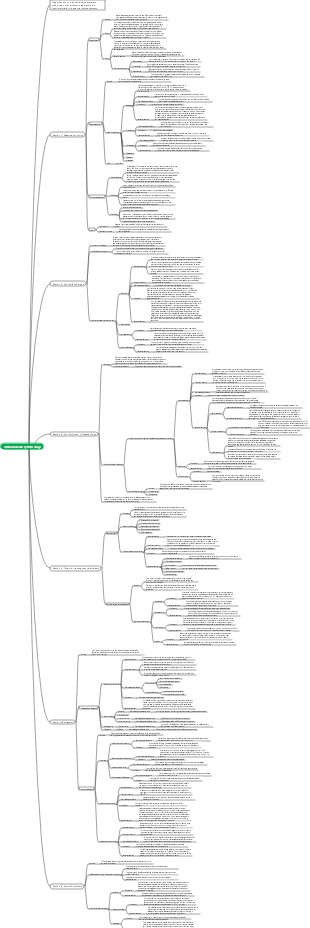
Section 3 Blood System Drugs
Under normal physiological conditions, there are coagulation and anticoagulation systems in the blood, and the two maintain a dynamic balance, allowing blood to circulate within the blood vessels.
antithrombotic drugs
Drugs that prevent blood coagulation by only passing through certain stages of the coagulation process once, inhibiting platelet aggregation and adhesion functions, and stimulating processes such as fibrinolysis. Includes anticoagulants, antiplatelet drugs, and fibrinolytic drugs.
anticoagulants
Heparin and low molecular weight heparin (heparin is an animal polysaccharide)
Pharmacological effects
By enhancing the activity of antithrombin III, it inhibits multiple links in the coagulation process.
Indications
It is used for the prevention and treatment of thromboembolic diseases and the early treatment of disseminated intravascular coagulation by anticoagulation in vivo and in vitro.
Main adverse reactions
Overdose can cause spontaneous bleeding, and the special countermeasure is protamine.
Vitamin K antagonists (coumarins)
Indications
It is used to prevent and treat thromboembolic diseases, so it cannot fight against synthesized coagulation factors, so it has no external anticoagulant activity and is only tried for anticoagulation in the body.
adverse reactions
The most common ones are spontaneous bleeding, such as gum bleeding, wound oozing, purpura, nose bleeding and visceral bleeding.
Factor X inhibitors
Including dalteparin sodium, heparin sodium, apixaban, rivaroxaban.
direct thrombin inhibitor
Including the batch of Luding dabigatran etexilate.
antiplatelet drugs
The release, adhesion and aggregation of platelets is one of the important causes of thrombosis.
Medications (Aspirin, Dimidamole, Prostacyclin, Ticlopidine.)
fibrinolytic drugs
Fibrinolytic drugs, also known as thrombolytic drugs, can activate cellulase, promote fibrin degradation and produce thrombolytic effects, and are mainly used for acute thromboembolic diseases.
drug
1st generation
Streptokinase
Urokinase
2nd generation
anistreplase
3rd generation
reteplase
Hemostatic drugs
It is a class of drugs that can accelerate blood coagulation, inhibit fibrin degradation or reduce capillary permeability to stop bleeding.
drug
Procoagulant factor synthesis drug (vitamin K)
Drugs that activate procoagulant factors (ethylamine, prothrombin complex)
Antifibrinolytic drugs (tranexamic acid)
Hemostatic drug that acts on blood vessels (pituitrin)
Drugs that affect vascular permeability (adrenal hydrazone)
Others (hemagglutinin, chromophore)
anti-anemia drugs
Anemia means that the number of red blood cells and hemoglobin content in the blood is lower than normal.
Classification
iron deficiency anemia
Necessary substance for the synthesis of hemoglobin in the body.
megaloblastic anemia
Lack of folic acid or vitamin B12 can affect the division, proliferation and maturation of red blood cells, resulting in large cells and high pigmentation. Among them, malnutrition is caused by folic acid deficiency, and pernicious anemia is caused by vitamin B12 deficiency.
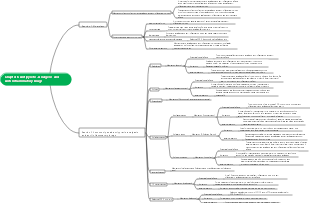
Section 4 Diuretics and dehydration drugs
diuretics
Diuretics are a class of drugs that act on the kidneys to increase urine output by increasing the excretion of water and electrolytes in the body.
According to the potency and effect of diuretics, the parts are classified into different categories
Powerful diuretics
Acts on the cortex of the medullary part of the thick ascending branch of the medullary loop.
Medications (furosemide, bumetanide, edenic acid)
Medium potency diuretic
Acts on the cortical part of the thick ascending branch of the medullary loop and the proximal part of the distal convoluted tubule.
Drugs (thiazide diuretics, chlorthalidone, etc.)
Weak diuretics
Acts on the distal convoluted tubule and collecting duct.
Medications (spironolactone, triamterene)
dehydration medicine
Dehydration drugs, also known as osmotic diuretics, are low molecular weight non-salt substances
drug
Mannitol, sorbitol, 50% hypertonic glucose.