MindMap Gallery intravenous anesthetic
A map of intravenous anesthetics. General anesthetics refer to drugs that can reversibly cause varying degrees of loss of sensation and consciousness, allowing for surgical operations, various invasive examinations and treatments, and sedation of ICU patients. It's more detailed and worth learning.
Edited at 2024-11-28 23:47:03這是一篇關於把時間當作朋友的心智圖,《把時間當作朋友》是一本關於時間管理和個人成長的實用指南。作者李笑來透過豐富的故事和生動的例子,教導讀者如何克服拖延、提高效率、規劃未來等實用技巧。這本書不僅適合正在為未來奮鬥的年輕人,也適合所有希望更好地管理時間、實現個人成長的人。
This is a mind map about treating time as a friend. "Treating Time as a Friend" is a practical guide on time management and personal growth. Author Li Xiaolai teaches readers practical skills on how to overcome procrastination, improve efficiency, and plan for the future through rich stories and vivid examples. This book is not only suitable for young people who are struggling for the future, but also for everyone who wants to better manage time and achieve personal growth.
這七個習慣相輔相成,共同構成了高效能人士的核心特質。透過培養這些習慣,人們可以提升自己的領導力、溝通能力、團隊協作能力和自我管理能力,從而在工作和生活中取得更大的成功。
這是一篇關於把時間當作朋友的心智圖,《把時間當作朋友》是一本關於時間管理和個人成長的實用指南。作者李笑來透過豐富的故事和生動的例子,教導讀者如何克服拖延、提高效率、規劃未來等實用技巧。這本書不僅適合正在為未來奮鬥的年輕人,也適合所有希望更好地管理時間、實現個人成長的人。
This is a mind map about treating time as a friend. "Treating Time as a Friend" is a practical guide on time management and personal growth. Author Li Xiaolai teaches readers practical skills on how to overcome procrastination, improve efficiency, and plan for the future through rich stories and vivid examples. This book is not only suitable for young people who are struggling for the future, but also for everyone who wants to better manage time and achieve personal growth.
這七個習慣相輔相成,共同構成了高效能人士的核心特質。透過培養這些習慣,人們可以提升自己的領導力、溝通能力、團隊協作能力和自我管理能力,從而在工作和生活中取得更大的成功。
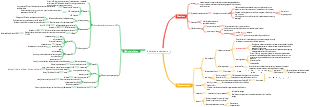
intravenous anesthetic
Overview
concept
General anesthetics refer to drugs that can reversibly cause varying degrees of loss of sensation and consciousness, allowing for surgical operations, various invasive examinations and treatments, and sedation of ICU patients.
In addition to inhalation anesthetics, all general anesthetics administered through the intravenous route are collectively referred to as intravenous anesthetics
Classification
barbiturates
Nonbarbiturates (main)
Advantages and disadvantages (compared to inhaled anesthetics)
advantage
Easy to use
Quick onset of effect
shortcoming
No muscle relaxant effect
Except for ketamine, the analgesic effect is weak
The depth of anesthesia is difficult to control and judge
Mechanism of action
GABA receptor
Ligand-gated ion channels
After activation, it can selectively allow Cl- to pass through, causing hyperpolarization of neurons and inhibition of nerve signal transmission.
Action drugs
barbiturates
benzodiazepines
Propofol
NMDA receptor
central excitatory amino acid receptor subtypes
Plays an important role in learning and memory, synaptic plasticity in development, cognitive function, etc.
After excitement → calcium ion channels open → intracellular calcium ions ↑ → ↑guanylyl cyclase → CGMP ↑ → physiological effects
Action drugs
Ketamine
noncompetitive antagonism
α2 receptor
Sedative, hypnotic, anxiolytic effects
α2 receptor excitation → intracellular adenylyl cyclase ↓ → cAMP ↓ → K efflux ↑ → cell membrane superization → excitatory conduction ↓
Action drugs
Dexmedetomidine
opioid receptors
Endopioid peptidergic neurons → release endopiate peptides (enkephalins) → stimulate opioid receptors → through G protein coupling mechanism → inhibit AC → Ca influx ↓, K efflux ↑ → premembrane transmitter (substance P, etc.) Release ↓→hyperpolarization of the postsynaptic membrane→prevent the conduction and transmission of pain impulses→analgesia
Action drugs
barbiturates
Thiopental sodium
Pharmacological effects
central nervous system
electroencephalogram
Similar to natural sleep
Cerebral vasoconstriction, reduced cerebral blood flow, and decreased intracranial pressure
Reduce cerebral metabolic rate and oxygen consumption
brain protection
Circulatory system (significantly inhibited)
Inhibit myocardial contractility
dilated blood vessels
lower blood pressure
Respiratory system (significant depression)
Inhibits the medulla oblongata and pontine respiratory centers
Respiratory rate slows down
Decreased tidal volume
Sympathetic nerves are inhibited and parasympathetic nerves are relatively dominant
Can easily induce laryngospasm and bronchospasm
Drug generation
absorb
High fat solubility
distributed
Redistribution: brain tissue → skeletal muscle
easily crosses the placenta
metabolism
The liver degrades it slowly
clinical application
Induction of general anesthesia
Control convulsions and convulsions
brain protection
Reduce intracranial pressure during brain surgery
Prevention and treatment of cerebral ischemia and hypoxic injury
non-barbiturates
Remimazolam
Mechanism of action
It is a benzodiazepine and an ultra-short-acting GABA receptor agonist.
Drug generation
absorb
Reach peak plasma concentration in 1 minute
metabolism
Metabolized by plasma esterase to zolamine propionate (non-toxic)
adverse reactions
hypotension
Administer vasopressor drugs according to actual clinical conditions
Respiratory depression
Provide conventional airway management measures such as oxygen inhalation, mandibular support, and assisted breathing.
Wake-up delay
Flumazenil can be used to antagonize
Propofol
Pharmacological effects
central nervous system
Anticonvulsant effect, dose-dependent
Reduce cerebral blood flow, cerebral metabolic rate and intracranial pressure
Correlate well with BIS, which gradually decreases with increasing sedation and loss of consciousness.
respiratory system
suppress breathing
No effect on bronchial tone
Can be used for asthma patients
cardiovascular system
direct cardiac depressant effect
Related to patient age, one-time injection drug dose, injection speed, etc.
Dilate peripheral blood vessels
Cardiac output↓
Heart index and stroke index↓
Total peripheral resistance↓
BP↓↓
Drug generation
absorb
intravenous injection
Peak effect time 90s
Protein binding rate 95%
distributed
Three-room model
metabolism
Hepatic hydroxylation and glucuronic acid conjugation
Metabolites are inactive
Facilitates continuous infusion to maintain anesthesia
Clinical applications and complications
intravenous anesthesia
Painless gastrointestinal endoscopy, painless abortion and other invasive diagnosis and treatment
ICU sedation
Assisted sedation with local anesthesia
complication
Injection pain
Blood pressure drops, heart rate slows
Causes a dose-dependent decrease in respiratory rate and tidal volume
propofol infusion syndrome
High-dose and long-term infusion of propofol may cause serious complications such as acid metabolism, hyperlipidemia, fatty infiltration of the liver, muscle damage, refractory heart failure, and even death.
cyclopofol
etomidate
Mechanism of action
Similar to GABA-like effects
inhibit reticular activating system
Pharmacological effects
central nervous system
Reduce intracranial pressure and cerebral oxygen consumption
Maintain normal cerebral perfusion pressure
brain protection
cardiovascular system
No significant impact on cardiac function
The best cardiovascular stability drug among all intravenous general anesthetics
respiratory system
Respiratory depression and apnea (overdose, injection too fast)
Drug generation
absorb
intravenous injection
distributed
Rapidly enters the brain and other organs with rich blood flow
Quick onset of effect
Transfers quickly from brain to other tissues
Wake up quickly
metabolism
Liver esterase hydrolysis
excretion
85% is excreted in urine, 13% is excreted in bile, and 2% is excreted unchanged.
adverse reactions
local irritation
pain at injection site
induction phase excitement
Muscle twitching, muscle rigidity, similar to twitching
Inhibit adrenocortical function
Inhibits 11-beta-hydroxylase and affects cortisol production
Ketamine
Mechanism of action
Blocks NMDA (N-methyl-D-aspartate) receptors
Selectively blocks the input of pain signals from the spinal reticular formation tract
Block pain transmission to the thalamus and cortex
Exciting the limbic system and opioid receptors
analgesia
Pharmacological effects
central nervous system
analgesic effect
The only intravenous anesthetic drug with definite analgesic effect
Significant body surface
Poor effect on visceral pain
"Dissociation Anesthesia"
After injecting ketamine alone, it does not produce a quasi-natural sleep state like other general anesthetics, but a stupor-like state.
Performance
Loss of consciousness but eyes open and staring, nystagmus, light reflex, cough reflex, swallowing reflex present, increased muscle tone, a few patients develop trismus and involuntary movement of limbs
Psychomotor response (awakening period)
Nightmares, hallucinations, delirium, terror
Propofol and midazolam relieve
cardiovascular system
Increased heart rate, elevated blood pressure, increased cardiac output
respiratory system
Relax bronchial smooth muscle and increase lung compliance
Suitable for "Asthma"
Increased saliva and bronchial secretions
Atropine antagonism
Drug generation
distributed
High lipid solubility - fast induction
metabolism
liver microsomal enzymes
enzyme induction
Accelerate own metabolism and drug resistance
Metabolites
Norketamine is still pharmacologically active
clinical application
analgesic effect
Body shape is obvious
Poor visceral analgesia
Short-term minor surface surgery
Burn debridement
Change dressing
Scab removal
Skin grafting
Applied to patients with congenital heart disease (right to left shunt)
adverse reactions
Psychomotor response (awakening period)
Mental agitation and dreamy phenomena
A few cases of diplopia and visual distortion
Benzodiazepines can reduce
cyclic excitement
Contraindications
Severe hypertension, pulmonary hypertension and intracranial hypertension syndrome
Cor pulmonale and cardiac insufficiency
Hyperthyroidism, epilepsy and psychosis