MindMap Gallery local anesthetic
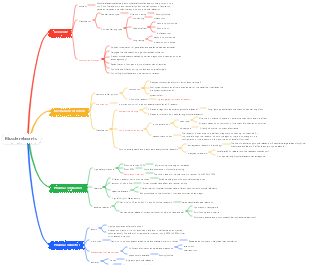
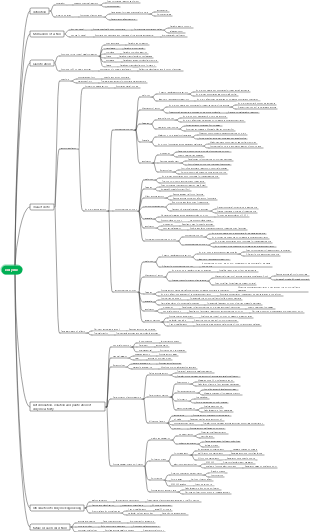
This is an (incomplete) mind map about local anesthetics, which introduces detailed knowledge points such as structure-activity relationship and classification, mechanism of action (receptor theory), efficacy, pharmacokinetics, adverse reactions, etc.
Edited at 2024-11-27 23:39:43Lezione 12 della storia, l'ascesa della democrazia nazionale in Asia, Africa e America Latina, questa mappa del cervello ti aiuta a familiarizzare con i punti chiave della conoscenza e rafforzare la memoria. Gli studenti bisognosi possono aggiungere un segnalibro.
Questa è una mappa mentale sull'introduzione alla competenza di Chat GPT.
Questa è una mappa mentale sulla condivisione di profonde abilità di utilizzo.
Lezione 12 della storia, l'ascesa della democrazia nazionale in Asia, Africa e America Latina, questa mappa del cervello ti aiuta a familiarizzare con i punti chiave della conoscenza e rafforzare la memoria. Gli studenti bisognosi possono aggiungere un segnalibro.
Questa è una mappa mentale sull'introduzione alla competenza di Chat GPT.
Questa è una mappa mentale sulla condivisione di profonde abilità di utilizzo.
local anesthetic
Structure-activity relationships and classification
structure activity relationship
Aromatic group (benzene nucleus)
Lipophilic and hydrophobic, determines the lipid solubility of local anesthetics
Intermediate chain (ester bond or amide bond)
Determine the metabolic pathways of local anesthetics
Amino group (mostly tertiary amine)
Hydrophilic and lipophobic properties determine the degree of dissociation of local anesthetic molecules
Classification
intermediate chain
Ester local anesthetics (no i in English)
Amide local anesthetics (i in English)
Effect time limit
short acting
Procaine
Chloroprocaine
Medium effect
lidocaine
Mepivacaine
Long lasting
Tetracaine
Bupivacaine
Levobupivacaine
Ropivacaine
Mechanism of action (receptor theory)
site of action
Alpha subunit (main functional unit) on sodium channels
Amino acid residues on the S6 segment of the D4 region
Mechanism of action
Reversibly seals the inner port (not the outer port) of the sodium channel and binds to one or more specific sites
characteristic
Usage dependence (frequency dependence)
The higher the frequency of stimulation to the nervous tissue, the greater the number of open channels, the more obvious the blockage, and the stronger the local anesthesia effect.
It has a weak effect on resting nerves. Increasing the frequency of electrical stimulation will enhance the effect of local anesthetics.
Medicinal efficacy
Effects and adverse reactions
local nerve block
Effect (disappearance order)
Pain, heat, cold, touch, and deep sensations
condition
sufficient concentration
sufficient time
Reach the receptor site
There is sufficient long axis of the nerve in direct contact with the local anesthetic
central nervous system
normal function
inhibitory effect
toxic reactions
Excite first and then inhibit
If the local anesthetic is injected directly into the blood, it will not cause convulsions.
Cause
Local anesthetic concentration is too high
Central inhibitory neurons are more sensitive to local anesthetics than excitatory neurons
antagonistic
Benzodiazepines can enhance the inhibitory effect of GABAergic neurons in the limbic system
Cardiovascular (higher tolerance)
direct inhibition
toxic reactions
Excite first and then inhibit
Early stage: increased blood pressure and increased heart rate
Caused by central excitation
Late stage: heart rate slows, blood pressure drops, conduction block until cardiac arrest
Influencing factors
dose
Affects the effectiveness, depth and duration of local anesthetics
Increase drug concentration (commonly used in clinical practice)
increase capacity
Nerve block and epidural block use
injection site
Plasma concentration: intercostal > sacral canal > epidural > brachial plexus > subarachnoid space > subcutaneous infiltration
pH
Hybrid application
Vasoconstrictor (epinephrine)
Slow down the absorption of local anesthetics, extend the action time of local anesthetics, and reduce systemic adverse reactions
Optimum concentration 1:200,000 (5μg/ml)
local anesthetic
Compensate the characteristics of different drugs with each other
Mixed application of fast-acting medium and short-acting local anesthetics and slow-acting long-acting local anesthetics
Pay attention to the maximum amount of local anesthetics used
rapid drug resistance
Concept: After repeated injection of local anesthetic, the nerve block efficacy is weakened and the duration is shortened.
If local anesthetic is added 15 minutes after subsidence, rapid drug resistance is likely to occur.
pregnancy
Progesterone causes increased neural sensitivity to local anesthetics
Drug generation
absorb
dose
injection site
Use of vasoconstrictors
distributed
Depends on physical and chemical properties, blood flow of various tissues and organs
Biotransformation and excretion
Ester local anesthetics
Pseudocholinesterase hydrolyzes, and a small amount of the original form is excreted
Amide local anesthetics
Liver microsomal enzyme, amidase decomposition
Only 5% of the original form is excreted in urine
Lidocaine is excreted in bile to a small extent
adverse reactions
Systemic
toxic reactions
hypersensitivity reaction
Receiving a small amount (1/3~2/3 of the maximum dose) of local anesthetic may suddenly lead to signs of toxic reactions such as syncope, respiratory depression or even circulatory failure.
idiosyncratic reaction
Receiving very small doses of local anesthetics can cause serious toxic reactions
allergy
Contact
neurotoxicity
Direct contact of the spinal cord or peripheral nerves with local anesthetics at too high a concentration or for too long a time may induce nerve damage.