MindMap Gallery ERCP post-operative care
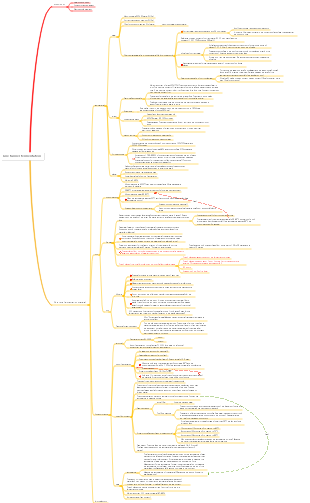
The concept of ERC P, indications and contraindications, the concept of ENBD, post-ERCP care, and ENBD care are clearly structured and layered, making it easy for medical staff to quickly grasp the key points and precautions for post-ERCP care.
Edited at 2024-11-25 13:14:54This template shows the structure and function of the reproductive system in the form of a mind map. It introduces the various components of the internal and external genitals, and sorts out the knowledge clearly to help you become familiar with the key points of knowledge.
This is a mind map about the interpretation and summary of the relationship field e-book, Main content: Overview of the essence interpretation and overview of the relationship field e-book. "Relationship field" refers to the complex interpersonal network in which an individual influences others through specific behaviors and attitudes.
This is a mind map about accounting books and accounting records. The main contents include: the focus of this chapter, reflecting the business results process of the enterprise, the loan and credit accounting method, and the original book of the person.
This template shows the structure and function of the reproductive system in the form of a mind map. It introduces the various components of the internal and external genitals, and sorts out the knowledge clearly to help you become familiar with the key points of knowledge.
This is a mind map about the interpretation and summary of the relationship field e-book, Main content: Overview of the essence interpretation and overview of the relationship field e-book. "Relationship field" refers to the complex interpersonal network in which an individual influences others through specific behaviors and attitudes.
This is a mind map about accounting books and accounting records. The main contents include: the focus of this chapter, reflecting the business results process of the enterprise, the loan and credit accounting method, and the original book of the person.
ERCP post-operative care
Postoperative monitoring
Observation of vital signs
Regularly measure body temperature, pulse, respiration and blood pressure
Pay attention to any abnormal signs such as fever and tachycardia
Observe the drainage situation
Check whether the bile duct drainage tube is smooth
Observe the color, quantity and nature of drainage fluid
Observe the condition of the abdomen
Watch for pain, swelling, or tenderness in the abdomen
Monitor whether bowel sounds are normal
pain management
Assess pain level
Assess patient pain using a pain rating scale
Ask the patient about pain
pain control
Give pain medication as directed
Observe the analgesic effect and patient response
dietary guidance
Fasting after surgery
Fasting in the early postoperative period to reduce the burden on the digestive tract
Gradually resume diet according to the patient's recovery status
diet modification
Provide easily digestible food during the postoperative recovery period
Avoid greasy, spicy and other irritating foods
drug treatment
prophylactic antibiotic use
Give antibiotics as directed by your doctor to prevent infection
Observe for drug allergic reactions
Medications for the biliary system
Give biliary dilation drugs to relieve bile duct spasm
Using bile acid preparations to promote bile flow
Activity guidance
early activity
Encourage patients to get out of bed early after surgery
Prevent deep vein thrombosis
activity restrictions
Adjust activity level based on patient recovery
Avoid strenuous exercise that may cause the drainage tube to shift
Drainage tube care
Drainage tube fixation
Make sure the drainage tube is properly secured to avoid falling off
Regularly check the position and fixation of the drainage tube
Drainage tube maintenance
Keep drainage tubes clear and avoid becoming kinked or clogged
Change drainage bags regularly to maintain aseptic operation
Complication prevention and observation
infection prevention
Keep the wound clean and dry
Watch for signs of infection, such as redness, swelling, and fever
Bleeding observation
Pay attention to whether there are bloody components in the drainage fluid
Observe the patient for bleeding symptoms such as vomiting blood and melena
Pancreatitis prevention
Avoid high-fat diet to reduce the burden on the pancreas
Observe for symptoms related to pancreatitis, such as abdominal pain and fever
Discharge instructions
lifestyle adjustments
Advise patients to change bad living habits
Provide healthy eating and exercise advice
Regular review
Inform patients of the importance of regular review
Arrange review schedule and related inspection items
Respond to emergencies
Educate patients to recognize signs of postoperative complications
Provides guidance and information on contacting a doctor in an emergency
psychological support
Emotion observation
Pay attention to patients’ emotional changes after surgery
Provide psychological support and comfort
family education
Explain the key points of postoperative care to family members
Instruct family members on how to assist patients in recovery
Education and training
patient education
Explain the purpose and process of ERCP surgery to patients
Educate patients about postoperative care and precautions
Nursing staff training
Provide regular ERCP post-operative care training to nursing staff
Update nursing staff on the latest knowledge about postoperative complications