MindMap Gallery Automated project management templates
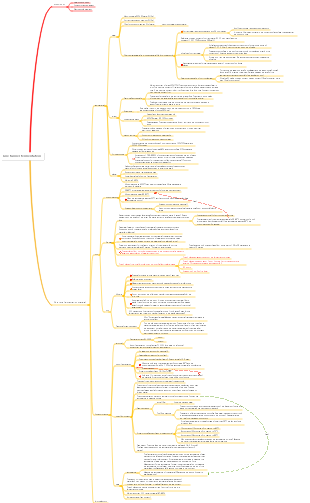
This is a mind map about Automation project management template, Main content: Notes, scenario examples, template usage instructions, project establishment review stage (What-Why-How), design review stage (What-Why-How), demand analysis stage (What-Why-How).
Edited at 2025-02-24 12:14:18This template shows the structure and function of the reproductive system in the form of a mind map. It introduces the various components of the internal and external genitals, and sorts out the knowledge clearly to help you become familiar with the key points of knowledge.
This is a mind map about the interpretation and summary of the relationship field e-book, Main content: Overview of the essence interpretation and overview of the relationship field e-book. "Relationship field" refers to the complex interpersonal network in which an individual influences others through specific behaviors and attitudes.
This is a mind map about accounting books and accounting records. The main contents include: the focus of this chapter, reflecting the business results process of the enterprise, the loan and credit accounting method, and the original book of the person.
This template shows the structure and function of the reproductive system in the form of a mind map. It introduces the various components of the internal and external genitals, and sorts out the knowledge clearly to help you become familiar with the key points of knowledge.
This is a mind map about the interpretation and summary of the relationship field e-book, Main content: Overview of the essence interpretation and overview of the relationship field e-book. "Relationship field" refers to the complex interpersonal network in which an individual influences others through specific behaviors and attitudes.
This is a mind map about accounting books and accounting records. The main contents include: the focus of this chapter, reflecting the business results process of the enterprise, the loan and credit accounting method, and the original book of the person.
Automated project management templates
Requirements Analysis Phase (What-Why-How)
1.1 What (What is the requirement?)
Target
Clarify the core requirements and scope of the project
Key Issues
Project background and ultimate goal
Key Issues
Specific problems or pain points that need to be solved
Key Issues
What modules are included in the project scope
Output
First draft of "Requirement Instructions"
1.2 Why (Why do you need this requirement?)
Target
Verification of the rationality and necessity of the requirements
Key Issues
Why choose automation rather than manual or other methods
Key Issues
Whether the requirements are in line with the company's strategy or business objectives
Key Issues
What risks will it bring if you don't do this project
Output
Requirements priority sorting table
1.3 How (How to achieve the requirements?)
Target
Preliminary planning of implementation path
Key Issues
How to collect requirements
Key Issues
How to verify the feasibility of requirements
Key Issues
Is external resource support required
Output
"Demand Feasibility Analysis Report"
Design Review Stage (What-Why-How)
2.1 What (What is the design content?)
Target
Clarify the core content of the design plan
Key Issues
What is the technical solution
Key Issues
Is the system architecture and module division clear?
Key Issues
Are key indicators quantifiable
Output
"Technical Design Plan" Document
2.2 Why (Why choose this design?)
Target
Verify the rationality of the design
Key Issues
Why choose the current technical solution
Key Issues
Is there an alternative
Key Issues
Whether the design covers all requirements
Output
"Scheme Comparative Analysis Table"
2.3 How (How to ensure that the design is implemented?)
Target
Formulate implementation and verification plans
Key Issues
How to verify the design
Key Issues
How to assign development tasks
Key Issues
How to control risks
Output
"Design Verification Plan" and "Development Task Decomposition Table"
Project approval stage (What-Why-How)
3.1 What (What is the project overview?)
Target
Clarify the basic information of the project
Key Issues
Project name, person in charge, cycle, budget
Key Issues
What are the expected results
Key Issues
What are the key milestones
Output
First draft of "Project Apply"
3.2 Why (Why should the project be established?)
Target
Demonstrate the value and urgency of the project
Key Issues
What is the return on investment (ROI) of the project
Key Issues
Whether it meets the company's resource allocation priority
Key Issues
Is there any policy or market drivers
Output
Business Value Analysis Report
3.3 How (How to ensure the project success?)
Target
Develop a resource and risk management plan
Key Issues
How to allocate resources
Key Issues
How to manage risks
Key Issues
How to monitor progress
Output
Project Resource Plan and Risk Management Table
Template usage instructions
General check items
What
Is it clear and unambiguous
Why
Is there data/logical support?
How
Is it operable and quantifiable
Scene Example
Requirements Analysis Conference
What
Discuss the list of functions in the Requirements Manual
Why
Use cost-benefit analysis to convince management
How
Identify the person in charge and timetable for demand collection
Design Review Conference
What
Showcase PLC control logic diagram
Why
Explain why a brand of sensors is selected
How
Demonstrate simulation test results
Project Appraisal Meeting
What
The total budget for reporting projects is RMB 2 million
Why
Use ROI calculation to prove that you can get a return within 3 years
How
Submit a list of alternative suppliers in the Risk Management Form
Things to note
Demand stage: Multiple parties need to verify the requirements to avoid "fake demand"
Closely connected with actual business scenarios
Requirements are combined with business to avoid functional disconnection.
Listen to users and verify real needs.
Collect feedback to verify that needs reflect users' pain points.
Similar products are under market research.
Survey competitors to ensure competitiveness in demand and avoid duplication.
Feasibility of communicating needs with technical teams
Communication with technology initially to ensure executability.
Regularly review requirements to avoid outdated
Regularly review demands and keep up with market and user trends.
Design stage: Focus on technical feasibility and scalability
Assessment of technical resources and limitations
During the design phase, existing technology resources, including team skills, hardware facilities and software tools, must be evaluated in detail, while identifying possible constraints such as budgets, time frames and technical standards.
Design a modular architecture for easy maintenance
Creating a modular architecture can improve the maintainability of the system, ensure that each module works independently, facilitate future upgrades or replacements, while reducing maintenance costs and complexity.
Consider future trends in technology upgrades
When designing, future technology development trends should be considered forward-lookingly, and upgrade paths should be reserved to ensure that the product or system can adapt to technological progress and extend its life cycle.
Ensure flexible and scalable design
The design should be flexible to adapt to changes in demand while ensuring that the system is well scalable so that new features can be added or more users can be handled easily if necessary.
Prototyping, Verify design
By building prototypes and testing, the practical feasibility of the design concept can be verified, potential problems can be discovered and resolved in a timely manner, and ensure that the final product meets the expected goals.
Project establishment stage: clarify the exit mechanism
If you meet the standards successfully, you will fail if you fail.
When establishing a project, the project success or failure criteria should be clarified to help the team understand the goals and effectively monitor during execution.
Proper disposal of resources
When the project is suspended, the reasonable allocation and handling of resources should be planned in advance to ensure that the losses of manpower, material resources and financial resources are minimized.
Risk Assessment Response
Formulate a detailed risk assessment mechanism and formulate corresponding response measures for possible risks to ensure the smooth progress of the project.
Regular review cycle
Clarify the cycle of project review and evaluation, regularly check the project progress and quality, and ensure that the project can adjust its direction and strategy in a timely manner.
Decision process is clear
Develop a clear project exit decision process, including exit conditions, decision makers and post-exit responsibility allocations to ensure orderly exits.