MindMap Gallery PMP project management process
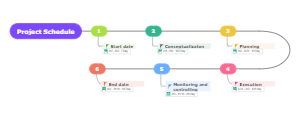
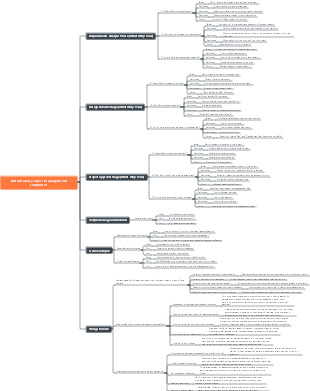
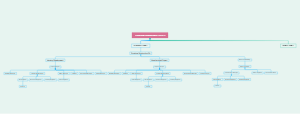
This is a mind map about the PMP project management process, the main contents include: start-up stage, planning stage, execution stage, monitoring stage, and finishing stage.
Edited at 2025-03-03 09:49:55Rumi: 10 dimensions of spiritual awakening. When you stop looking for yourself, you will find the entire universe because what you are looking for is also looking for you. Anything you do persevere every day can open a door to the depths of your spirit. In silence, I slipped into the secret realm, and I enjoyed everything to observe the magic around me, and didn't make any noise. Why do you like to crawl when you are born with wings? The soul has its own ears and can hear things that the mind cannot understand. Seek inward for the answer to everything, everything in the universe is in you. Lovers do not end up meeting somewhere, and there is no parting in this world. A wound is where light enters your heart.
Chronic heart failure is not just a problem of the speed of heart rate! It is caused by the decrease in myocardial contraction and diastolic function, which leads to insufficient cardiac output, which in turn causes congestion in the pulmonary circulation and congestion in the systemic circulation. From causes, inducement to compensation mechanisms, the pathophysiological processes of heart failure are complex and diverse. By controlling edema, reducing the heart's front and afterload, improving cardiac comfort function, and preventing and treating basic causes, we can effectively respond to this challenge. Only by understanding the mechanisms and clinical manifestations of heart failure and mastering prevention and treatment strategies can we better protect heart health.
Ischemia-reperfusion injury is a phenomenon that cellular function and metabolic disorders and structural damage will worsen after organs or tissues restore blood supply. Its main mechanisms include increased free radical generation, calcium overload, and the role of microvascular and leukocytes. The heart and brain are common damaged organs, manifested as changes in myocardial metabolism and ultrastructural changes, decreased cardiac function, etc. Prevention and control measures include removing free radicals, reducing calcium overload, improving metabolism and controlling reperfusion conditions, such as low sodium, low temperature, low pressure, etc. Understanding these mechanisms can help develop effective treatment options and alleviate ischemic injury.
Rumi: 10 dimensions of spiritual awakening. When you stop looking for yourself, you will find the entire universe because what you are looking for is also looking for you. Anything you do persevere every day can open a door to the depths of your spirit. In silence, I slipped into the secret realm, and I enjoyed everything to observe the magic around me, and didn't make any noise. Why do you like to crawl when you are born with wings? The soul has its own ears and can hear things that the mind cannot understand. Seek inward for the answer to everything, everything in the universe is in you. Lovers do not end up meeting somewhere, and there is no parting in this world. A wound is where light enters your heart.
Chronic heart failure is not just a problem of the speed of heart rate! It is caused by the decrease in myocardial contraction and diastolic function, which leads to insufficient cardiac output, which in turn causes congestion in the pulmonary circulation and congestion in the systemic circulation. From causes, inducement to compensation mechanisms, the pathophysiological processes of heart failure are complex and diverse. By controlling edema, reducing the heart's front and afterload, improving cardiac comfort function, and preventing and treating basic causes, we can effectively respond to this challenge. Only by understanding the mechanisms and clinical manifestations of heart failure and mastering prevention and treatment strategies can we better protect heart health.
Ischemia-reperfusion injury is a phenomenon that cellular function and metabolic disorders and structural damage will worsen after organs or tissues restore blood supply. Its main mechanisms include increased free radical generation, calcium overload, and the role of microvascular and leukocytes. The heart and brain are common damaged organs, manifested as changes in myocardial metabolism and ultrastructural changes, decreased cardiac function, etc. Prevention and control measures include removing free radicals, reducing calcium overload, improving metabolism and controlling reperfusion conditions, such as low sodium, low temperature, low pressure, etc. Understanding these mechanisms can help develop effective treatment options and alleviate ischemic injury.
PMP project management process
Startup phase
Define project scope
Clarify project goals
Communicate with stakeholders to ensure consistent goals
Set SMART goals (specific, measurable, reachable, relevant, time limit)
Identify project requirements
Collect user and market demands
Conduct demand analysis to ensure the feasibility of demand
Formulate project charter
Overview of project objectives, objectives, scope and key stakeholders
Obtain approval of the project charter
Form a project team
Identify team structure and roles
Determine the roles and responsibilities of team members based on project requirements
Select the right team member
Establish a team communication mechanism
Identify the frequency and format of team meetings and reports
Establish a team collaboration platform
Formulate preliminary project plans
Create a project schedule
Estimated task duration
Develop project milestones
Estimate project budget
Identify project costs
Develop a cost budget and control plan
Planning phase
Develop a detailed work breakdown structure (WBS)
Break down project goals into manageable small tasks
Ensure the delivery of tasks
Assign tasks to team members
Define dependencies between tasks
Determine the order of tasks
Use network graphs to represent task dependencies
Planning project resources
Determine the type and quantity of resources required
Including human resources, materials, equipment and other resources
Assess the availability and cost of resources
Resource allocation and optimization
Assign resources to each task
Optimize resource usage and avoid resource conflicts
Risk Management Plan
Identify potential risks
Conduct risk identification meetings
Use checklists and expert judgment
Assess risk impact and probability
Using qualitative and quantitative analytical methods
Determine risk priorities
Develop risk response strategies
Develop responses to high-priority risks
Develop a risk monitoring plan
Communication Management Plan
Determine communication needs
Identify project stakeholders
Determine the frequency and format of communication
Develop communication strategies
Choose the right communication tools and methods
Formulate a communication plan update mechanism
Procurement Management Plan
Determine procurement requirements
Evaluate the products or services that need to be purchased in the project
Determine the procurement strategy
Develop procurement documents
Create procurement requests and tender documents
Evaluate suppliers and select contract types
Execution phase
Guide and manage project work
Implement project plan
Execute tasks according to project plan
Monitor task progress and quality
Manage project resources
Ensure effective use of resources
Solve resource allocation problems
Implement quality management plan
Perform quality assurance activities
Conduct quality reviews and audits
Ensure the project meets standards and requirements
Perform quality control activities
Monitor the quality of specific project results
Take corrective and preventive measures
Carry out team building activities
Improve team morale and collaboration
Organize team building activities
Resolve team conflicts
Promote team communication
Ensure information circulation and transparency
Use the Communication Management Plan
Implement a communication plan
Publish project information
Regularly update project status
Timely convey changes and decision-making
Manage stakeholder expectations
Gather stakeholder feedback
Adjust project plans to meet expectations
Manage procurement
Implement a procurement plan
Perform procurement activities based on procurement documents
Monitor supplier performance
Handle contract changes
Record and process contract change requests
Ensure that contract changes are properly approved
Monitoring phase
Monitoring project work
Track project progress
Use progress tracking tools to monitor task completion
Adjust project plans to deal with deviations
Control project scope
Management scope change request
Ensure that there are no unauthorized changes to the scope of the project
Implement overall change control
Evaluate change requests
Analyze the impact of changes on the project
Decide whether to approve the change request
Update project files
Record the results of the change request
Update project plans and documentation
Control project costs
Monitor project budget
Track the differences in actual expenditures and budgets
Take cost control measures
Optimize project costs
Find cost saving opportunities
Reallocate budgets to optimize resource usage
Control project quality
Execute quality control procedures
Check that the project results meet quality standards
Record and analyze quality data
Continuous improvement process
Improvement process based on quality data
Implement continuous improvement measures
Control communication
Ensure information circulation
Regularly update all stakeholders
Manage information distribution
Adjust communication strategy
Adjust communication plan based on project progress and stakeholder feedback
Solve communication problems
Control risk
Monitor risk status
Track identified risks
Identify new risks
Implement risk response plans
Implement predetermined risk response measures
Adjust risk response strategies
Final stage
Complete all project activities
Ensure all project work is completed
Complete remaining tasks and activities
Close all project contracts and procurements
Obtain project acceptance
Ensure project results meet acceptance standards
Obtain formal acceptance by customers or stakeholders
Project evaluation and summary
Conduct a project performance evaluation
Assessment of project goals
Analyze the reasons for project success and failure
Prepare project documentation
Organize project documents and records
Create a project summary report
Disband the project team
Handle team members' resignation matters
Engage in resignation
Update HR records
Recognize the contribution of team members
Organize a team disbandment meeting
Give appropriate recognition and rewards to team members
Lessons learned in the project
Record lessons learned
Gather experiences and lessons from the project process
Prepare lessons learned documents
Share knowledge
Sharing project experience within the organization
Update organizational process assets
Project ending
Close the project account
Settlement of all financial affairs
Close project budget and account
Conduct a project evaluation meeting
Organize project review meetings
Discuss the improvement points during the project process