MindMap Gallery Recruitment and deployment
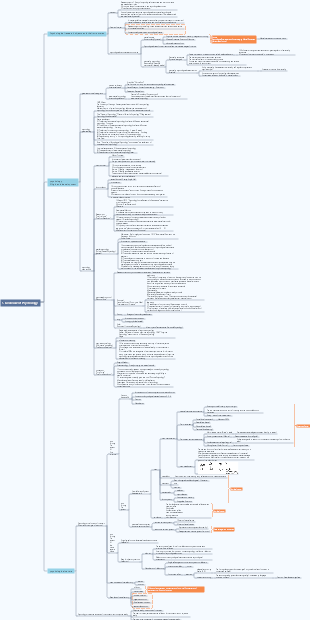
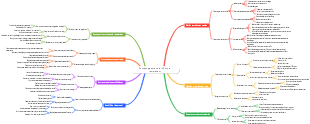
This is a mind map about recruitment and allocation. The main contents include: recruitment effect evaluation, probation period management, onboarding management, employment decision and notification, use of talent assessment tools, interview process and techniques, resume screening and invitation, recruitment information Release, recruitment plan formulation, recruitment needs analysis, recruitment basics.
Edited at 2024-12-09 15:06:09Find a streamlined guide created using EdrawMind, showcasing the Lemon 8 registration and login flow chart. This visual tool facilitates an effortless journey for American users to switch from TikTok to Lemon 8, making the transition both intuitive and rapid. Ideal for those looking for a user-centric route to Lemon 8's offerings, our flow chart demystifies the registration procedure and emphasizes crucial steps for a hassle-free login.
これは稲盛和夫に関するマインドマップです。私のこれまでの人生のすべての経験は、ビジネスの明確な目的と意味、強い意志、売上の最大化、業務の最小化、そして運営は強い意志に依存することを主な内容としています。
かんばんボードのデザインはシンプルかつ明確で、計画が一目で明確になります。毎日の進捗状況を簡単に記録し、月末に要約を作成して成長と成果を確認することができます。 実用性が高い:読書、早起き、運動など、さまざまなプランをカバーします。 操作簡単:シンプルなデザイン、便利な記録、いつでも進捗状況を確認できます。 明確な概要: 毎月の概要により、成長を明確に確認できます。 小さい まとめ、今月の振り返り掲示板、今月の習慣掲示板、今月のまとめ掲示板。
Find a streamlined guide created using EdrawMind, showcasing the Lemon 8 registration and login flow chart. This visual tool facilitates an effortless journey for American users to switch from TikTok to Lemon 8, making the transition both intuitive and rapid. Ideal for those looking for a user-centric route to Lemon 8's offerings, our flow chart demystifies the registration procedure and emphasizes crucial steps for a hassle-free login.
これは稲盛和夫に関するマインドマップです。私のこれまでの人生のすべての経験は、ビジネスの明確な目的と意味、強い意志、売上の最大化、業務の最小化、そして運営は強い意志に依存することを主な内容としています。
かんばんボードのデザインはシンプルかつ明確で、計画が一目で明確になります。毎日の進捗状況を簡単に記録し、月末に要約を作成して成長と成果を確認することができます。 実用性が高い:読書、早起き、運動など、さまざまなプランをカバーします。 操作簡単:シンプルなデザイン、便利な記録、いつでも進捗状況を確認できます。 明確な概要: 毎月の概要により、成長を明確に確認できます。 小さい まとめ、今月の振り返り掲示板、今月の習慣掲示板、今月のまとめ掲示板。
Recruitment and deployment
Recruitment basics
Recruitment purpose
Meet the talent needs of enterprises for business expansion
Fill job vacancies and ensure the smooth functioning of the organization
Reserve talents to prepare for the future development of the company
Recruitment principles
fair and just
Treat all candidates equally and evaluate based on the same criteria
Job matching
Ensure that recruiters’ abilities are highly consistent with job requirements
Efficiency first
Complete the recruitment process quickly while ensuring quality
legality
Follow national laws and regulations and avoid illegal activities such as recruitment discrimination
Recruitment needs analysis
organizational level
corporate strategic planning
Determine the type and quantity of talent required based on the strategy. For example, an expansion strategy may require a large number of marketing and sales talents.
business development status
Analyze the demand for personnel for existing business growth and new business development, such as new production lines requiring production workers, technical personnel, etc.
Job level
Job description revision
Clarify job responsibilities, qualifications (education, major, work experience, skills, etc.), working environment, etc.
Job workload assessment
Determine job saturation and determine whether it is necessary to add employees or adjust job functions
manpower planning
Insider inventory
Understand the quantity, quality, and structure (age, gender, level, etc.) of existing employees and evaluate internal talent supply capabilities
Talent supply and demand forecast
Combine organizational needs and internal supply to predict the number and type of talent gaps and formulate recruitment plans
Recruitment plan development
Recruitment schedule
Determine the time points of each link in the recruitment process, such as resume collection deadline, interview time, offer notification time, etc., to ensure efficient and orderly recruitment
Recruitment channel selection
Internal recruitment channels
internal promotion
Motivate employees and select talents who are familiar with the company's situation
job rotation
Cultivate employees' multi-faceted abilities to meet some job needs
Employee recommendations
Use employee social networks to obtain suitable candidates, and recommenders can provide certain references
External recruitment channels
Online recruitment platform
Such as Zhaopin Recruitment, 51job, etc., which have wide coverage and can attract a large number of different types of candidates.
campus recruitment
Obtain fresh graduates to inject fresh blood into the company and cultivate reserve talents
Headhunting firm
Targeting high-end and scarce talents, precise positioning and mining
Talent market
Suitable for recruiting personnel for basic positions, with intuitive on-site communication
Social Media Recruitment
Such as LinkedIn, Weibo, etc., can display corporate image and attract specific groups
Recruitment budgeting
Recruitment advertising costs
Including online recruitment platform membership fees, offline advertising production and placement fees, etc.
Headhunting service fee
Pay a certain percentage of the annual salary of the successfully recruited position to the headhunting company
Internal referral rewards
Reward fees for employees who successfully recommend candidates
Recruiter labor costs
Time cost of staff involved in recruitment, etc.
Test and evaluation tool fees
Such as psychological testing software usage fees, professional skills test venue and equipment rental fees, etc.
Recruitment information release
Information content design
Company Profile
Highlight the company's strengths, culture, development history and vision to attract candidates' attention
Job details
Accurately describe key information such as job title, responsibilities, job requirements, work location, salary and benefits, etc.
How to apply
Clarify resume delivery email address, contact number, deadline, etc.
Release channel selection and operation
Online recruitment platform
Fill in information as required by the platform and refresh positions regularly to ensure exposure
Corporate official website
Display recruitment information in detail in the recruitment section to facilitate candidates to fully understand the company and positions
social media
Produce attractive copywriting and pictures, and publish them with hashtags to expand the scope of communication.
campus recruitment
Cooperate with the school employment guidance center to publish information on the campus employment website and participate in on-site promotion at campus job fairs
Resume screening and invitation
Resume Screening Points
Basic information matching
Such as whether academic qualifications, majors, working experience, etc. meet the job requirements
Work experience relevance
Focus on work experience and project experience related to the position you are applying for.
career stability
Analyze the frequency and reasons of past job changes
Skills and Certifications
Check whether you have the required skills and relevant qualifications for the position
Invitation communication skills
Telephone invitation
Introduce yourself clearly and explain the purpose of the call
Briefly introduce the company and job highlights to stimulate candidates' interest
Confirm the interview time and location, and provide detailed transportation instructions
Answer candidate questions in a polite and enthusiastic manner
Email invitation
The subject of the email must clearly include the company name and job title.
The content format is standardized and the key information of the interview is elaborated again.
Attach company promotional materials or job-related attachments to deepen the candidate’s understanding
Interview process and techniques
Interview type selection
structured interview
Design fixed interview questions and scoring standards in advance to ensure fairness and consistency, which is suitable for large-scale recruitment or high standardization of job requirements.
unstructured interview
Flexibly ask questions around the position and the candidate's situation to gain an in-depth understanding of the candidate's overall quality, adaptability, etc. It is often used in mid-to-high-end positions or positions that require innovative thinking.
behavioral interview
Predict the candidate's future performance in the role by asking for examples of their past behavior, such as "Please give an example of how you resolved conflicts during a team project."
group interview
Multiple candidates participate in the interview at the same time to observe their teamwork, communication expression, competitive awareness, etc. It is suitable for recruiting positions that require teamwork.
Interview preparation
Interviewer training
Make the interviewer familiar with the interview process, scoring standards, job requirements, master interview skills and avoid common interview misunderstandings
Venue layout
Choose a quiet, comfortable and well-lit interview venue, and prepare the forms, stationery, and equipment required for the interview (such as projectors, computers, etc.)
Data preparation
Review candidate resumes in advance, prepare targeted questions, and understand job-related business knowledge and industry trends.
Interview process implementation
opening session
The interviewer introduces himself, briefly introduces the interview process and time schedule, and relieves the candidate's nervousness
Question session
Ask questions based on the interview type and job requirements, dig deep into the candidate’s abilities, experience, personality, values, etc., and pay attention to listening and recording
Interactive session
Give candidates the opportunity to ask questions, answer their questions about the company, positions, career development, etc., and demonstrate the openness and respect of the company
Ending session
Inform candidates of the time and method of notifying interview results, and thank candidates for participating in the interview
Interview assessment and decision-making
Interviewer independent scoring
Score candidates on various evaluation indicators based on interview performance
Comprehensive Assessment Discussion
The interviewer team discusses the candidate's performance together, combines the job requirements with the company's employment standards, and determines the candidate's ranking or whether to hire.
background check
Conduct background checks on candidates to be hired to verify academic qualifications, work experience, performance, integrity, etc. to reduce recruitment risks
Use of talent assessment tools
psychological assessment
personality test
Such as MBTI, DISC, etc., to understand the candidate's personality characteristics and determine their suitability for the position. For example, sales positions may be more suitable for extroverted and sociable personality types.
aptitude test
Evaluate candidates' aptitude in language, logic, mathematics, etc. to provide reference for job assignments. For example, technical R&D positions may require strong logical thinking abilities.
career interest test
Determine candidates' career areas of interest, help them find positions that are more in line with their interests, and improve job satisfaction and stability
Professional skills test
written examination
Conduct written tests on the professional knowledge required for the position, such as programming tests for programmer positions and writing tests for copy editor positions
Practical test
Examine the candidate’s professional skills and operational level in actual work scenarios or simulated environments, such as equipment operation tests for mechanical engineers and cooking demonstrations by chefs
Assessment Center Technology
Leaderless group discussion
Observe candidates’ organizational coordination, communication, teamwork, problem-solving and other abilities in leaderless team discussions, suitable for recruitment for management positions or positions that require teamwork.
role play
Set up specific work scenarios and ask candidates to play corresponding roles to examine their coping abilities and comprehensive qualities in actual work situations, such as the role play of customer complaint handling in customer service positions.
Recruitment decisions and notifications
Basis for hiring decisions
Interview evaluation results
Comprehensive interviewer ratings and comments
Talent evaluation report
Refer to the results of psychological assessment, professional skills test, etc.
Background check status
Ensure that the information provided by the candidate is true and reliable and has no bad records
Issuance of acceptance notice
Formal offer notice
Send it to the employment candidate in writing (email or paper letter), including detailed information such as employment position, salary, entry time, materials required for entry, etc., to express your sincerity in welcoming you to the company.
Notify unsuccessful candidates
Inform them of the rejection result in a polite and tactful way, and thank them for their attention and participation in the company.
Onboarding management
Pre-employment preparation
Preparing materials for entry procedures
Such as labor contracts, employee handbooks, employment registration forms, office supplies, etc.
work arrangement
Determine the position mentor or onboarding guide for new employees, and arrange office seats and equipment
Onboarding training plan development
Plan the content, time arrangement, training teachers, etc. of new employee induction training courses.
Onboarding procedures
New employee registration
Verify identity information and entry materials, and receive copies of relevant documents
Signing of labor contract
Explain the terms of the contract to new employees, ensure that the rights and interests of both parties are clear, and sign and seal them
Employee file creation
Organize and archive new employees' personal information, resumes, interview evaluations, training records, etc.
Distribution of office supplies and familiarity with the office environment
Distribute office supplies, lead new employees to visit the company's office area, and introduce the location and functions of each department
Onboarding training implementation
Company Profile
Including corporate history, culture, organizational structure, development strategy, etc., so that new employees can quickly understand the overall situation of the company
Rules and regulations training
Explain in detail the company's rules and regulations, such as attendance system, salary and benefit system, performance appraisal system, confidentiality system, etc., to ensure that new employees know and comply with it
Job knowledge and skills training
Job instructors or business experts will provide training on job professional knowledge, work processes, operational skills, etc. to help new employees adapt to the job as soon as possible.
Professional quality training
Improve new employees’ professional etiquette, communication skills, teamwork awareness, time management and other qualities
Trial period management
Probation period assessment indicator setting
work performance
Based on job goals and tasks, set quantitative work performance indicators, such as sales for sales positions, output and quality for production positions, etc.
work attitude
Examine new employees’ professionalism, sense of responsibility, teamwork attitude, learning attitude, etc. Information can be obtained through evaluations from superiors, feedback from colleagues, etc.
Improved work ability
Compare the changes and improvements in professional skills, problem-solving abilities, communication and coordination skills when joining the company and during the probation period.
Communication and feedback during trial period
regular interviews
During the probation period, conduct regular interviews (such as monthly) with new employees to understand their work feelings, difficulties and needs, and provide guidance and support.
performance feedback
Based on the completion of evaluation indicators during the probation period, provide timely performance feedback to new employees, affirm their achievements, point out deficiencies, and make suggestions for improvement.
Probation period decision
comprehensive assessment
Conduct comprehensive evaluations of new employees based on probation period assessment results, interview feedback, colleague evaluations, etc.
Decision to become a regular employee
For new employees who perform well and meet the job requirements, they will be approved to be regular; for new employees who have certain gaps but have potential, the probation period can be extended appropriately or an improvement plan can be formulated; for new employees who do not meet the requirements, they will be dismissed
Recruitment effectiveness evaluation
Evaluation indicator setting
Recruitment completion rate
The ratio of the actual number of people recruited to the planned number of people recruited reflects the completion of the recruitment plan
Recruitment quality
Measure the quality of recruiters through new employee probation period performance, performance evaluation results, turnover rate and other indicators, such as the proportion of new employees with excellent performance during the probation period, the proportion of low-performing employees within a certain period of employment, the turnover rate of new employees within one year, etc.
Recruitment cost effectiveness
Calculate the ratio of total recruitment costs (including direct costs and indirect costs) to recruitment benefits (the value created by new employees for the company), and evaluate recruitment input-output benefits
Recruitment time cycle
The average time it takes from the time a recruitment request is made to the arrival of personnel, reflecting recruitment efficiency
Assessment data collection and analysis
data collection
Collect relevant data from multiple channels such as human resources management information systems, recruitment channel platforms, employee files, performance evaluation records, etc.
data analysis
Use statistical methods to analyze data, such as comparing the recruitment effects of different recruitment channels (number of jobs, quality, cost, etc.), the difficulty and effectiveness of recruitment for different job types, etc., to find out the advantages and problems in the recruitment process
Application and improvement of assessment results
Optimize recruitment strategy
Based on the evaluation results, adjust recruitment channel selection, recruitment information release methods, interview processes and methods, etc. to improve recruitment results.
Improve recruiting plans
Based on corporate business development changes and recruitment effect feedback, more accurately formulate recruitment plans and reasonably determine the number of recruits, job requirements, time arrangements, etc.
Improve recruitment team capabilities
In response to the problems found in the recruitment team during the evaluation, targeted training and learning activities will be carried out to improve the professional quality and professional level of the recruiters.